The DIY Question
Median household income in Nevada runs about $133,750, well above a lot of the towns we cover out of Royse City. That number matters here because it changes the math on repair versus replace. When a torsion spring job on an older door starts creeping past a few hundred dollars, homeowners at this income level tend to ask for a full new door rather than a patch, because the labor cost difference between a repair and a new install is small relative to the budget, and a new door buys 15-20 years instead of a few.
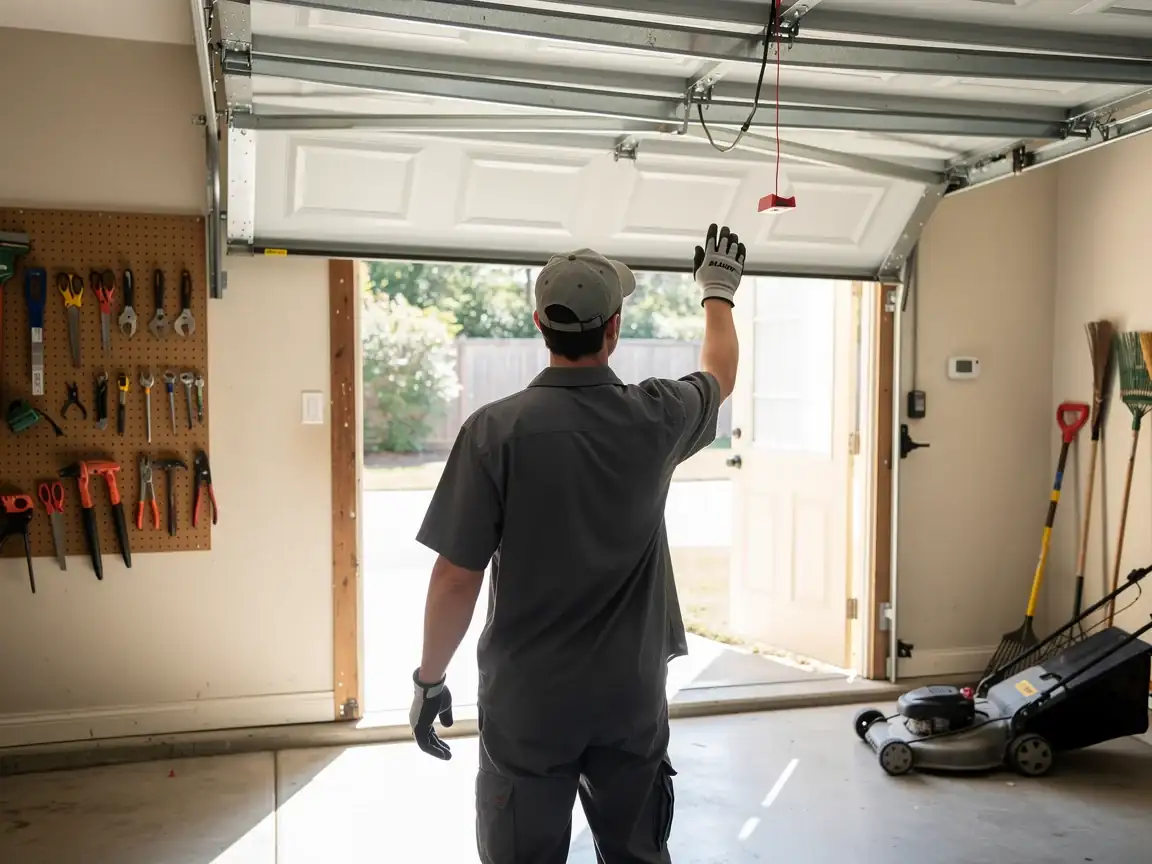
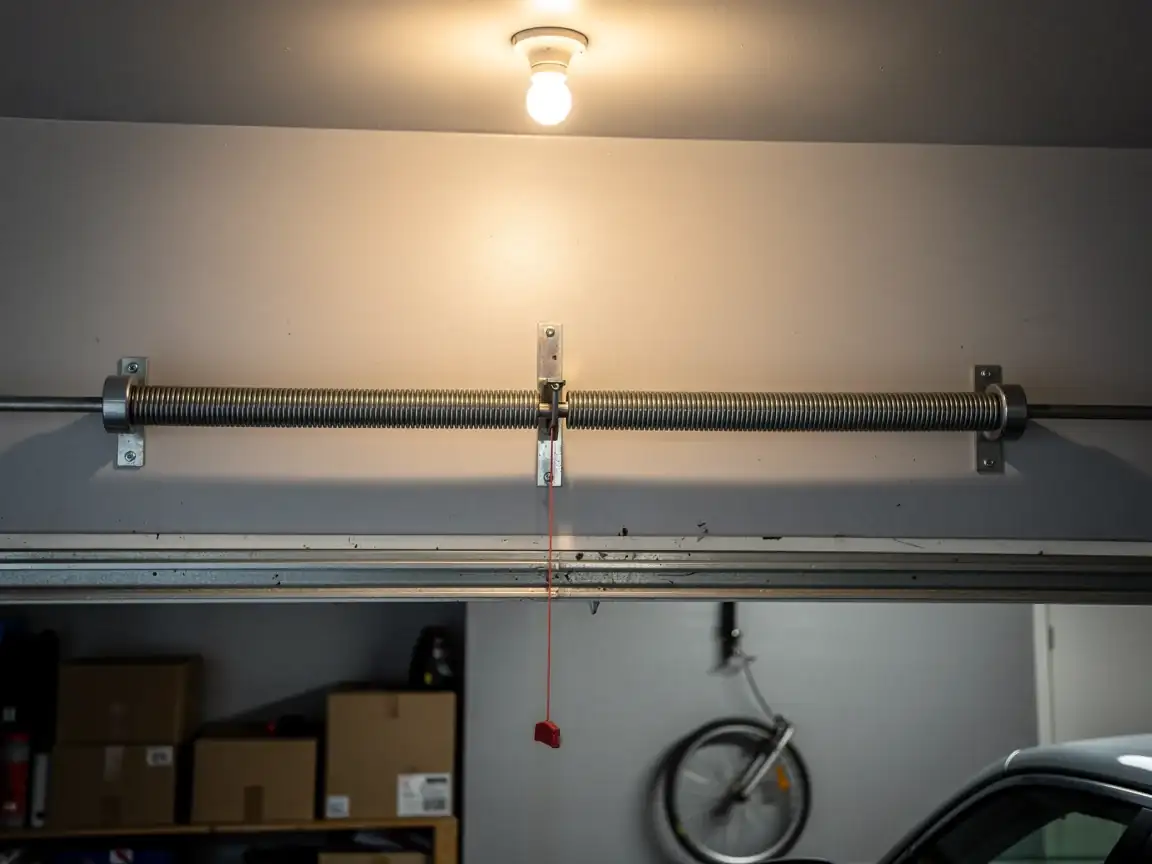
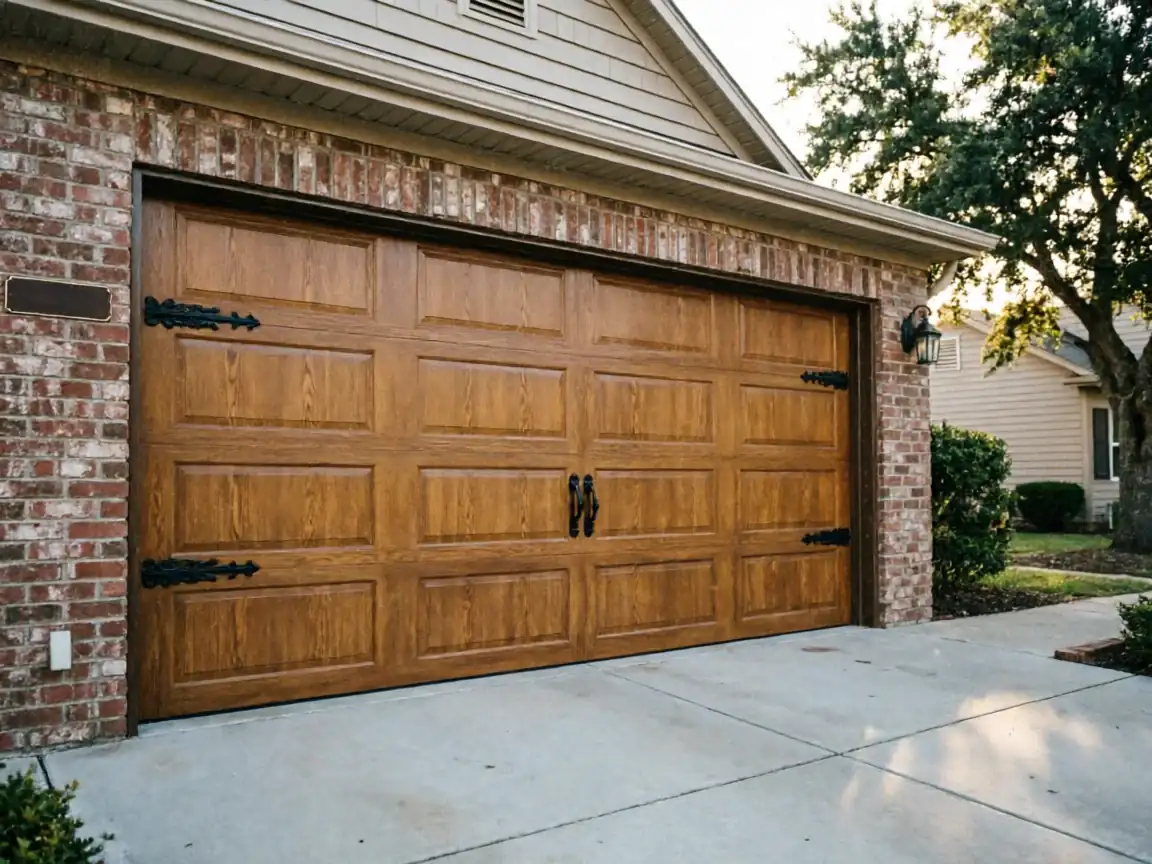
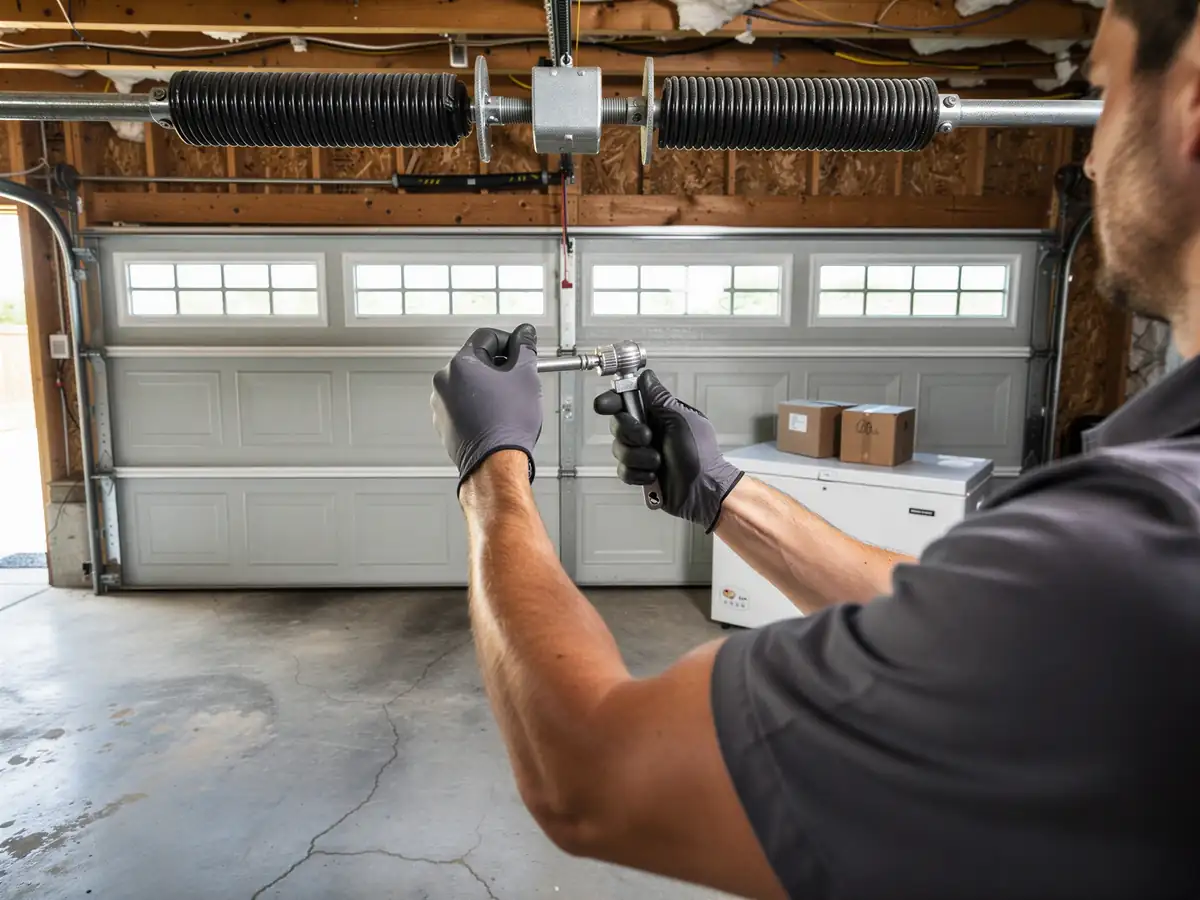
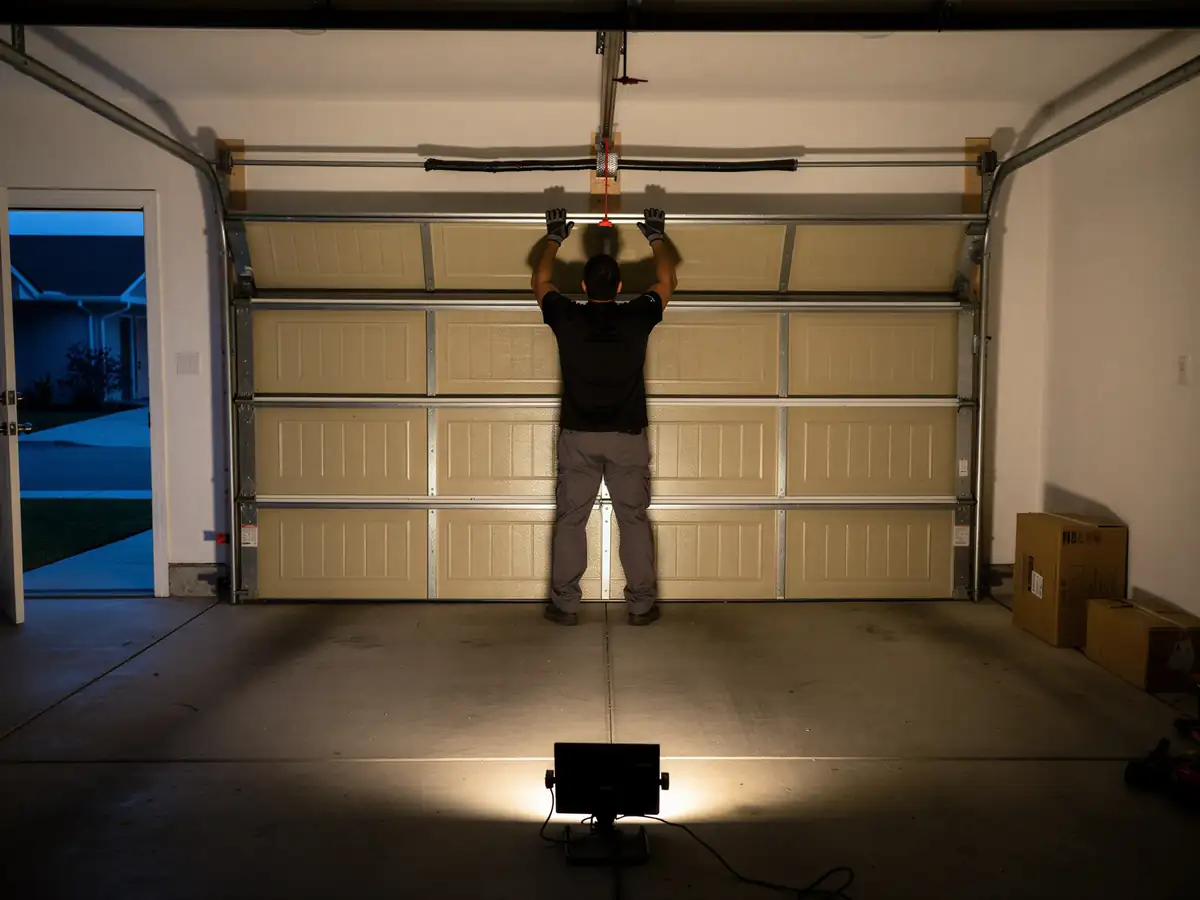
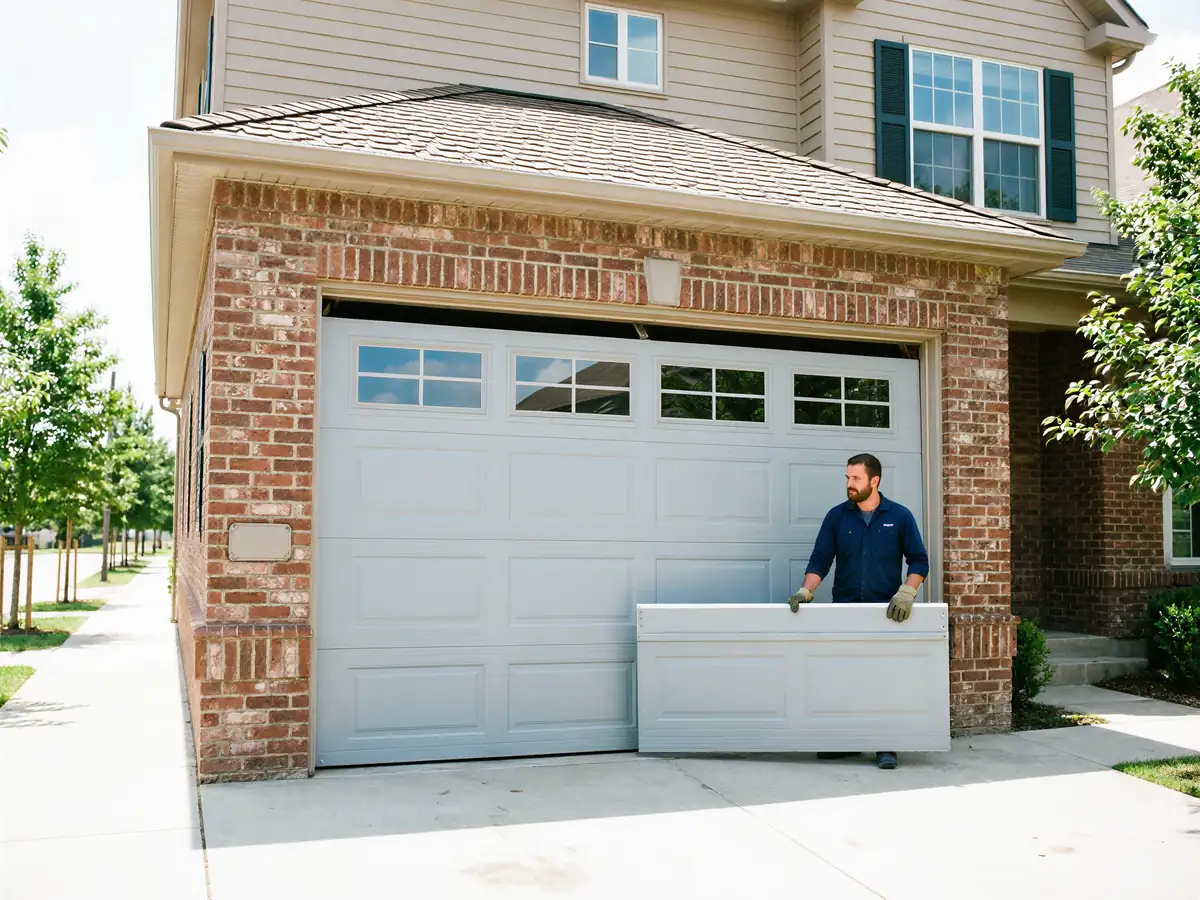
That's the honest answer to the DIY question too. Pulling an old door and setting a new one isn't a weekend job for most people - it involves high-tension springs, a heavy panel assembly, and getting the track plumb on the first try. We're not going to tell you it's impossible, but we will tell you it's the single most common way people end up calling us anyway, after the door's already off its track and the opening is unprotected overnight.
What Can Go Wrong
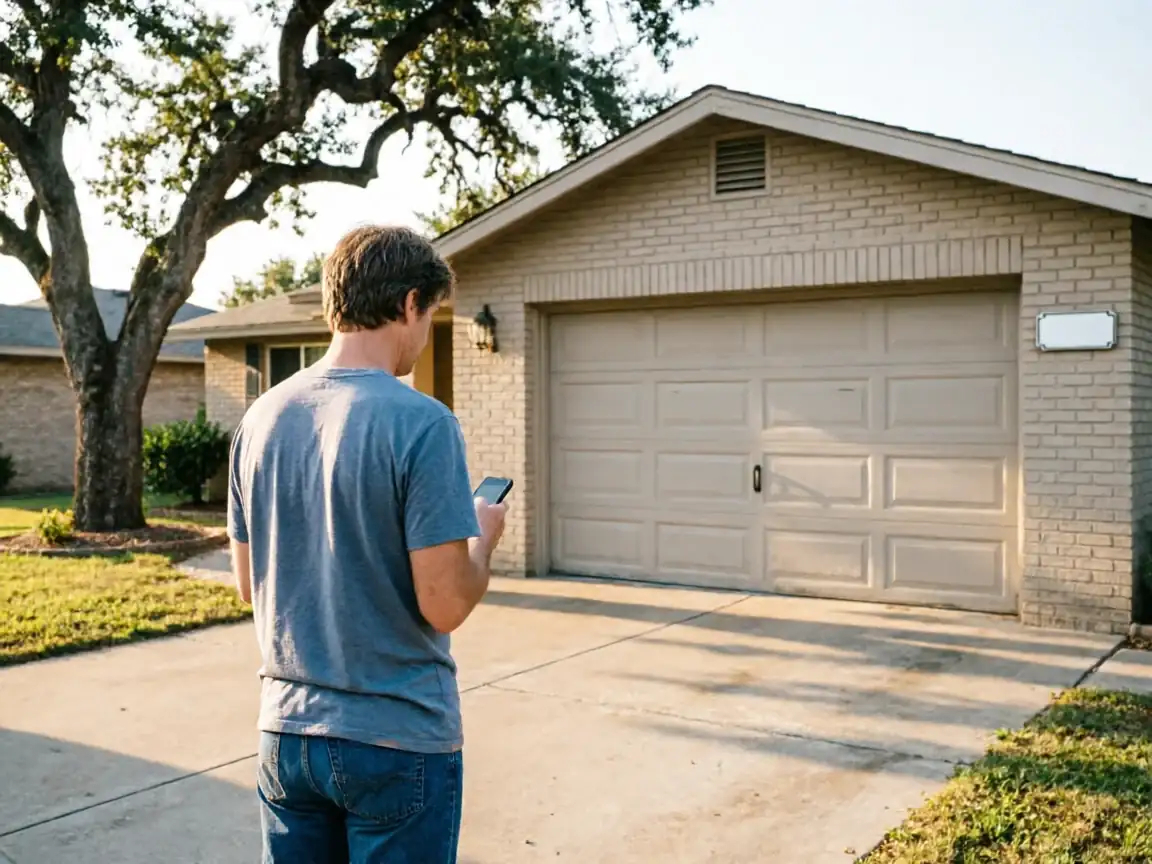
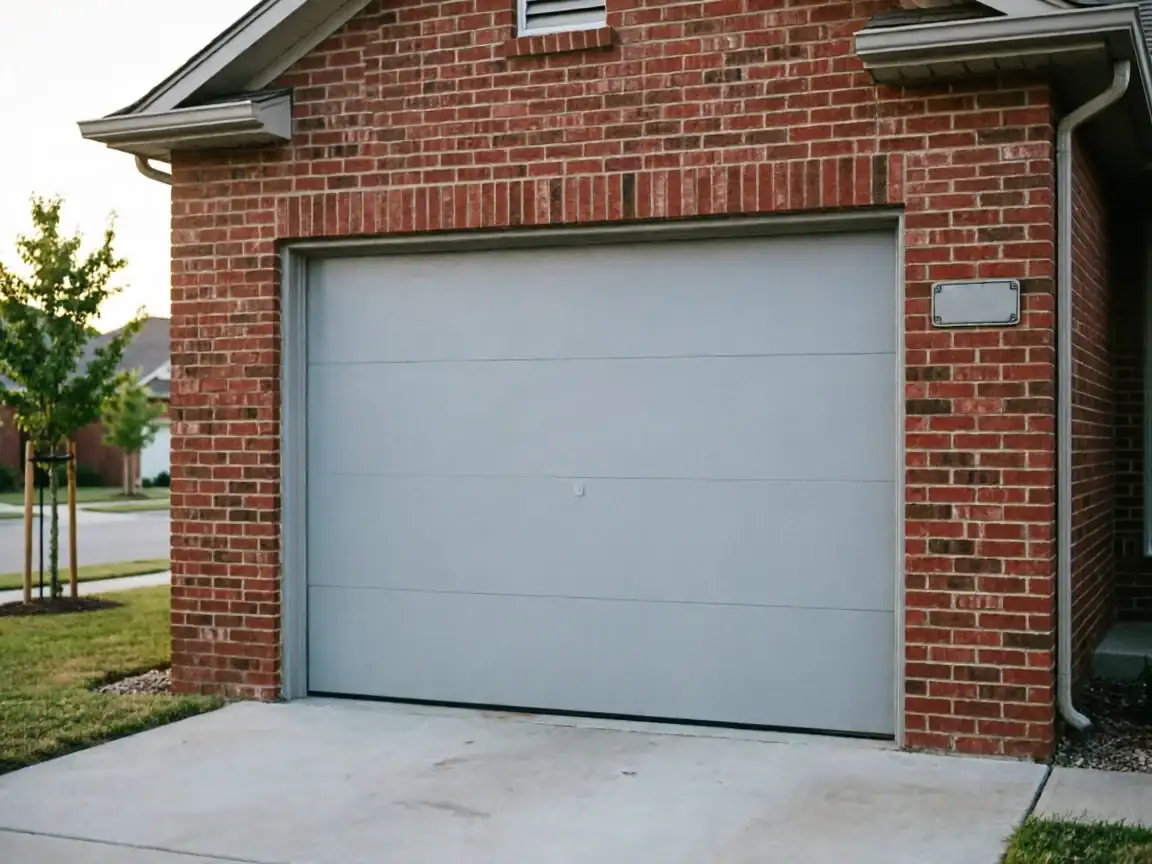
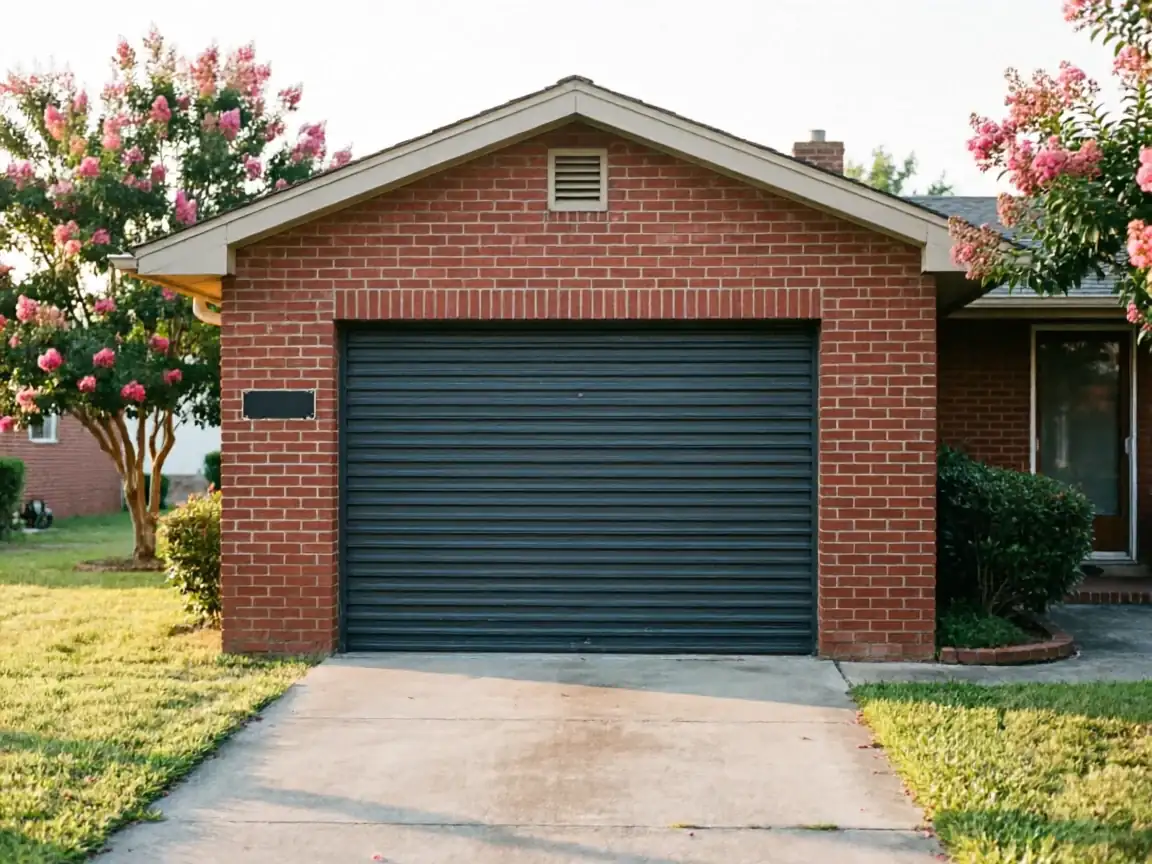
Nevada's housing stock is newer than a lot of the area - median year built here is around 2009, which puts most doors on steel tracks and lighter-gauge panels than the 1990s-era doors common elsewhere in the service area. The failure pattern is different too. Instead of old one-piece doors with worn-out hardware, we mostly see openers and springs that are original to the house and simply reaching the end of their rated cycle count around the 12-15 year mark.
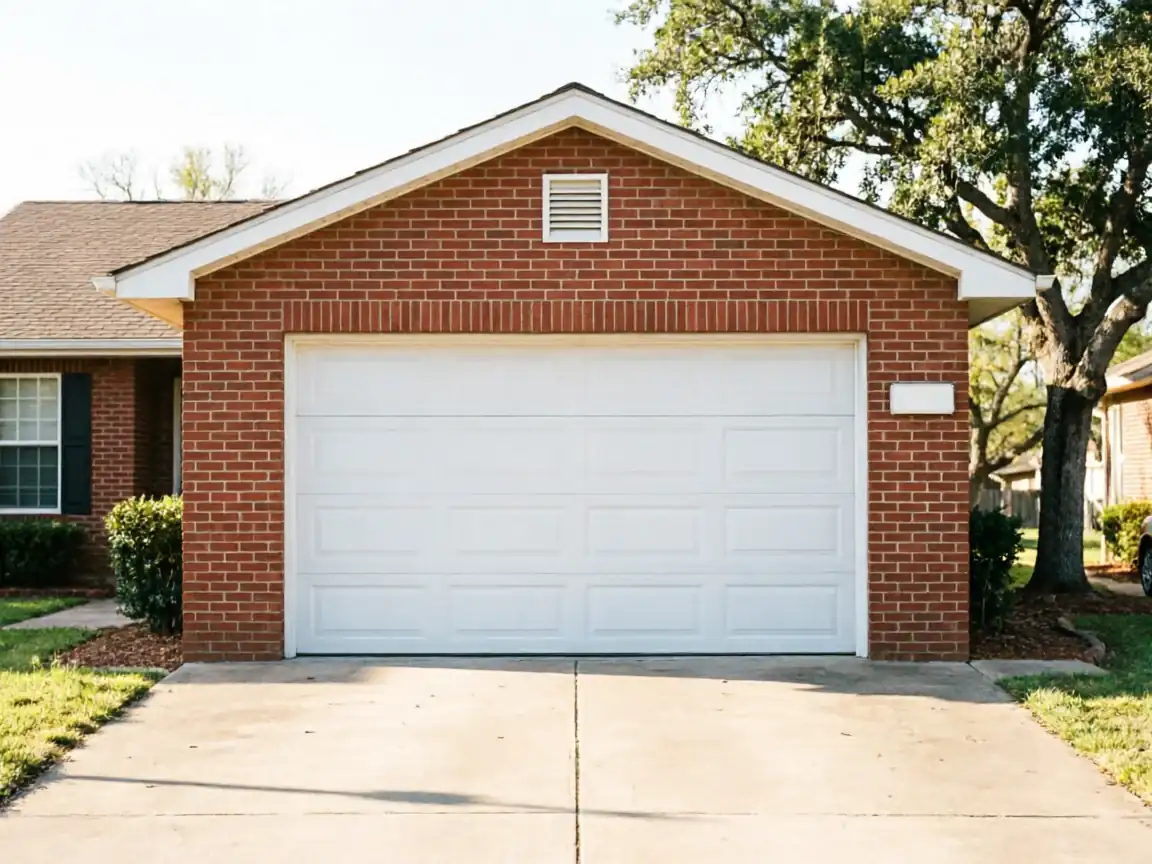
The other issue with newer construction: builders often spec the cheapest door and opener combo that passes code, not the one that holds up best. If your door was installed around the time the house was built, you may be due for a replacement that actually matches how the house gets used, not just what the builder's spec sheet called for.
Time on the Job
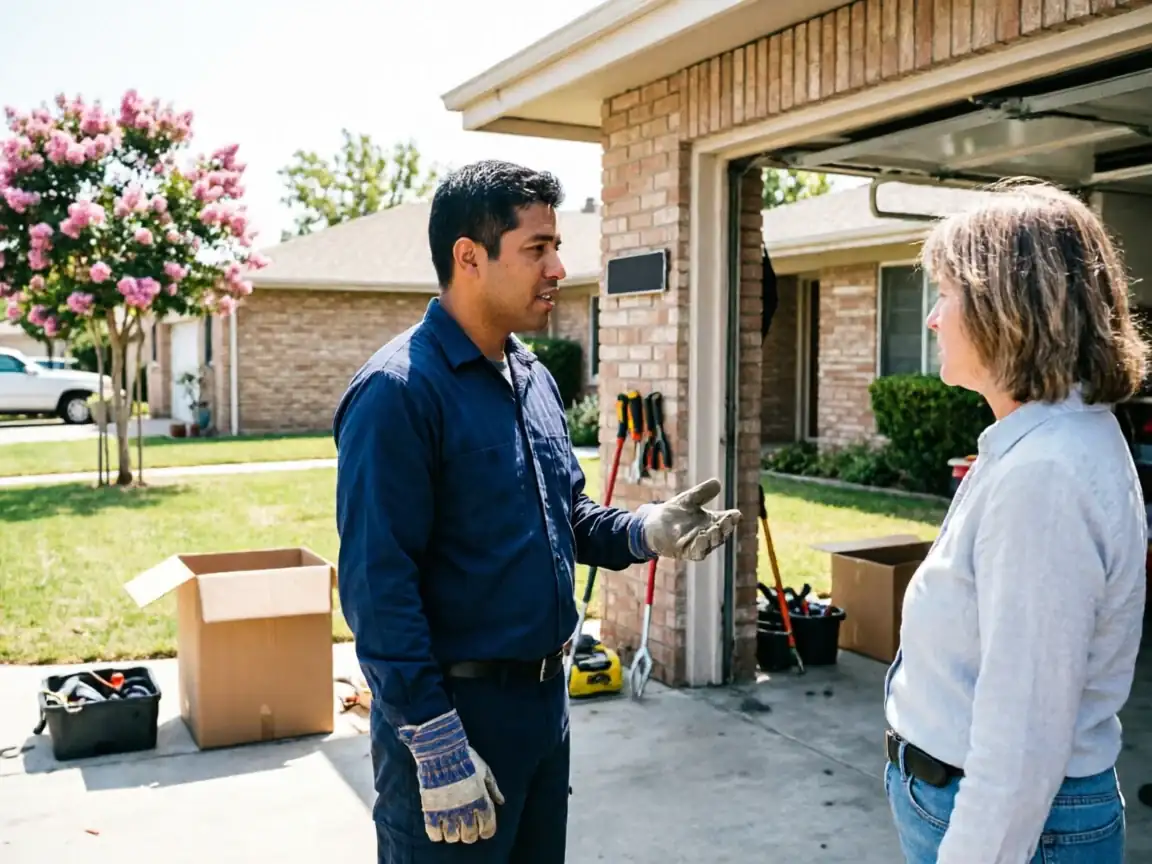
An install crew comes out from Royse City, about 5 miles away
So there's travel time built into scheduling a job in Nevada - we don't keep a branch or truck stationed here. Once the crew is on site, a single-door replacement on a standard residential opening is a same-day job in most cases, start to finish, including removing the old door and hauling it off.
- 5 miles
Double doors or anything with a custom width take longer
Mostly because of the extra hardware and the second track alignment. We'll give you a window when we quote the job rather than guess here, since the actual time depends on what's behind the wall and whether the opener is being replaced too.
What the Fix Involves
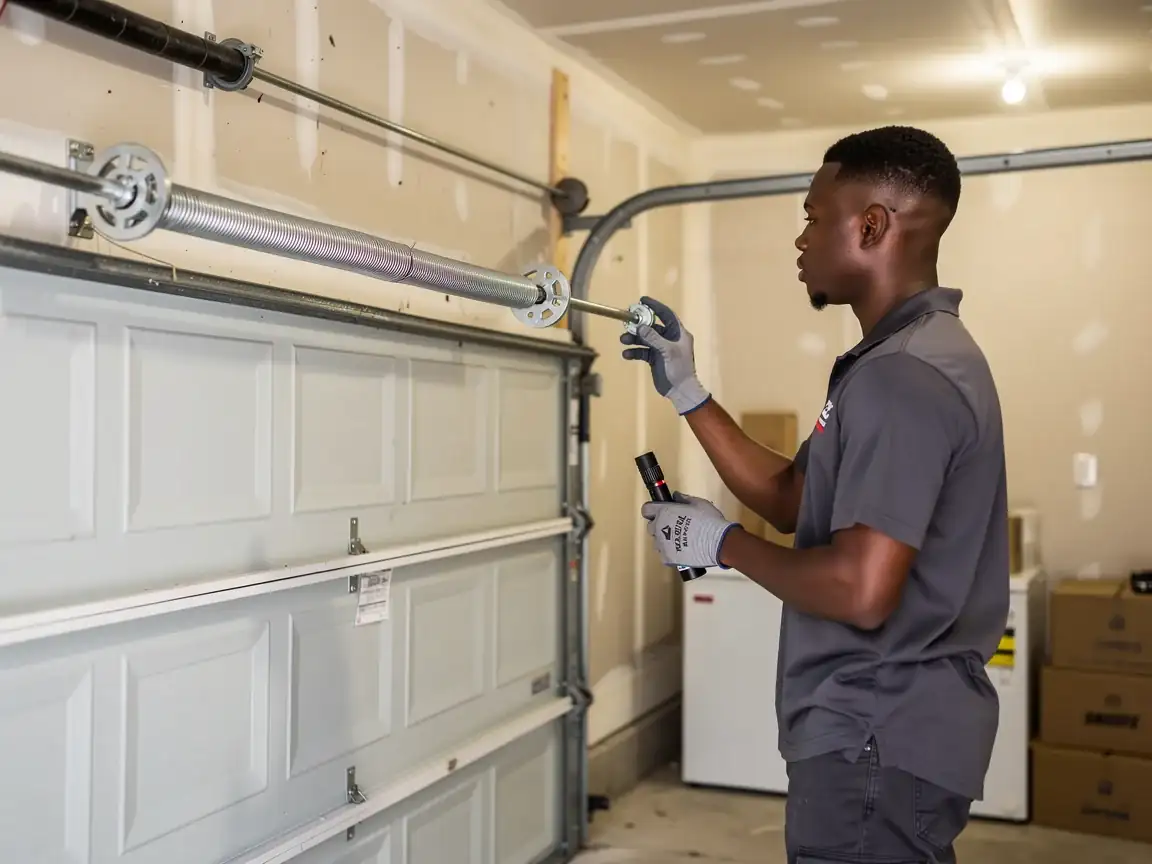
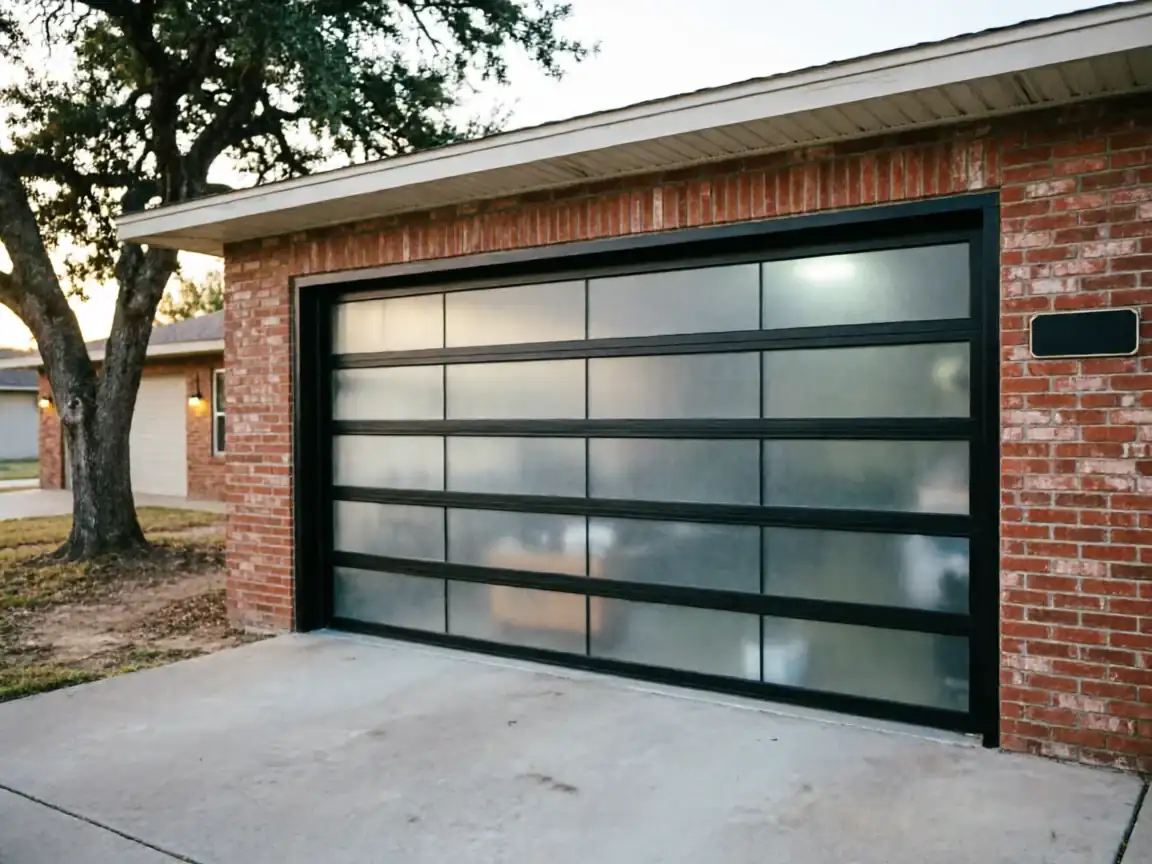
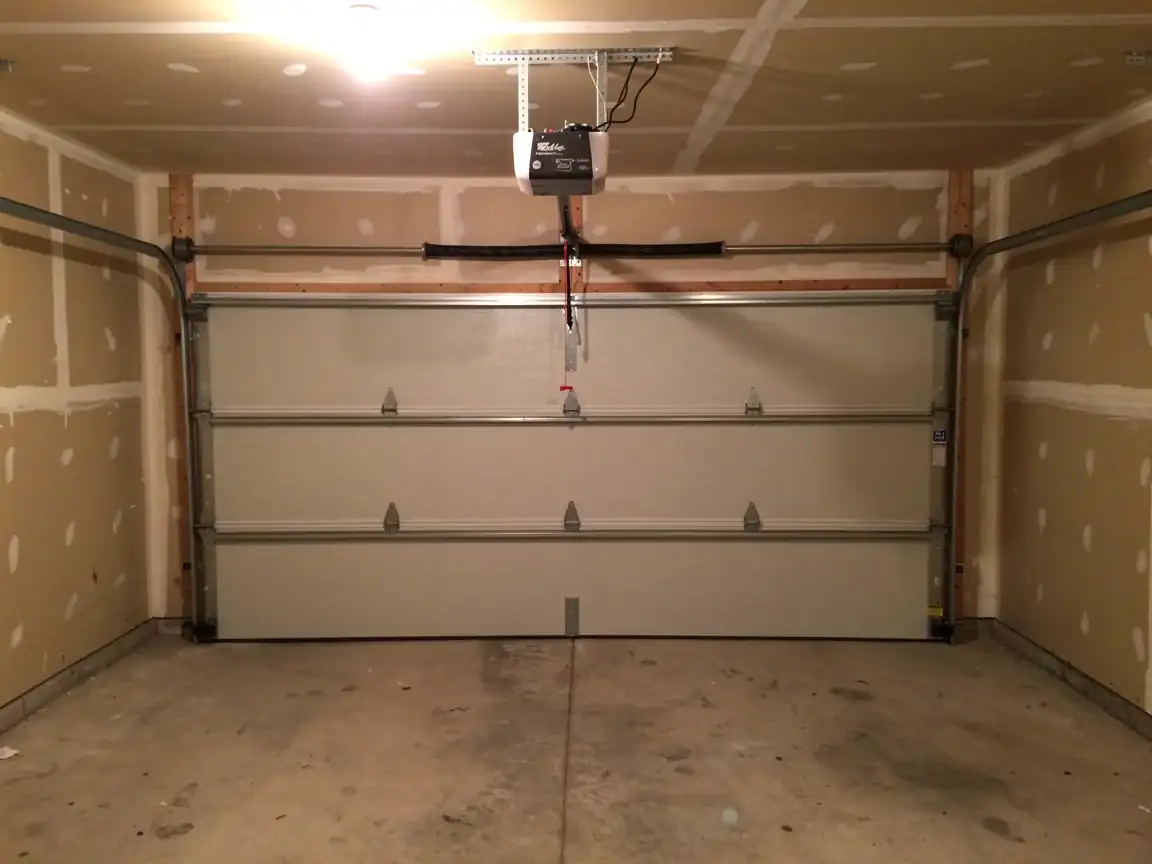
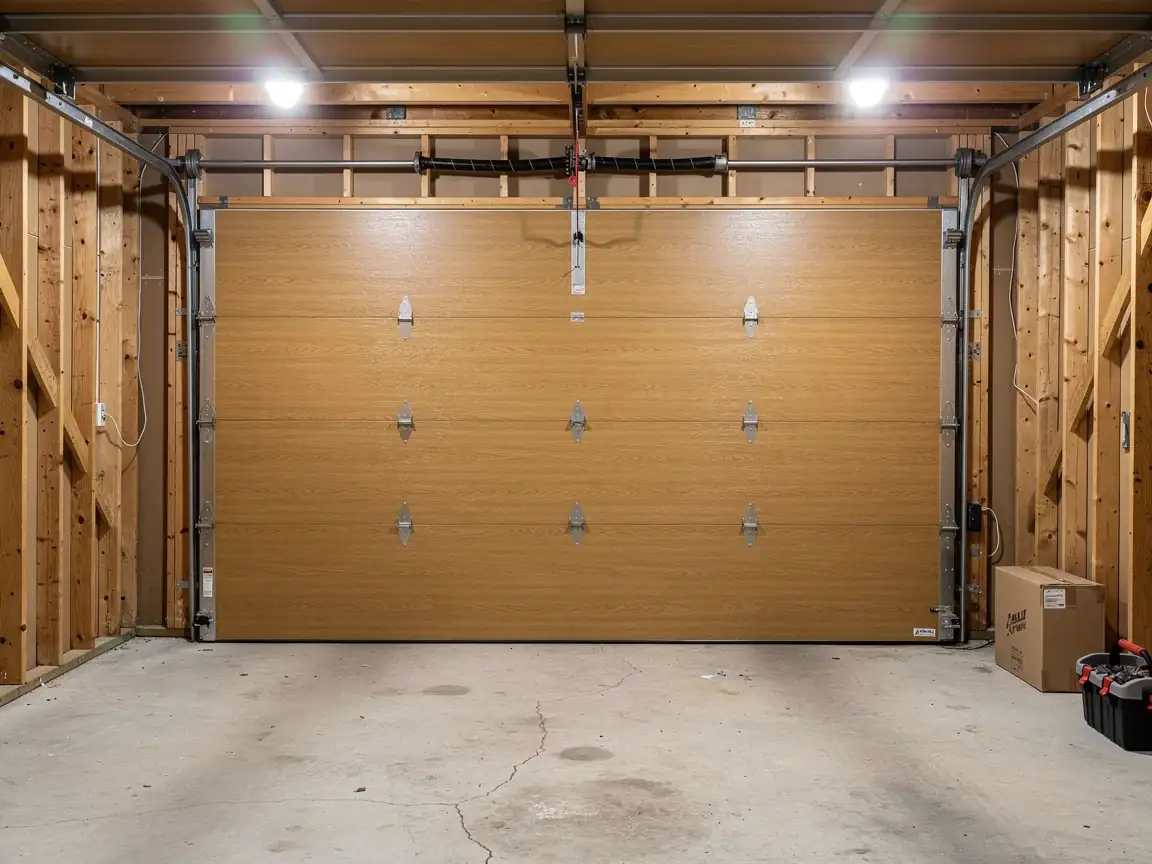
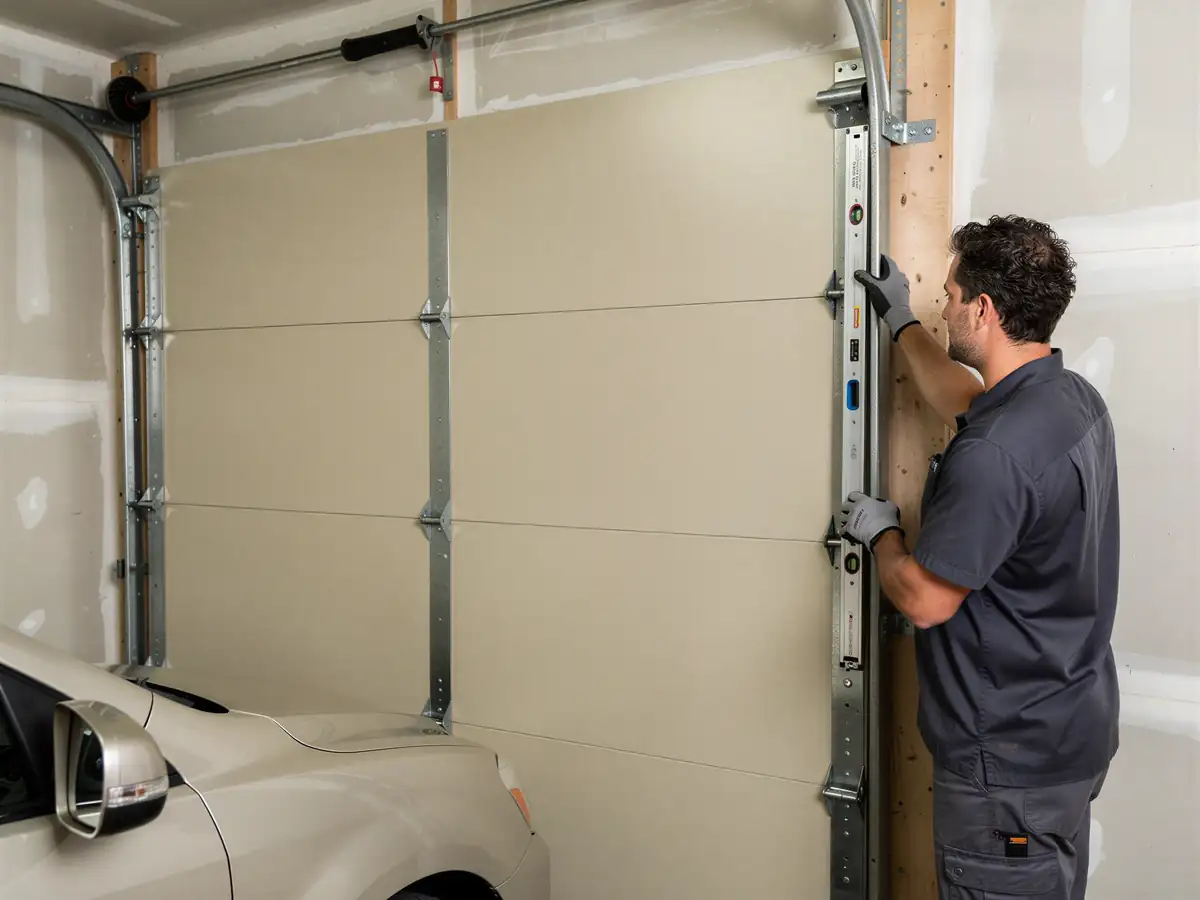
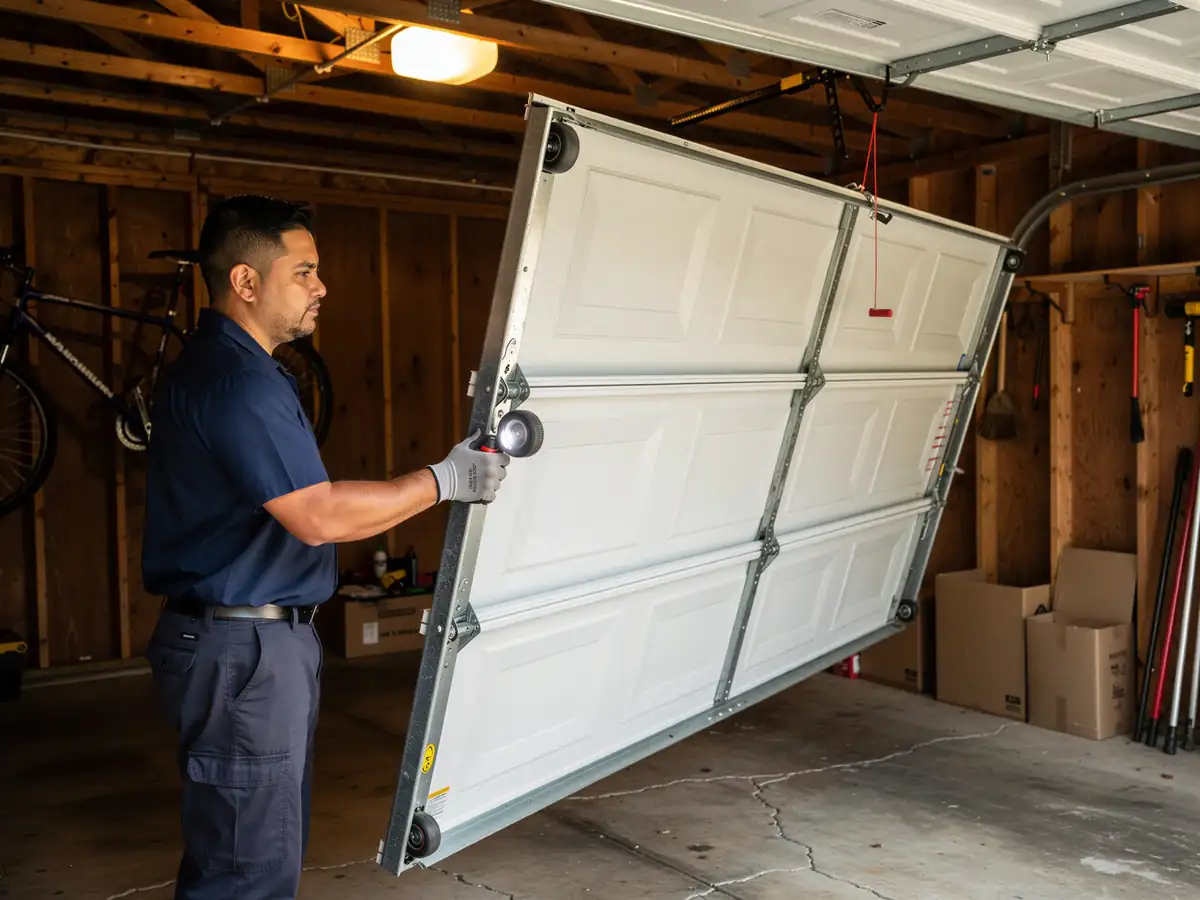
A real new-door install means pulling the old panels, tracks, springs, and often the opener bracket, then setting new jamb brackets plumb before anything goes back up. Nevada's climate band is moderate heat, which doesn't push us toward a specialized insulation package the way a harsher climate would - a standard residential door handles the heat load fine here without extra foam core thickness.
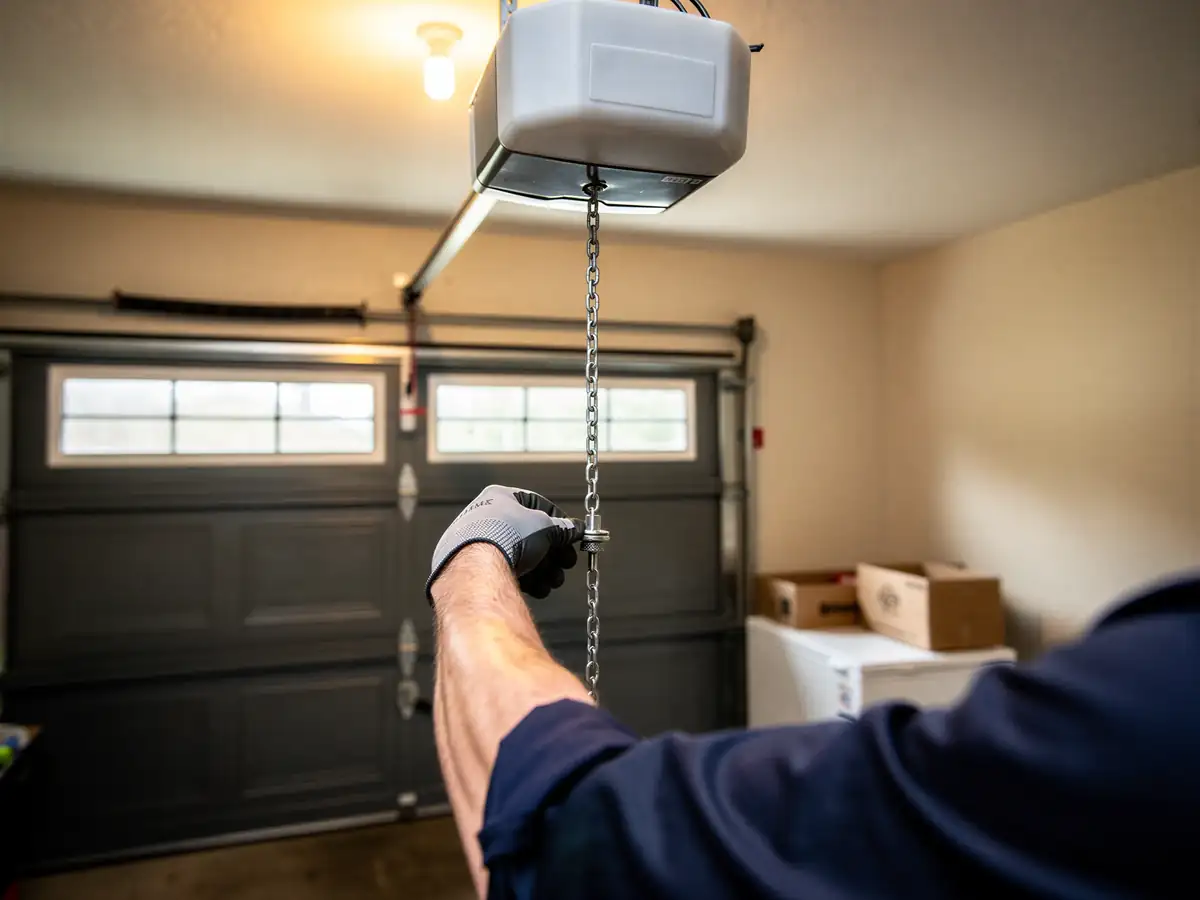
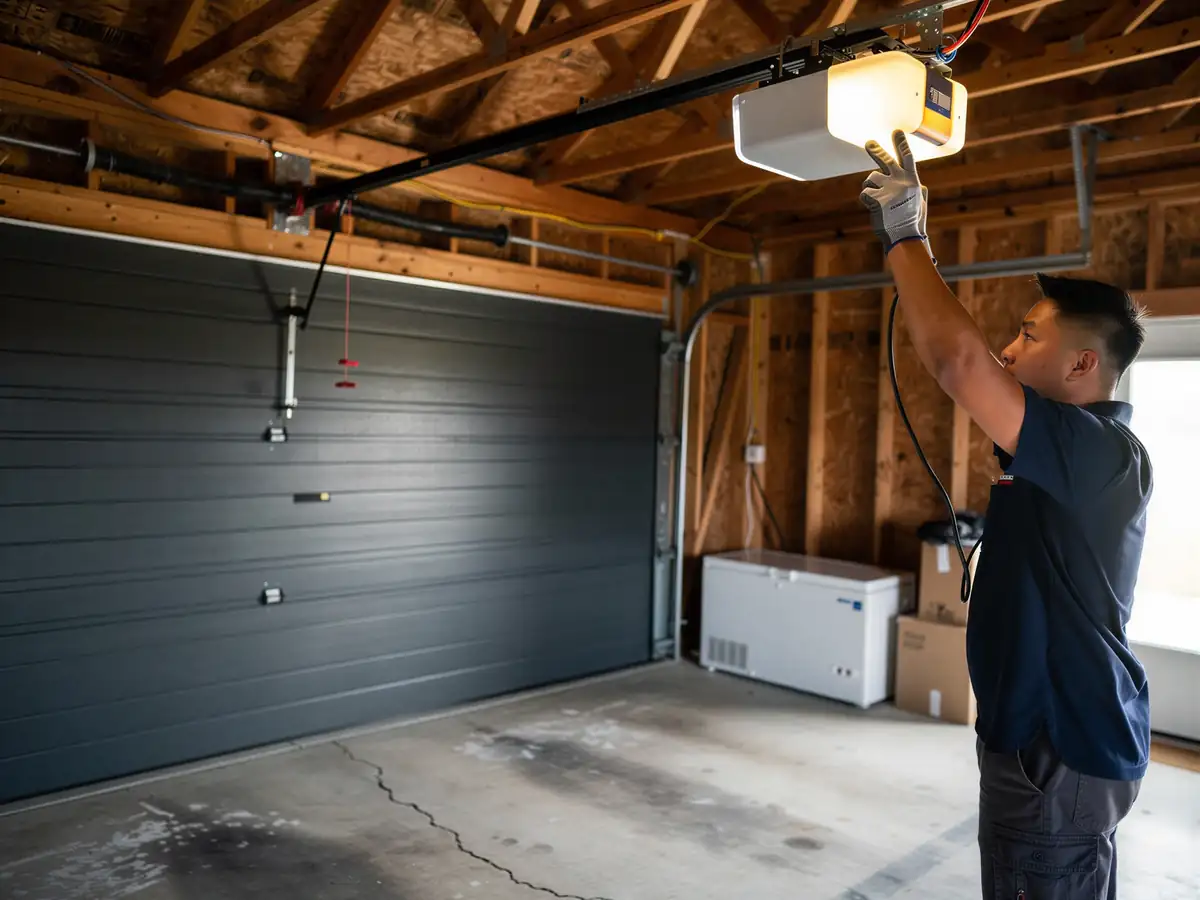
What we do check closely on newer builds like most of Nevada's housing stock is whether the original opener is worth keeping. If the door's from 2009 or later, the opener motor is often still functional even when the door itself is worn out, so part of the job is deciding what gets reused and what gets replaced, not assuming everything goes in the dumpster.
Parts We Carry
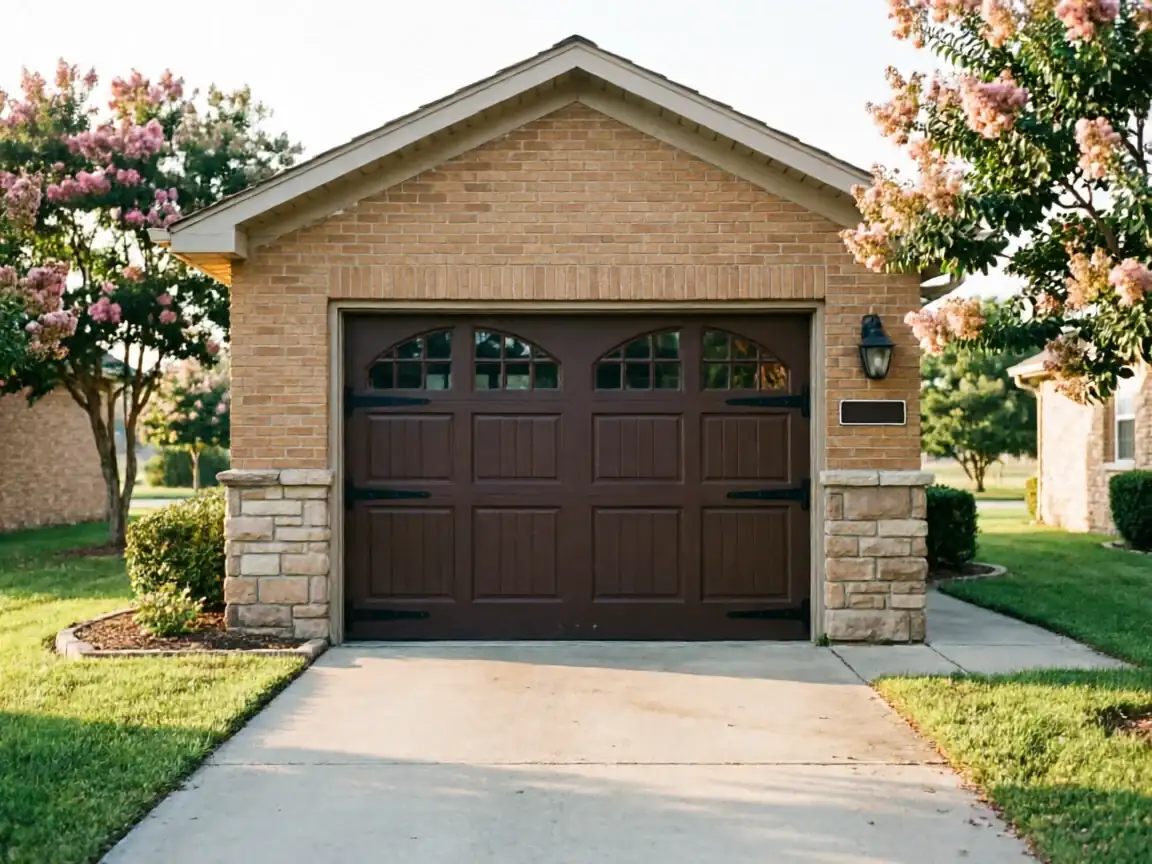
We stock the panel widths and spring sizes that match standard builder-grade openings, which covers most of what you'll find in a neighborhood built in the 2000s. Where we run into lead time is custom widths or discontinued opener models - if your door was a builder upgrade option rather than a standard size, that part may need to be special-ordered, and we'll tell you that up front rather than let you find out on install day.
That's the one honest limitation worth stating plainly: not every part ships same-week. Standard doors and springs, yes. Anything odd-sized or tied to a discontinued opener line, we'll quote the wait along with the price.