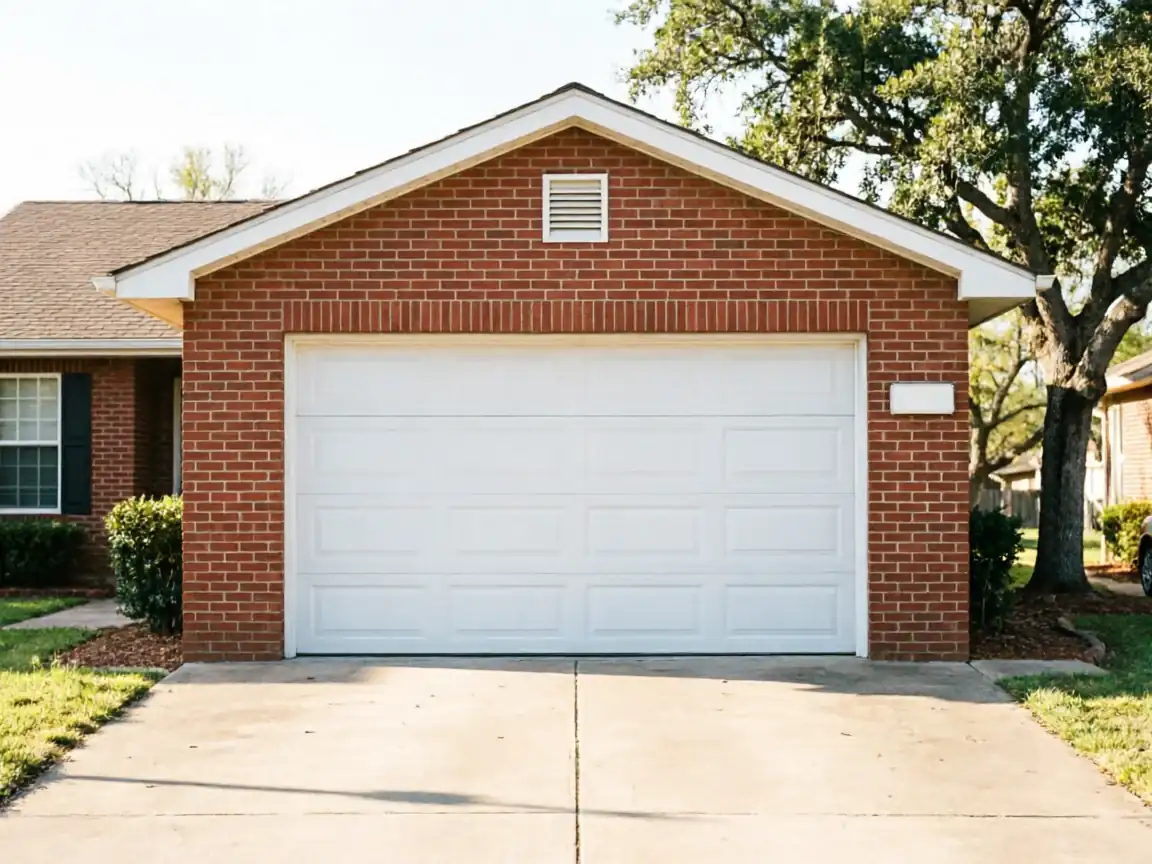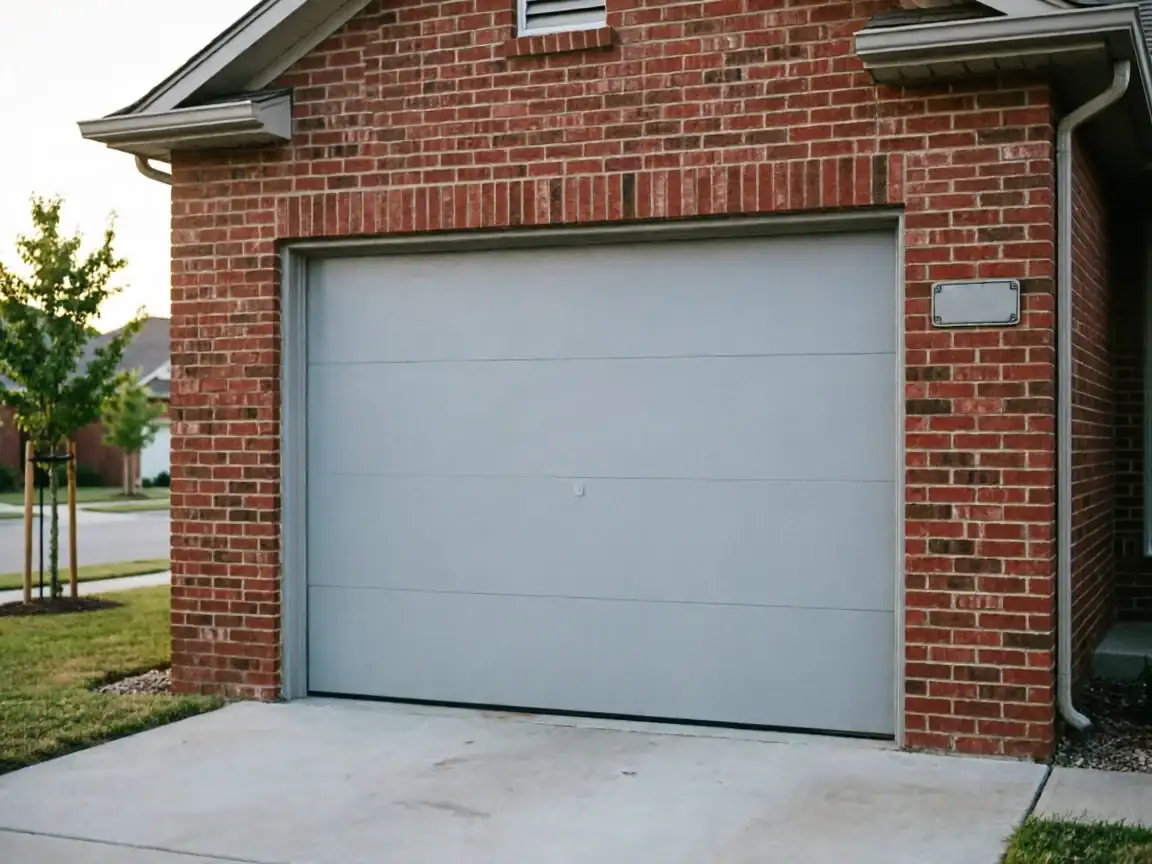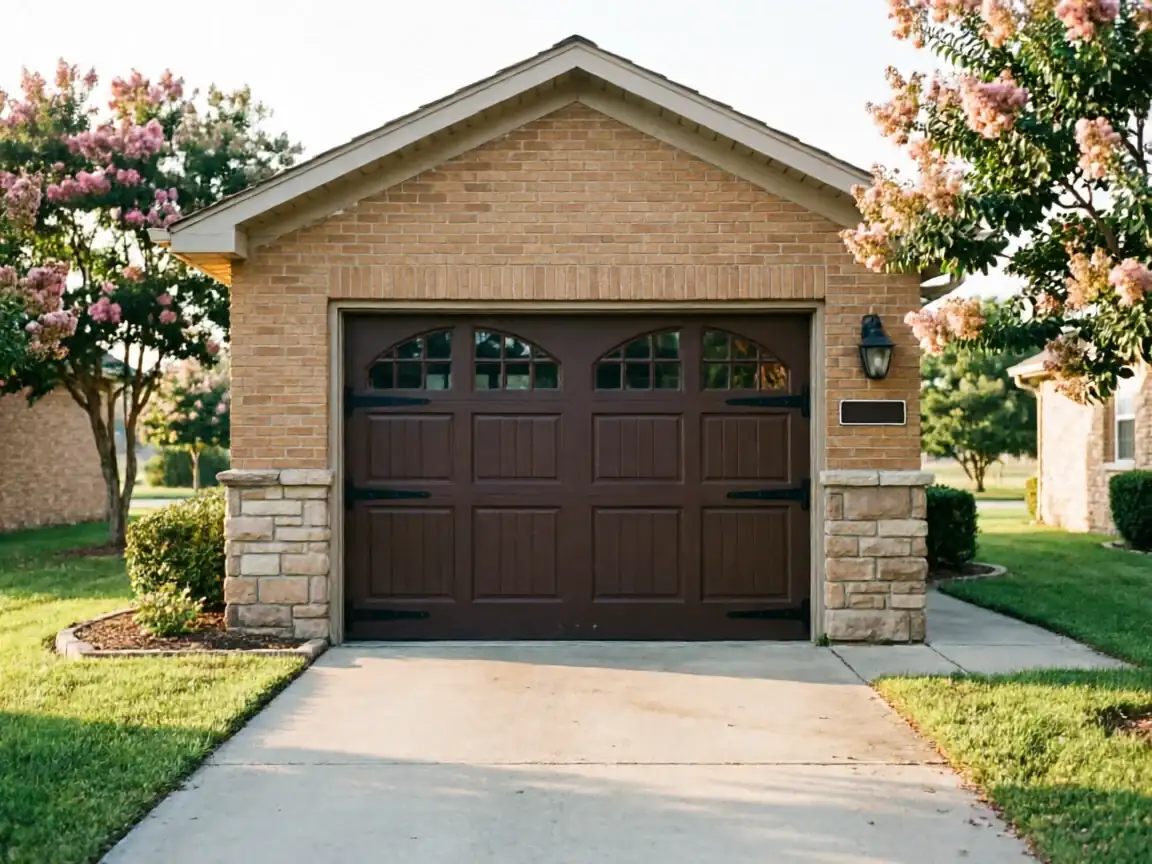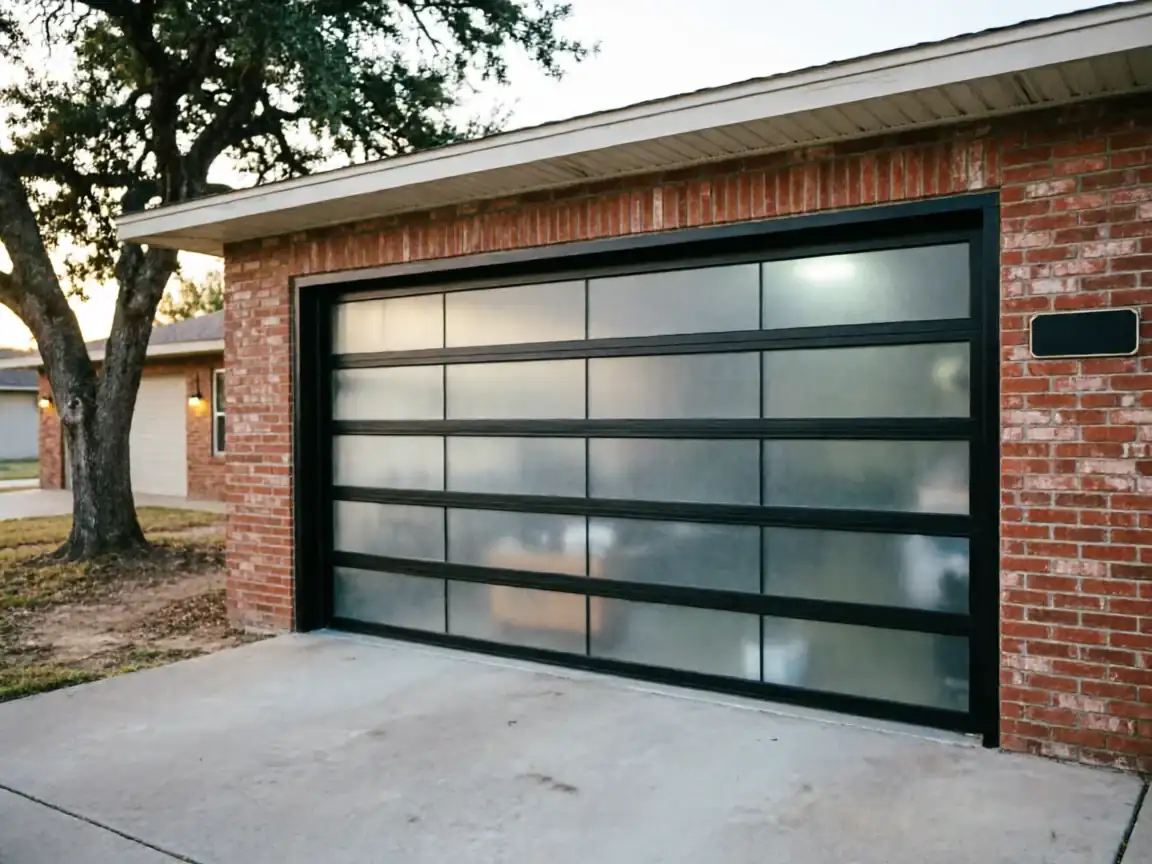
What the Fix Involves
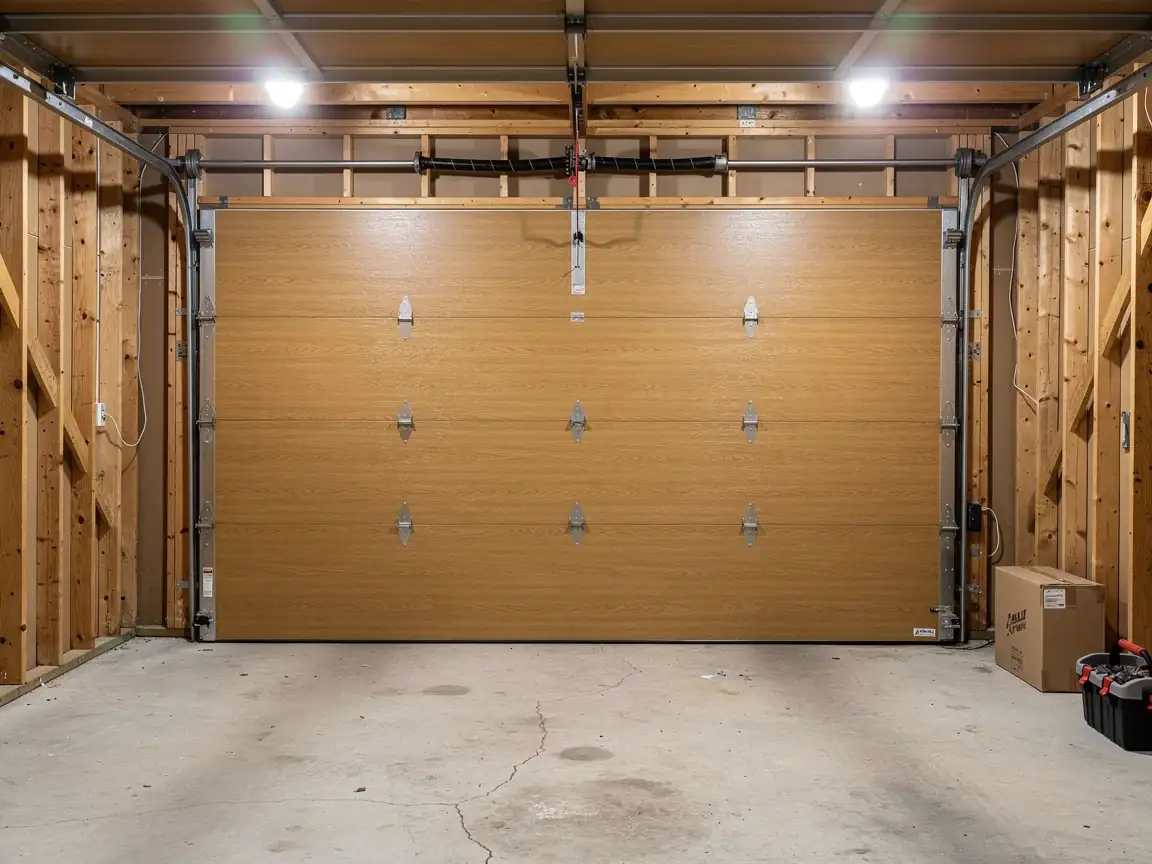
A proper installation starts with the opening, not the door. We measure the jamb, check the header for square, and confirm the track clearance before anything gets ordered, because a lot of the garages in this market were framed to builder spec during the construction run that put up most of this area's housing between 1971 and 2012. The hardware that shipped with those houses - springs, rollers, the cable drums - is sized for the door that came with the house, not necessarily the door you want now.
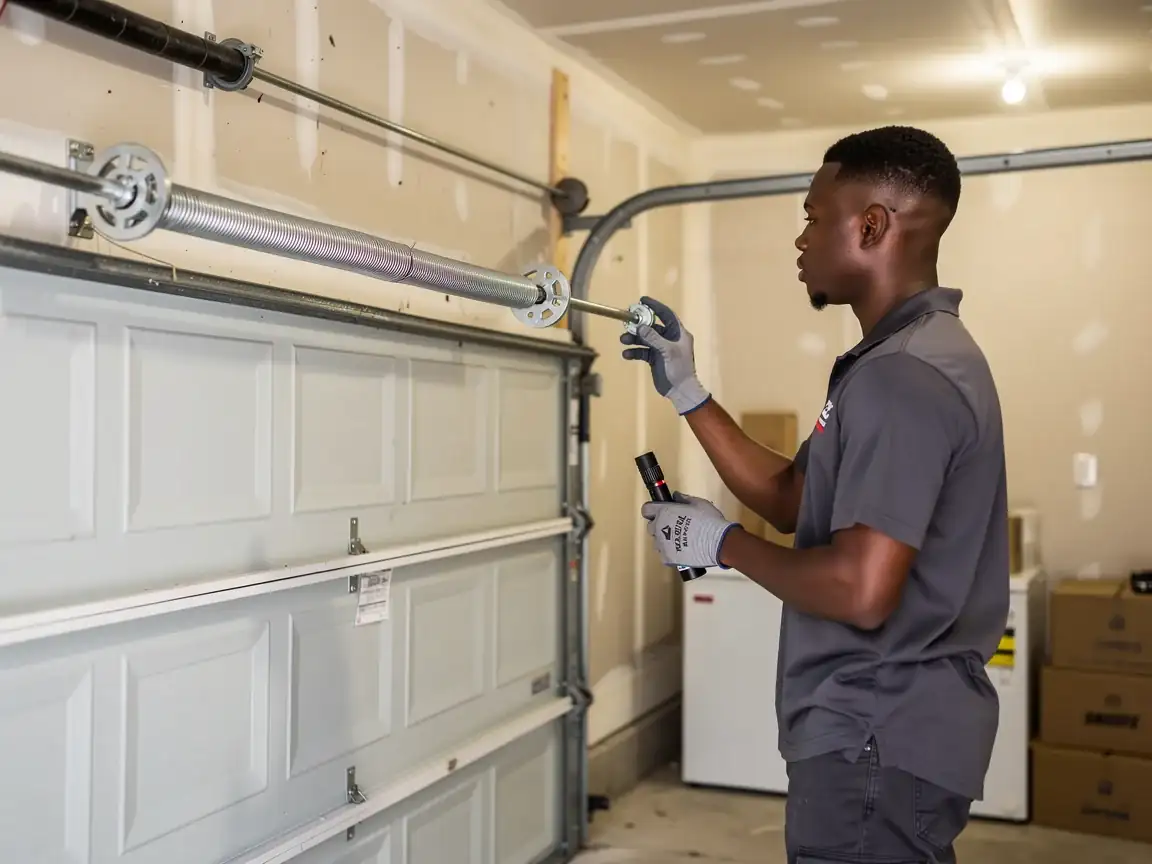
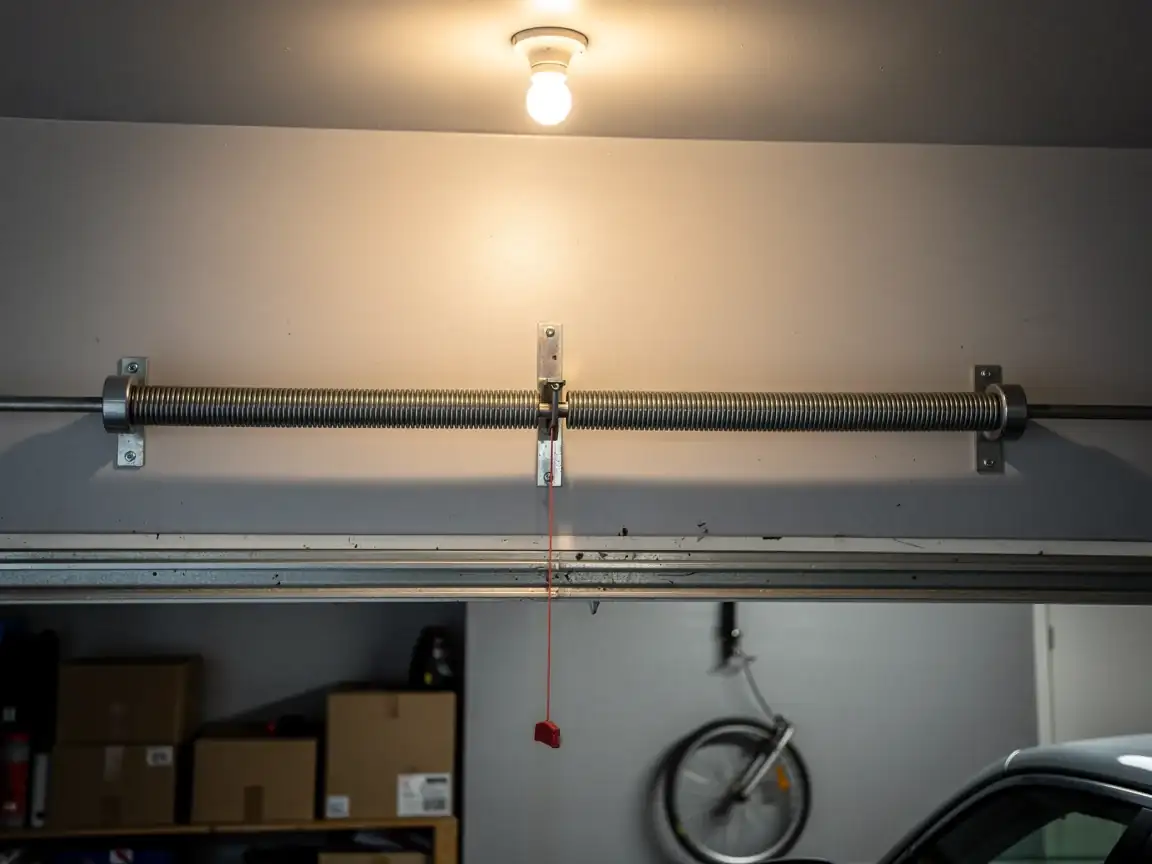
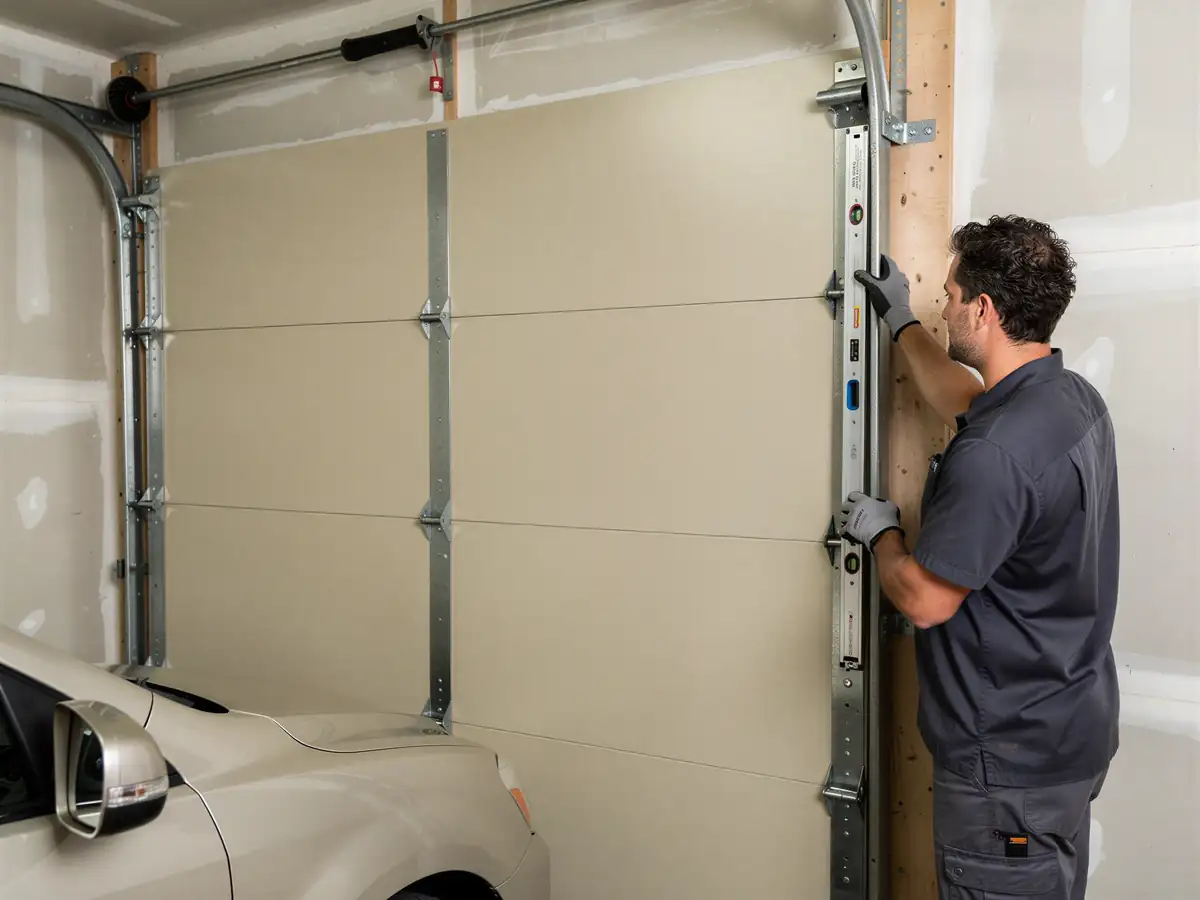
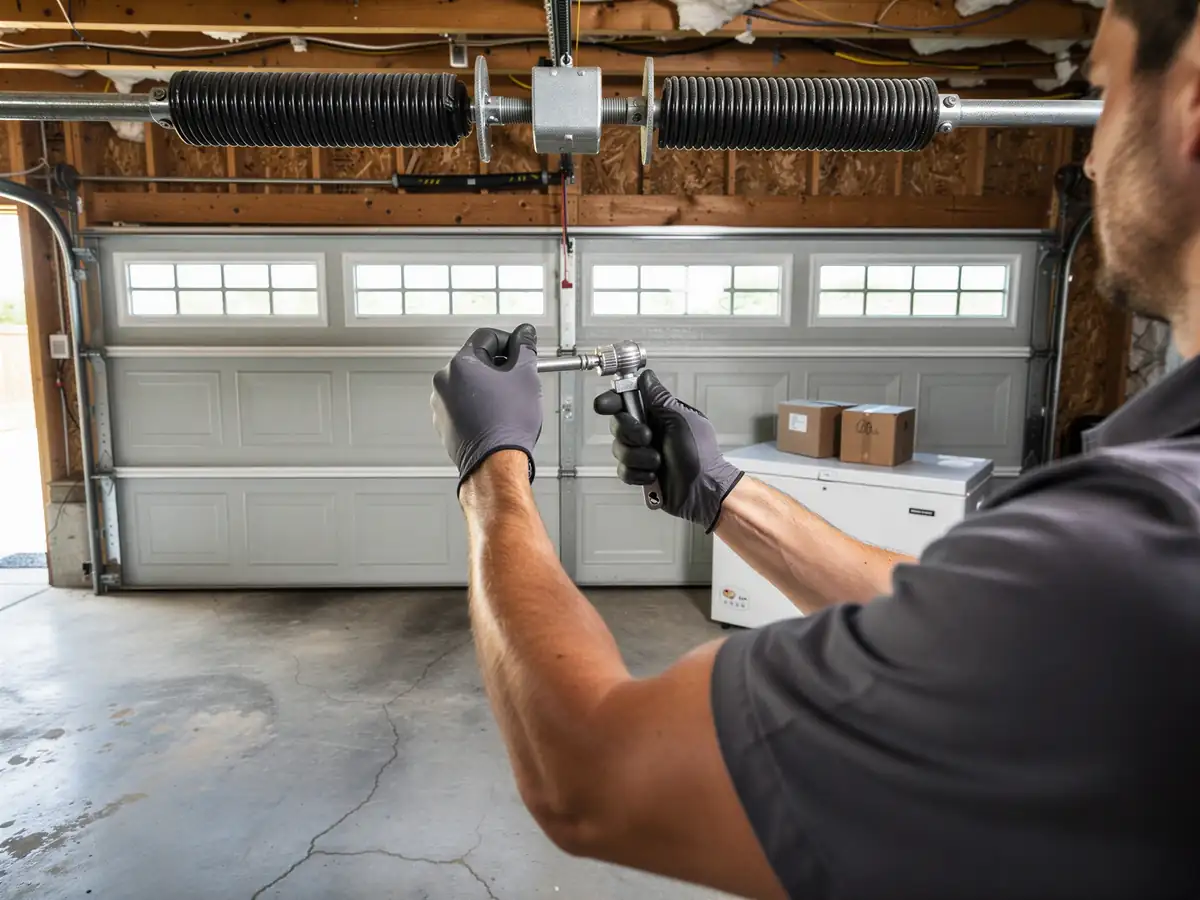
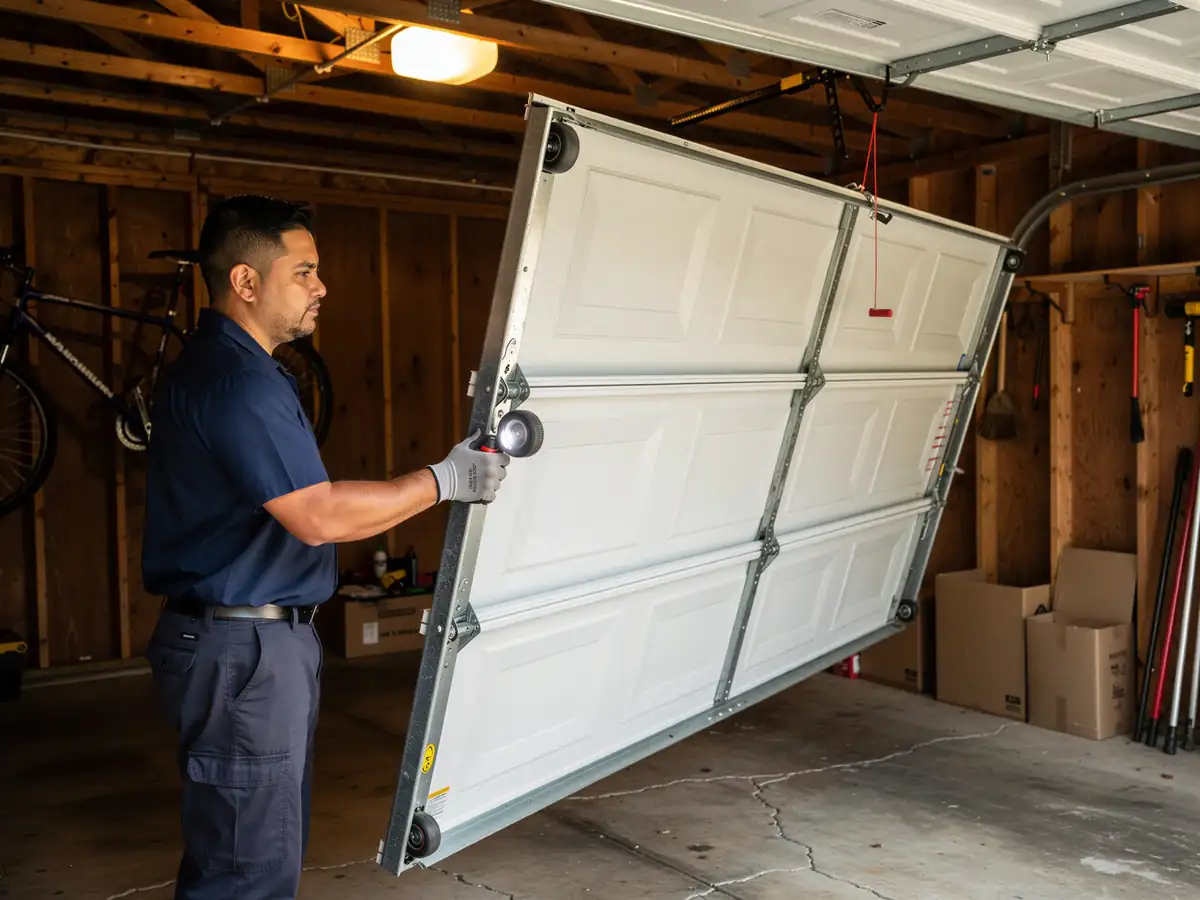
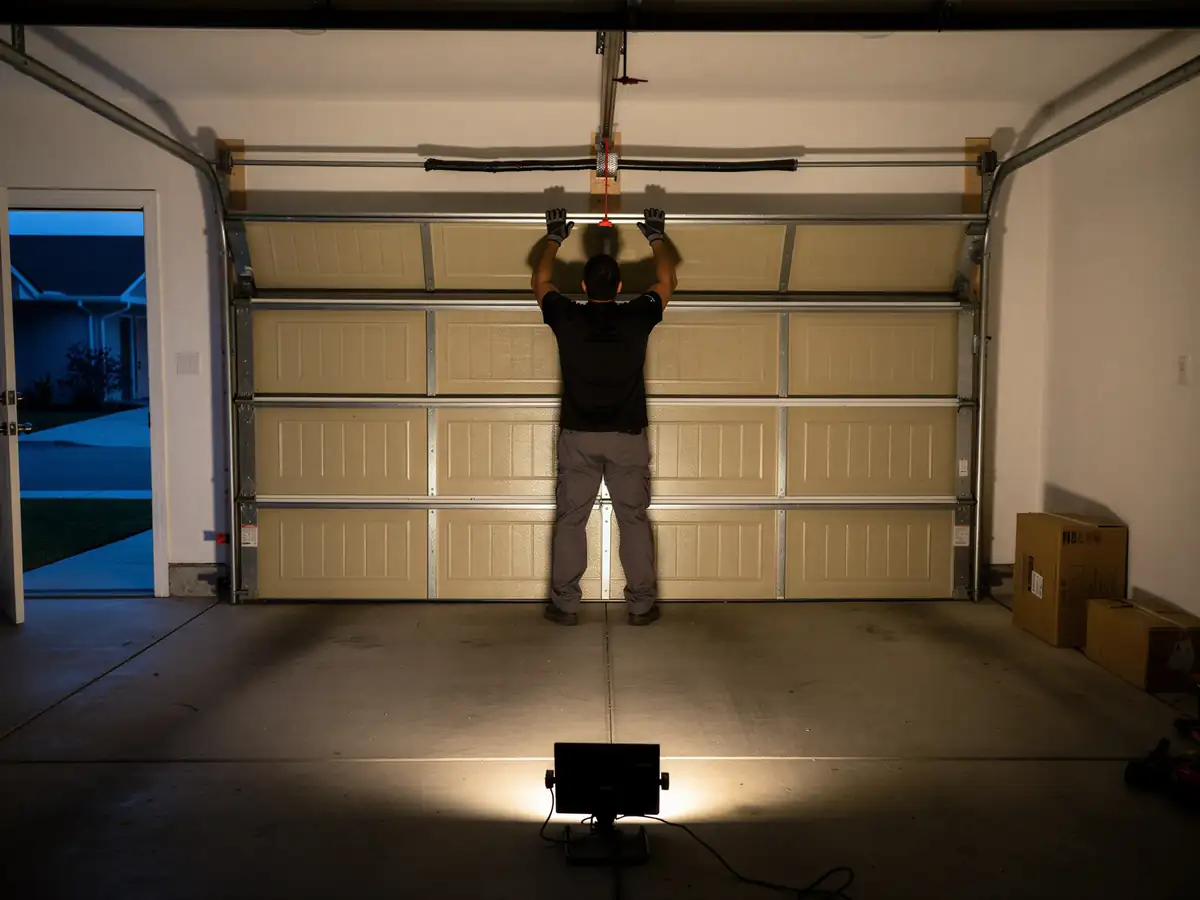
We pull the old door, inspect the track and jambs for rot or rust, and set new vertical track plumb before the panels go up. Torsion springs get sized to the actual door weight, not a generic chart number, because an under-sized spring strips the opener and an over-sized one snaps cable. Once the door is hung, we balance it by hand - disconnect the opener, lift the door halfway, and it should hold. If it doesn't, the spring tension is wrong no matter how new the door looks.
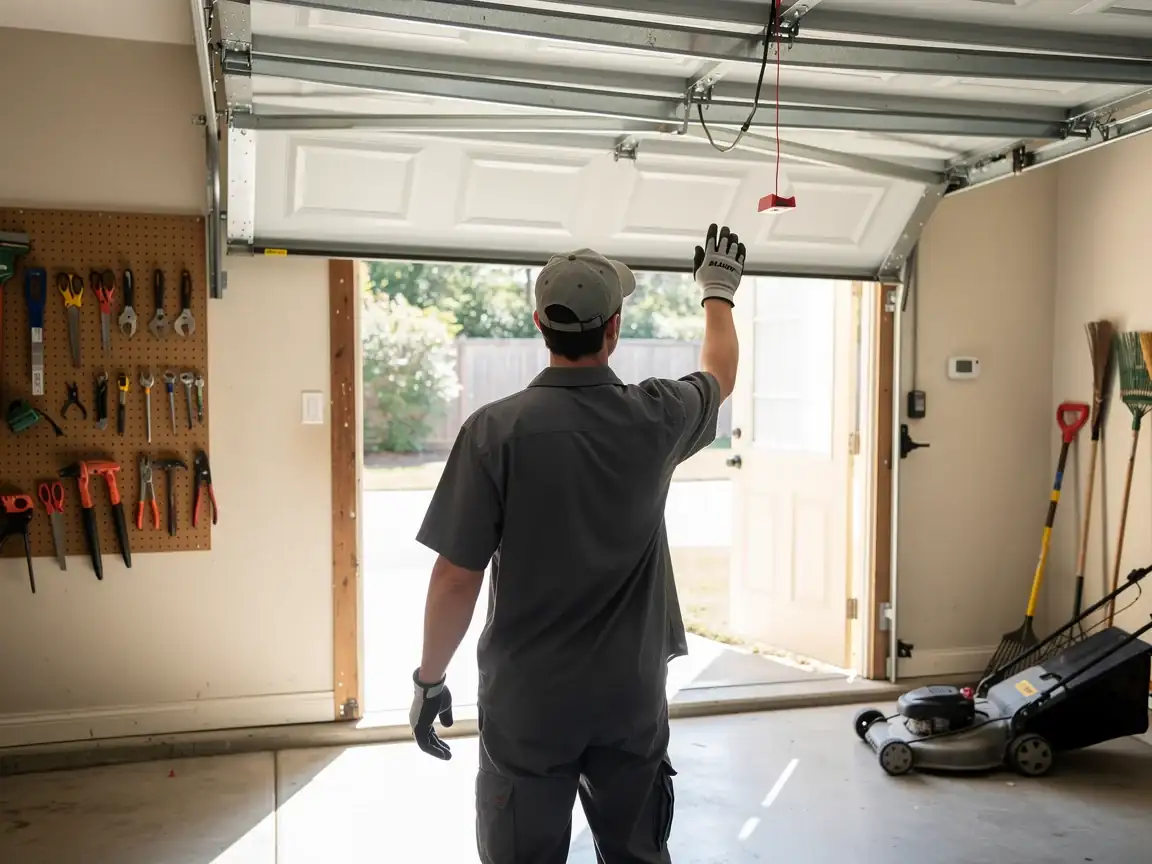
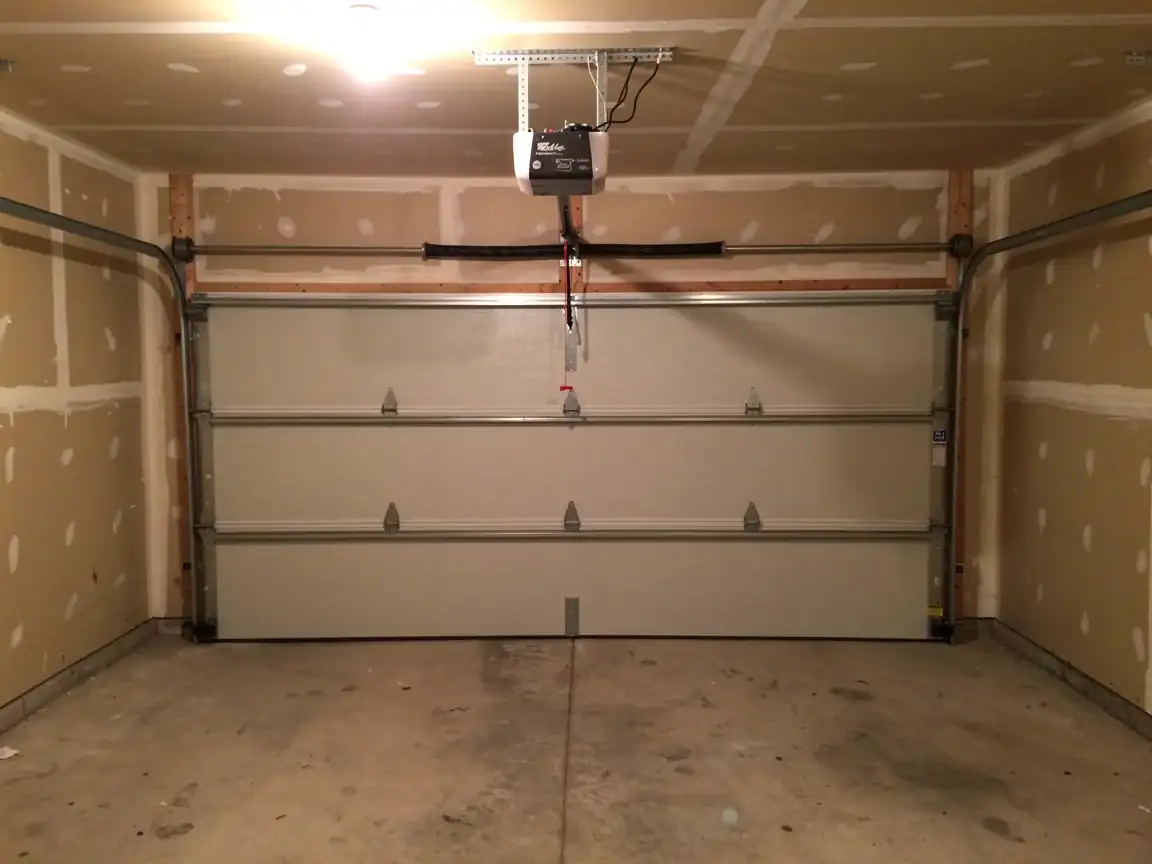
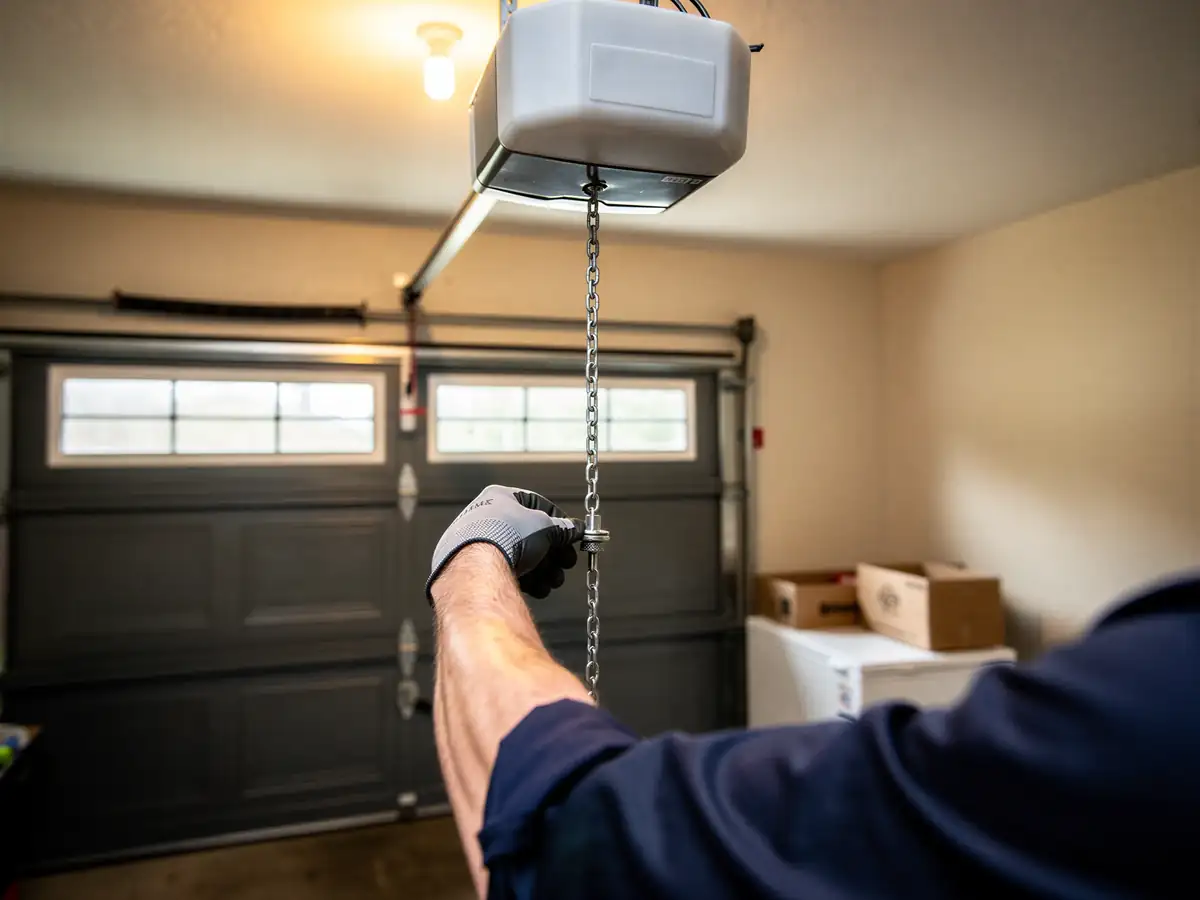
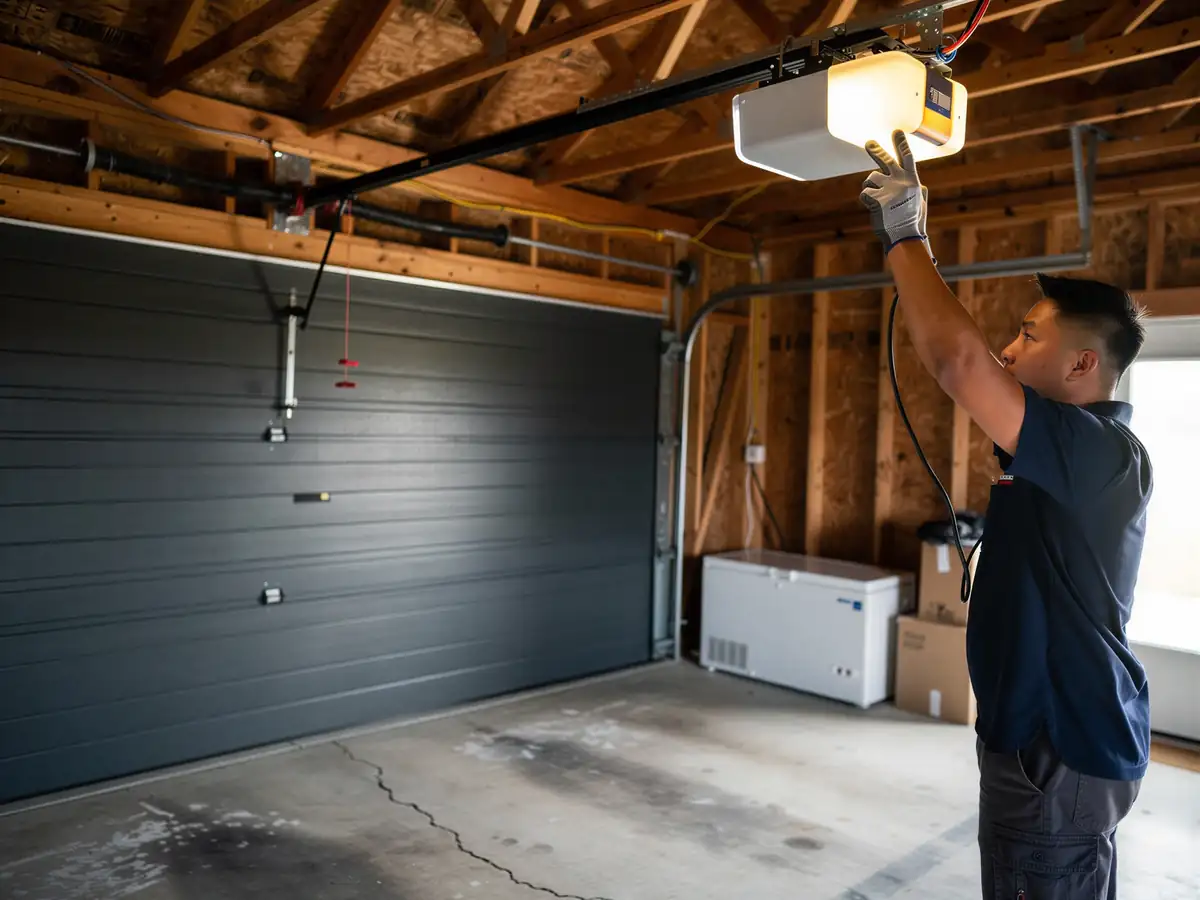
We install the opener last, set the travel limits, and check the auto-reverse with a 2x4 under the door before we call the job done. That last step takes two minutes and it's the one most DIY installs skip.
Why This Fails Locally
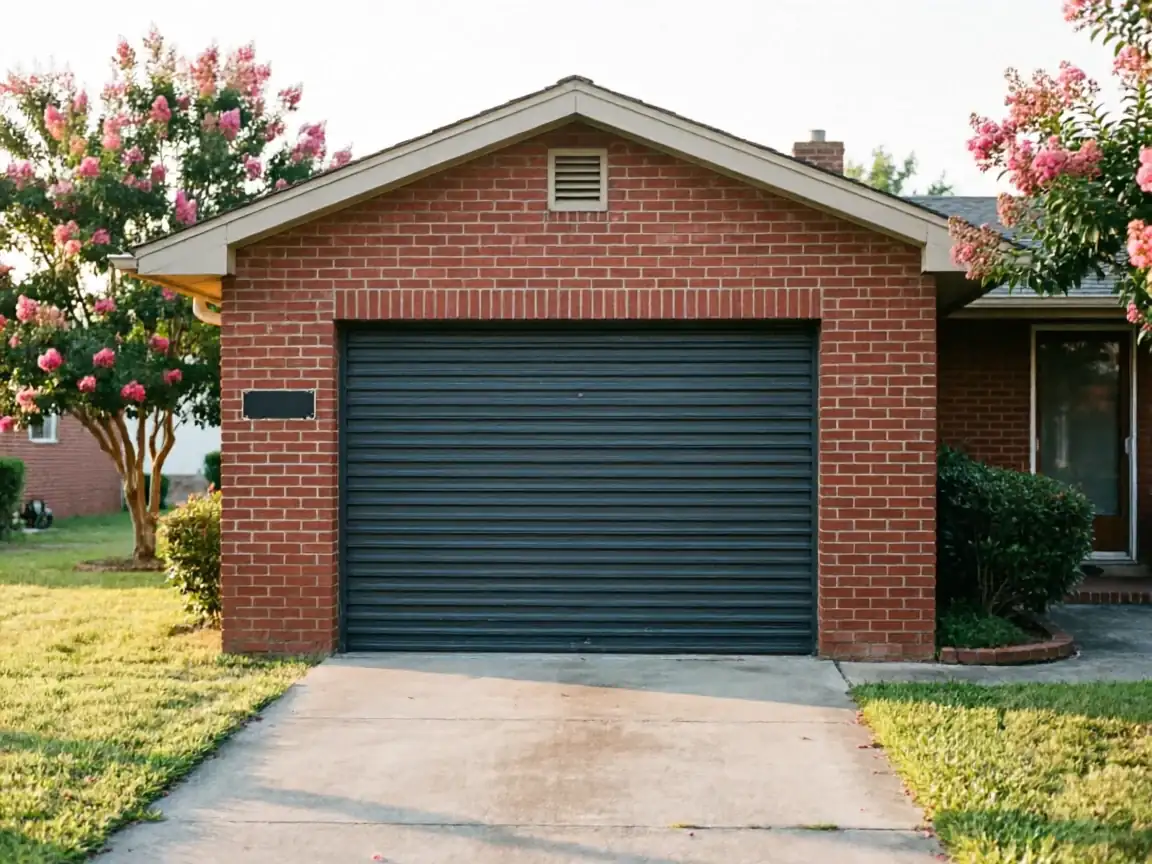
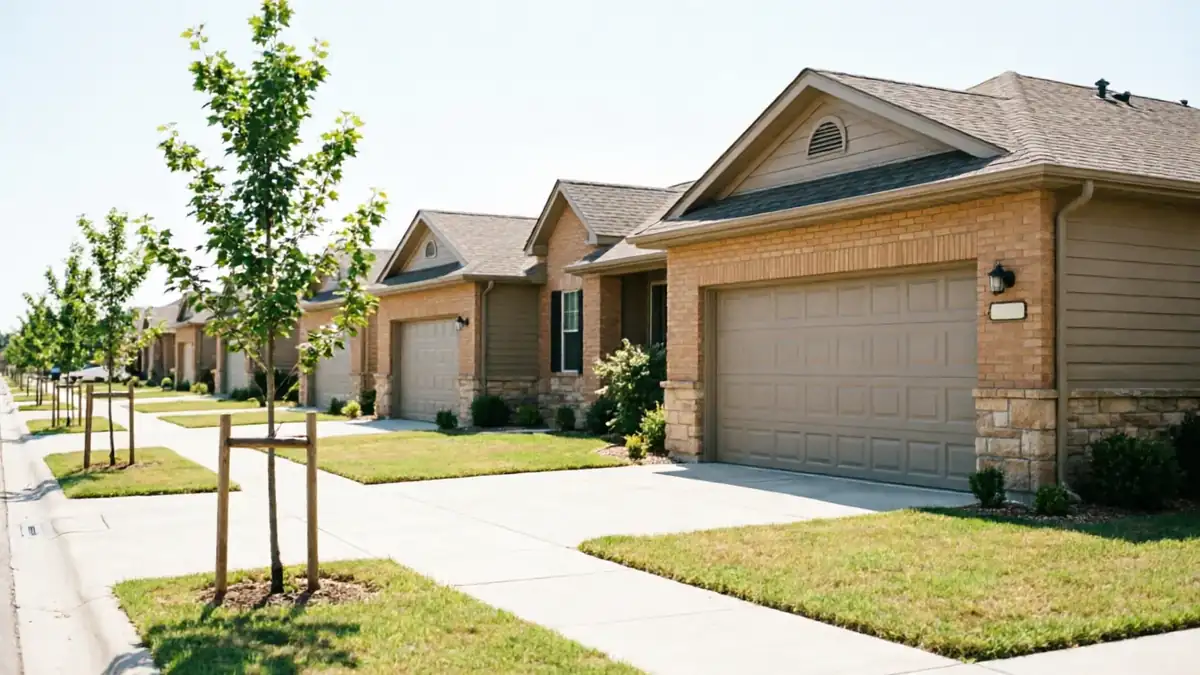
Royse City's housing stock skews new compared to a lot of North Texas towns - median build year lands around 2000, with most of the 16 communities in this service area built out in the same stretch. That matters for installs because a huge share of the original garage doors here are now in the 20-to-30-year window where torsion springs, nylon rollers, and weatherstripping are all failing around the same time, even on doors that still look fine from the driveway.
The climate band here runs moderate heat, which is easier on steel doors than true desert heat, but it still means the bottom seal and the panel insulation take a beating every summer from UV and thermal cycling. A door installed without attention to that - cheap PVC seal, no insulation, steel gauge too thin - looks identical to a good install on day one and starts failing by year five. We see this pattern across the whole area, not just one subdivision, because the building boom that produced it wasn't local to one neighborhood.
What You Are Seeing
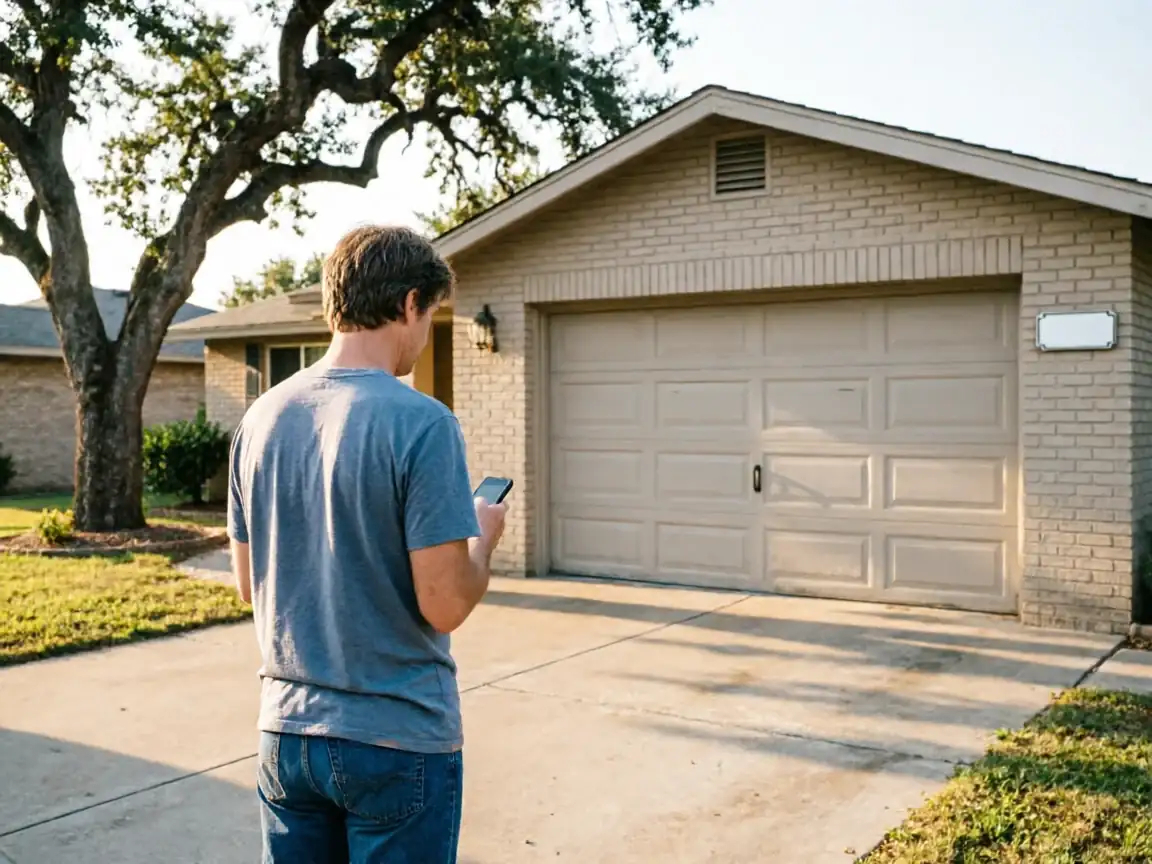
If you're calling about installation rather than repair, it's usually one of two situations
Either the original door is cosmetically or structurally done - dented panels, delaminating insulation, a track that's been bent and straightened one too many times - or you're finishing out a garage that never had a proper door to begin with.
On the replacement side, the giveaway is usually that the door still runs but doesn't look or sound right
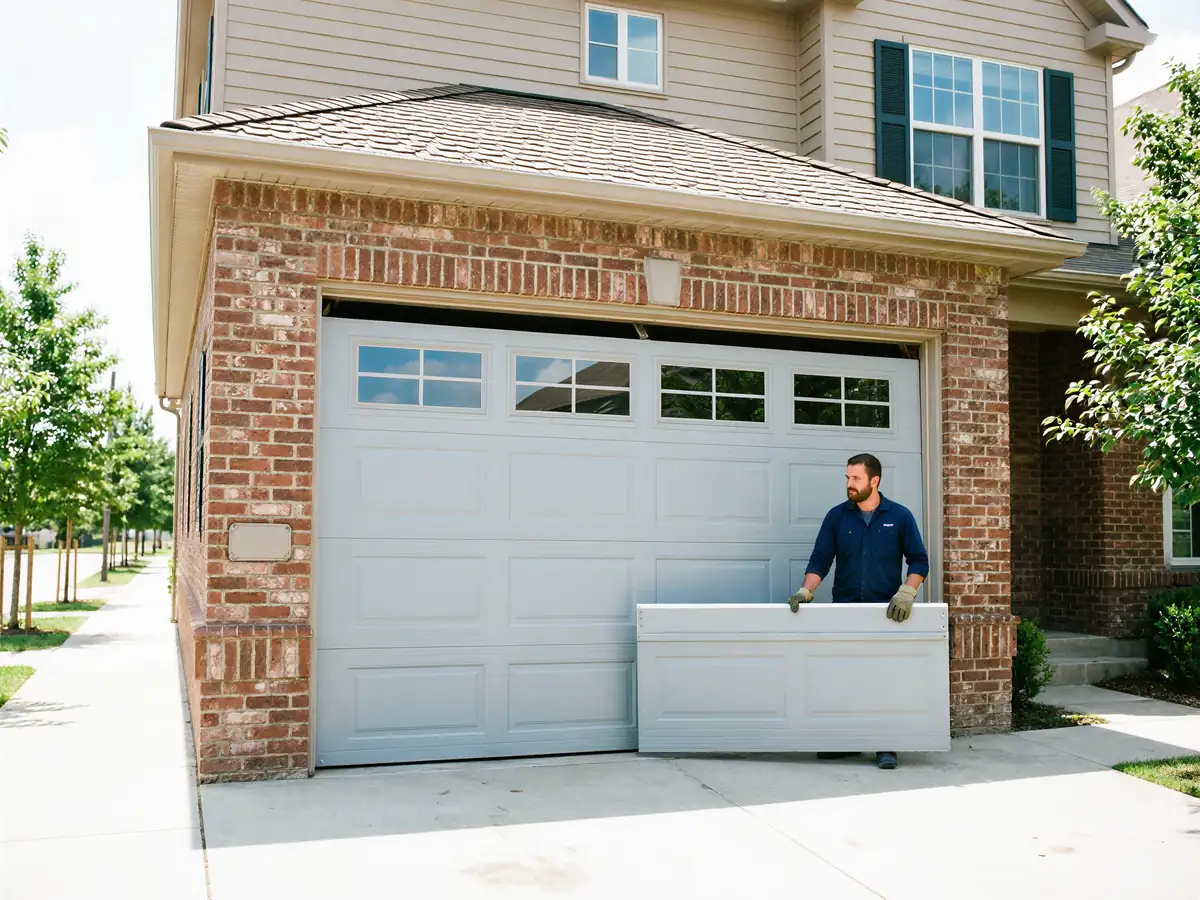
It's noisier than it used to be, it sags visibly in the middle when open, or the bottom panel has water staining from a seal that quit years ago. None of that is an emergency, but all of it is a sign the door is past the point where patching makes sense.
We'll tell you straight if a repair
New seal, new rollers, a spring swap - gets you another several years out of the existing door. Replacing a door that only needs a $40 part is not a job we'll talk you into.
What It Costs
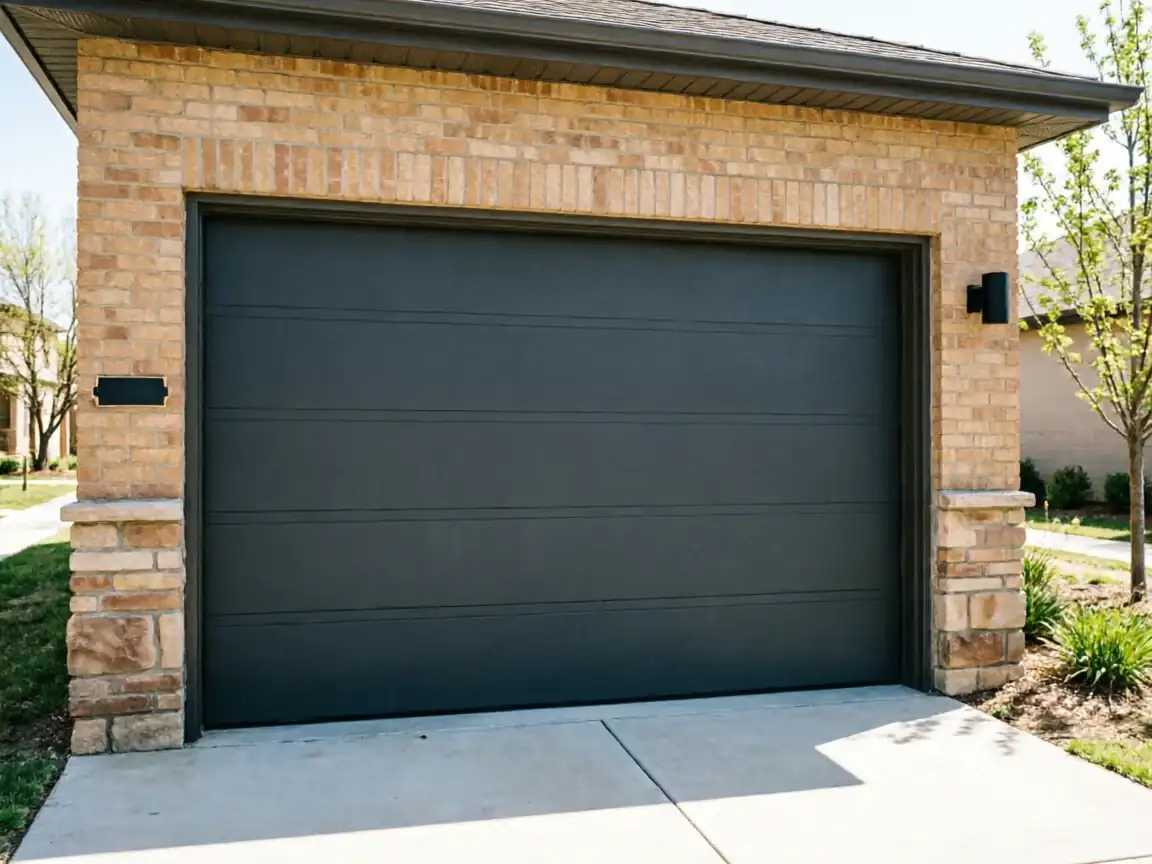
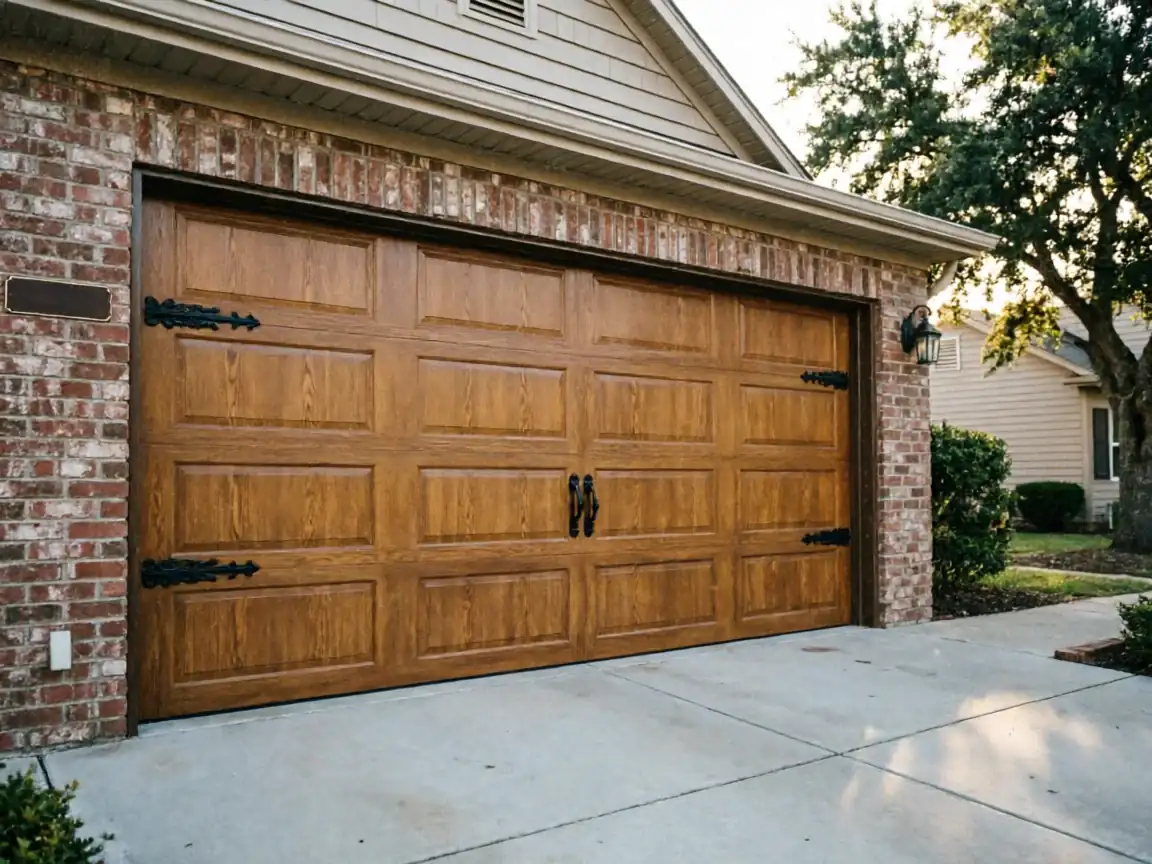
We don't post a flat number for installation because the range is wide and real: door material, insulation level, window inserts, opener horsepower, and whether we're matching an unusual opening size all move the price. What we can tell you is that in a market where median household income runs $117,428, most of what we install lands in the mid-range steel insulated door with a standard opener, not the budget end and not the premium wood-look end.
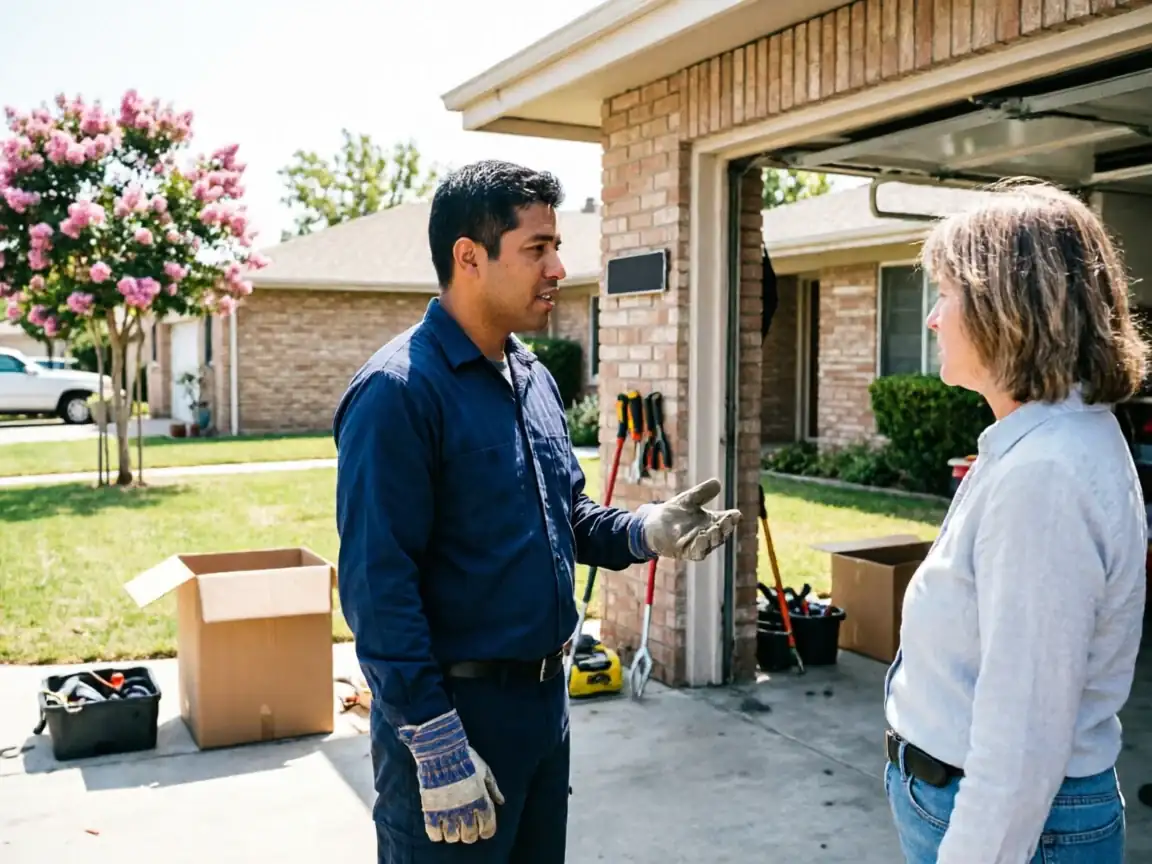
The honest limitation here is that we can't quote a real number over the phone - we have to see the opening, the current hardware, and what you're trying to match stylistically before the price means anything. A quote based on a photo text is a guess, and we'd rather give you an accurate number after a short visit than a cheap one that changes once we're standing in the garage.