What the Fix Involves
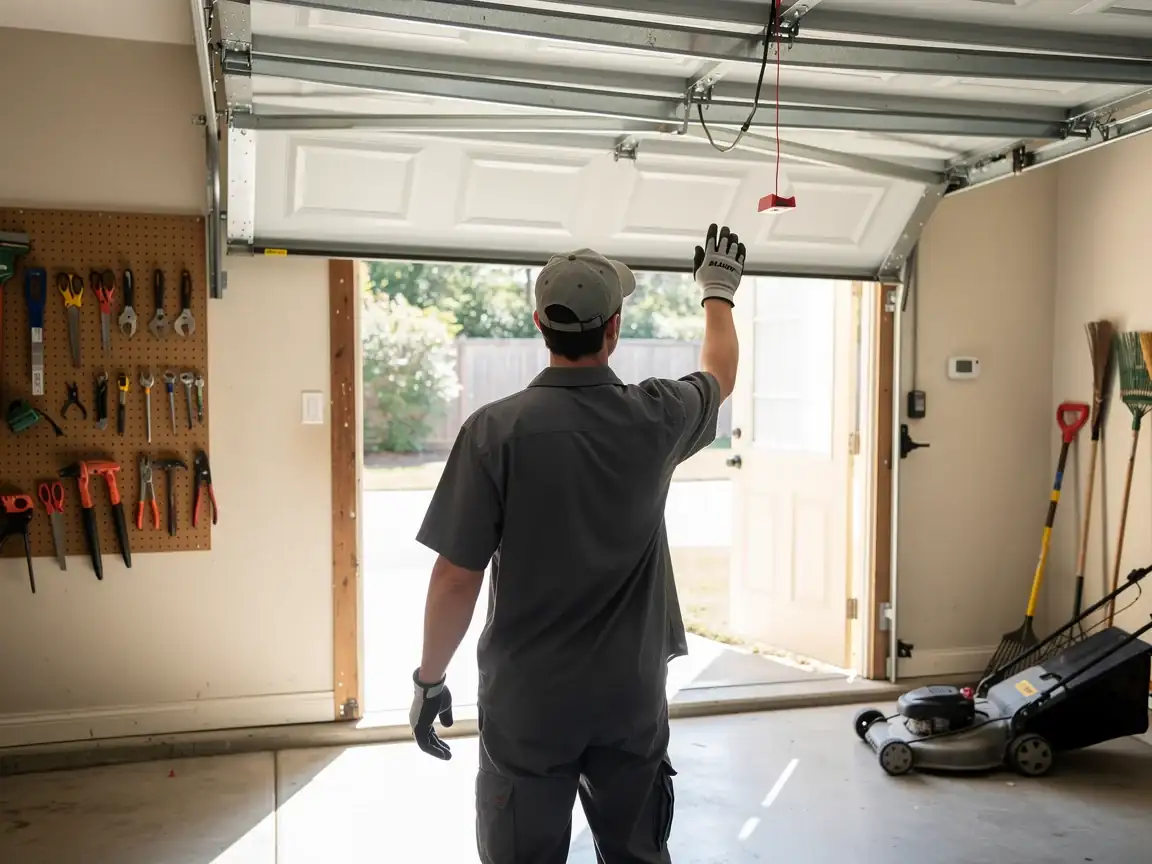
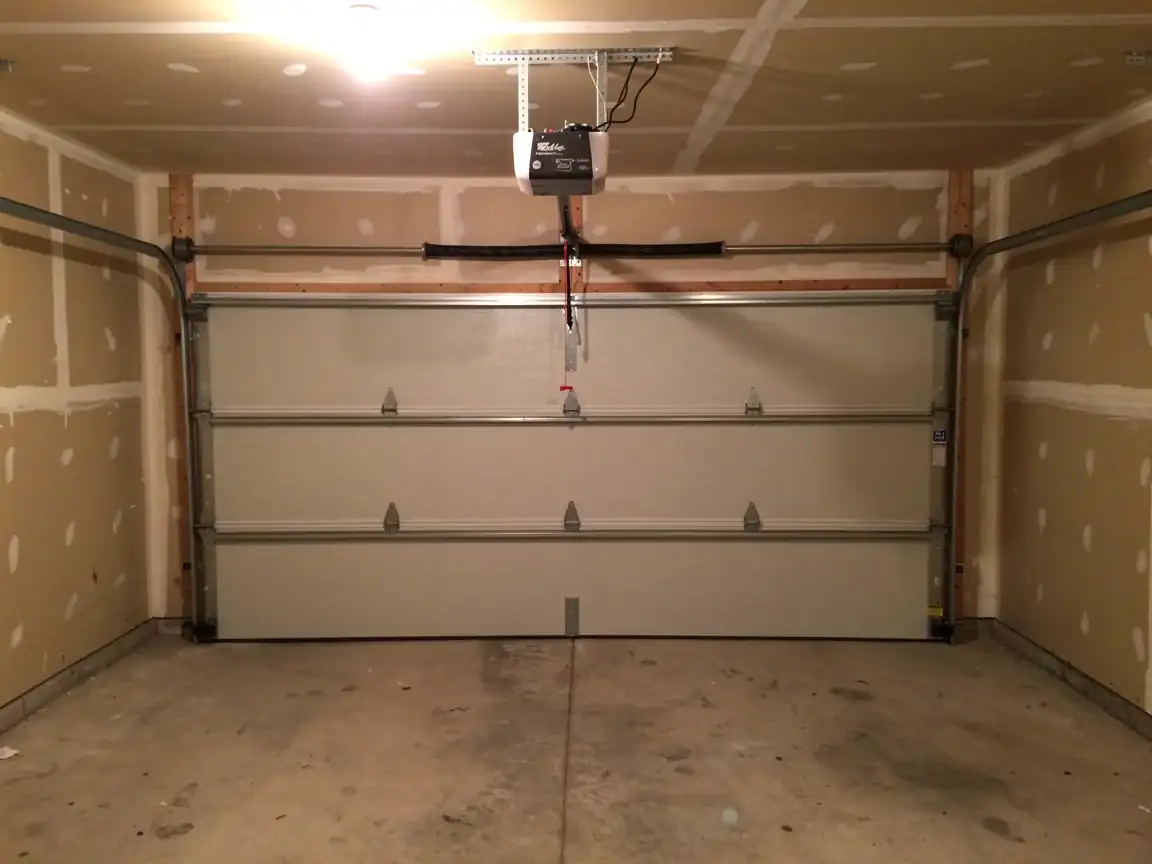
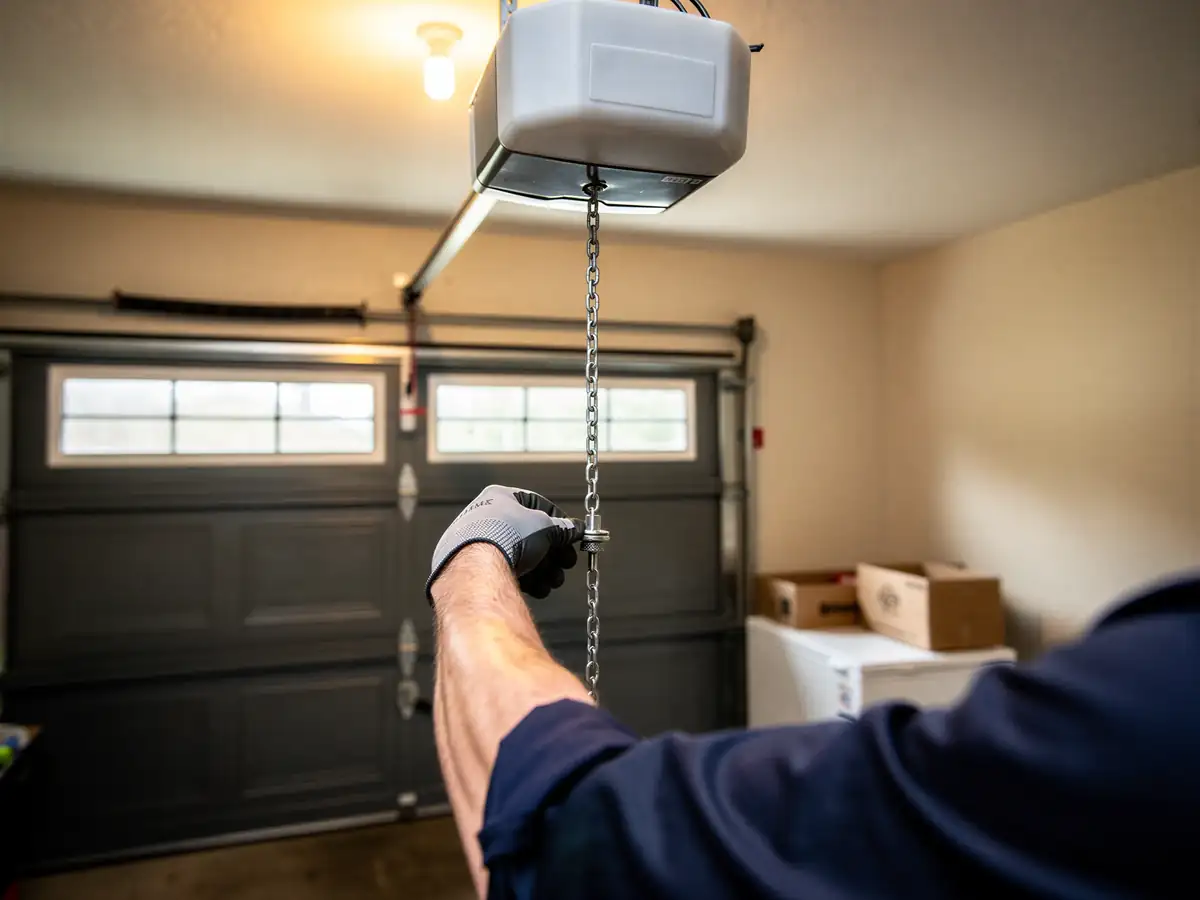
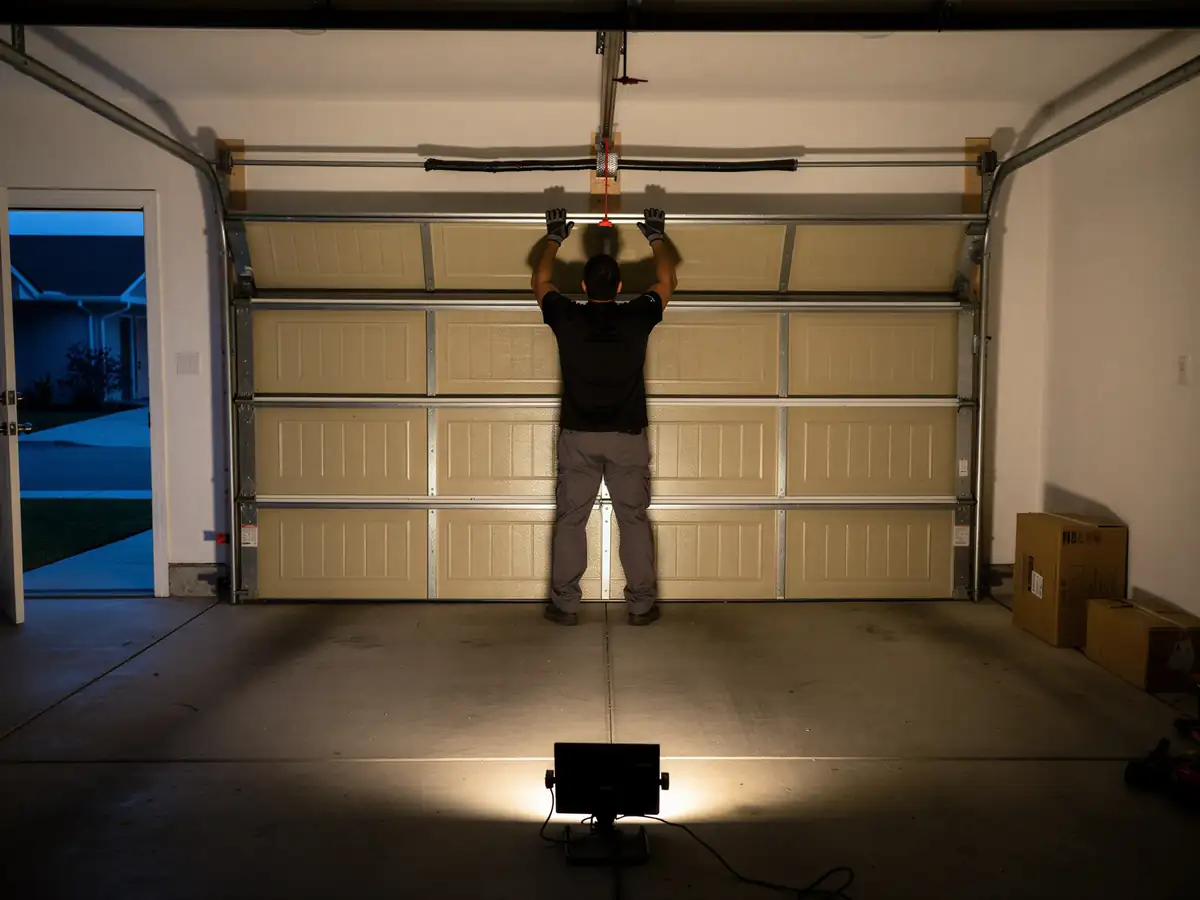
An emergency call usually means one of four things: a broken torsion or extension spring, a snapped cable, a opener that's stopped responding, or a track that's bent enough to bind the rollers. We start by cycling the door by hand with the opener disconnected, because that tells us in under a minute whether the problem is spring tension, a cable off its drum, or something electrical in the opener head.
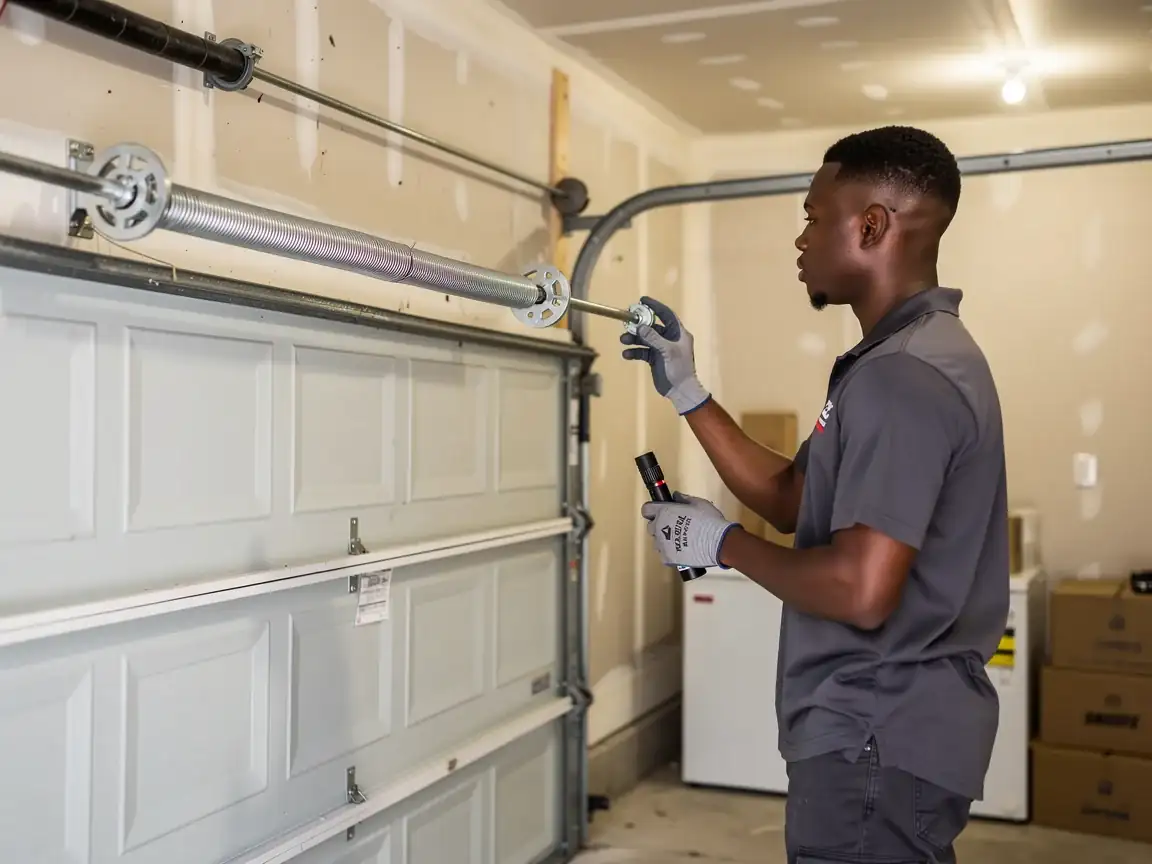
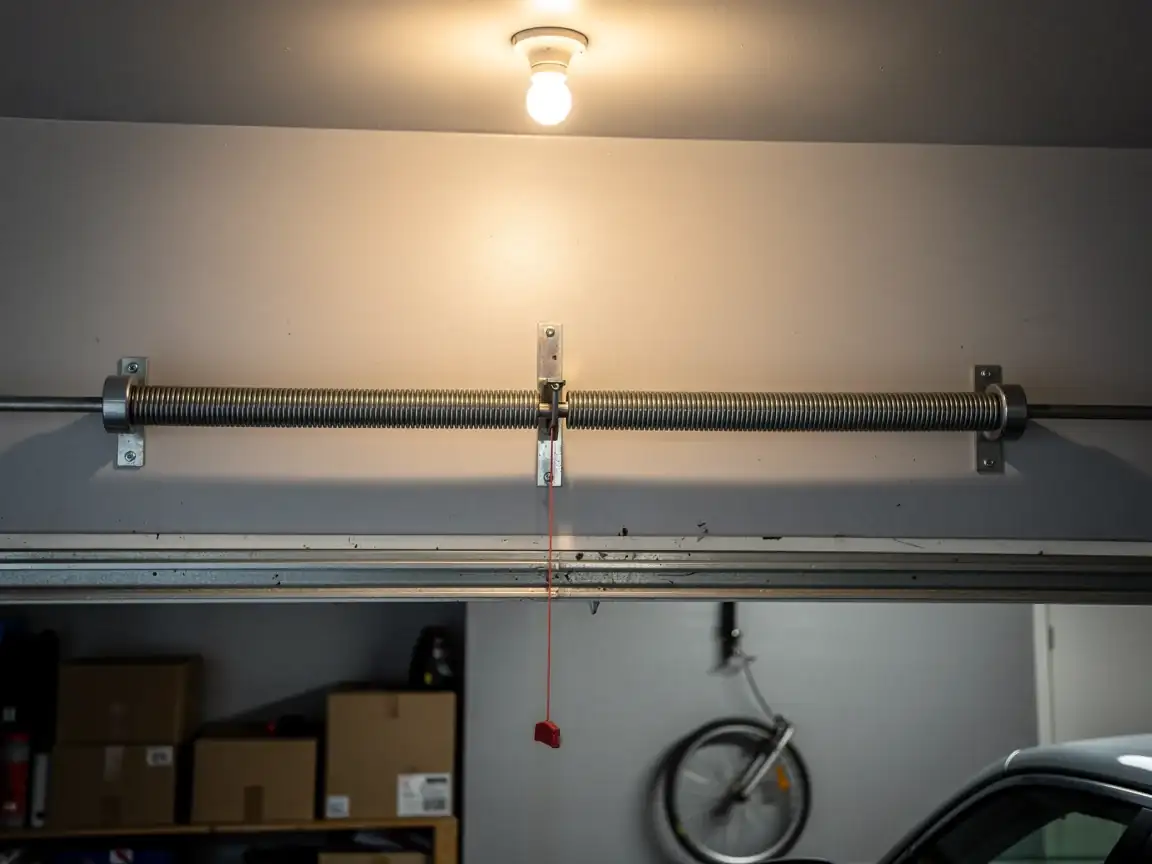
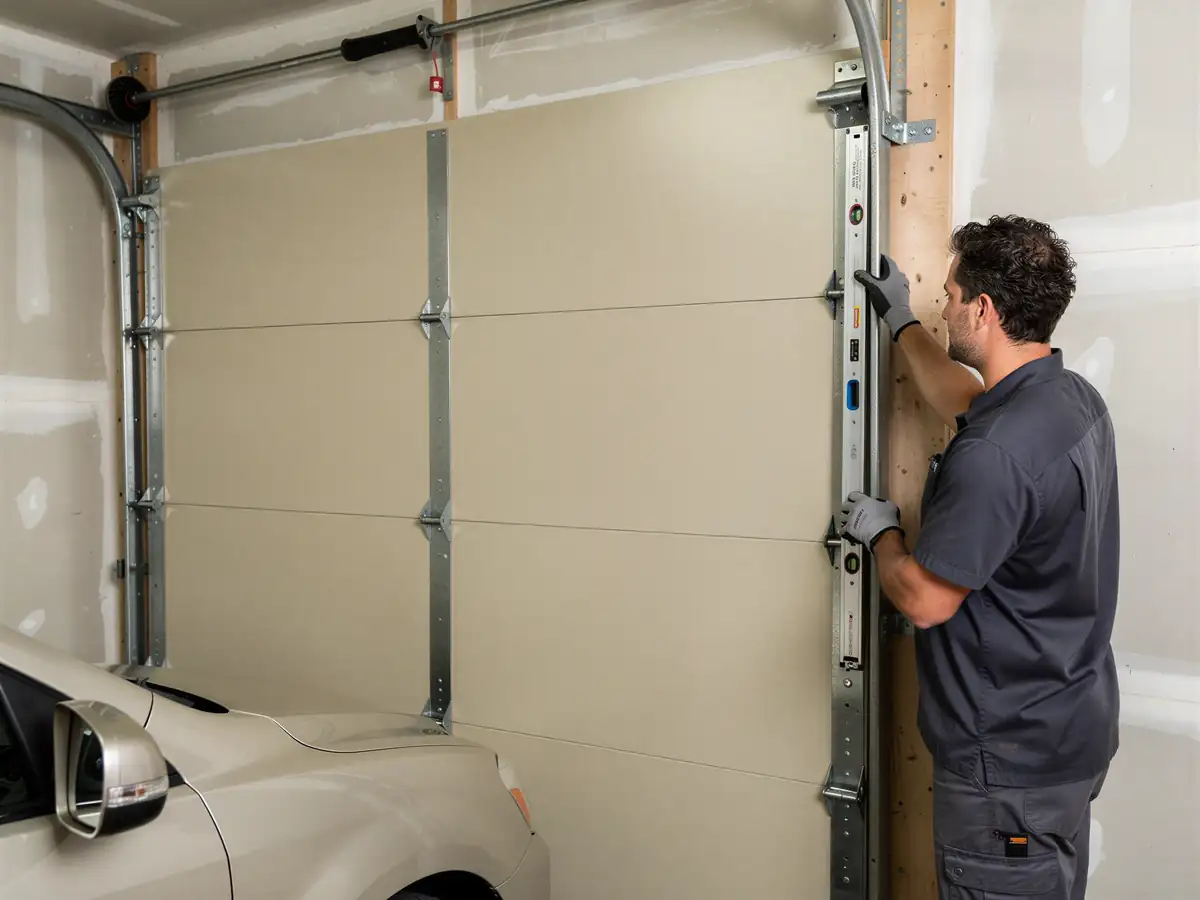
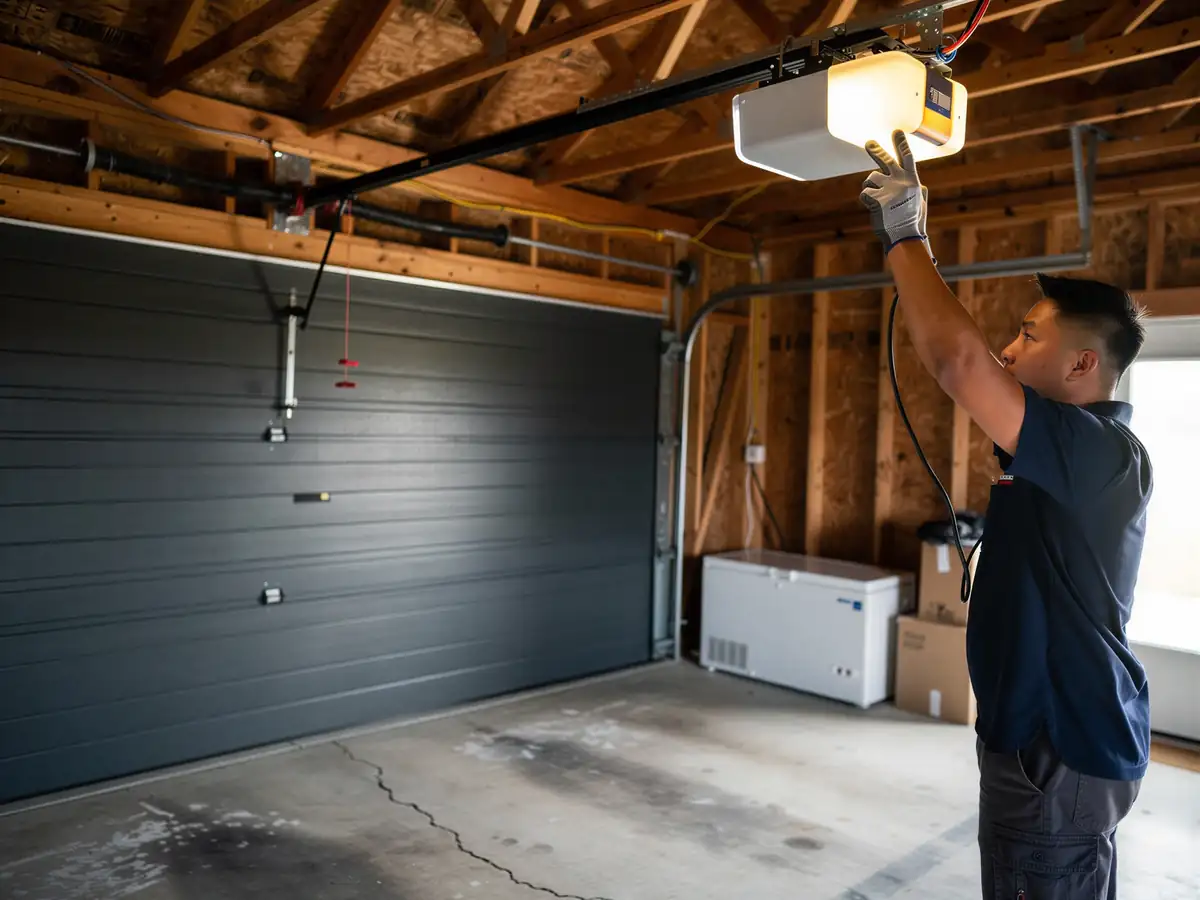
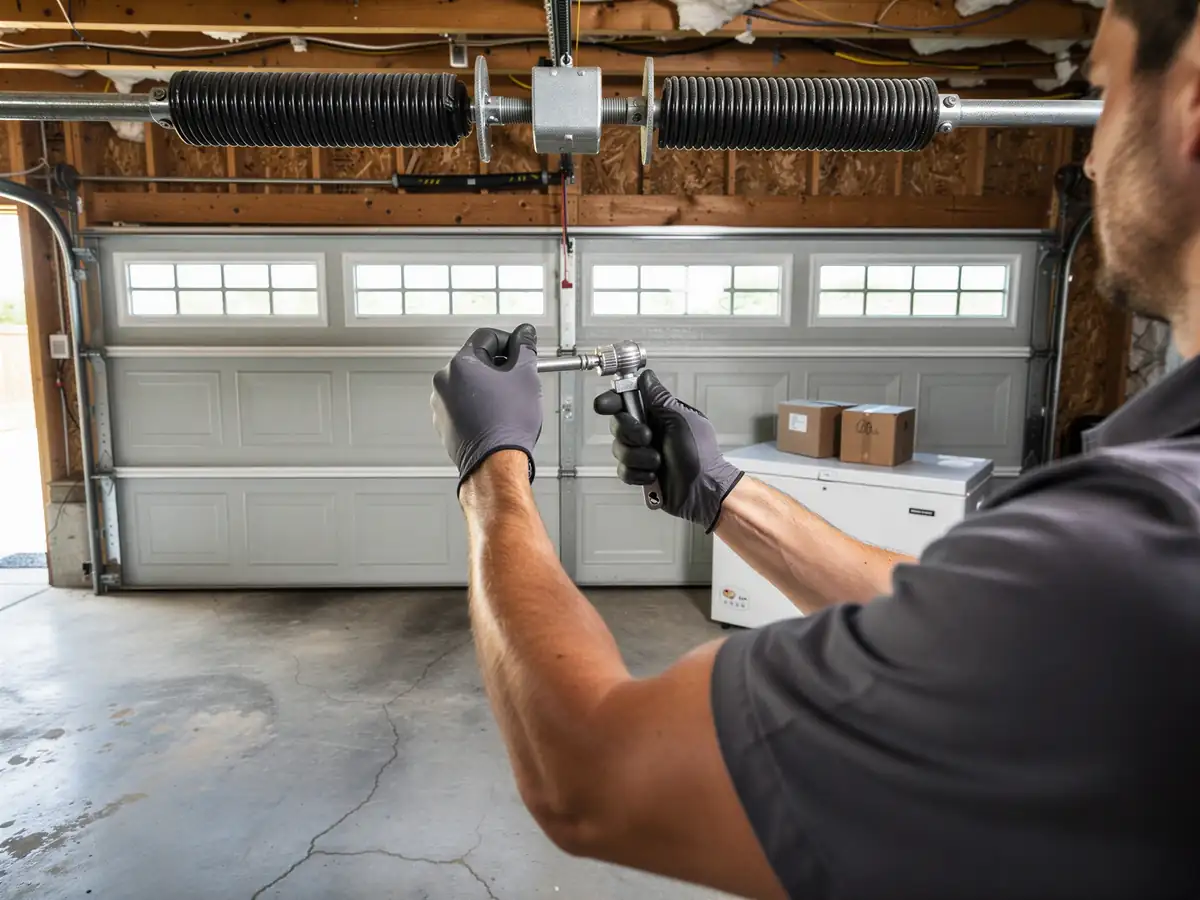
If it's a spring, we measure the wire gauge and coil length against the door weight rather than guessing - a spring rated wrong will shorten the life of everything else on the door, the cables, the drums, the opener gear. If it's the opener, we check the circuit board, the logic board connections, and the safety sensors before we touch anything mechanical, since a tripped sensor looks identical to a dead motor from the driveway.
One limitation worth saying plainly: we carry common torsion springs, cables, rollers, and opener boards on the truck, but we don't stock every control board for every opener ever made. A unit from the early end of this area's build years can occasionally need a part ordered in, and we'll tell you that up front instead of pretending otherwise.
Why This Fails Locally
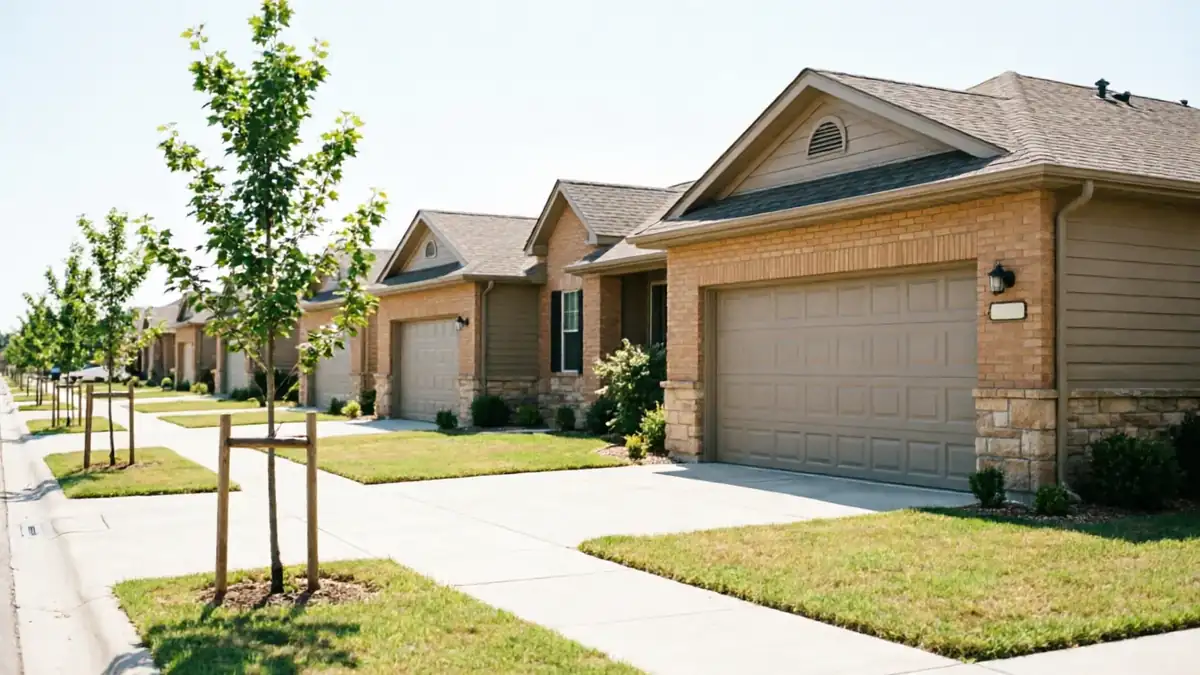
Housing in this service area was mostly built between 1971 and 2012, with the bulk of it going up in the 2000s. That matters for one simple reason: a huge share of garages here were framed, wired, and fitted with openers inside the same narrow window, which means the springs, drive gears, and circuit boards in those openers are aging out at roughly the same rate across the whole area.
The climate here sits in a moderate-heat band, and heat is hard on the parts people don't think about. Attic space above an attached garage runs hot for months at a stretch, and that heat soak is what turns a nylon idler gear brittle or makes a plastic opener bracket crack instead of flex. It's rarely the motor itself that fails first - it's the small plastic and nylon parts around it that were never built to handle years of that kind of heat cycling.
So the pattern we see across this service area isn't random. It's a lot of doors and openers from the same construction era, under the same climate load, hitting the same failure points within a few years of each other.
What You Are Seeing
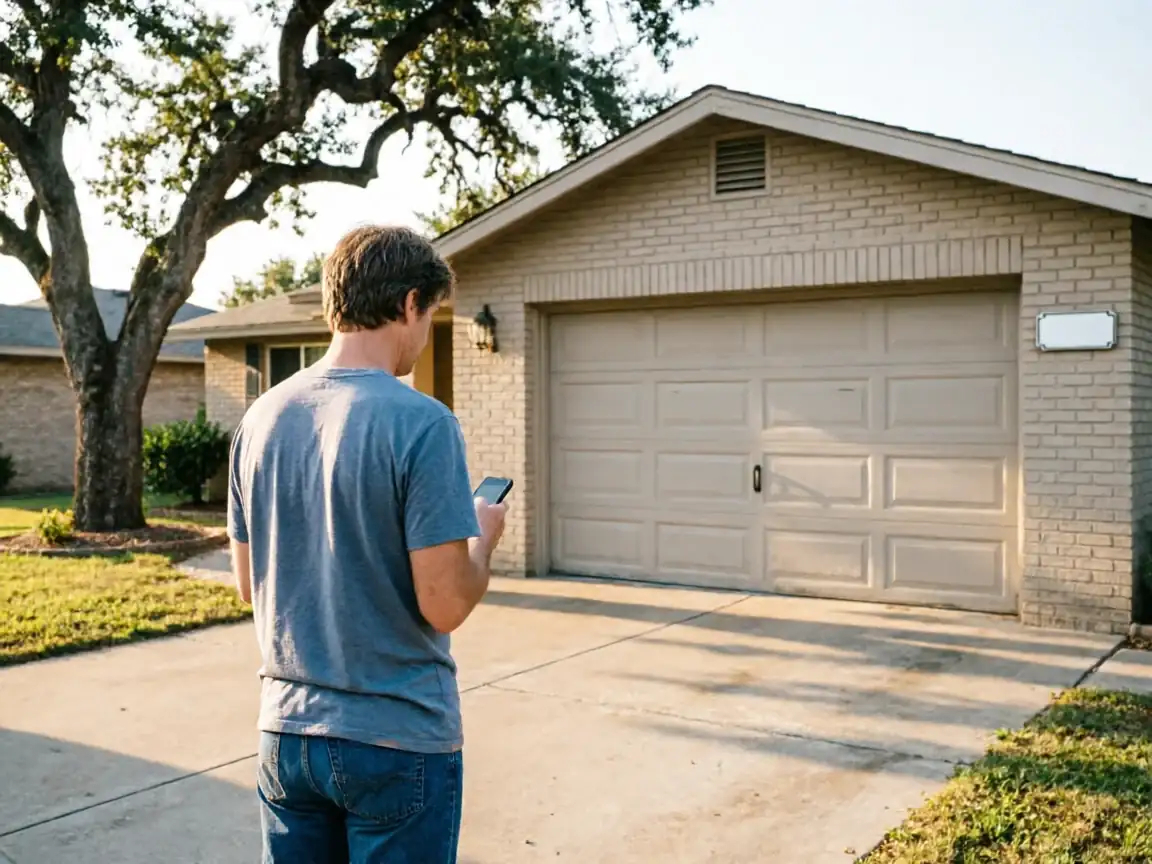
Most emergency calls start the same way: the door won't open, or it opens partway and stops
If you hear a loud bang before the door stops working, that's almost always a torsion spring letting go - the door will feel impossibly heavy to lift by hand afterward, which is normal for a door with no spring tension left, not a sign something else broke too.
If the door opens and closes but the opener light blinks a set number of times with no obvious movement
That's the opener's logic board telling you which safety circuit or limit switch it thinks is tripped. A door that looks fine but won't respond to the remote or wall button, while the opener motor hums, usually points to a stripped drive gear inside the unit rather than anything wrong with the door itself.
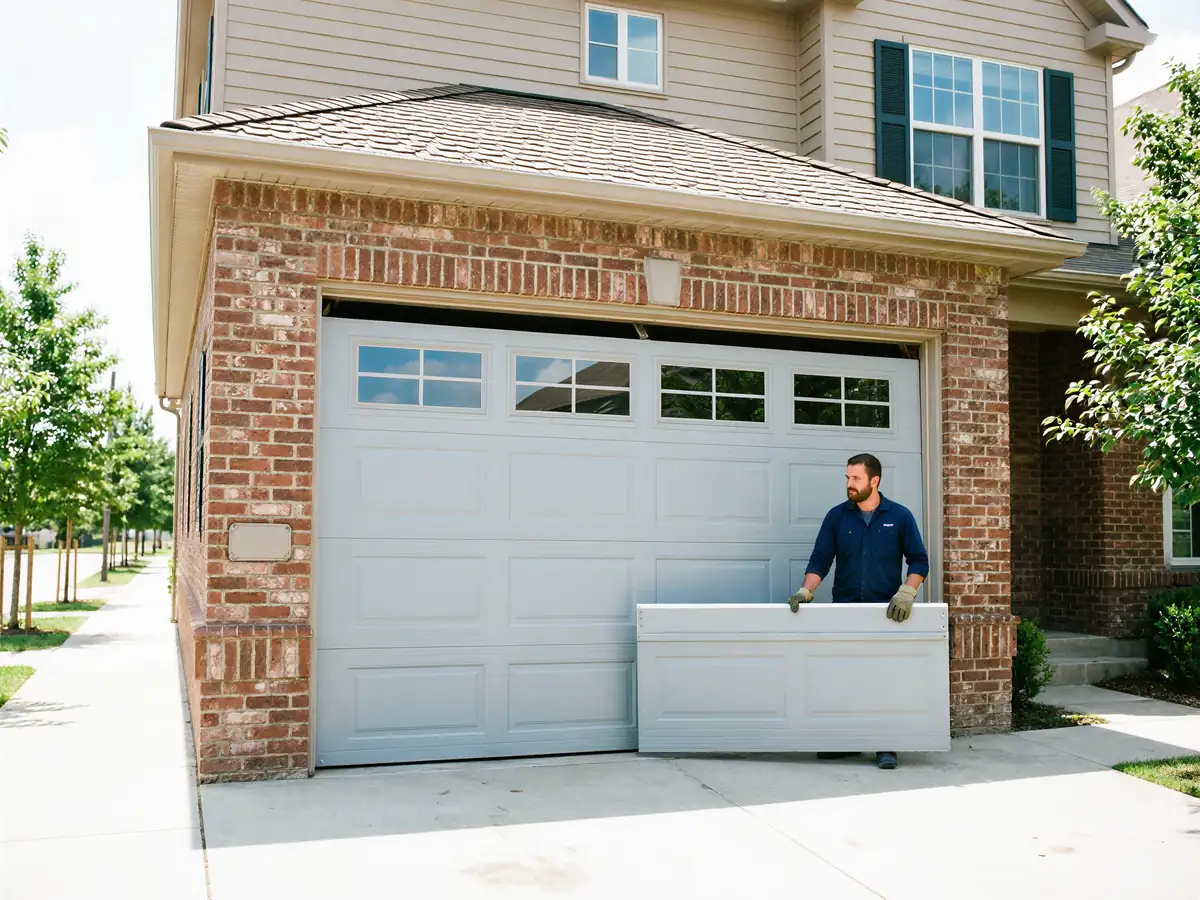
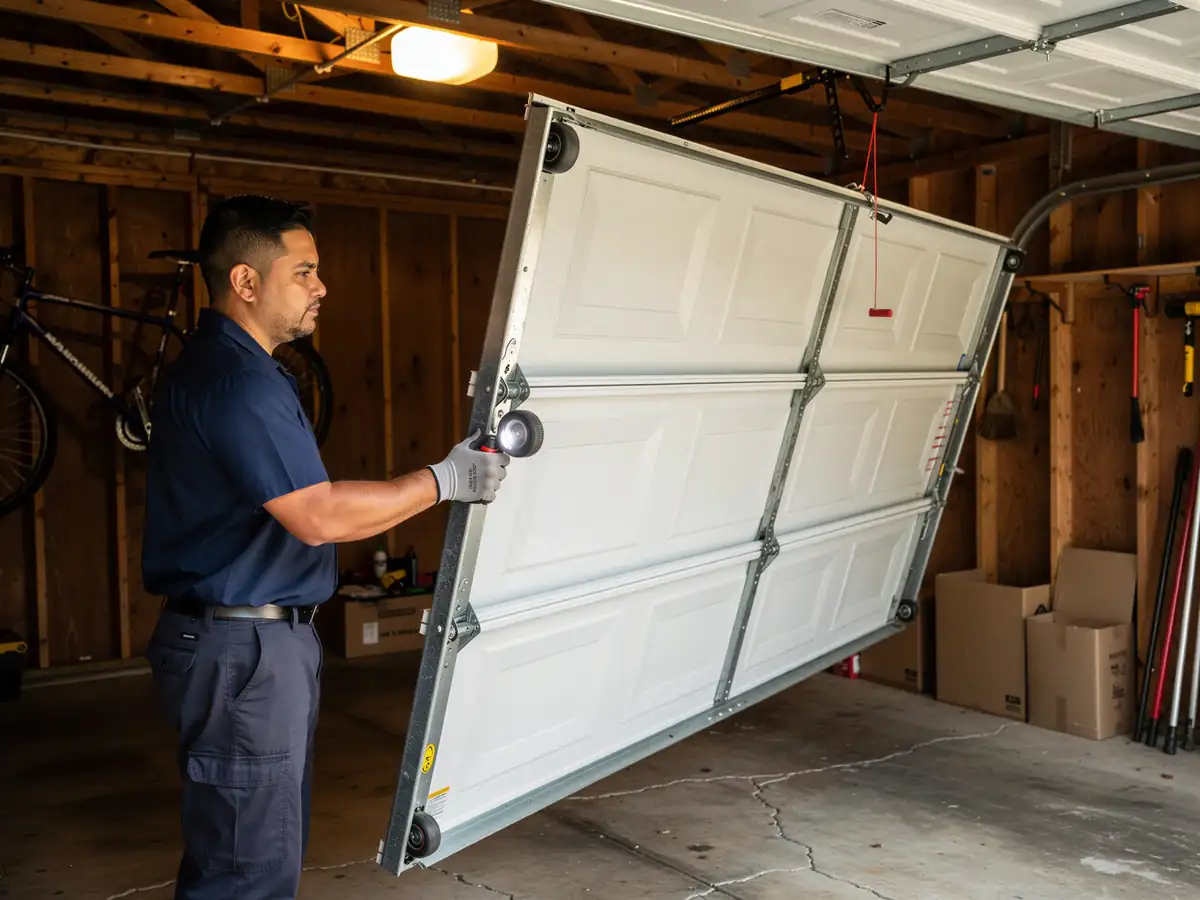
A door that's come off track on one side
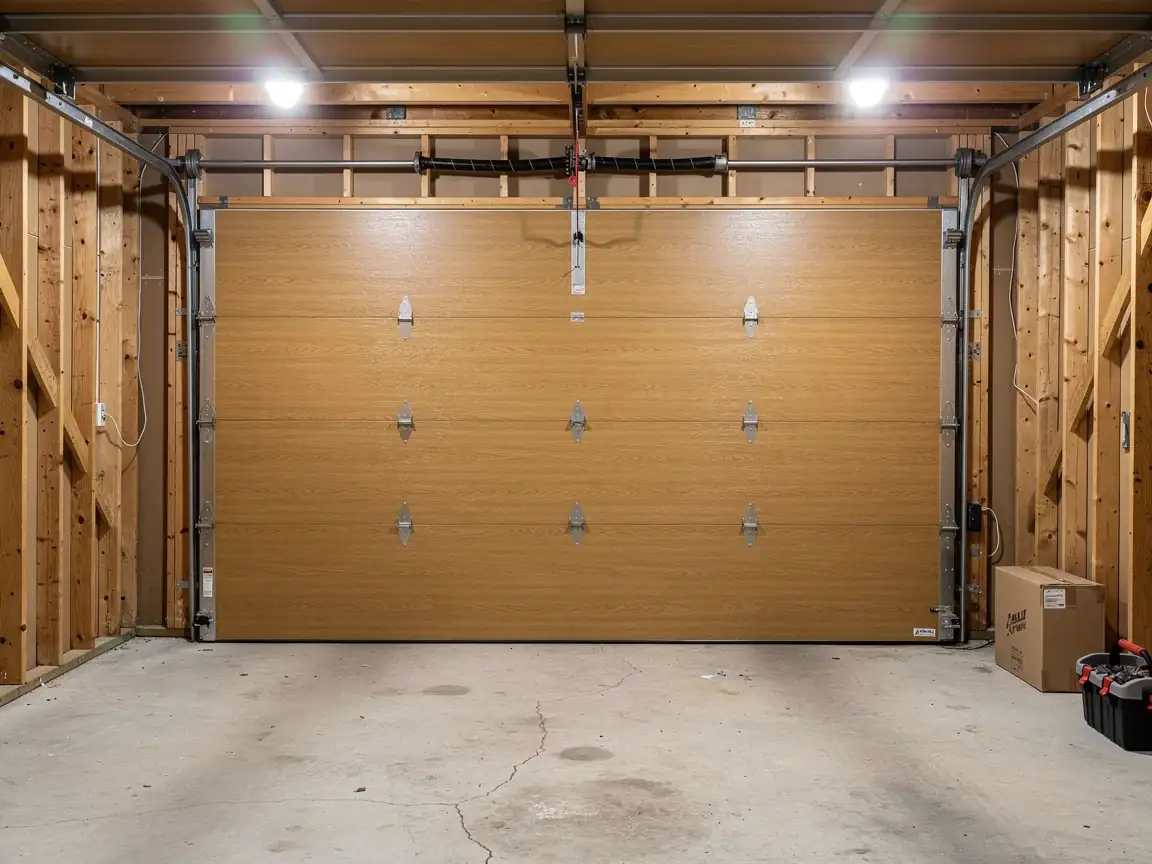
Or that's visibly racked at an angle, is a cable or roller problem and shouldn't be forced with the opener - running the opener against a jammed track is the fastest way to turn a $200 repair into a full opener and track replacement.
What It Costs
We don't quote a flat number here because the range between a cable repair and a full torsion spring and cable replacement is wide, and a damaged track changes the job entirely. What we can say is that most homeowners in this service area, with a median household income above six figures, tend to ask for the repair that's done right the first time rather than a cheaper patch that fails again within the year.
The honest trade-off is this: on an opener that's old enough that the circuit board is the failing part, replacing the whole opener is sometimes the better money than chasing down an obsolete board. We'll tell you when that's the case instead of running up a repair bill on a unit that's near the end of its life anyway.
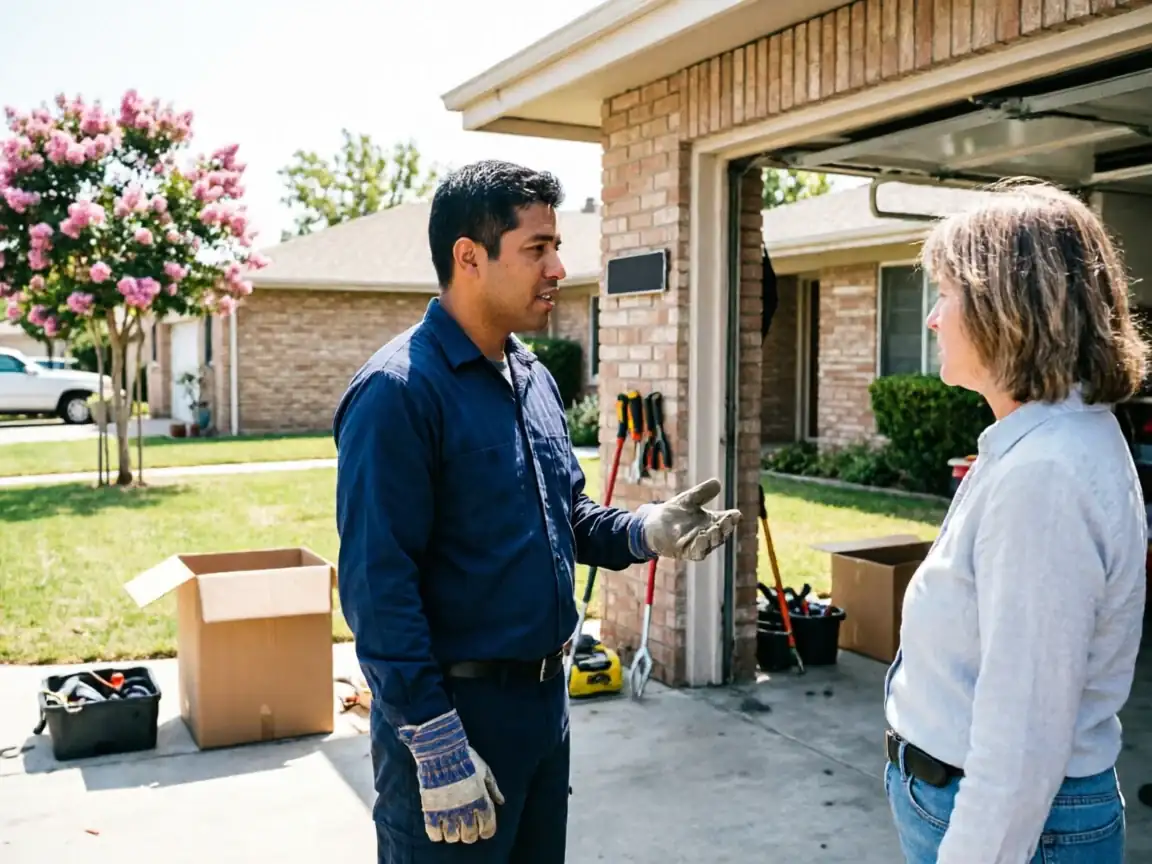
We give a real number once we've looked at the door in person - the weight of the door, the spring size it needs, and whether the opener itself needs replacing all change the total, and we won't guess at that over the phone.