What the Weather Here Does to It
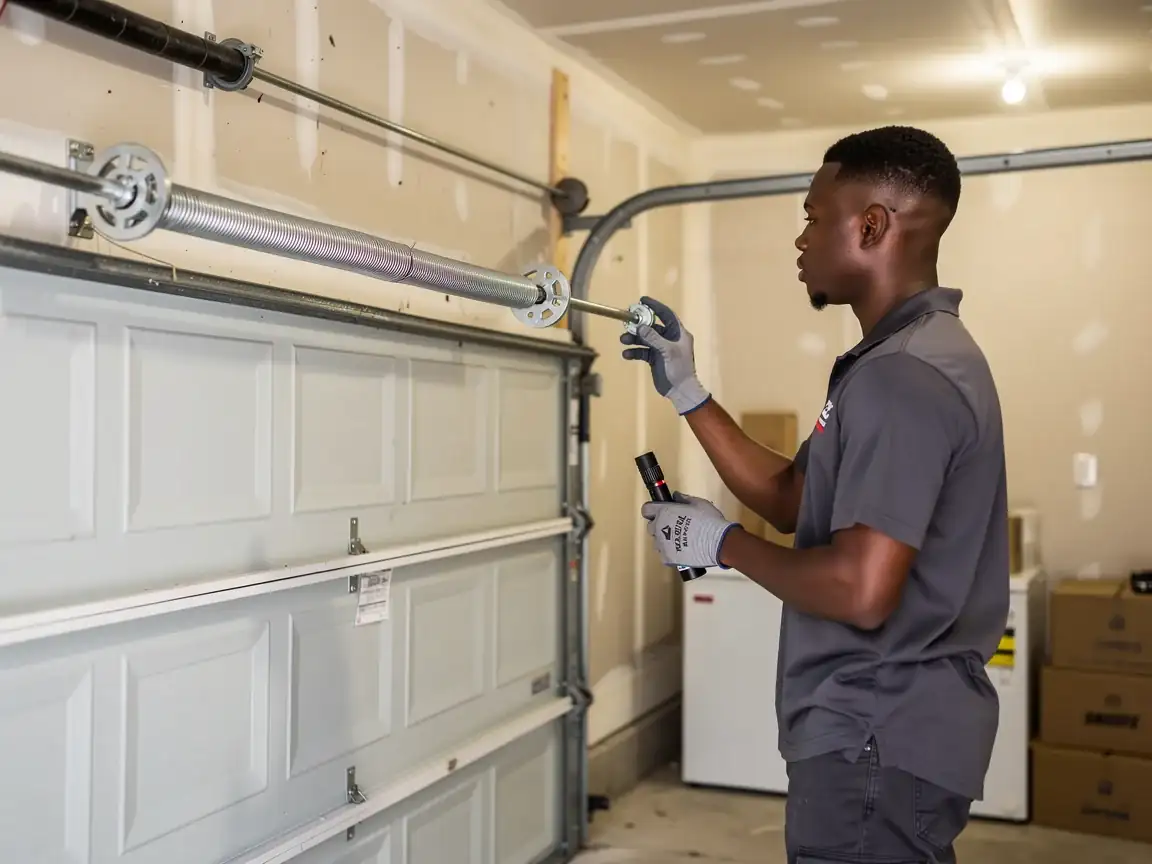
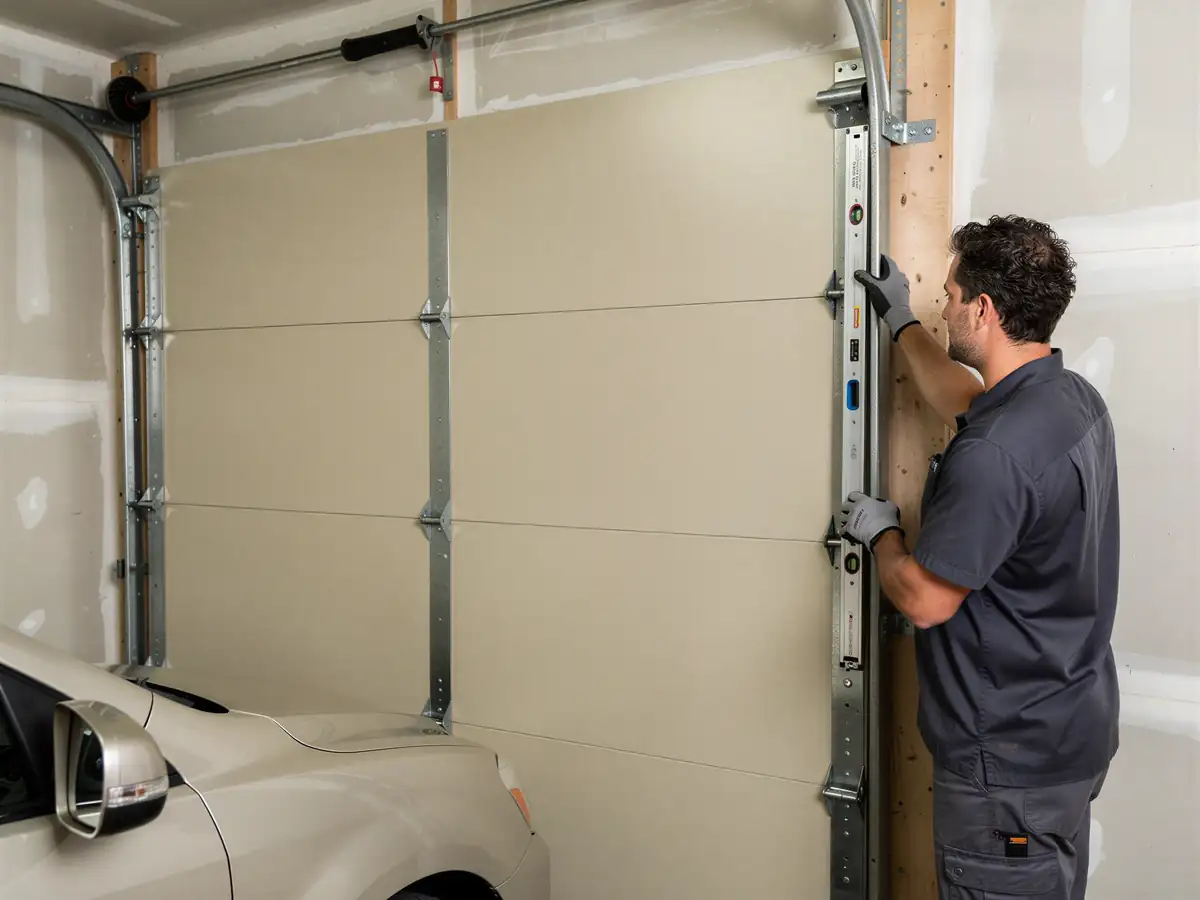
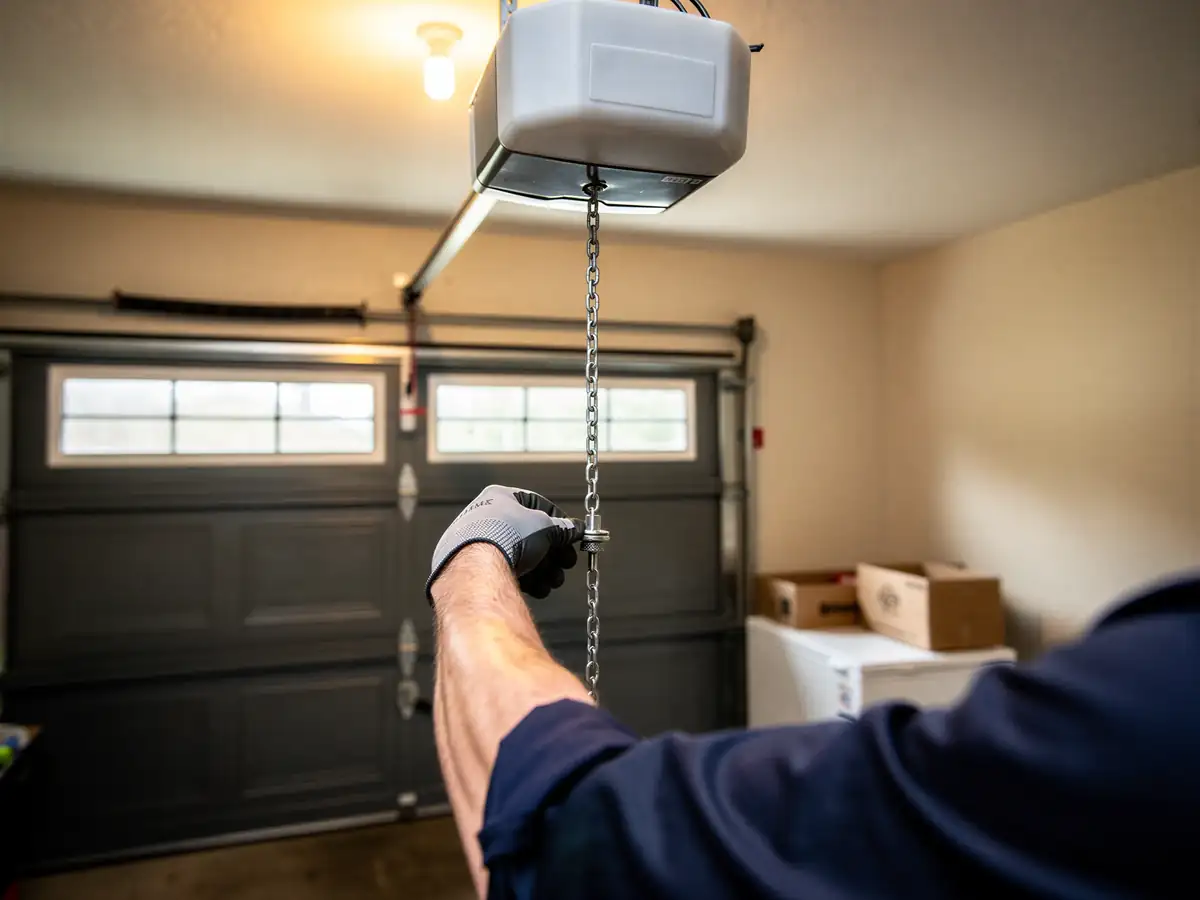
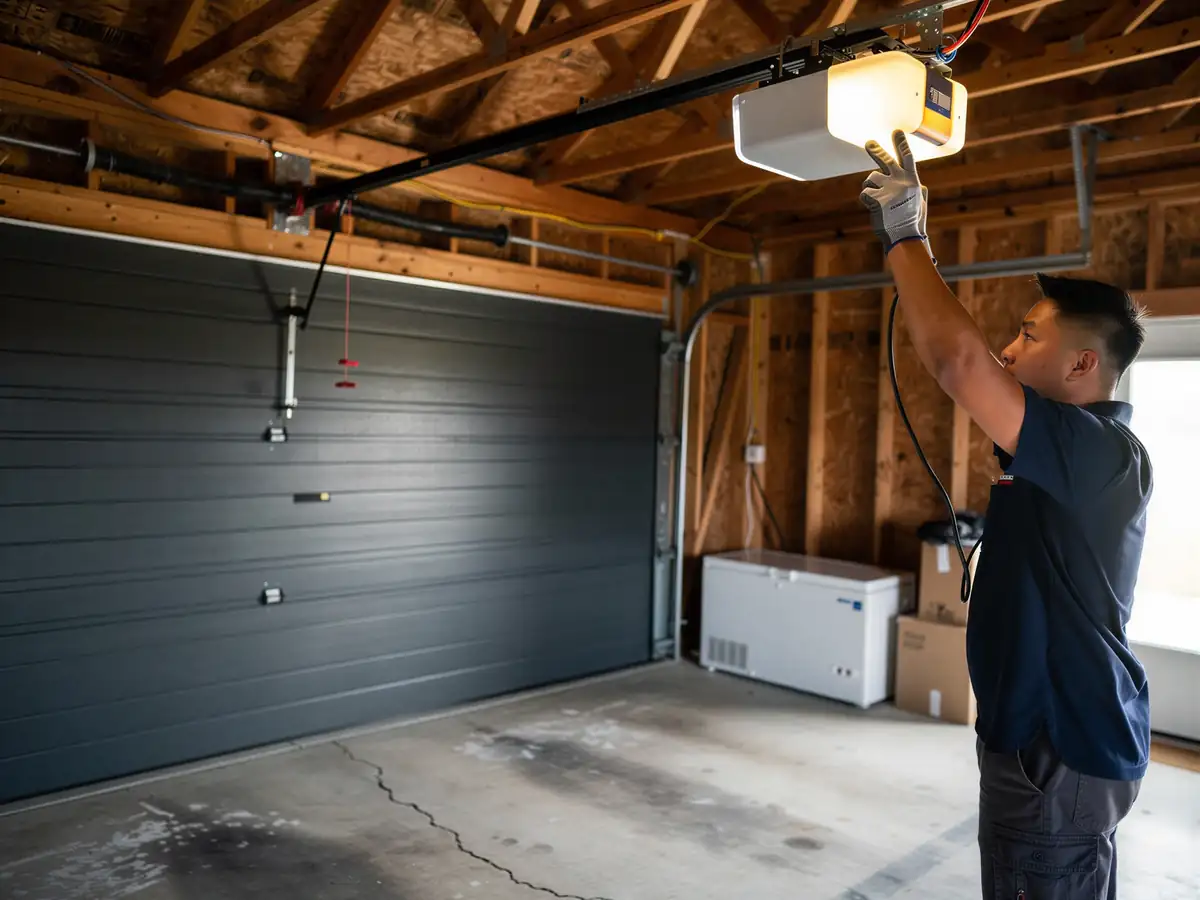
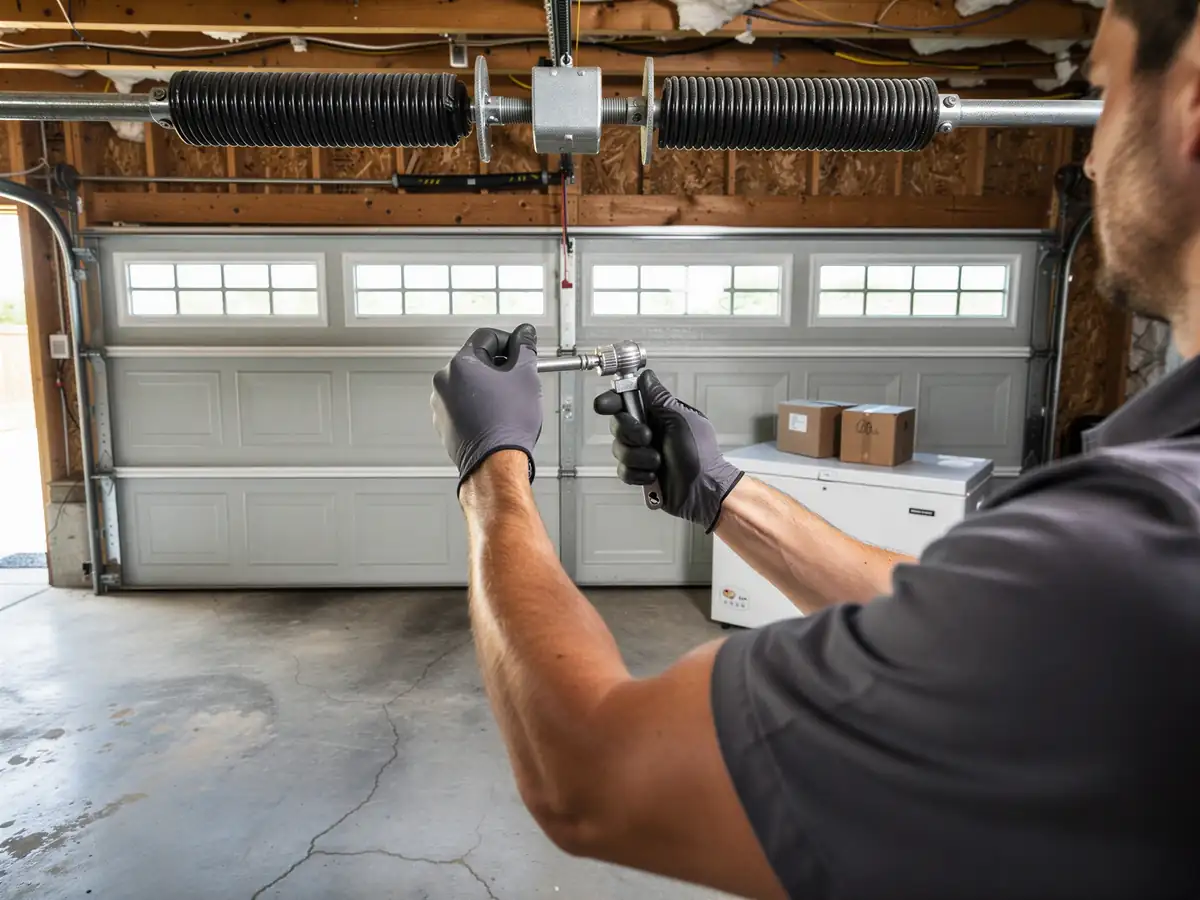
Royse City sits in a moderate heat band, not the extreme swings you get further west or the coastal humidity further east. That matters for a garage door because heat doesn't break things all at once - it works on lubricant and plastic over years. Nylon idler bearings and rollers get brittle. Opener gear sets, especially the plastic drive gear inside the chain or belt unit, wear faster when the garage itself runs hot through long summer afternoons. Torsion springs lose a little tension every cycle regardless of climate, but in a moderate-heat area like this one, the spring itself usually isn't the first thing to fail - the lubricant drying out on the track and the hinges is. If your door sounds dry rather than loose, that's the heat talking, not a structural problem yet. The honest limitation here: we can't tell you from a description alone whether a grinding noise is a bearing or a bent track. Those sound similar over the phone and look nothing alike up close.
Leaving It Alone
A big share of the housing in this service area - across the sixteen communities we cover, from Nevada and Union Valley five miles out to Parker and Sunnyvale near twenty - went up through the 2000s, with the median build year around 2000. That means a lot of original equipment is now twenty to twenty-five years old. Openers from that era don't have the safety reversal sensors tuned the way current units do, and torsion springs are usually rated for a set number of cycles that many of them have already used up. Leaving a door alone at this age isn't neutral. It's not that waiting causes damage on its own - it's that the parts installed when these houses were built are now past the point where "it still works" tells you much. A spring at the end of its cycle life doesn't give warning. It just lets go.
What It Costs
We don't have a universal number to hand you here, and we're not going to invent one. What we can say is that household income in this service area runs well above the state median - $117,428 is the figure for the area we work in - which tends to shift the repair-versus-replace decision differently than it would in a lower-income market. Homeowners here more often choose to replace an aging opener outright rather than patch a twenty-year-old unit for a fraction of the cost, because the math on their time and the house's resale condition works differently. That's not a sales pitch, it's just what we see across roughly 17,500 owner-occupied houses in this area. Whether that's the right call for your specific door depends on what's actually wrong with it, which is something we'd need to look at in person rather than guess at here.