What the Weather Here Does to It
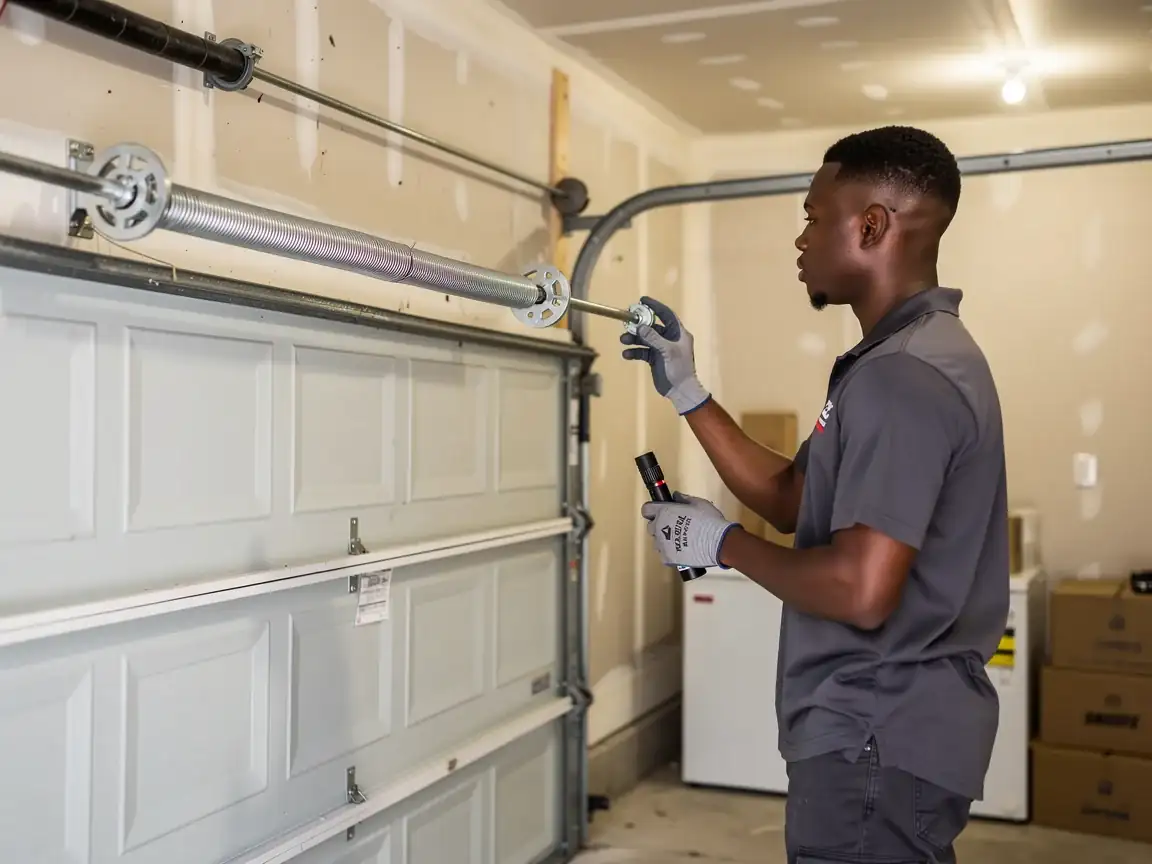
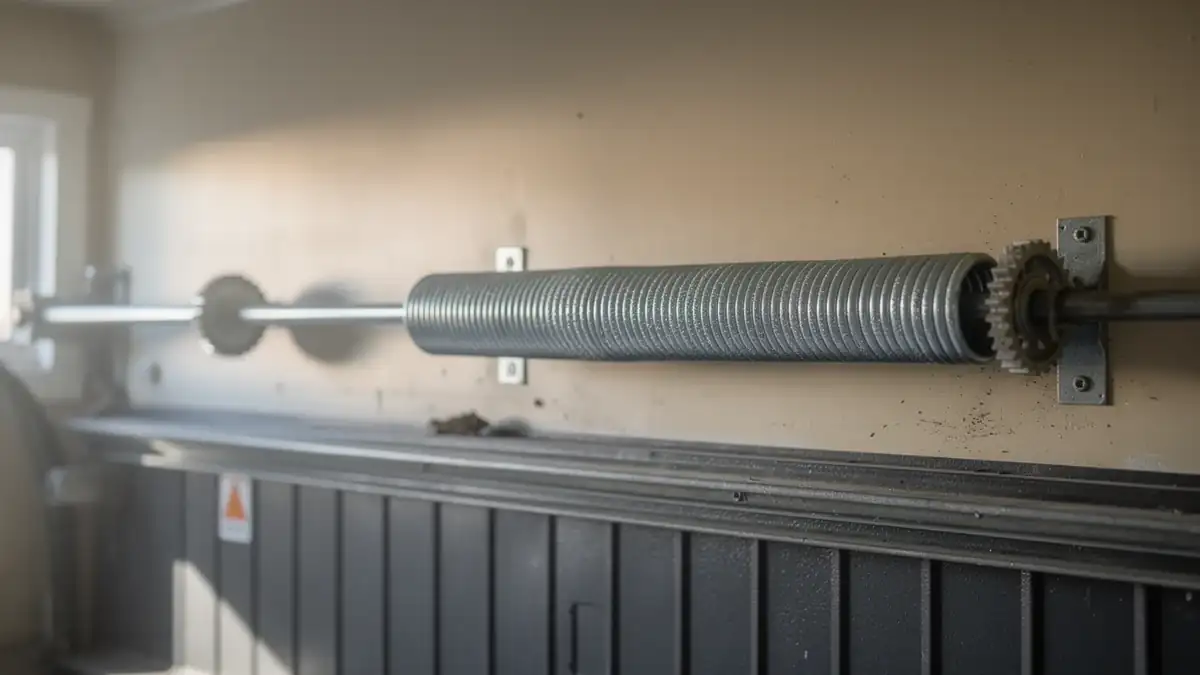
Royse City sits in a moderate heat climate band, not a deep-freeze one, so you're not dealing with the kind of sustained sub-zero stretches that crack steel outright. But a torsion spring doesn't need a polar vortex to fail - it needs one sharp temperature drop on a coil that's already near the end of its cycle count. Most houses in this service area went up between 1971 and 2012, with the bulk of the stock dating to the 2000s build boom across the sixteen named communities nearby, from Nevada and Union Valley five miles out to Sunnyvale nineteen miles west. That means a lot of doors here are running original torsion hardware from a 2000-era install, now twenty-plus years into its working life. Steel contracts when the temperature falls fast, even a swing of twenty or thirty degrees overnight, and a spring that's already fatigued loses the little flex it had left. You'll hear it before it breaks - a grinding pop on lift, a door that feels heavier one morning than the night before. That's the metal telling you it's done, not the cold doing anything exotic. The moderate climate here means this isn't a seasonal certainty like it would be further north, but it still happens enough on these early-2000s coils that we see a bump in spring calls whenever a front comes through.
Leaving It Alone
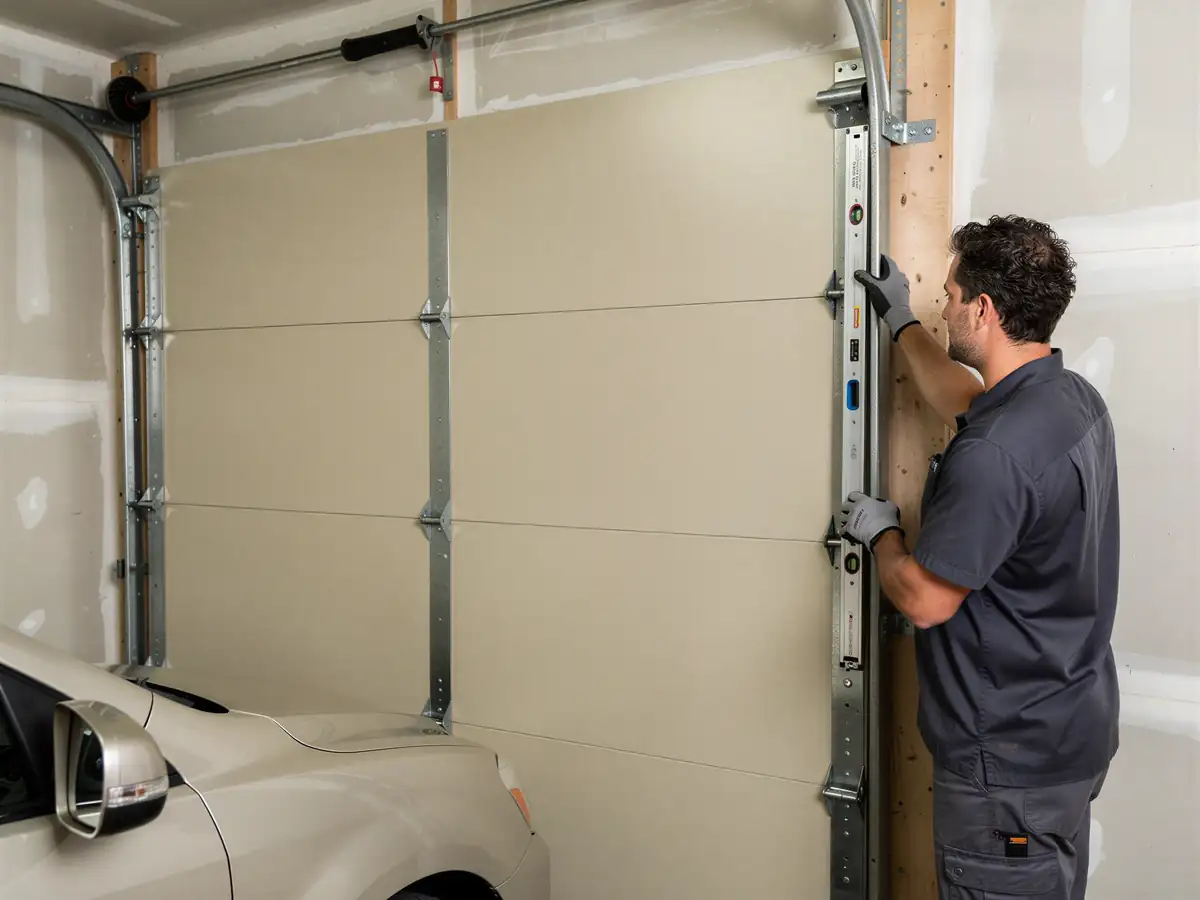
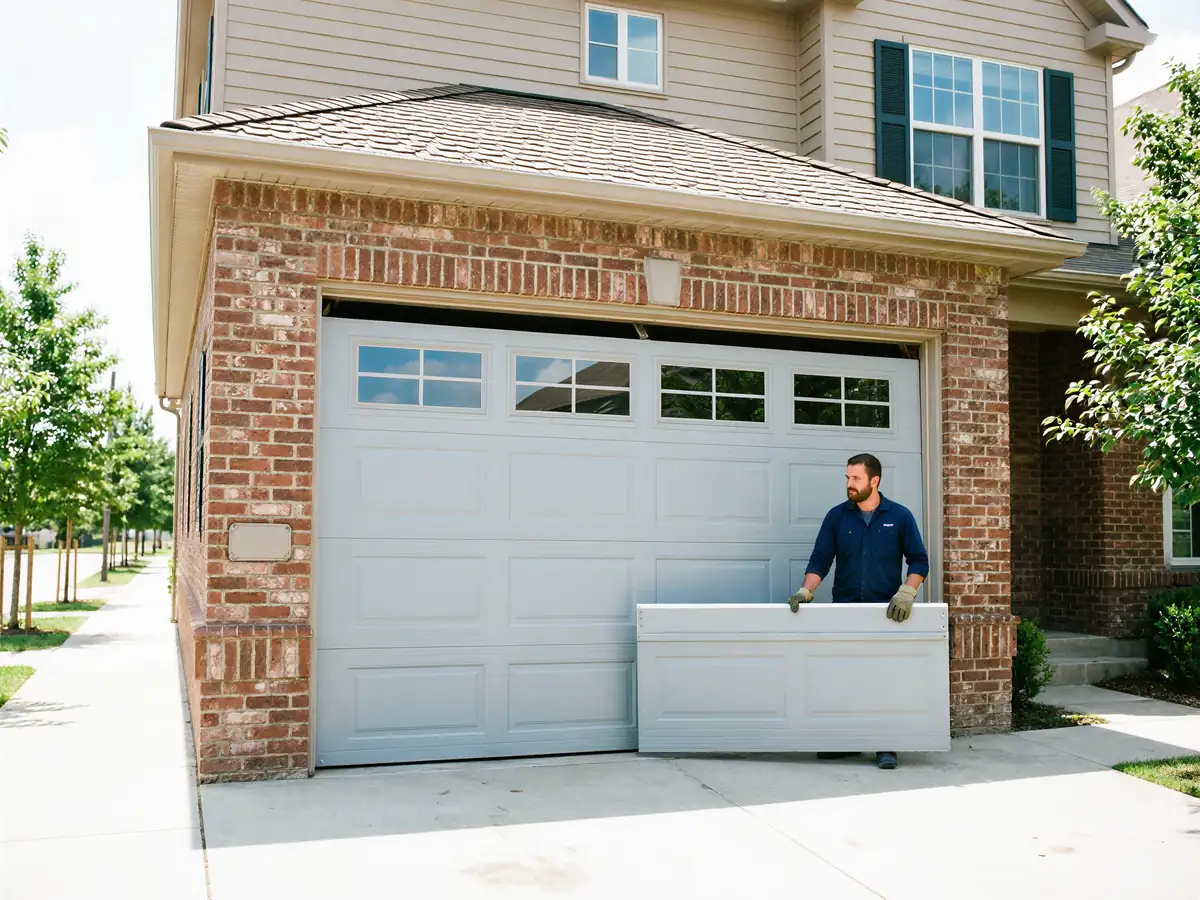
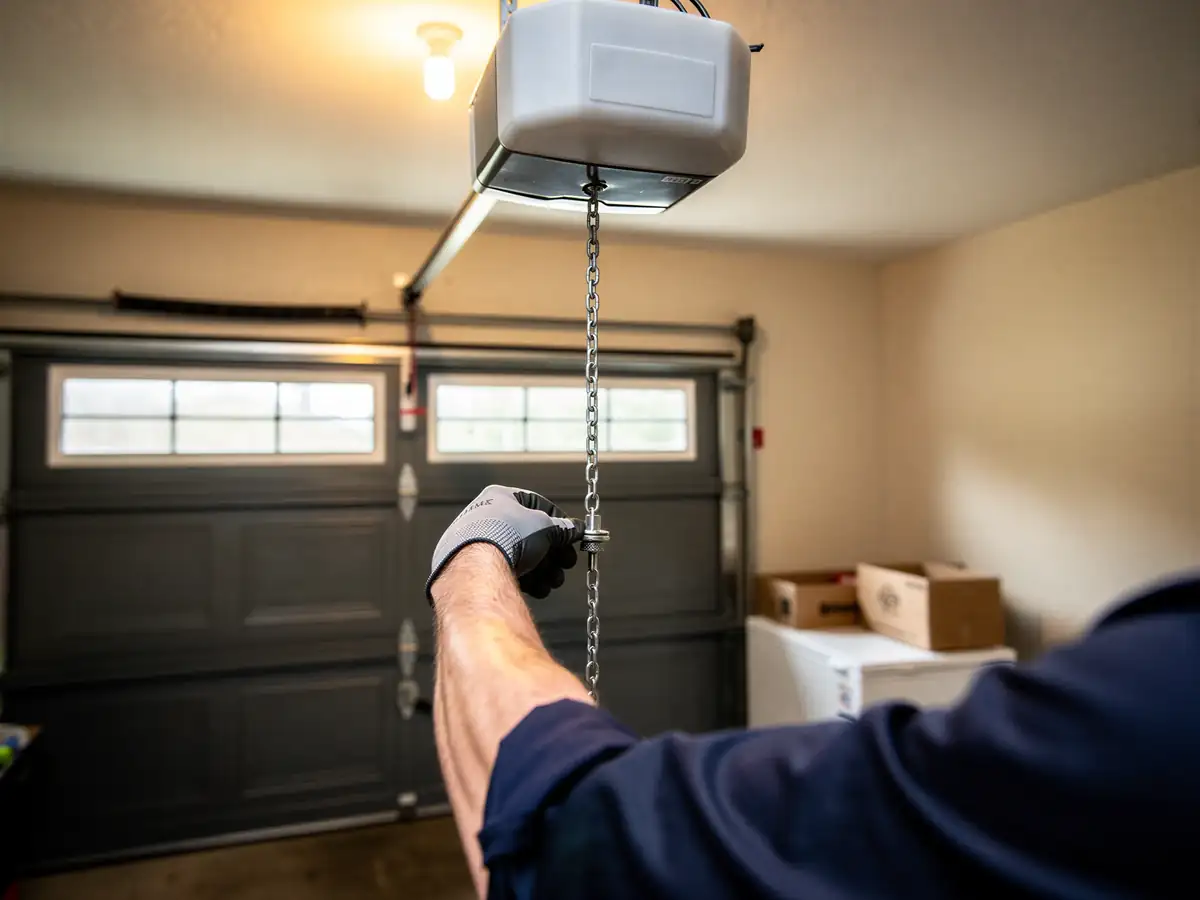
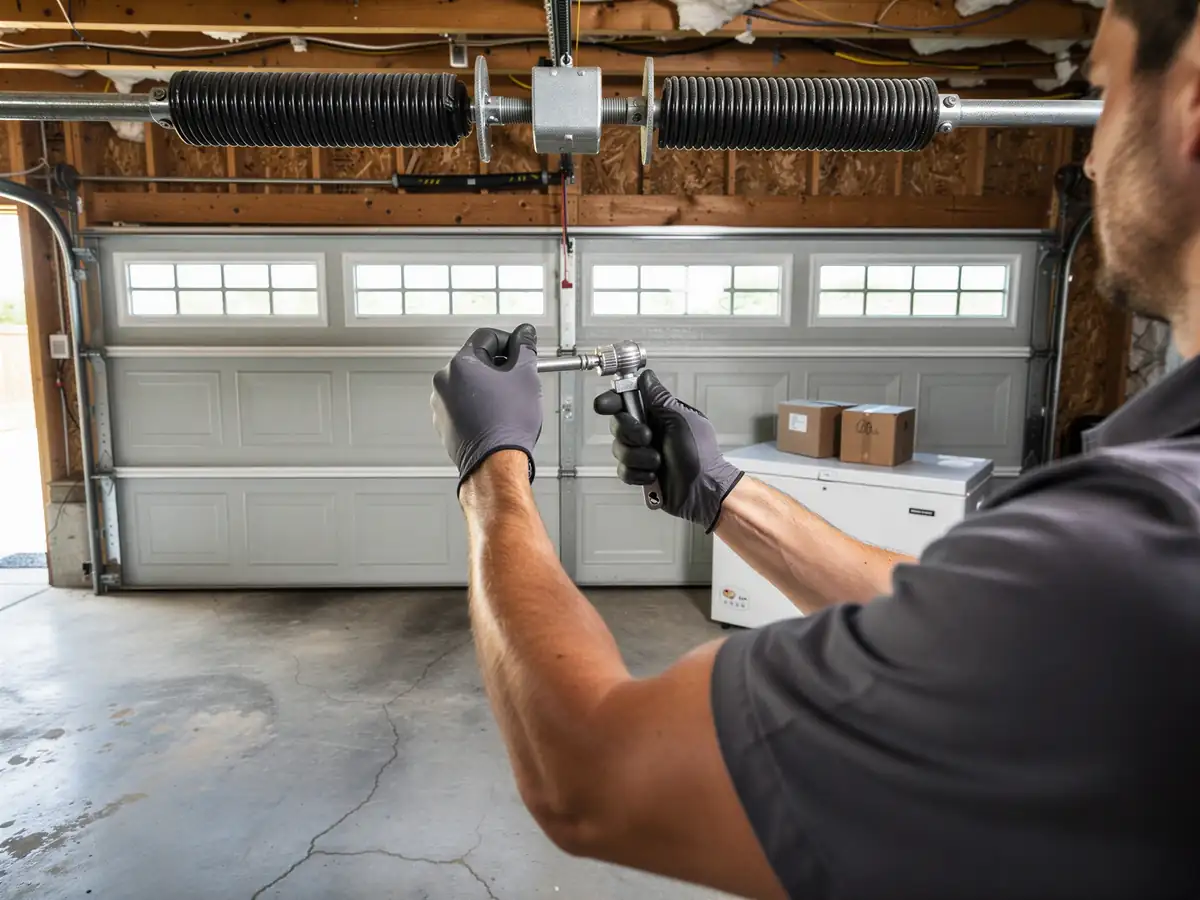
A spring that's starting to go doesn't fix itself, and waiting usually means it fails at the worst moment - door stuck open, car trapped inside, or worse, the cable snapping under load and the panel dropping hard. On a house built in the 2000s like most of what's standing in this area, the opener motor is original too, and an opener fighting a weak spring burns itself out faster trying to compensate. We'd rather replace a spring on a Tuesday afternoon than get called out after it's already let go and bent a track. One thing worth saying plainly: we don't recommend DIY spring replacement. Torsion springs are under real tension and the winding bars used to set them aren't something to improvise with. If a spring is visibly stretched, gapped, or rusted through, that's a call, not a weekend project.
What Is Going On
With roughly 20,747 households and 17,541 owner-occupied houses across this service area, a good share of them built in that 1971-2012 window and clustered around the 2000s, the pattern we see is pretty consistent: original torsion springs, now past their rated cycle count, finally giving out when a cold front knocks a few degrees off overnight. It's not dramatic weather causing it - Royse City's climate band is moderate heat, not extreme cold - it's ordinary metal fatigue meeting an ordinary temperature swing on hardware that's old enough to be due. If your door is from that original 2000s build and you haven't had the spring looked at, that's the thing to get ahead of before it picks its own moment.