What the Fix Involves
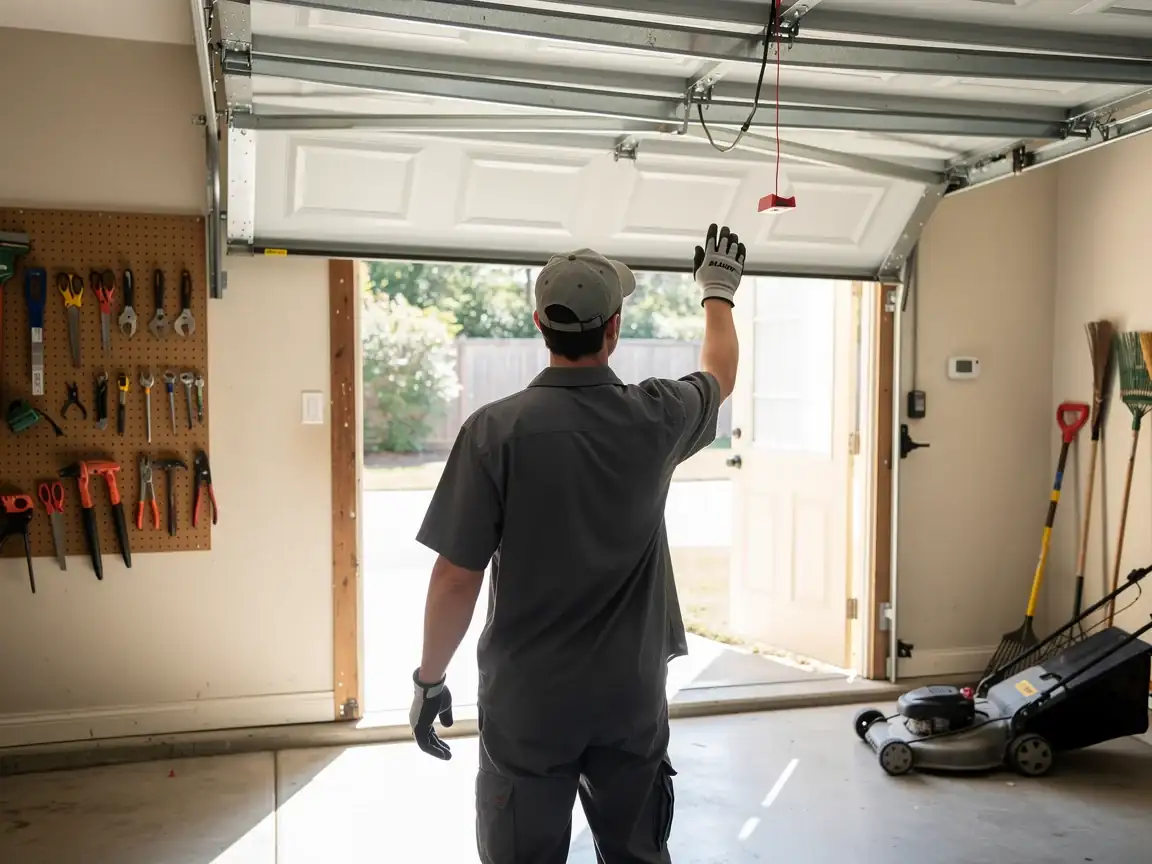
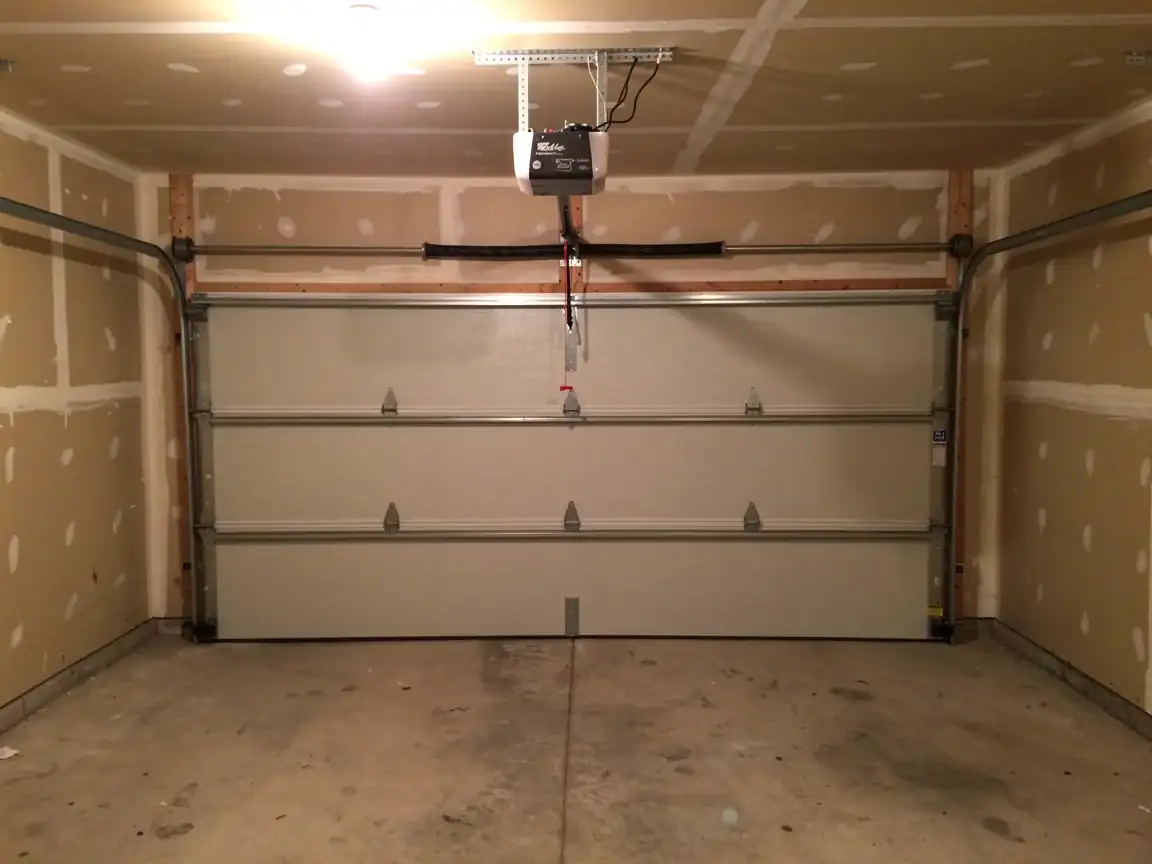
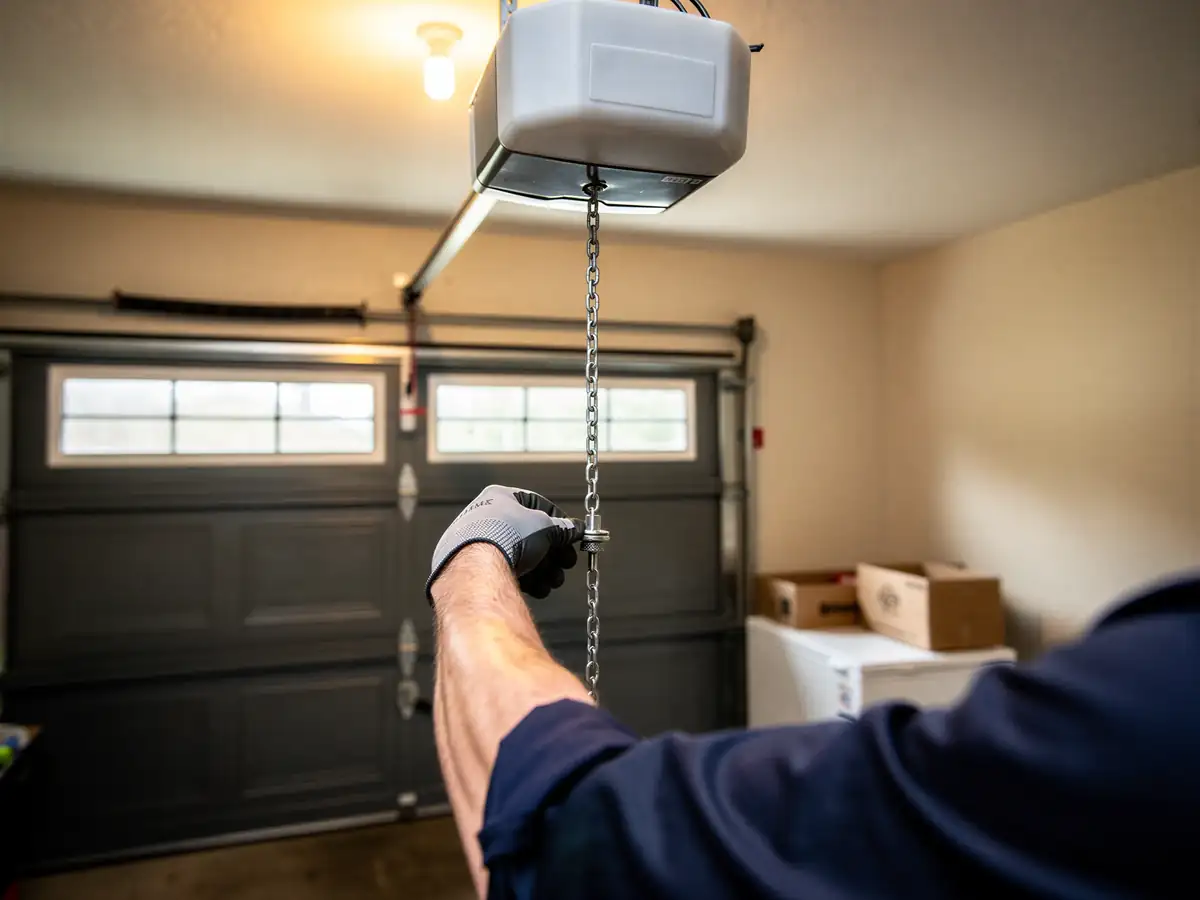
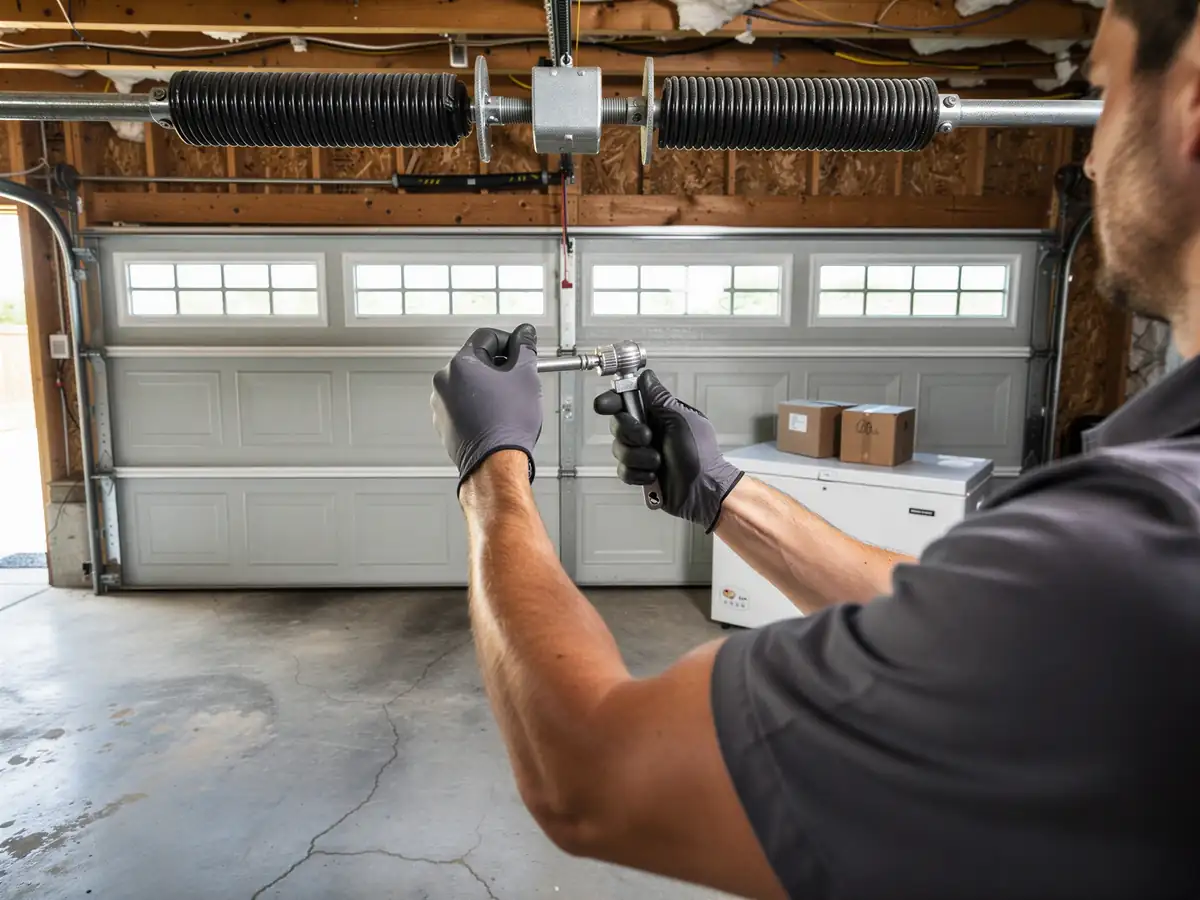
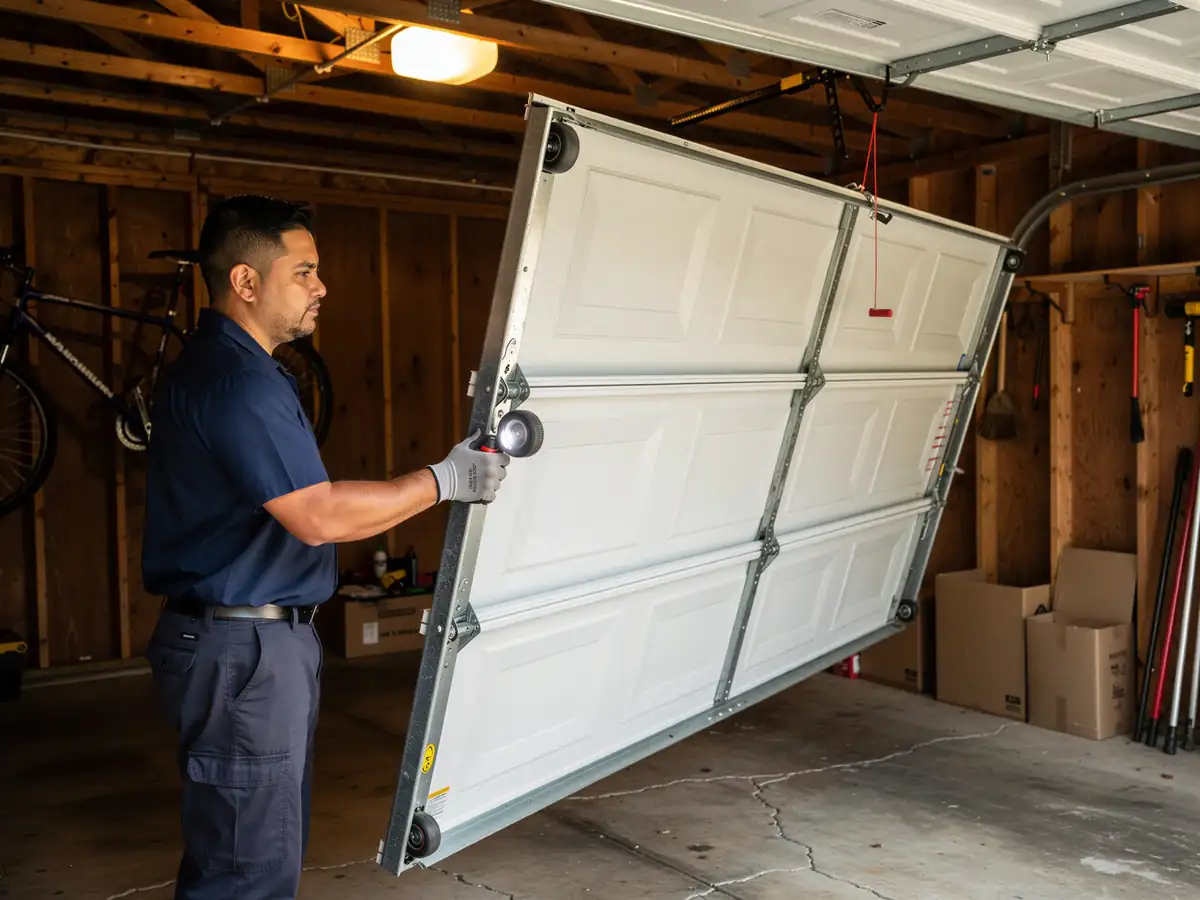
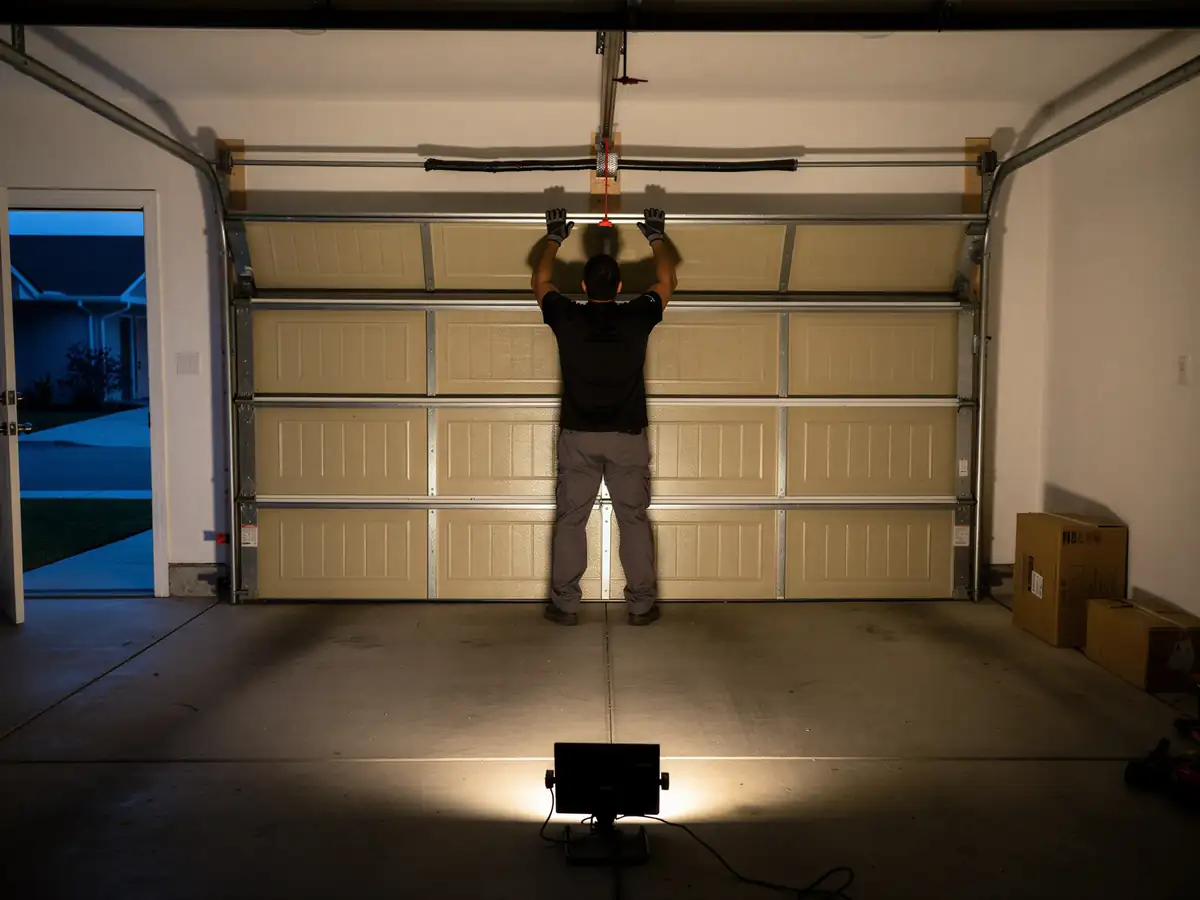
Most garage door repair calls in Royse City come down to one of three things: a broken torsion spring, a worn-out opener drive gear, or a track that's gone out of alignment. We start by running the door manually with the opener disconnected, because that tells us right away whether the problem is spring tension, a bent track, or the opener itself trying to lift a door it can no longer handle.
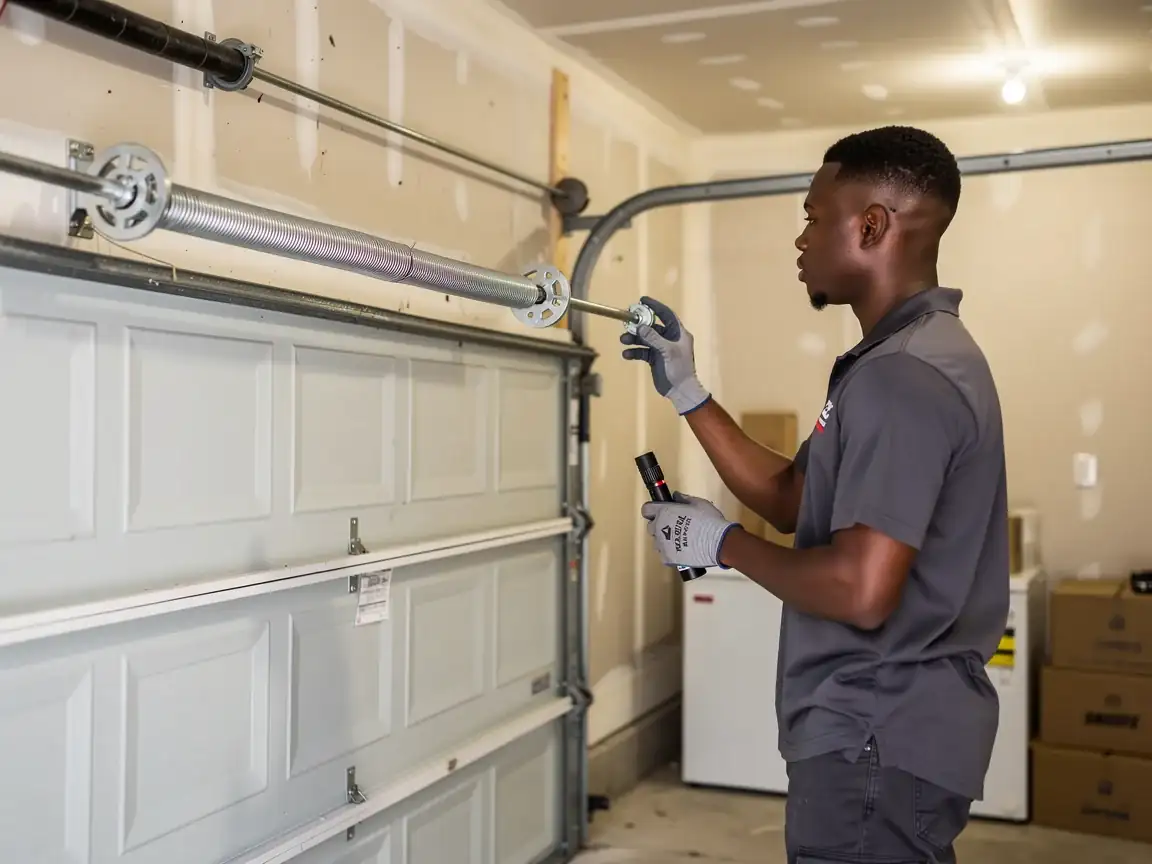
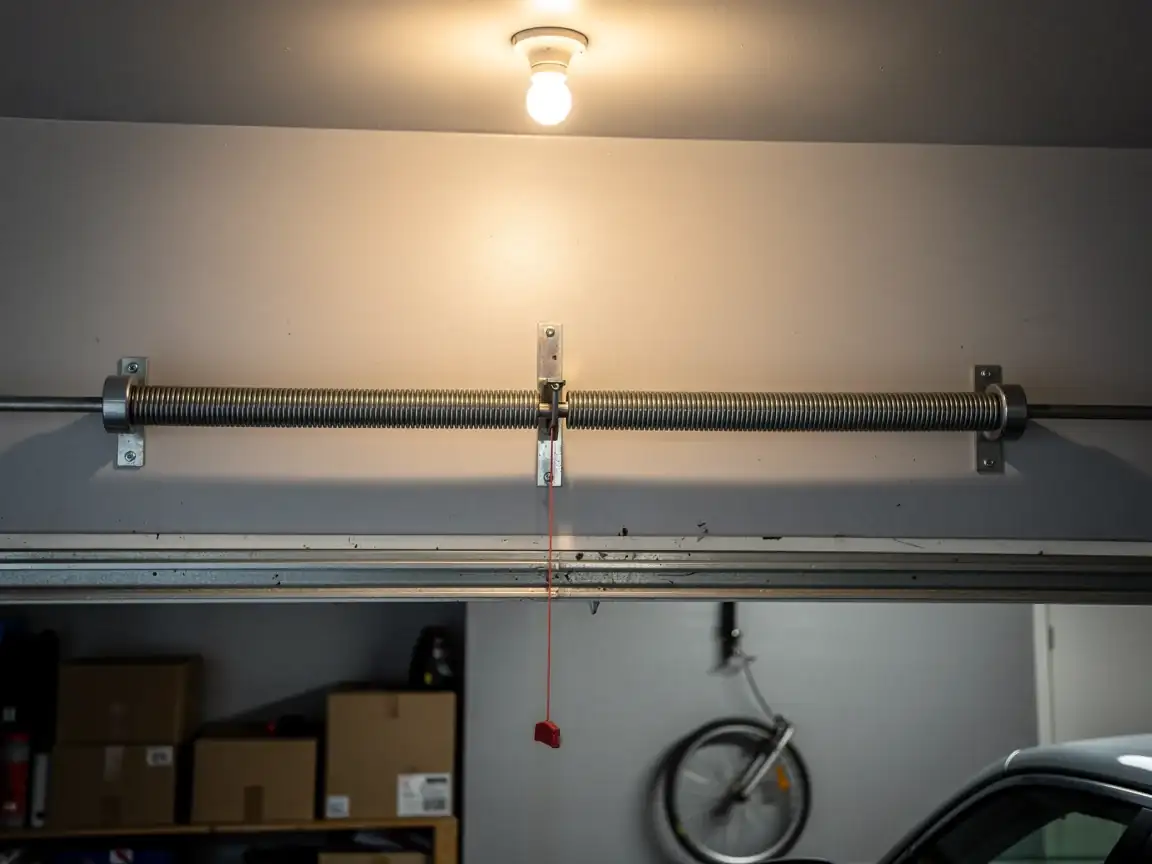
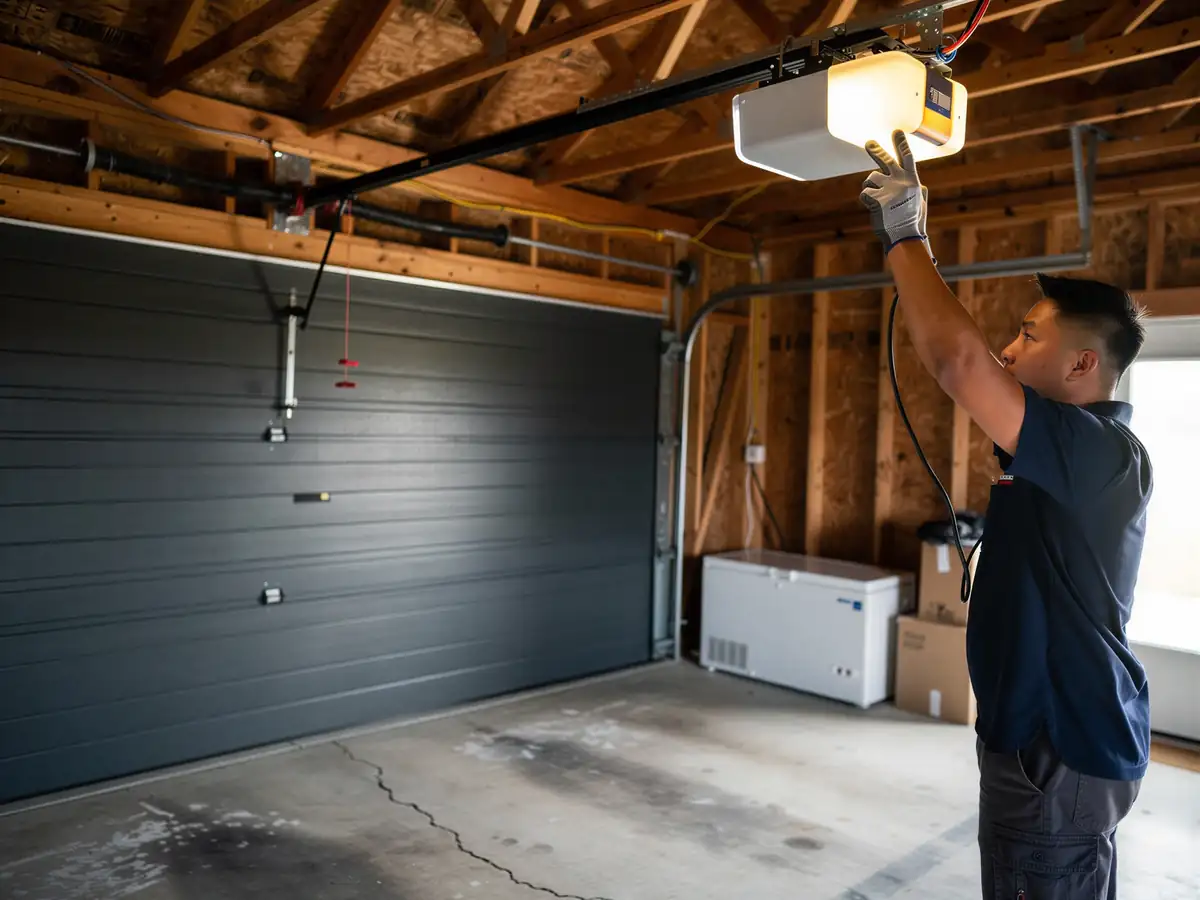
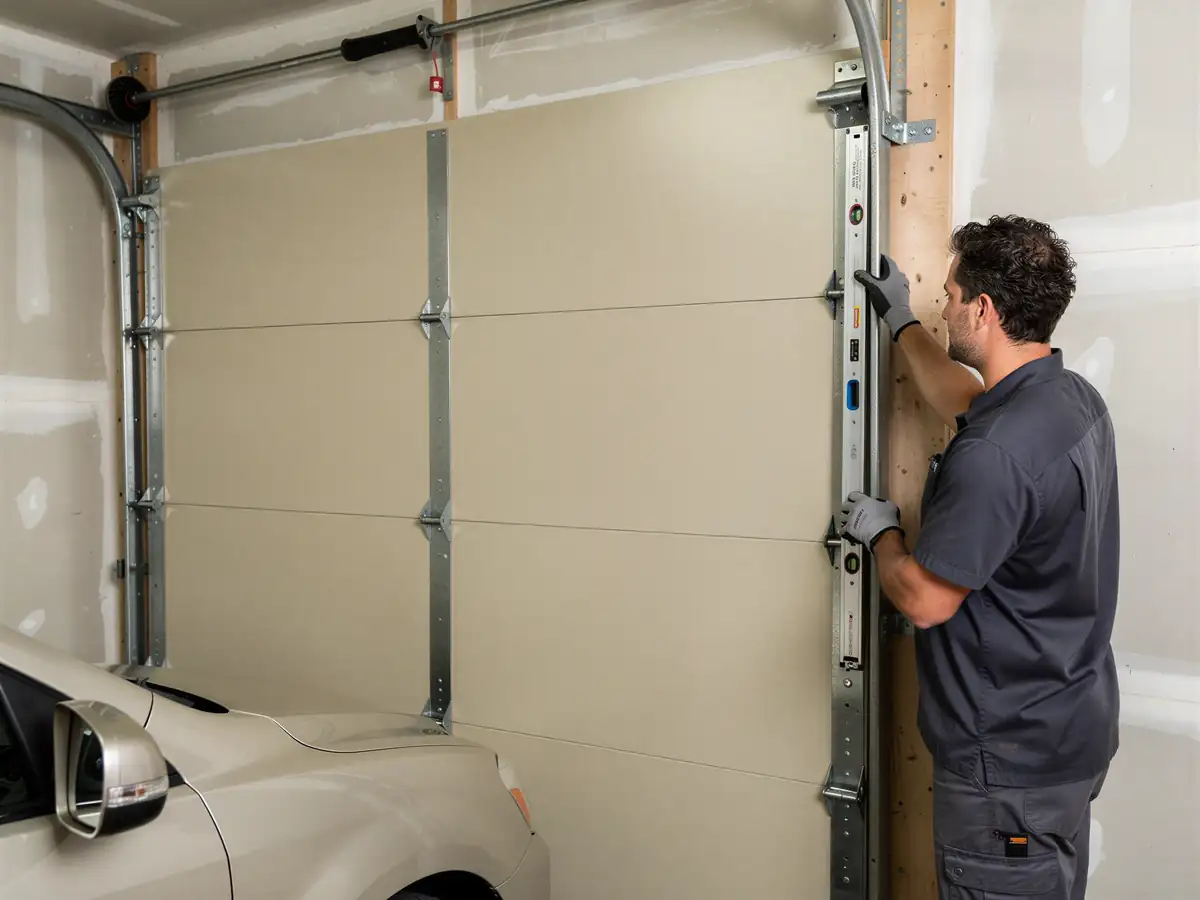
If it's a spring, we measure the wire gauge and wind before swapping it, since the wrong spring either strains the opener or wears out again in a year. If it's the opener, we check the gear and sprocket kit before recommending a full replacement unit - a lot of openers installed when this area was first built out still run fine mechanically but need that internal gear swapped out. Track and roller work is usually a matter of re-squaring the track to the header and swapping the rollers that have gone brittle. None of this is exotic work, but doing it in the wrong order on a loaded spring is how people get hurt, which is the main reason we don't recommend DIY spring jobs.
Why This Fails Locally
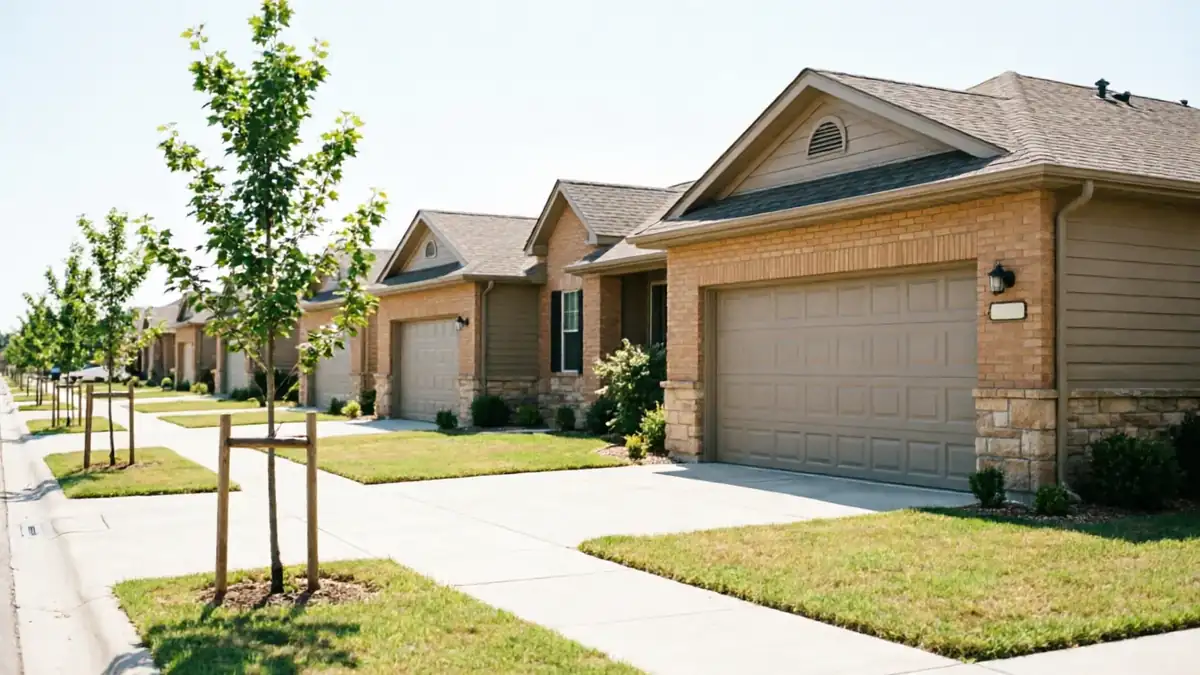
Housing in the Royse City service area was built mostly between 1971 and 2012, with the median build year sitting around 2000 and the bulk of the 16 named communities in this stretch of housing being 2000s-era construction. That matters for garage doors because a torsion spring is rated for a set number of open-close cycles, and springs installed during that original building wave are now 15 to 25 years old - right in the window where fatigue failure shows up without warning.
The climate band here is moderate heat, which isn't the extreme swing you'd get further south or west, but it's still enough daily temperature cycling on an attached garage to stress steel and harden the lubricant inside an opener gearbox faster than a climate-controlled space would. Combine a door that's been cycling since the early 2000s with a garage that sits in the upper range of summer heat for weeks at a time, and the spring or the opener gear is usually the first thing to go, not the panel or the track.
What You Are Seeing
The door that won't open past a foot and stops cold is almost always a broken torsion spring
You'll often hear a loud bang from the garage days or weeks before it happens. An opener that runs but the door barely moves, or moves then reverses on its own, usually points to a stripped internal gear, which is common once an opener has been in service two decades or more.
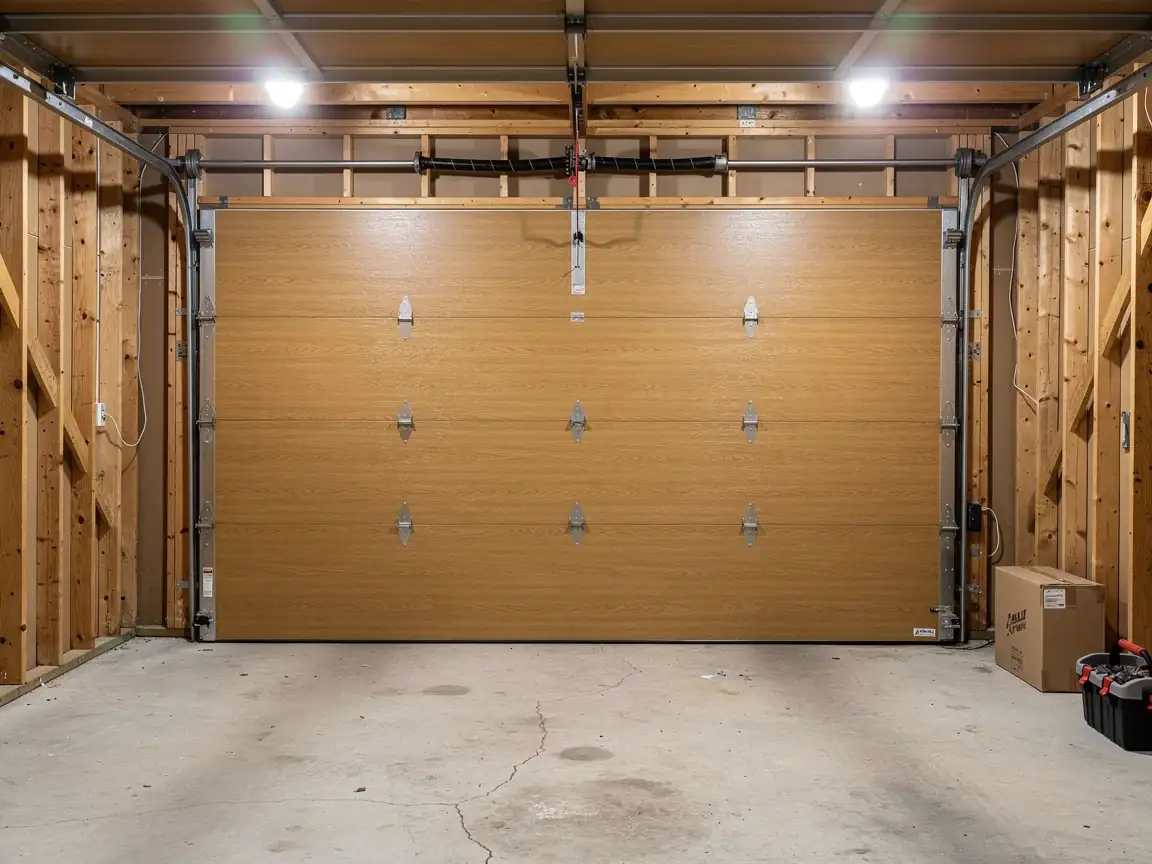
A door that shudders, drifts to one side, or binds partway up the track is a roller or track alignment issue rather than a spring problem
And it's worth having that looked at before it turns into a bent track that costs more to fix. If the door opens fine by hand but the opener won't engage at all, check the wall switch and safety sensors first - on older units the photo-eye brackets have often shifted out of alignment over the years, which is a five-minute fix, not a new opener.
What It Costs
We can't quote a number without seeing the door, because spring size, opener age, and whether the track needs re-squaring all change the job. What we can tell you is that a straightforward torsion spring replacement is a different job and a different cost than an opener gear kit, and both are a fraction of replacing the whole opener or door.
Given that median household income across the service area runs around $117,428, most homeowners here are replacing an opener outright once the gear kit route doesn't make sense anymore, rather than nursing a 20-year-old unit along indefinitely. We'll tell you plainly when a repair isn't worth it versus when replacement is the better use of your money - we'd rather lose a repair invoice than have you call us back in three months for the same door.