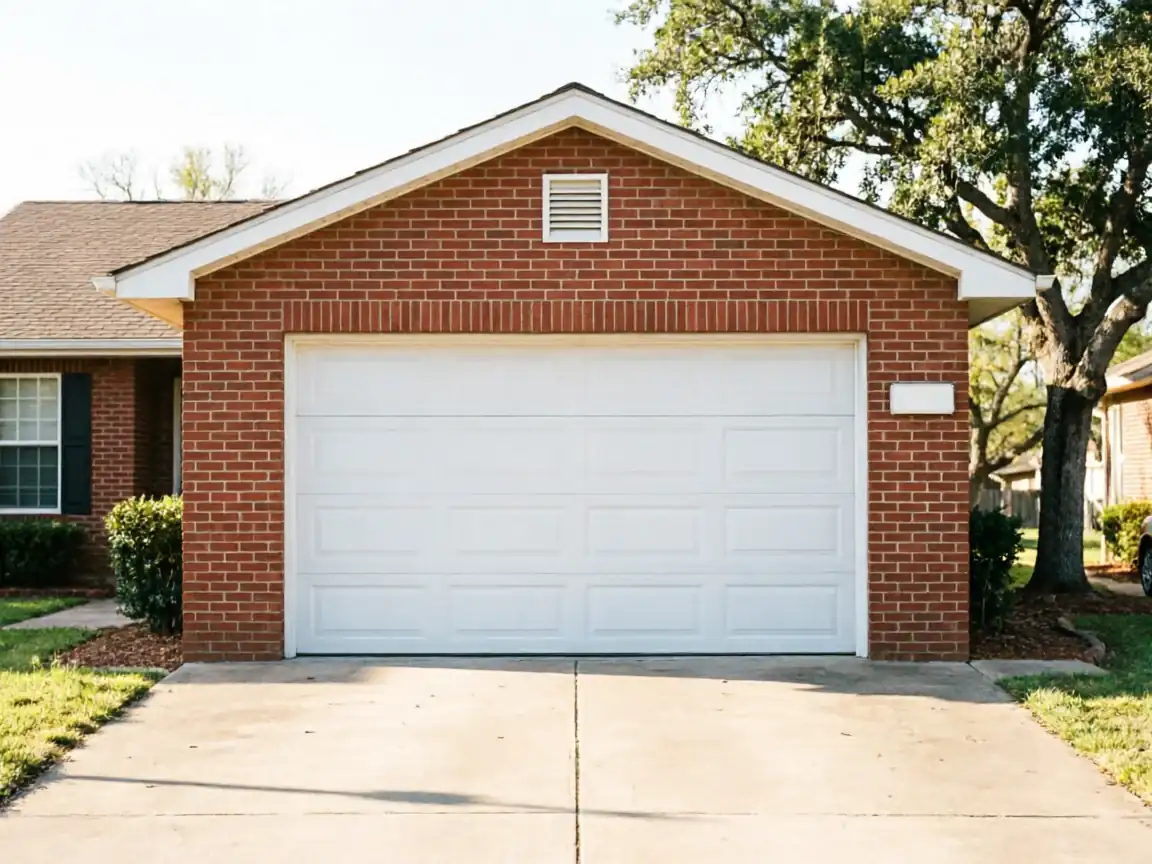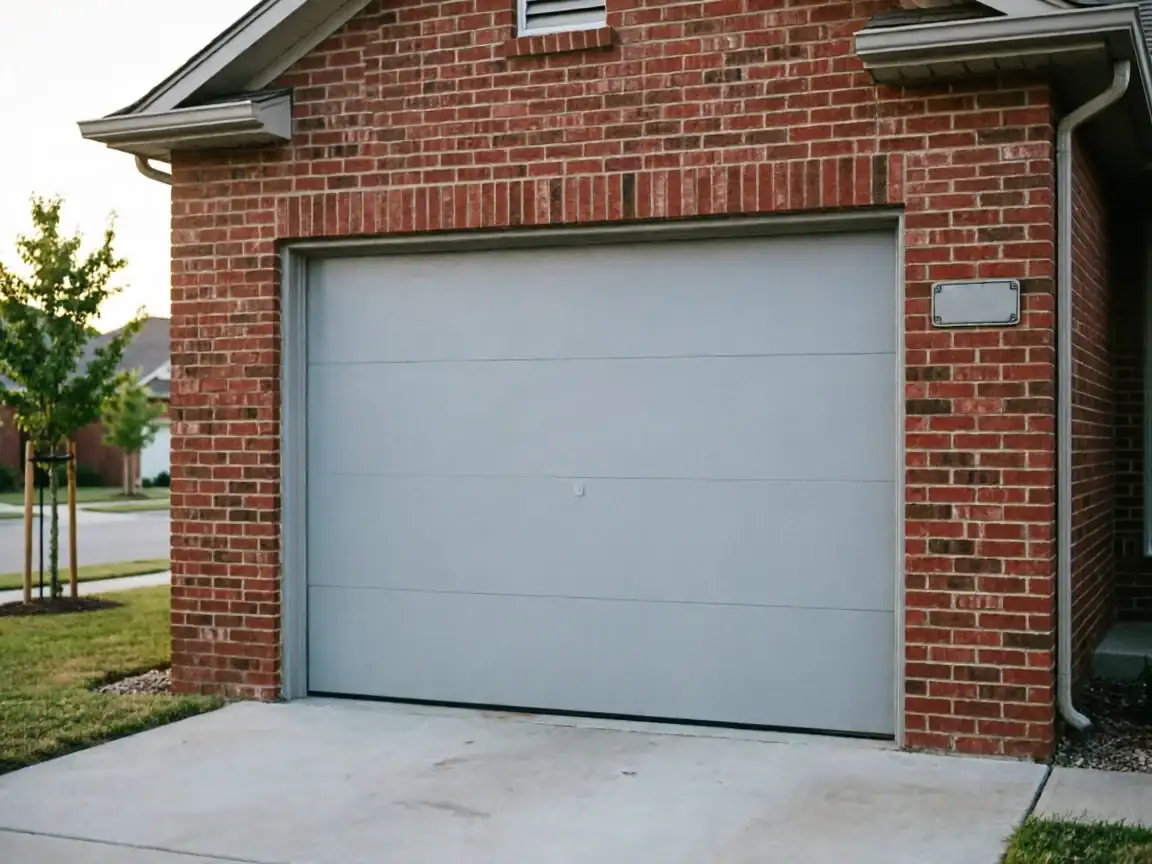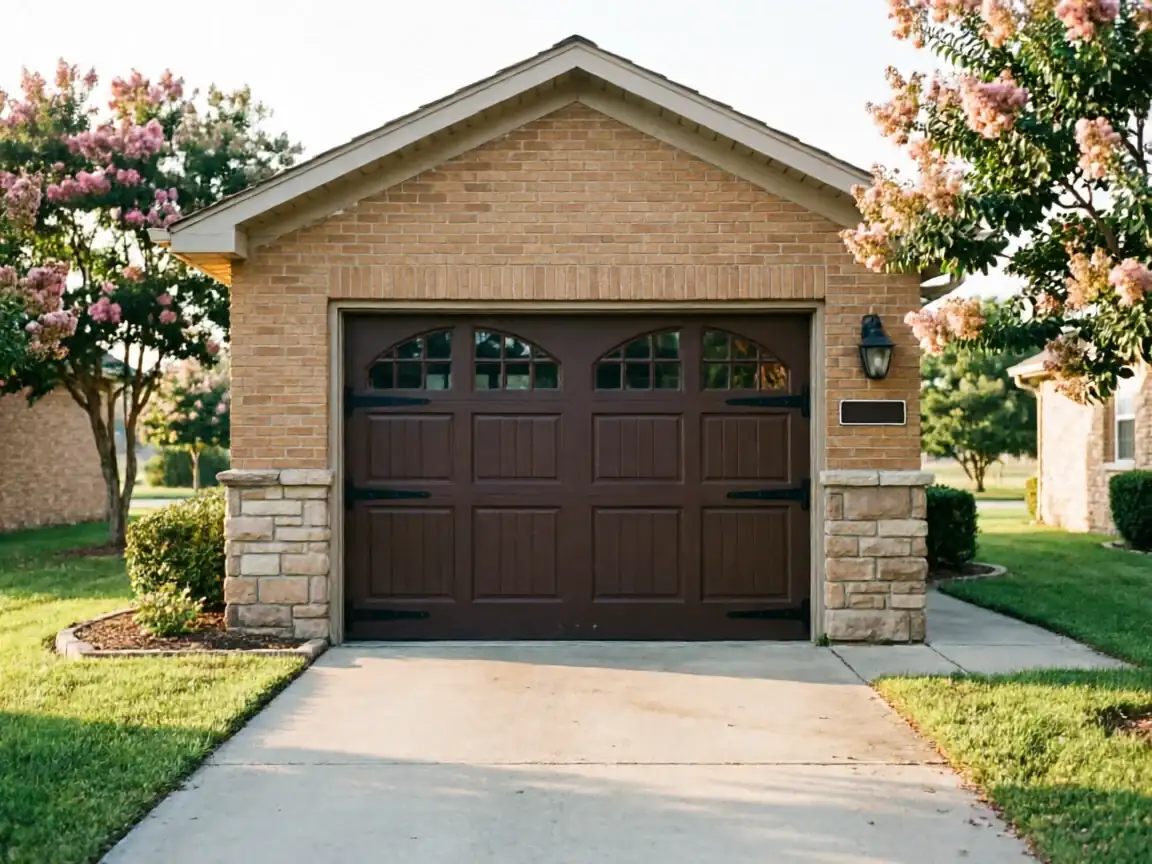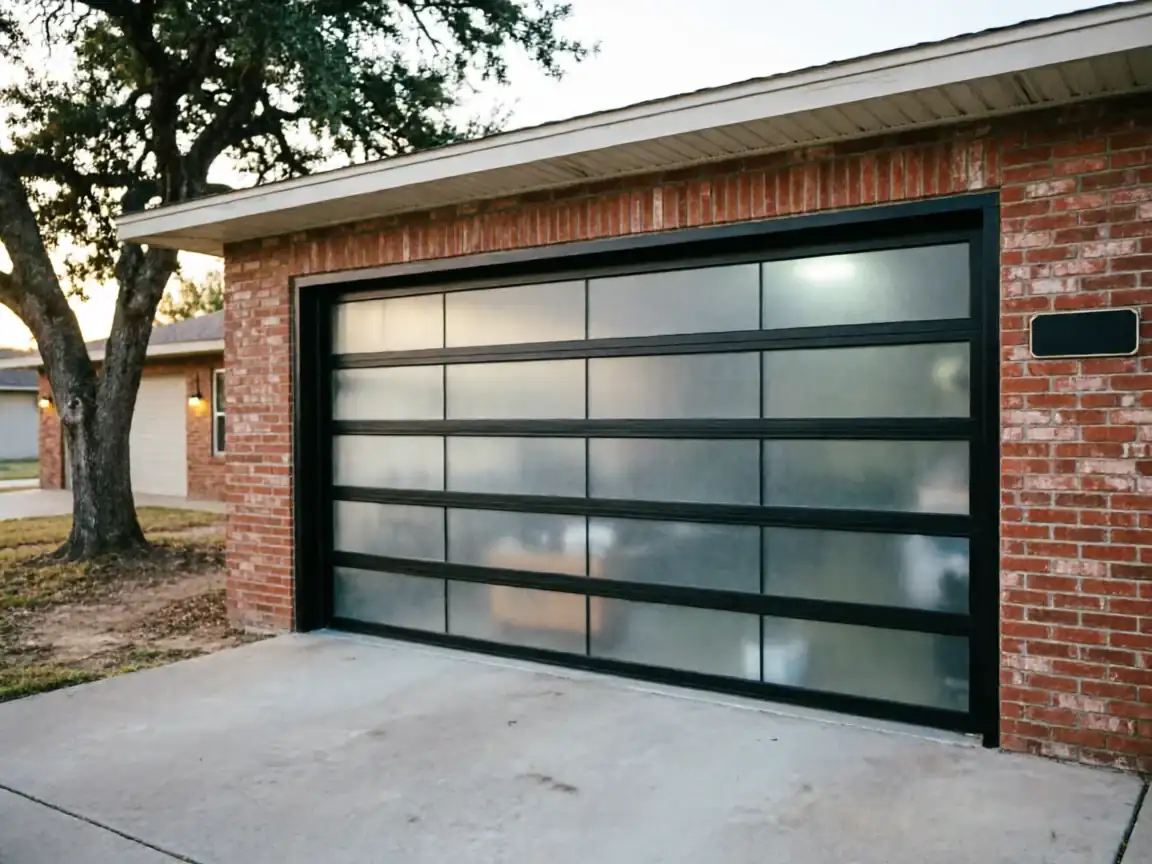
What the Fix Involves
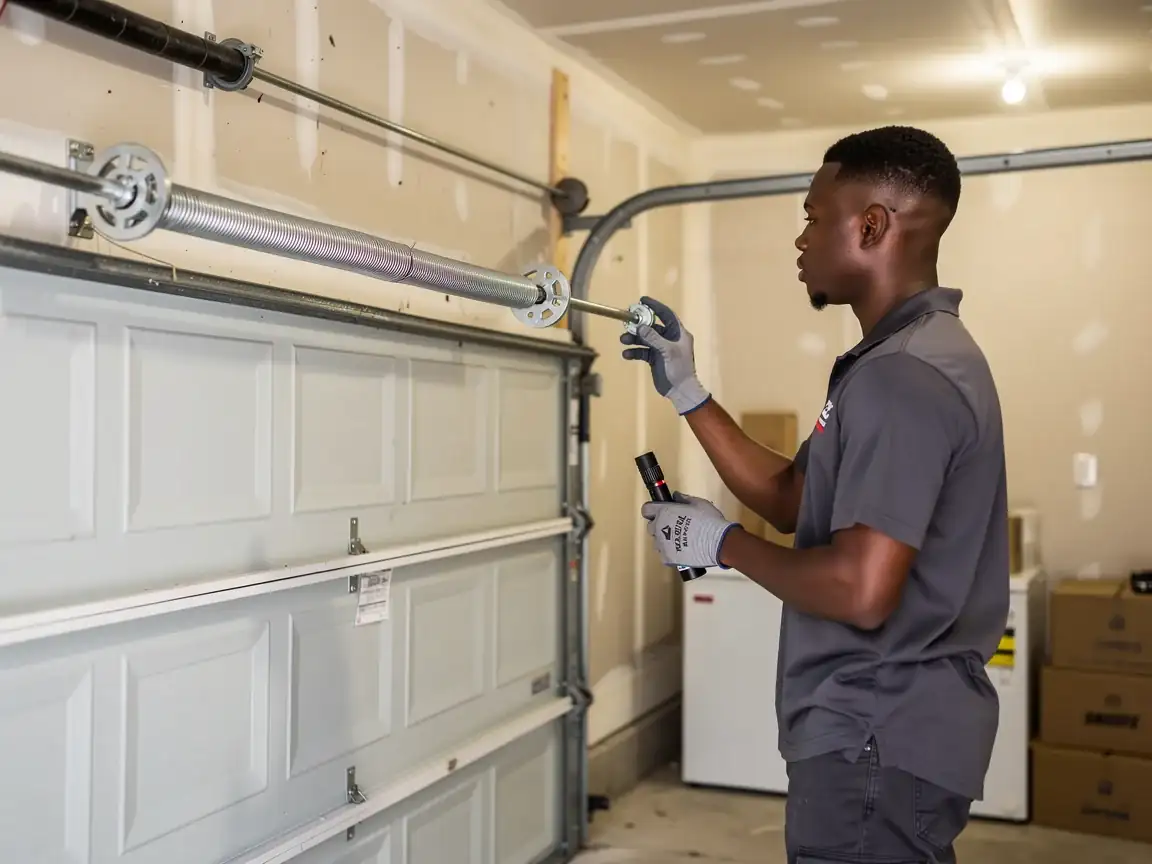
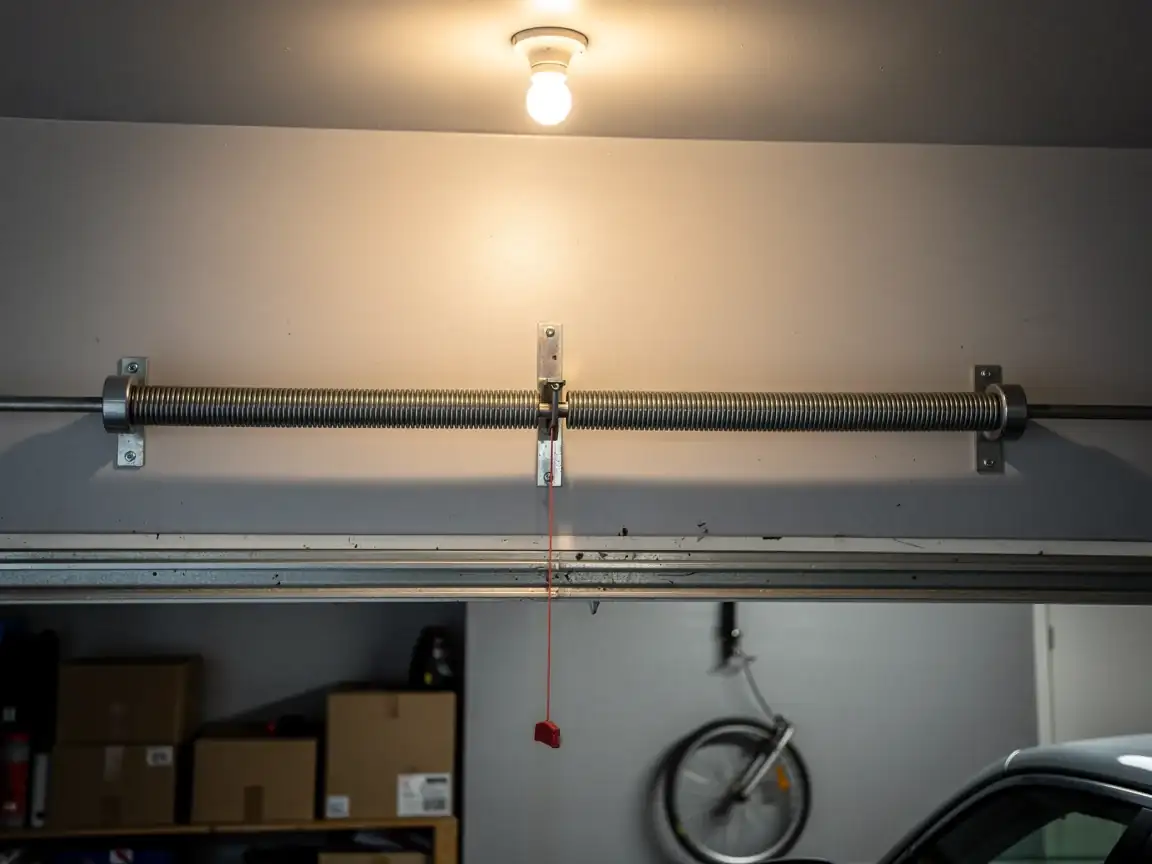
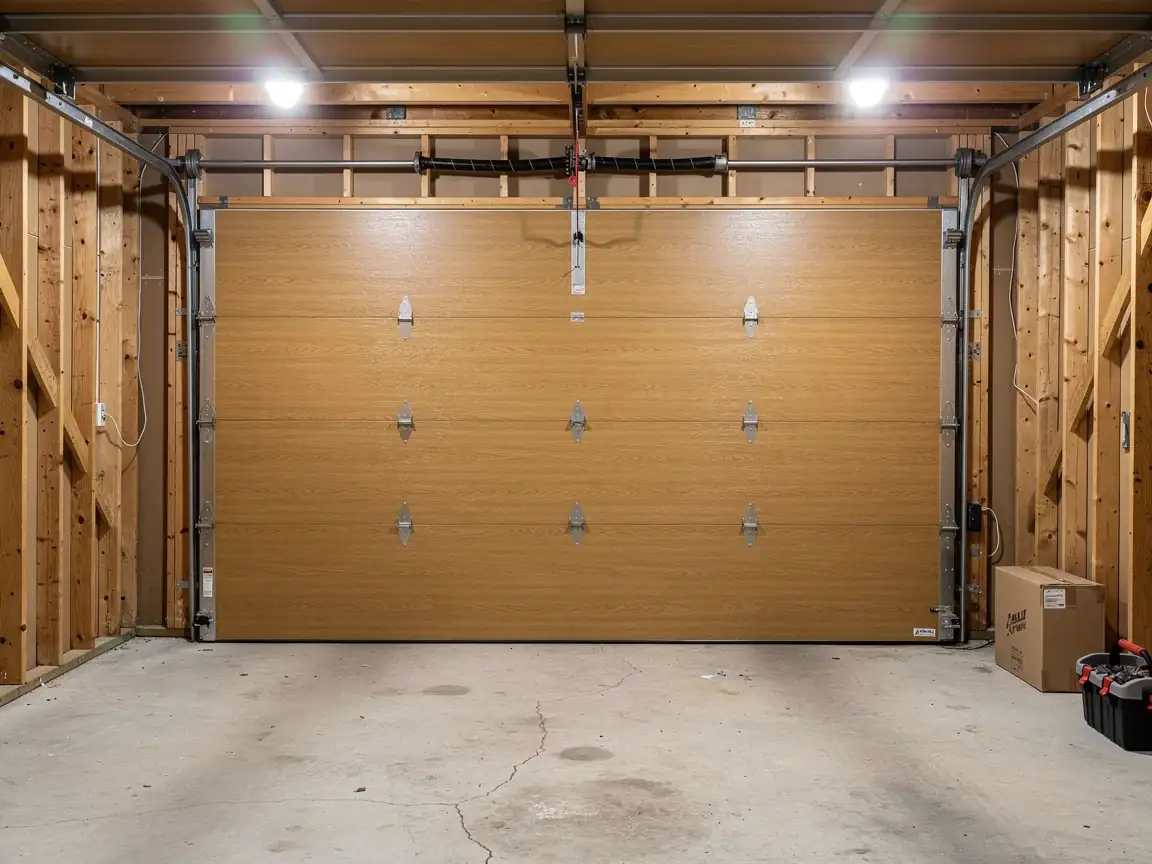
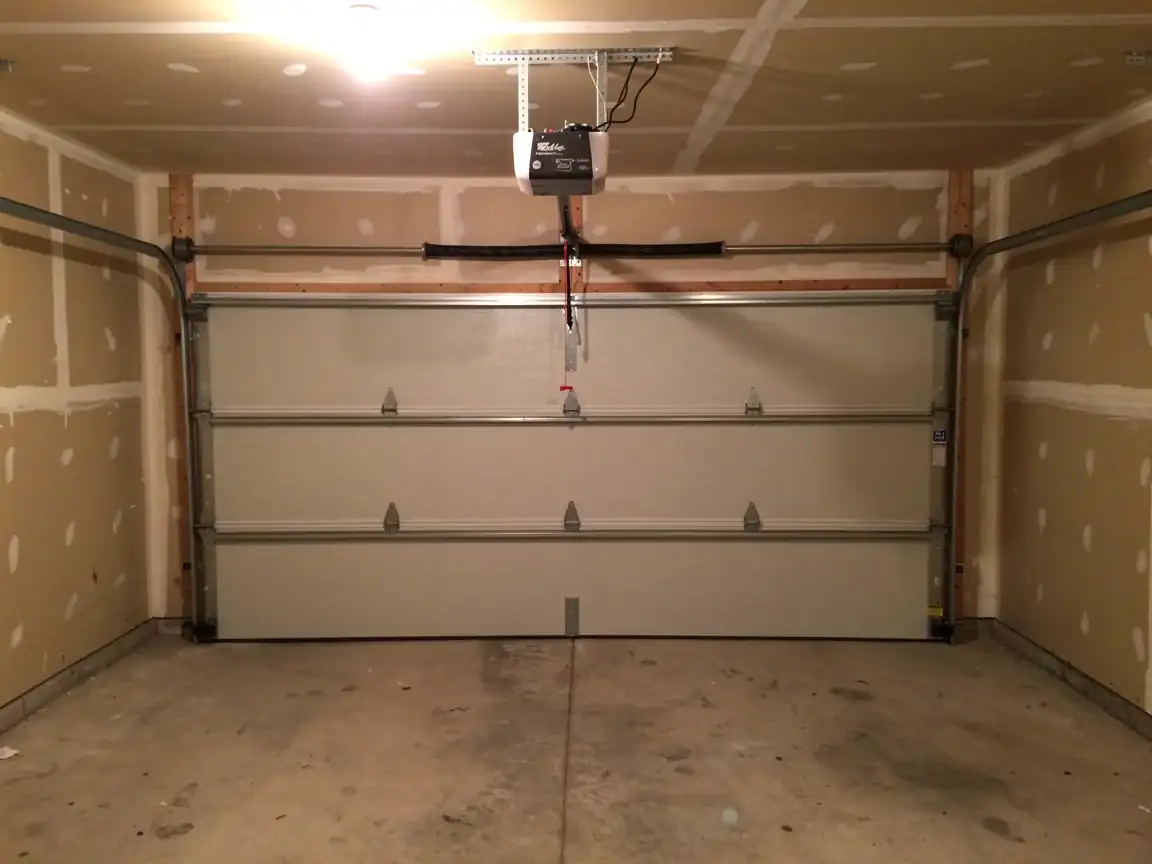
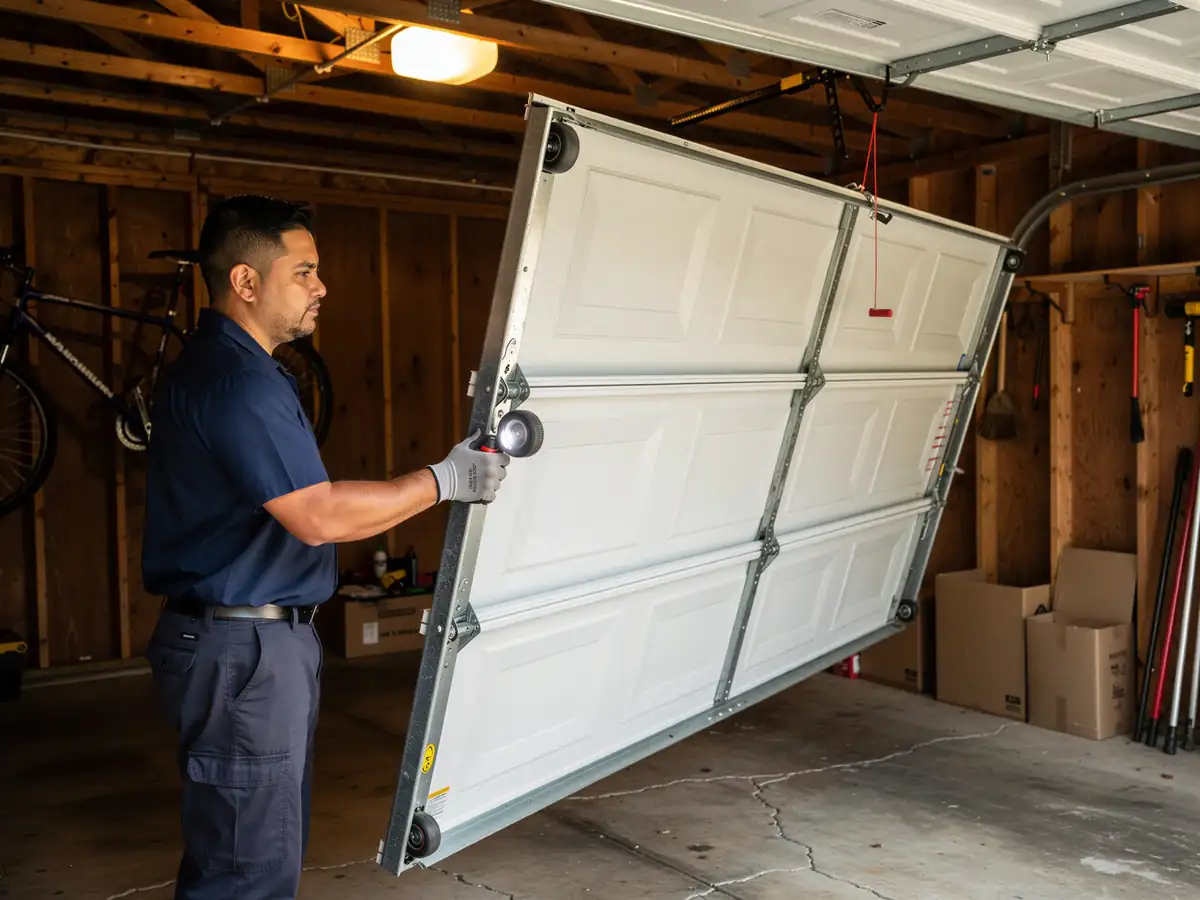
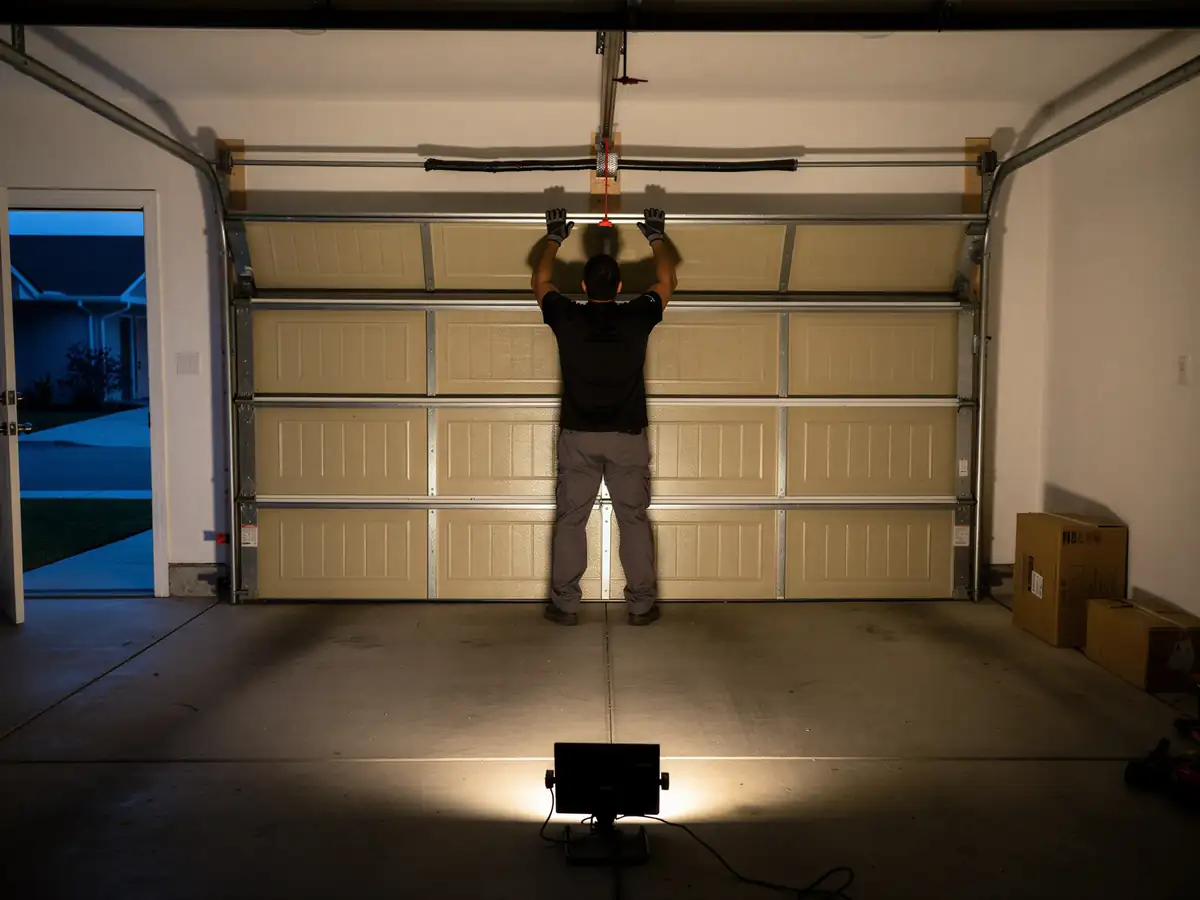
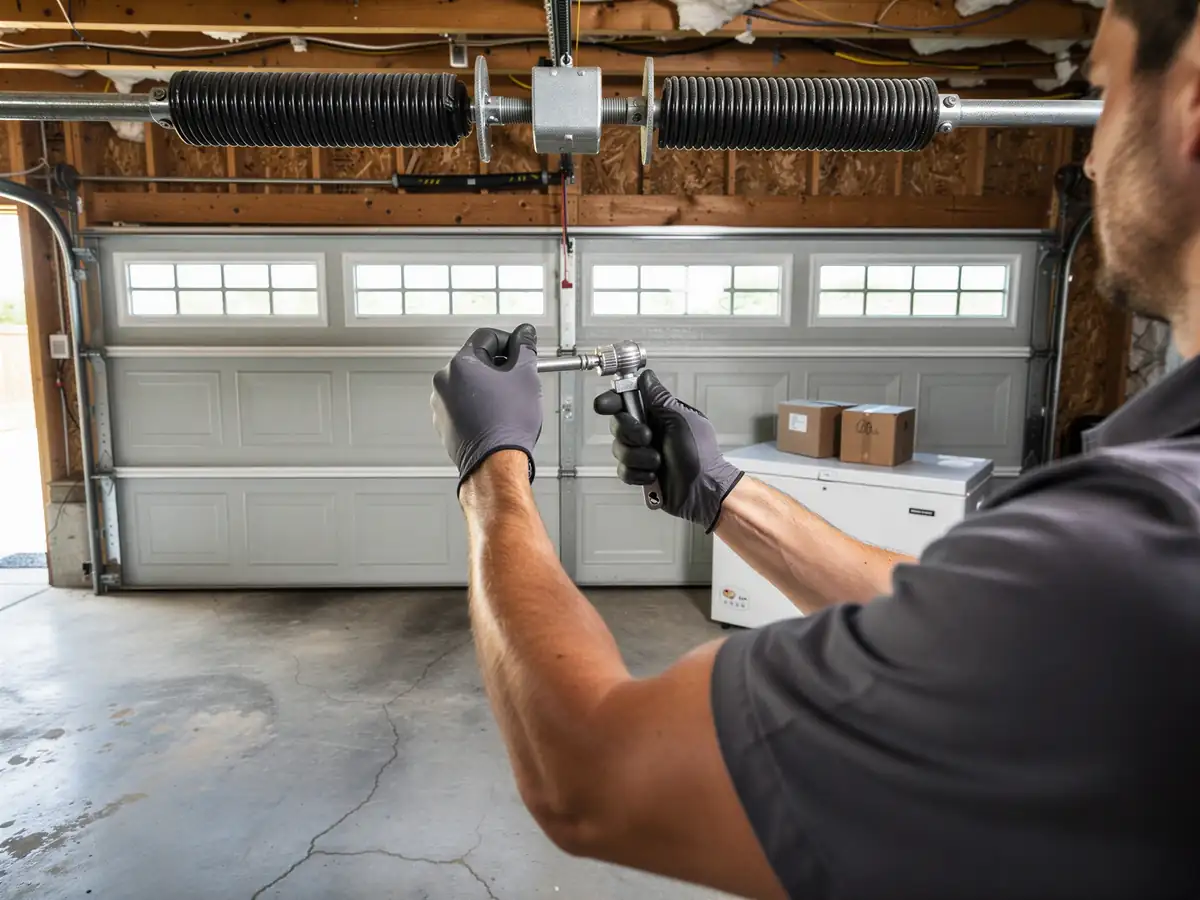
A torsion spring repair means winding down and removing the broken spring (or springs, if you've got a double door with two), measuring the shaft and drum setup, and installing a matched replacement rated for your door's weight. On the 2000s-era construction common across this area, most doors run on a single center-mounted torsion spring over the opening rather than the older side-mounted setups you'd find on pre-1970s housing. That standardization is actually good news for repair speed, since the hardware is consistent from one subdivision to the next.
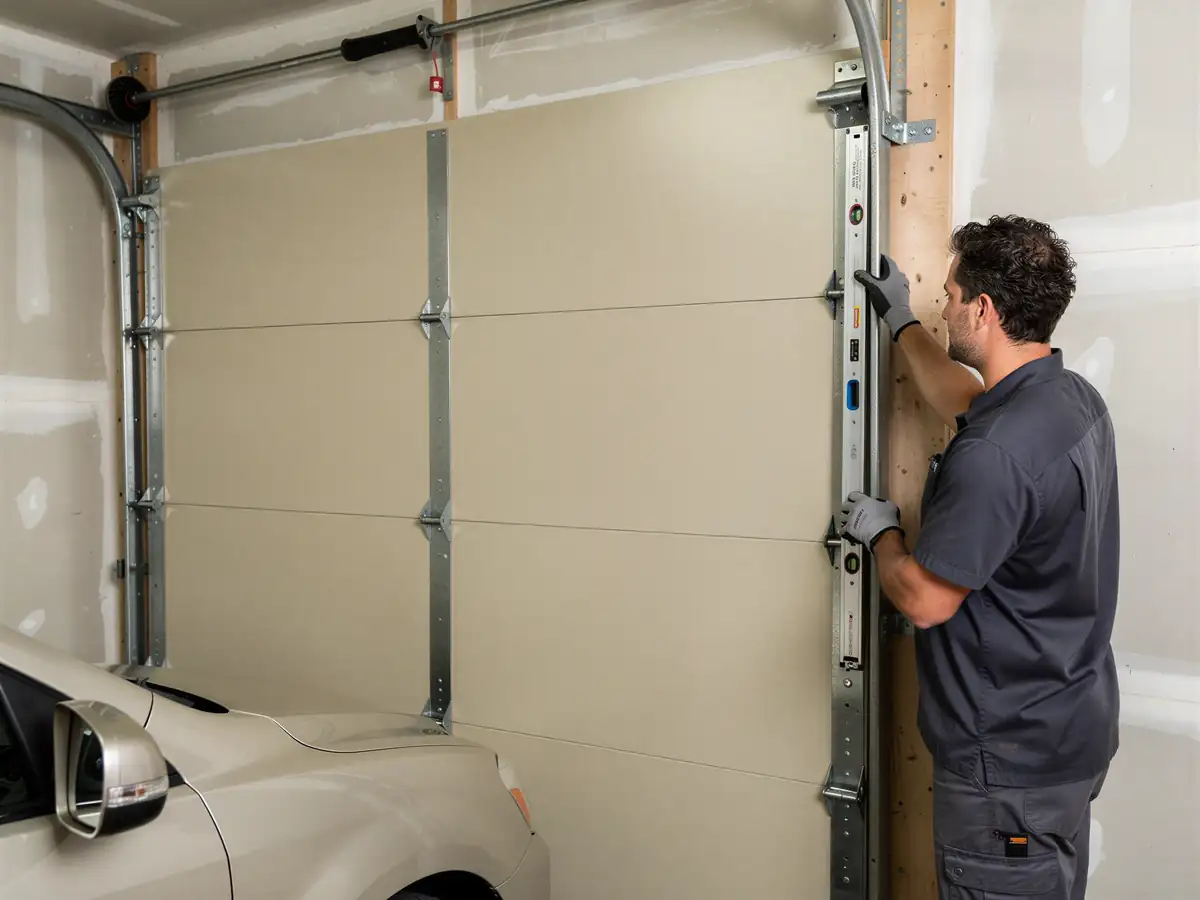
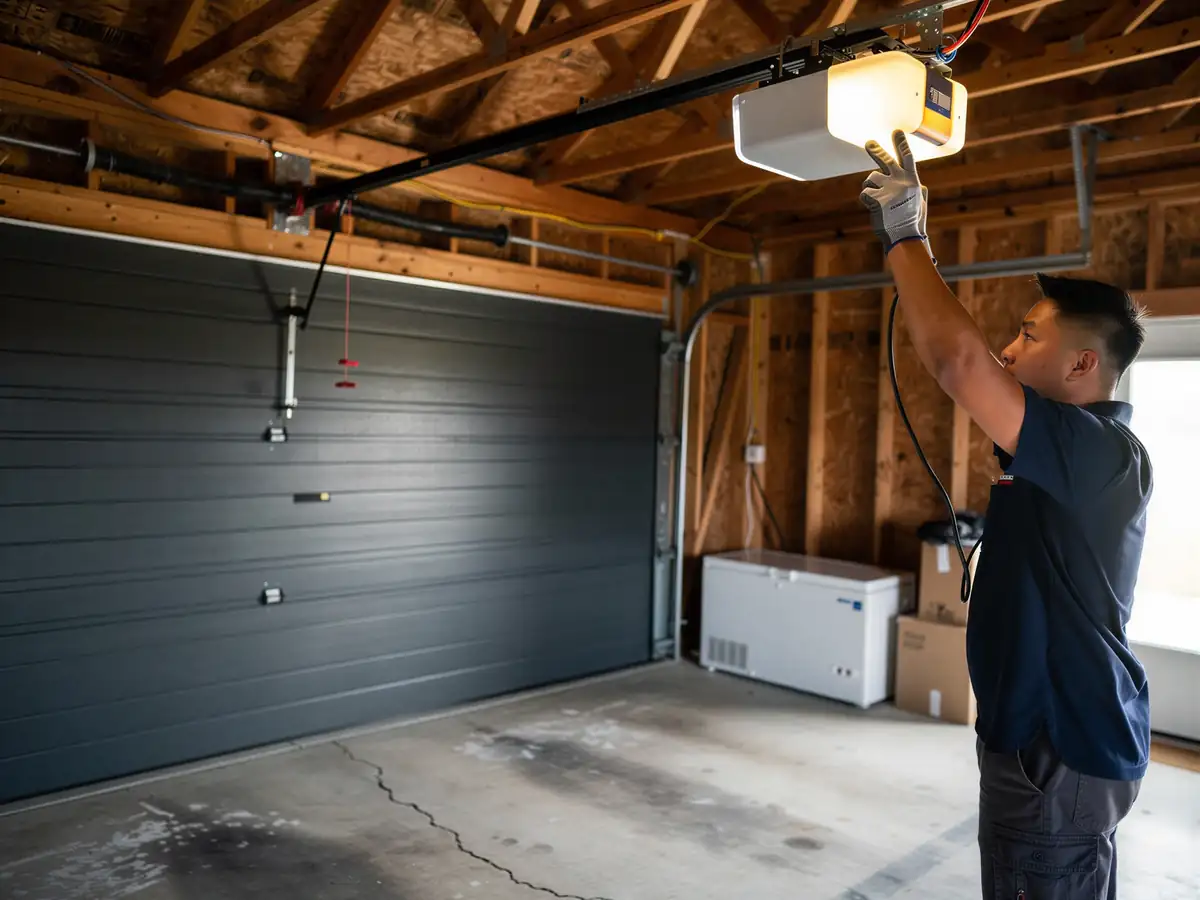
We check the cable drums, bearing plate, and center bracket while we're in there, because a spring failure under tension can nick a cable or warp a bracket on its way down. If the opener forced the door against a dead spring before anyone noticed, we also check the gears inside the opener head. A straightforward spring swap on a standard door usually doesn't require pulling the opener at all, but we don't skip the inspection just to save ten minutes.
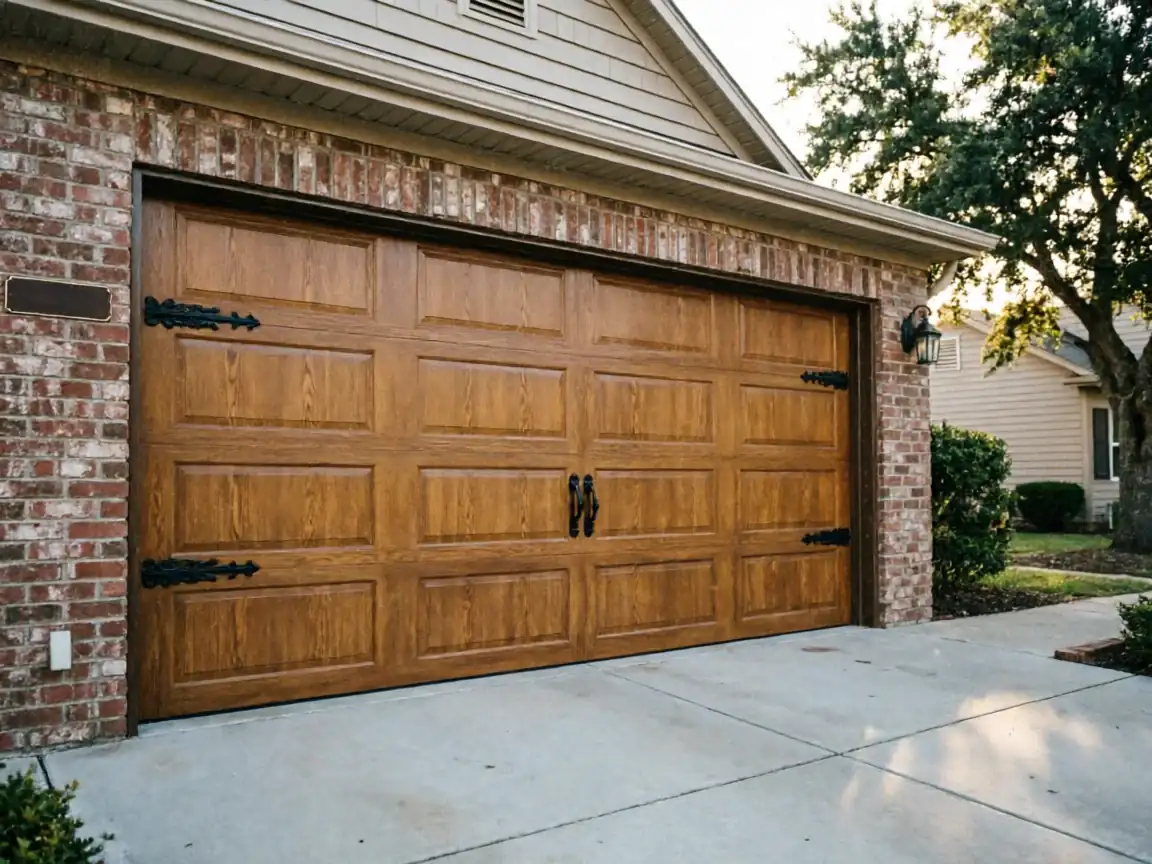
We do not replace springs with unrated universal stock. If your door is heavier than standard - insulated steel, custom wood-look panels - we match the wind count and wire gauge to that door, not to whatever's on the truck.
Why This Fails Locally
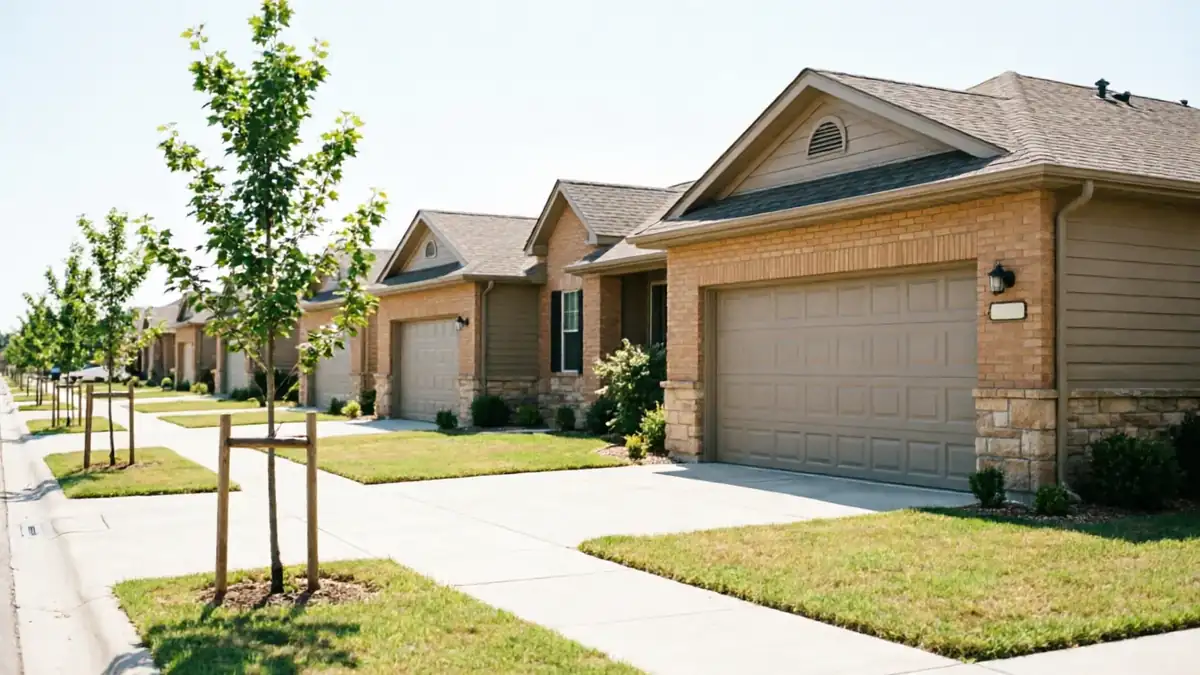
Housing in this service area was built mostly between 1971 and 2012, with the bulk of it going up in the 2000s. That means most of the torsion springs in these garages are original-to-house 1990s-2000s cycle-rated units, now 15 to 25 years into a spring life that typically tops out around 10,000 open-close cycles. A spring doesn't wear out gradually and then creak a warning - it holds full tension right up until a coil fractures, usually mid-morning or mid-evening when the door's been cycled once or twice already that day.
The climate here falls in a moderate heat band, which matters more than people think. Heat doesn't break a spring outright, but repeated expansion and contraction across hot Texas summers and cooler winters accelerates metal fatigue in a spring that's already near the end of its rated cycle count. Combine that with a service area where most garages are original builder-grade hardware from the same construction decade, and you get a lot of springs failing in the same age window across these neighborhoods - not because of one bad batch, but because the houses themselves are all roughly the same age.
What You Are Seeing
The clearest sign is a door that won't budge
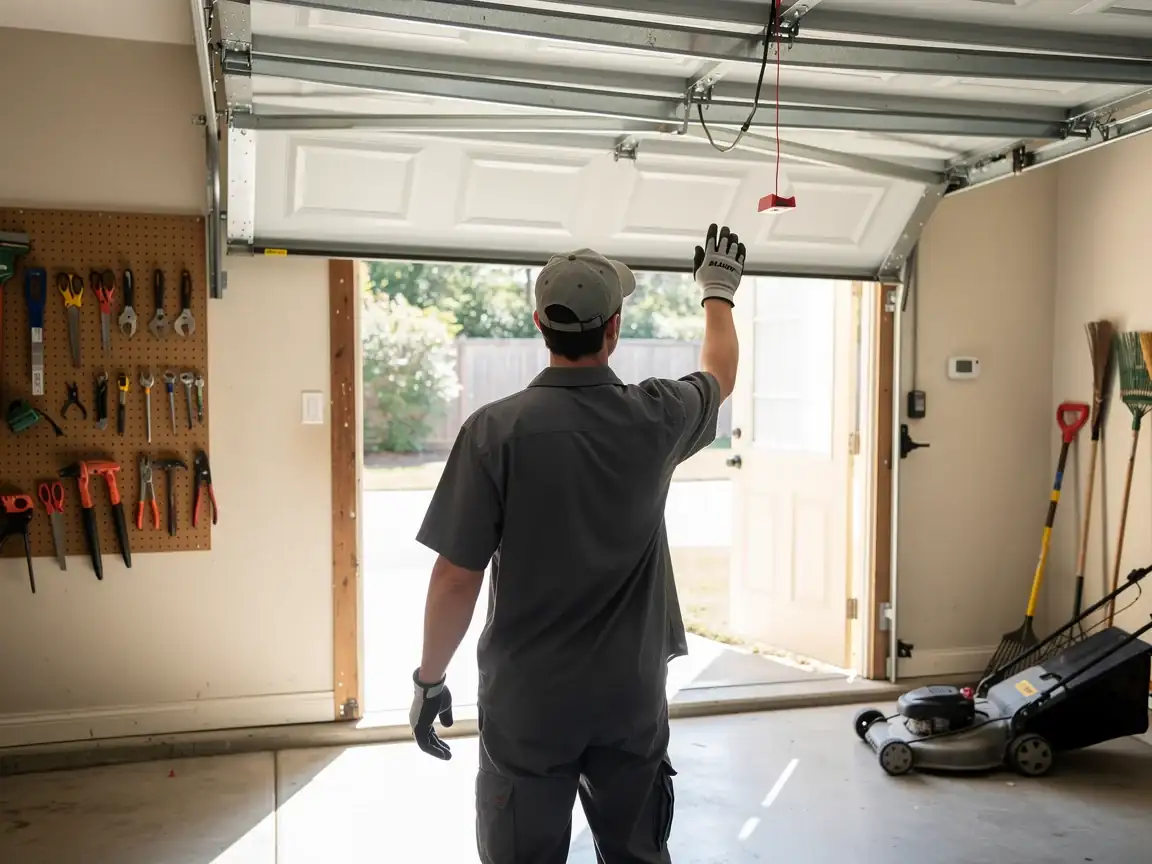
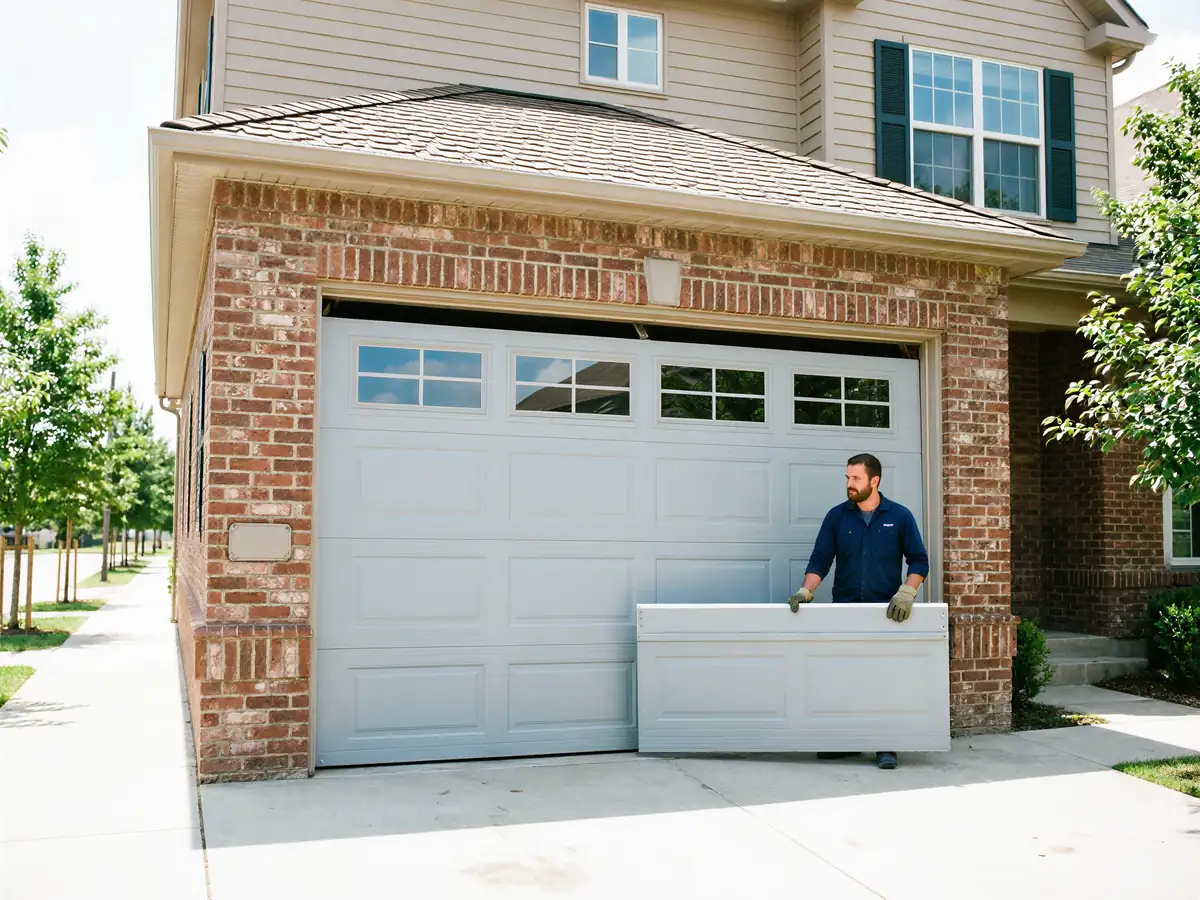
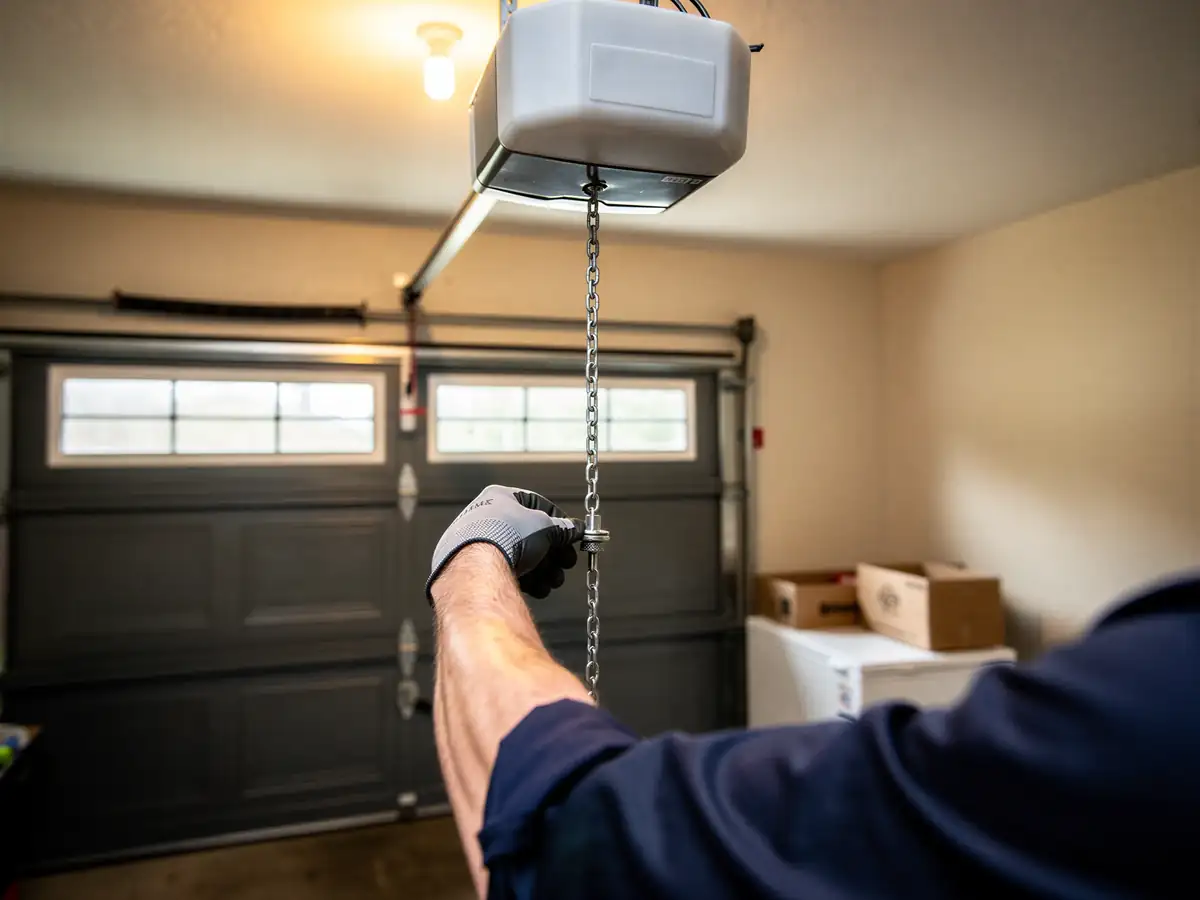
Or one the opener strains against and then reverses or stalls. If you pull the release cord and try to lift the door by hand, a dead spring means the door feels like dead weight - 150 to 400 pounds depending on the panel material - instead of lifting with the light, balanced pull of a working spring.
A loud bang from the garage, often mistaken for something falling or a car backfiring outside
Is usually the spring itself fracturing under tension. After that, you'll often see the two halves of the coil still sitting on the shaft, one of them twisted open.
Less dramatic signs show up earlier if you catch them
The door drifting down a few inches after you stop it partway, a visible gap or separation in the coil when you look at the spring above the door, or the opener making a higher-pitched strain noise than usual on the last foot of travel. None of these mean the spring is broken yet, but they mean it's close, and waiting usually turns a controlled repair into an emergency one.
What It Costs
We don't publish a flat number here because the cost depends on whether you need one spring or two, what wind count and wire gauge your door needs, and whether the failure took a cable or bearing plate with it on the way down. A single-spring repair on a standard builder-grade door is a different job than a two-spring repair on a heavier insulated door, and pricing it sight-unseen does nobody favors.
What we can tell you: we quote the job before we start, not after, and the quote covers parts and labor together - no surprise add-ons once we're standing in your driveway. If the inspection turns up a second problem, like a cracked drum or a bent track, we'll show you what we're seeing and price that separately before touching it.
One honest limitation: if your door is old enough or damaged enough that a spring repair would just be the first of several near-term fixes, we'll tell you that instead of running the meter on a door that's close to the end of its service life. Sometimes the right answer is a new door, not another repair.