What the Fix Involves
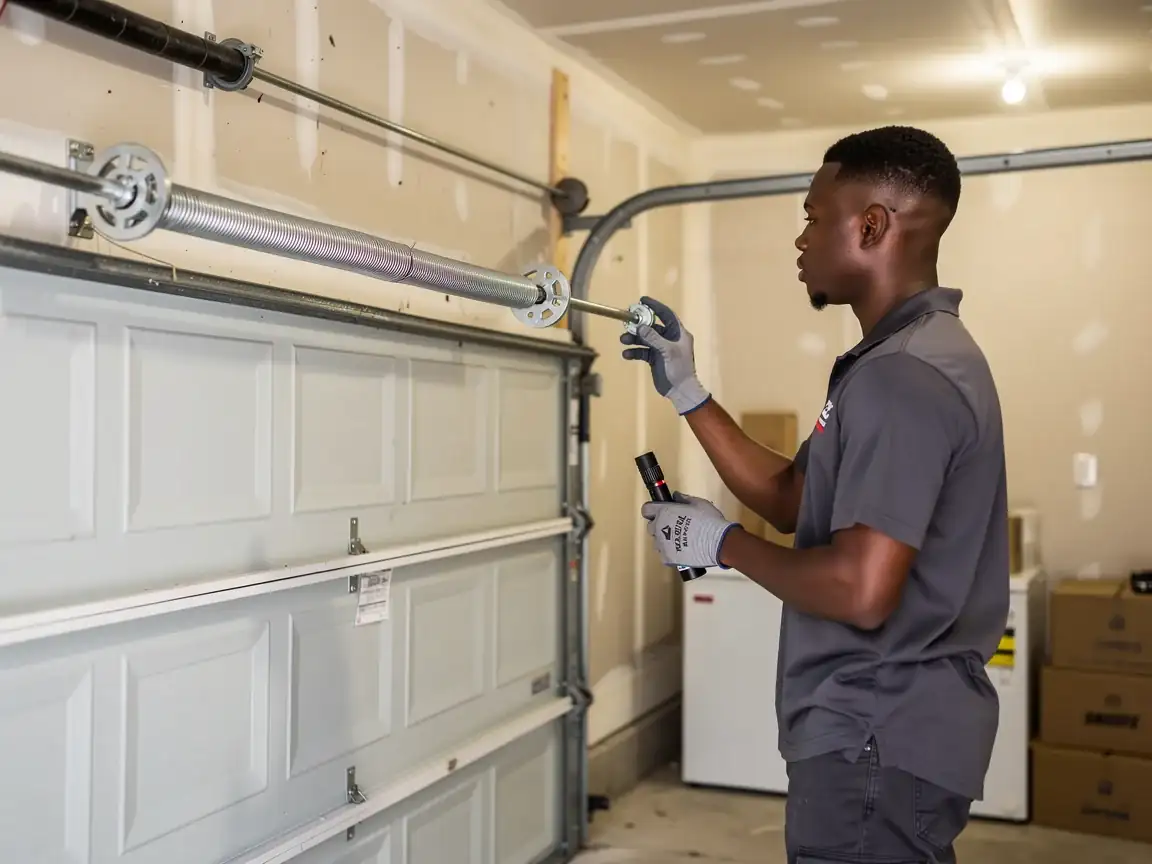
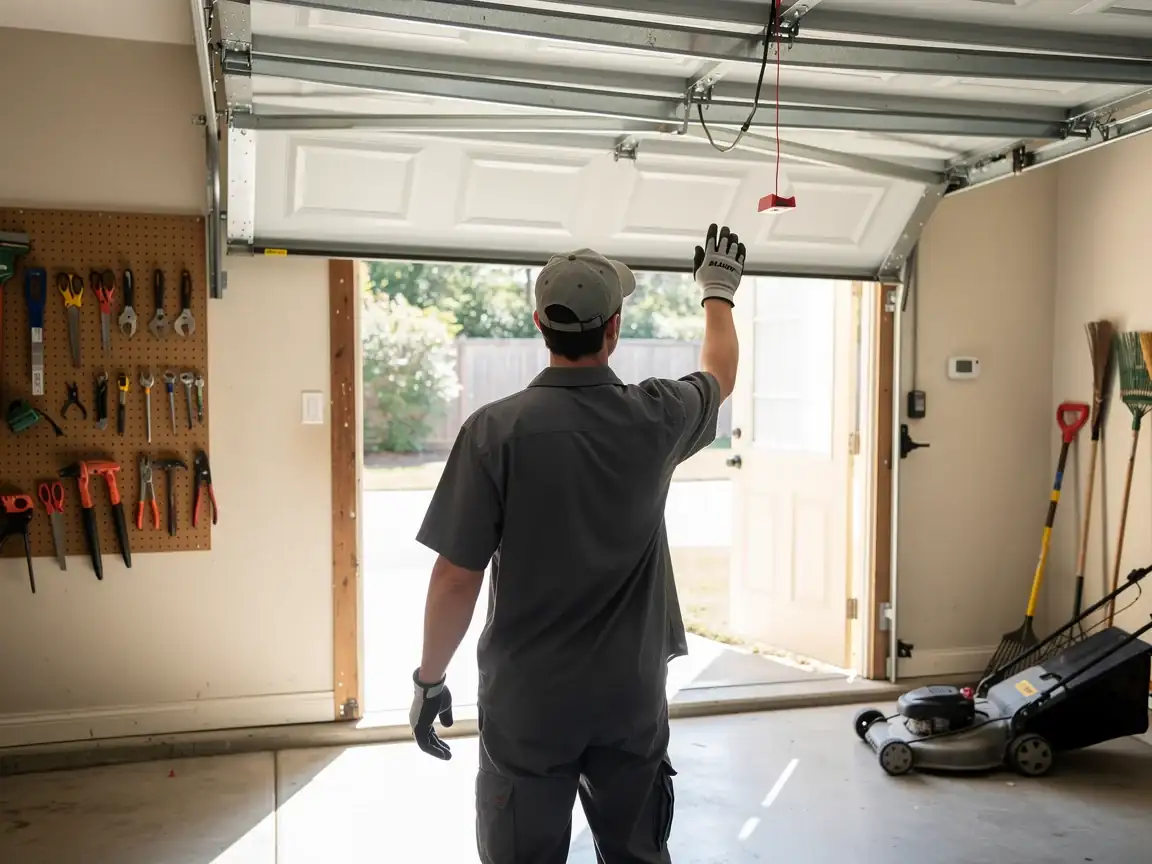
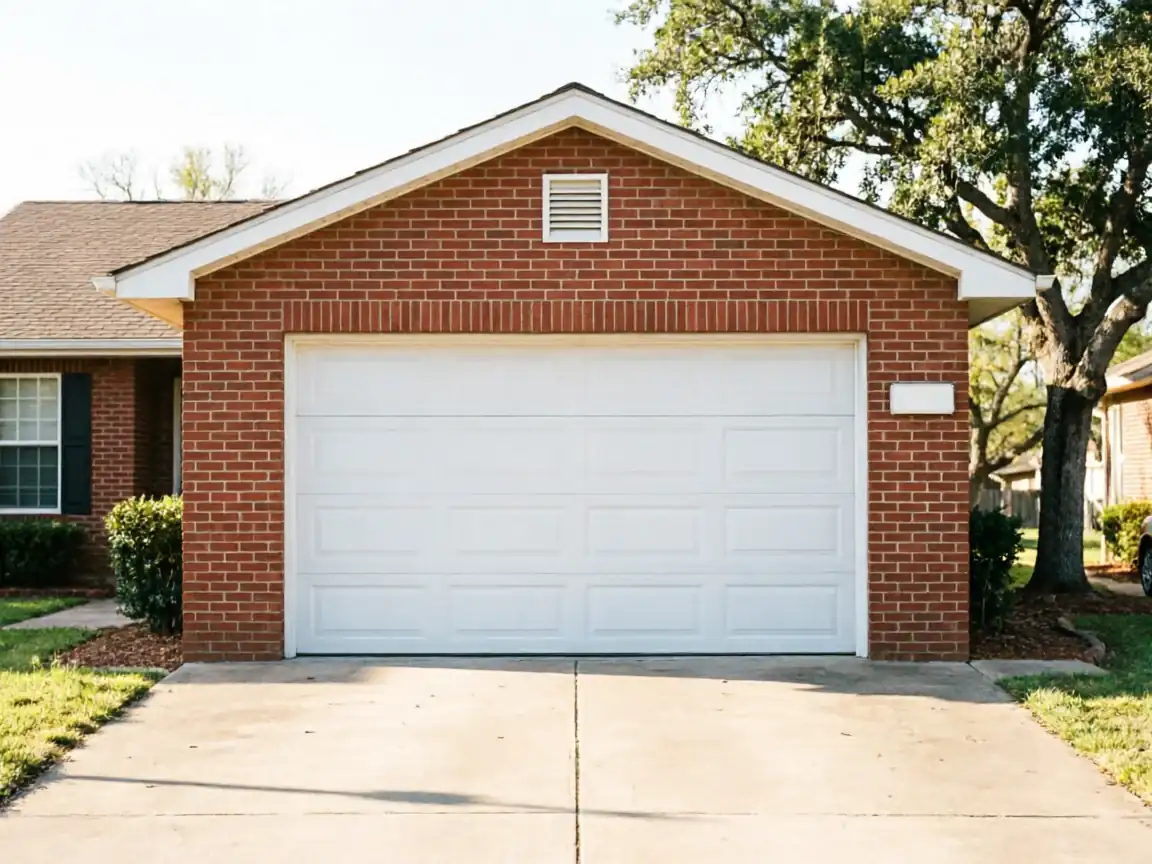
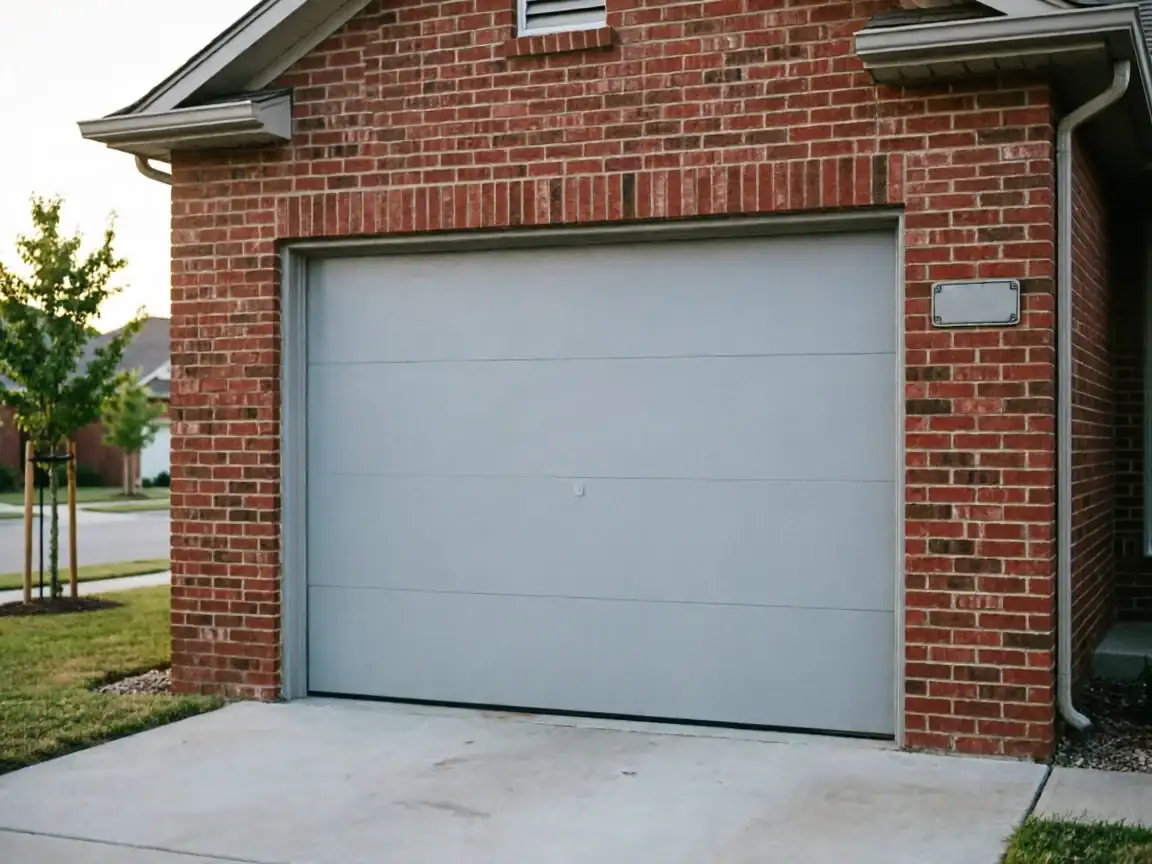
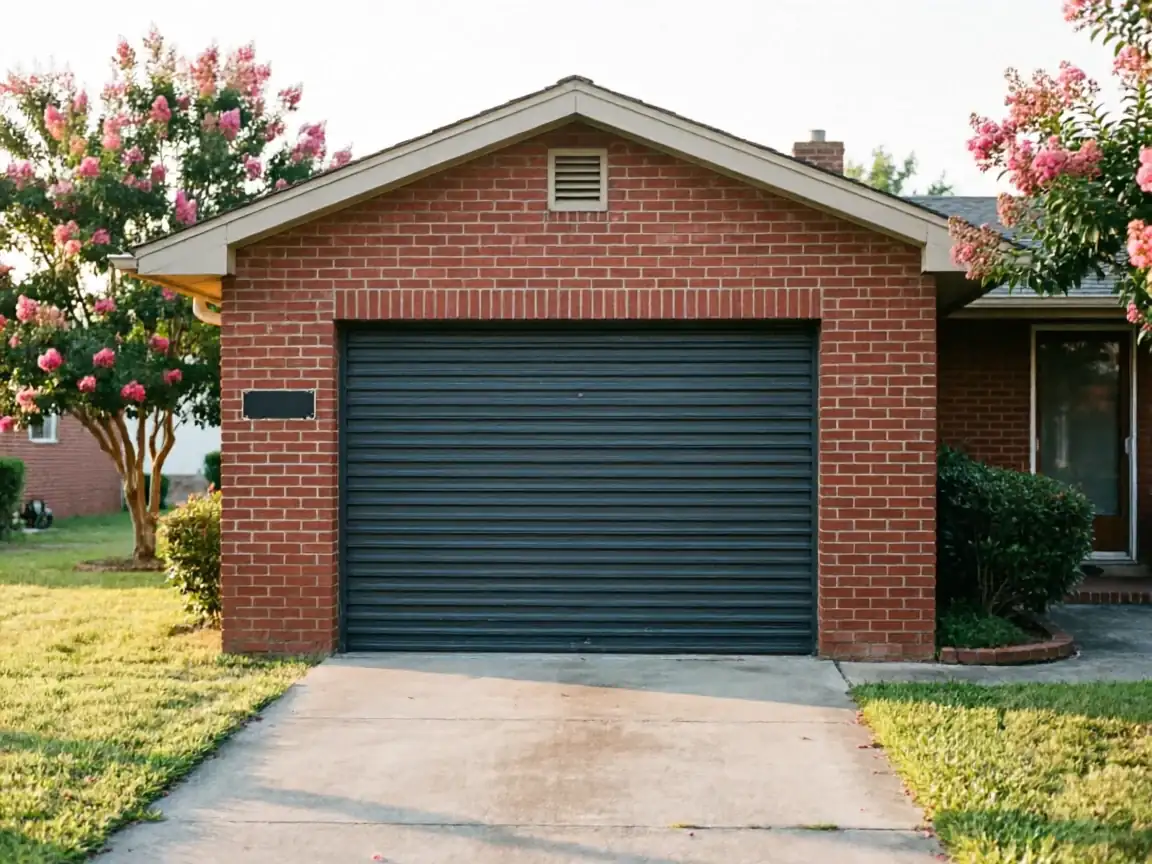
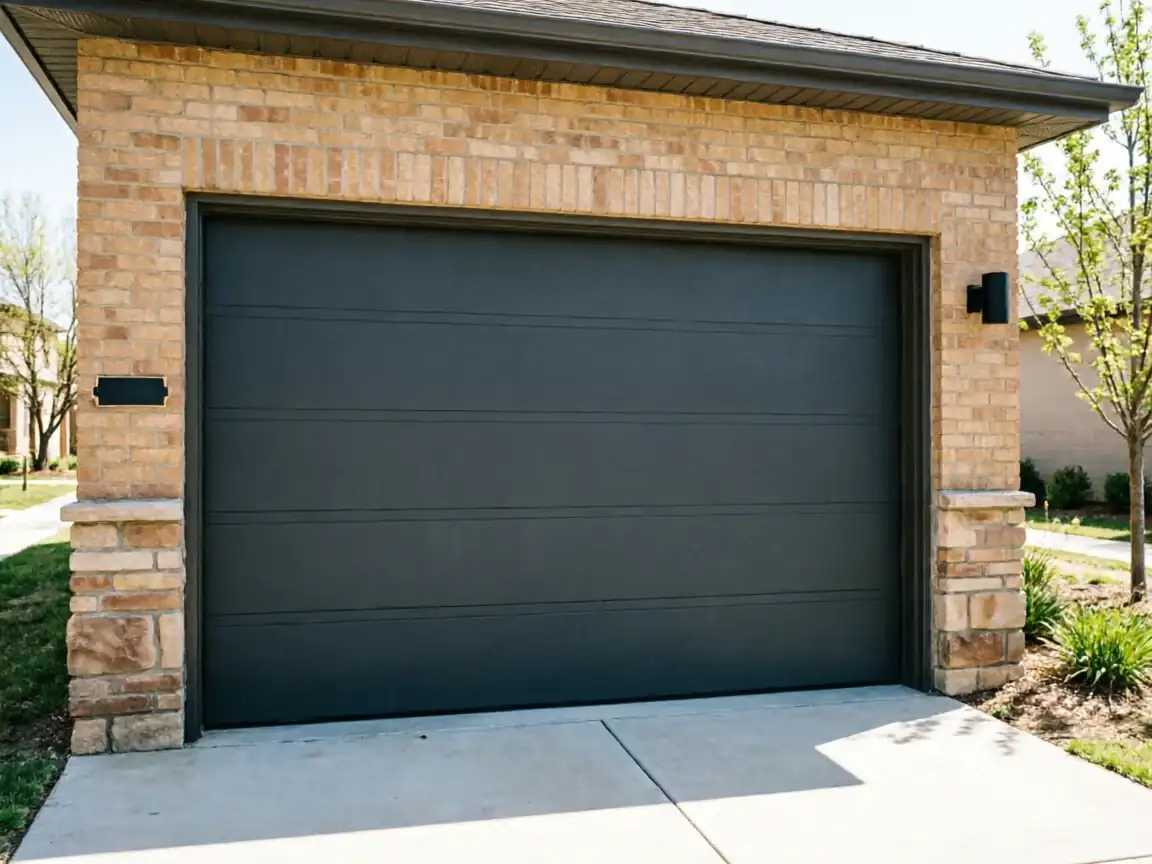
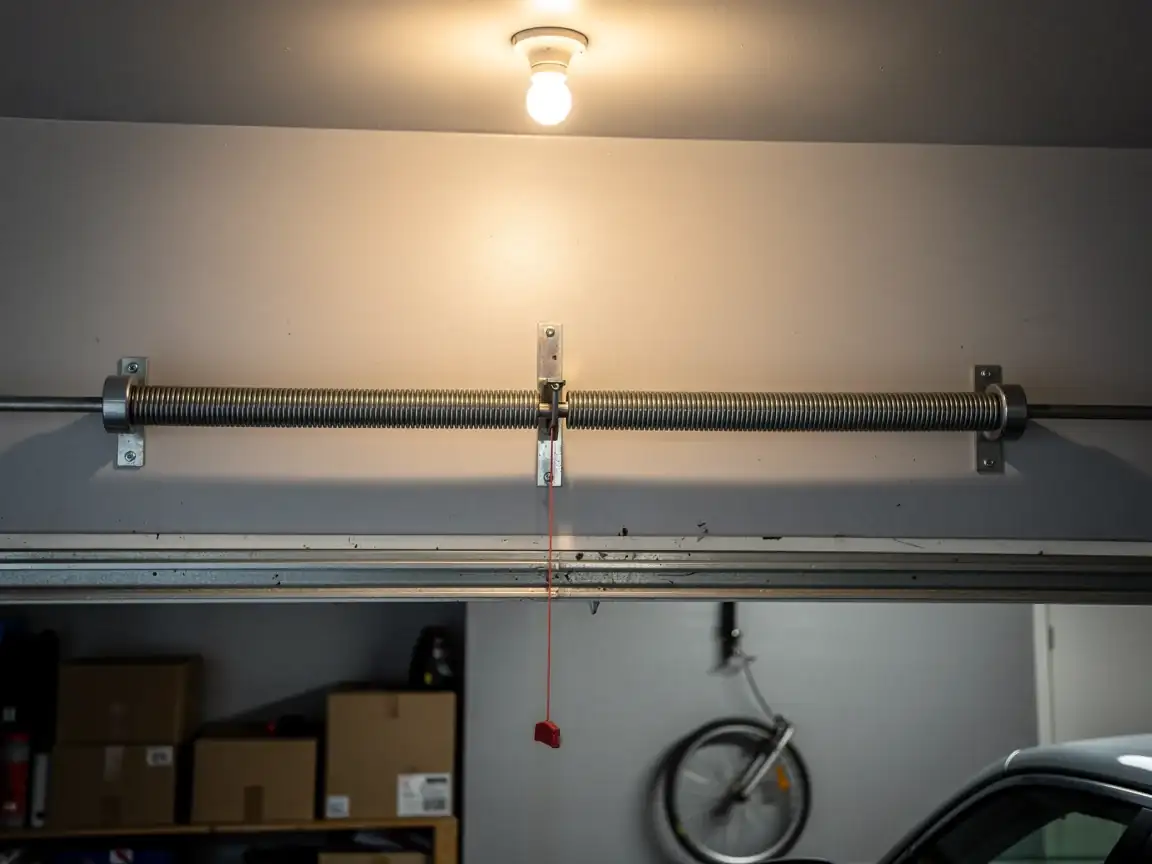
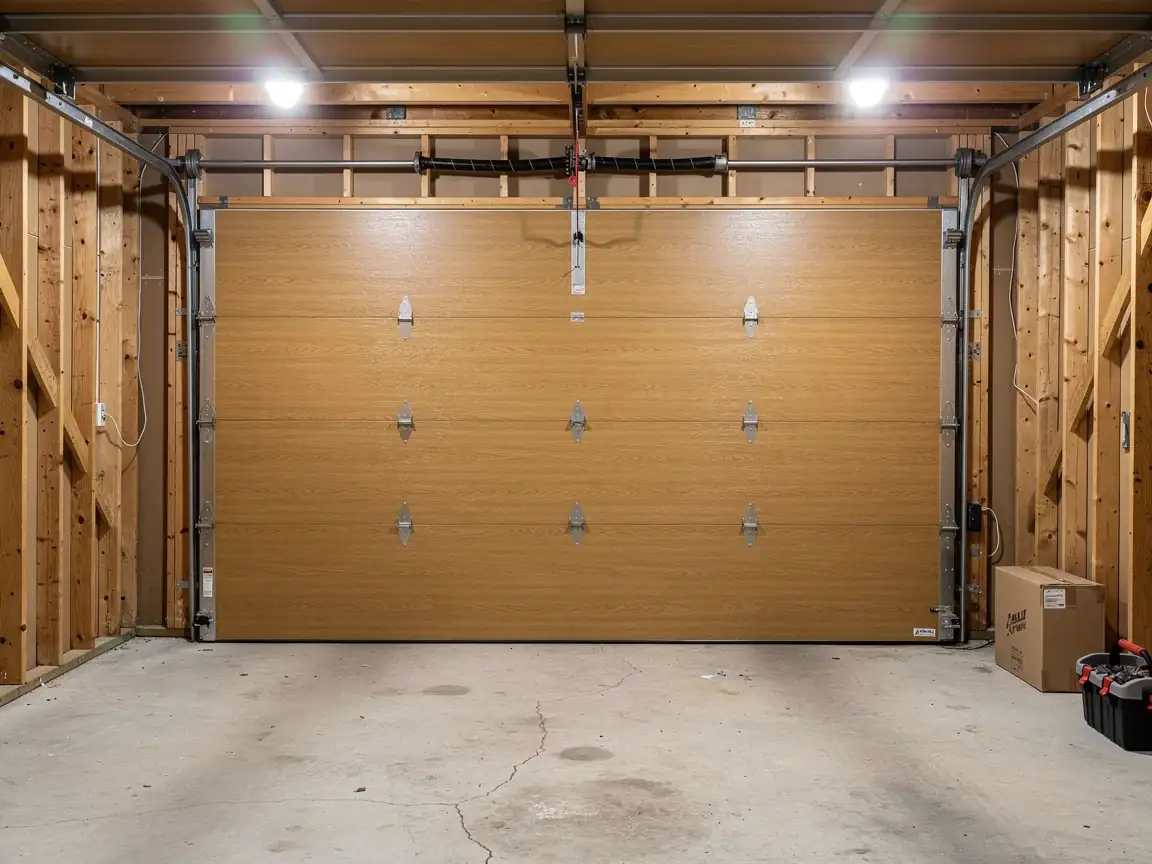
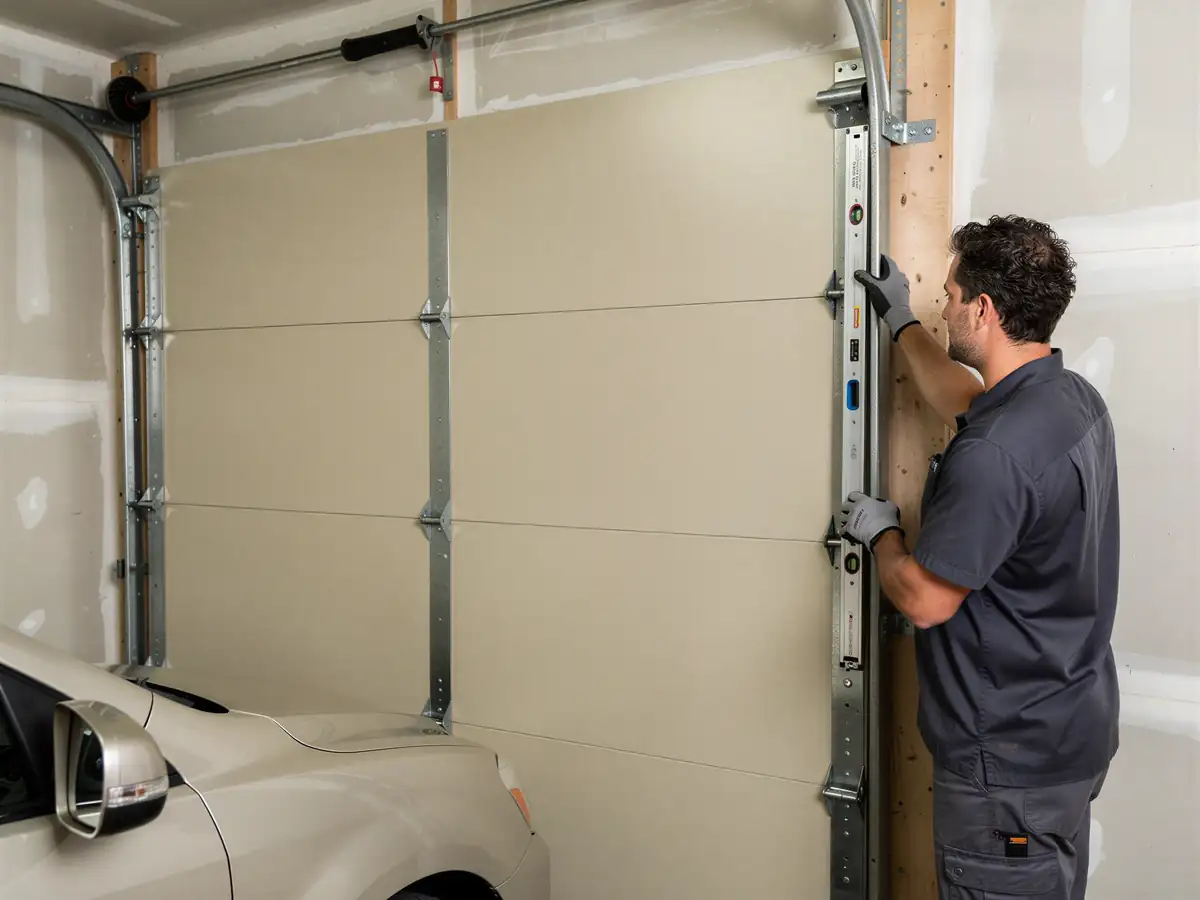
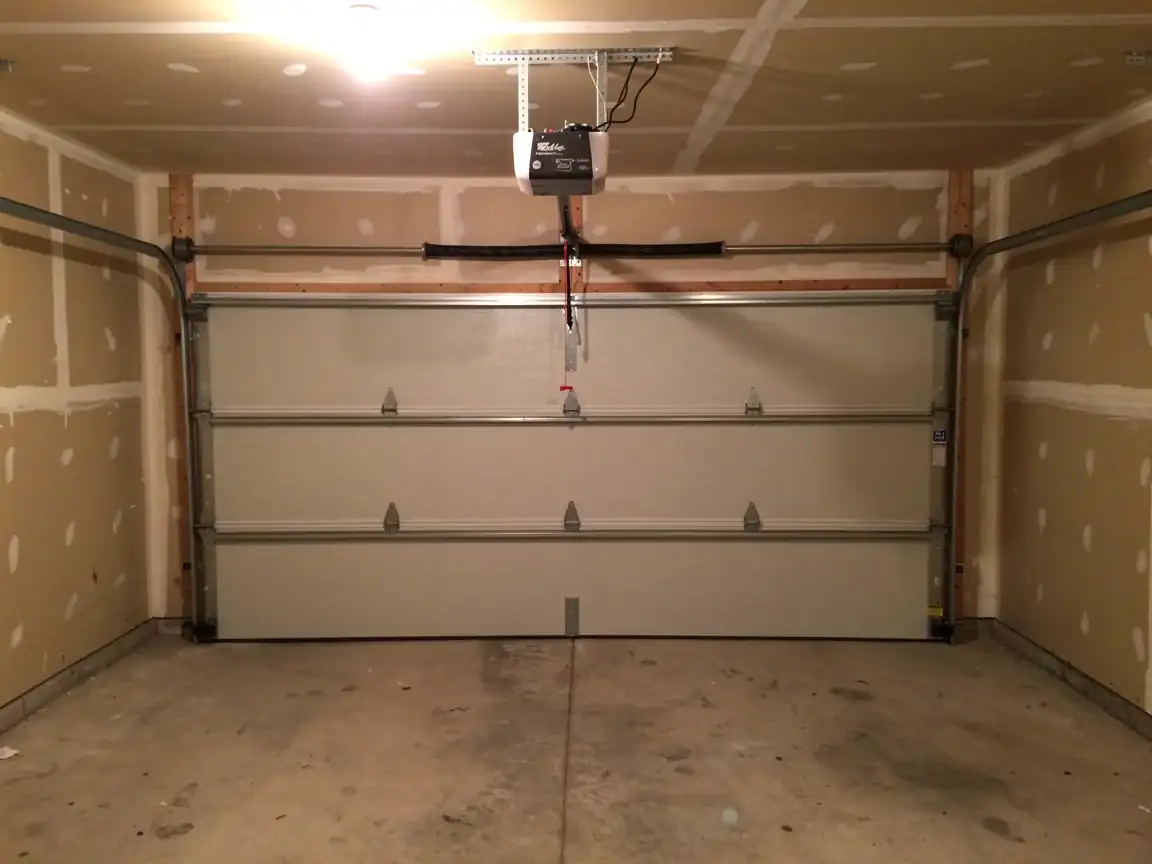
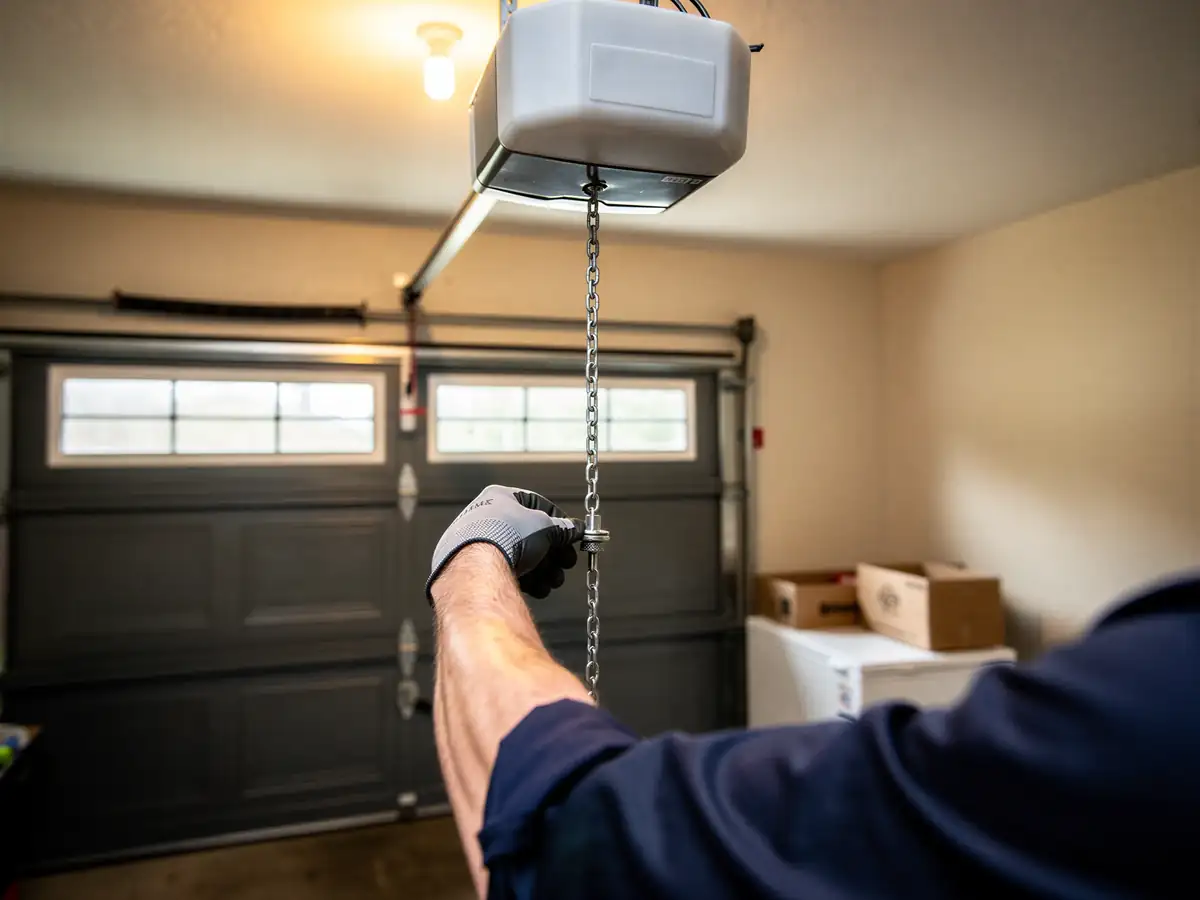
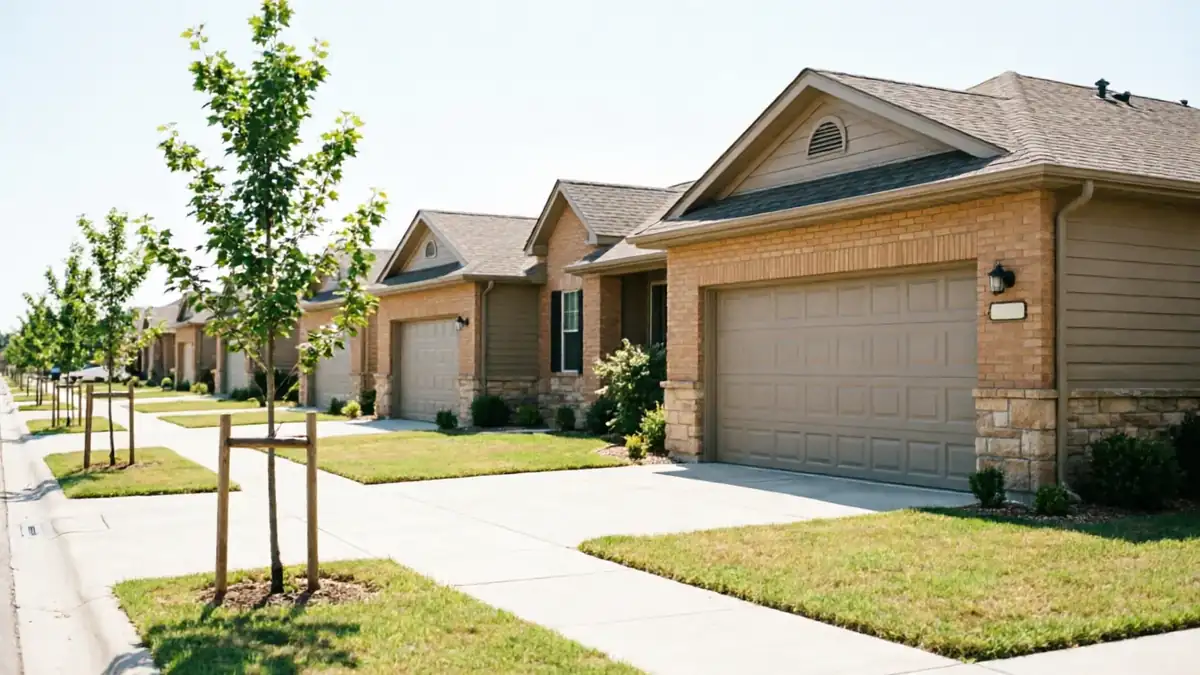
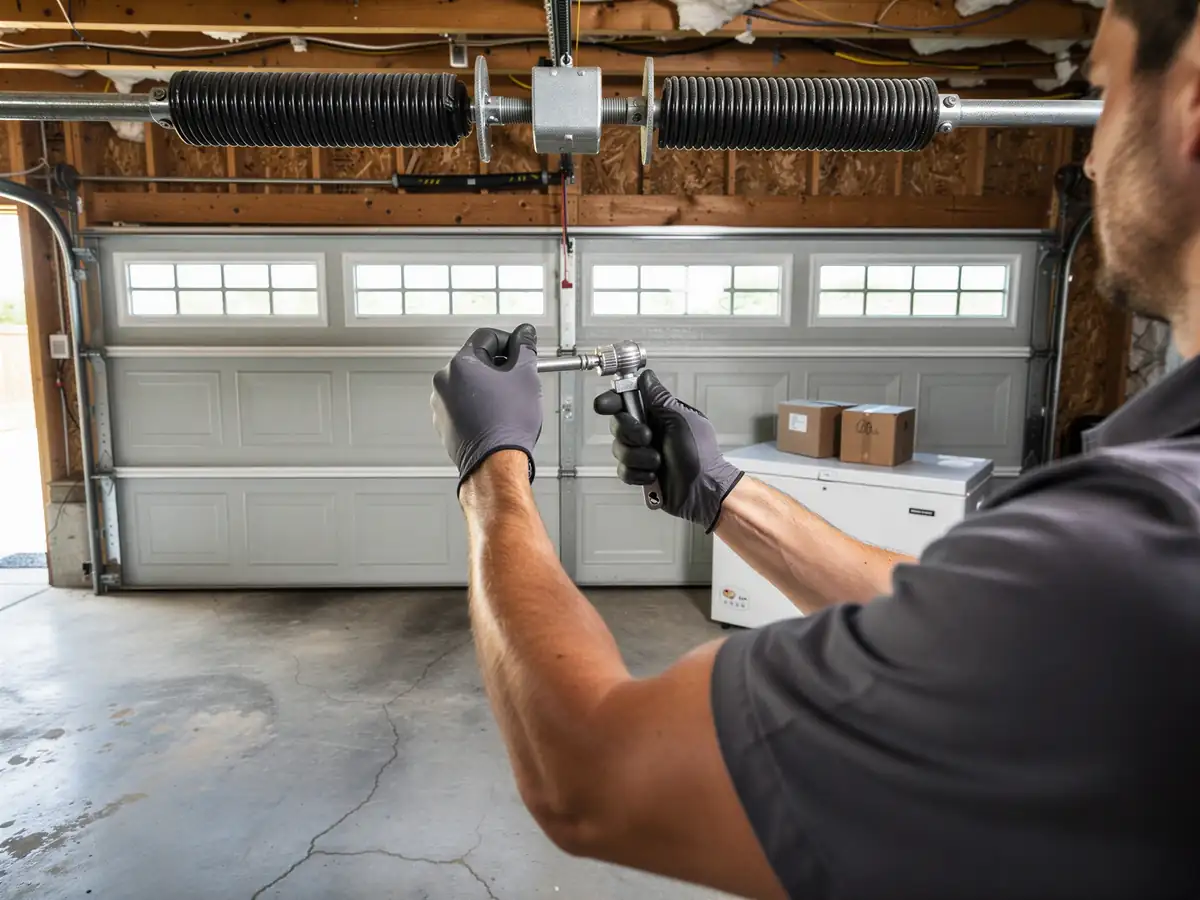
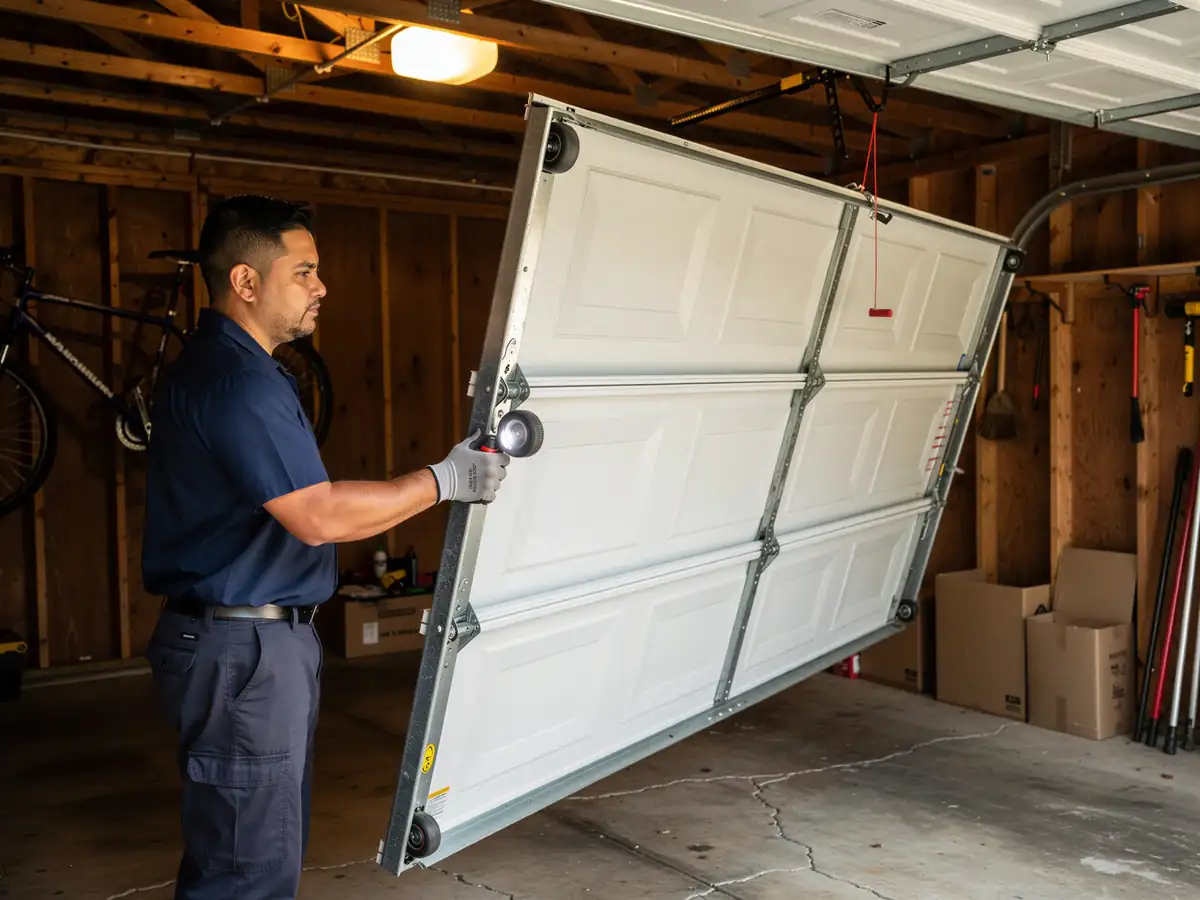
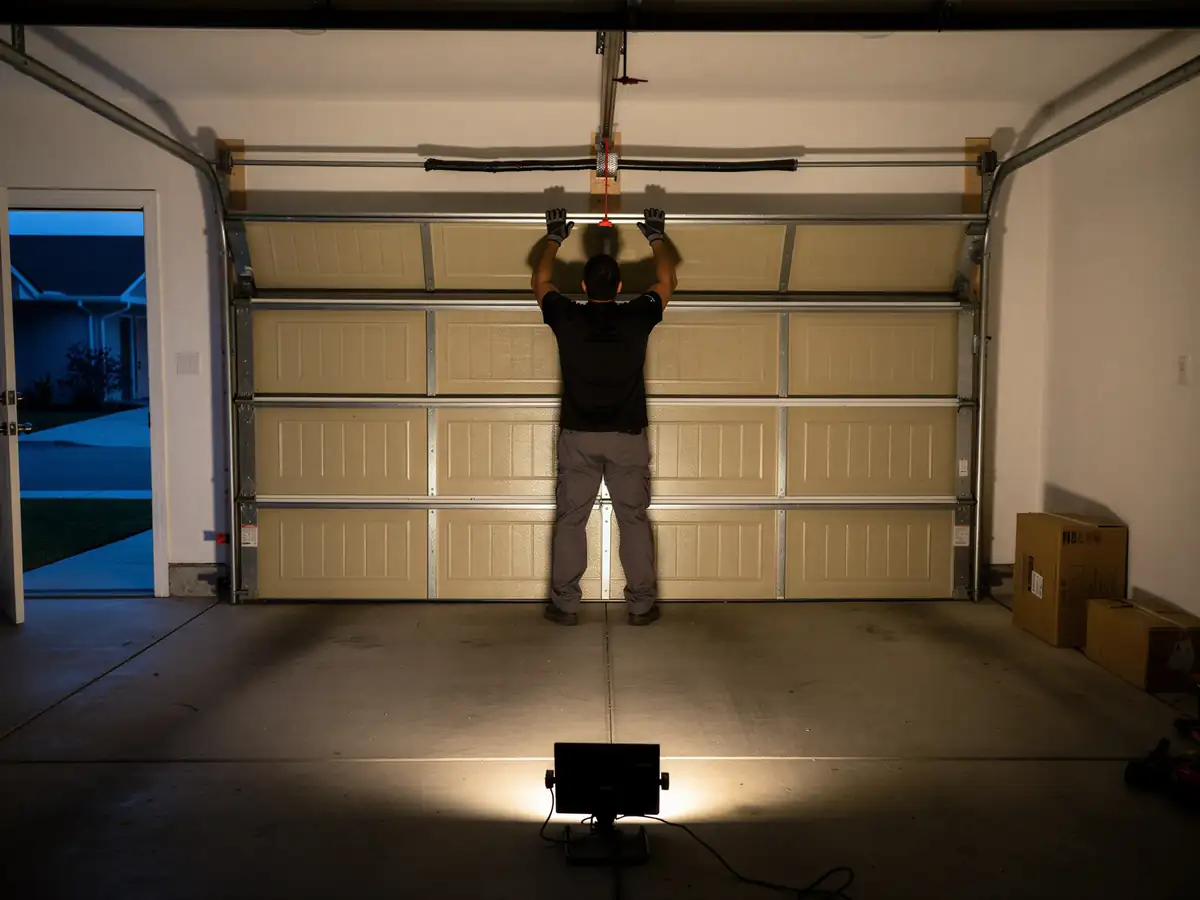
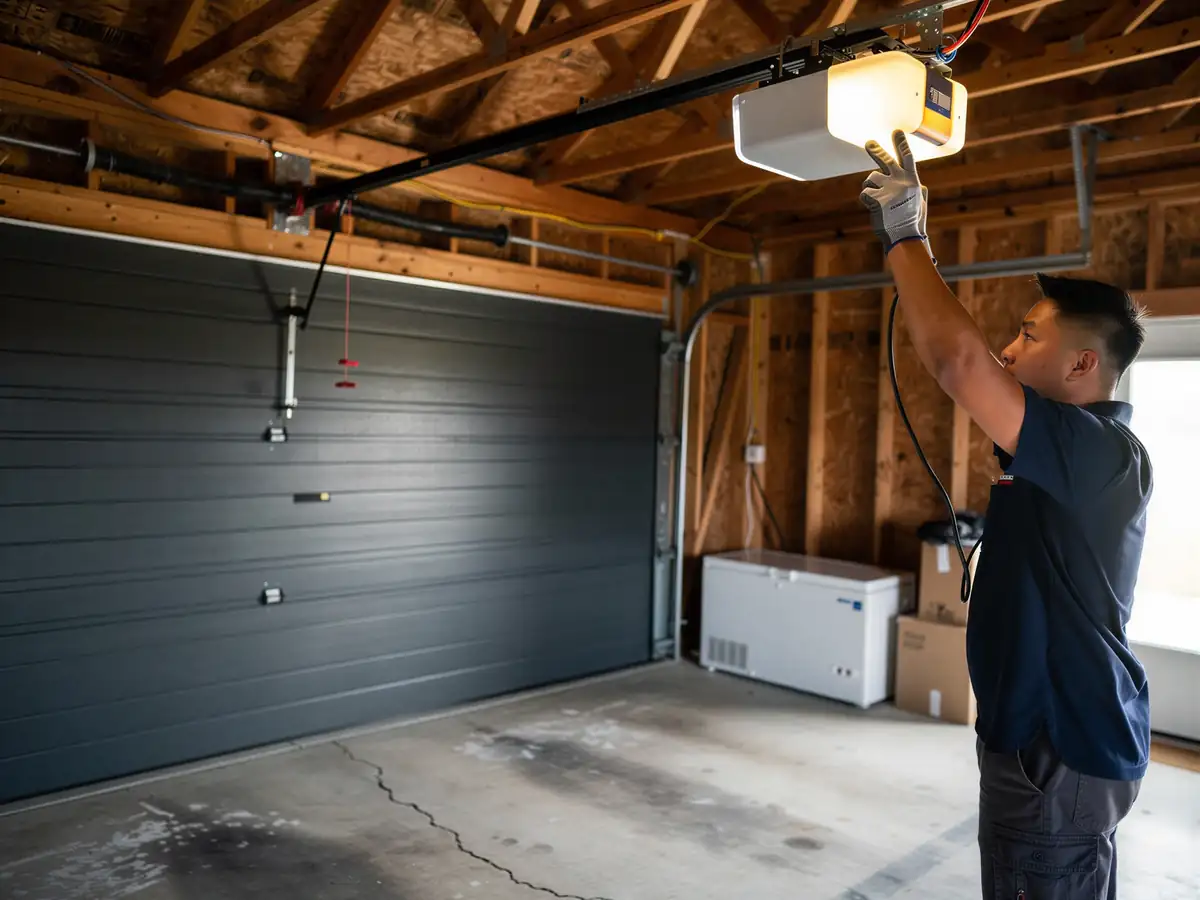
A garage door opener install isn't just bolting a new motor head to the same bracket. We pull the old unit, check the header for rot or cracking where the mounting plate ties in, and confirm the track and spring system can actually handle the lift force the new opener is rated for. Across the service area, most houses went up between 1971 and 2012, with the bulk of the stock dating to right around 2000 - so you're usually dealing with a steel sectional door on a standard extension or torsion setup, not anything exotic. That makes the physical install straightforward most days: new rail, new trolley, battery backup if the household wants it, and a safety sensor realignment every single time, no exceptions. Where it gets slower is wiring. Homes from the late 1990s and early 2000s often have a single switched outlet in the garage ceiling and nothing else, so running power for a smart opener with a wired keypad sometimes means an added outlet or a short extension run. We tell you that before we start, not after the panel is open. The actual swap, once power and mounting are sorted, runs about an hour to ninety minutes for a straight replacement, longer if we're adding backup battery wiring or relocating the unit for headroom.
Why This Fails Locally
Two things drive opener failure here more than anything else: the age bracket of the housing and the heat. With most homes dating from 1971 through the early 2000s, a lot of openers in this area are original to the house or are the first replacement unit, meaning the drive gear, capacitor, and circuit board are well past any reasonable service life even if the door itself still looks fine. On top of that, this area sits in a moderate-heat climate band, and an uninsulated garage that bakes through a Texas summer puts real stress on the opener's circuit board and the capacitor that starts the motor - heat is the single biggest killer of control boards, faster than age alone in a lot of cases. Put those two together - a 20-plus-year-old motor housed in a garage that regularly runs hot - and you get the two most common calls we see: a unit that hums but won't lift, and a unit that works some mornings and not at all by afternoon once the garage has heated up. Neither of those is a track or spring problem. It's the electronics giving out under a load and a temperature range they were never built to handle for two decades straight.
What It Costs
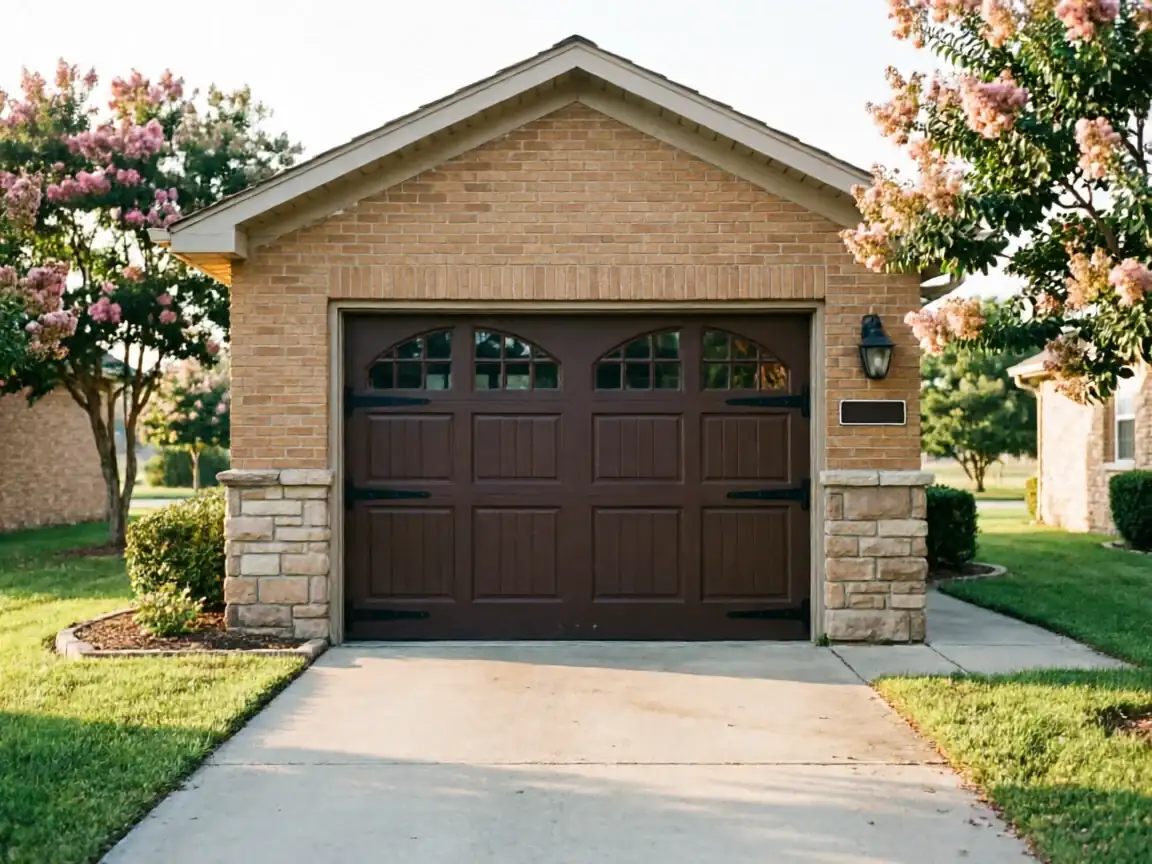
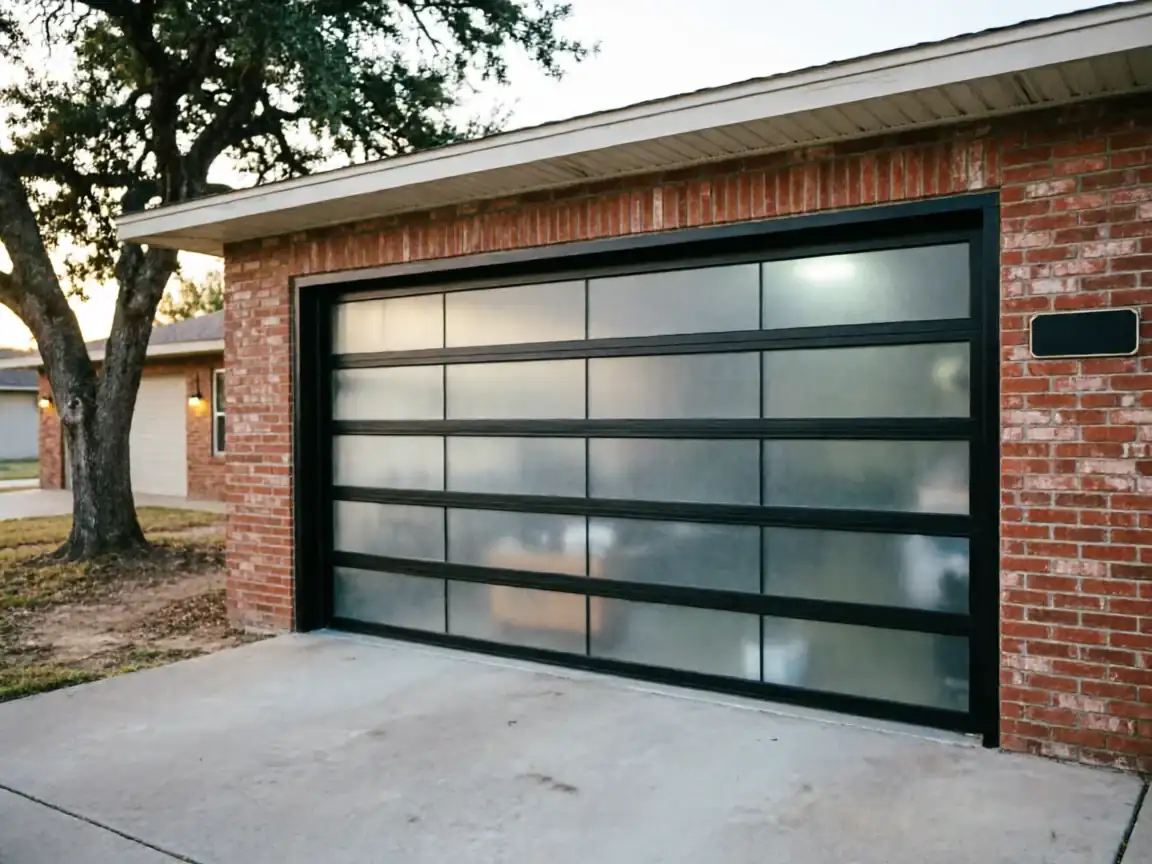
We don't publish a flat number here because opener cost depends on horsepower, drive type (chain, belt, or screw), whether you want battery backup, and how much of the existing wiring and mounting we can reuse. What we can tell you is that most of the installs we do across this area are straightforward swaps on standard steel sectional doors, since that's the dominant door type in homes built in the 2000s boom here - no custom carriage doors, no oversized commercial-grade track. That keeps labor predictable even when the unit itself varies in price. We'll give you a firm number on-site after we look at your header, your existing wiring, and your door's weight and balance, because quoting blind over the phone on a job like this usually means a surprise later. If your springs are worn enough that the door is hard to lift by hand, we'll flag that separately - a new opener fighting an unbalanced door burns itself out faster, and that's not a cost you want to pay twice.