What Was Built Here
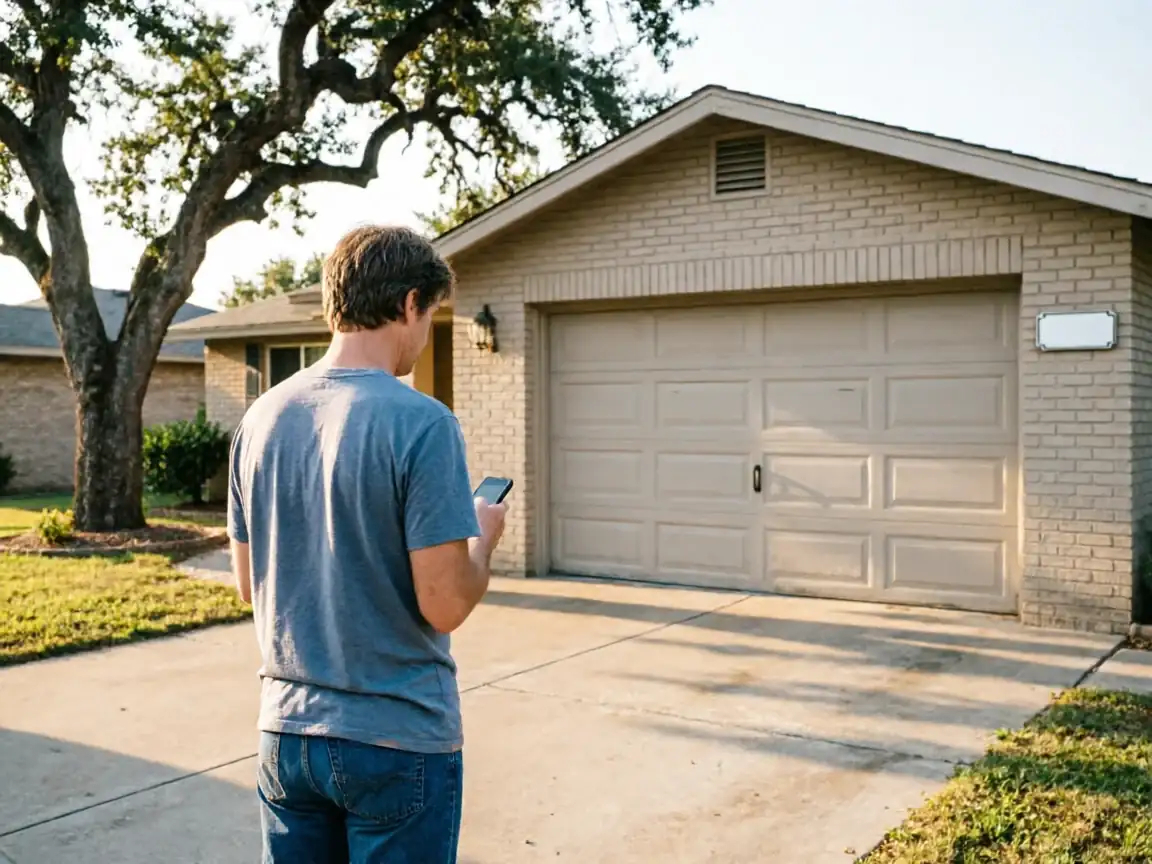
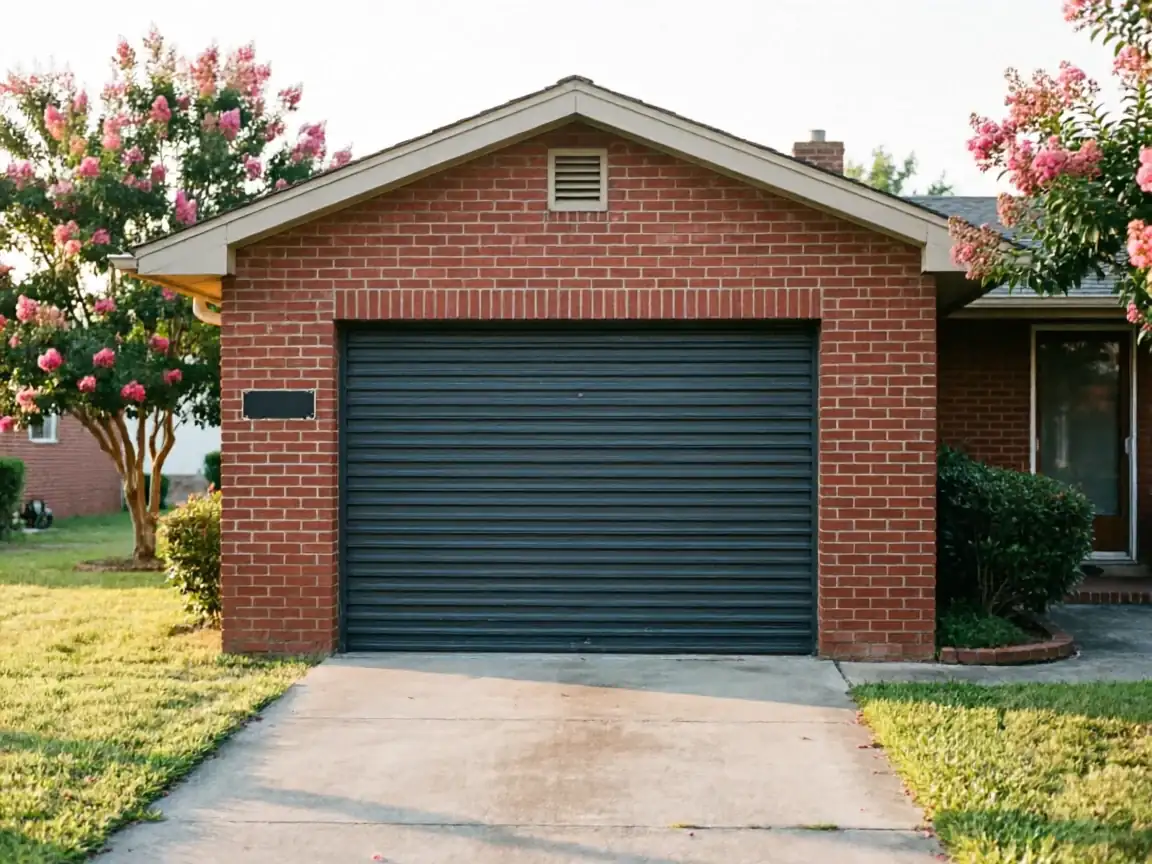
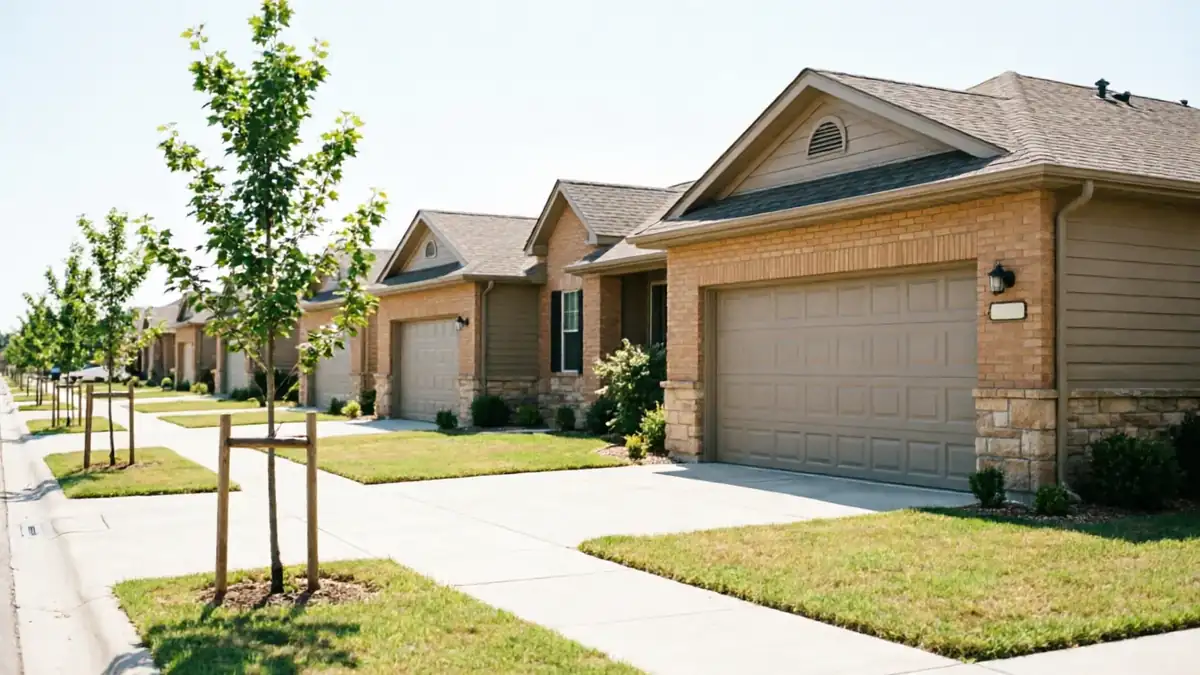
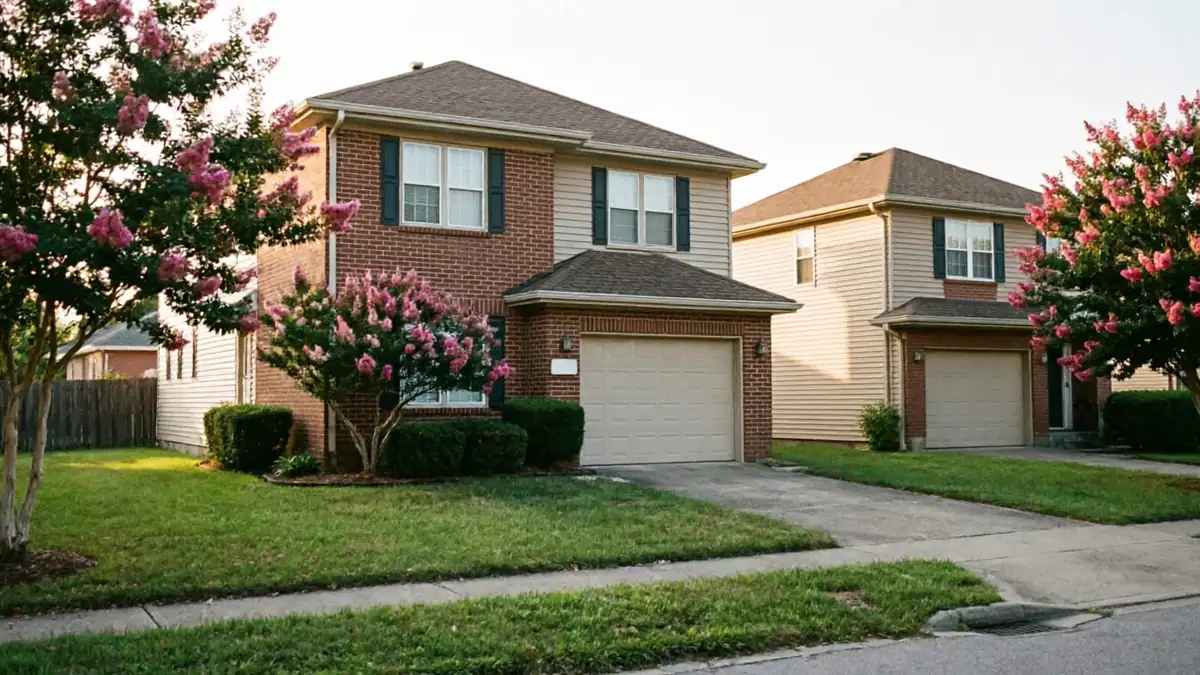
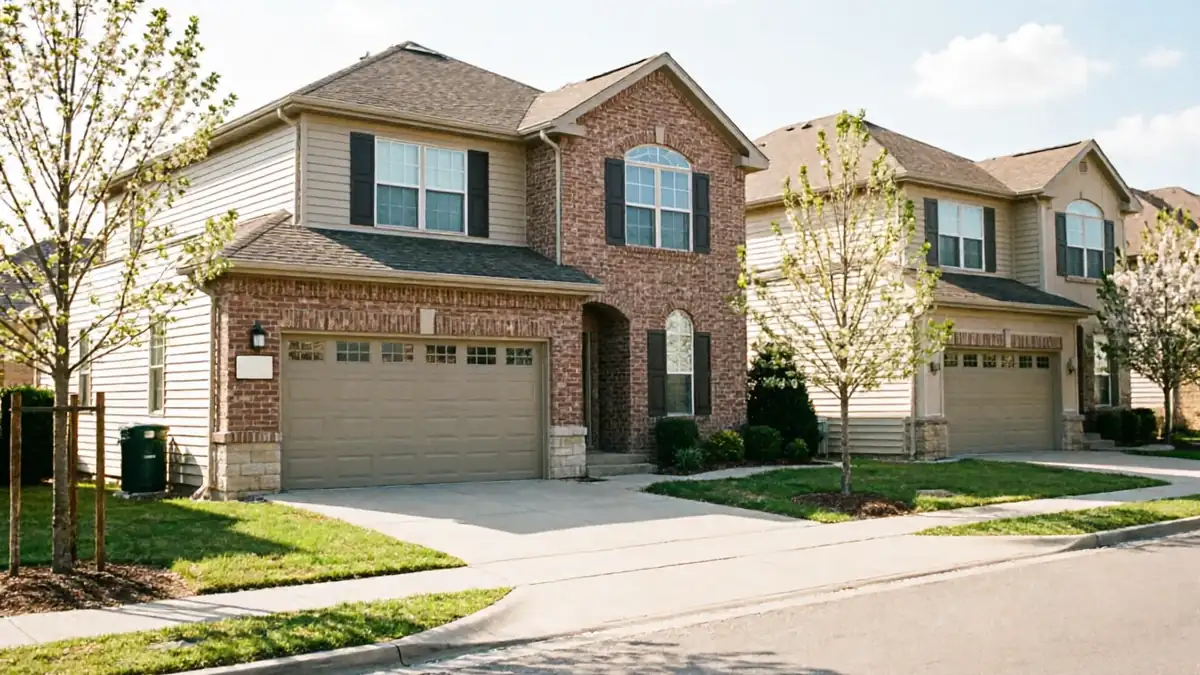
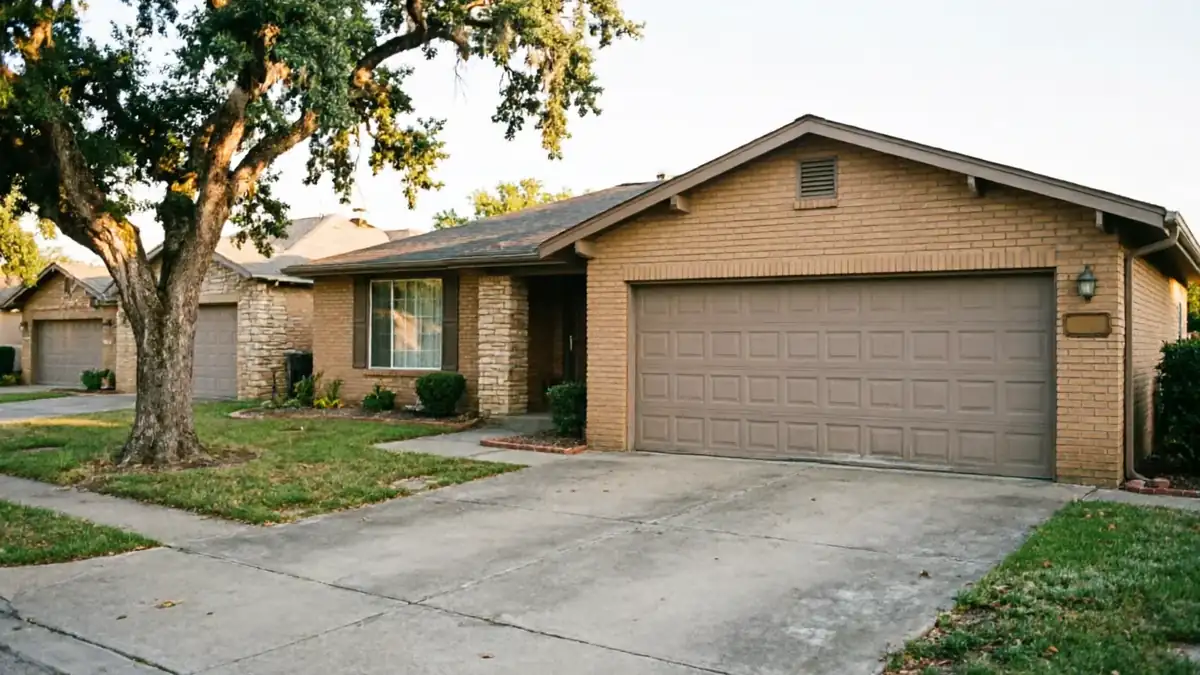
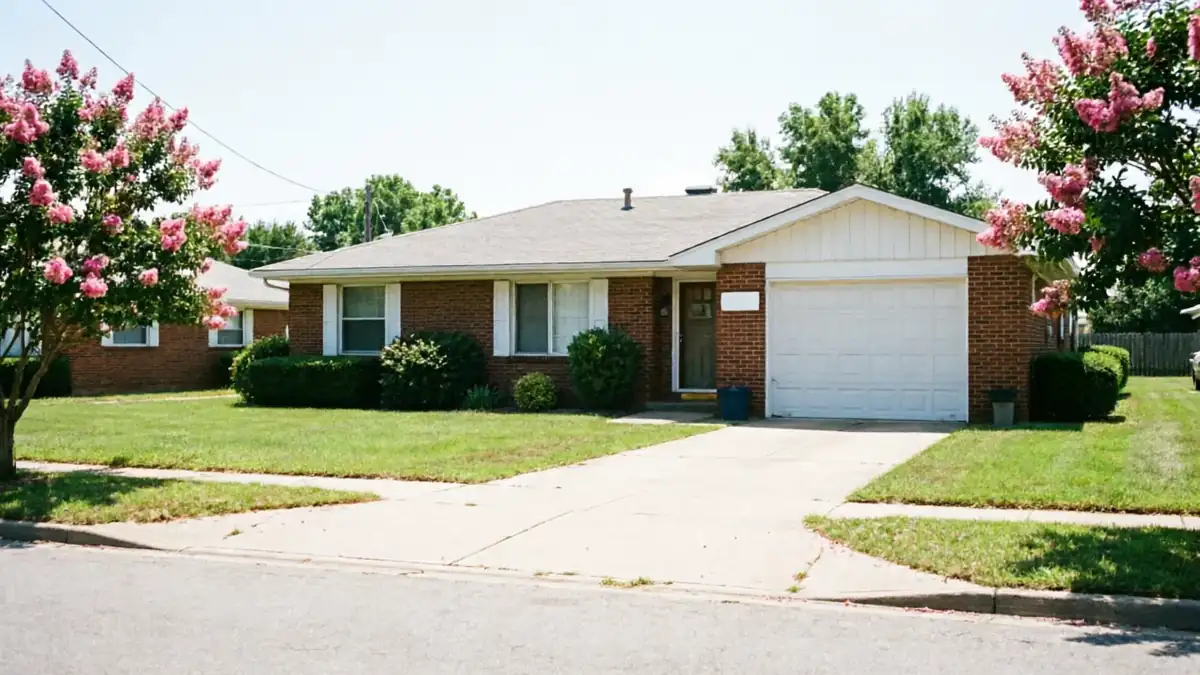
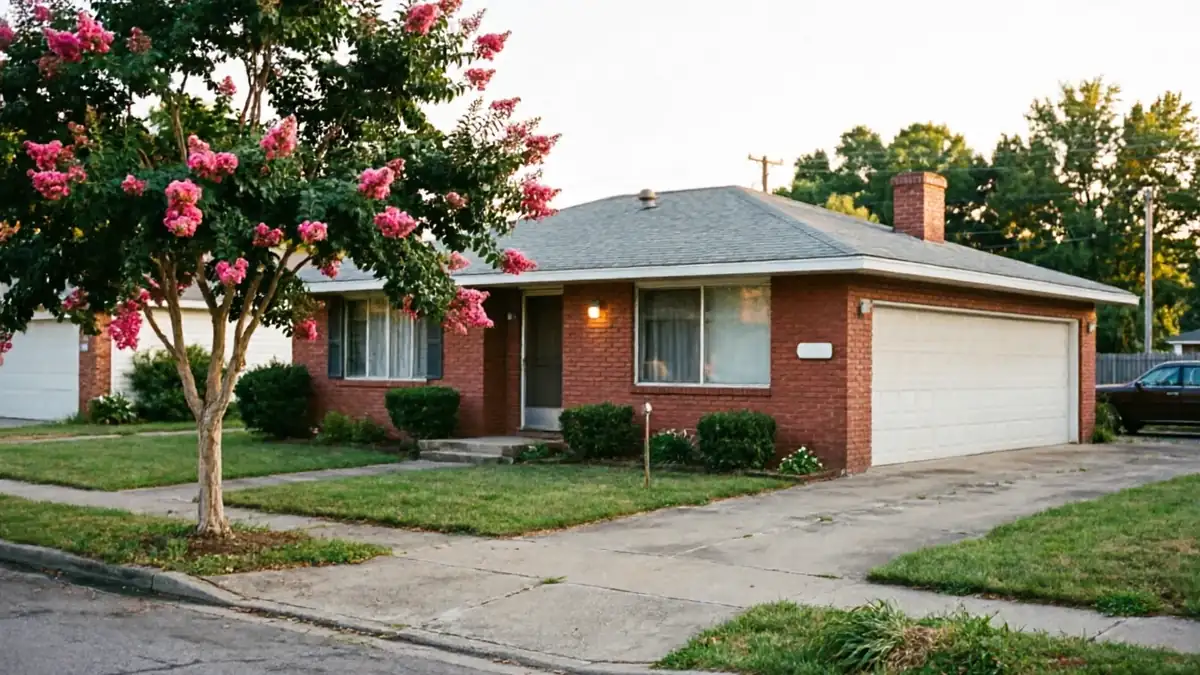
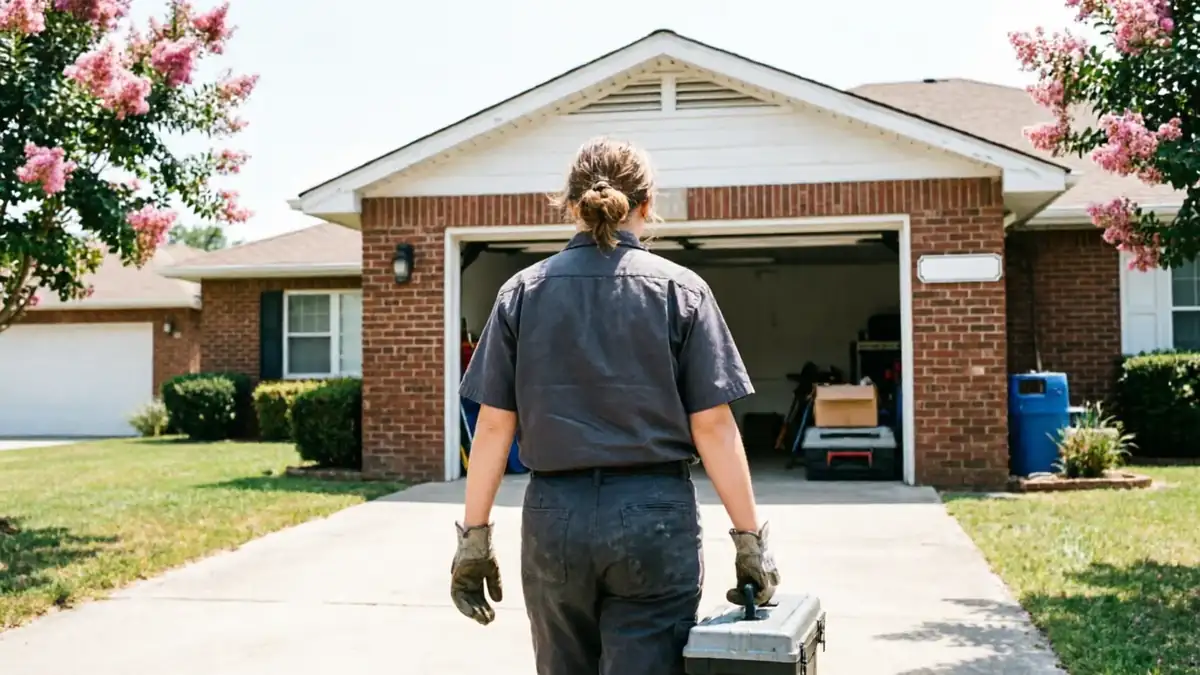
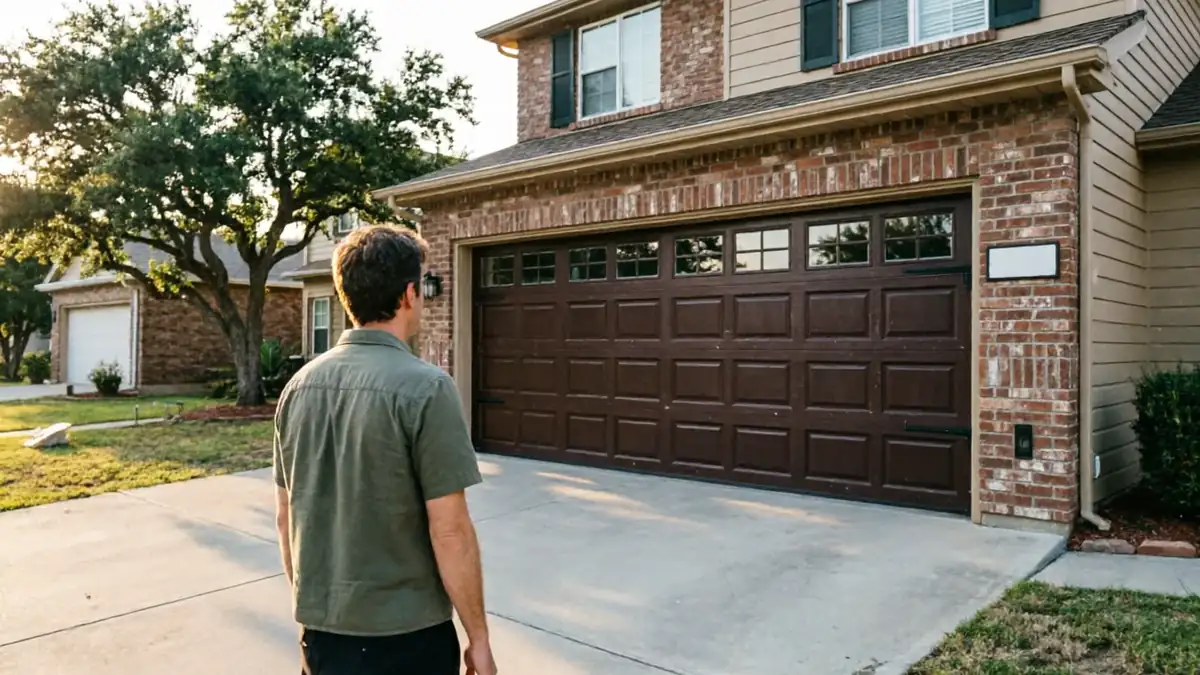
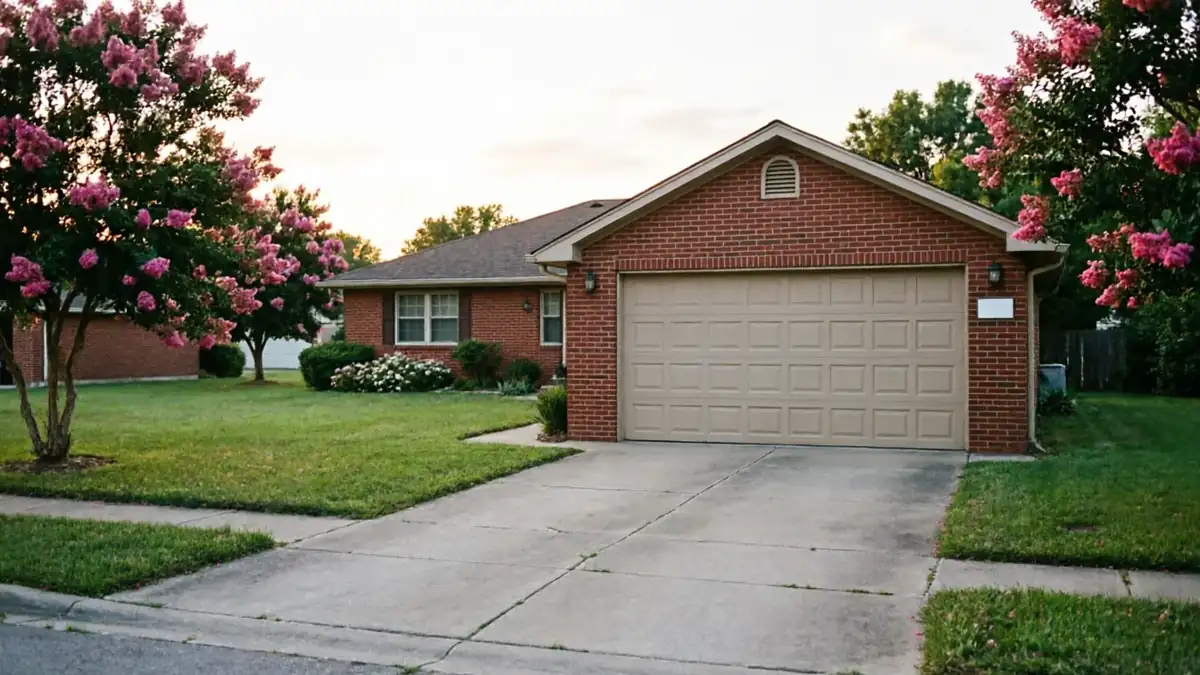
Farmersville sits about 13 miles out from our shop in Royse City, and the houses here tell a different story than a lot of the newer construction closer in. The median year built in this area is 1971 - that's three decades older than the median across the wider service area, which runs closer to 2000. With roughly 1,414 households in Farmersville, you've got a town built mostly during one stretch, not spread out across the usual 1971-2012 range we see elsewhere.
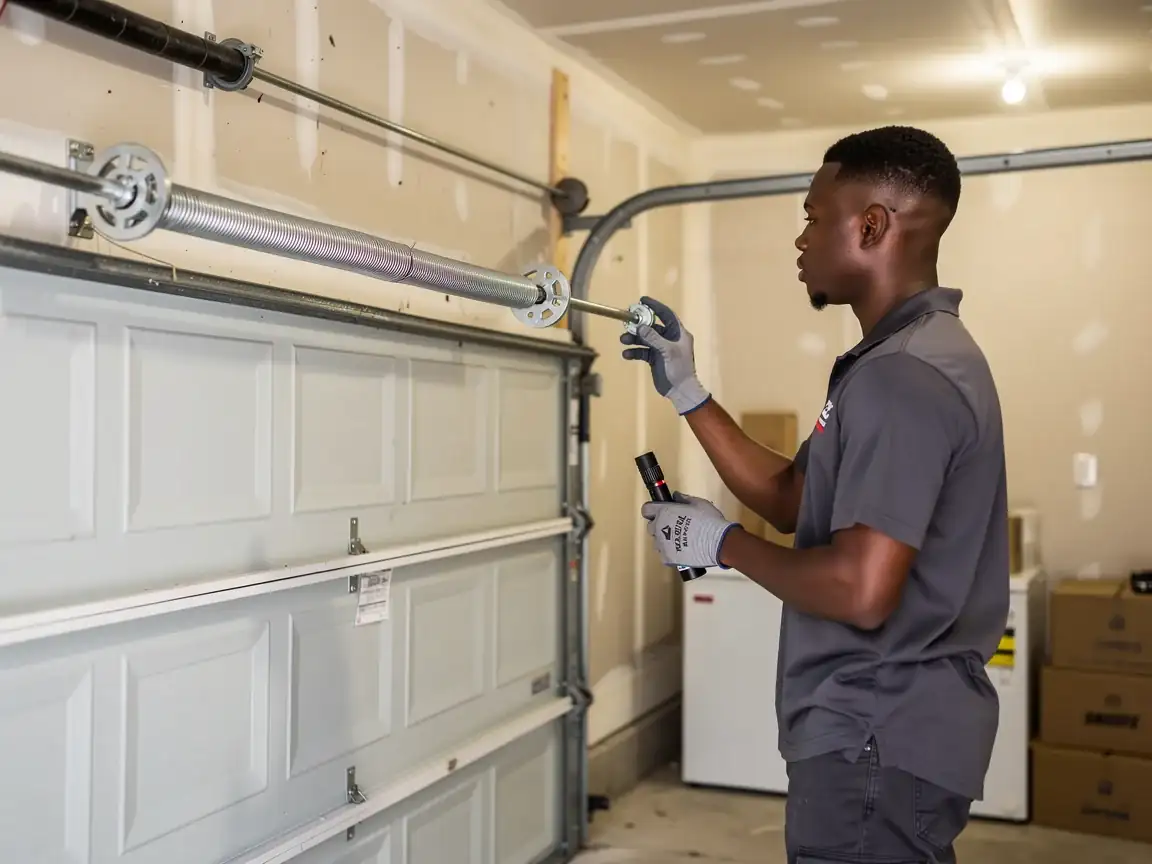
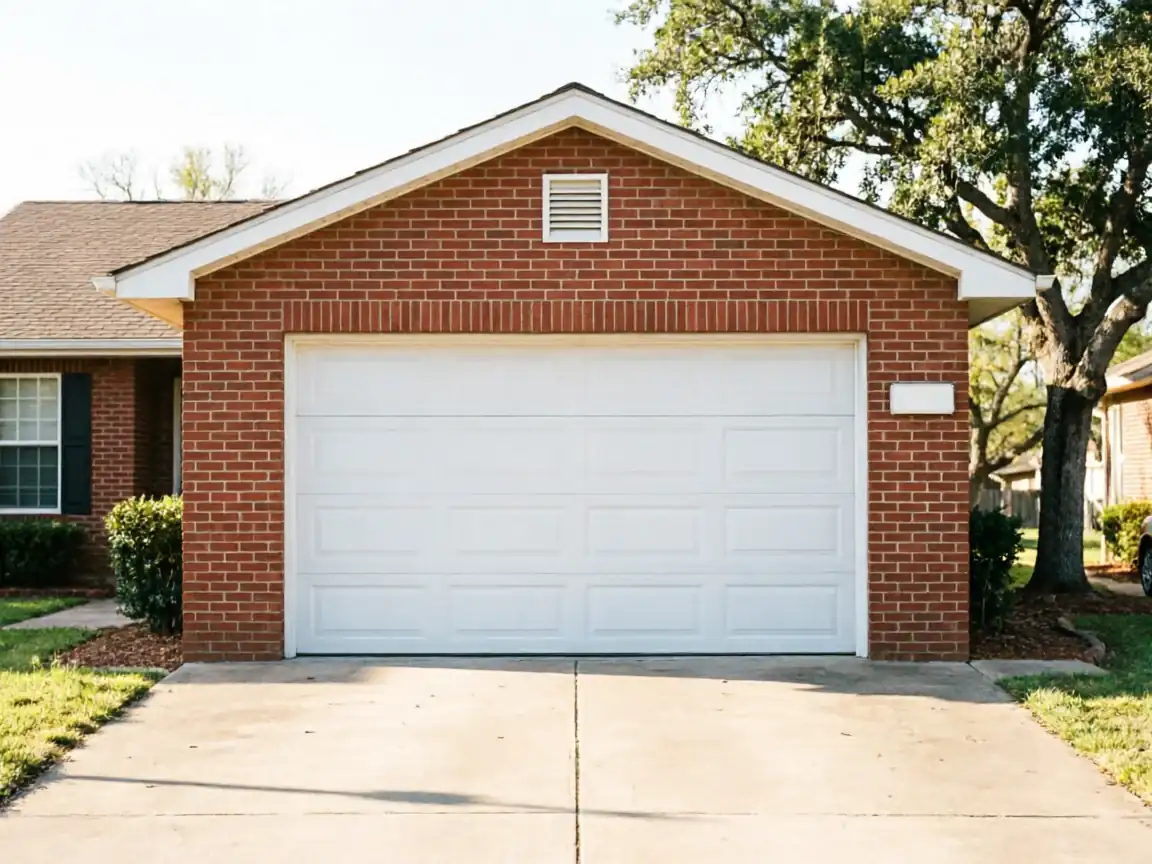
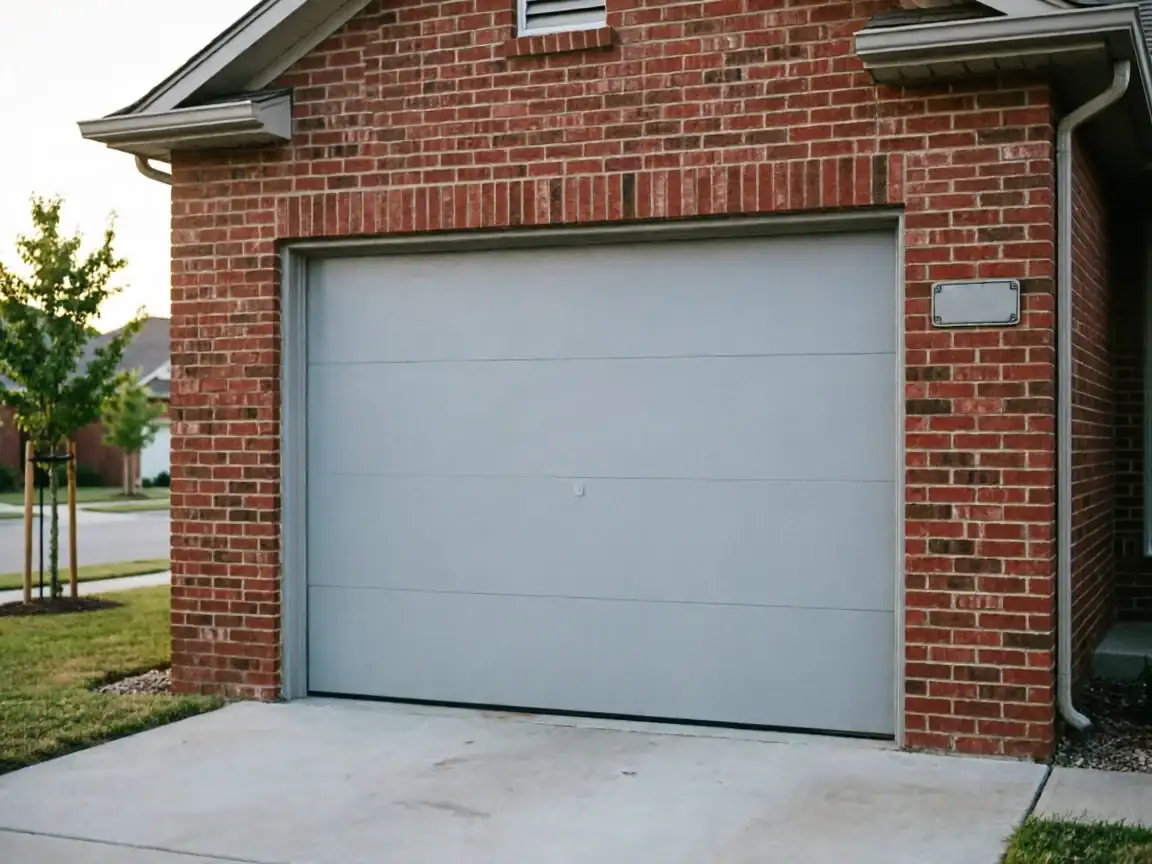
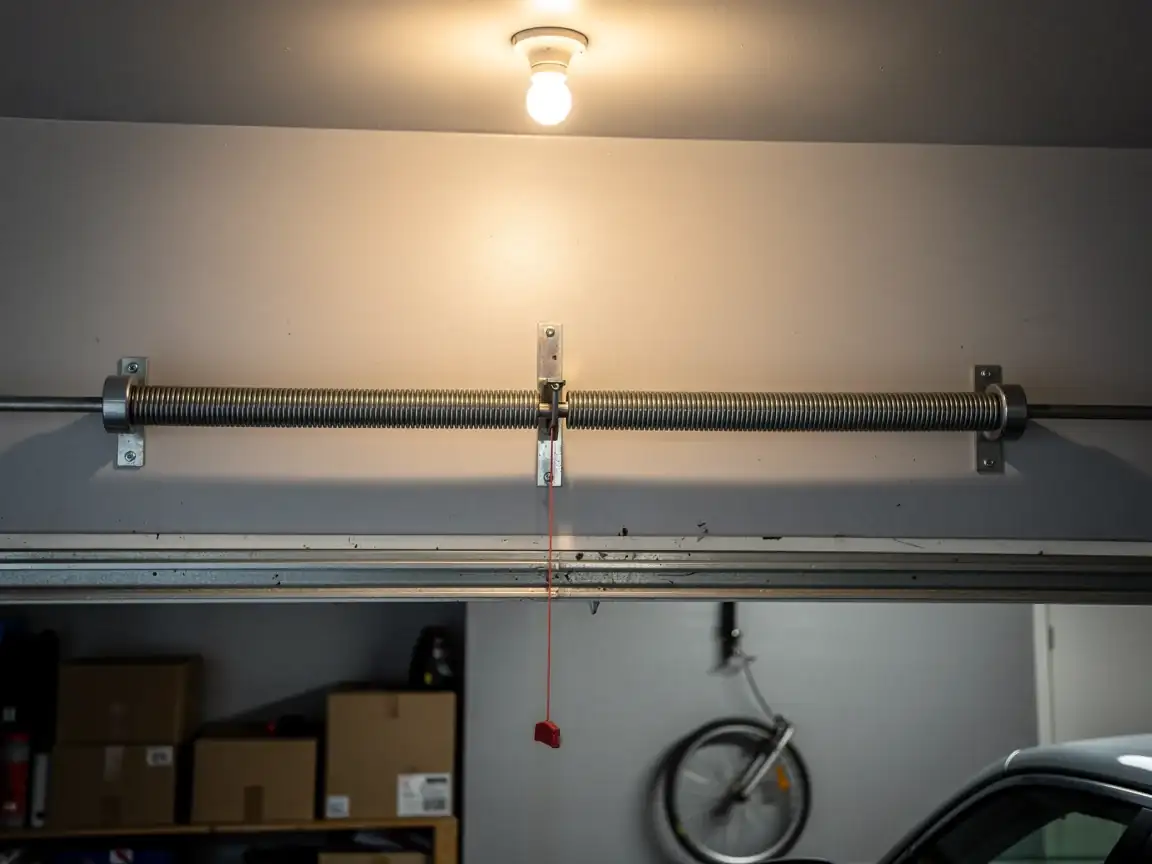
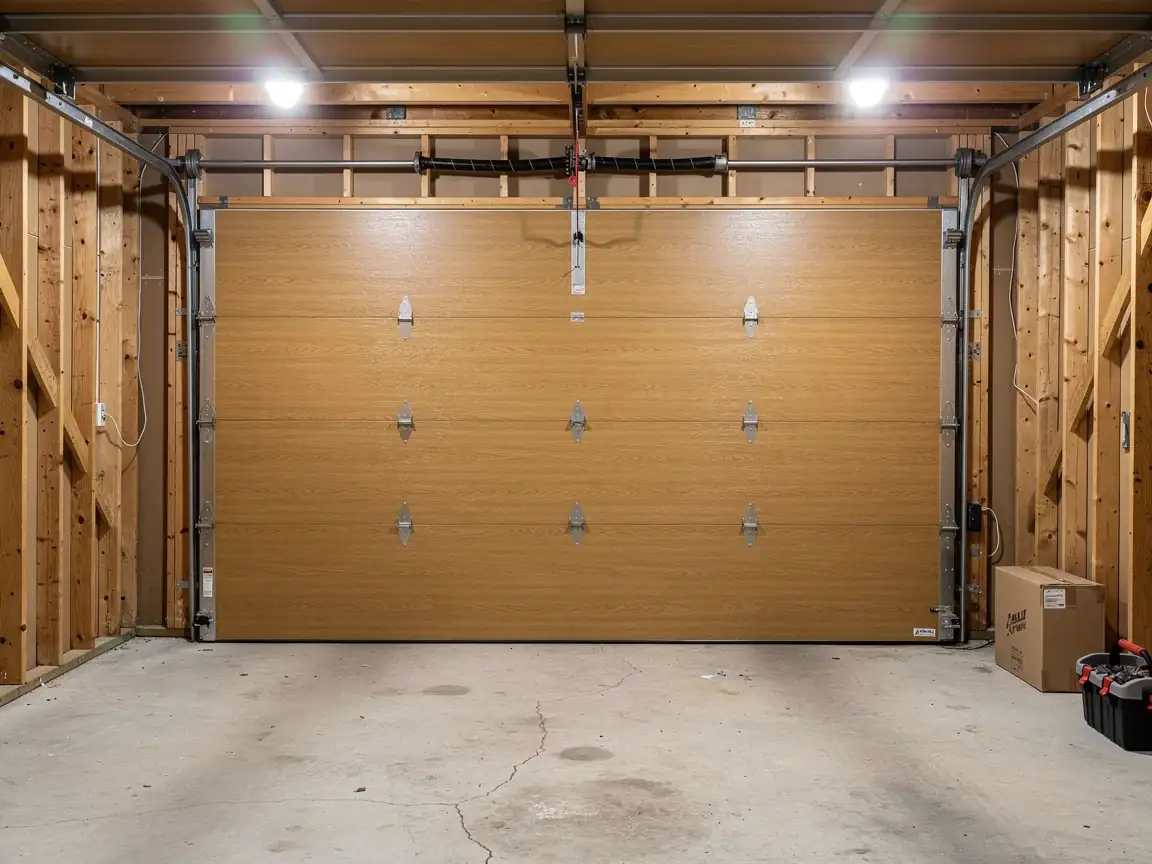
That matters because a door installed in 1971 - or even a replacement put in during the 80s or 90s to match the original opening - is running on hardware nobody manufactures the same way anymore. Extension springs instead of torsion. Steel tracks with different mounting brackets. Openers that have been swapped two or three times over fifty years while the door and track stayed original.
We're not guessing at this - it's the pattern you'd expect from a town whose housing clustered around a single era rather than decades of rolling development. If your house in Farmersville still has its original door, it's one of the older ones we work on in the whole coverage area.
What the Housing Means for Your Door
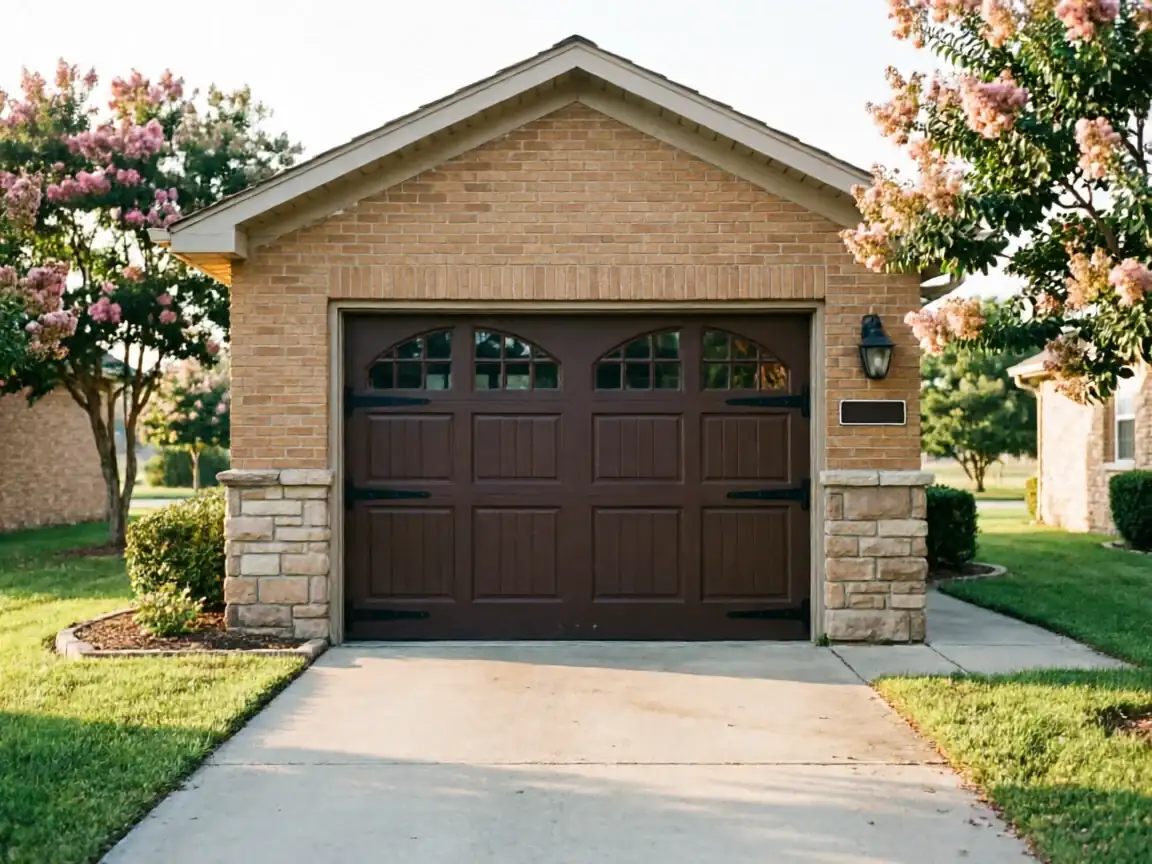
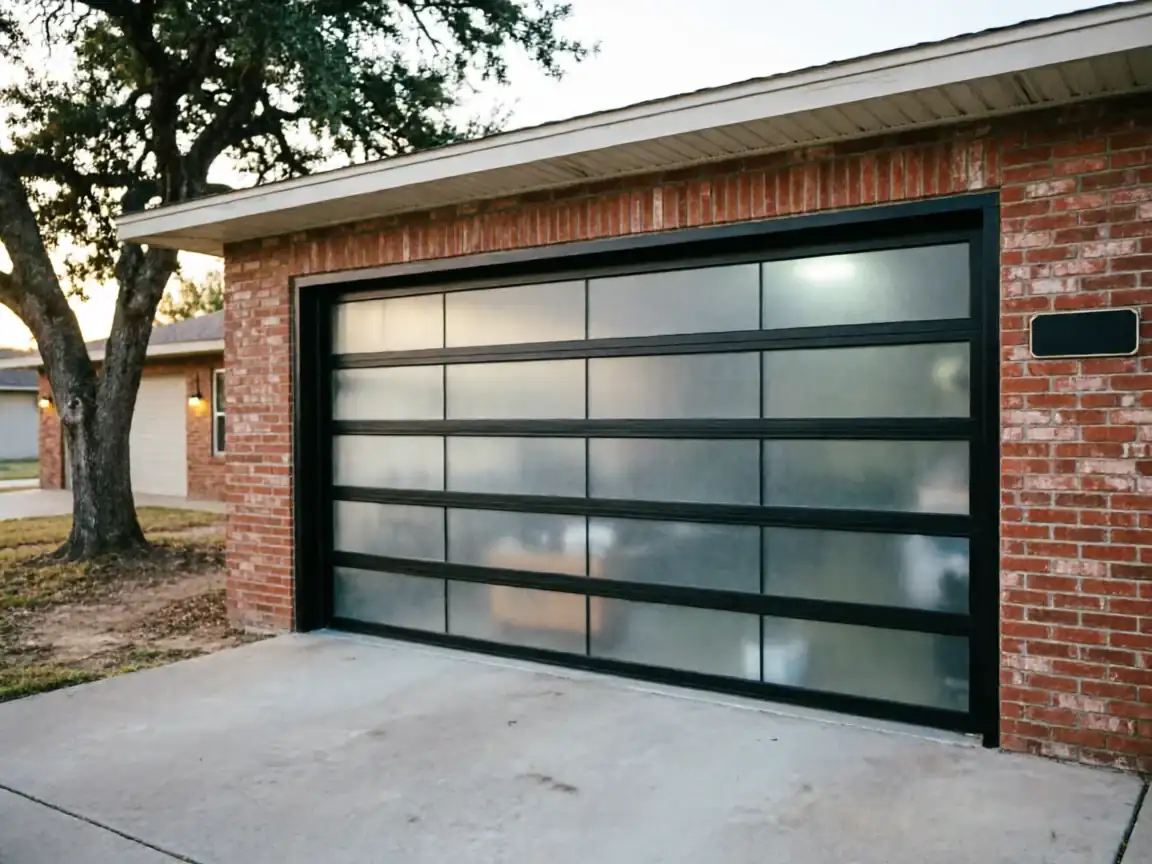
A door from the early 1970s wasn't built to the same tolerances as what goes up today. Panels tend to be heavier, steel gauge thinner in spots, and insulation - if there's any - is a thin foam liner instead of the sandwich-panel construction you see in current doors. On a median-income household here (around $47,016), replacing the whole door isn't always the first move, and it shouldn't be. A lot of these doors can run another decade with a spring swap, new rollers, and a cable replacement instead of a full teardown.
The common failure we see on this vintage: extension springs that have stretched past spec and are no longer lifting evenly, galvanized cable fraying at the drum, and track bent from someone trying to force a door that's binding instead of calling it in. None of that is unique to Farmersville, but the age of the stock here means we see it more often than in the newer-built pockets of the coverage area.
One honest limit: if your opener or door is original to a 1971 build and a part has failed that's genuinely obsolete, we may not be able to match it exactly. Sometimes the right call is a modern replacement part that does the same job, not a hunt for the original.
Where We Stop
We run out of Royse City, and Farmersville is about a 13-mile drive from the shop
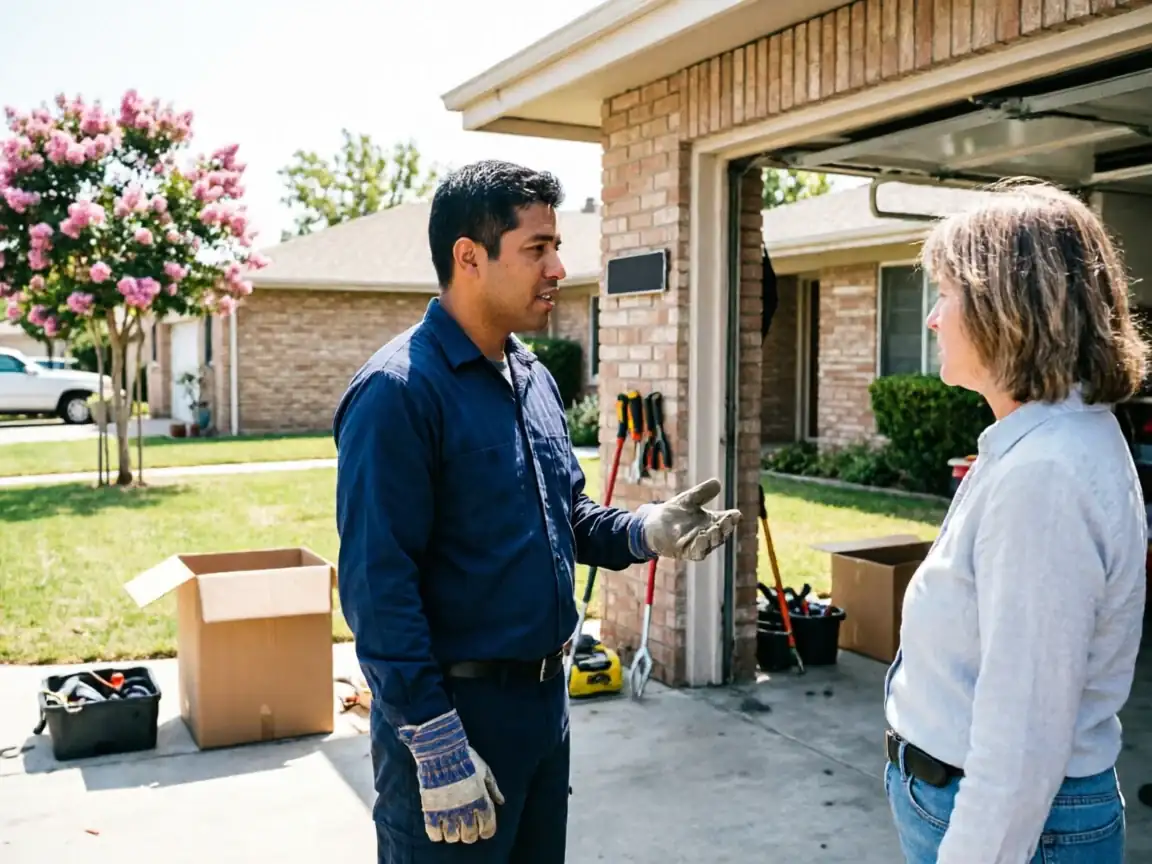
We cover it as part of our regular service area, the same as Nevada, Union Valley, and the other towns within that stretch. We don't have a location in Farmersville itself - every job here means a truck coming from Royse City, which is worth knowing if you're expecting a walk-in counter or a same-block tech.
If you're outside this radius
Or closer to one of the other towns we list in our coverage, say so when you call - it helps us route the job correctly.
How Soon We Can Come Out
We don't publish a fixed response window for Farmersville because travel time from Royse City varies with the day and the job queue, and we'd rather tell you honestly when we're booking than promise a number we can't hold to. What we can tell you is that Farmersville is a regular stop for us, not a special trip - we're not quoting a surcharge for distance on a town 13 miles out.
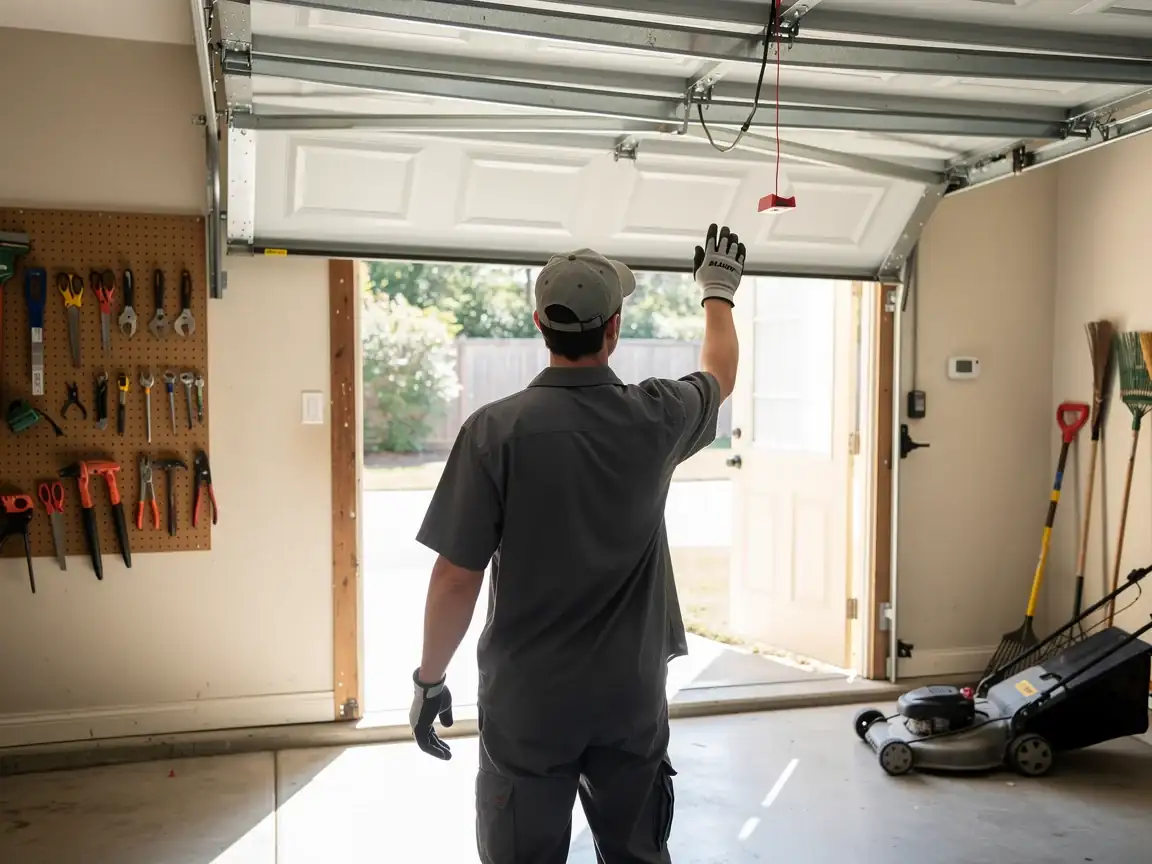
If you're dealing with a spring that's let go or a door stuck in the track, tell us that when you call so we can get a truck moving in the right direction. For a scheduled repair or a quote on a full replacement, we'll give you a window once we know what the job involves.