The DIY Question
Nevada is a small place - about 427 households, nowhere near the size of the towns that make up the rest of our service area. That matters for how we think about a repair here. A town this size doesn't generate enough call volume for a company to station anyone locally, so every job we run in Nevada starts as a trip from Royse City, five miles out. That's a short drive, not a same-day guarantee, and we won't pretend otherwise.
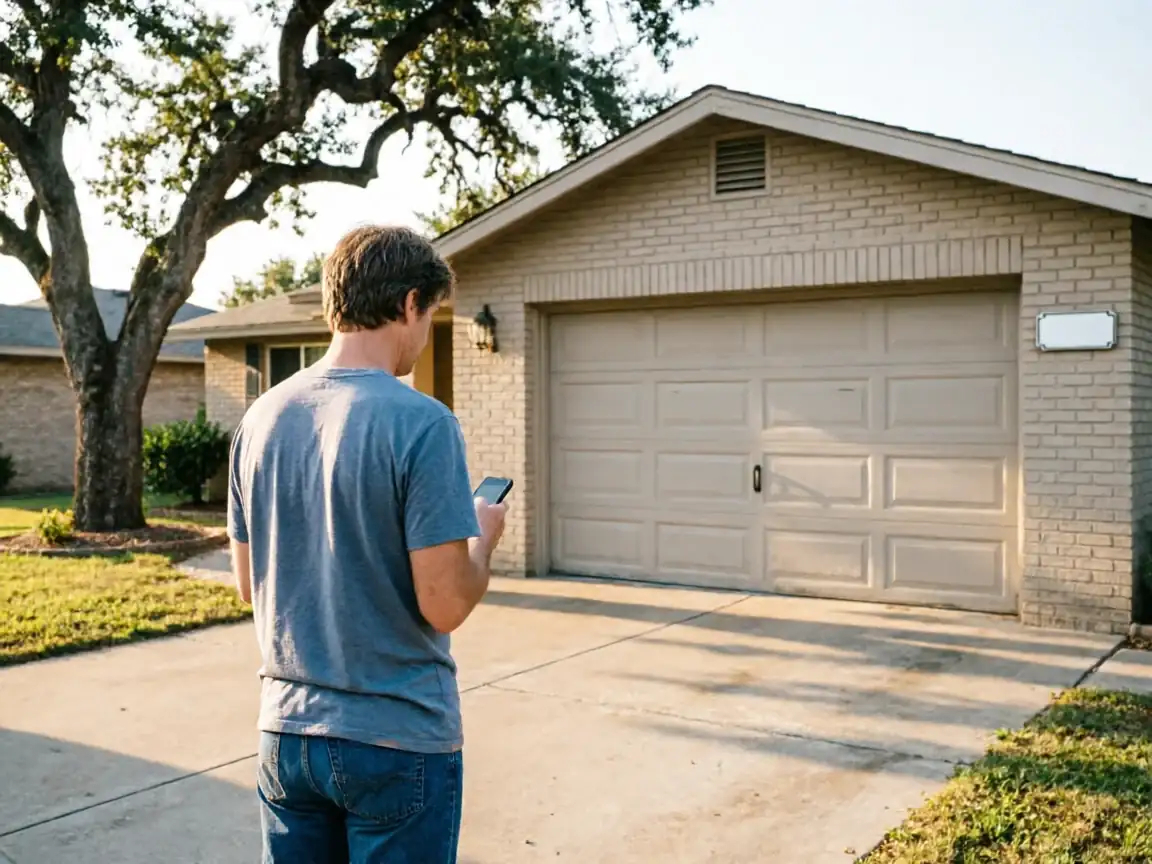
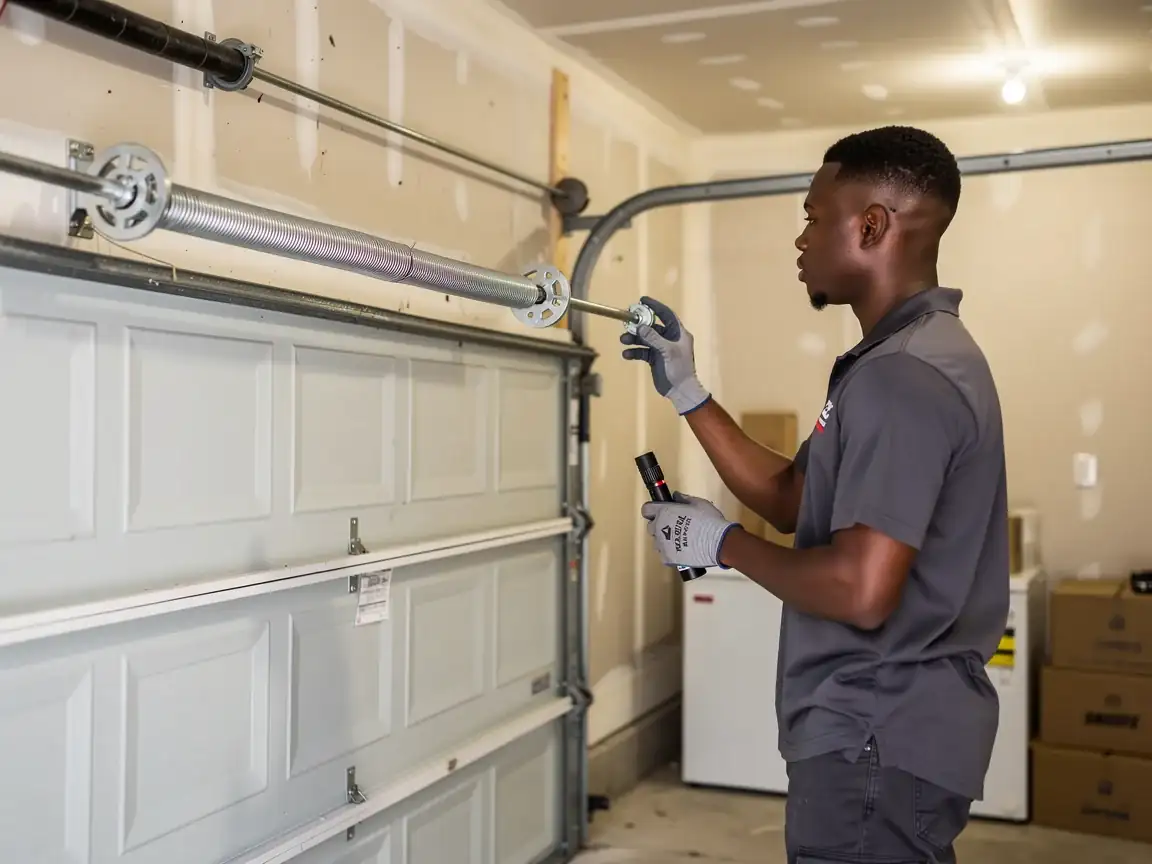
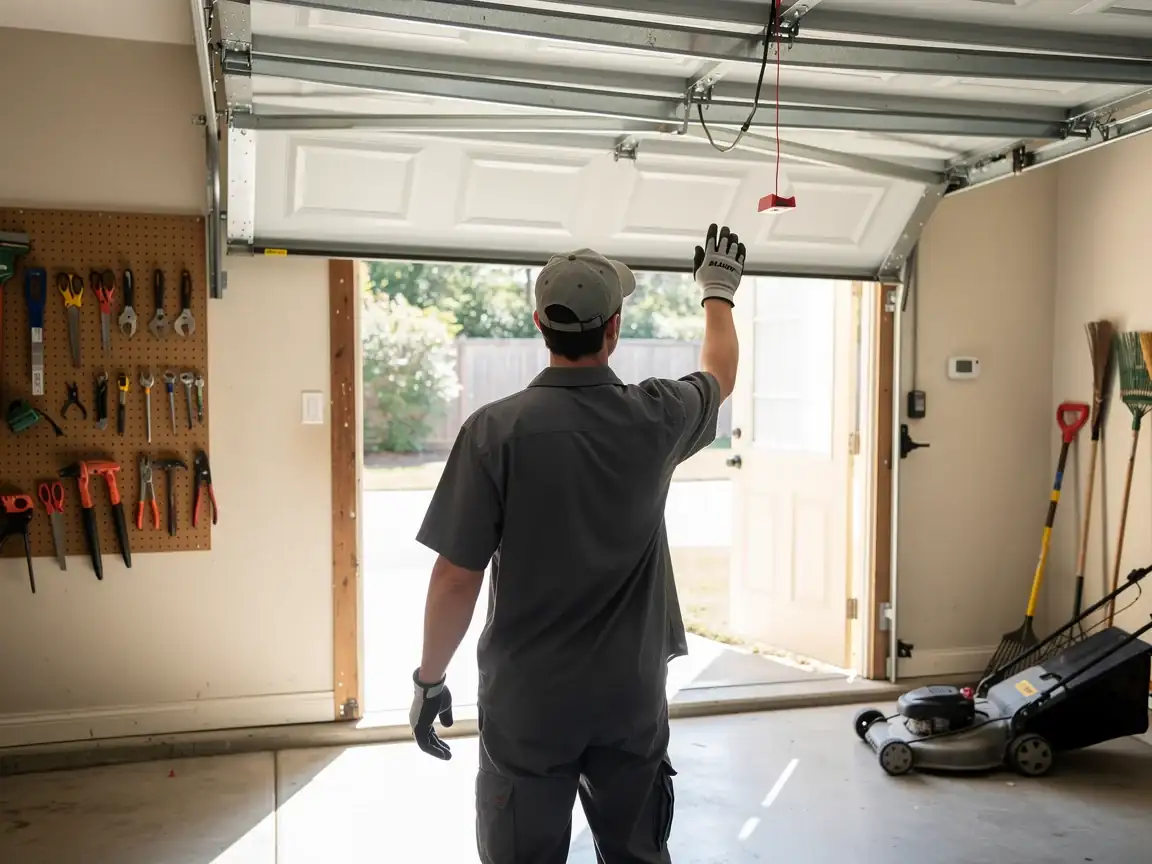
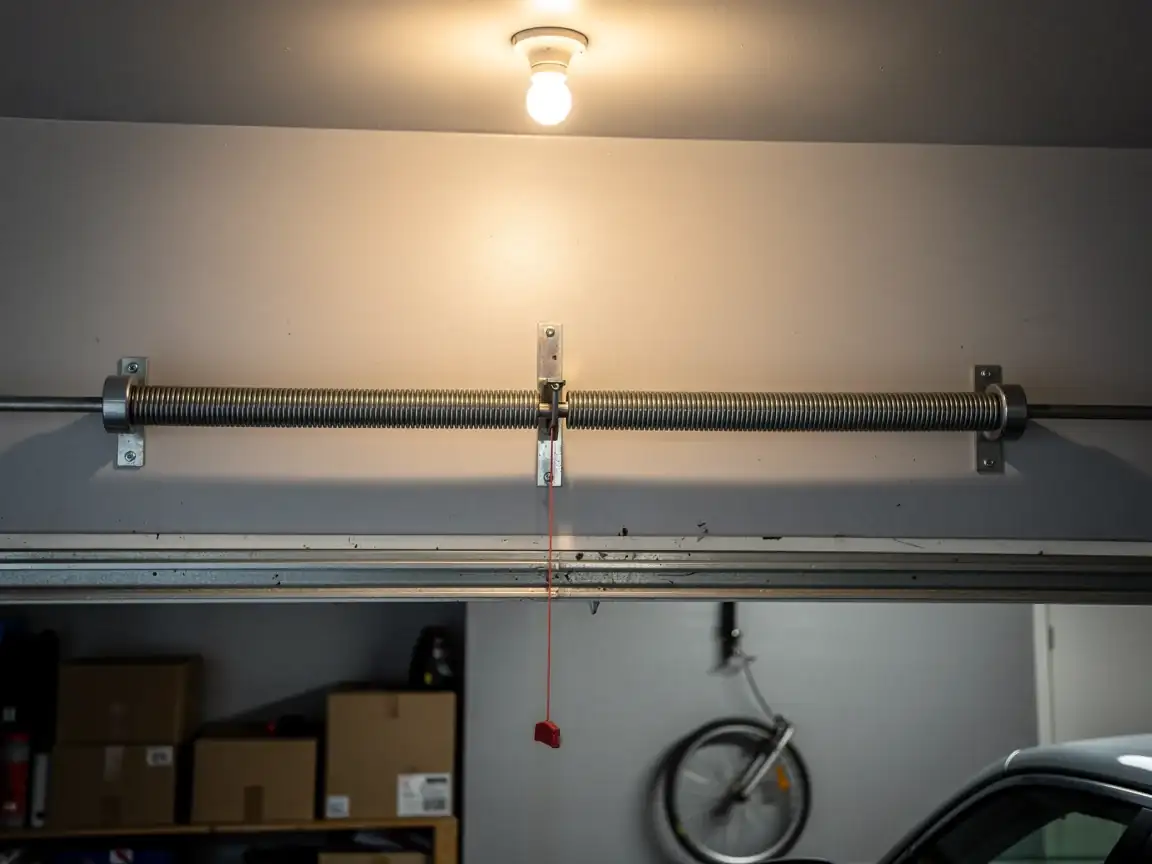
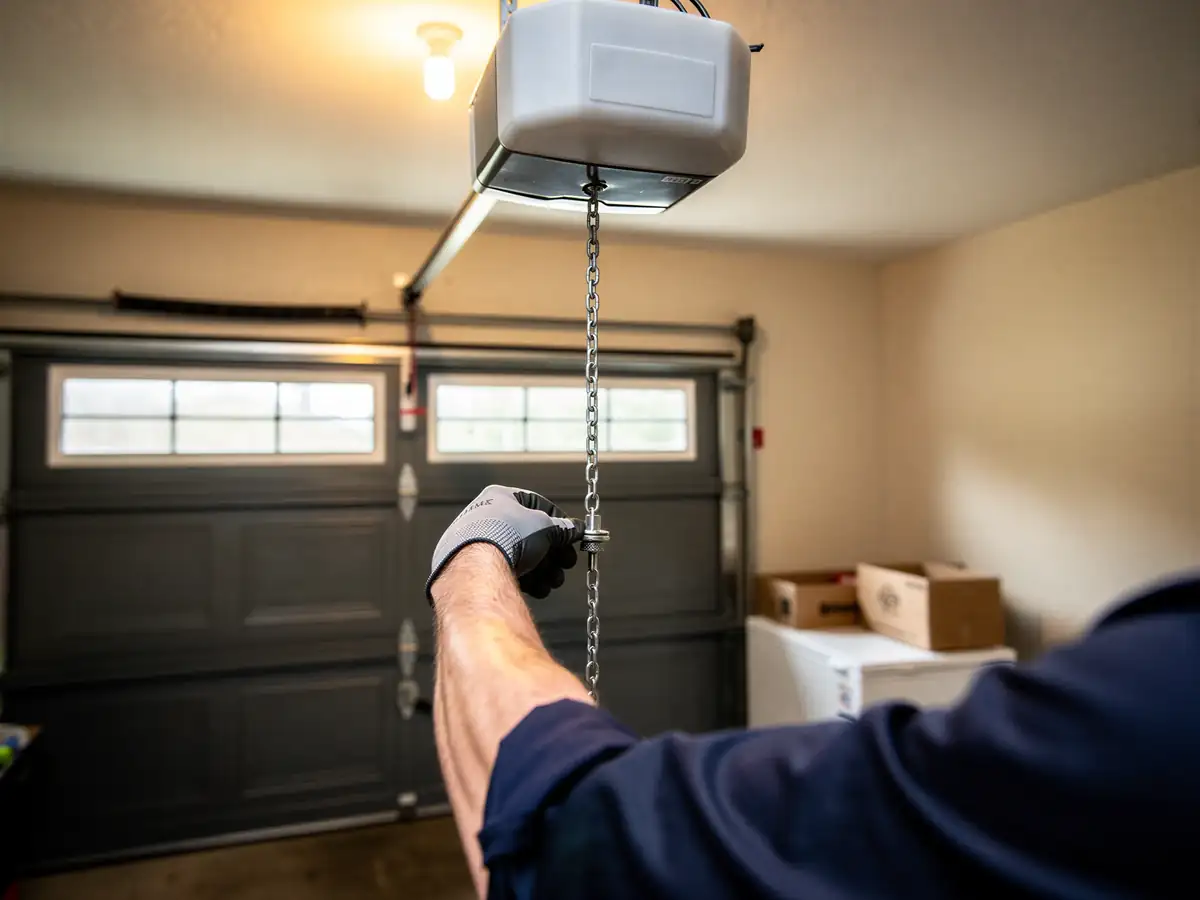
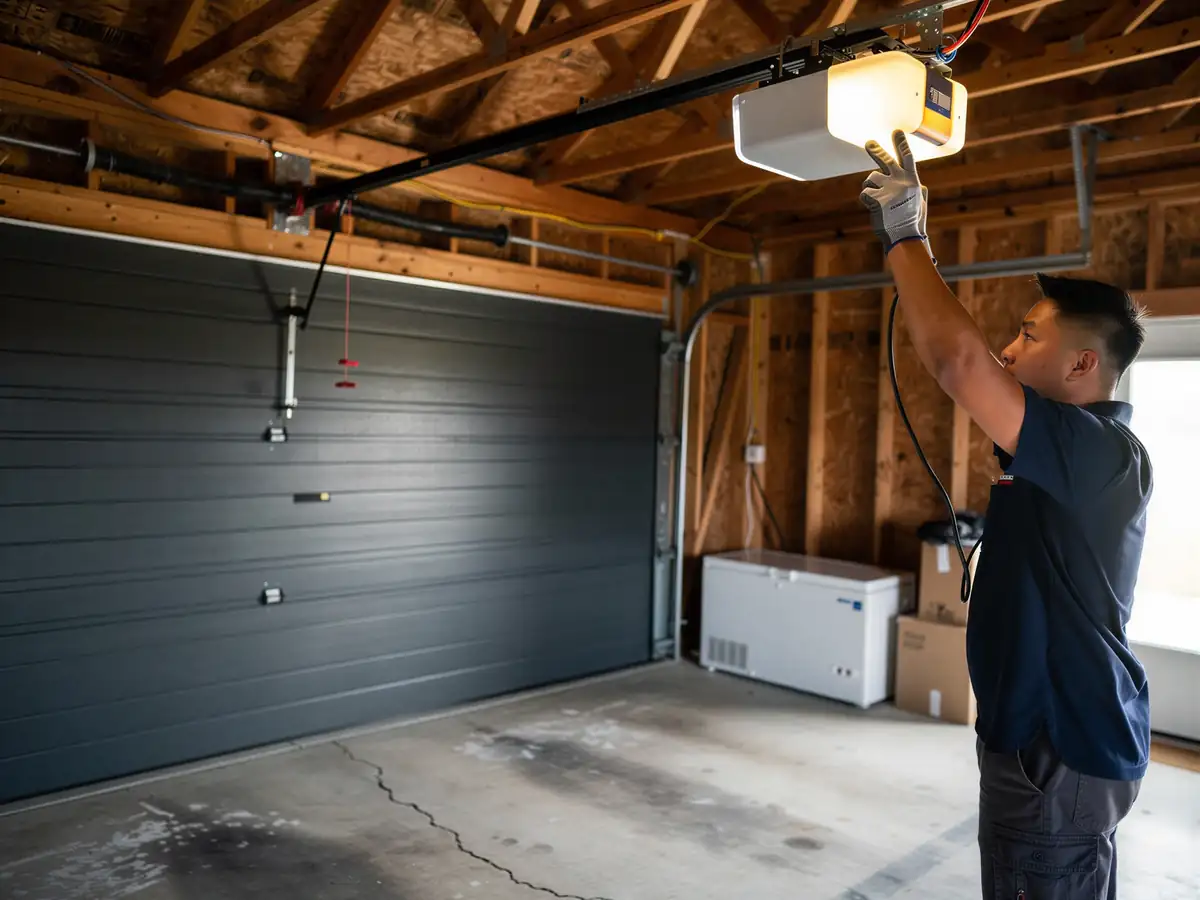
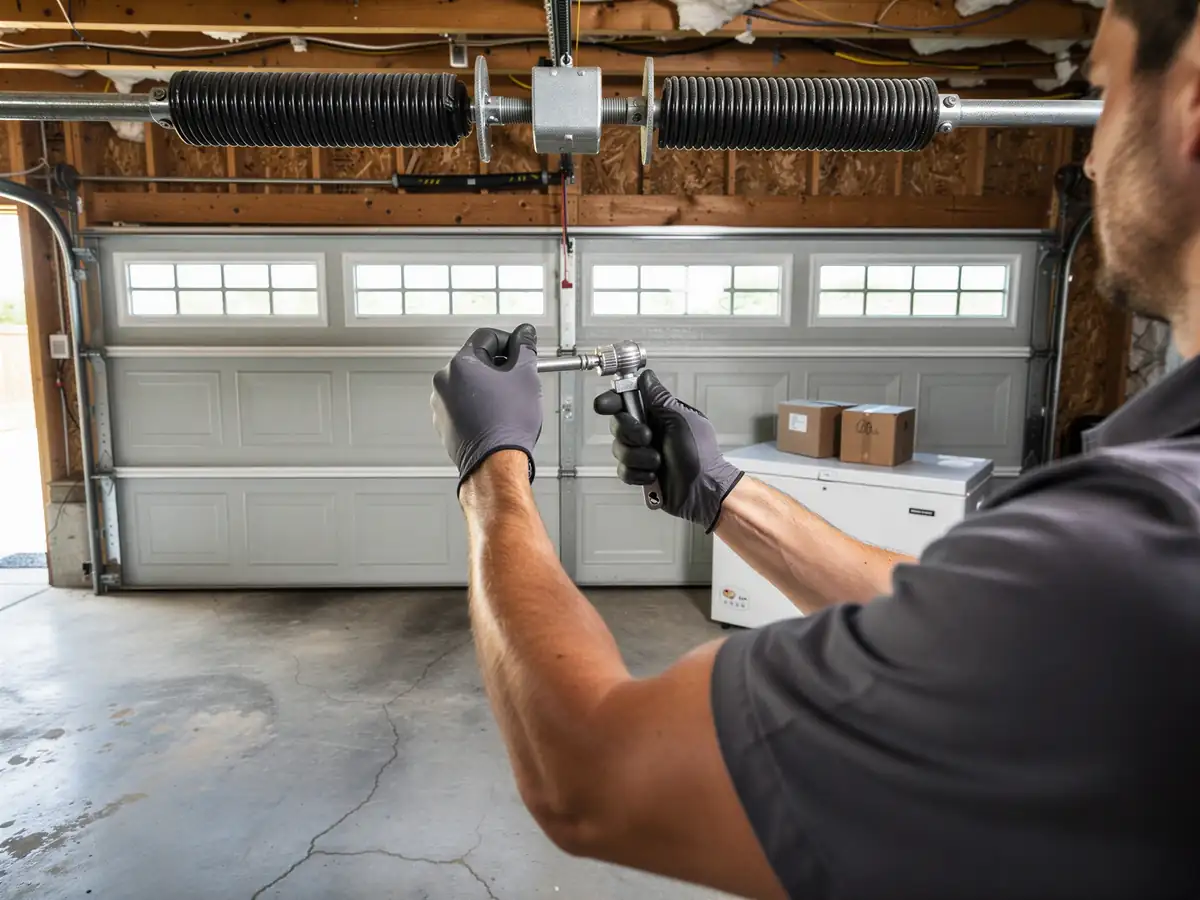
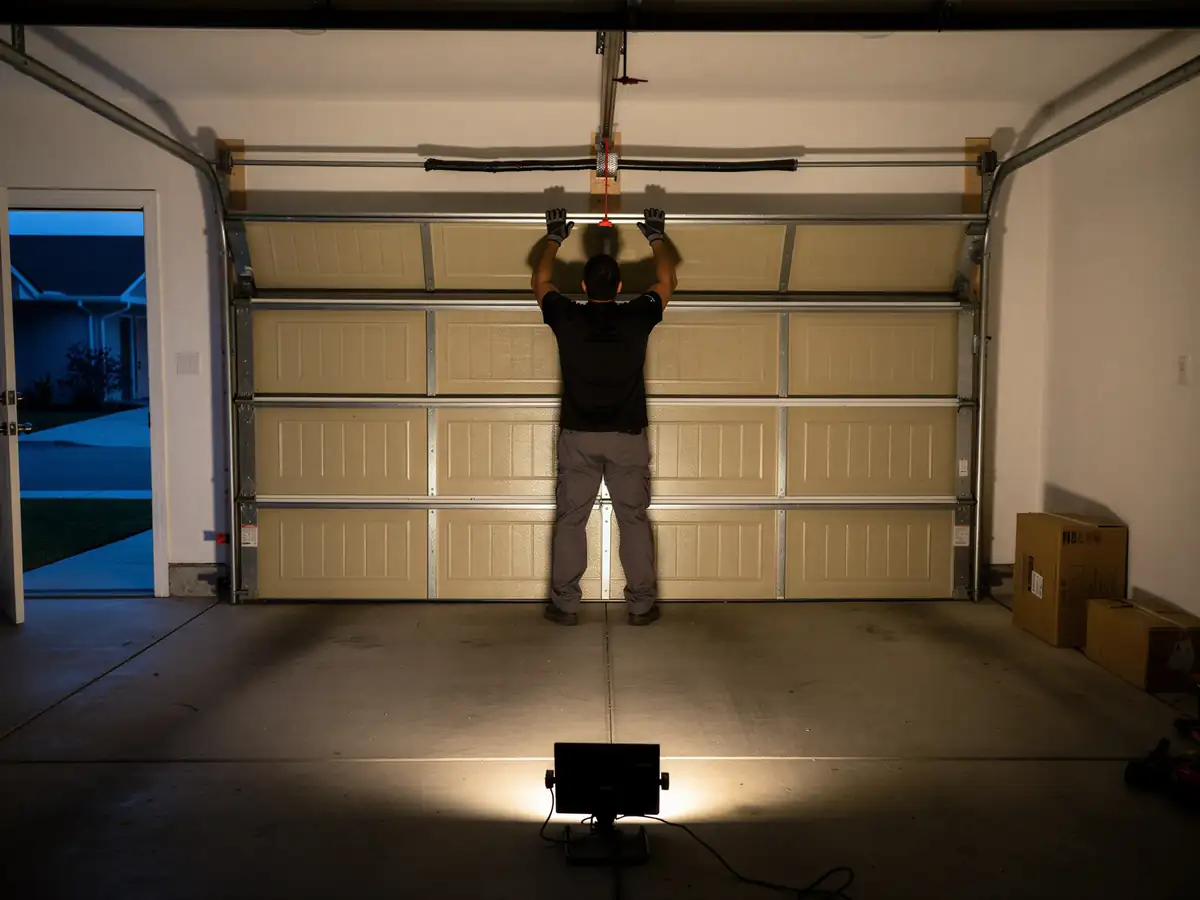
On the DIY side: if your opener just needs the travel limits reset or the photo-eye sensors realigned, that's a reasonable weekend job with the manual in hand. Where we'd stop you is anything involving the torsion spring or the cables under it - that spring holds enough stored tension to break a hand or worse, and the tools to wind it safely aren't something most garages have lying around. If the door won't open and you can hear the opener motor straining, don't keep hitting the button. That's usually the spring, not the opener, and running the motor against a dead spring just burns out the gears too.
What Can Go Wrong
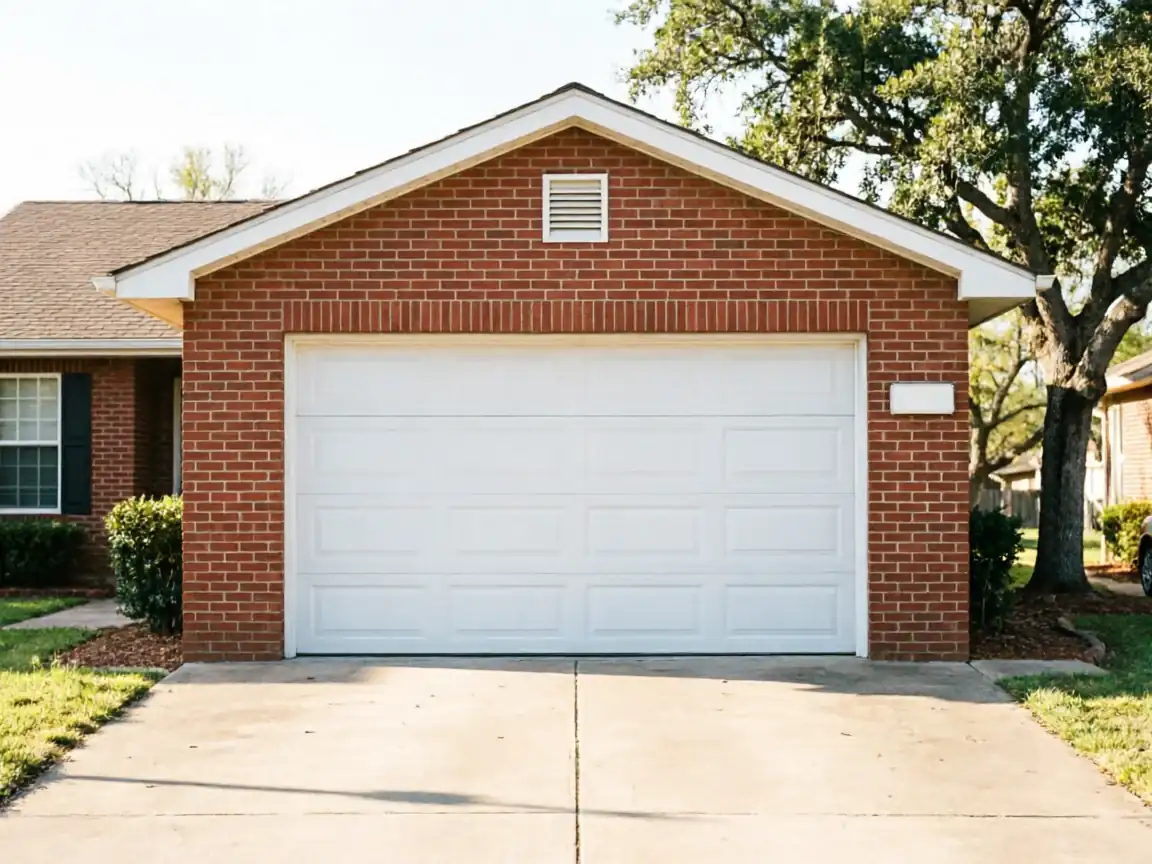
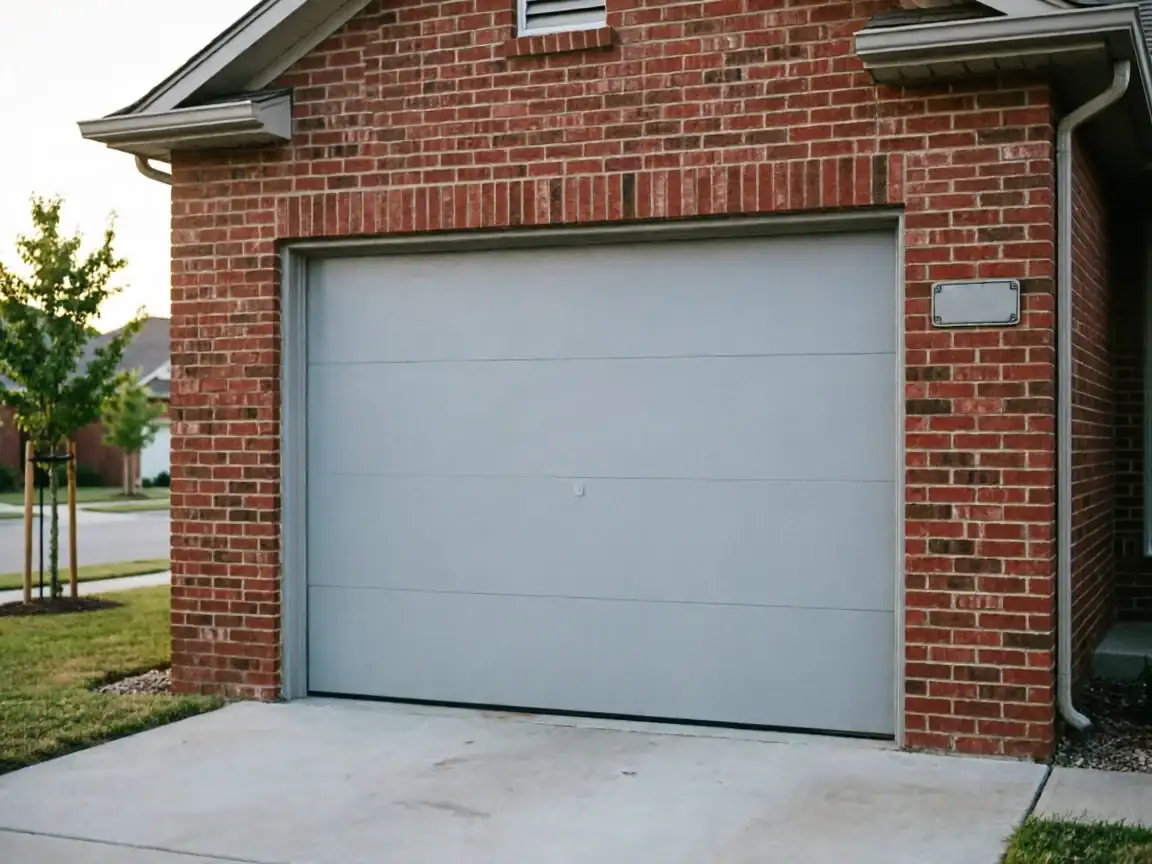
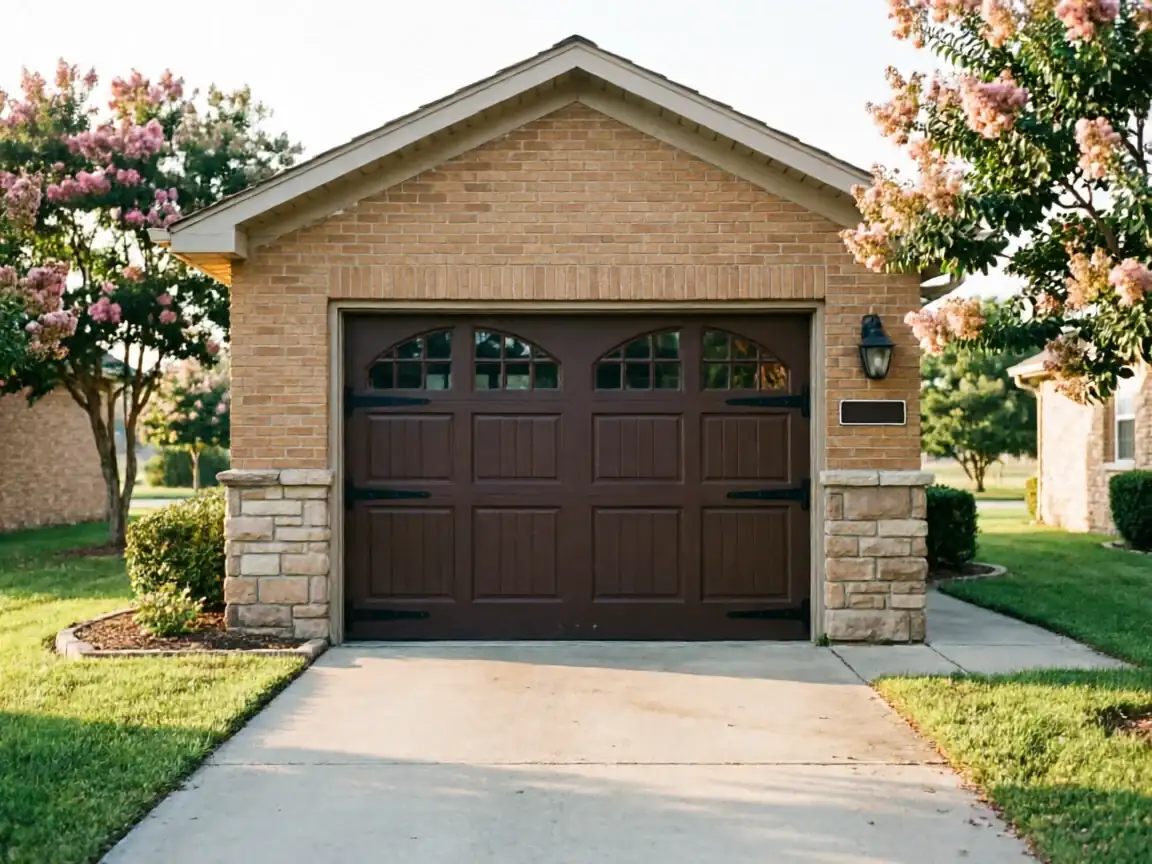
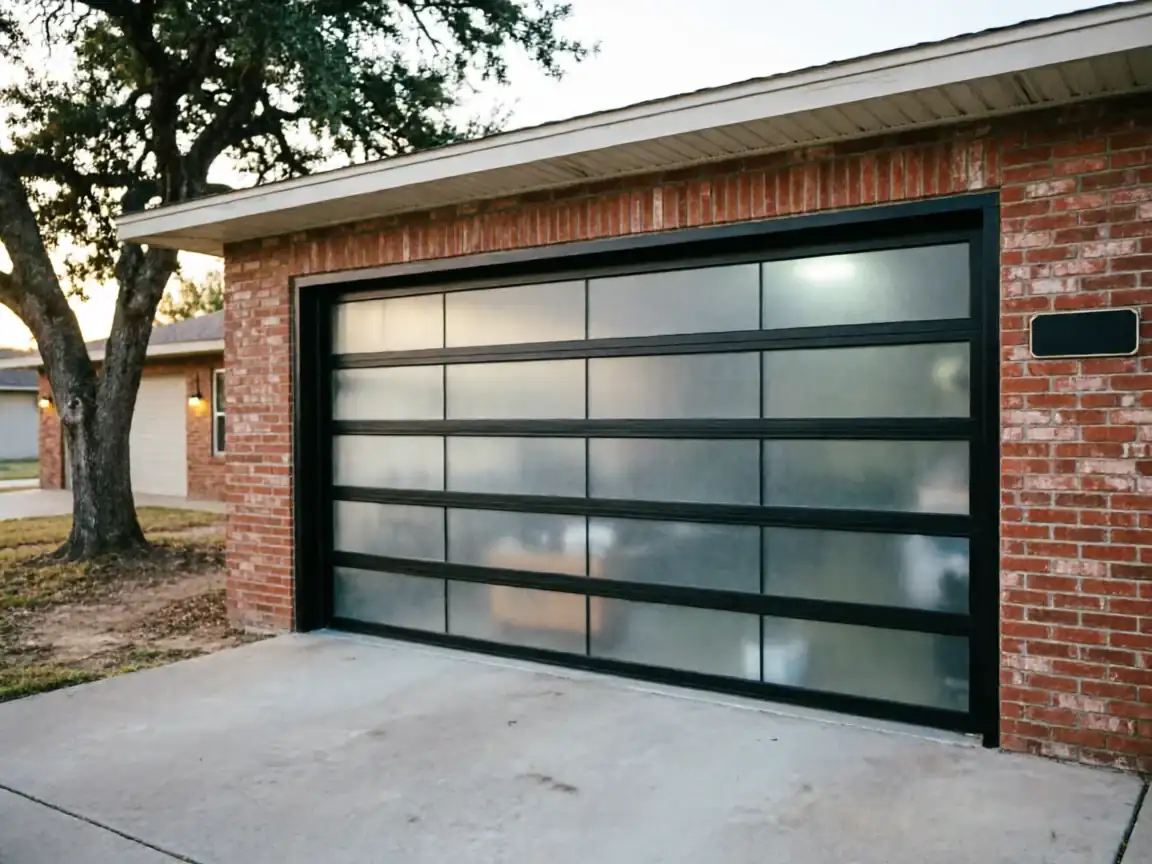
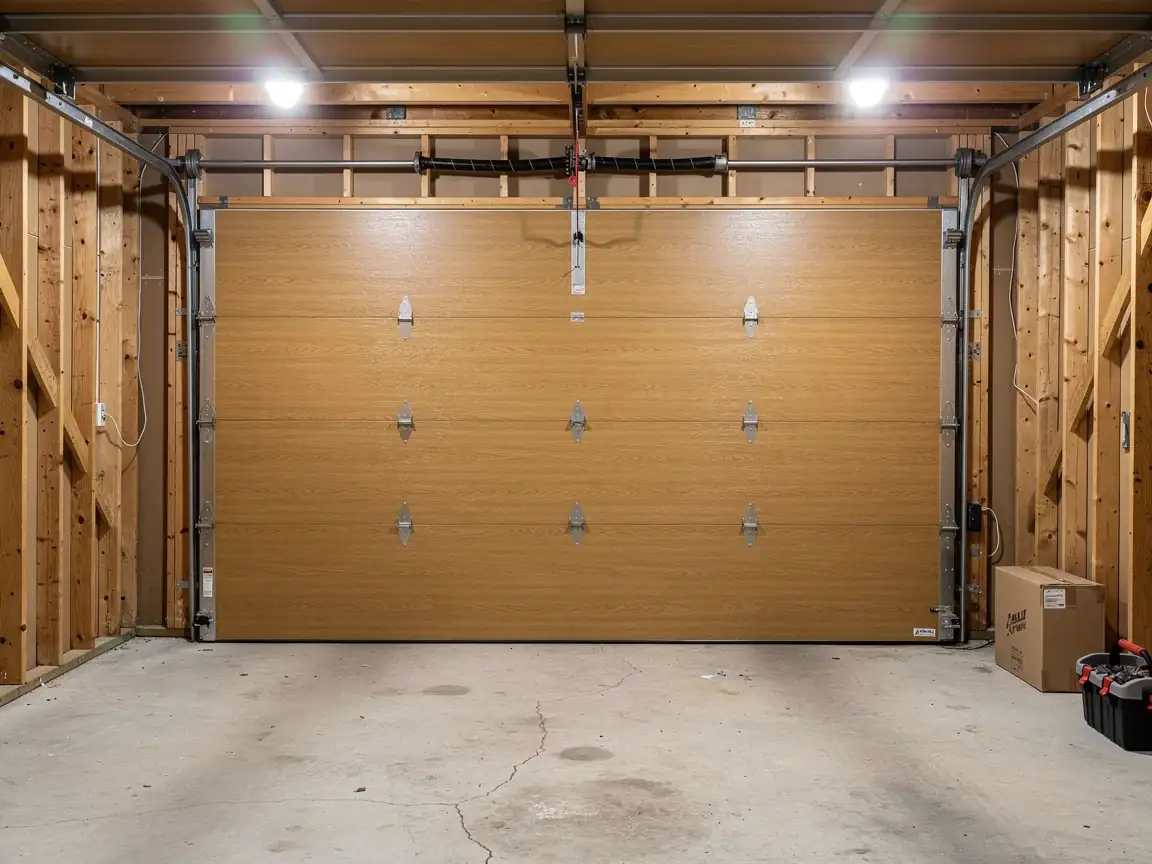
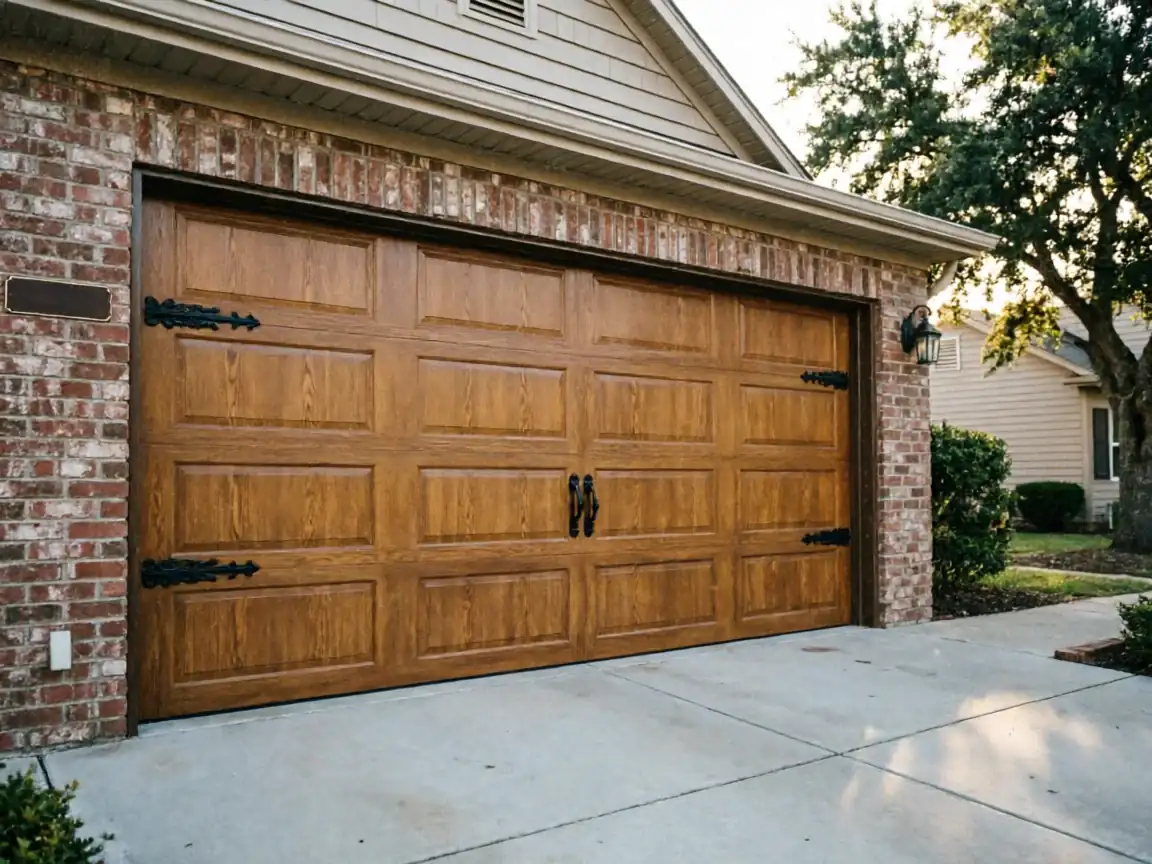
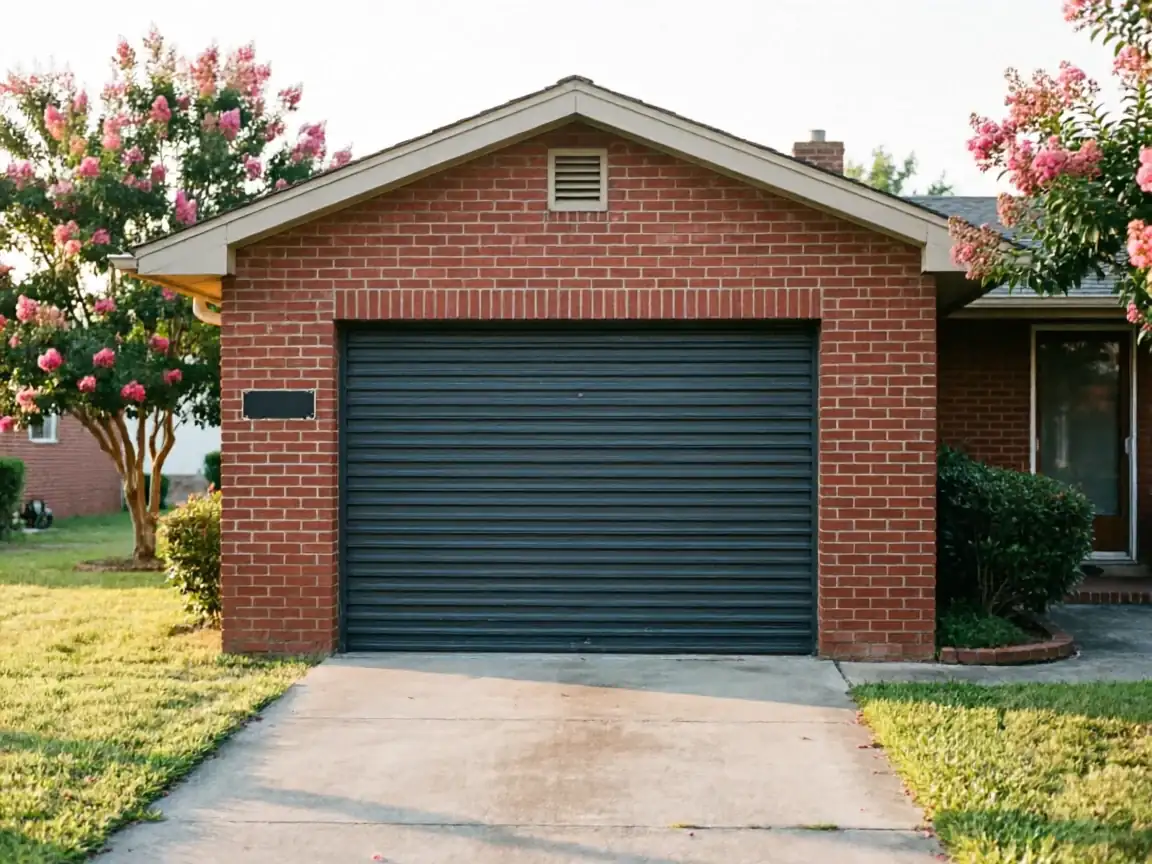
Nevada's housing stock skews newer than a lot of the area - the median build year here lands around 2009, compared to the broader mix of 1971-2012 construction you see across the rest of the service territory. Newer construction generally means standard steel sectional doors on factory torsion hardware rather than the older one-piece or wood doors that show up in the pre-1980s pockets elsewhere. That's good news for parts availability - torsion springs and rollers sized for 2000s-era doors are stock items, not special orders.
What we do still see here: worn nylon rollers after 10-15 years of daily cycling, opener circuit boards that struggle in the heat we get through a Texas summer, and torsion springs reaching the end of their cycle count right on schedule. The climate here runs moderate on heat relative to harsher zones, but garage interiors still run hot enough in July and August to stress opener logic boards and belt-drive units faster than the rated lifespan suggests. None of this is dramatic - it's just wear, on time.
Time on the Job
Most jobs in Nevada are single-door repairs
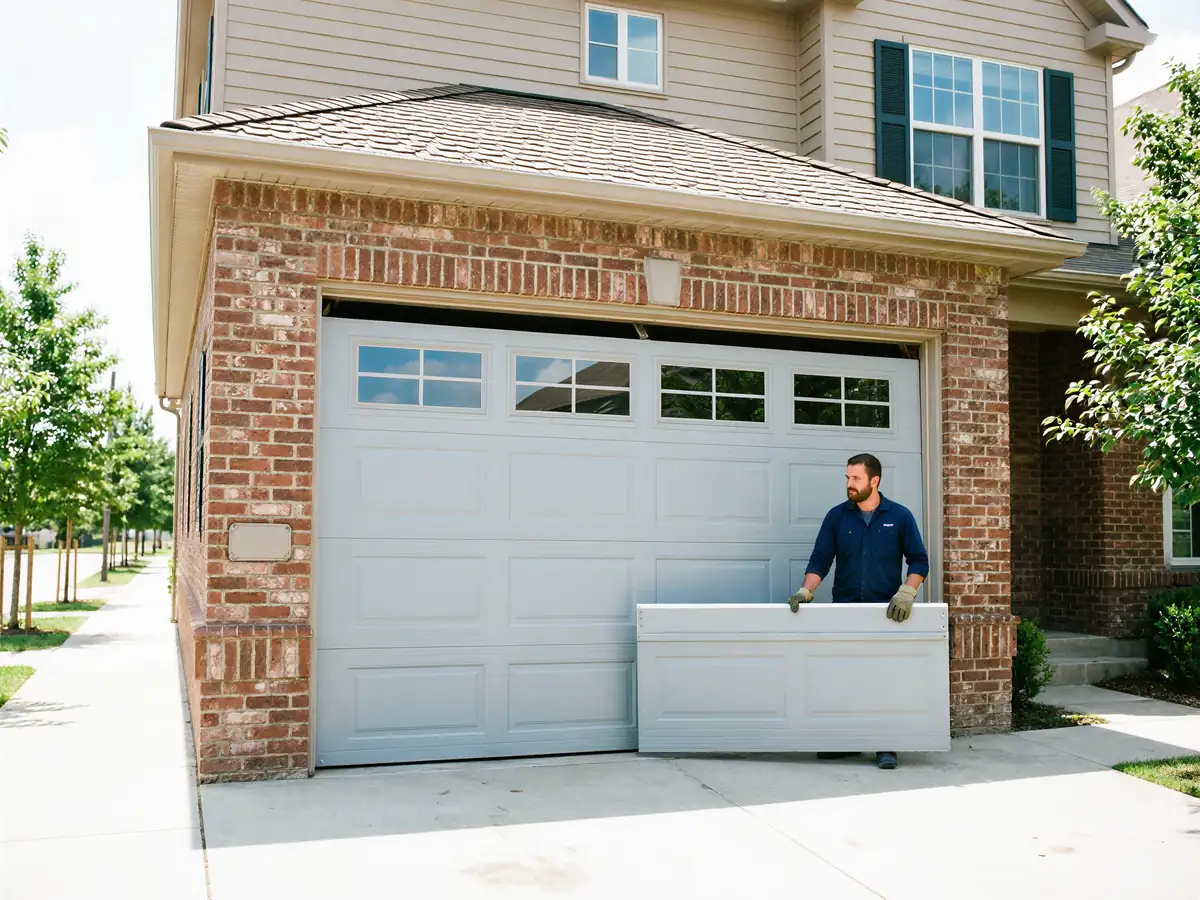
A spring swap, a roller set, an opener board replacement. On a newer door with factory hardware, that's typically a straightforward in-and-out job once we've diagnosed it over the phone or on arrival - there's rarely the kind of hardware mismatch you find on an older door that's been through two or three partial fixes over the decades.
We don't quote a fixed turnaround for Nevada specifically
Since every trip starts from Royse City and traffic on a given day affects when we can get there. What we can tell you is that once we're on site, a standard spring or roller job doesn't usually take all afternoon. Where it runs longer is when the opener itself needs replacing rather than repairing - ordering a specific logic board or drive unit can add a day or two if it's not something we're carrying on the truck that week.
What the Fix Involves
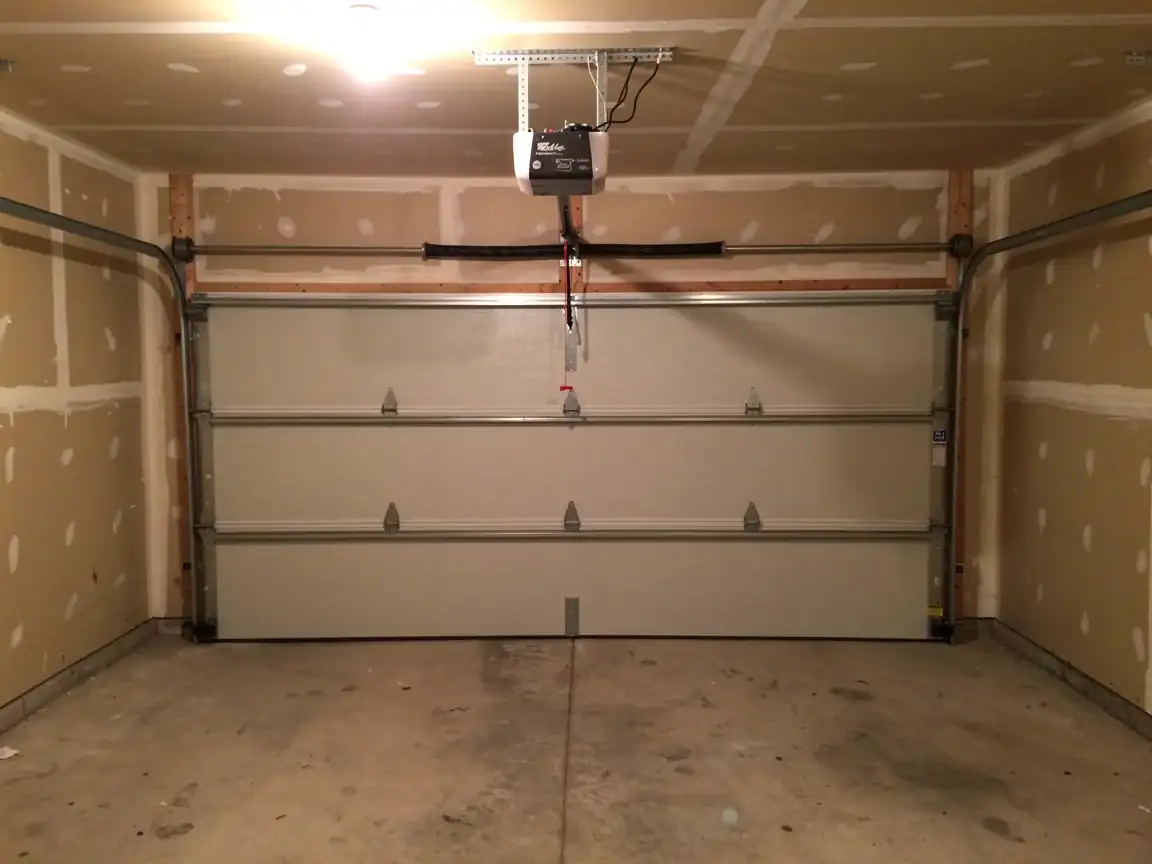
For a torsion spring replacement on a Nevada door, we're matching spring wire size and wind length to the door weight and the drum setup already installed - on 2000s-era doors that's almost always a standard dual-spring torsion system, so the match-up is quick. We check the cables and drums at the same time, since a spring failure often means the cable has taken extra wear it shouldn't have.
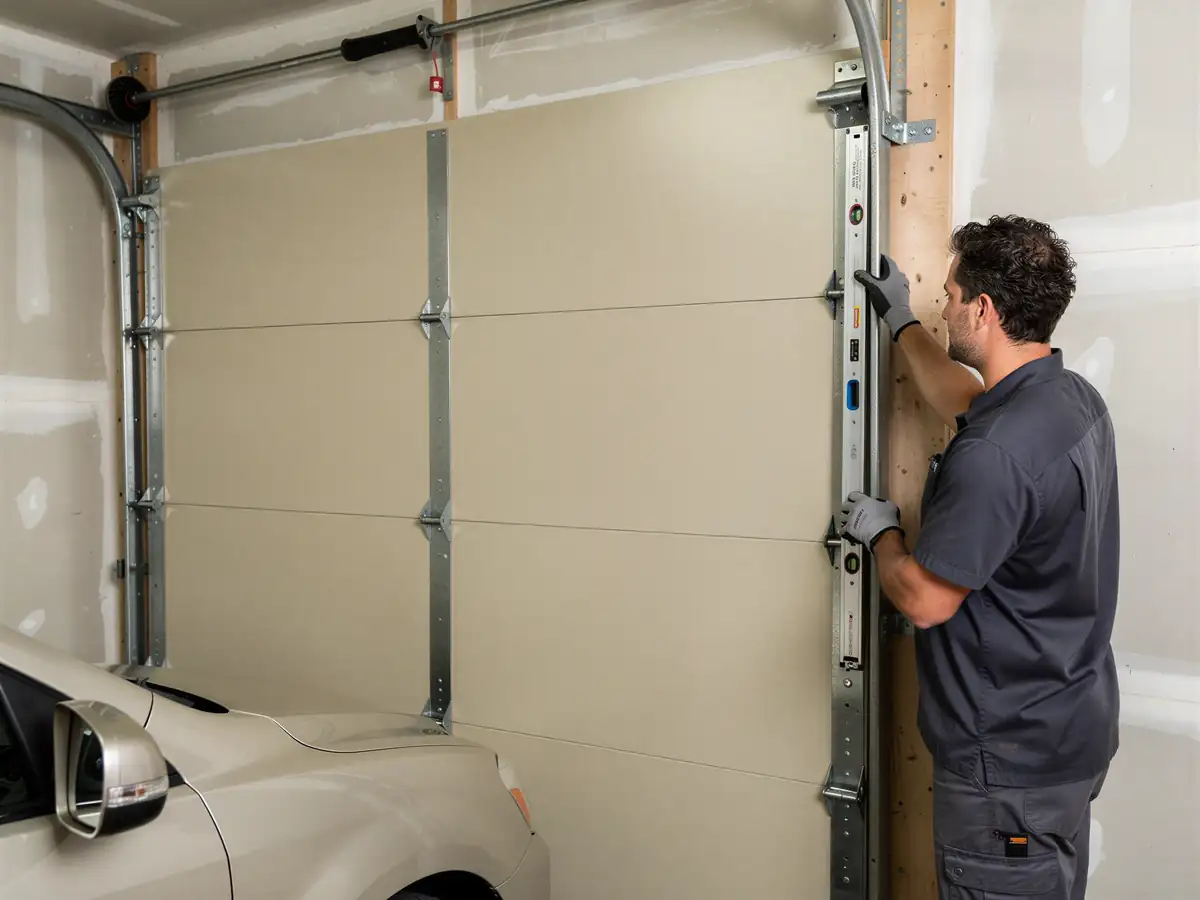
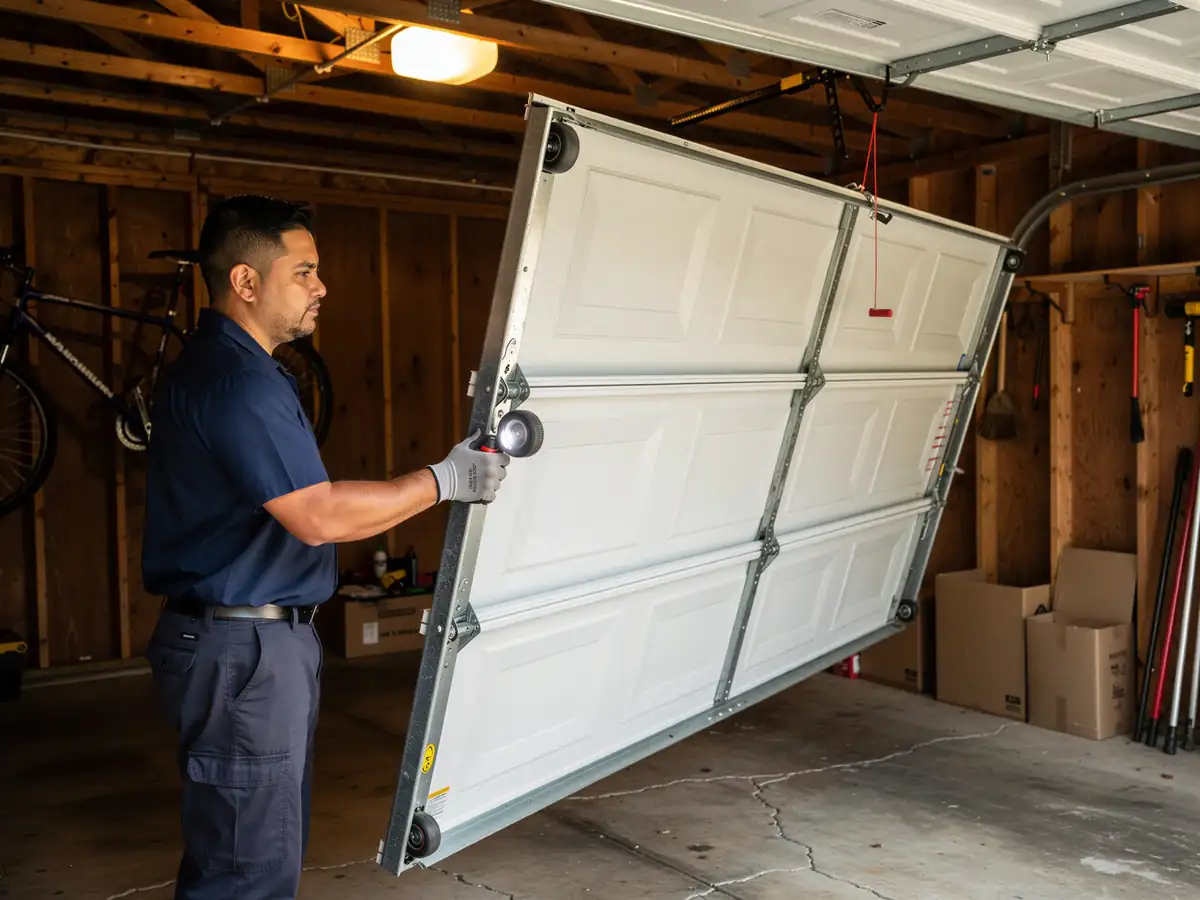
For roller and track work, the question is usually whether the track itself has racked out of alignment or if it's just the rollers that have worn down. We replace what's actually failed rather than the whole assembly - a track in good alignment doesn't need to come off the wall just because the rollers are shot.
One honest limit: if a door has been neglected long enough that the opener, springs, and rollers are all failing at once, patching each piece separately can cost more over a year than replacing the door and opener together. We'll tell you when we think that's where you are, even if it means a smaller invoice for us that day.
Parts We Carry
We stock the parts that match what's actually installed in a town built out mostly in the 2000s: standard torsion springs in common wire gauges, steel rollers (nylon and ball-bearing), galvanized cable, and the drive components for the major opener brands sold through that era. These aren't special-order items for Nevada - they're the same stock we carry for most of the service area, since the housing age here tracks close to the newer end of the broader 1971-2012 range.
What we don't keep on the truck is anything for older wood doors or discontinued opener models - if a Nevada home turns out to be an exception to the newer-build pattern, that part may need to be ordered, and we'll tell you the lead time before we start rather than after.