The DIY Question
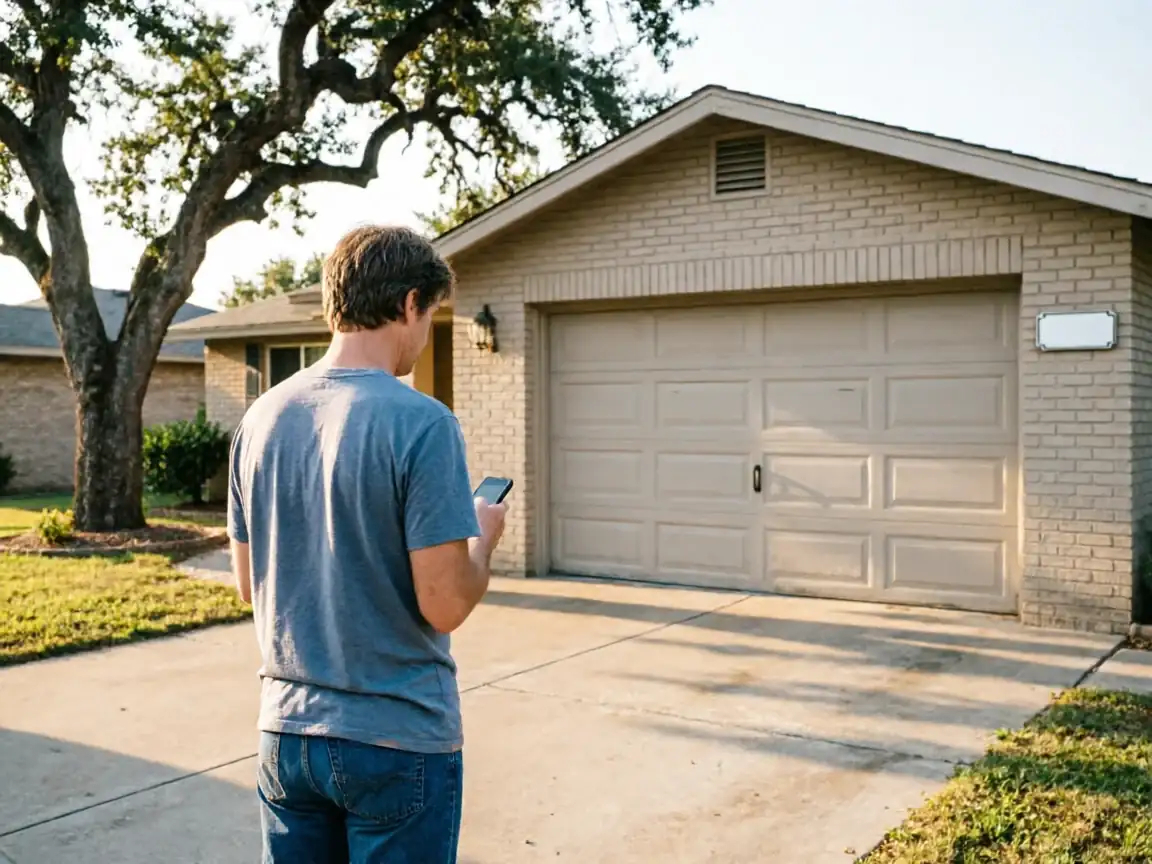
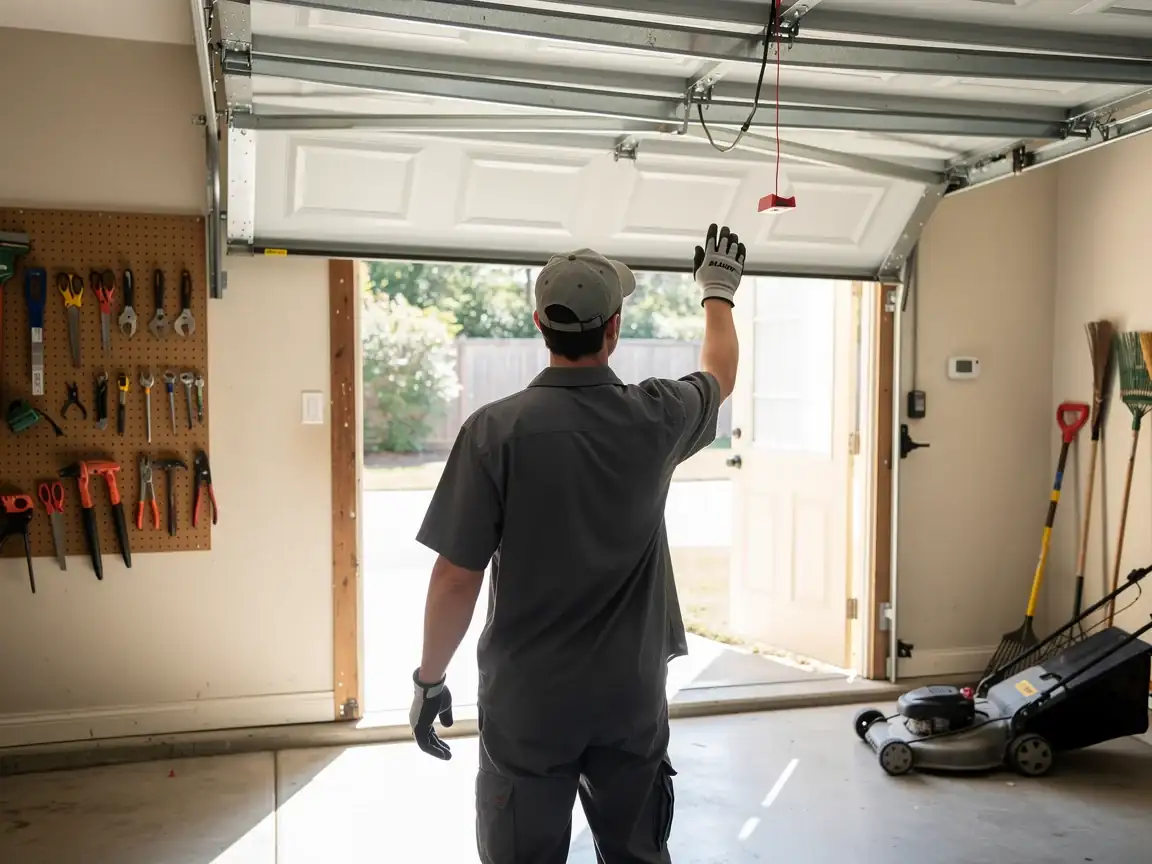
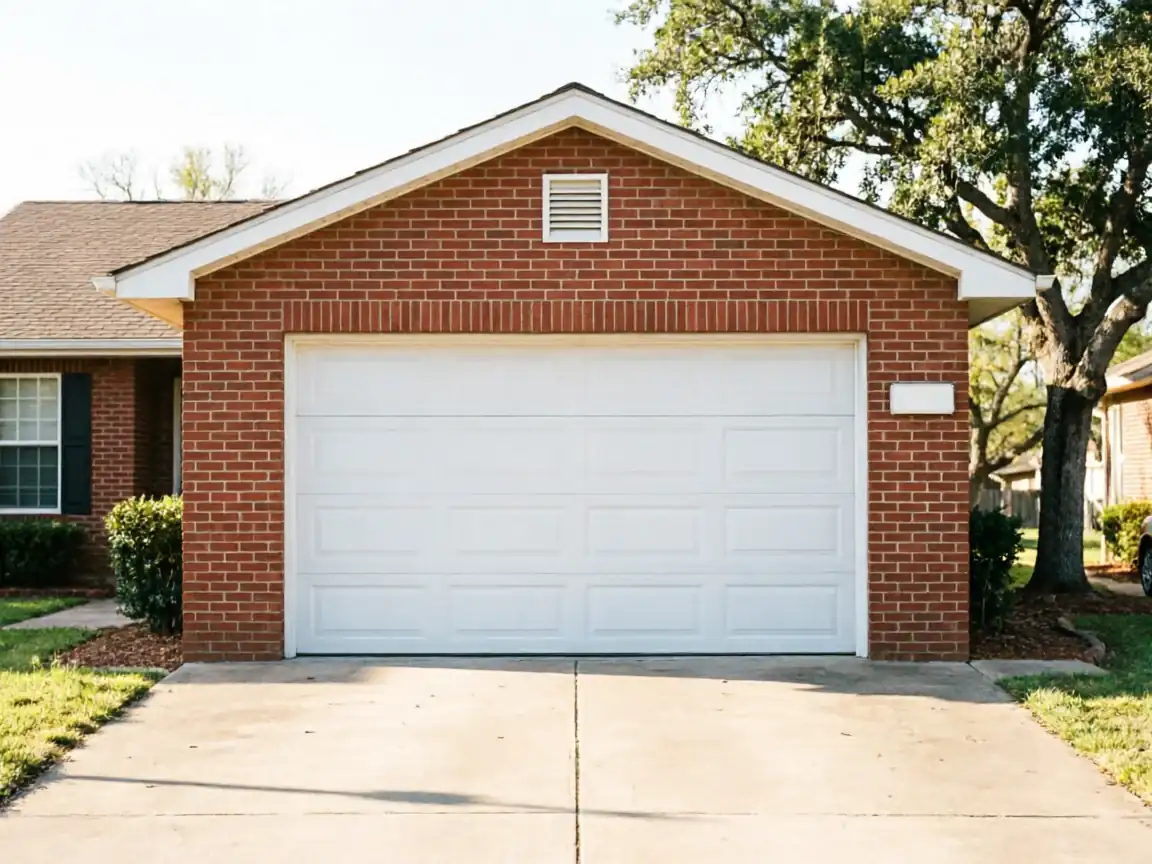
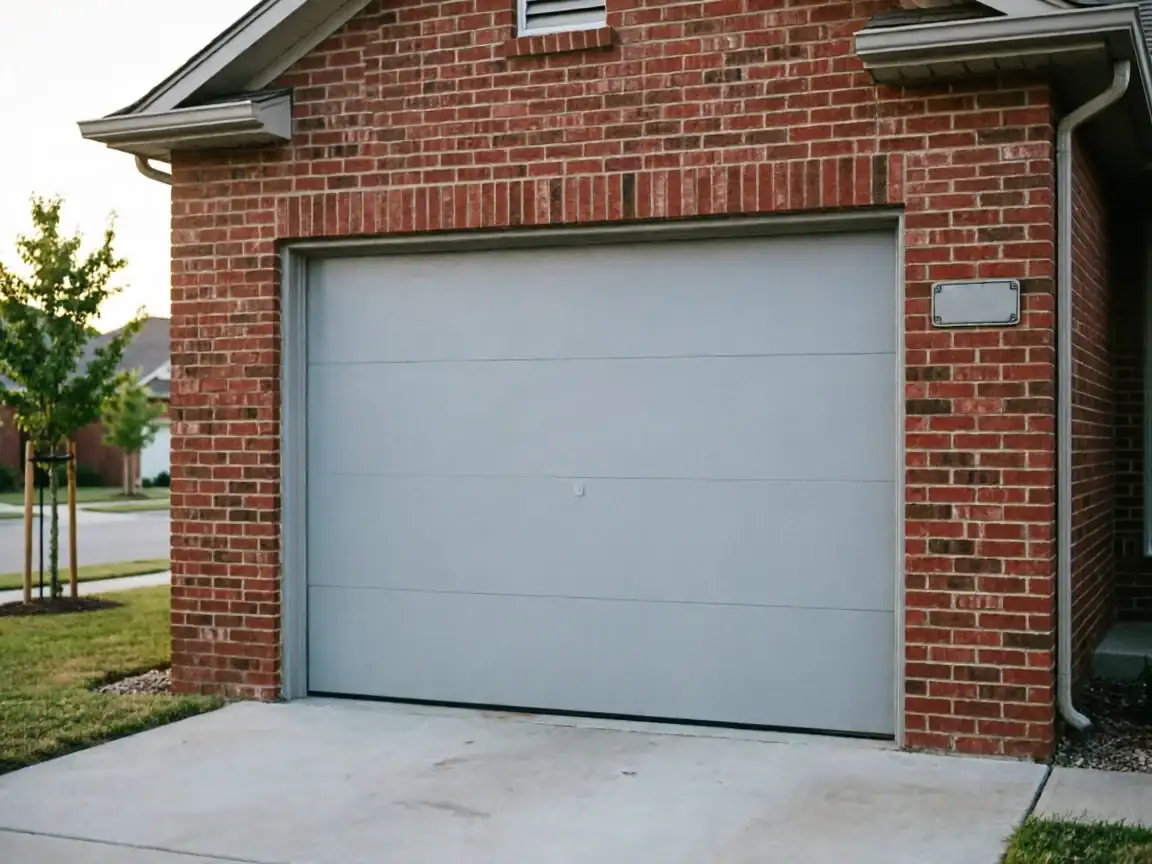
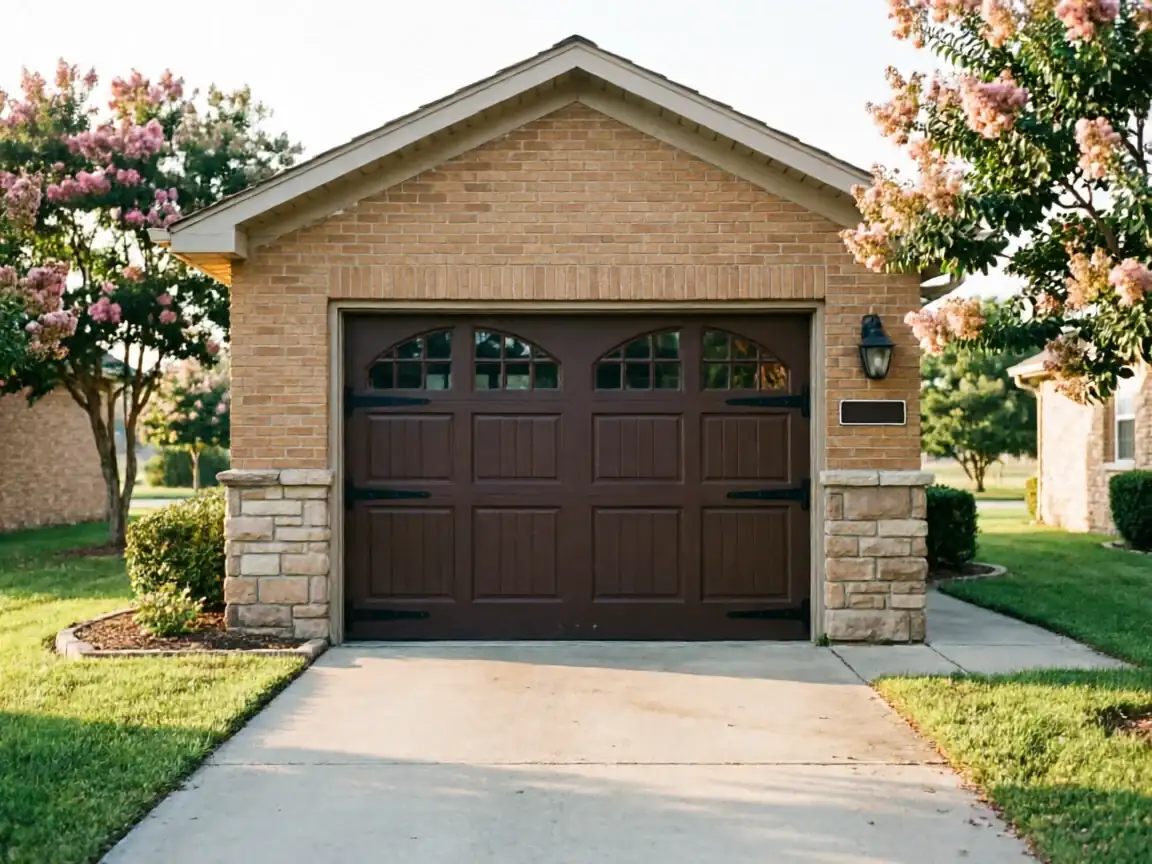
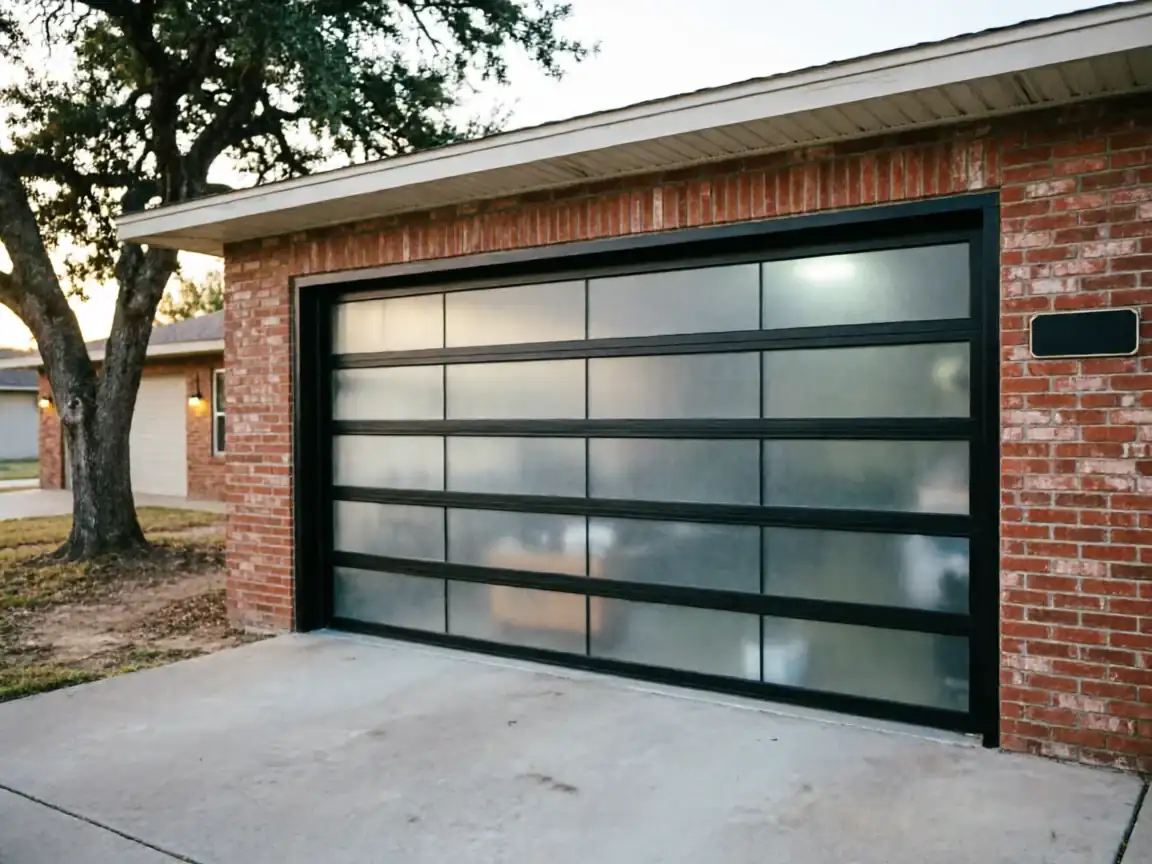
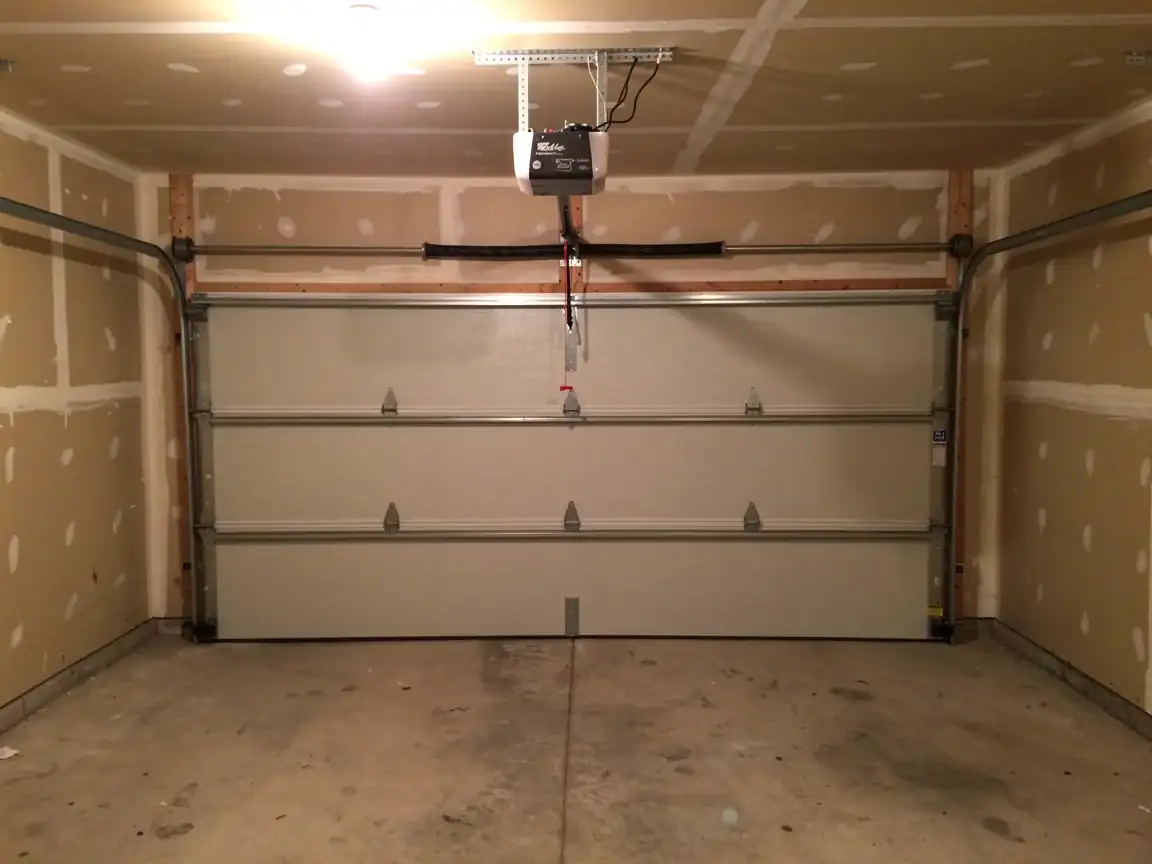
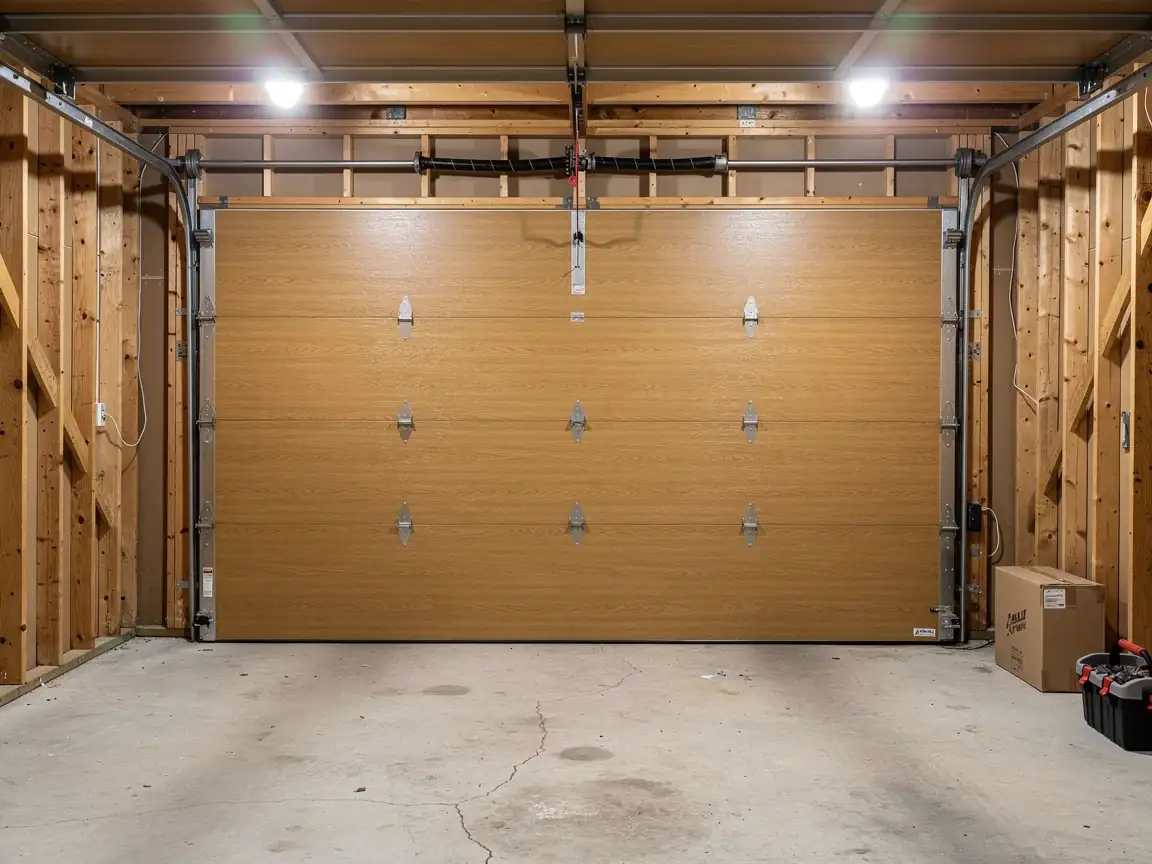
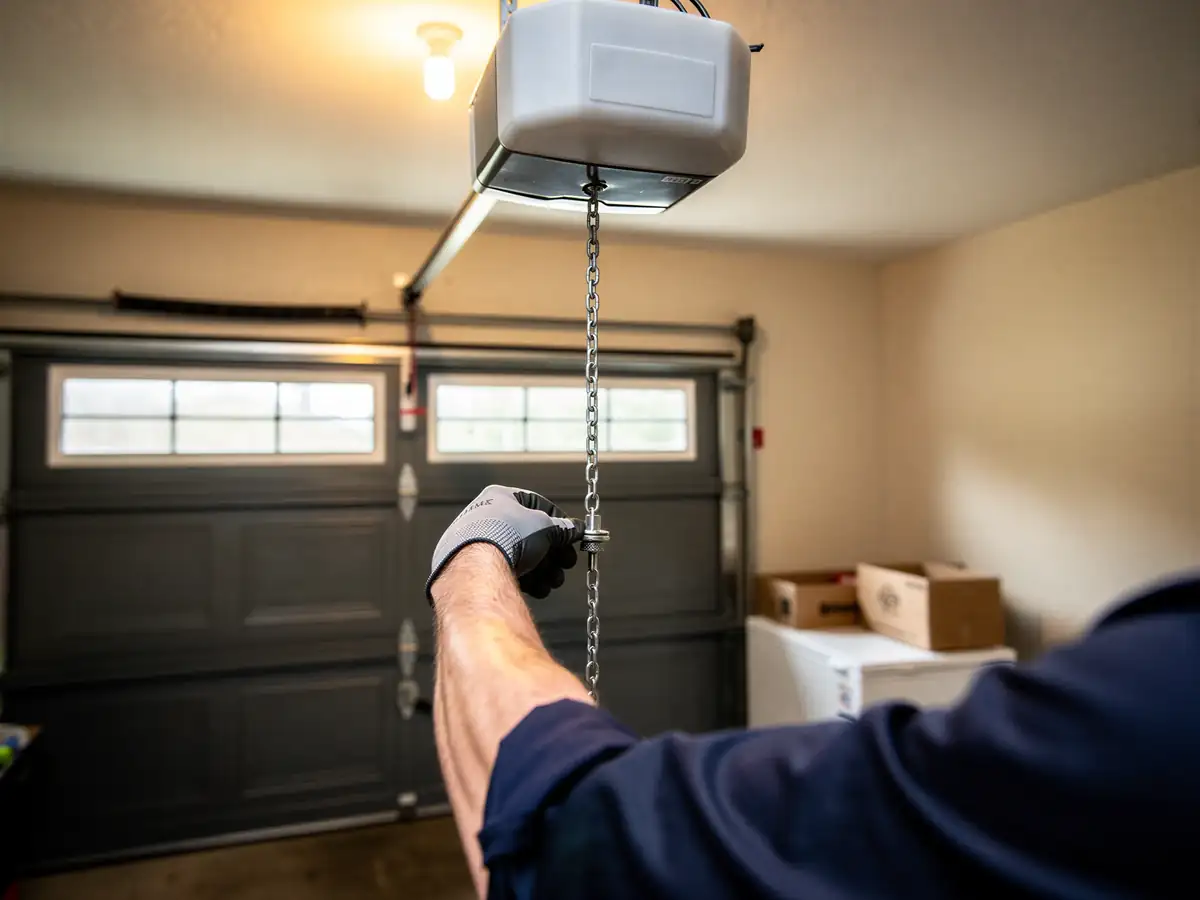
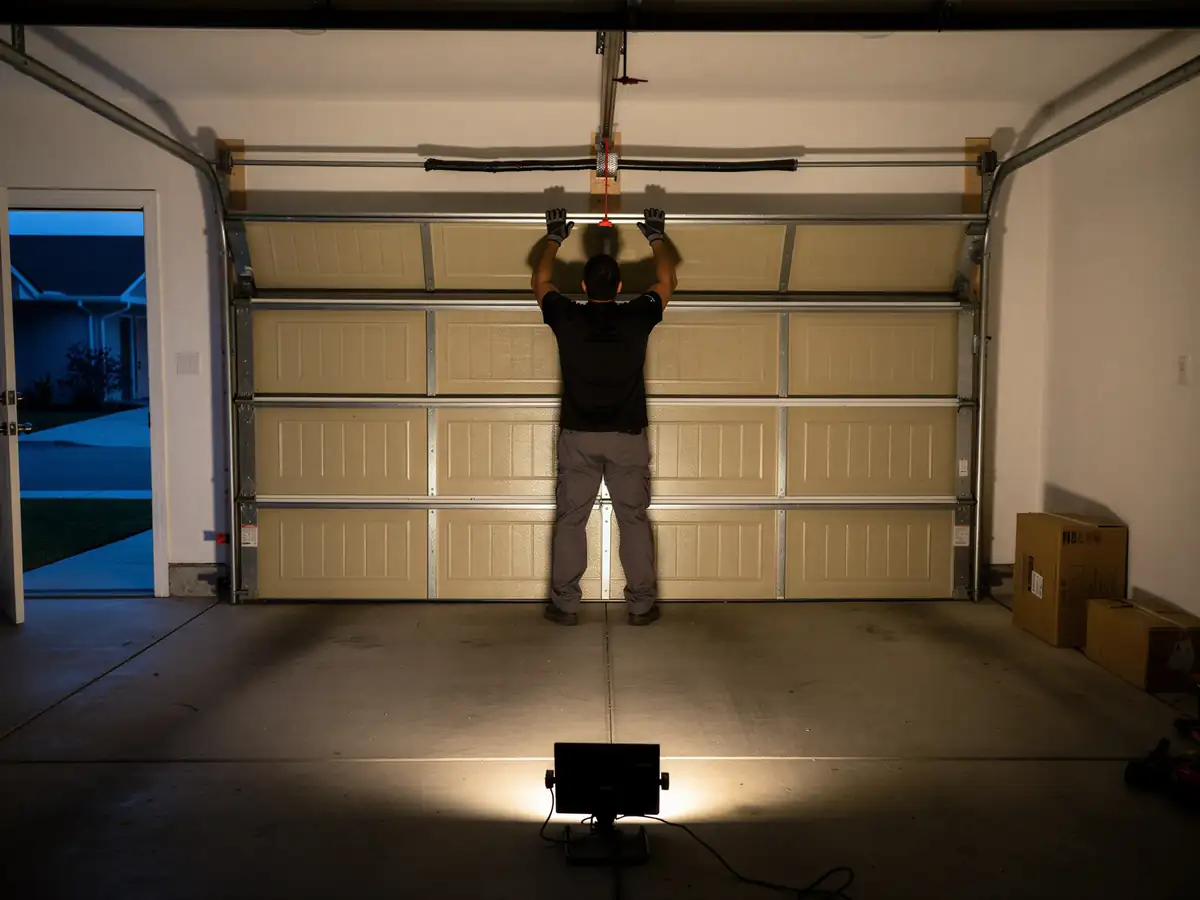
Most houses in Nevada went up around 2009, which puts this pocket a good decade ahead of the median build year across the wider Royse City service area (2000, with stock running 1971 to 2012). That gap matters more than it sounds. A door from 2009 almost always came with a steel torsion spring rated for a lighter composite or steel panel, a chain or belt-drive opener with a circuit board instead of a mechanical limit switch, and photo-eye sensors as standard, not retrofit. If your opener reverses before the door touches the floor, or the wall button lights up but nothing moves, you're usually looking at a sensor misalignment or a board fault, not a worn-out spring. Pulling the emergency release cord and trying to force the door by hand on one of these systems can bend the track guides, which is a cheaper problem than scrapped if you leave it alone and call. We'd rather talk you through what to check first than have you open something up that was fine to begin with.
What Can Go Wrong
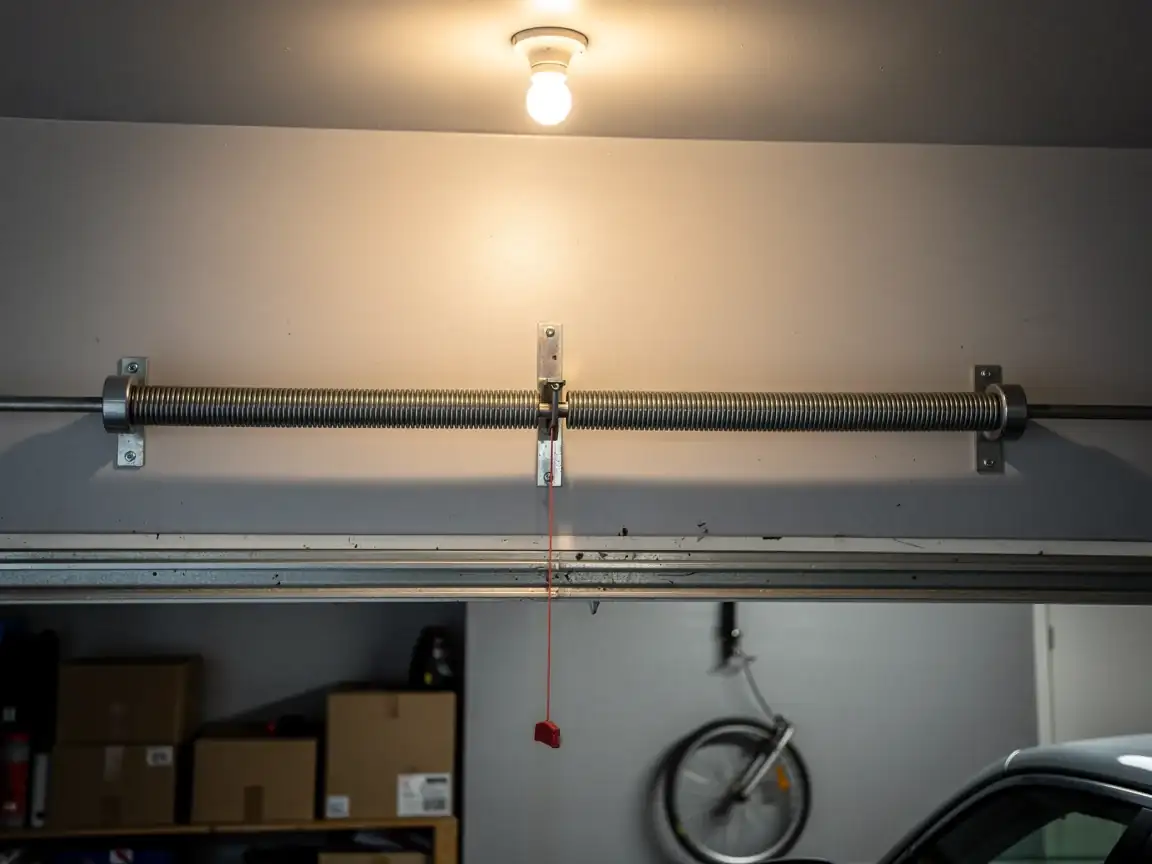
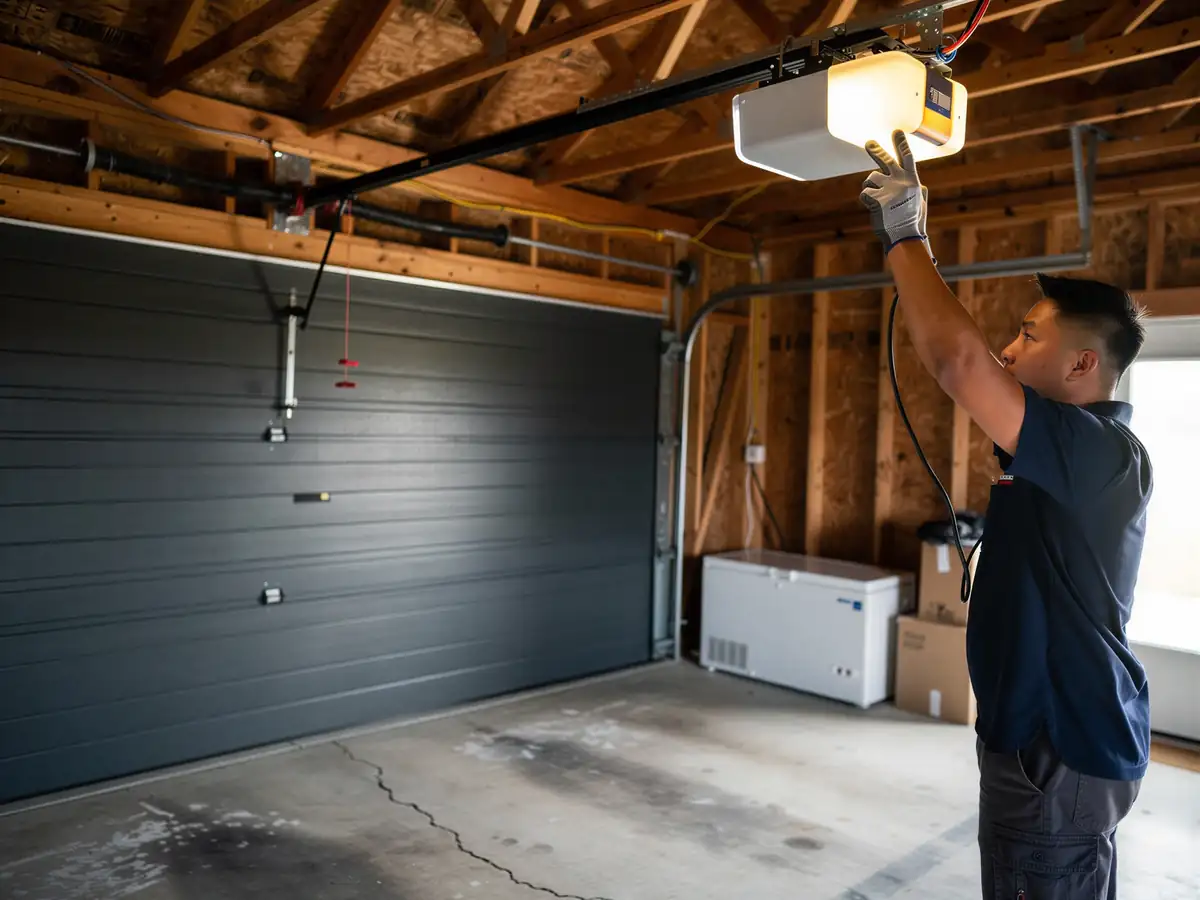
With roughly 427 households in this immediate area, the failure pattern here leans younger than what we see on older streets closer to Royse City proper. Expect opener logic board failures, worn drive belts on belt-drive units, and photo-eye sensors knocked out of alignment by a bike or a trash can rather than the broken one-piece doors and brittle extension springs that show up on pre-1980 stock. Torsion springs on 2009-era doors still wear out - they're rated for a cycle count, not a calendar - but they tend to go later here than on the older end of the service area. Cable fraying at the bottom bracket and roller wear are the same regardless of build year; nobody's rollers last forever.
What the Fix Involves
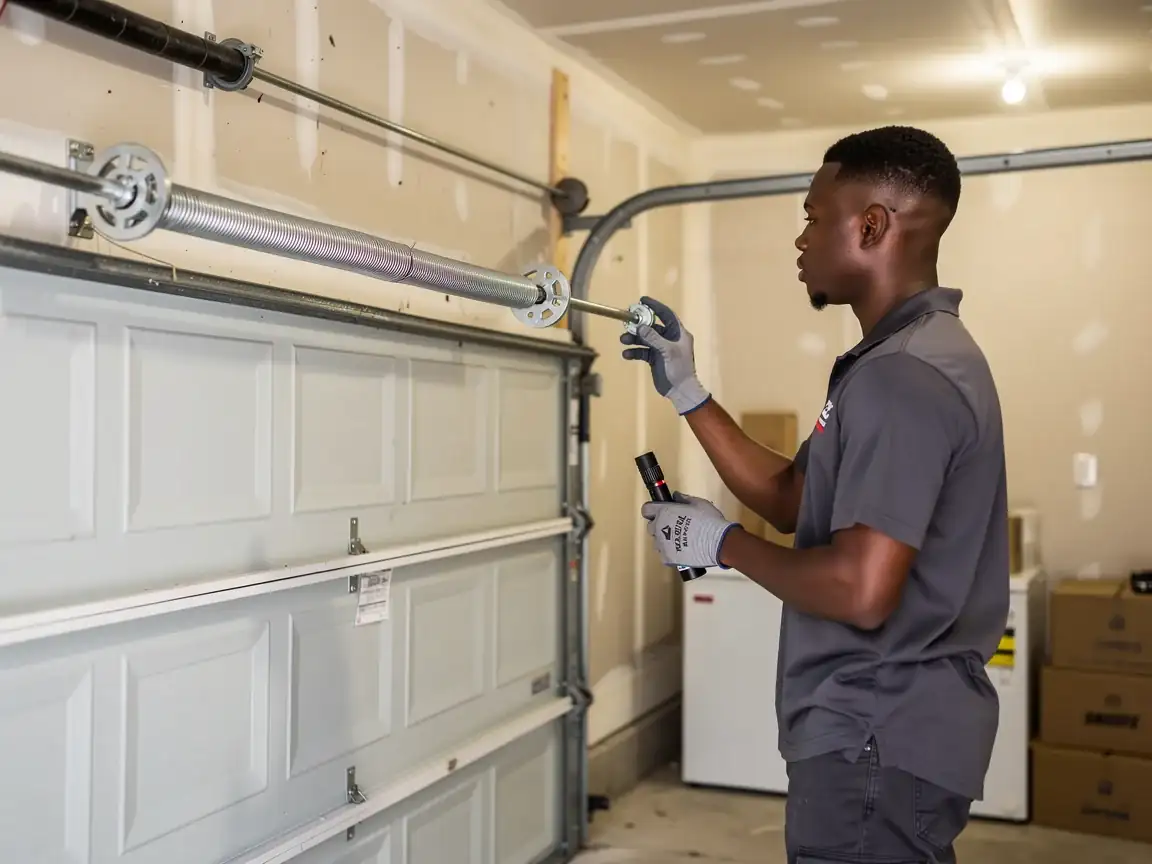
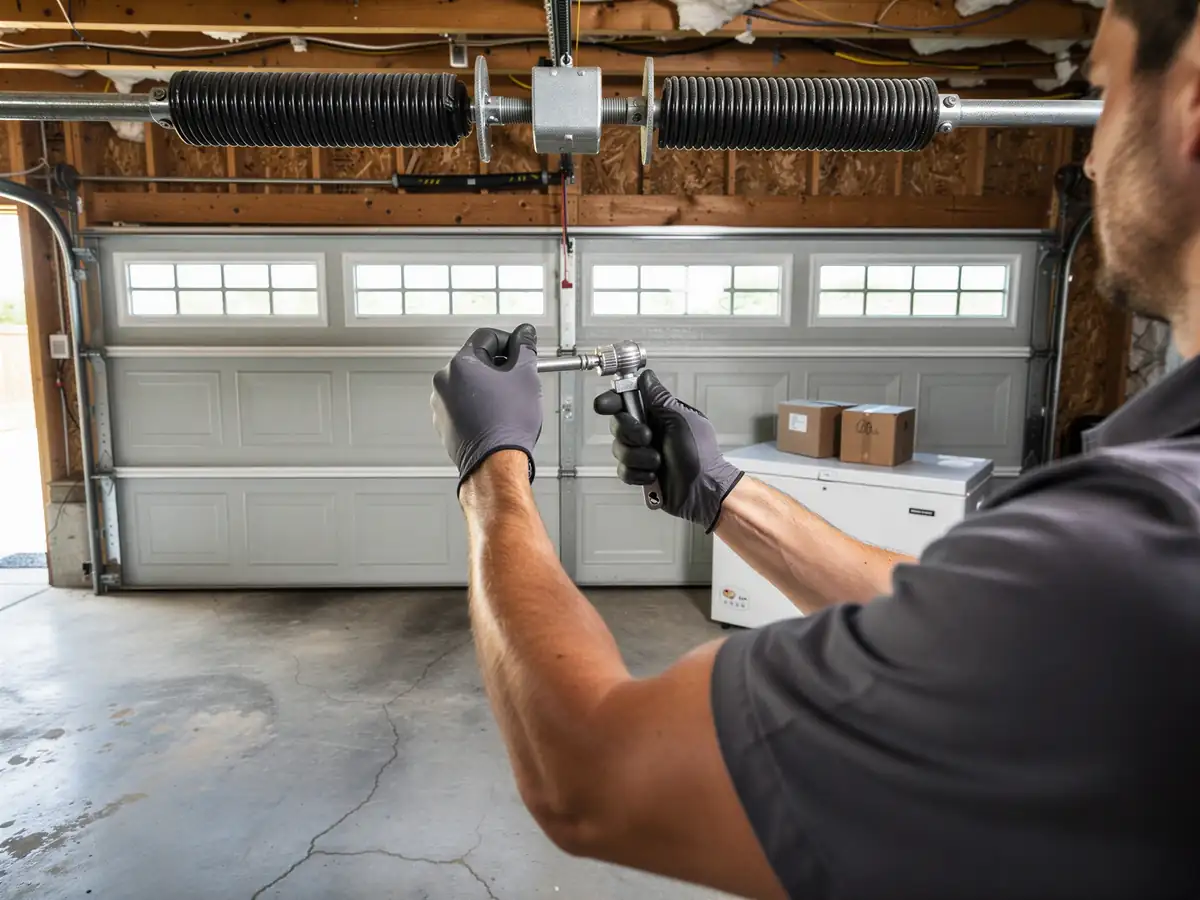
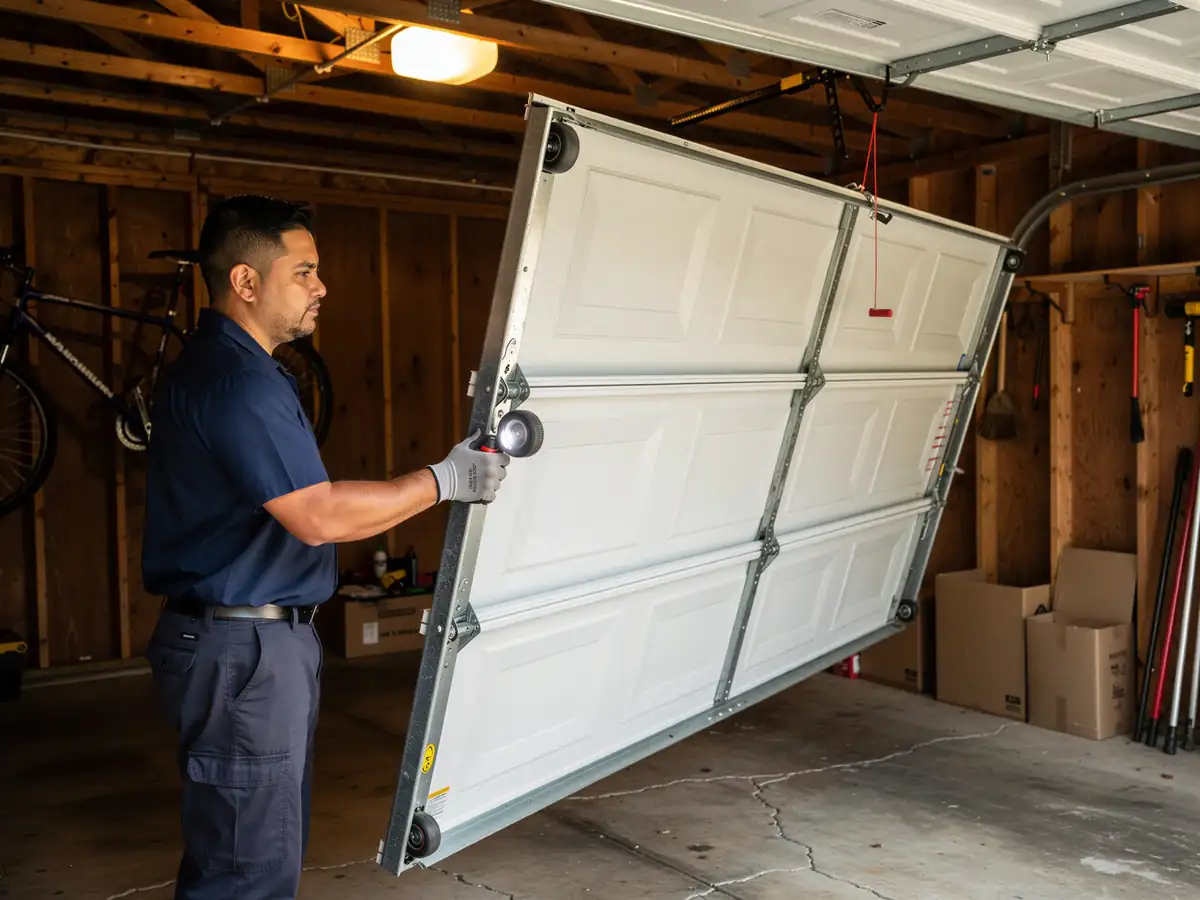
We start by checking the opener's circuit board and sensor wiring before we touch springs, since that's where most of the newer-stock calls here end up. If it is a spring, we match the wire gauge and wind to the door weight rather than grabbing whatever's closest - a 2009 steel door and a 1980s one-piece door do not take the same spring, and swapping the wrong one shortens its life fast. For track or roller issues we check alignment on both sides before replacing anything, since a bent track will chew through a new roller just as fast as an old one. On genuinely newer homes, cable and bracket wear is rare enough that if that's what's failing, we'll say so plainly rather than sell you parts you don't need yet.
Parts We Carry
We stock common torsion springs, standard rollers, cables, and photo-eye sensor kits that fit the belt and chain-drive openers typical of 2000s-built homes like most of what's in Nevada. Circuit boards for less common opener brands sometimes have to be ordered, and we'll tell you that up front rather than promise same-day on a part we don't have in the truck. If your door is one of the handful of older units in the area, we carry extension and torsion hardware for that era too, since the service area overall spans 1971 to 2012.