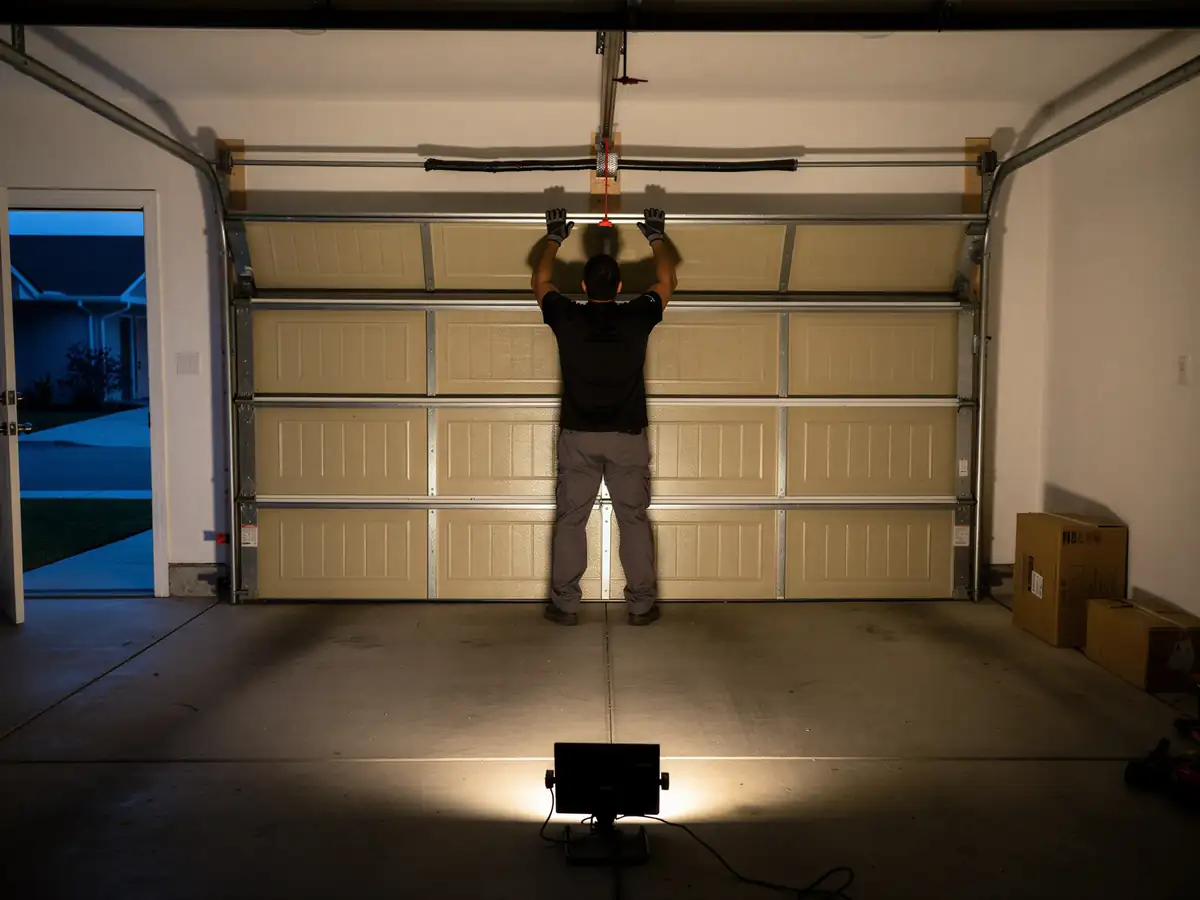
What the Fix Involves
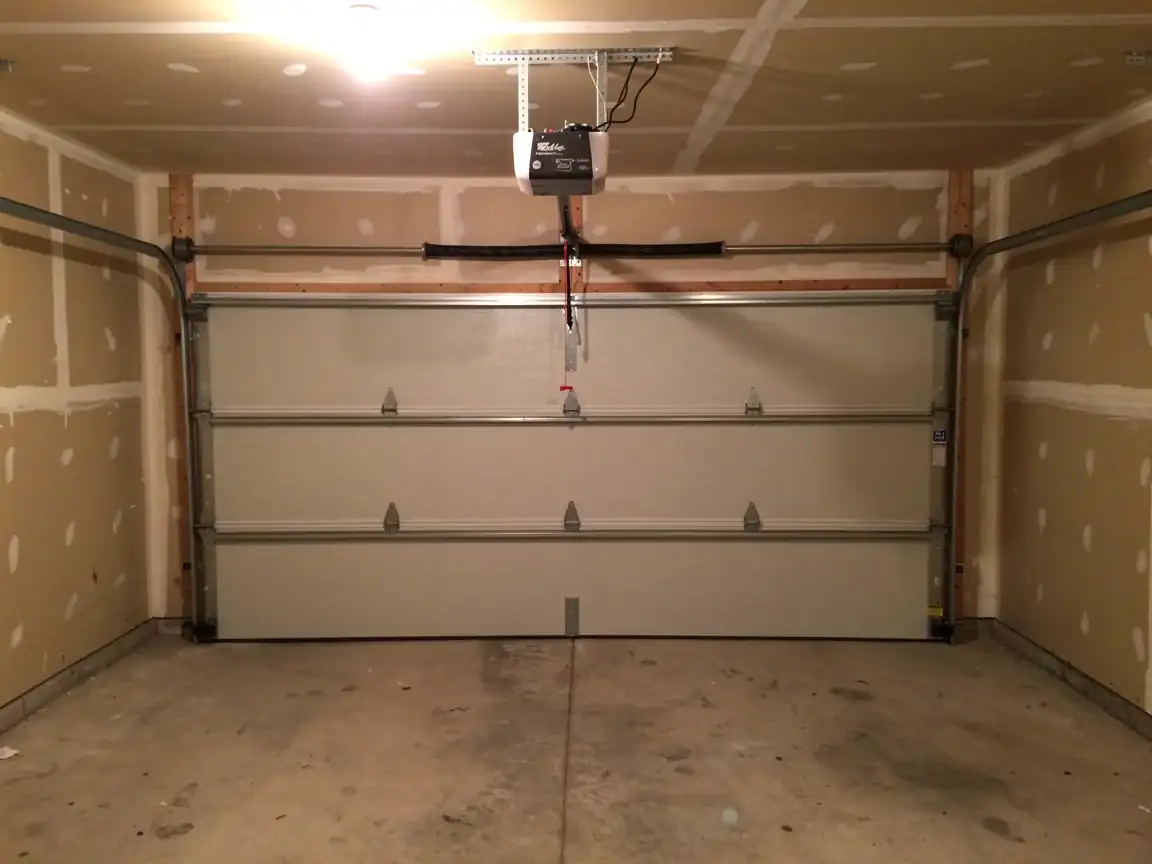
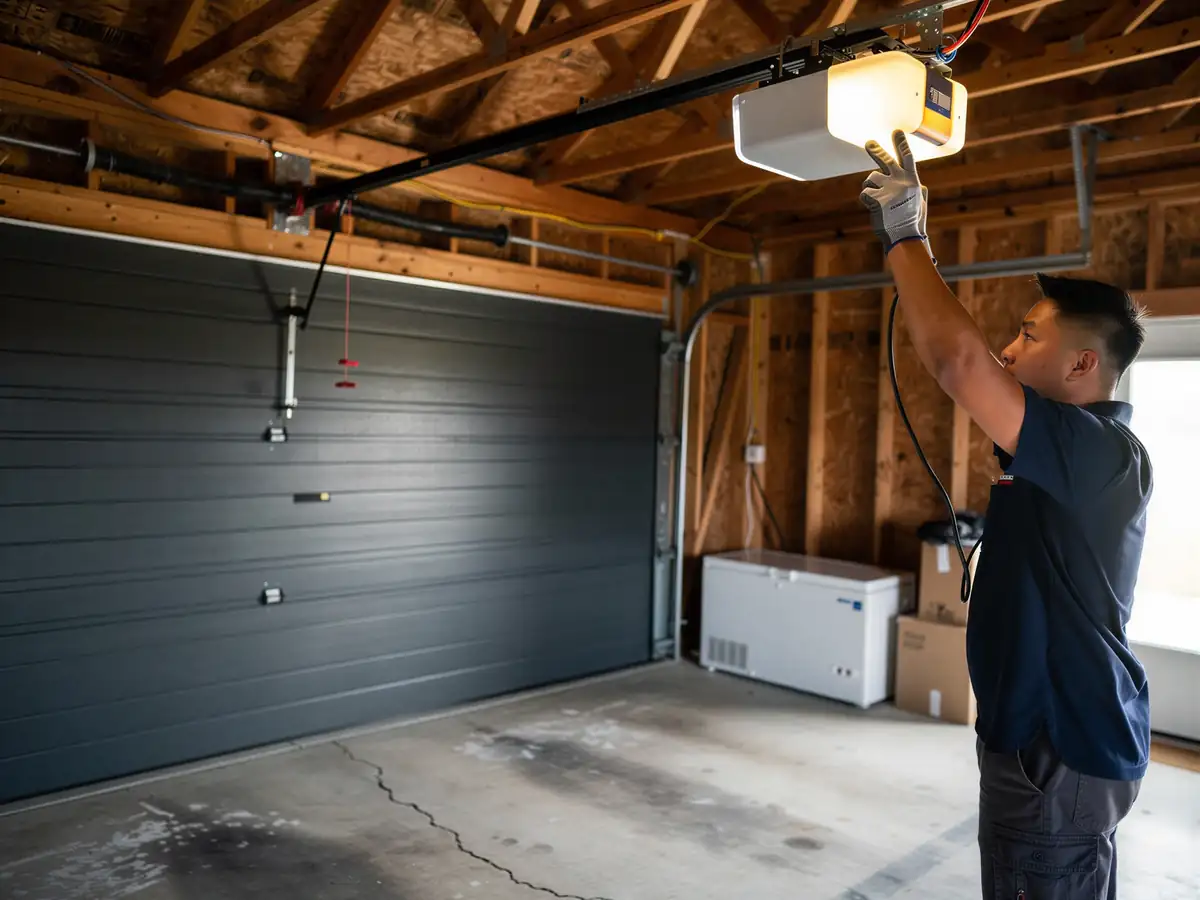
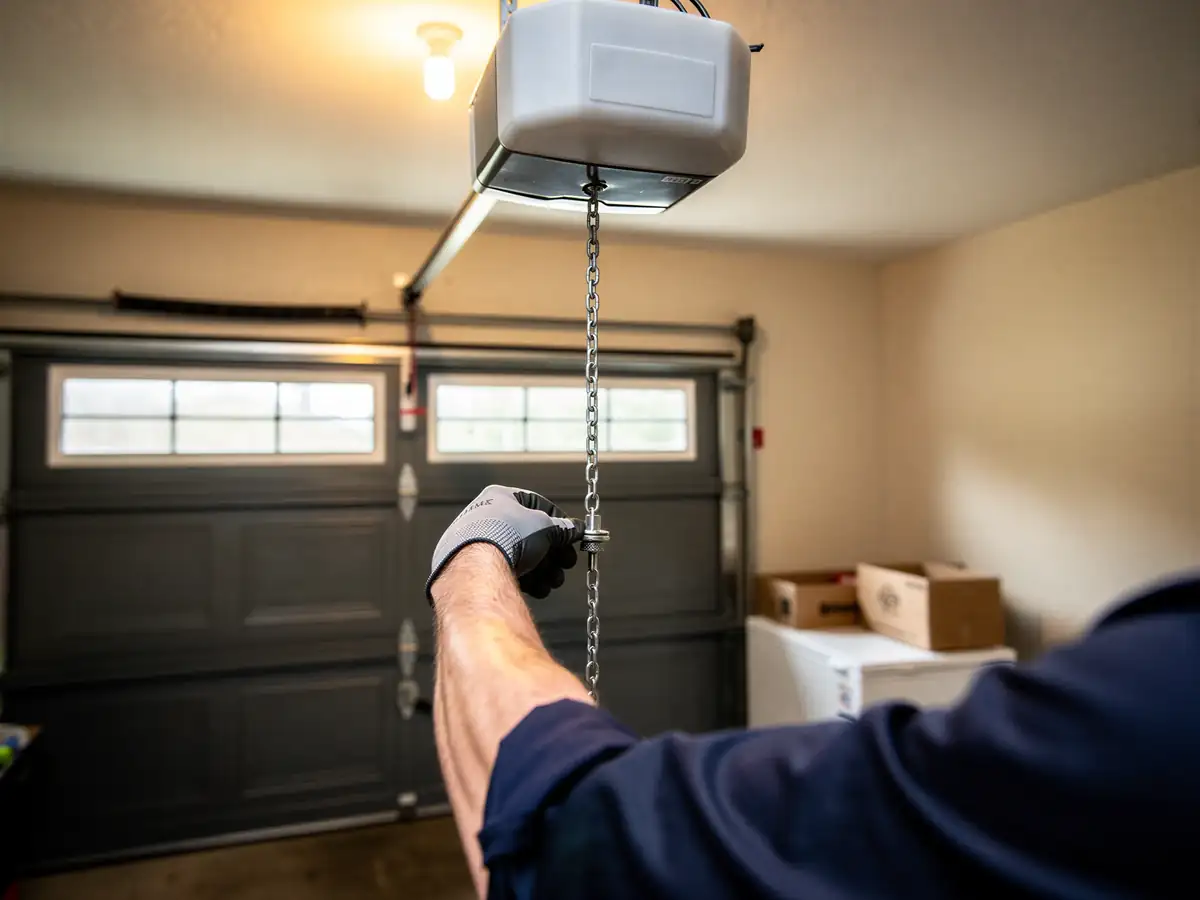
An opener repair almost never means a brand new unit. Most calls break down into one of three jobs: a logic board that's stopped talking to the wall switch or remote, a drive mechanism (chain, belt, or screw) that's stripped or slipping, or a safety sensor pair that's out of alignment and throwing a flashing light instead of closing the door.
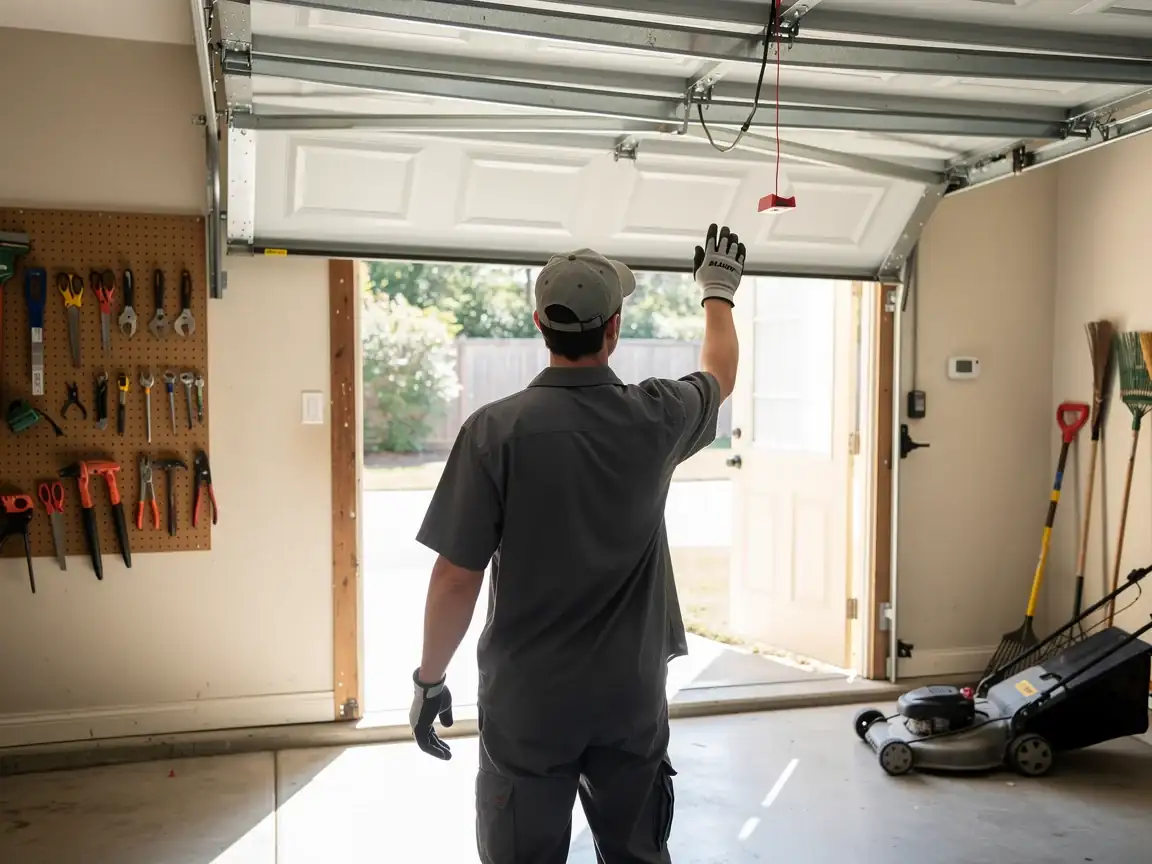
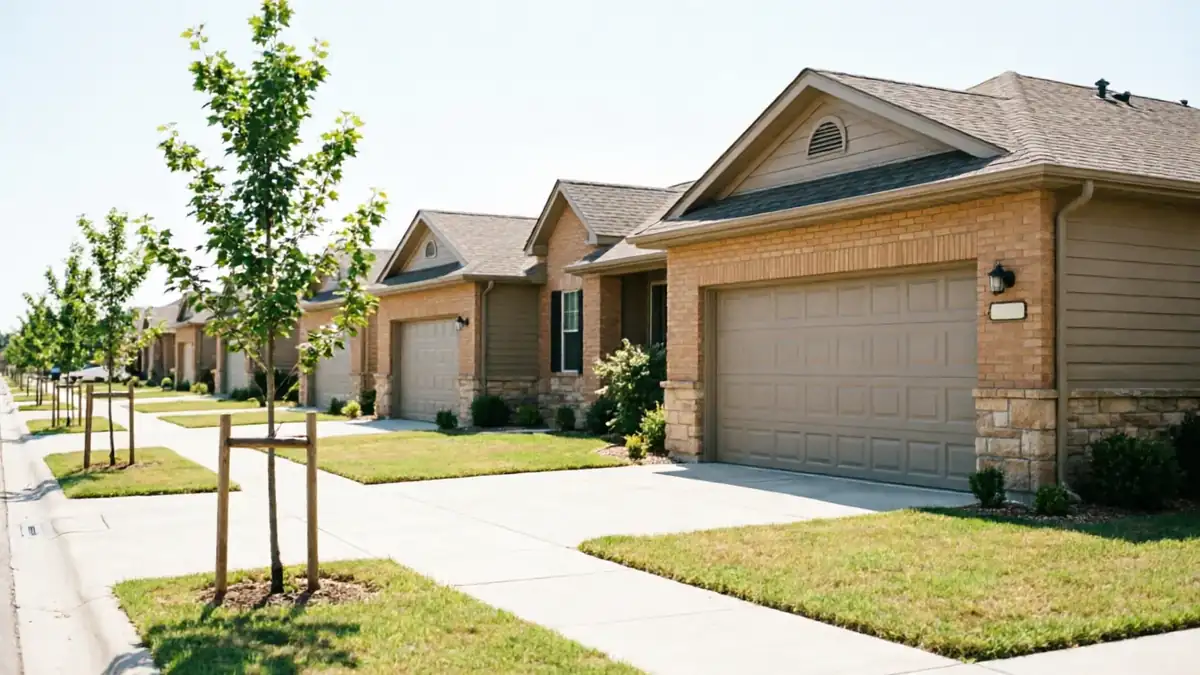
We start by running the opener through its cycle and watching where it fails - does it hum and not move, move partway and reverse, or ignore the remote but obey the wall button. That tells us whether we're inside the motor housing or out at the track and sensors. In this service area, housing built from 1971 through 2012, with the bulk going up in the 2000s, means a lot of openers are original equipment from that construction wave. Original units from the early 2000s are now 20-plus years old, which is past the working life of the capacitors and gear sets inside most residential openers.
We test the travel limits, the force settings, and the logic board separately rather than guessing and swapping the whole head unit. If the board or the drive gear is the actual failure, that's a part swap, not a system replace, and it costs you less and takes less of your day.
Why This Fails Locally
This area sits in a moderate-heat climate band, and that matters more for openers than people expect. The motor housing and logic board sit directly under the roofline of an attached garage, which in summer becomes one of the hottest rooms in the house. Heat cycling - hot all day, cooler at night, repeated for years - is what kills capacitors and solder joints on a logic board well before the drive mechanism wears out mechanically.
Because most housing in the service area dates to the 2000s, a large share of openers in use now are reaching the end of that heat-cycle life at roughly the same time. That's not a coincidence tied to one neighborhood; it's the stock turning over in step with when the subdivisions were built. We see the same board-level failure pattern across the 16 communities we cover, not because the brands are bad, but because the units are aging out together.
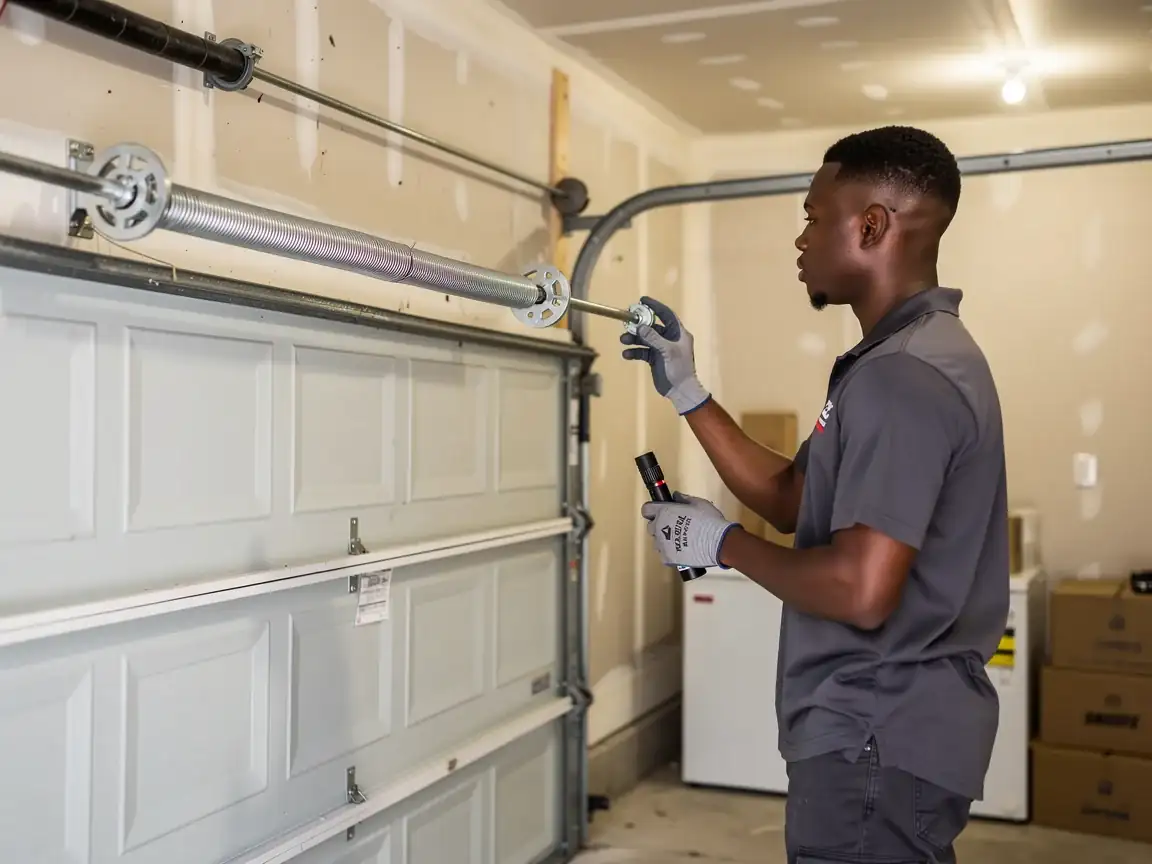
The mechanical side fails differently. Chain and belt drives that were installed with 2000s-era construction are also due for gear sprocket wear, and a worn sprocket shows up as a grinding noise or a door that stutters partway through its travel rather than a clean open or close.
What You Are Seeing
The door won't respond to the remote but works from the wall button
That's almost always a remote battery or a logic board receiver issue, not the motor.
The opener hums but the door doesn't move
Check the drive gear first; a stripped plastic gear inside the motor housing is a common and inexpensive fix.
The door reverses right before it touches the floor
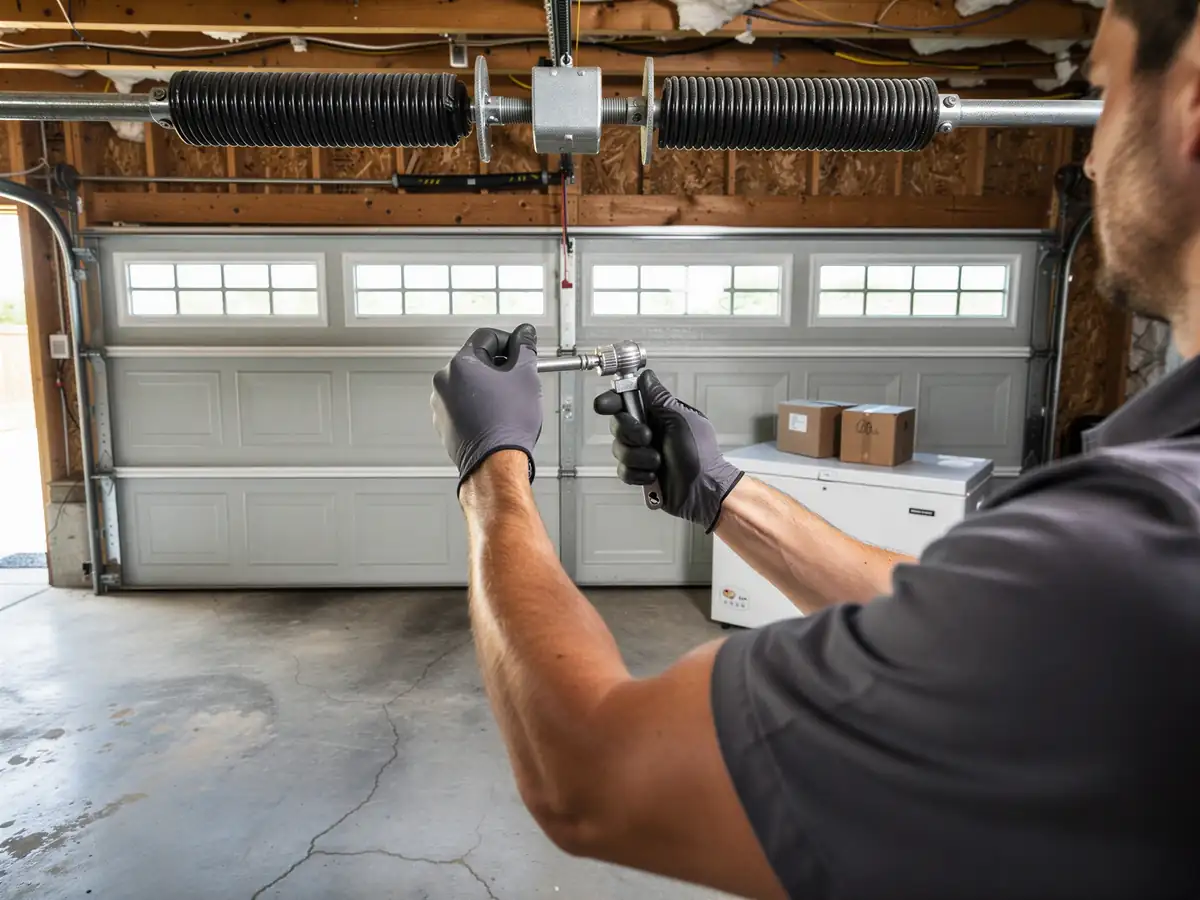
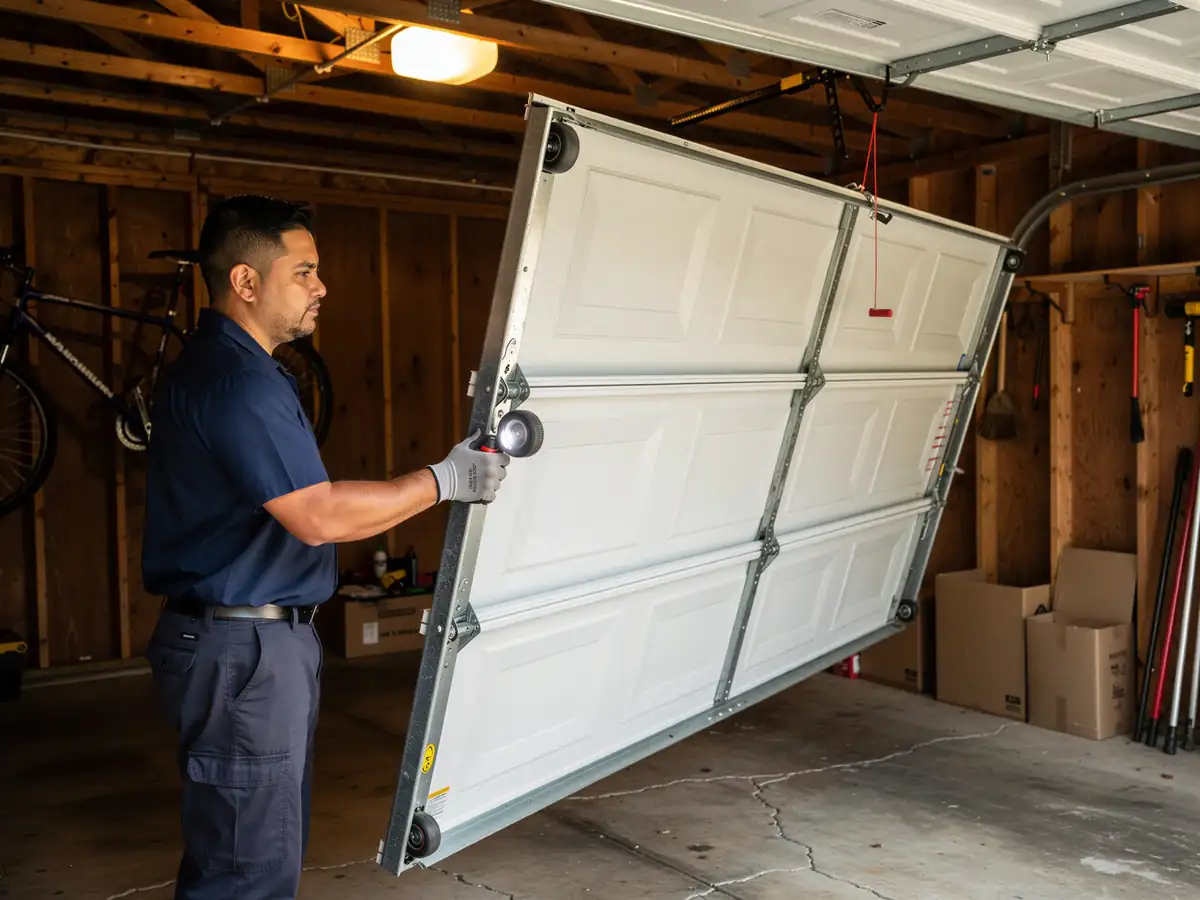
That's the safety sensors or the down-force limit set too aggressively, not a broken spring, though we check the spring too since the symptoms can overlap.
Lights flash and the door won't close at all
One of the two photo-eye sensors near the floor is misaligned or has something blocking its line of sight.
The opener runs but makes a grinding or chain-slap noise
Worn sprocket or a chain that's lost tension, both of which get worse the longer you run the opener.
Any of these can show up in a house from any decade
But given that most homes in this service area are 2000s-era construction, logic board and sprocket wear are the ones we see most.
What It Costs
We don't have a flat number to quote here because the honest range depends on what's actually broken - a sensor realignment is a short visit, a logic board swap is a parts cost plus labor, and a full opener replacement is a bigger job than either. What we can tell you is how we price it: we diagnose first, tell you which of those three buckets you're in, and quote before we start any repair beyond the inspection.
One limitation worth saying plainly: if your opener is a discontinued model from the early 2000s, the exact logic board may not be stocked by the manufacturer anymore. When that happens, we'll tell you straight that replacement is the more sensible move rather than waiting on a part that may not show up. We won't order a part we can't get in a reasonable window and leave your door down in the meantime.
Households in this service area have a median income of $117,428, and most of what we see here is a repair-first call rather than a replace-first one - people want the opener working again, not a reason to spend more than they have to.