What the Weather Here Does to It
Royse City sits in a moderate-heat climate band, which means we don't see the brutal freeze-thaw cycling that tears up hardware in colder parts of the country, but we also don't get a break from the sun. A steel door panel sitting in full afternoon heat expands and contracts every single day, and over a couple decades that cycling works springs and hinges loose even if nothing ever looks obviously broken. Most of the housing in this area went up between 1971 and 2012, with the heaviest concentration in the 2000s, which means a lot of garage doors around here are now twenty-plus years into that heat cycling without anyone having looked at the springs since the house was built. It's not dramatic failure, it's slow wear: a torsion spring that's lost a little tension, a roller that's gone slightly out of round, an opener gear that's worn down a few thousandths of an inch at a time. None of that shows up as an emergency until the day it does.
Leaving It Alone
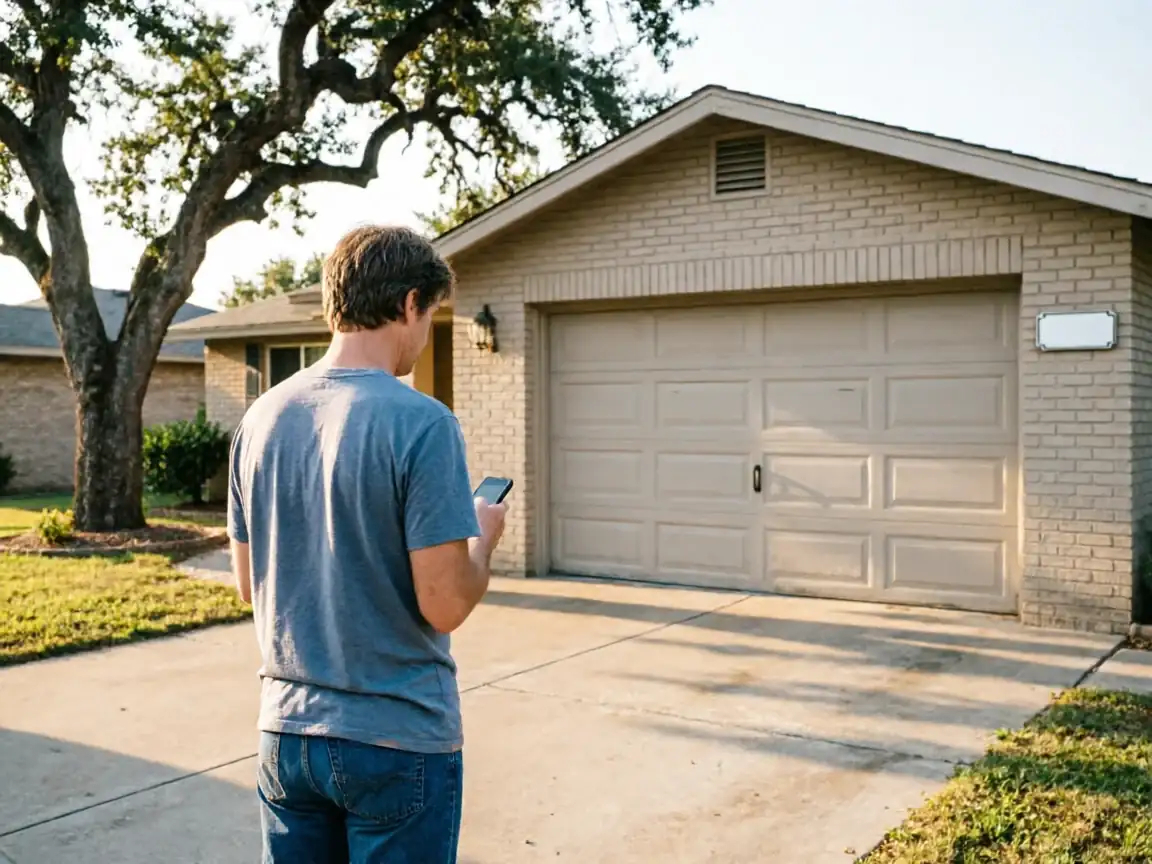
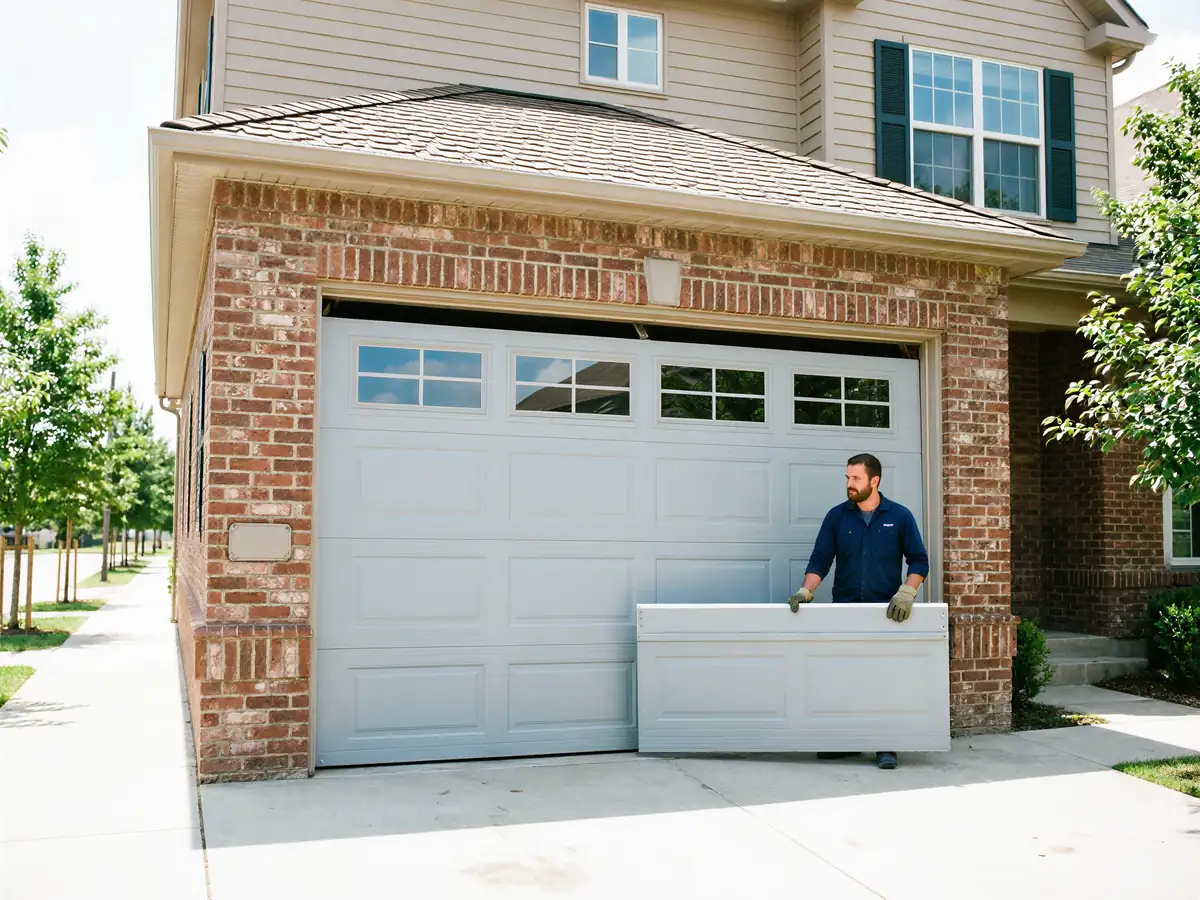
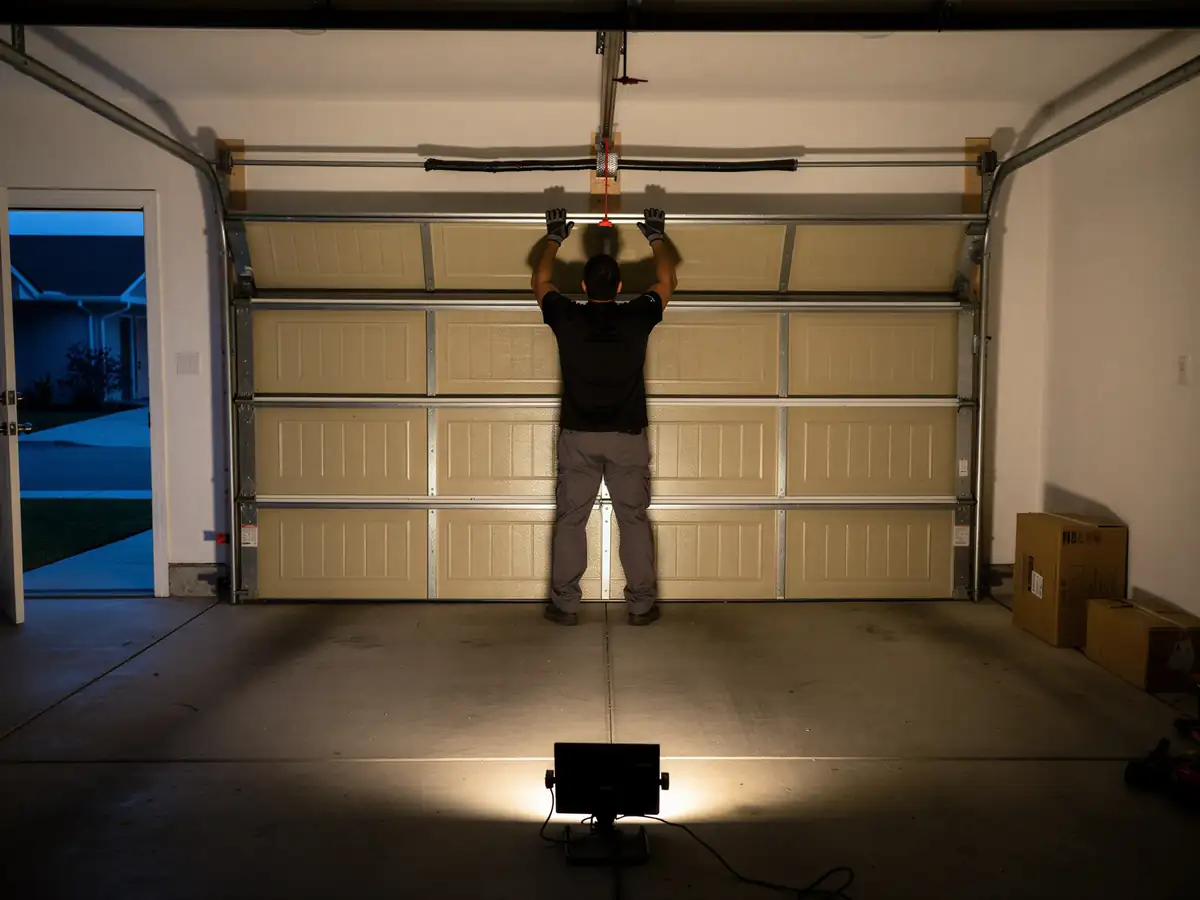
A lot of homeowners figure if the door still opens and closes, there's nothing to check. For a door installed during the 2000s build boom that's common across this area, that assumption works fine for a while. Then it doesn't. Springs are rated for a number of open-close cycles, not a number of years, and a door that's been going up and down twice a day since a house built in, say, 2003 has put in a lot of cycles nobody's counted. Rollers wear the same way. The honest answer is that a door that still works doesn't tell you much about how close it is to not working. We'd rather look at the spring tension and the cable condition on a quiet Tuesday than get the call when the spring lets go with the door halfway up and a car underneath it. That's the whole case for not leaving it alone, and it's not a sales pitch, it's just how torsion hardware fails.
What Is Going On
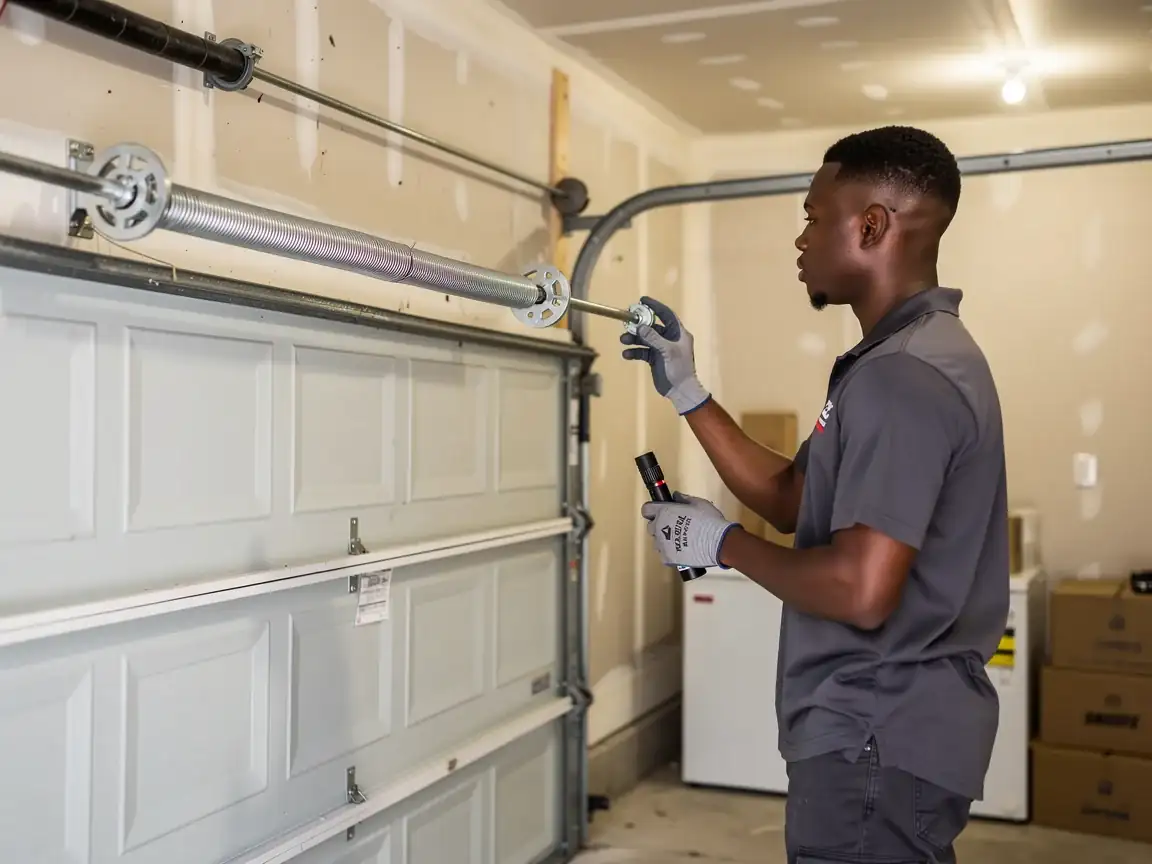
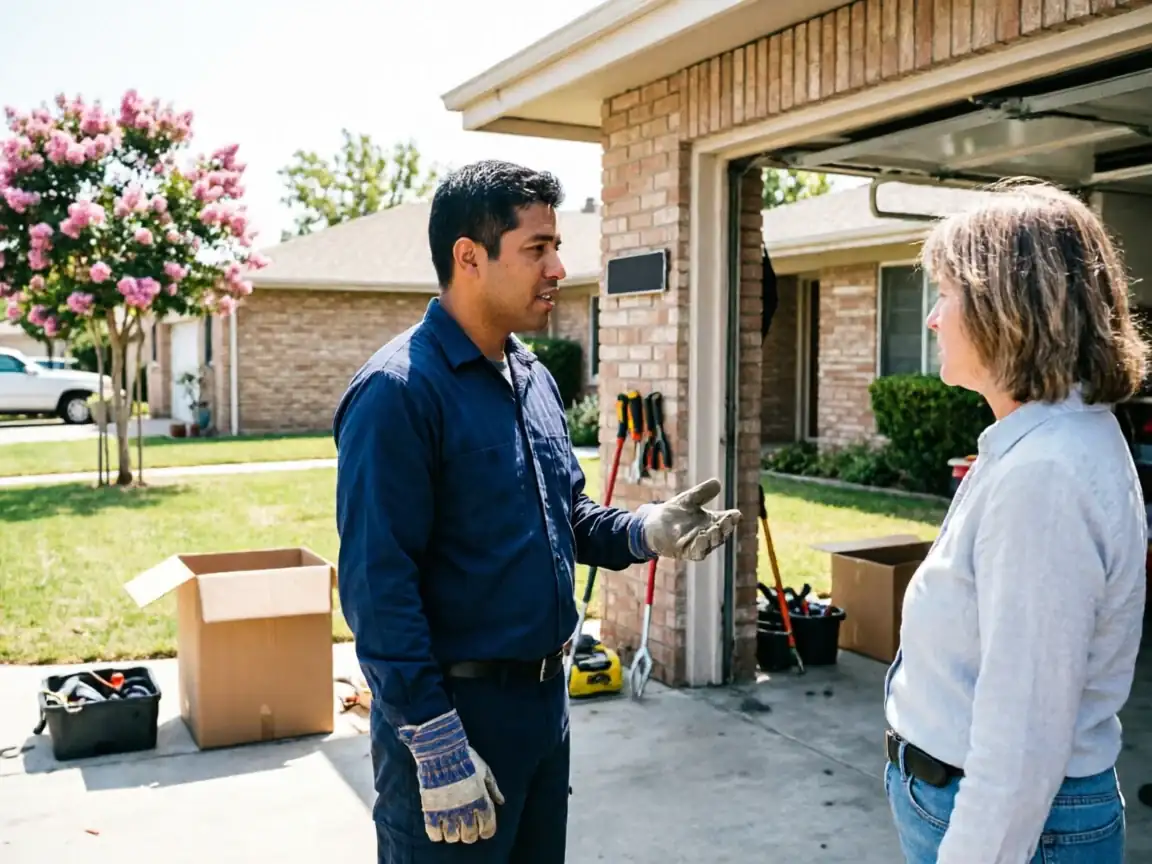
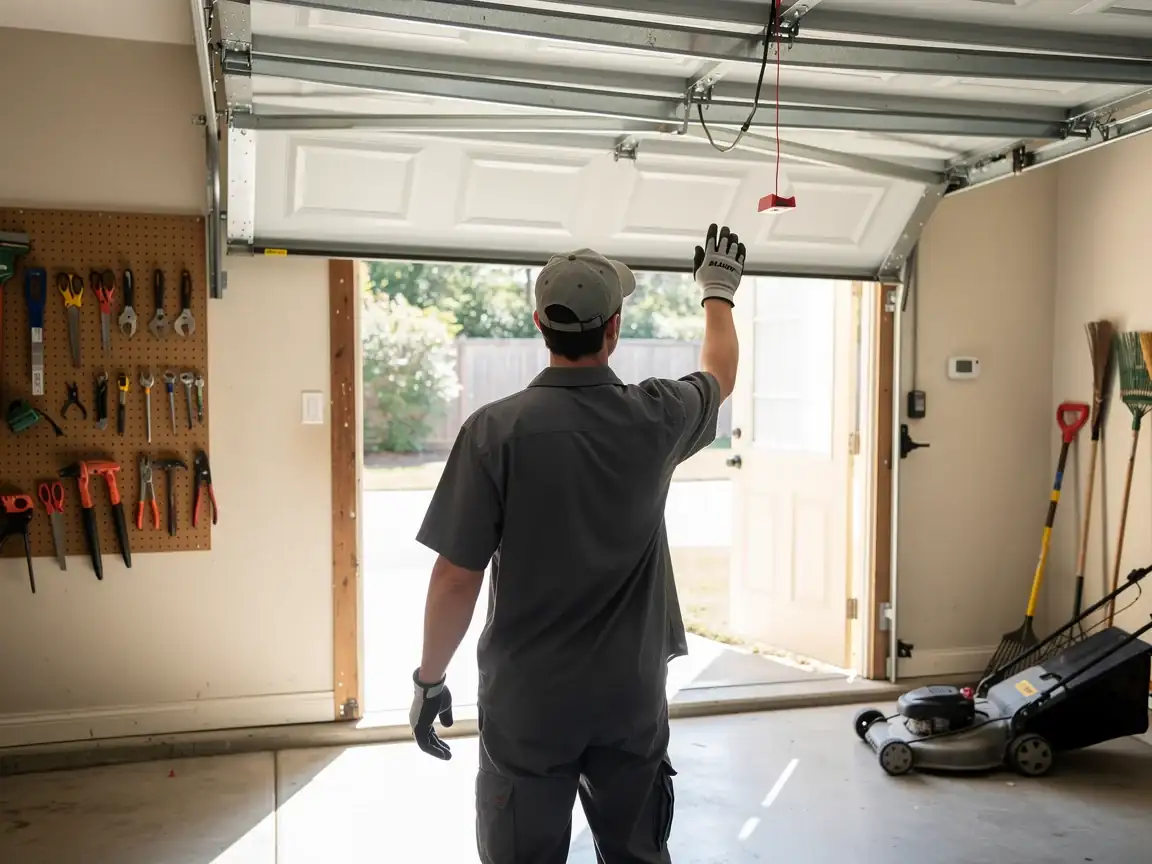
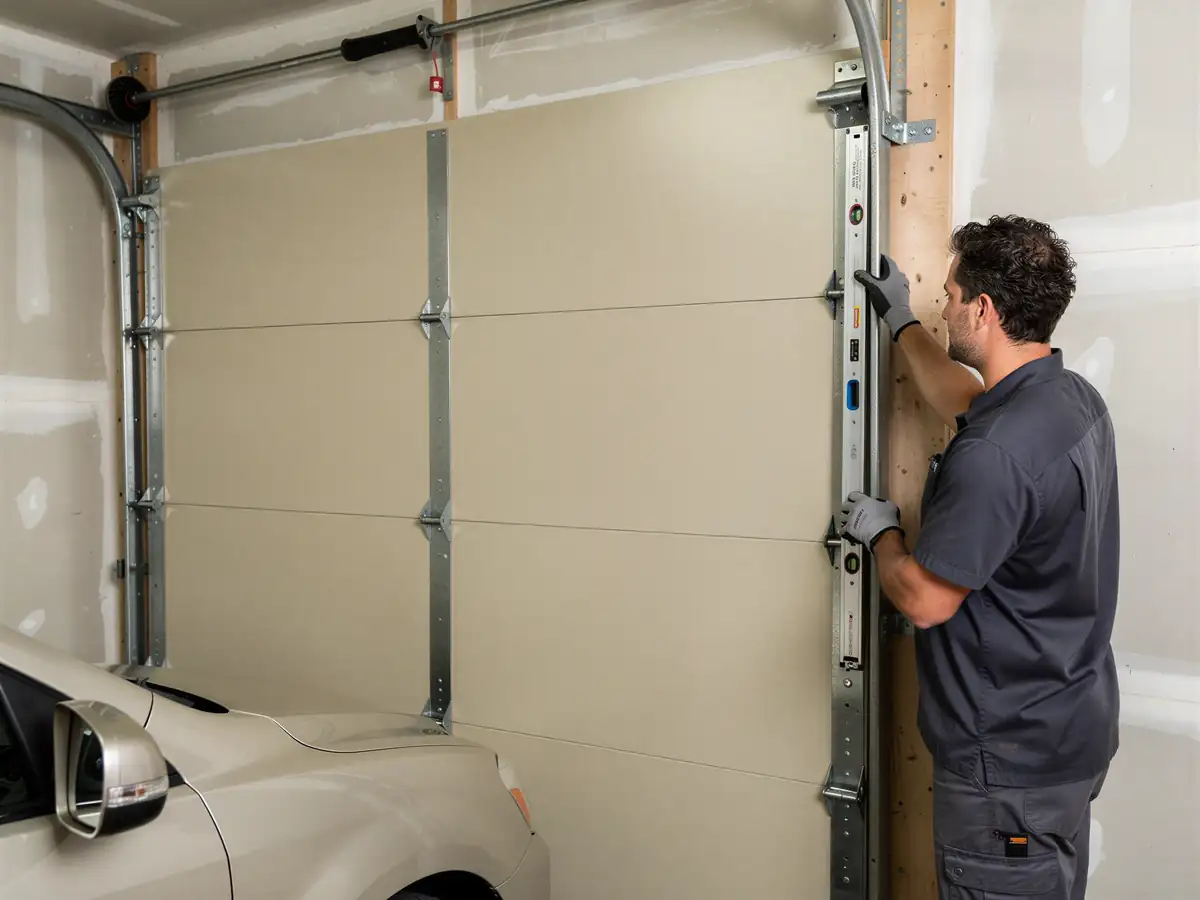
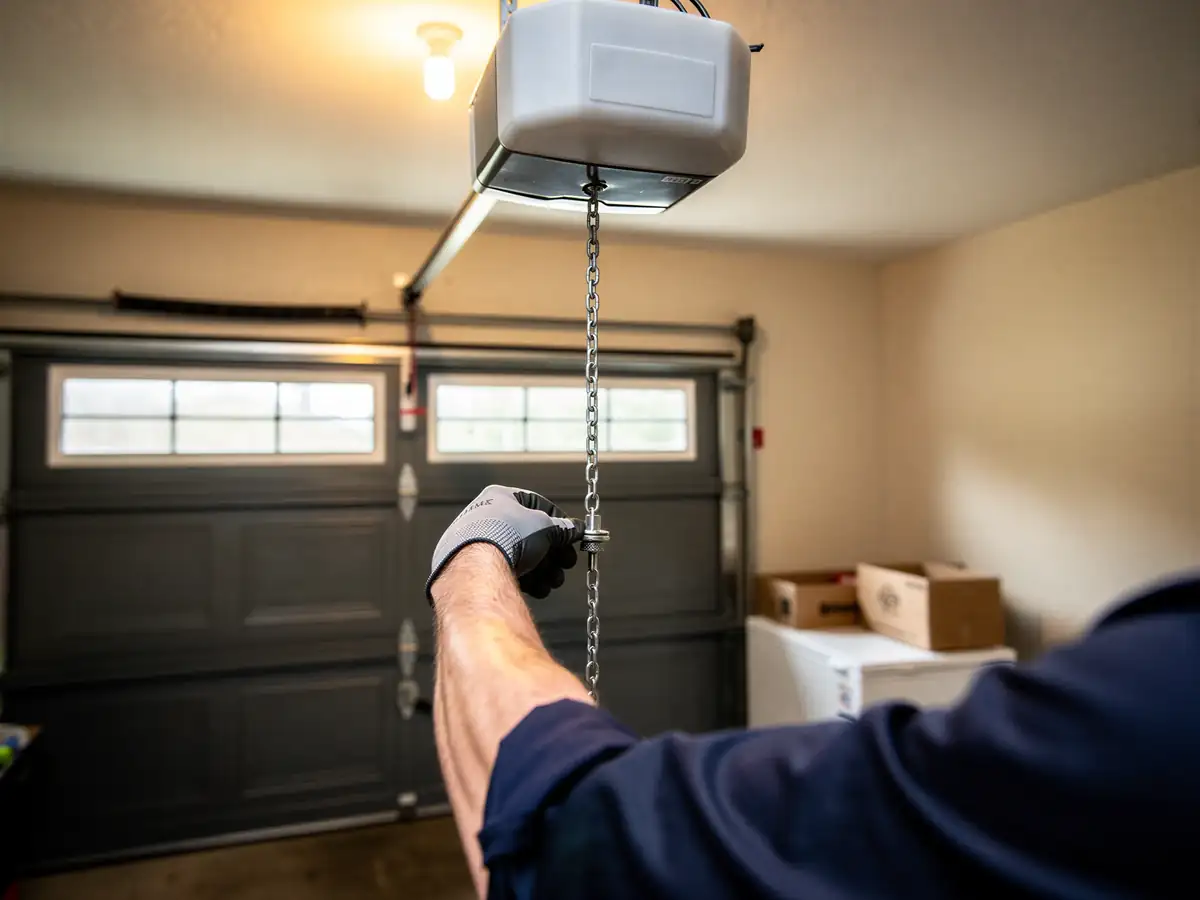
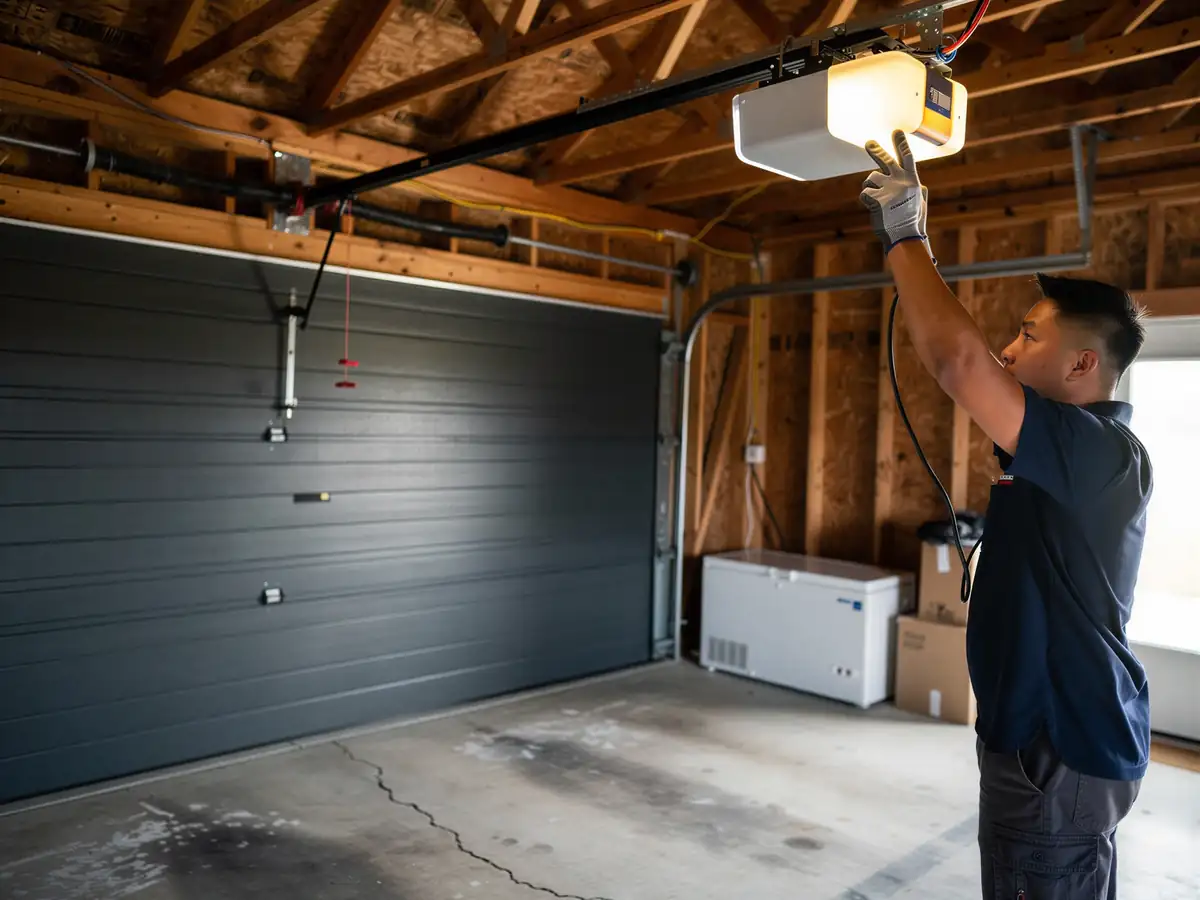
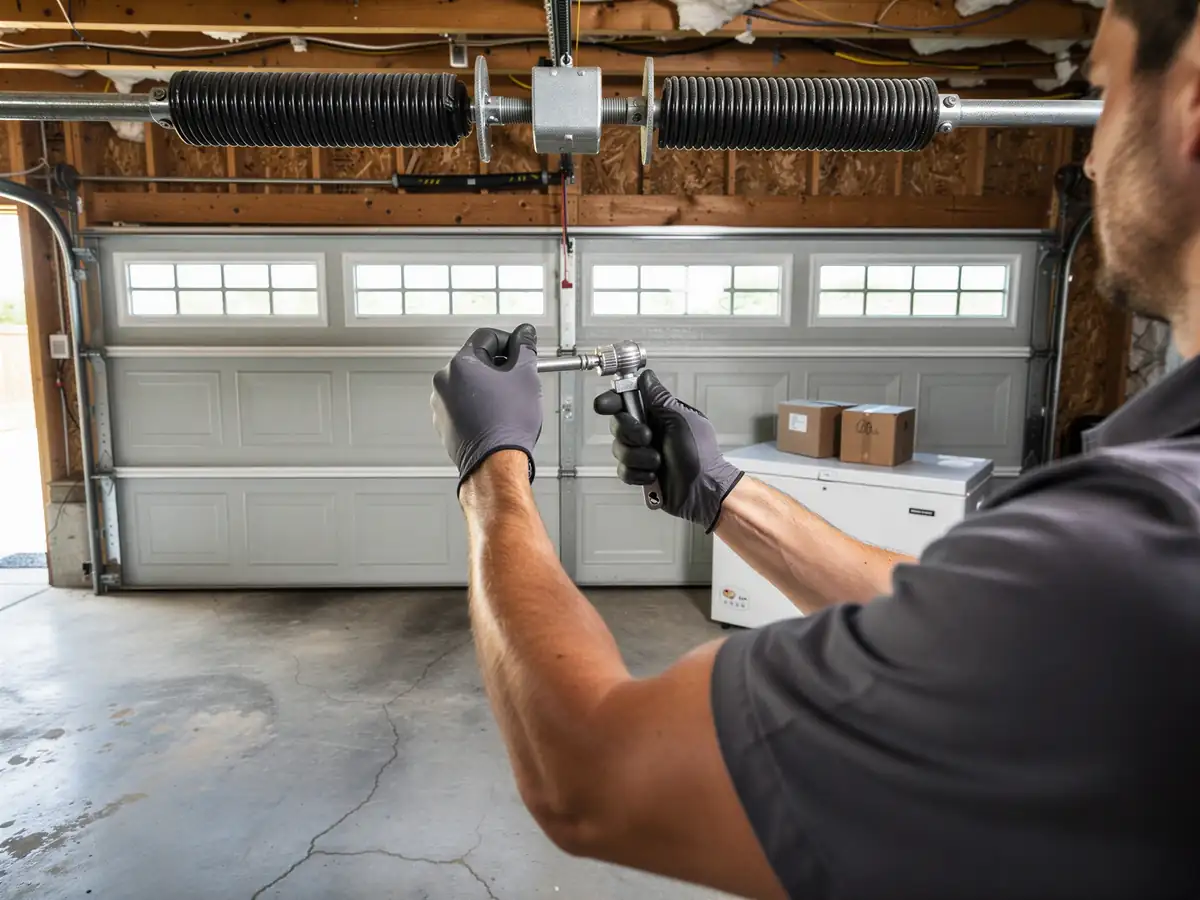
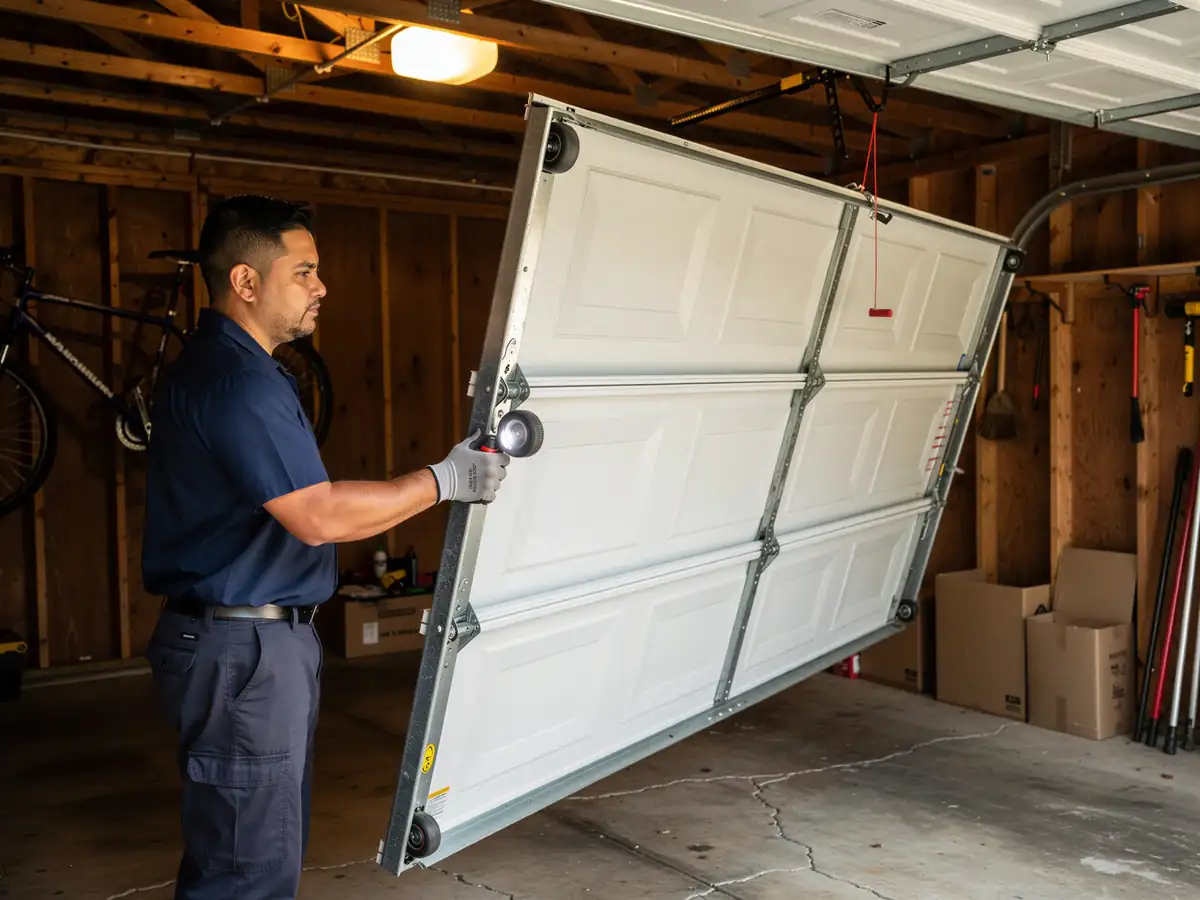
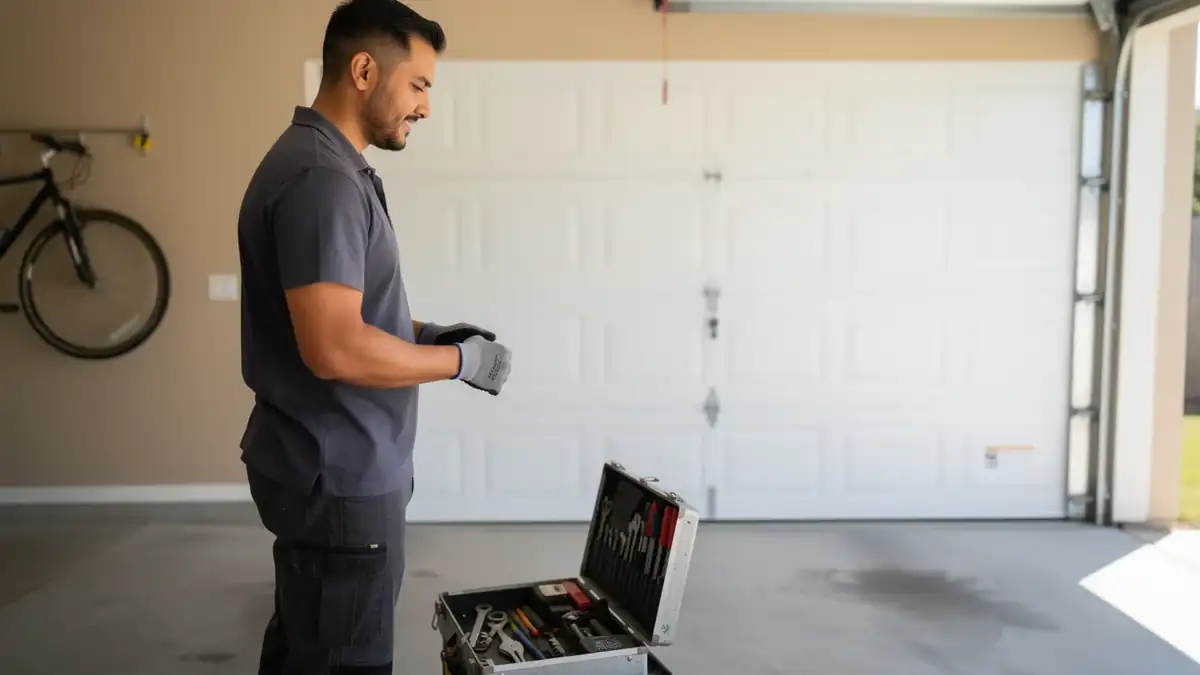
A service call starts with watching the door run a full cycle, both directions, listening for where the noise changes. We check spring tension by hand, not by eye - a spring can look fine and still be weak. We check the cables for fraying where they wrap the drum, the rollers for flat spots or cracking, and the tracks for alignment, since a door built during the area's 2000s construction wave has had plenty of years for a track bracket to work loose from the framing. We run the opener's safety reversal test, which matters more on an older opener than people expect. Then we tell you what we found in plain terms: what's fine, what's wearing but not urgent, and what needs doing now. With 17,541 owner-occupied houses across this service area built mostly in that same twenty- to forty-year window, we see the same handful of failure points over and over, and most of them are not emergencies if you catch them on a service call instead of at 11pm.