What Can Go Wrong
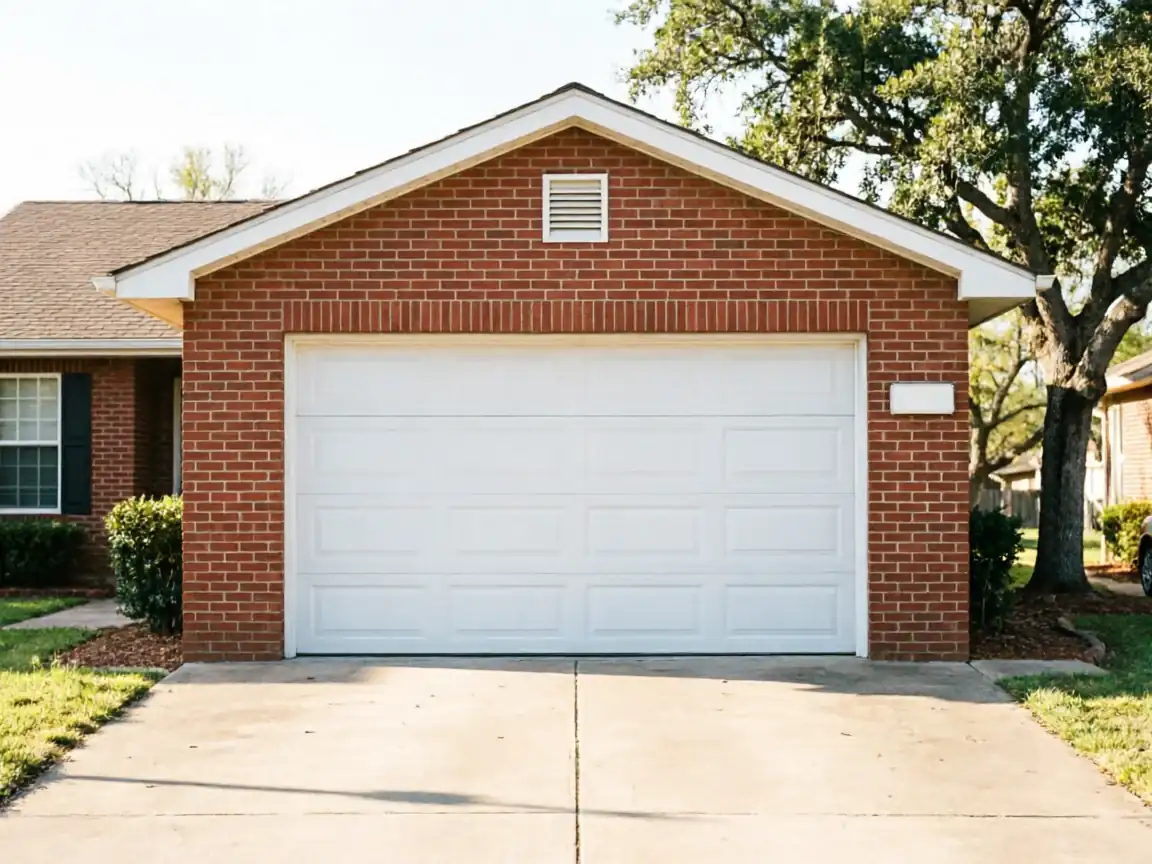
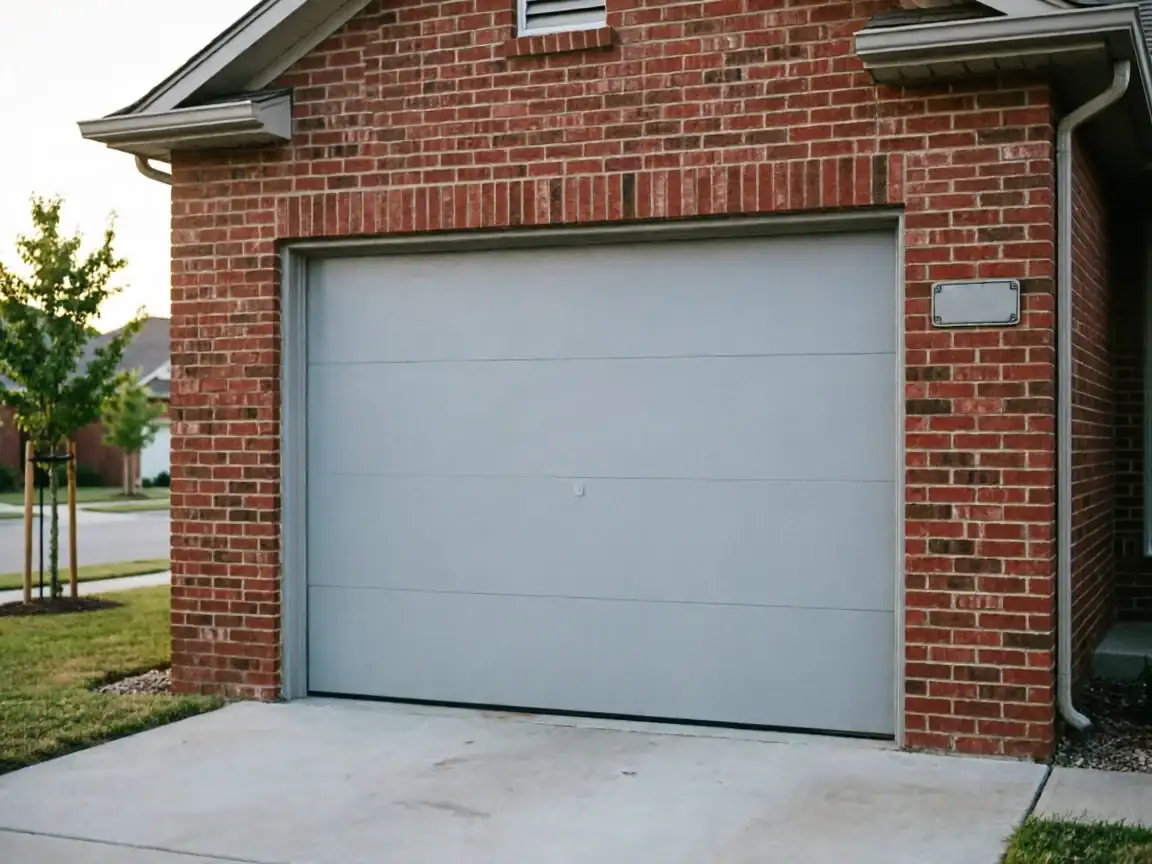
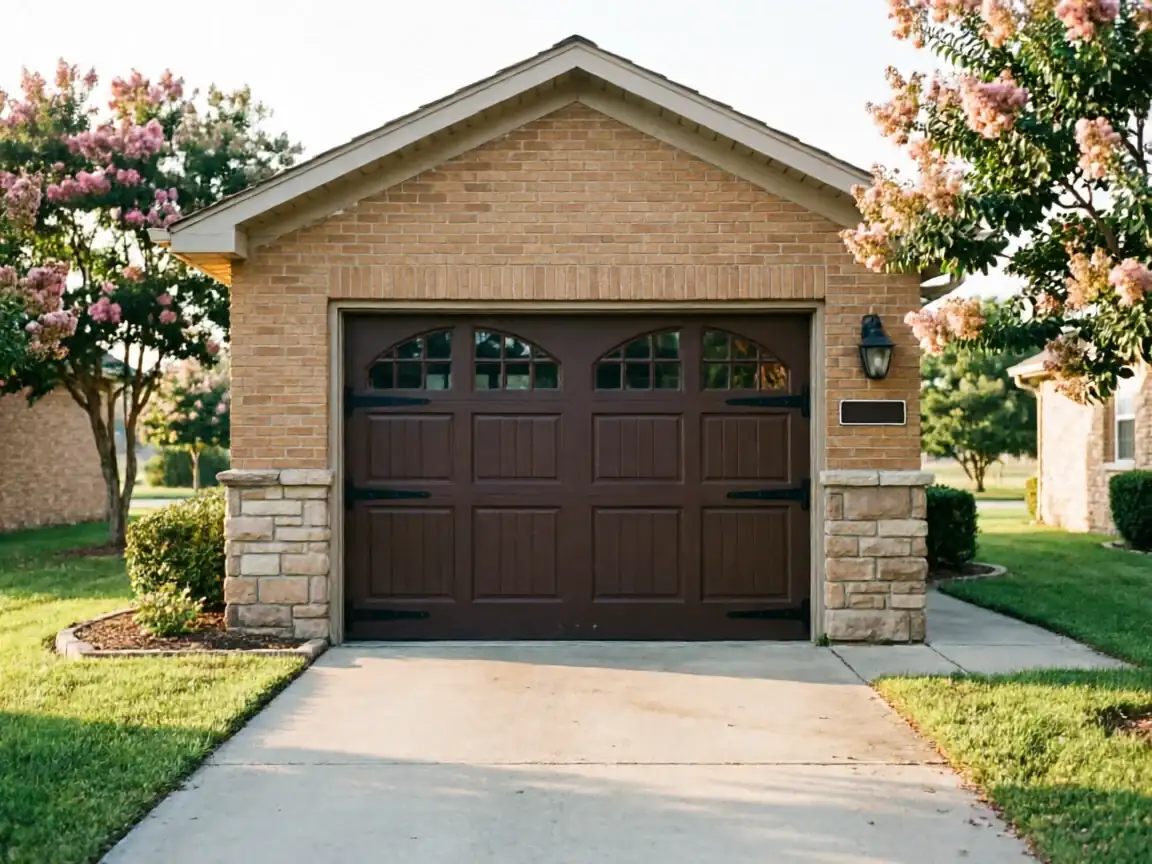
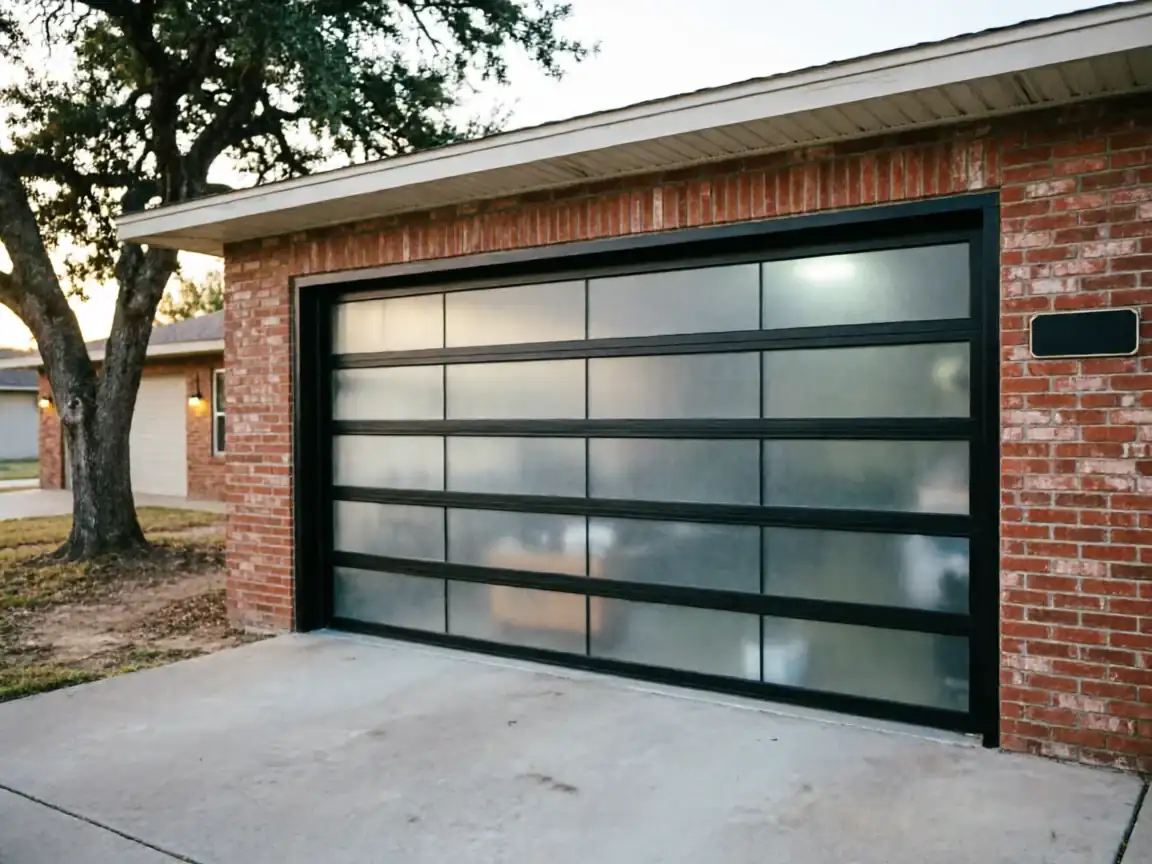
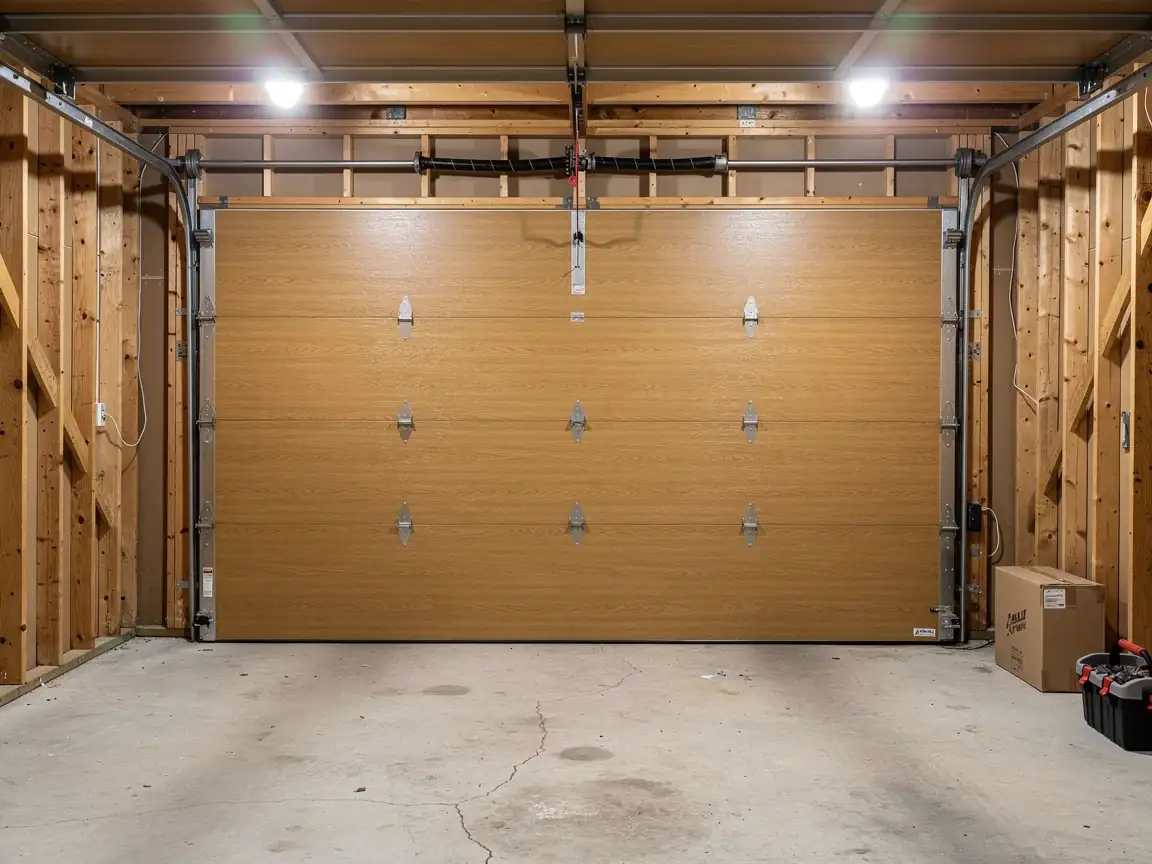
Lucas sits about 18 miles from our shop in Royse City, and the housing stock here runs newer than a lot of what we see closer to home. Most of Lucas was built around 2002, square in the middle of the broader 1971-2012 build window across our service area, but on the later end of it. That matters because houses from this era almost always came with double-car garages and heavier insulated steel doors, not the lighter single-layer doors you find on older stock. Heavier doors need torsion springs wound to carry more weight, and when one of those springs breaks, the door doesn't just stick - it can drop hard, because the counterbalance that was holding 130+ pounds of door is suddenly gone.
The other common failure here is a spring that's simply fatigued out. A torsion spring rated for maybe 10,000 cycles doesn't care how nice the house is - it winds and unwinds every time the door opens, and a house pushing 20+ years old is well into the range where the original spring is due. We also see cable fraying on these same doors, usually on the side the spring failed on, because a broken spring lets the cable go slack and jump the drum.
Why This Fails Locally
The spring sizing that works on a lighter, older door is undersized on the heavier doors common in a neighborhood built around 2002. If a spring gets swapped for a generic one instead of one matched to the door's actual weight, it fails again fast - sometimes in months, not years. That's a repeat call that didn't need to happen.
Income levels in this part of the service area run well above the broader area average, and in our experience that tracks with more insulated doors, more two-car garages, and more openers with battery backup - all of which add weight and complexity to a spring job compared to a bare single door on an older frame. We size the spring to the door in front of us, not to a catalog number, which is the only way to avoid sending a truck back out in six months.
How to Book
We cover Lucas from Royse City, about 18 miles out
So we schedule the drive rather than treat it as a drop-in stop. Call or use the service area page to get a time set - we'll ask the door's size, whether it's one spring or two, and roughly how old the opener is, since that tells us what's likely on the truck versus what needs ordering.
- 18 miles
One honest limit: if your spring is a less common size or your door is a custom or oversized unit
We may not have the exact match on the truck the first trip. We'd rather tell you that up front than show up and improvise with the wrong part.
What You Are Seeing
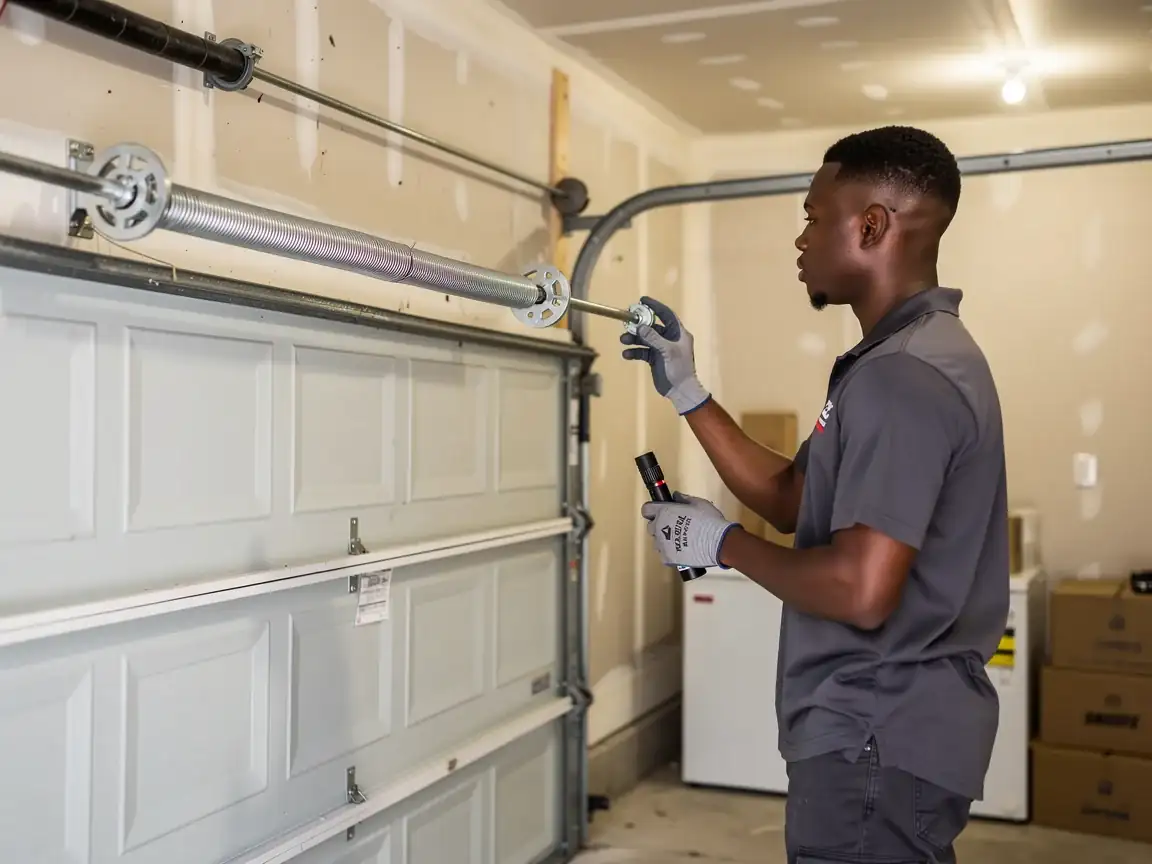
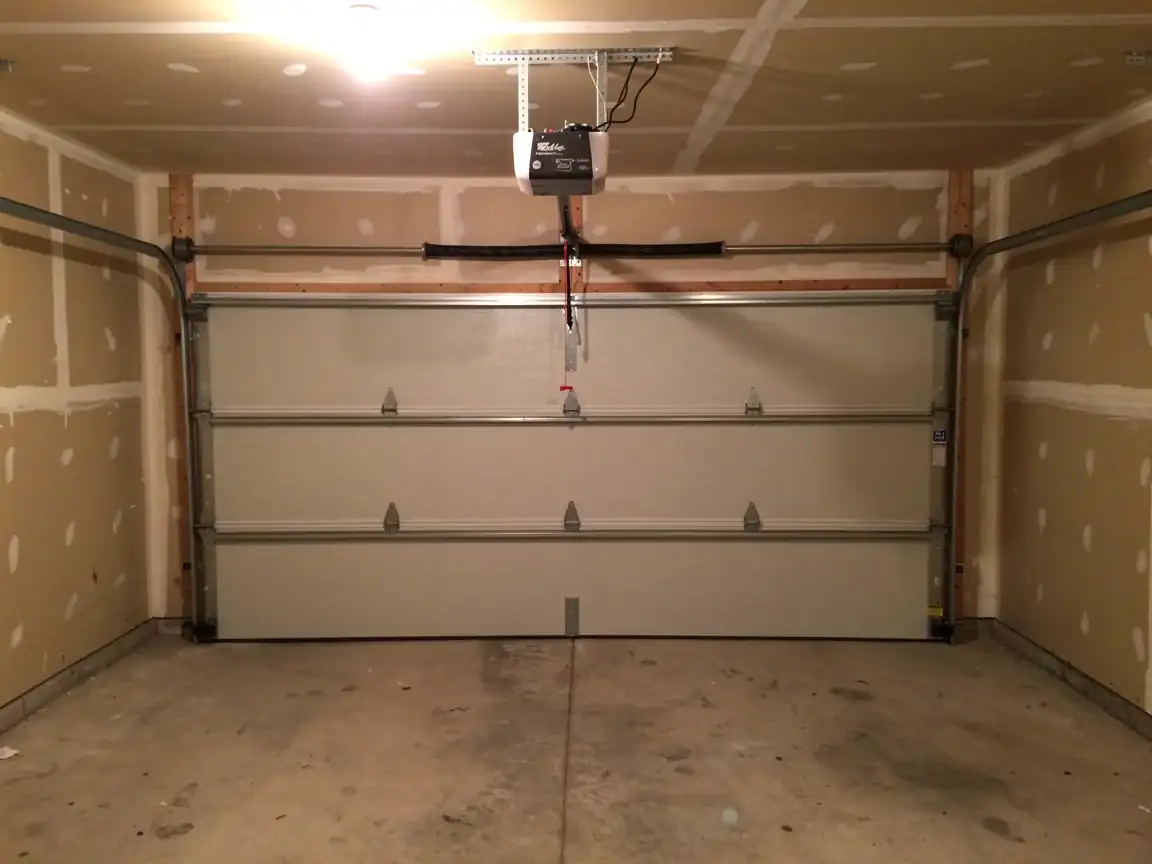
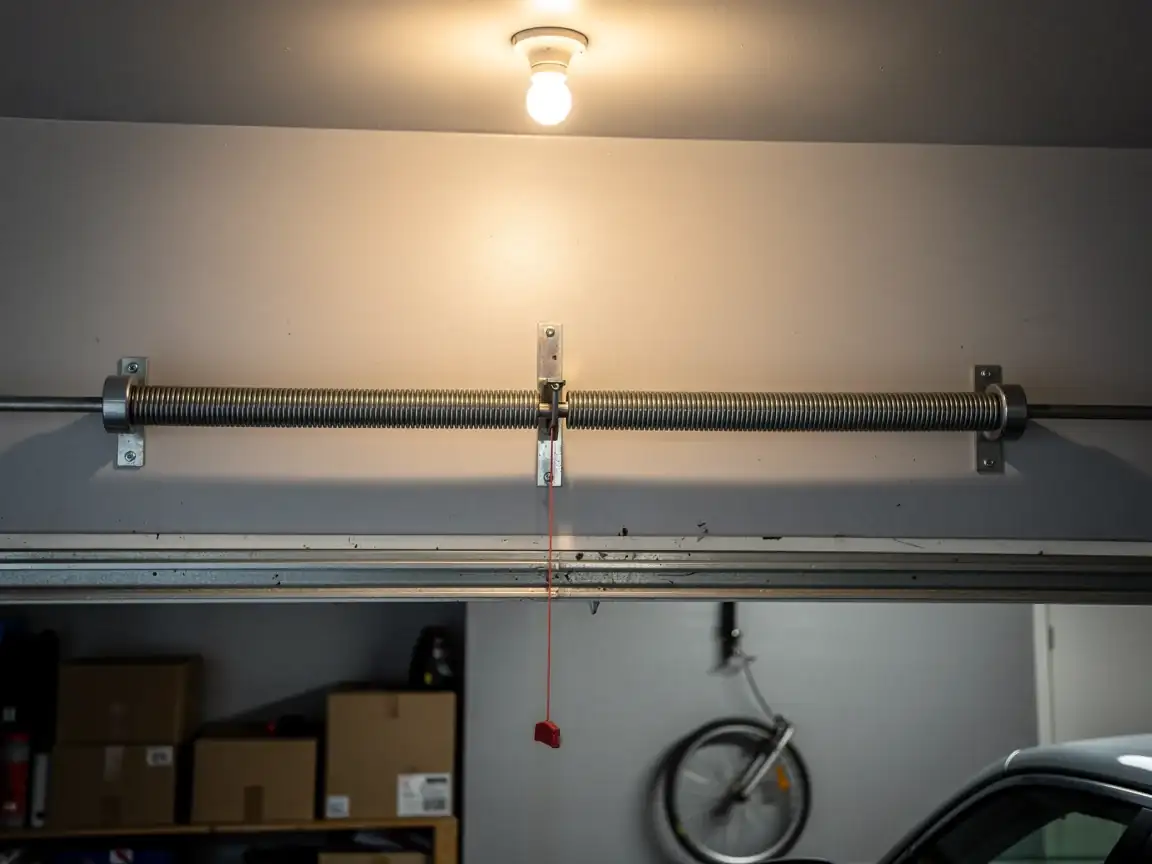
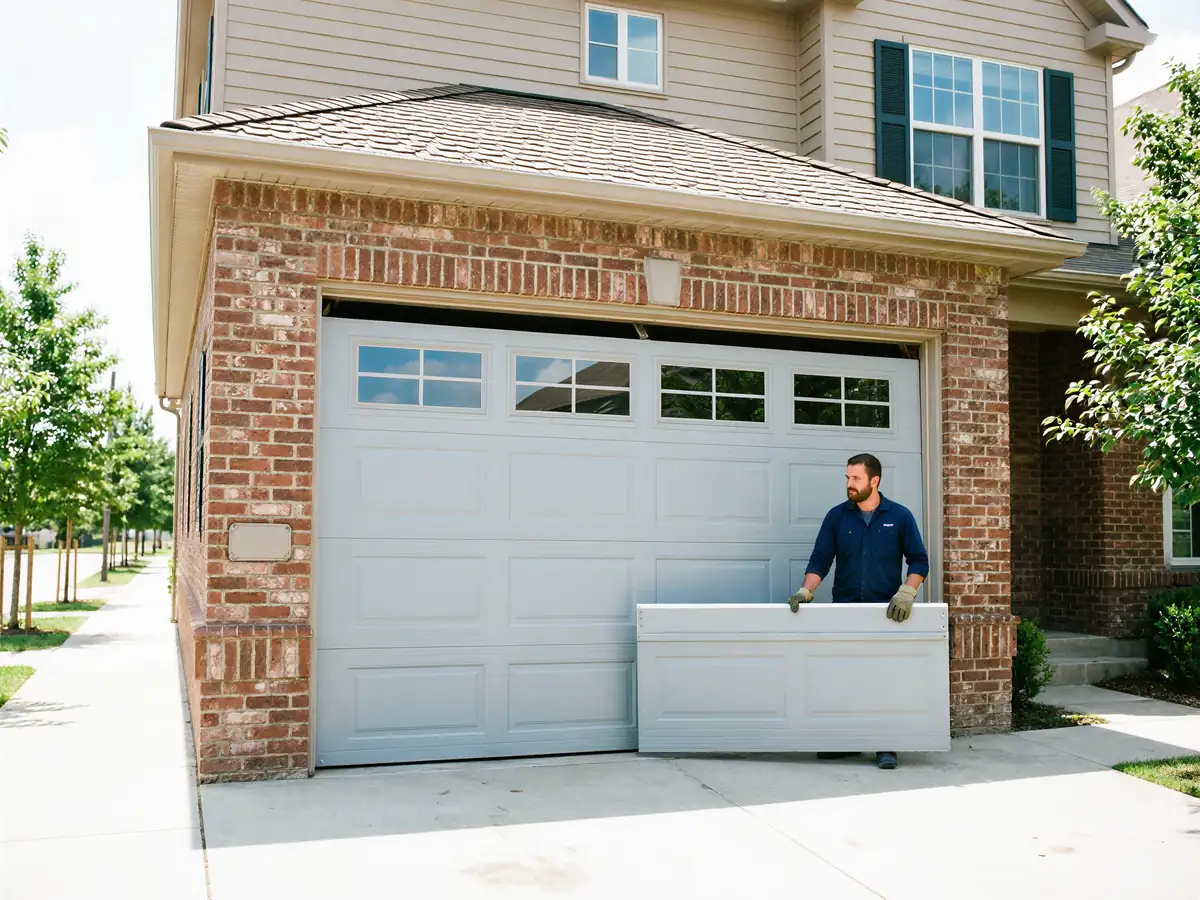
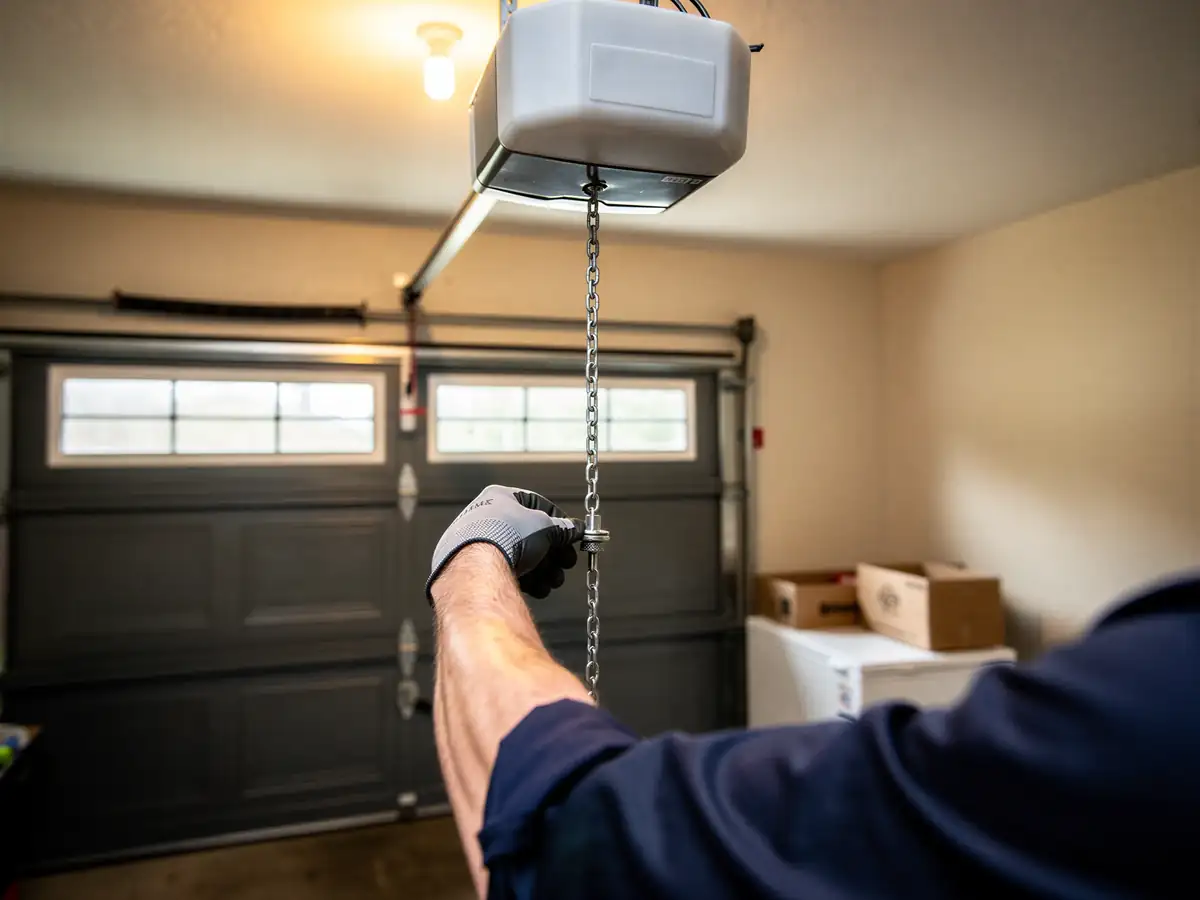
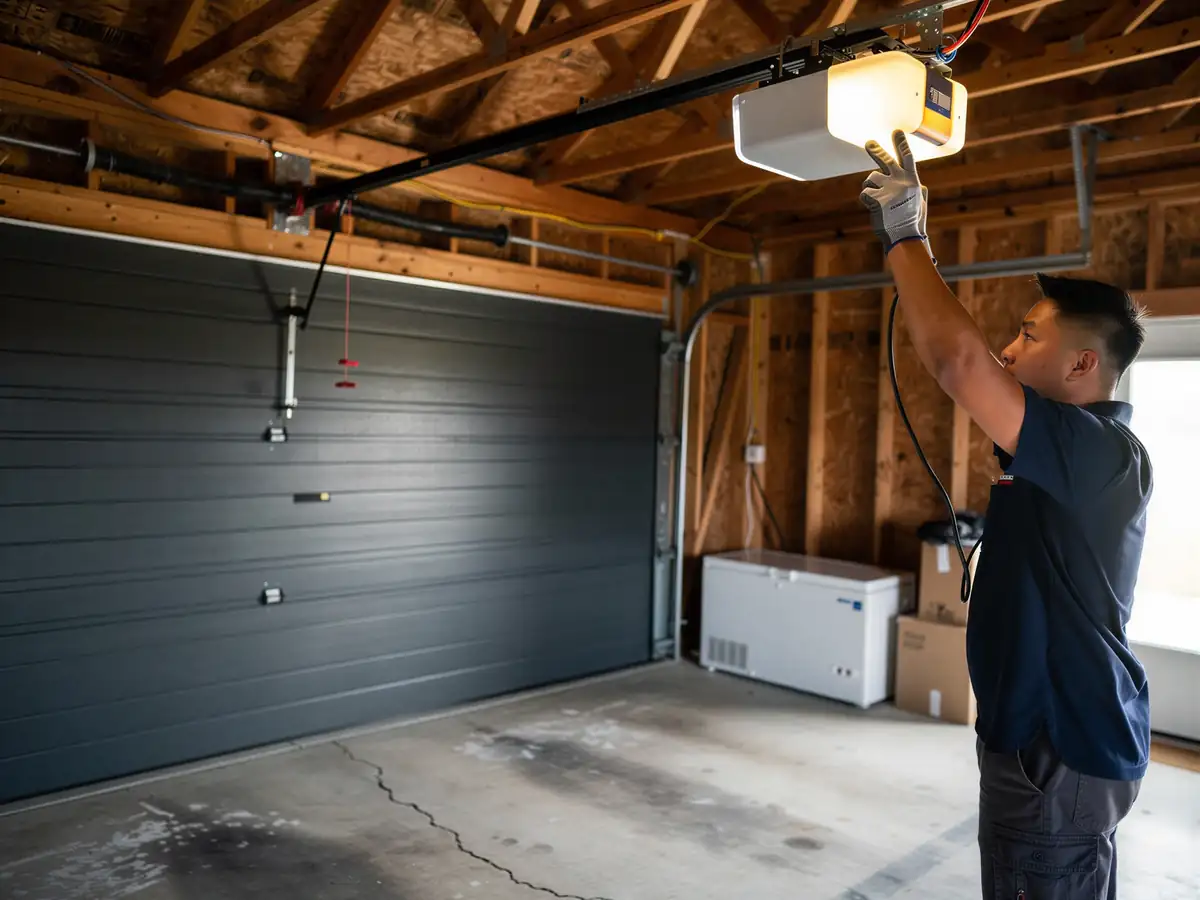
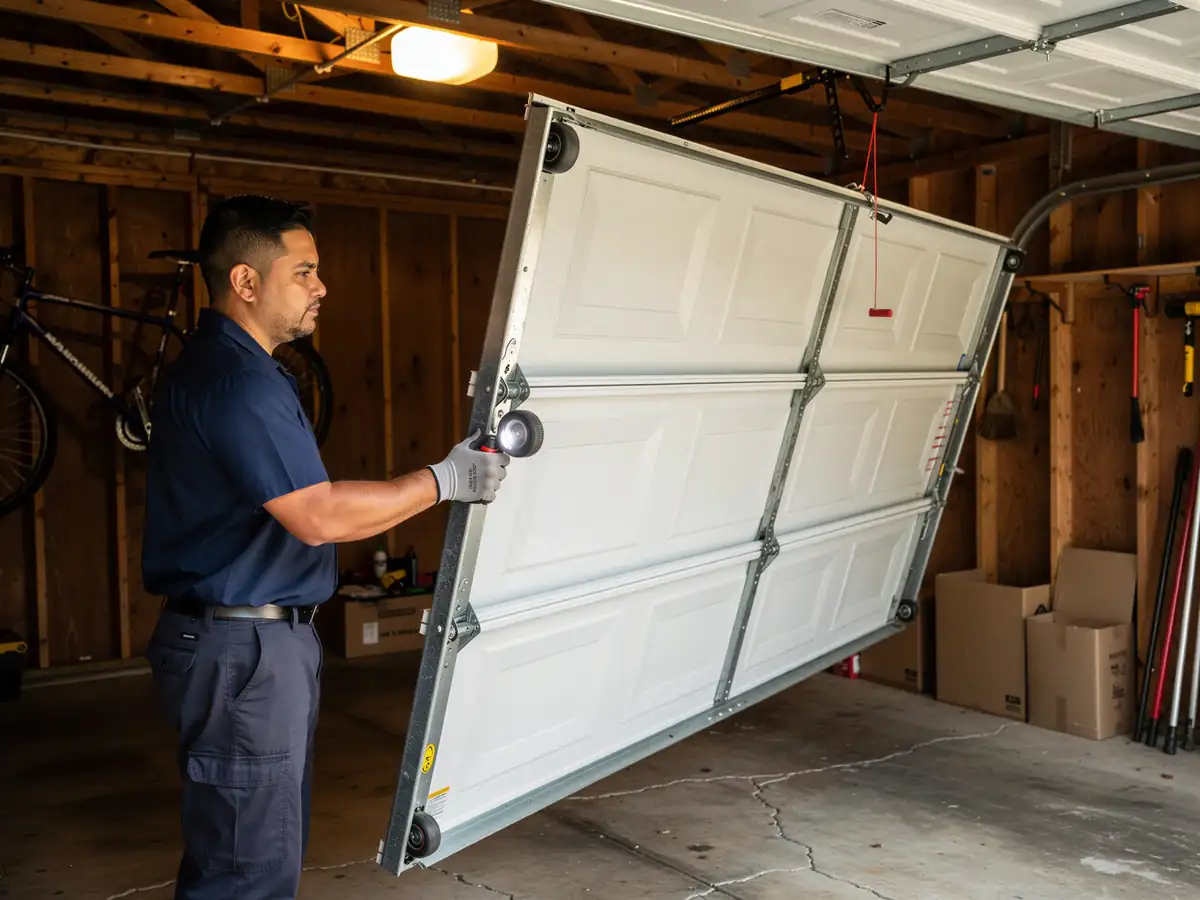
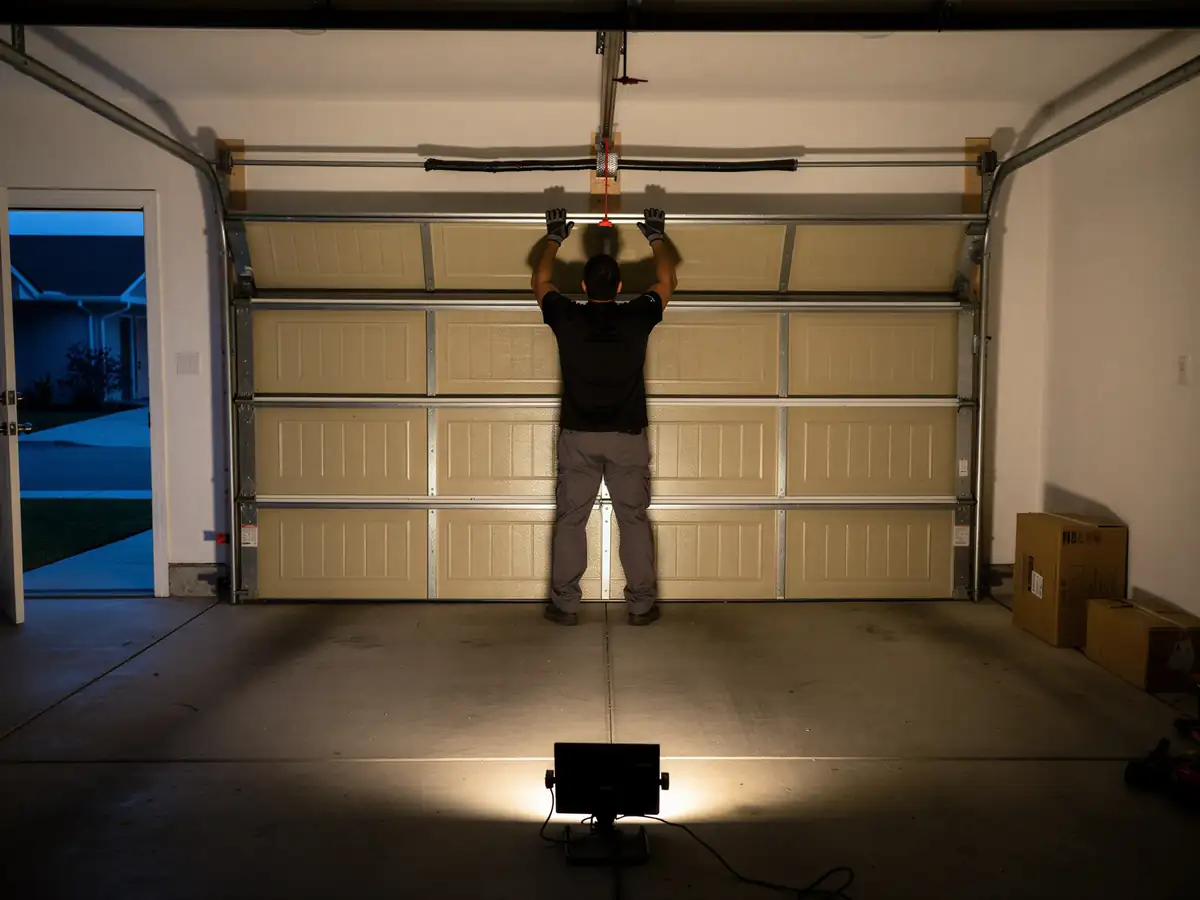
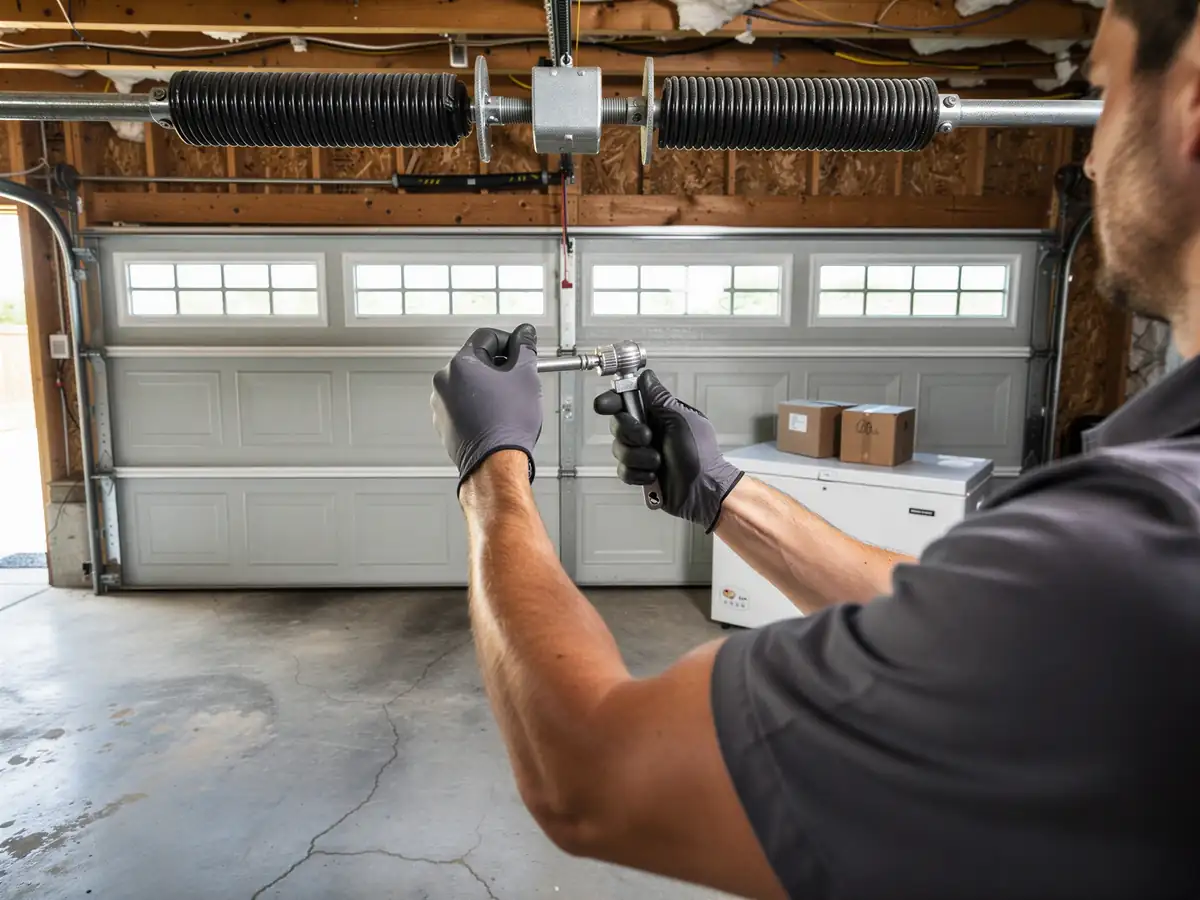
A broken torsion spring usually announces itself with a loud bang from the garage, followed by a door that won't lift, or lifts only a few inches before the opener strains and stops. Look up at the bar above the door - if you see a spring with a visible gap in the coil, that's your answer. A door that's heavy to lift by hand, drops fast when released, or looks tilted to one side on its tracks is pointing at the same problem, especially on a double door with two springs where only one has gone.
Don't try to adjust or remove the spring yourself. These are wound under enough tension to cause real injury, and on the newer, heavier doors common in Lucas that tension is higher than on an older, lighter door. If the opener is still trying to run the door against a broken spring, turn it off at the wall and leave the door down until someone can get eyes on it.