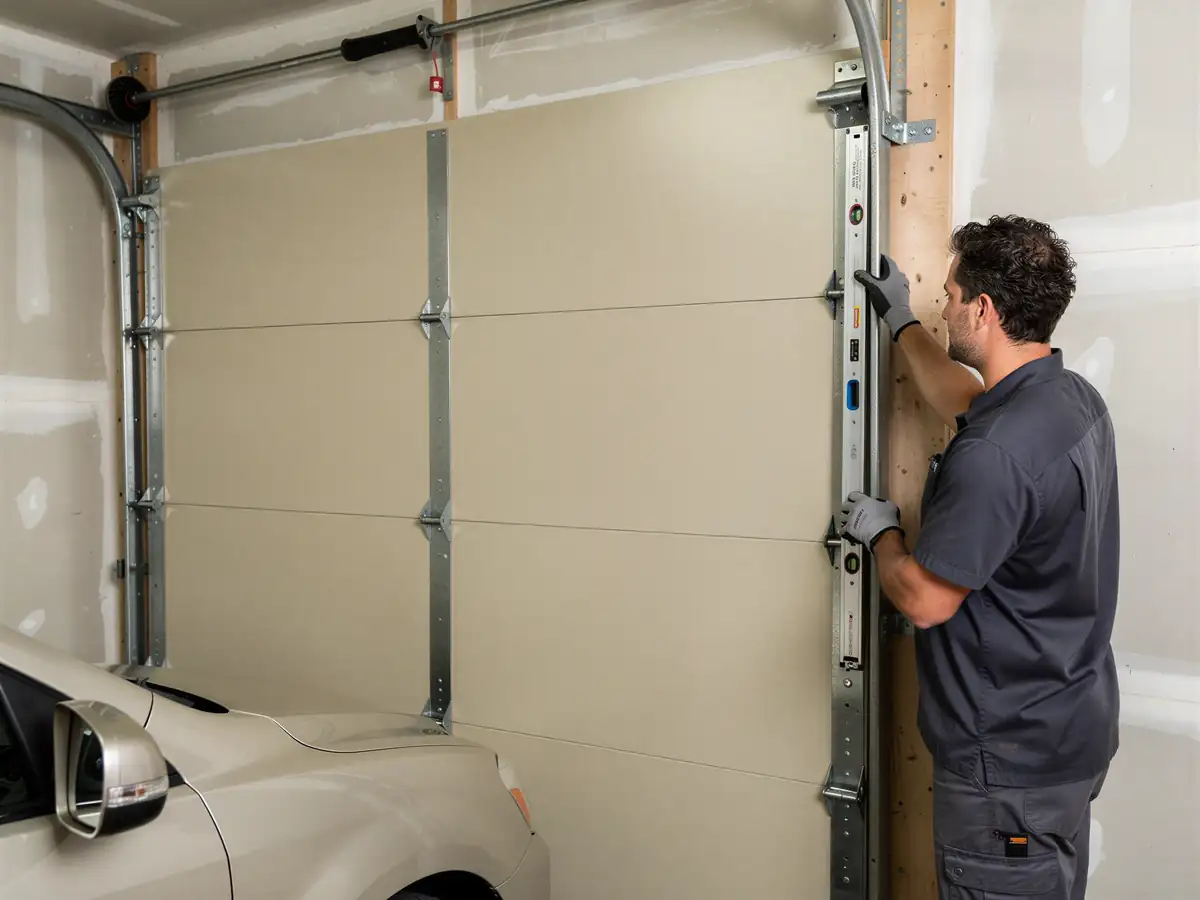
What Can Go Wrong
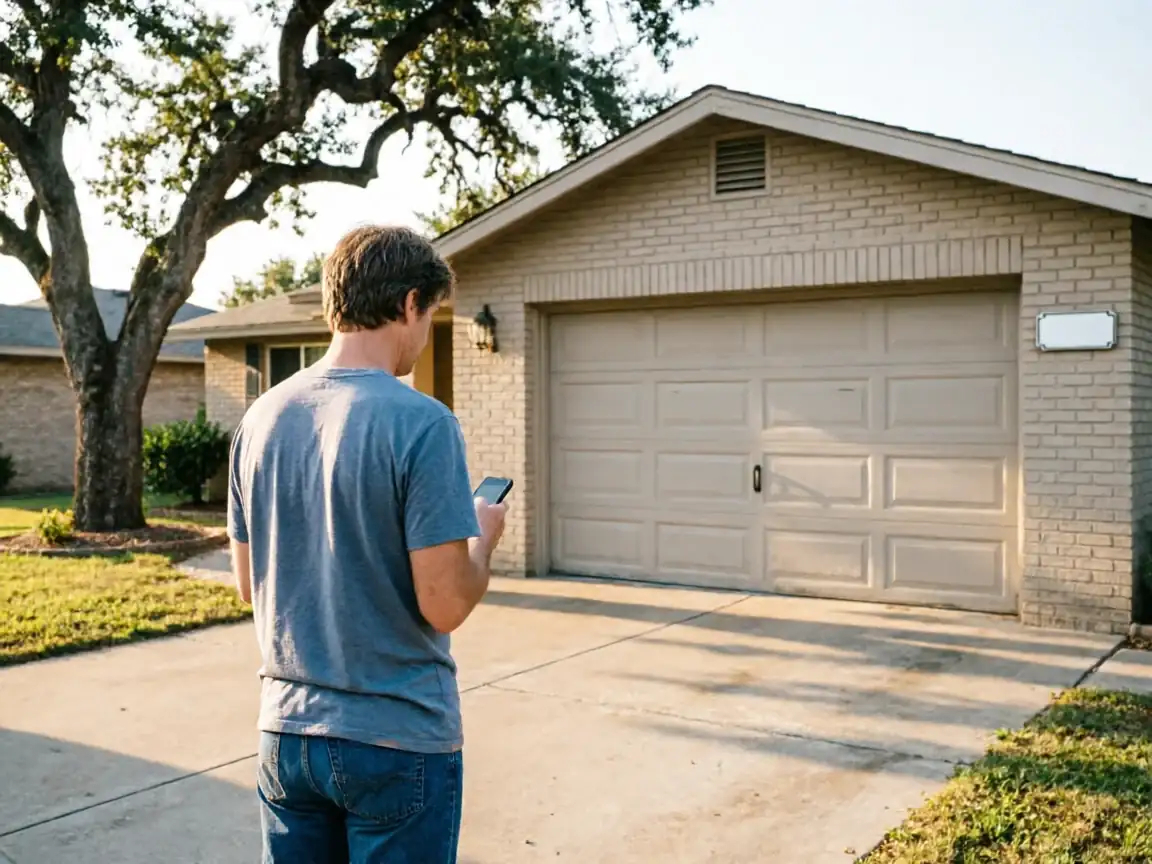
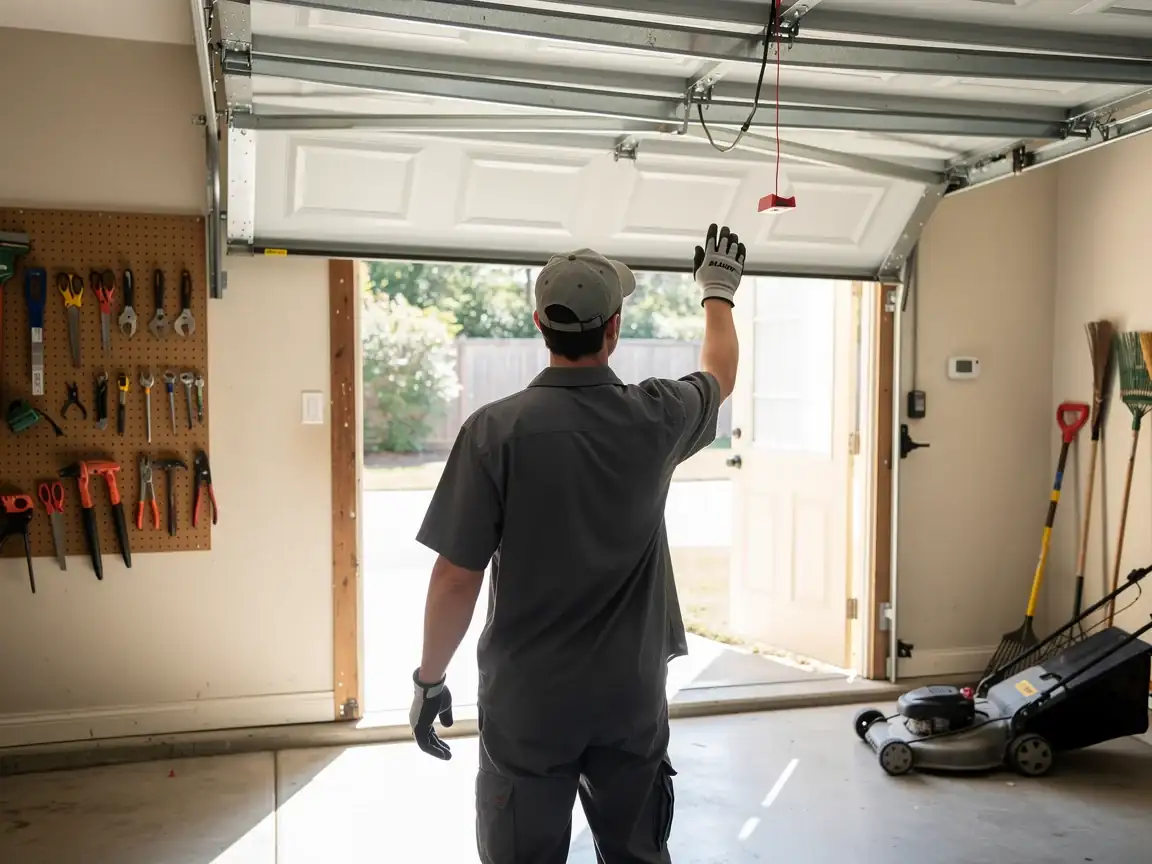
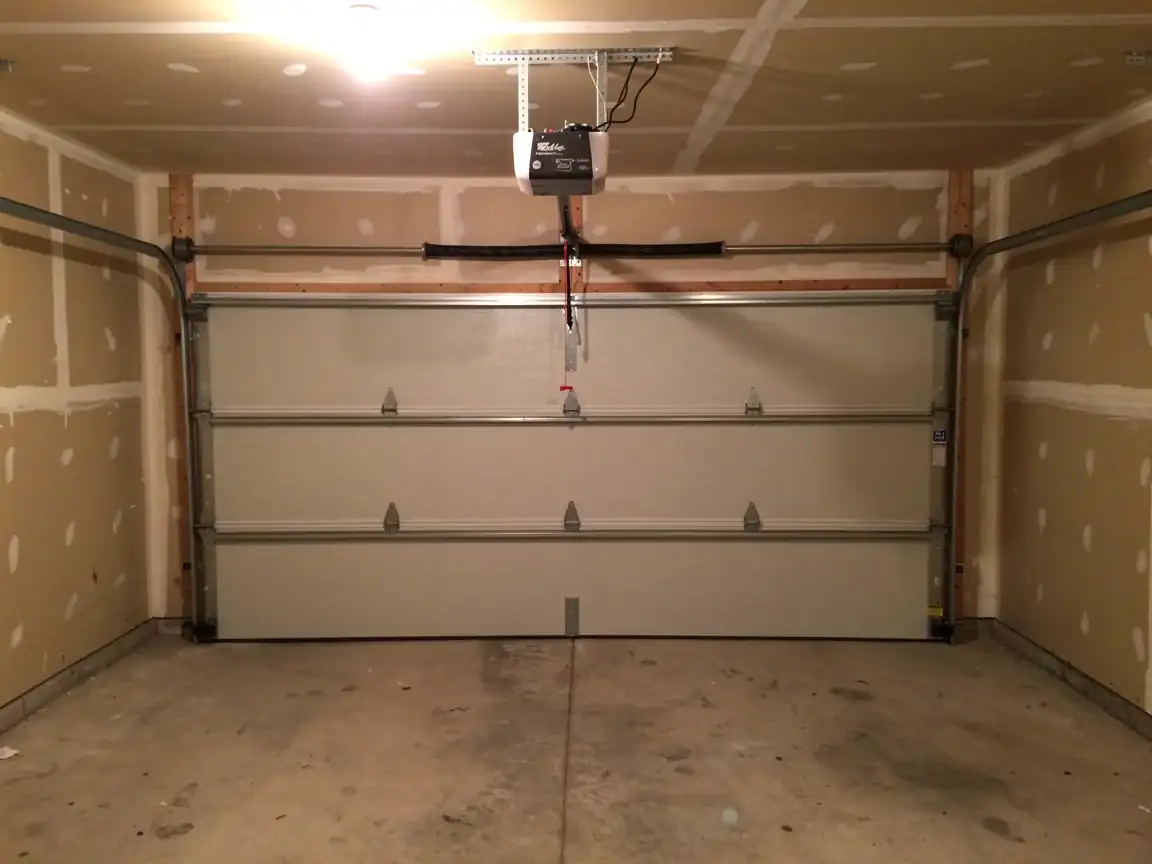
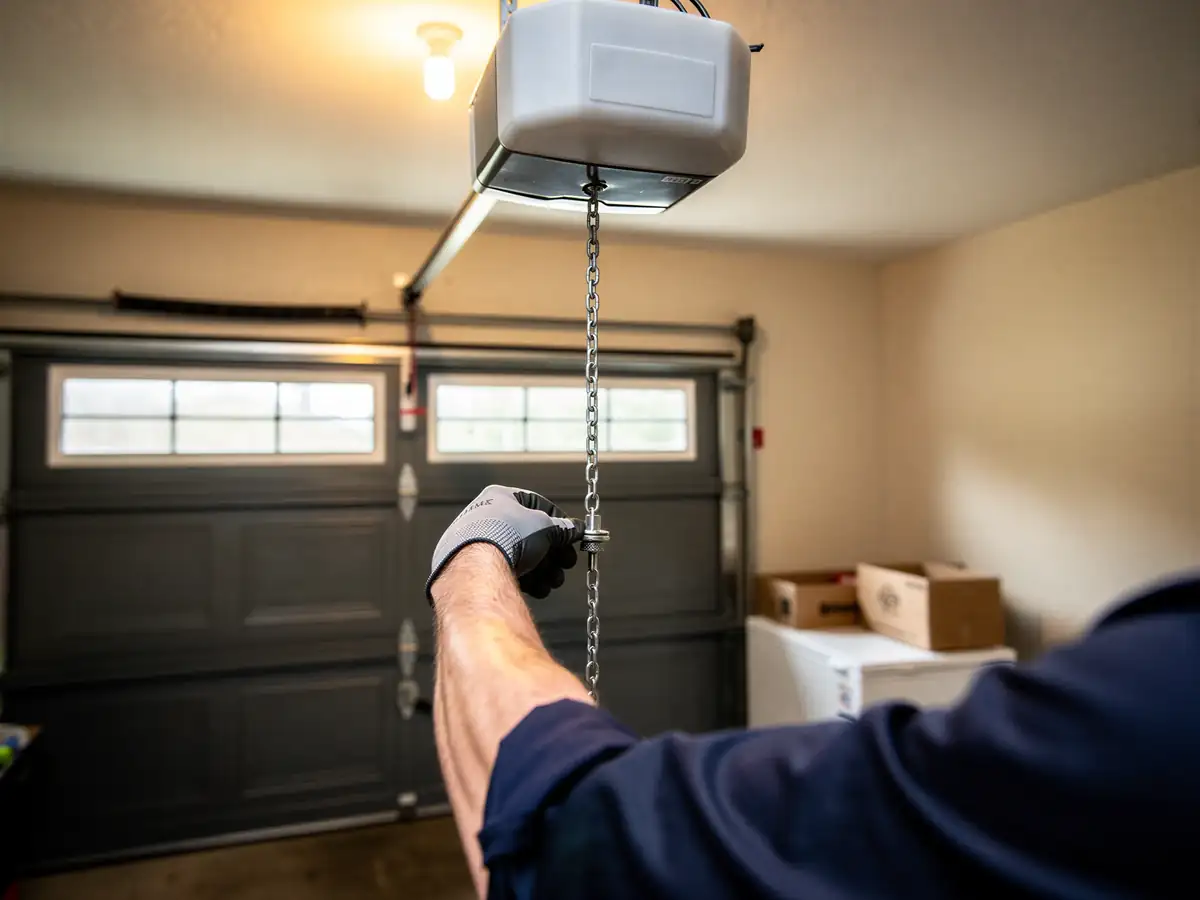
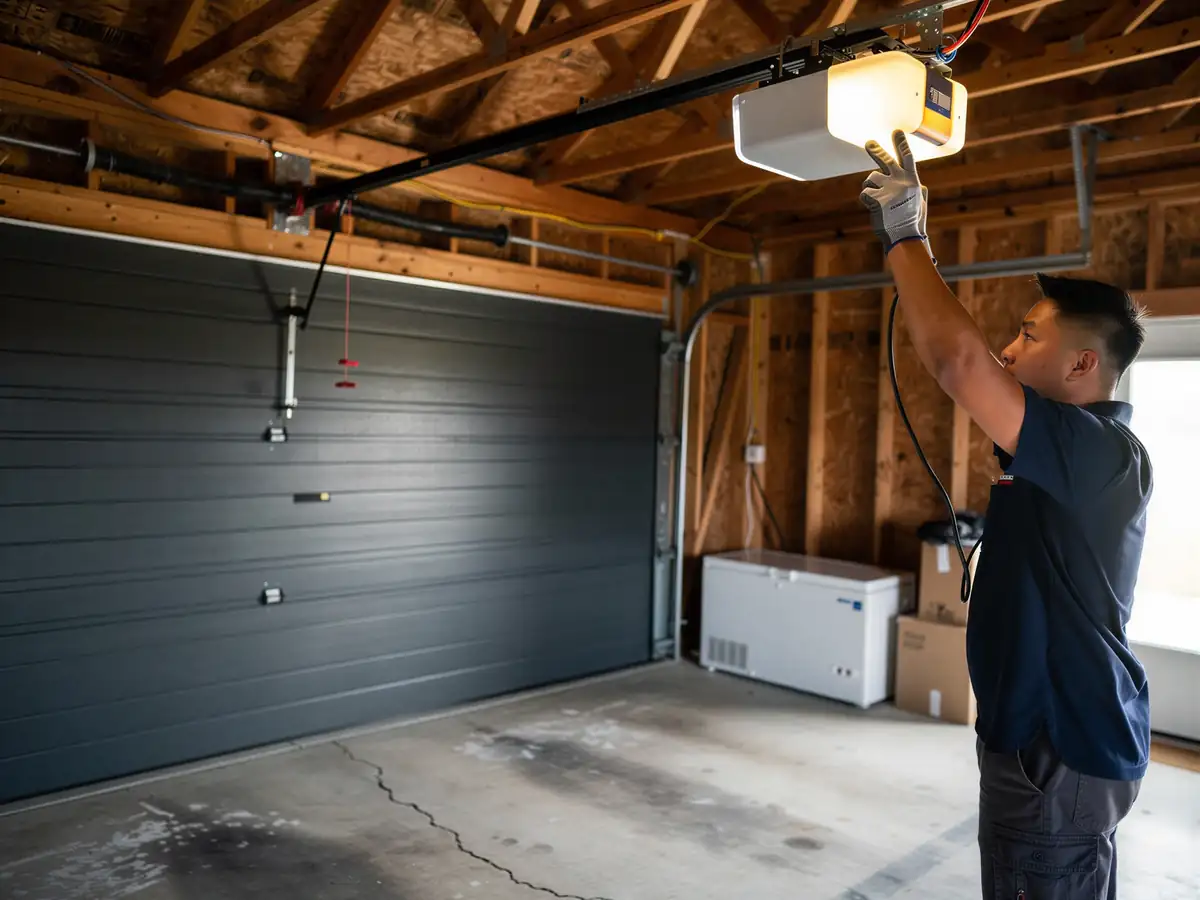
The call we get most from Lucas isn't a dented panel or a broken cable. It's an opener that worked fine last month and now won't respond to the remote, or responds and then reverses halfway down for no reason anyone in the house can explain. That points to the logic board or the capacitor inside the opener unit itself, not the door.
That pattern lines up with when the neighborhood went up. Lucas's housing stock centers on 2002, newer than a lot of what we cover out of Royse City, where builds run anywhere from 1971 to 2012. A door and opener installed when a Lucas subdivision was framed is now coming up on twenty years of service, which is close to the end of life for the original circuit board, the drive belt, and the plastic gears inside a chain-drive unit, even if the spring and track still look fine.
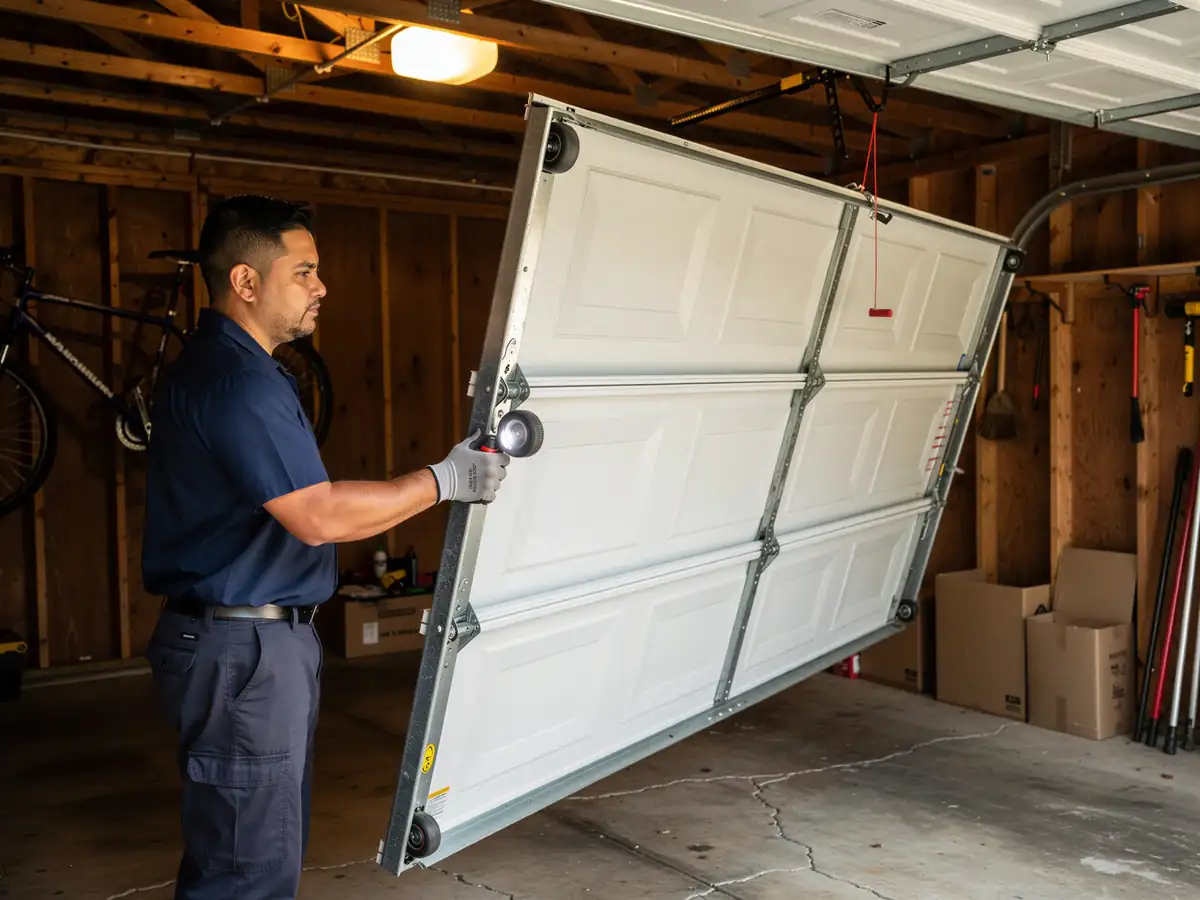
We also see cracked rollers and worn weatherstripping on these same original units, mostly cosmetic, but it tells you the door hasn't been touched since it was hung. Nobody swaps rollers on a schedule. They find out the door is loud, or stuck, and then call.
Why This Fails Locally
A door built in 2002 used parts and a control scheme that manufacturers don't stock new anymore. The sensor brackets, the logic board pinouts, the belt width on a lot of those builder-grade openers - all of it changed enough since then that a straight parts swap isn't always possible. Sometimes the fix is a new opener head, not a repaired old one, because the exact board doesn't exist to order.
The heat here plays a role too. The climate across this service area runs moderate heat, which over two decades does slow, steady damage to rubber seals, lubricant in the opener gearbox, and plastic housing that gets brittle in direct summer sun on a south-facing garage. It's not a dramatic failure. It's wear that adds up until the part finally lets go on a Tuesday afternoon.
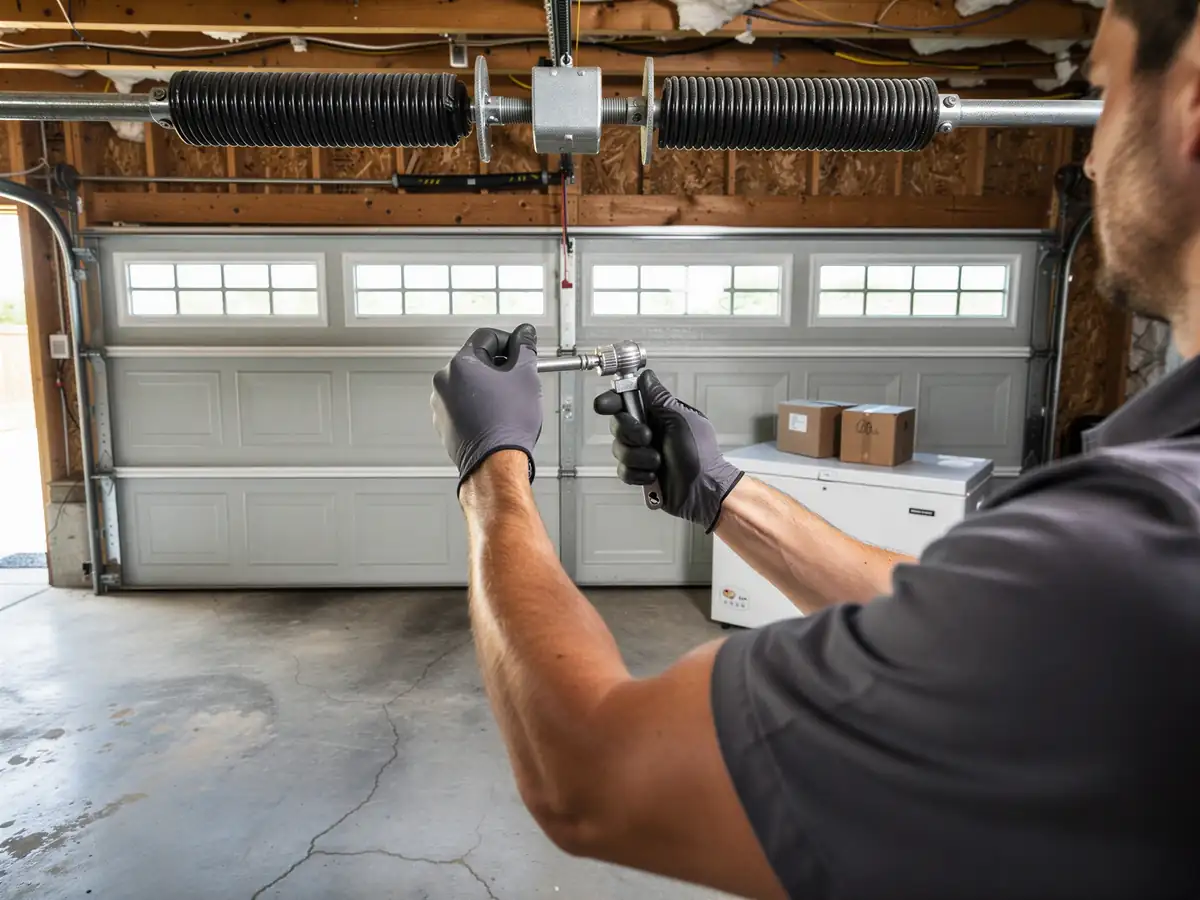
Lucas also carries a higher median income than much of the surrounding area, and with 2,724 households here, we see more insulated steel doors and larger two-car openings bought new rather than passed down from an older build. Those doors tend to be heavier, which puts more strain on a spring sized for the original builder-grade panel if it's ever been swapped without resizing the spring to match.
How to Book
We run out of Royse City, about 18 miles from Lucas
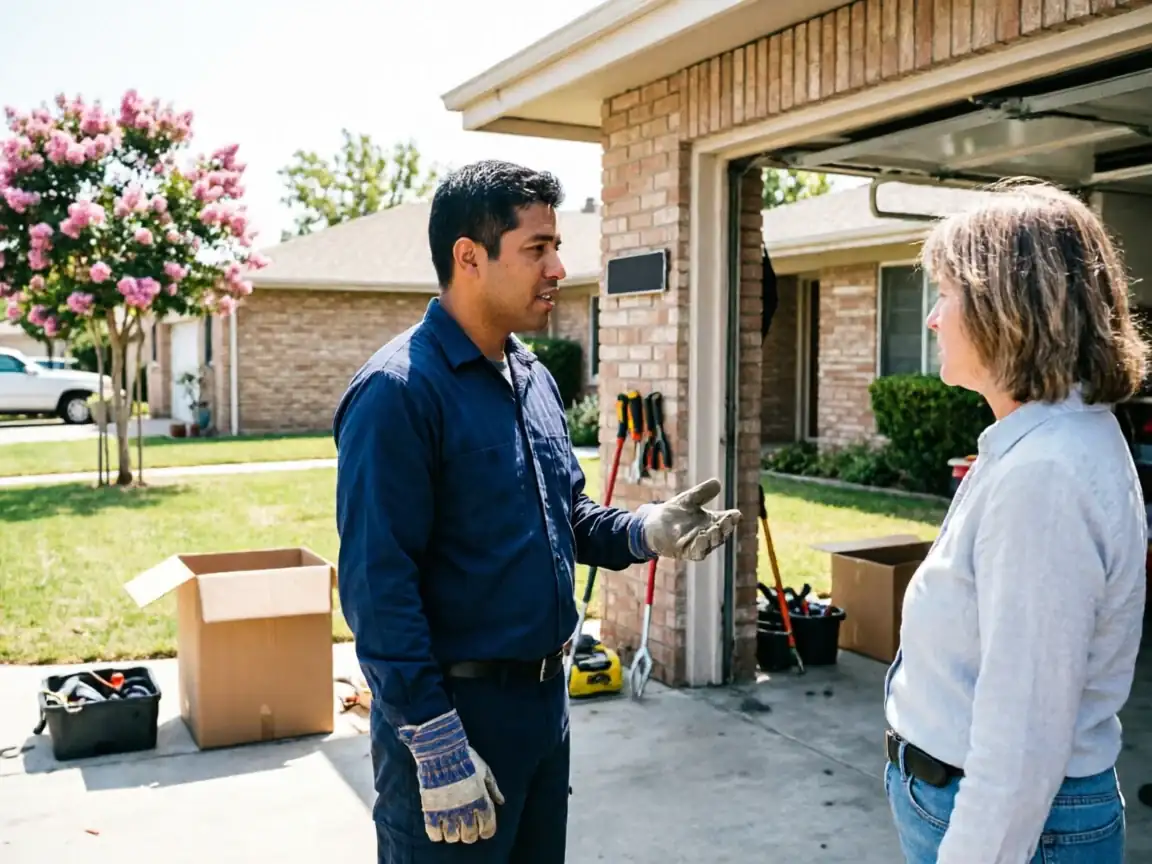
So a same-day fix depends on where the truck already is that morning. We don't keep a branch or staff in Lucas itself. Call or book through the site and tell us what the door is doing - stuck open, stuck closed, opener clicking but not moving, remote dead - so we can bring the right spring size and the right opener parts on the first trip instead of a second one.
- 18 miles
If your opener is original to a 2002 build and the board is the problem
We'll tell you straight whether a repair is worth it or whether a new opener head is the better money. Boards for units that old aren't always available, and chasing a part that doesn't exist anymore just burns a service call. We'd rather say so up front.
For the rest of what we do across the wider service area
That's covered on our main repair page, not this one. This page is about the Lucas call specifically.
What You Are Seeing
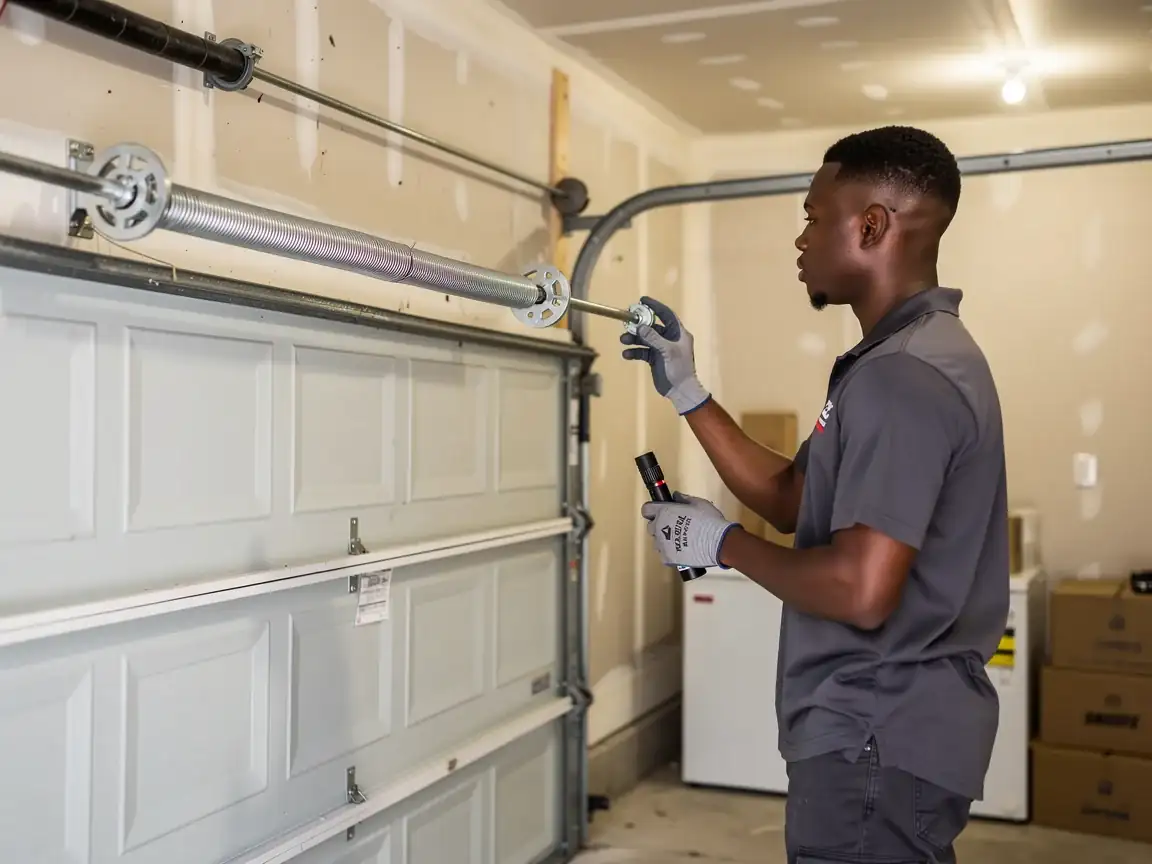
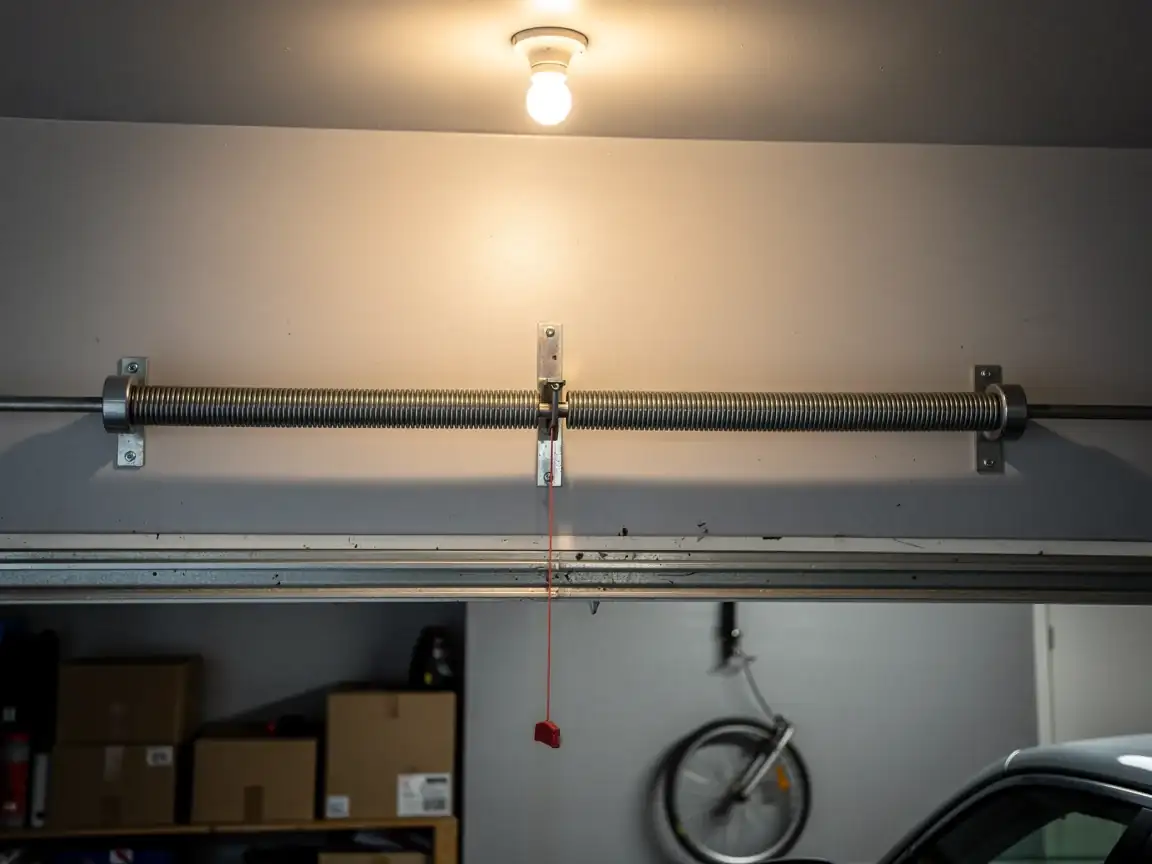
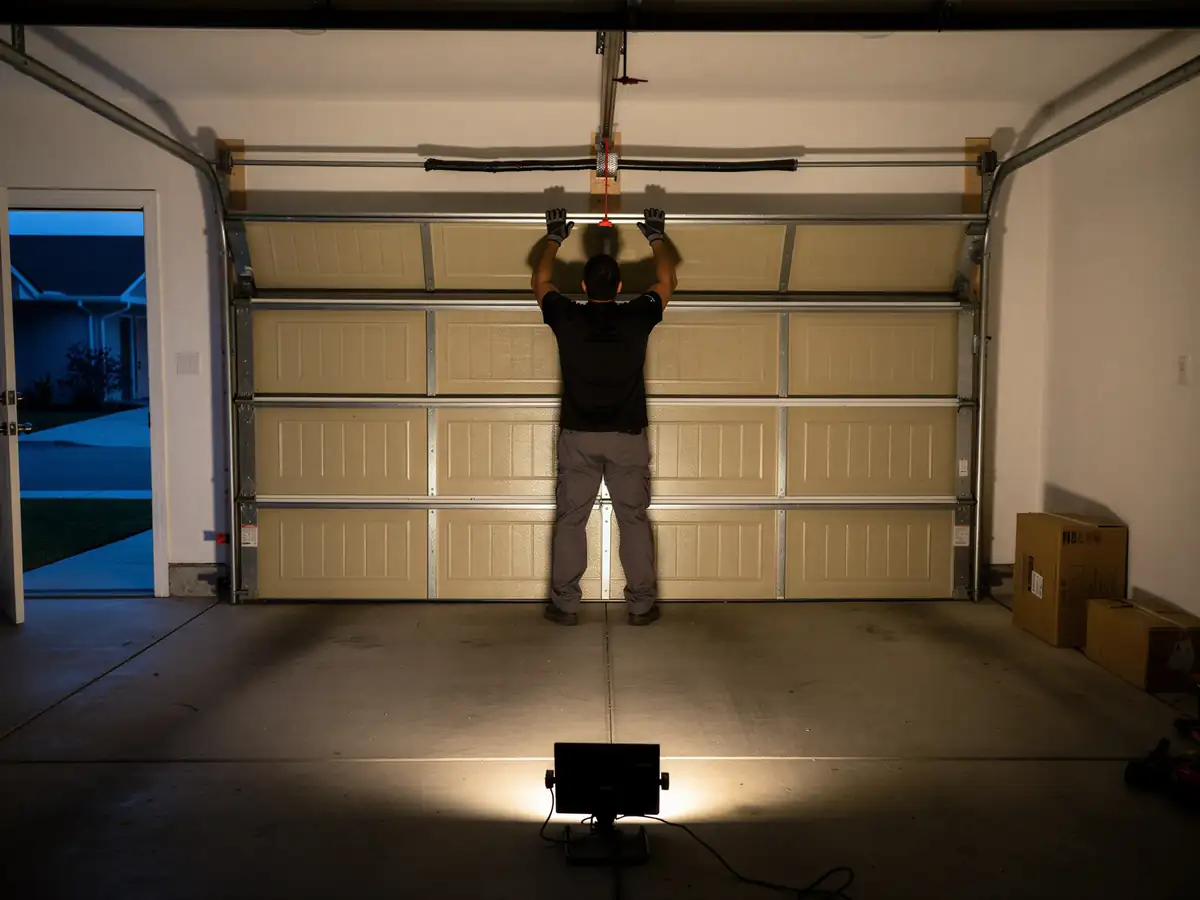
If your door is from the early 2000s and the opener has started acting erratic - reversing, not responding, or humming without moving the door - that's a board or capacitor issue more often than a spring issue in homes this age. A spring failure looks different: the door won't budge at all, or it slams down fast because nothing is holding the weight.
Cracked or sagging weatherstripping around the bottom of the door is common on original installs from this era and is mostly a seal problem, not a safety one, though it lets in heat and dust. Worn rollers sound like a grinding or squealing on the way up, especially on original plastic rollers that were never upgraded to nylon.
One thing we won't do is replace a whole door system when the actual fault is a forty-dollar part. We check the board, the sensors, and the spring tension separately before we quote anything, because in a neighborhood where most of the stock is the same age, it's usually one specific part giving out, not the whole unit.