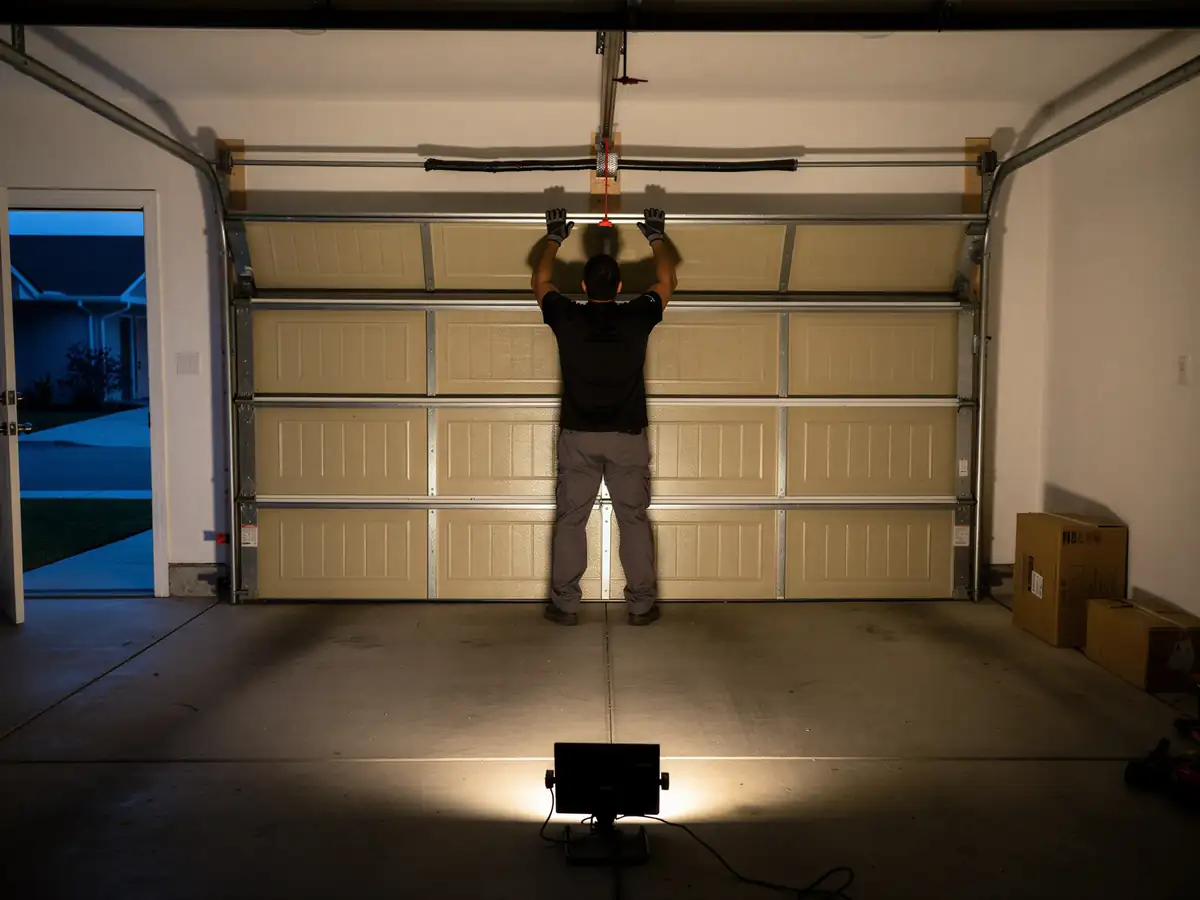
What Can Go Wrong
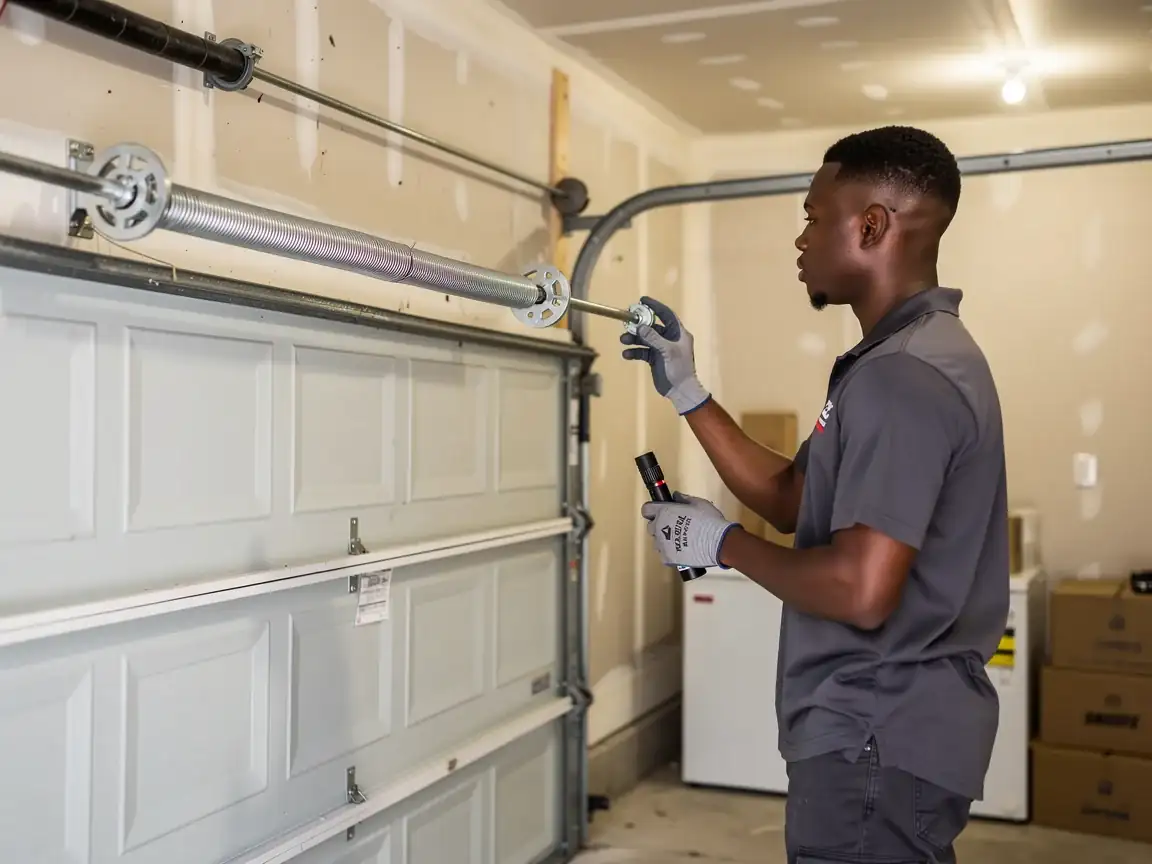
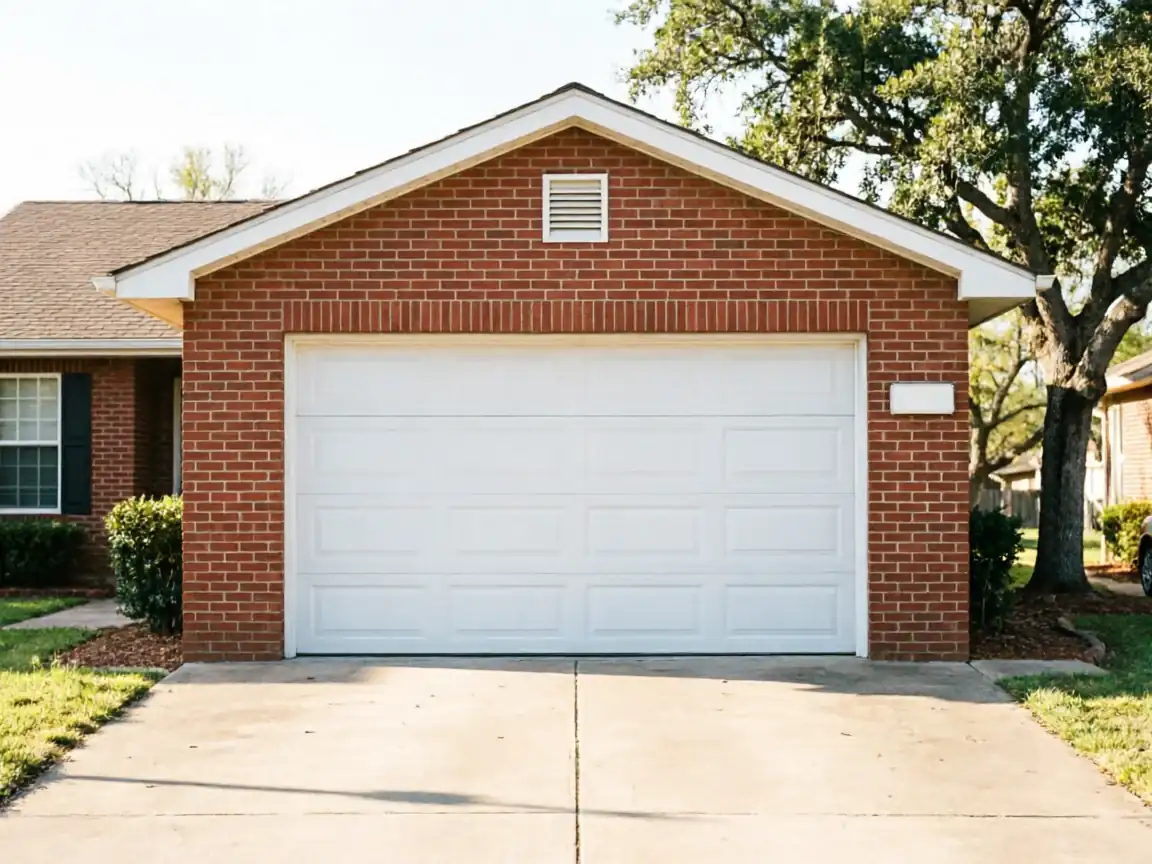
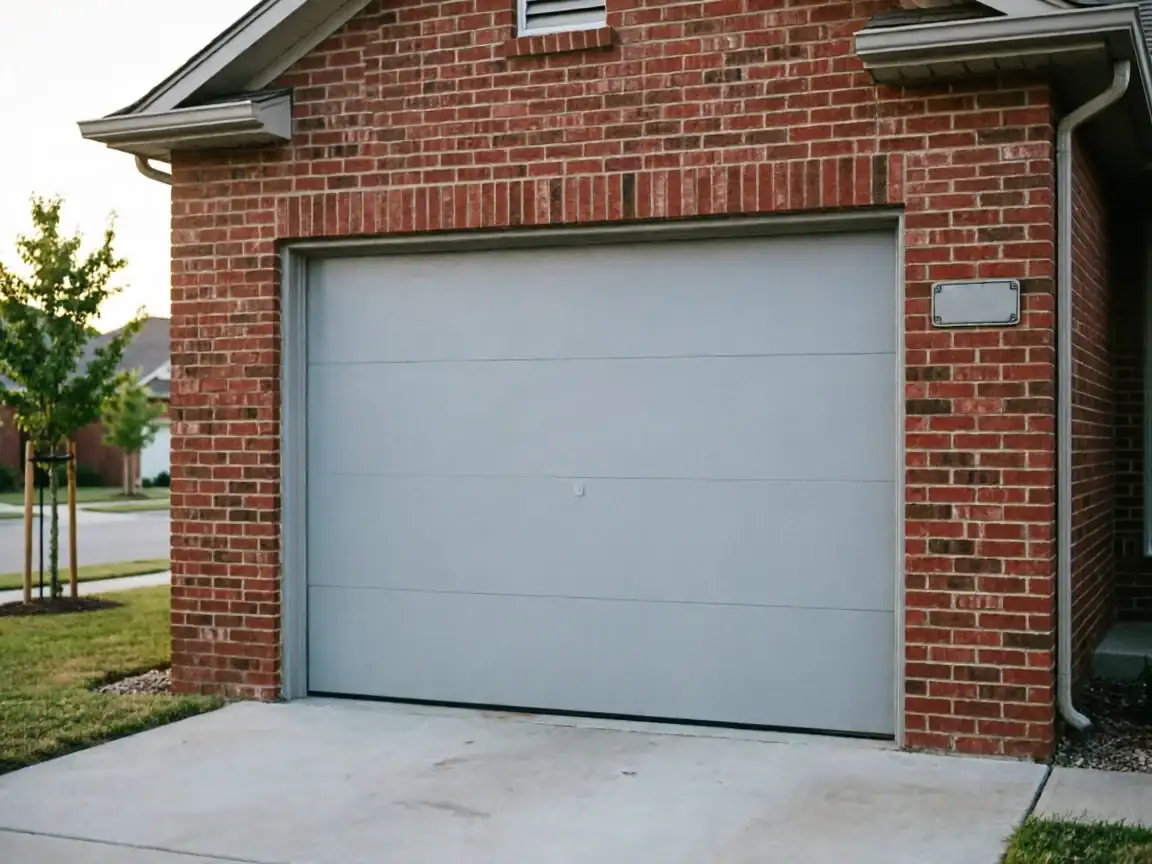
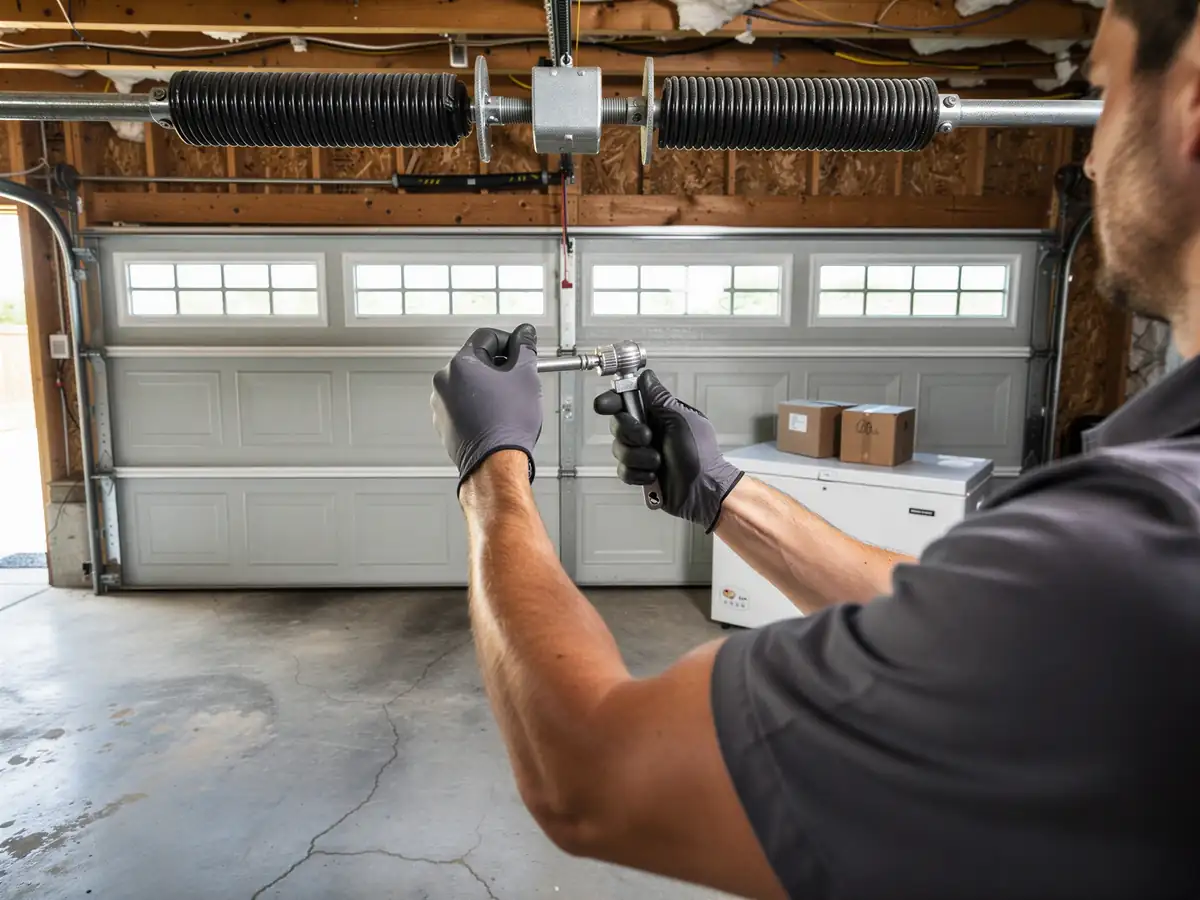
Most houses in Lucas were built after 2000, with a median build year around 2002. That matters because builders in that era standardized on steel sectional doors hung on extension-spring systems with plastic idler pulleys and stamped-steel end bearings - parts built to a price point, not to last thirty years. By now a lot of those original springs are at or past their rated cycle count, and the pulleys are the kind that crack rather than wear gradually.
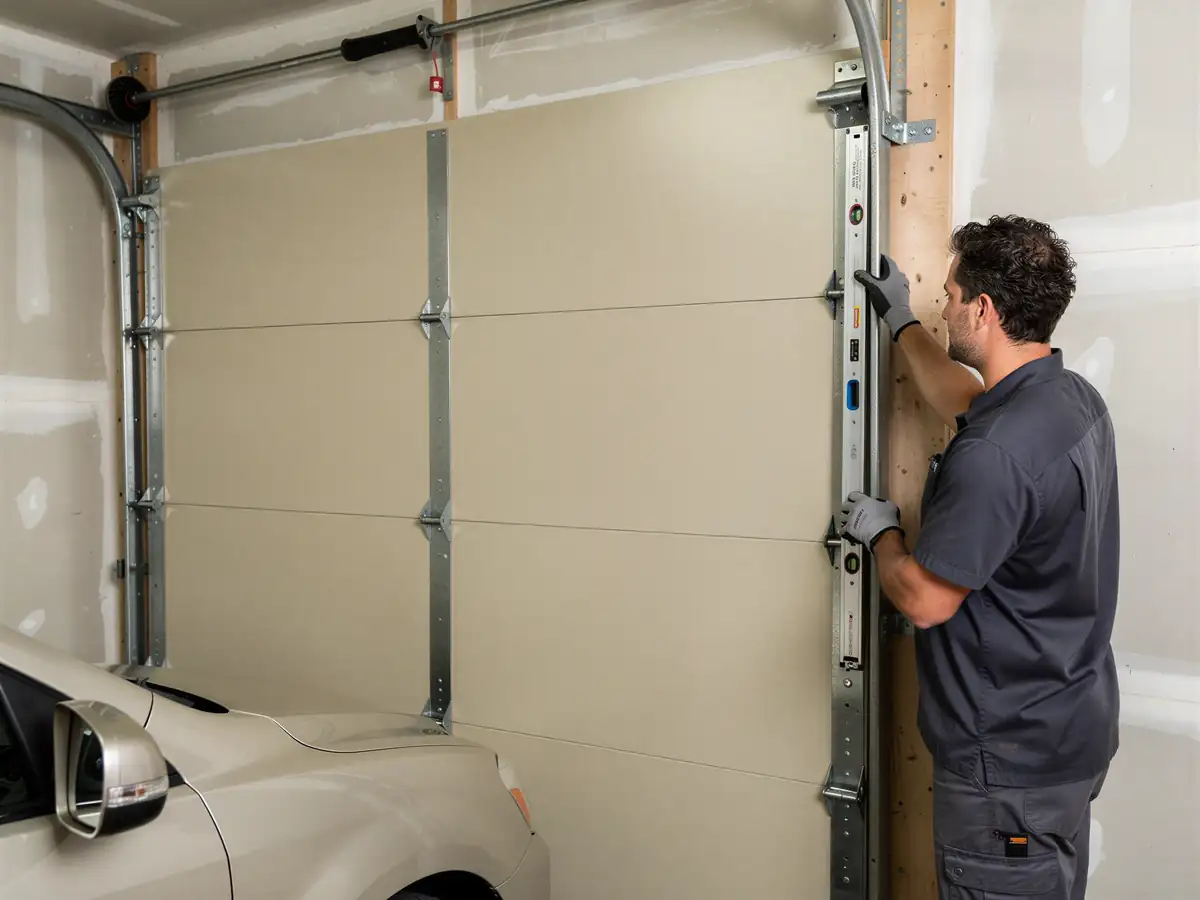
The common calls we get from this stretch of the service area are a snapped extension spring on a double door, a cable that's jumped the drum after a pulley failure, and openers from the early-to-mid 2000s whose circuit boards or drive gears have simply quit. Because Lucas households run well above the service area's median income, we also see more double-wide doors with heavier insulated panels and belt-drive openers added later - those put more load on hardware that was never upsized to match.
What we don't see much of here is the older torsion-only hardware you'd find in a neighborhood built in the 1970s or 80s. Lucas is a newer build era, and the failure pattern reflects it.
Why This Fails Locally
A garage door system is only as strong as its weakest original part, and in a neighborhood where most homes share a 2002-ish build year, that weak part fails on a similar schedule across the whole street. Extension springs from that generation typically run 10,000 cycles; a household opening the door twice a day burns through that in well under fifteen years, so a lot of Lucas garages are now due or overdue.
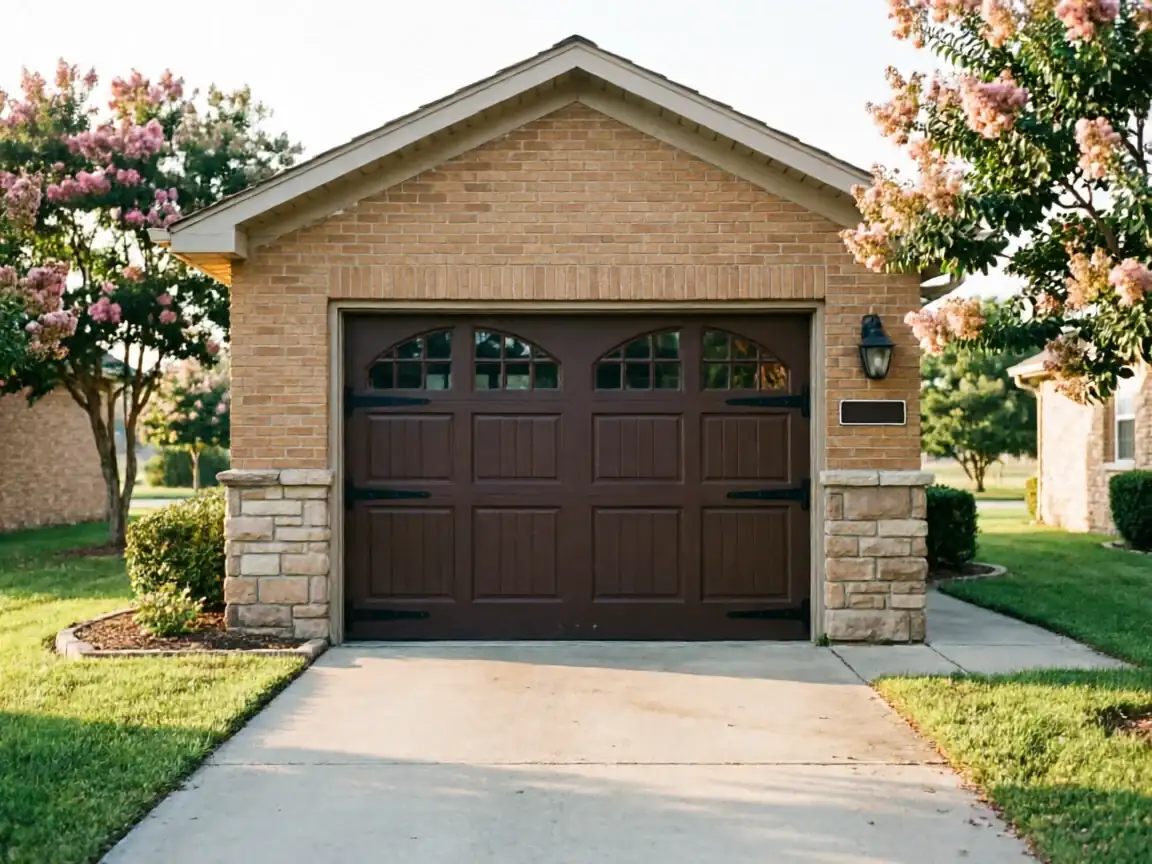
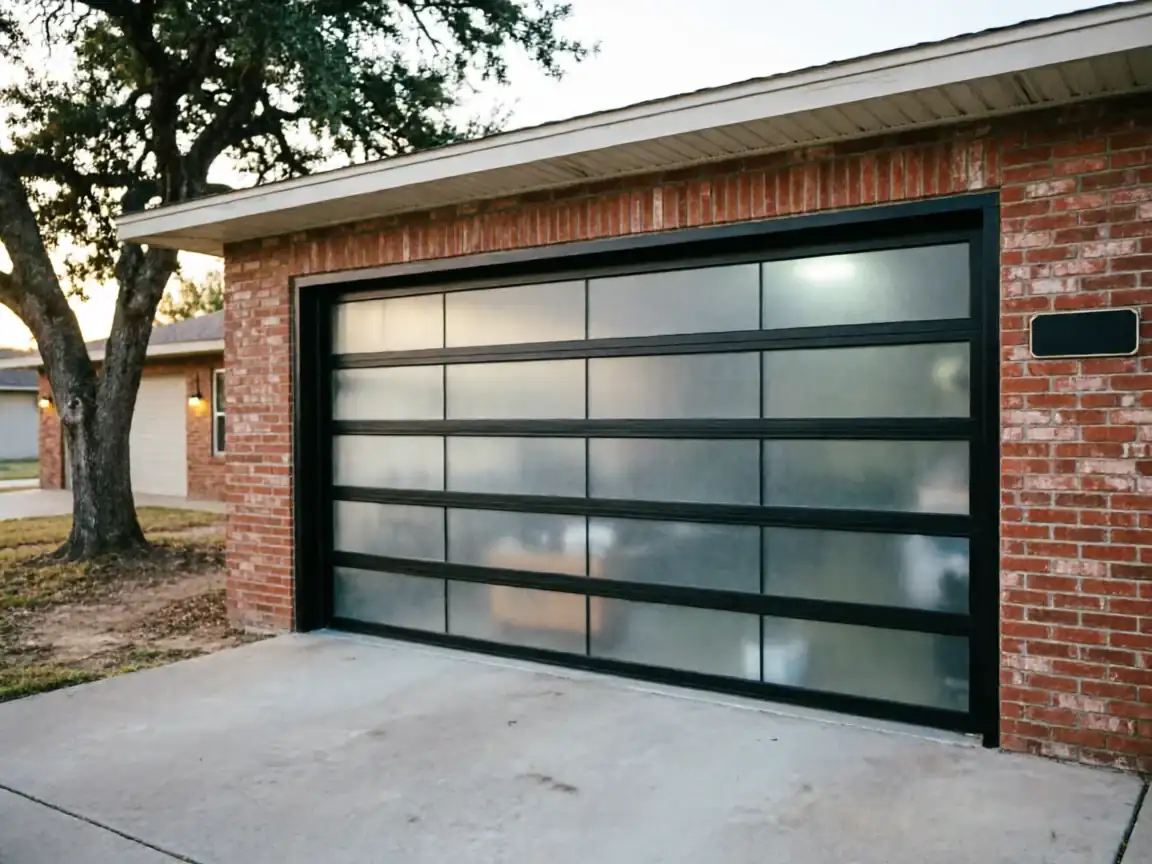
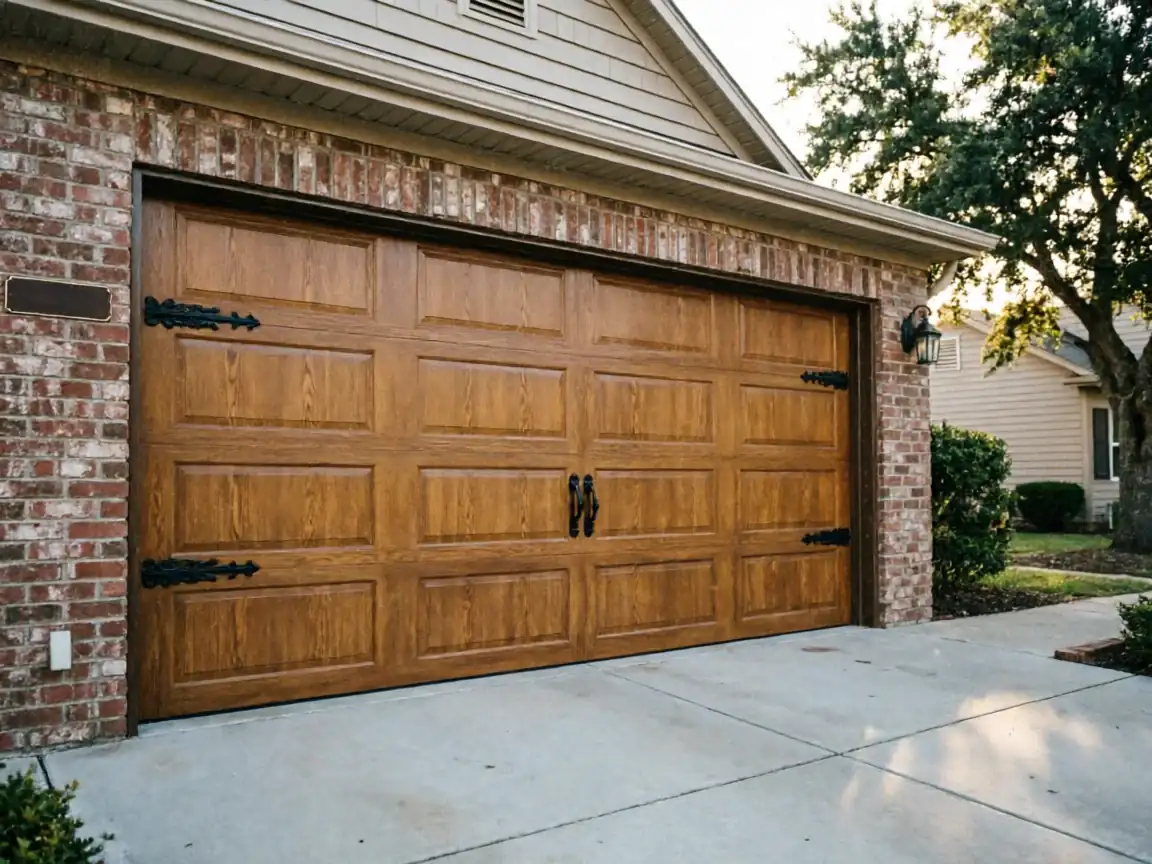
The other local wrinkle is household income. At a median around $178,403, Lucas sits well above the broader service area's $117,428, and that shows up as heavier doors - real insulation, thicker steel, sometimes carriage-style overlay panels - bolted onto builder-grade torsion or extension hardware that wasn't sized for the upgrade. When a homeowner swaps in a nicer door but keeps the original springs, the springs work harder than they were built for and fail sooner, not later.
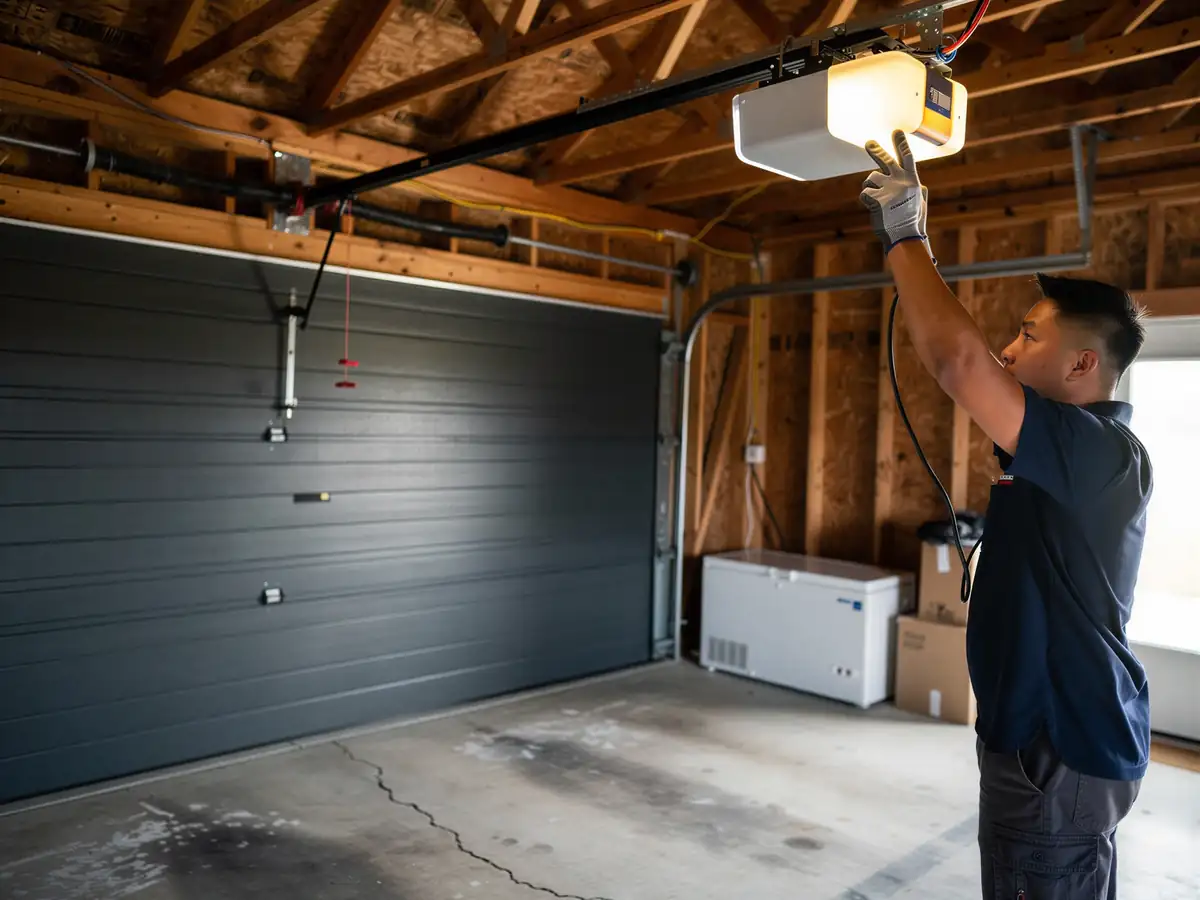
We won't pretend every failure is spring-related. Opener logic boards from the early 2000s are also reaching end of life on their own timeline, independent of the door itself, and that's a different fix entirely.
How to Book
We're based in Royse City, about 18 miles from Lucas
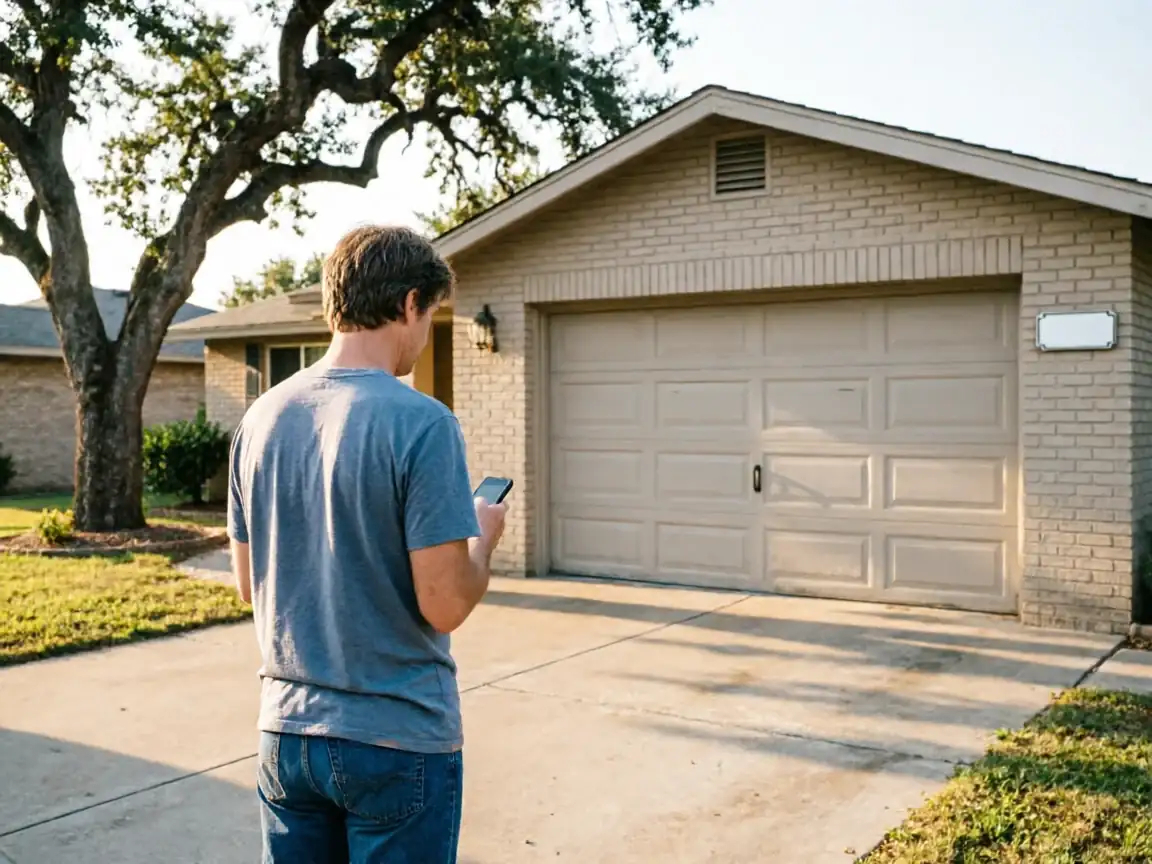
And we run emergency calls out to this part of the service area as they come in. Call and tell us what the door is doing - spring snapped, door won't budge, opener runs but the door doesn't move - so the right parts are on the truck before we start the drive.
- 18 miles
We don't keep a branch or drop-off counter in Lucas
So there's no walk-in option here; everything starts with a phone call. Given the distance, we ask Lucas customers to be reachable by phone in case we need a quick detail about the opener model or door brand before we're wheels-up.
For the full rundown of what counts as an emergency versus a job that can wait for a scheduled visit
See our main emergency repair page for Royse City. The Lucas-specific coverage details, including this travel distance, are on our Lucas service area page.
What You Are Seeing
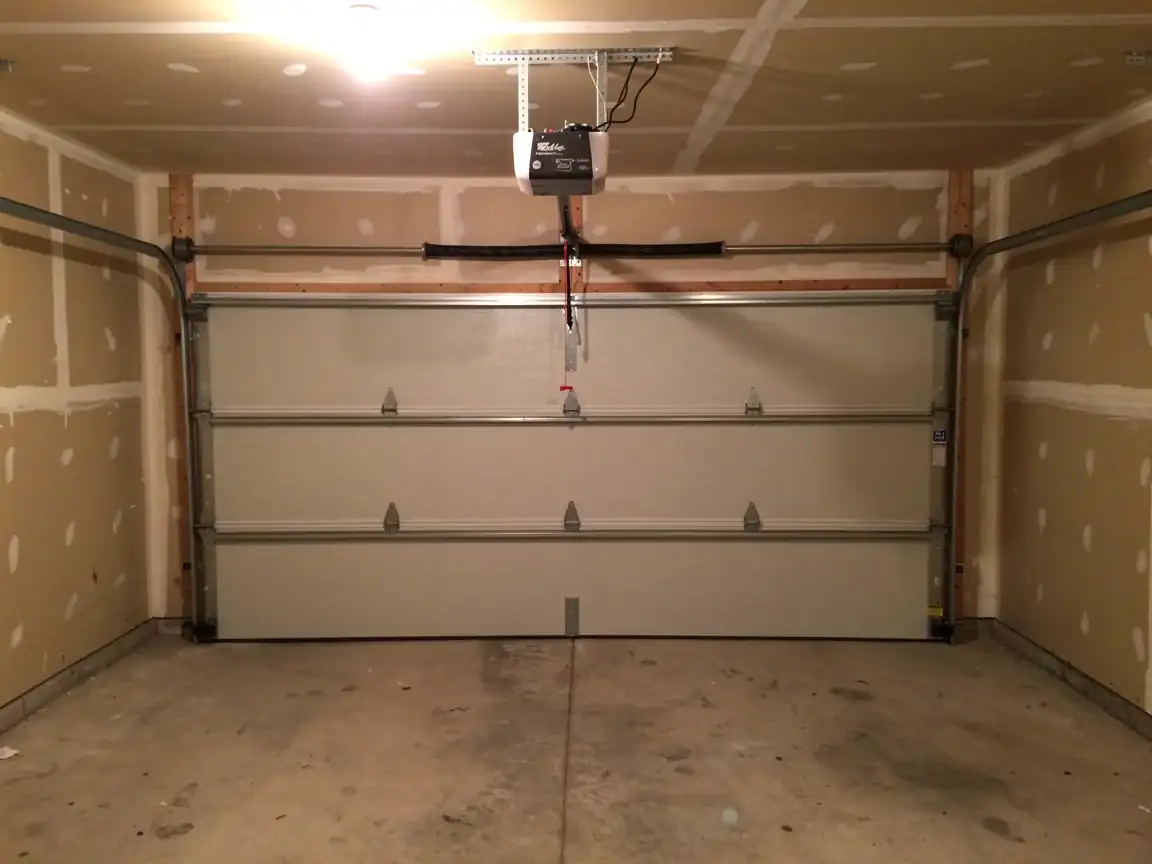
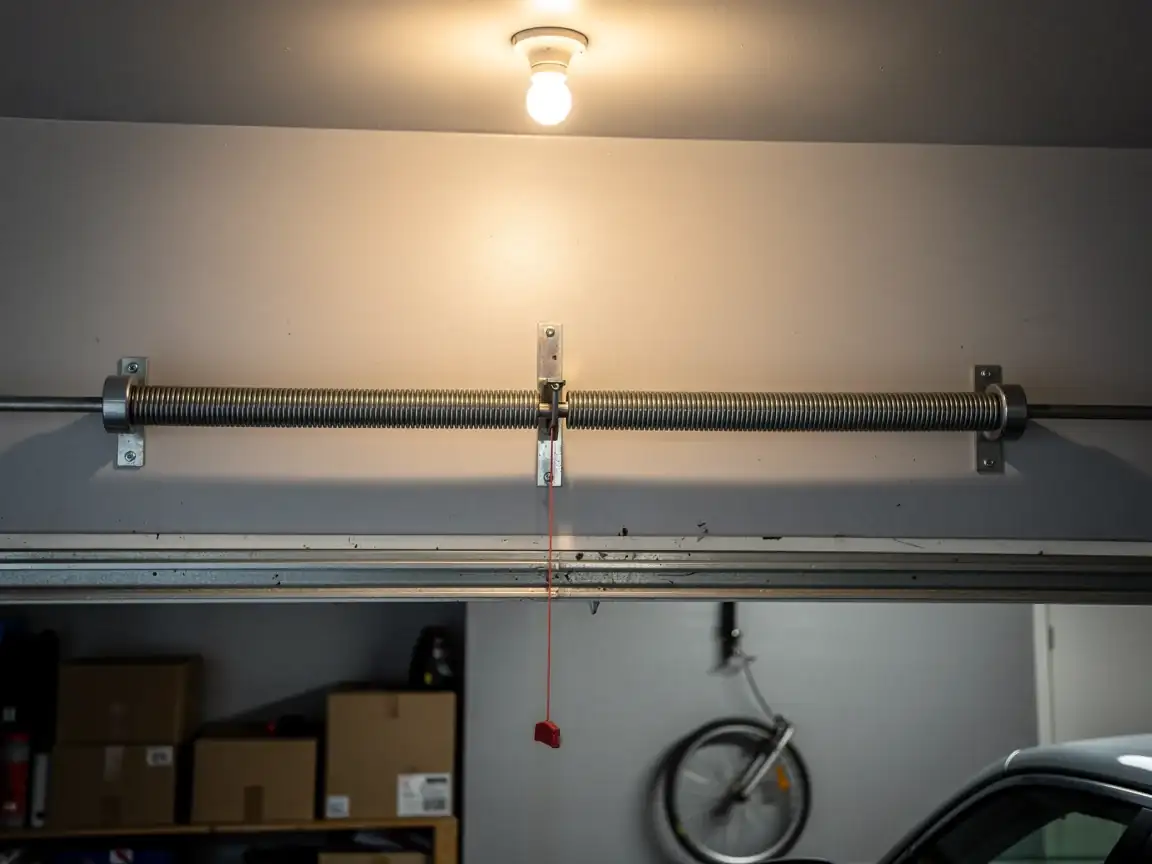
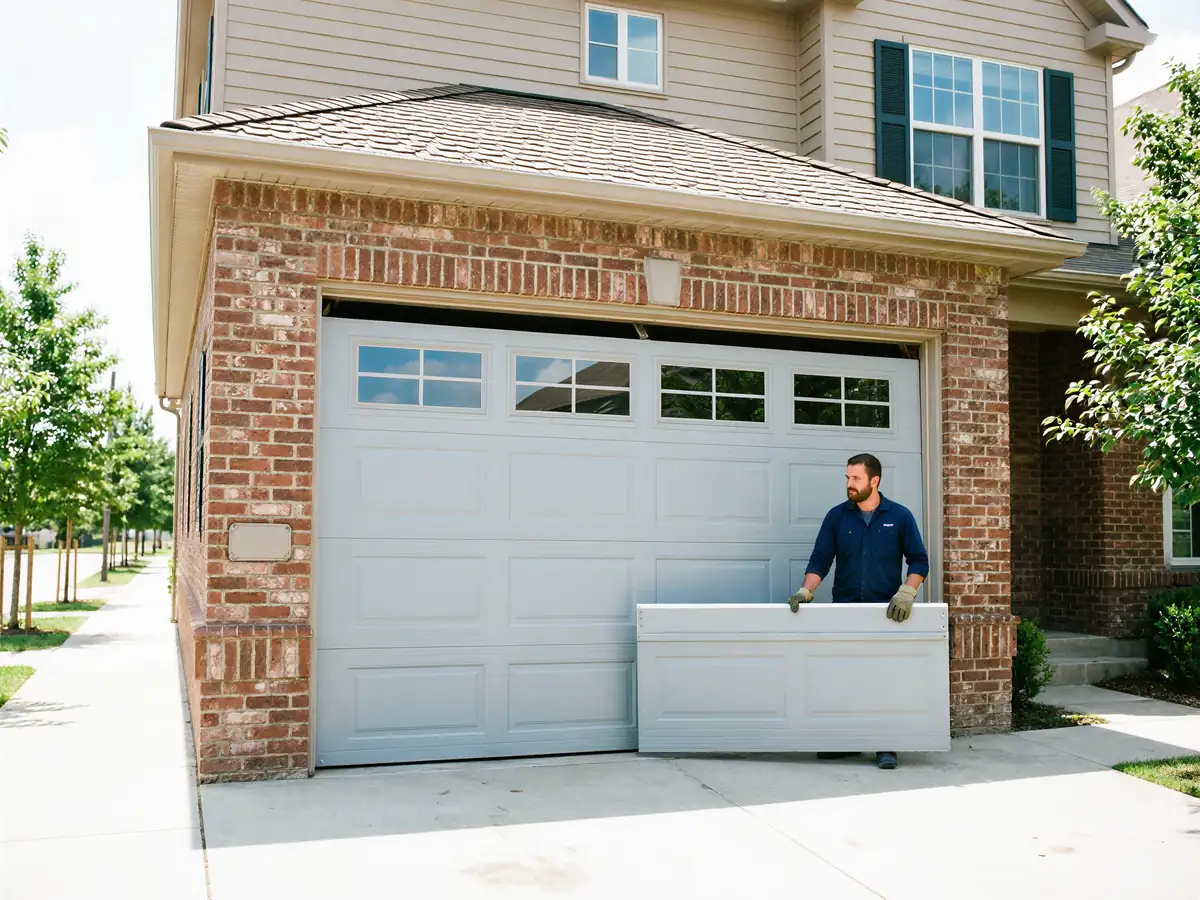
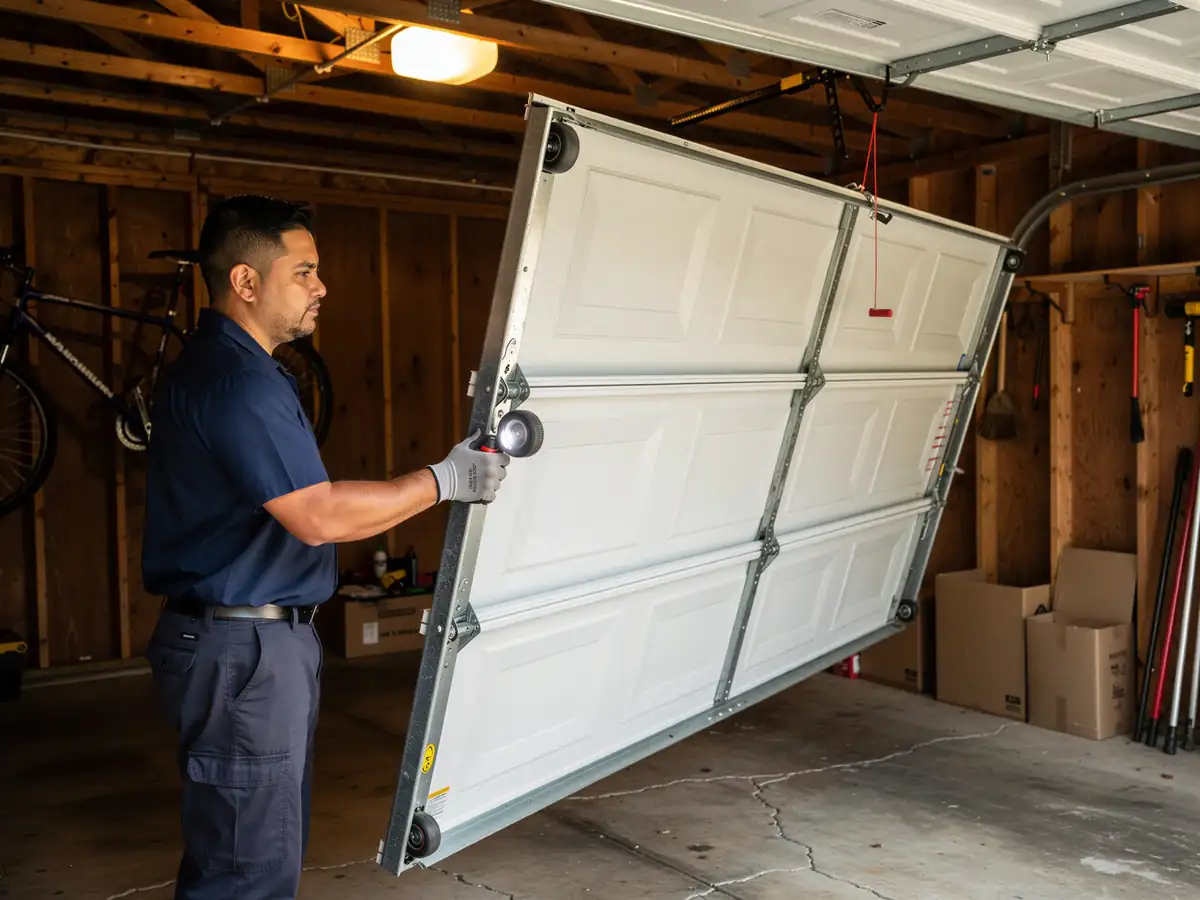
If your door won't lift and you can see a gap or a coil hanging loose above the opening, that's a broken extension spring - common on doors from Lucas's 2000s-era housing stock, and not something to force with the opener since that strains the drive gear. If the door moves a few inches and reverses, or runs off a track on one side, a cable has likely slipped its drum, usually tied to the same aging pulley hardware.
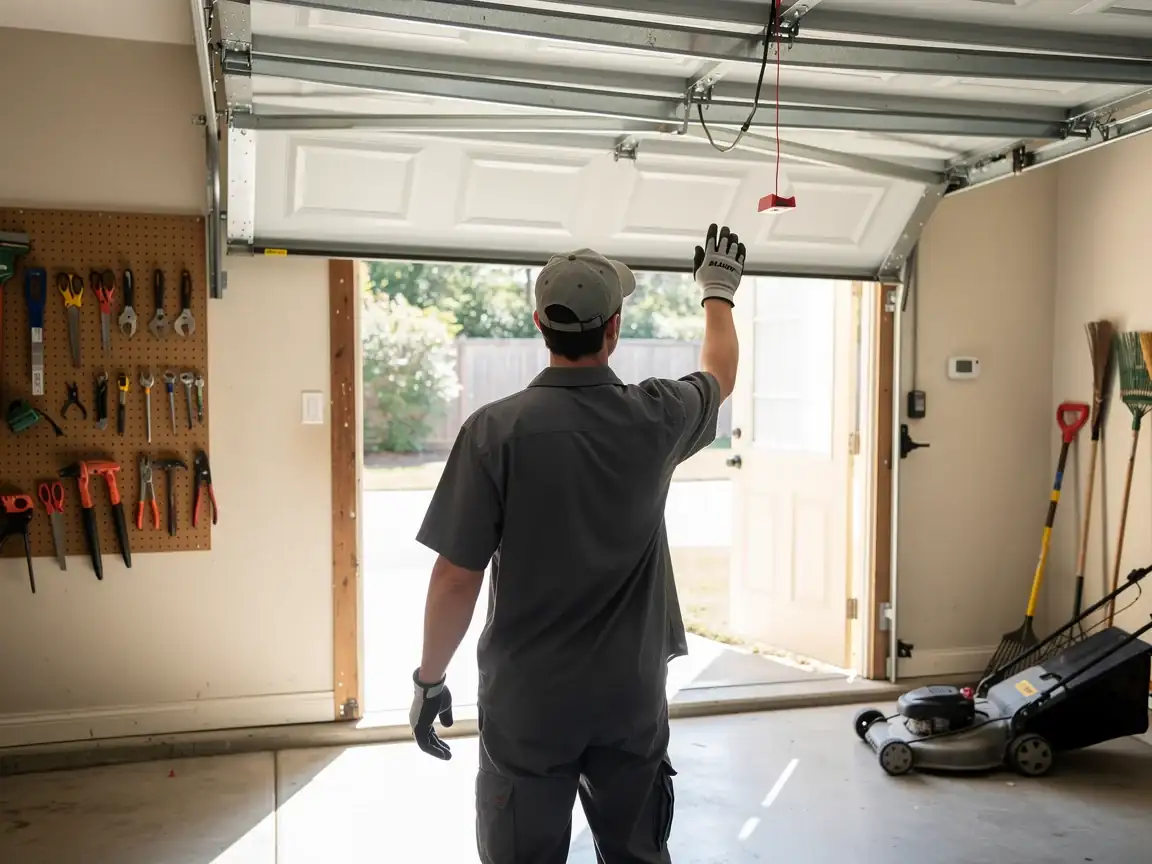
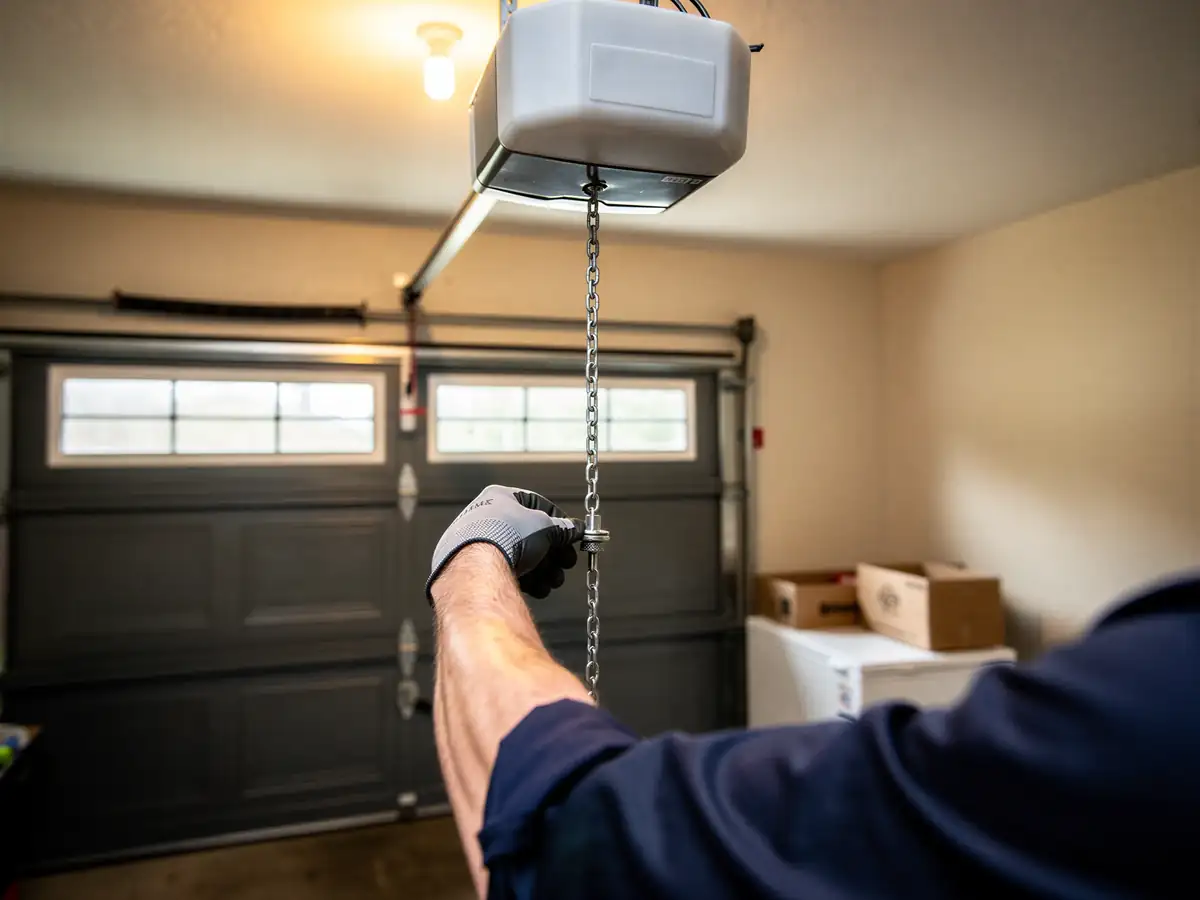
An opener that hums but the door doesn't move is often a stripped drive gear, common in openers installed when these houses were first built. An opener that's dead silent is more likely a power or board issue, which is a cheaper fix than people expect.
One honest limit: if the door is original to a 2002 build and the opener, springs, and tracks are all failing at once, patch repairs start costing more than a straight replacement. We'll tell you when that line has been crossed rather than keep billing a dying system.