What the Fix Involves
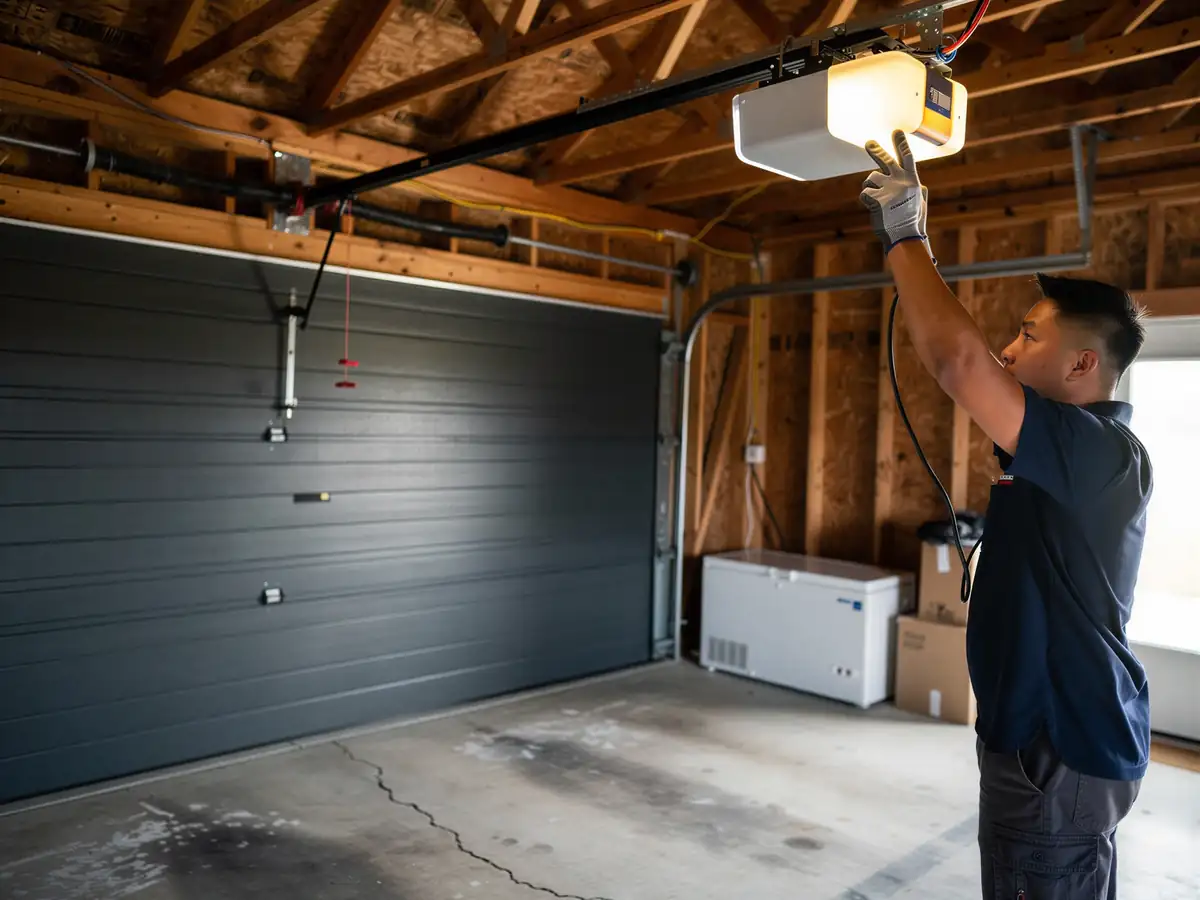
Sunnyvale's housing stock centers on 2006, which puts most openers in this town right at the edge of their service life. A chain or belt drive opener installed when the house was framed typically runs 10 to 15 years before the motor capacitor weakens, the circuit board drifts, or the drive gear strips. If your house was built around that date and nobody's swapped the unit, what's bolted to your ceiling joists is very likely the original.
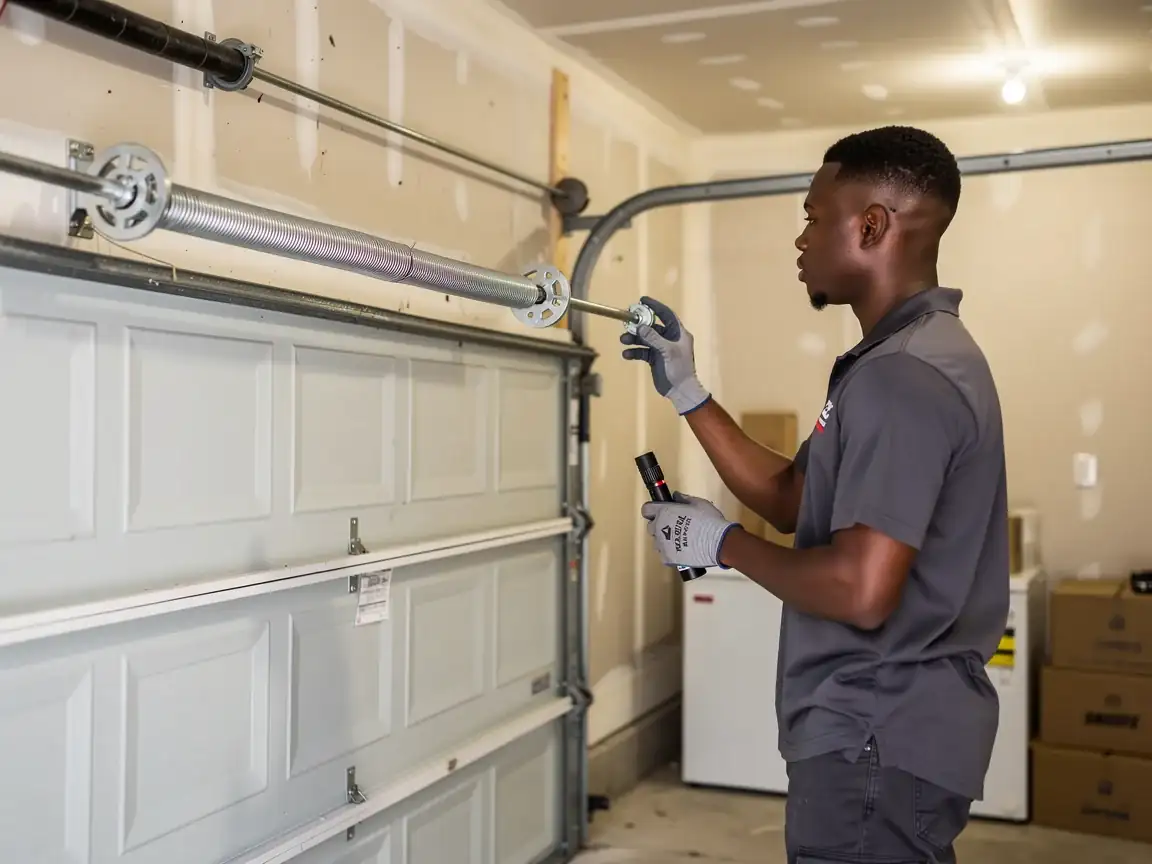
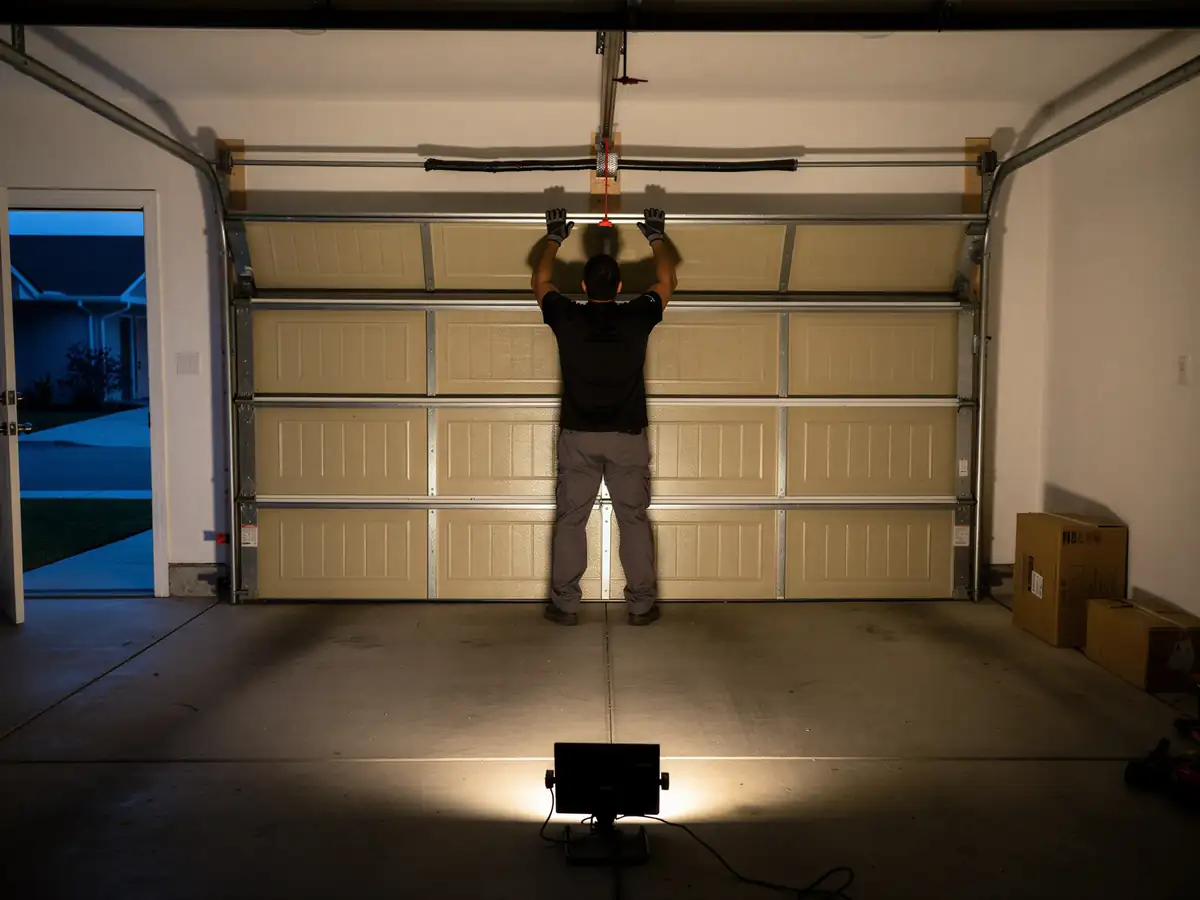
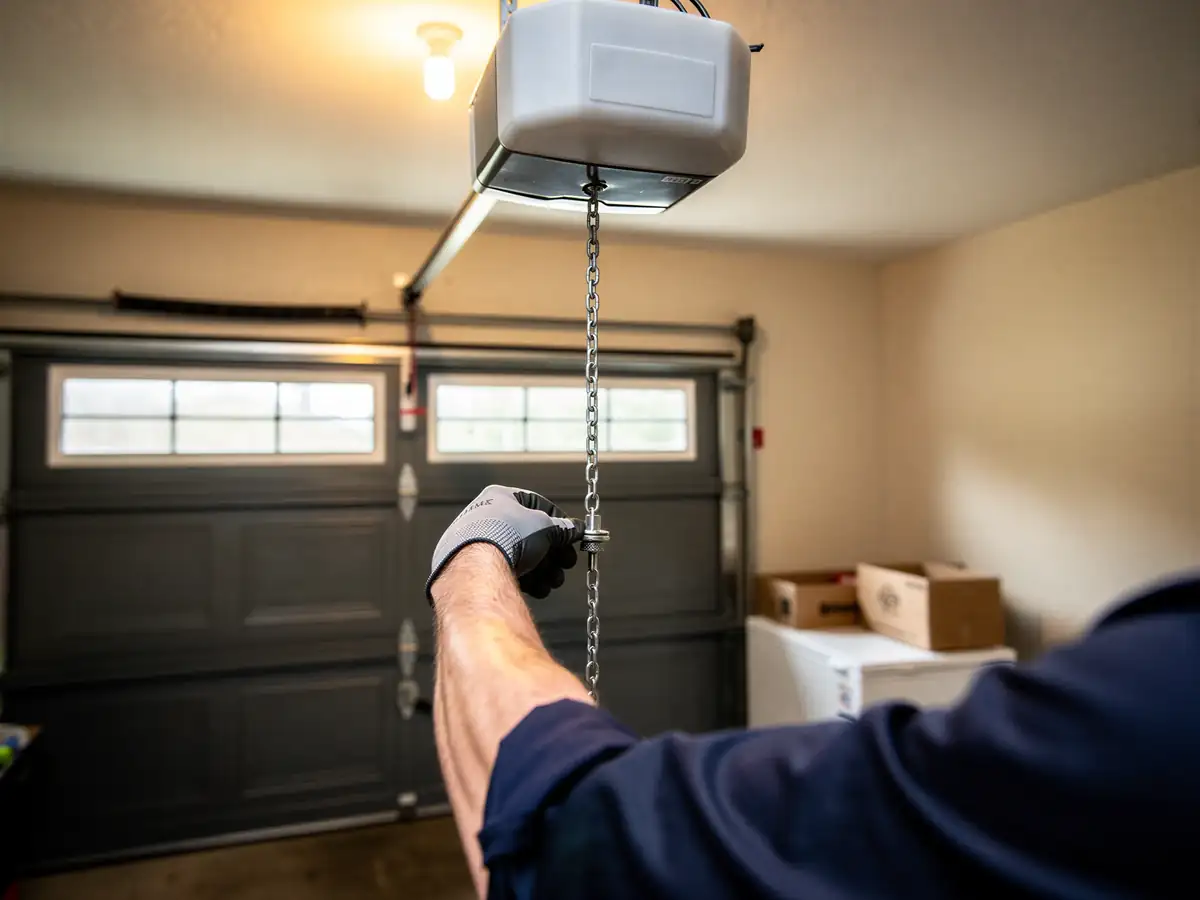
The fix starts with figuring out what's actually failed, not just swapping the whole unit on a guess. We check the logic board, test the motor under load, inspect the drive gear and chain or belt for wear, and look at the wall control and safety sensors before we touch anything. A lot of calls that sound like "the opener's dead" turn out to be a stripped gear or a sensor knocked out of alignment, both cheaper fixes than a new unit.
We come out from Royse City, about 19 miles, so we bring the parts most likely to be needed for a 2006-era opener rather than guessing on site.
What You Are Seeing
The common complaint from this era of opener is a motor that hums but the door doesn't move, which usually means the drive gear inside the housing has stripped its teeth. That gear is plastic by design, it's meant to wear out before the motor does, and nearly 20 years of openings is enough to get there.
Other patterns: the light blinks but the door won't respond to the remote, which points to a dying logic board or a wall control losing its connection. Or the door reverses a few inches off the floor every time, which is almost always a safety sensor that's drifted out of alignment or picked up dust over the years - not a wiring fault.
If your opener is original to a 2006 build, don't be surprised if more than one of these shows up at once. Components from the same install date tend to fail in the same window.
The DIY Question
Realigning a safety sensor or tightening a loose wall control bracket is reasonable to try yourself
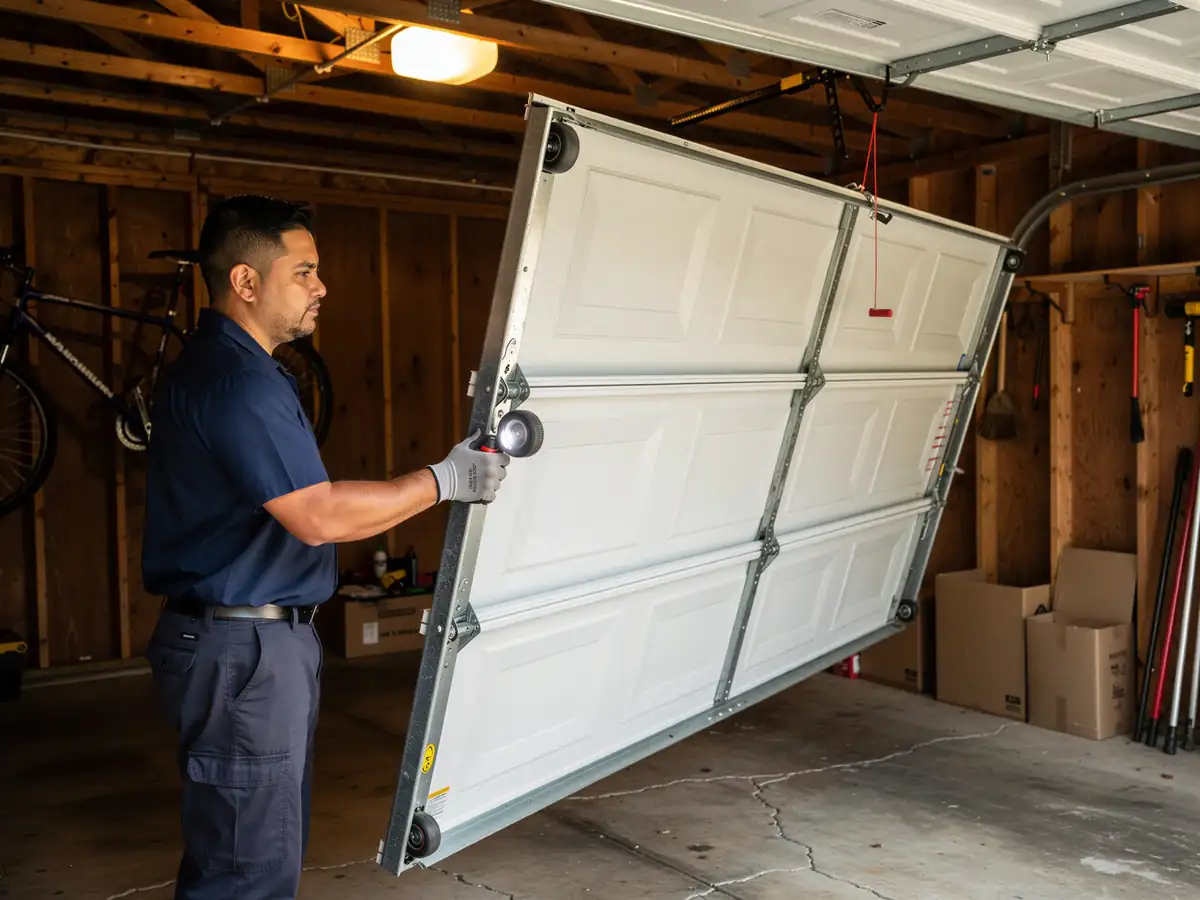
Unplug the opener first, and if the door won't close with a solid red light blinking on the sensor, a slight nudge and relevel often solves it.
What's not a weekend project
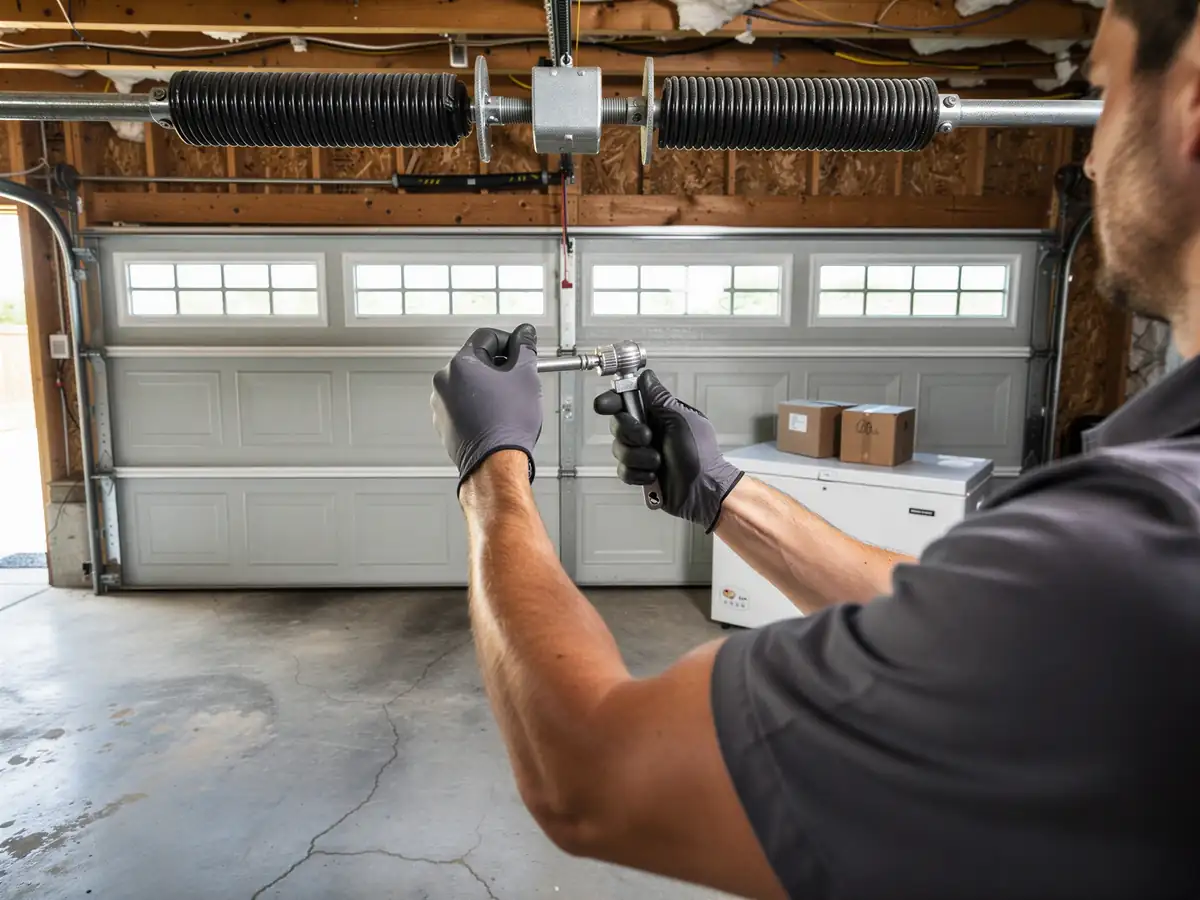
Anything involving the drive gear, the logic board, or the motor itself. Opening the housing on an opener this old usually finds brittle wiring and a gear that's one more cycle from total failure, and getting the chain or belt tension wrong afterward puts strain on the opener and the door track both.
Our honest limit here
If your opener's logic board is the specific failure, and the model is old enough that the manufacturer's stopped making that board, we may recommend replacement over repair rather than hunting down a part that's been discontinued. We'll tell you straight if that's where you land before we quote anything.
What It Costs
We don't post a flat number for opener repair because the fix in Sunnyvale usually isn't a simple part swap - it depends on whether it's a sensor, a gear, a board, or the motor itself, and whether your unit is still supported by parts at all.
What we can say: Sunnyvale's median household income runs well above the wider service area's, and higher-income households in newer construction here tend to call us for opener replacement rather than repeated patch repairs once a 2006-era unit starts failing in more than one spot. That's a judgment call we make with you on site, not a default we push.
Parts We Carry
We carry drive gears, logic boards for the opener brands most common in homes built around 2006, safety sensor pairs, wall controls, and remotes on the truck for the Royse City-to-Sunnyvale run. Chain and belt stock covers the standard lengths used in residential installs from that construction window.
What we don't stock: boards for openers that predate 2000 by much or obscure proprietary models from manufacturers that have since discontinued support. If your house happens to have an older or unusual unit, we'll confirm availability before the truck leaves Royse City rather than showing up short.