What the Fix Involves
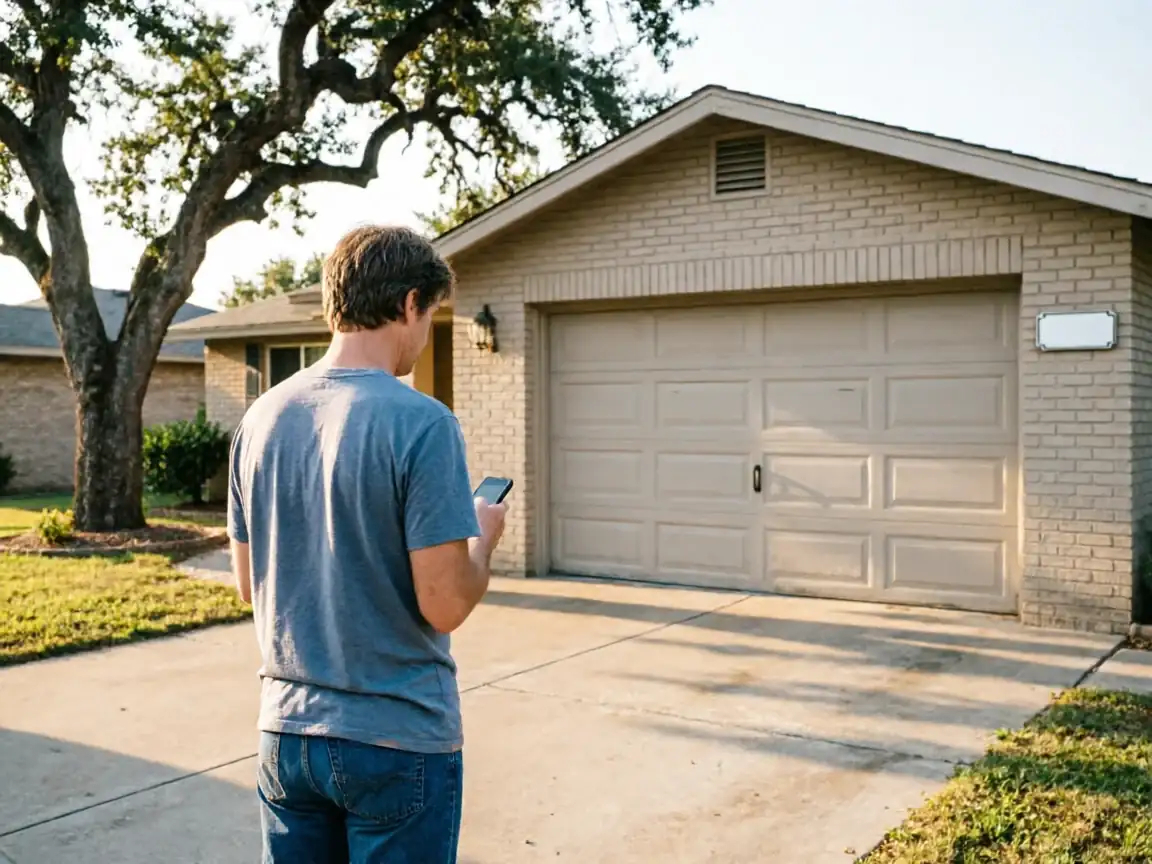
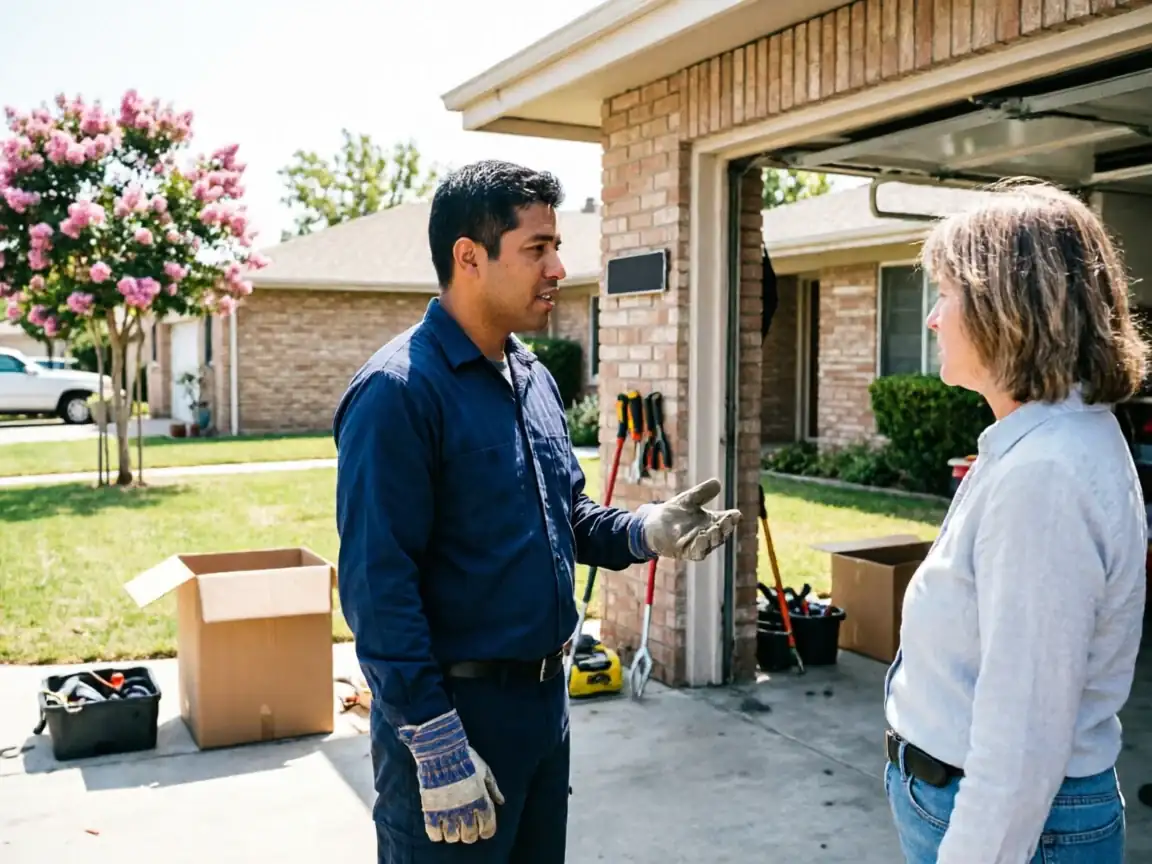
Sunnyvale sits about 19 miles from our shop in Royse City, so when we take a call out here, we're planning for a drive, not a quick trip around the corner. That changes how we schedule the day - we try to group Sunnyvale calls together or slot them around other stops on that side of the service area so the truck isn't making the same long haul twice in one afternoon. It doesn't change what we bring. The truck is stocked the same way whether we're five minutes out or thirty-five, because a torsion spring job needs the same bar set and cable whether it's in Royse City or Sunnyvale. What it does mean is that same-day availability depends more on where else we're already headed that day, so if you can tell us what's wrong with the door when you call, we can usually tell you honestly whether today works or tomorrow morning is the realistic answer.
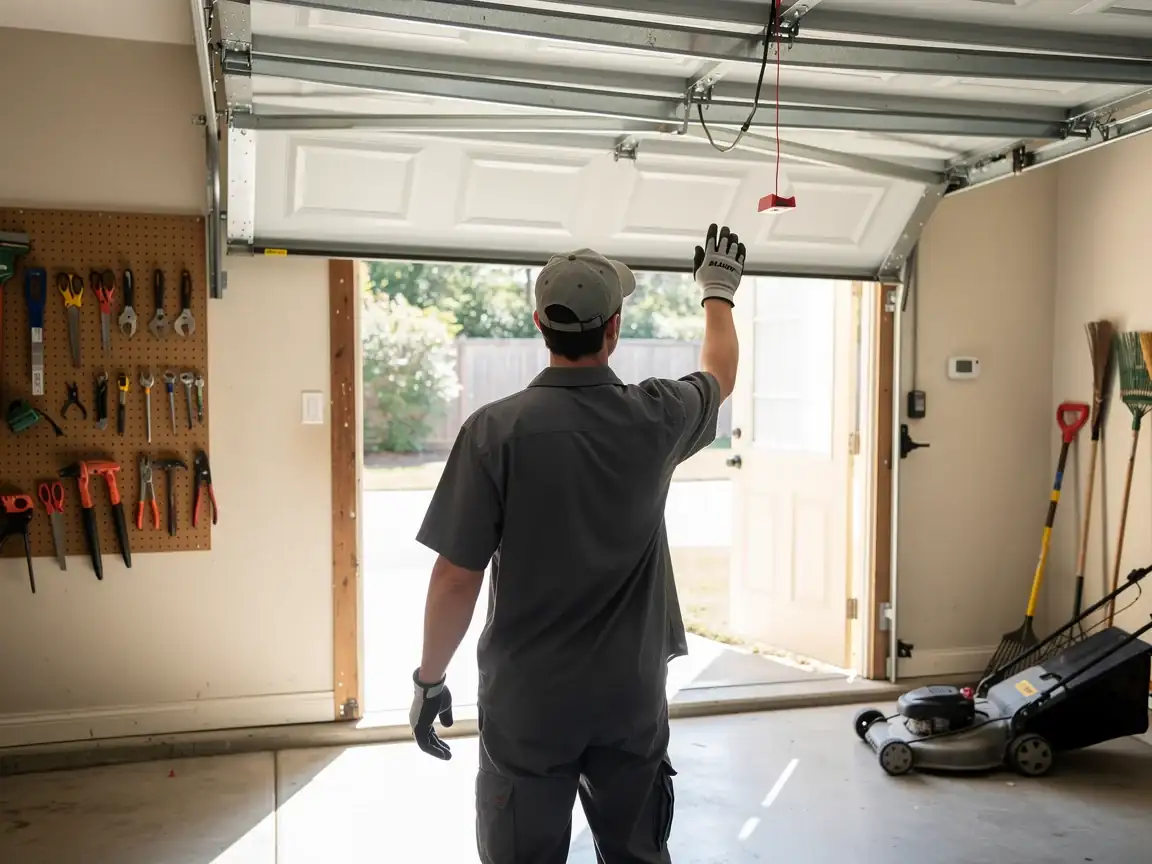
Most of what we fix here is routine: a spring that let go, an opener that stopped responding, a track that's bent from a bumped door. The drive is the logistics problem. The repair itself is ordinary work, done the same way it's done closer to home.
What You Are Seeing
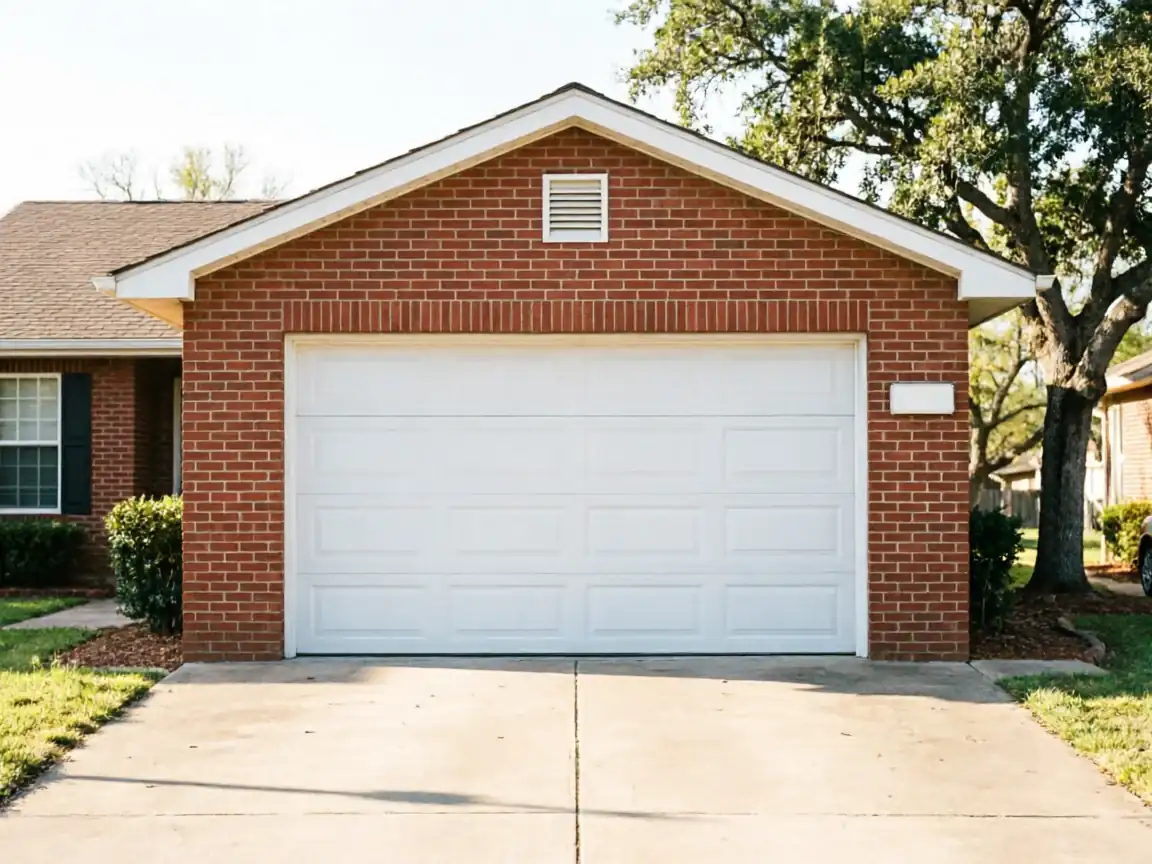
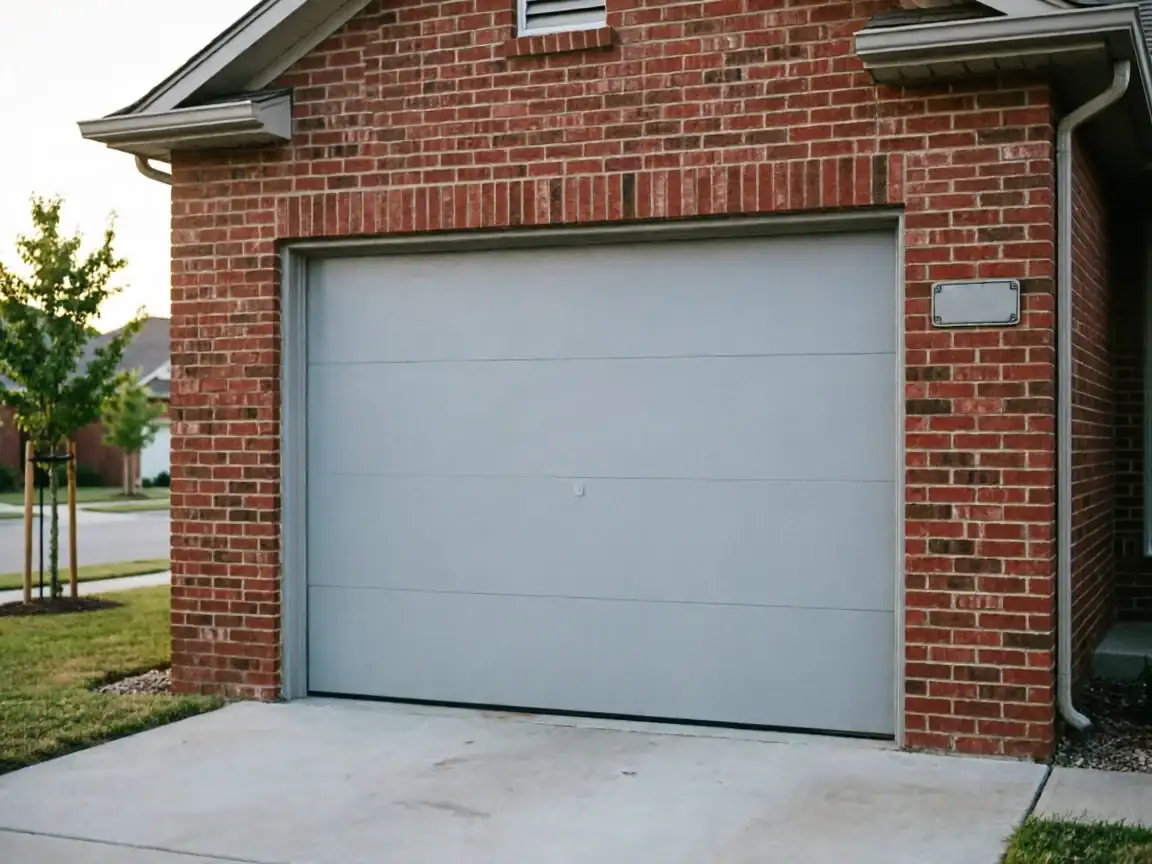
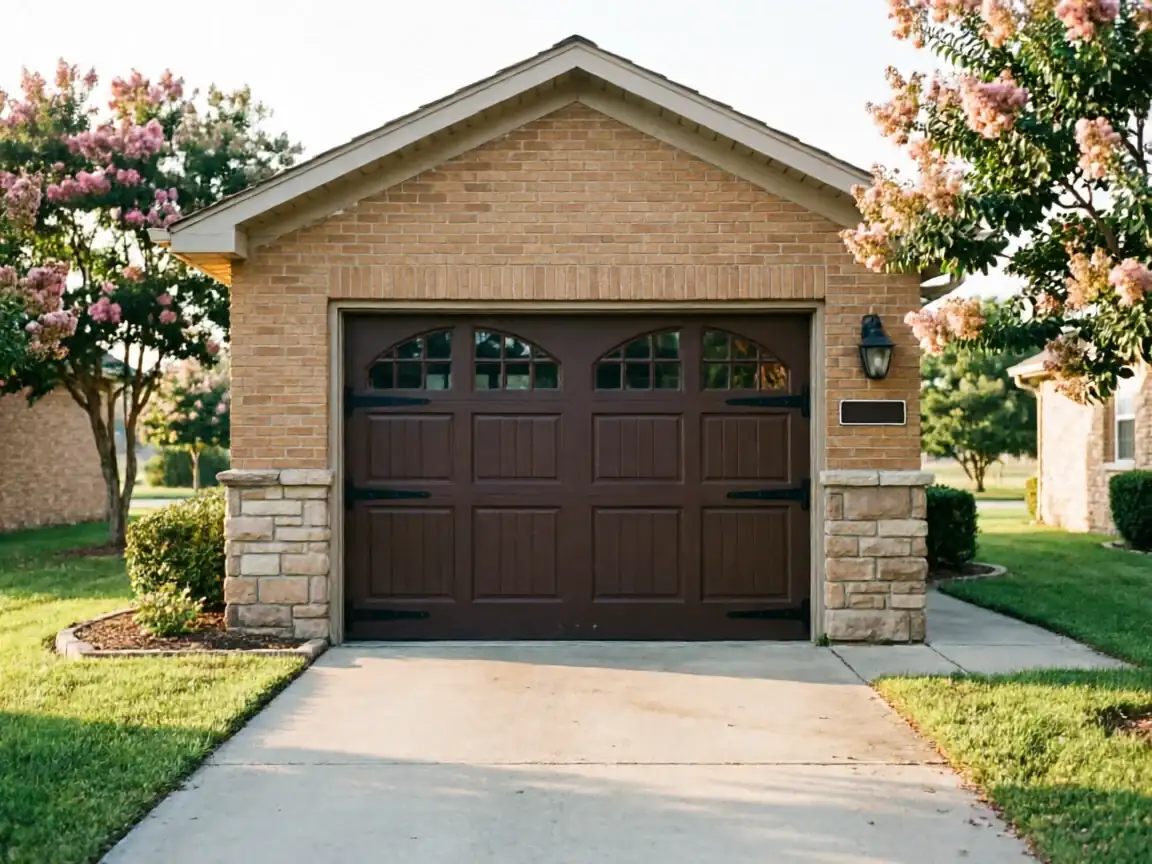
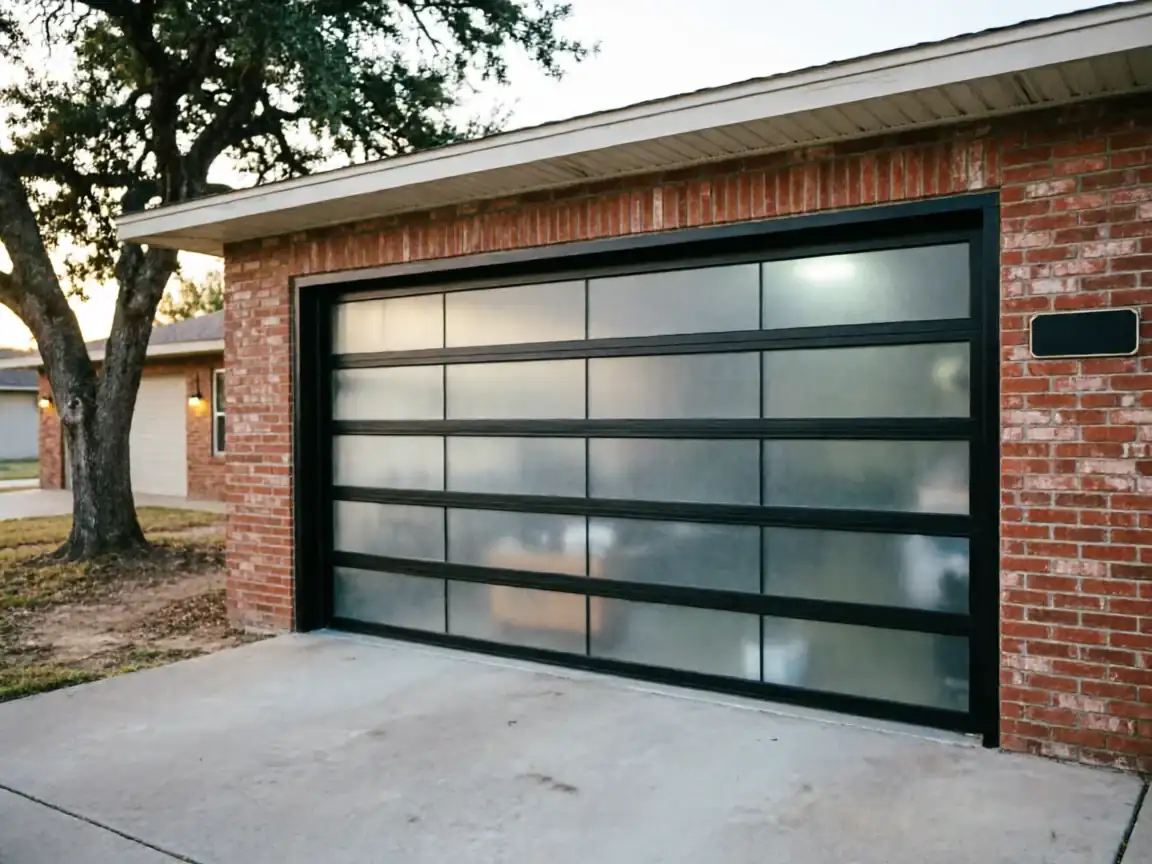
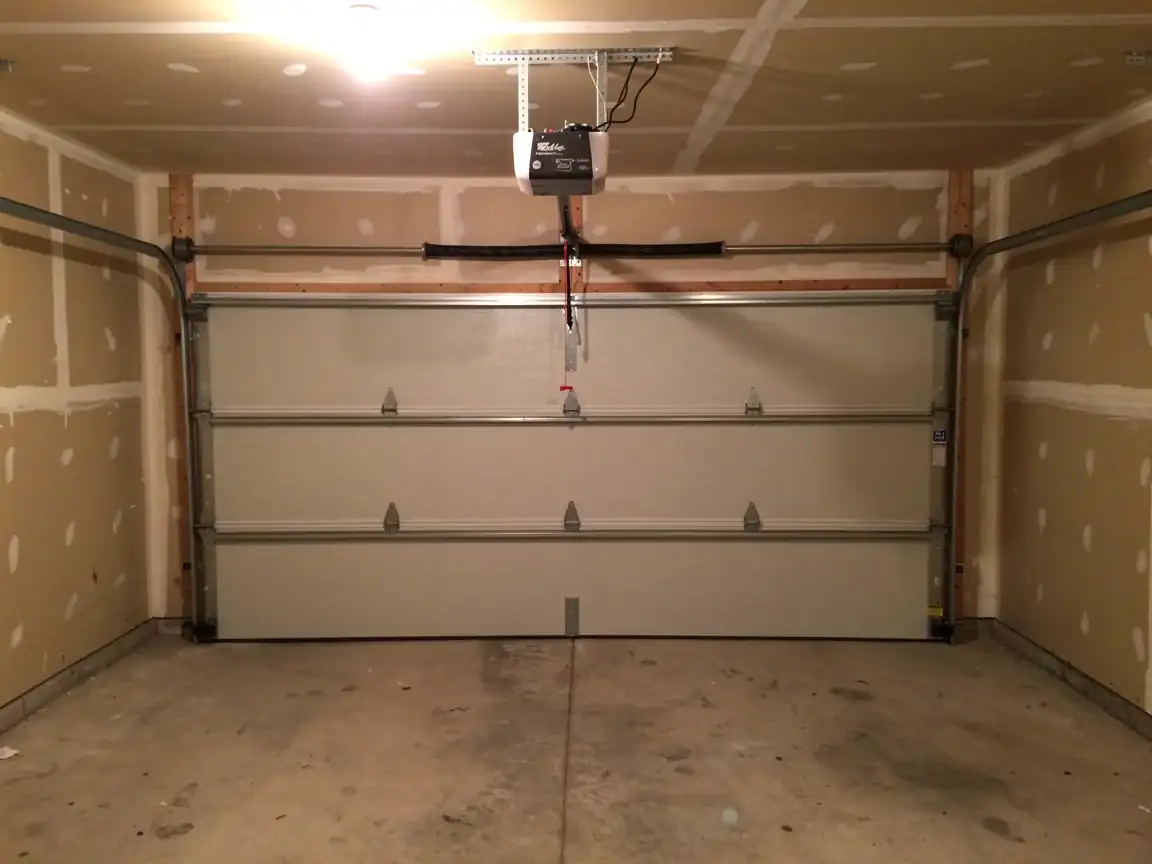
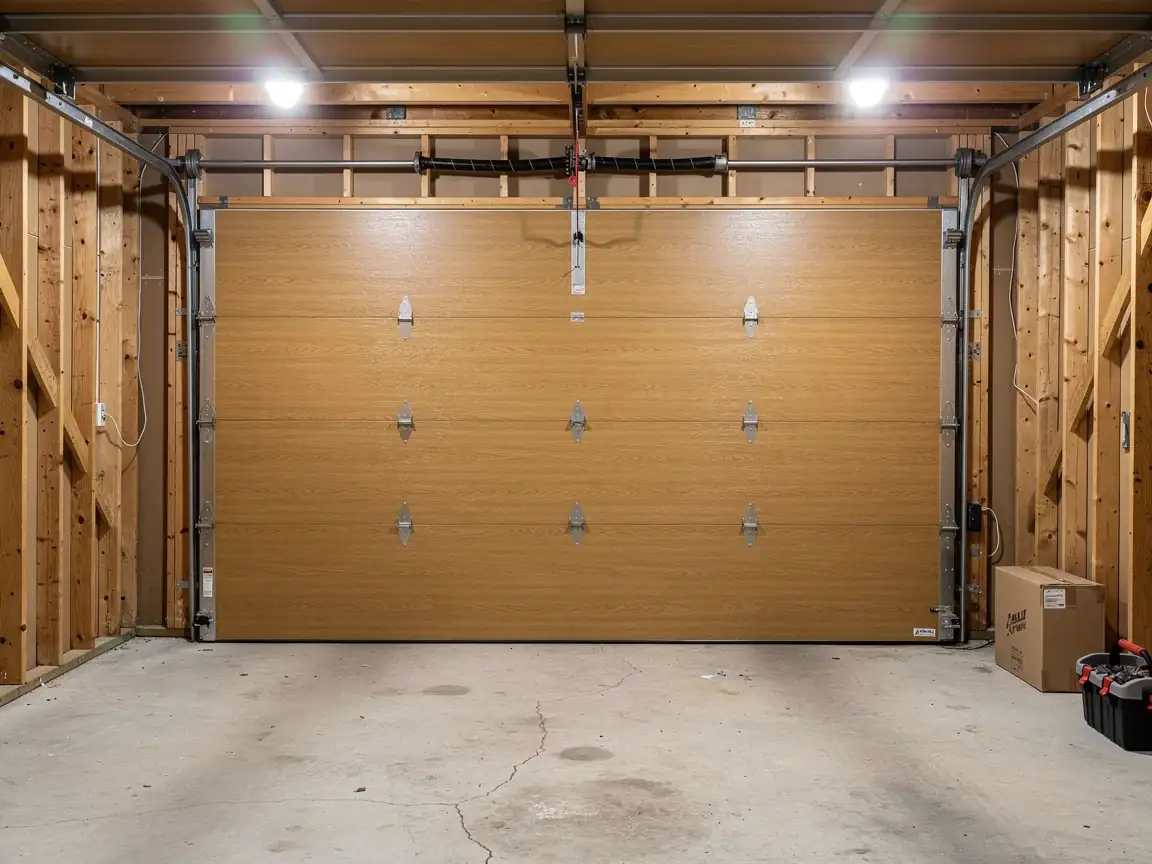
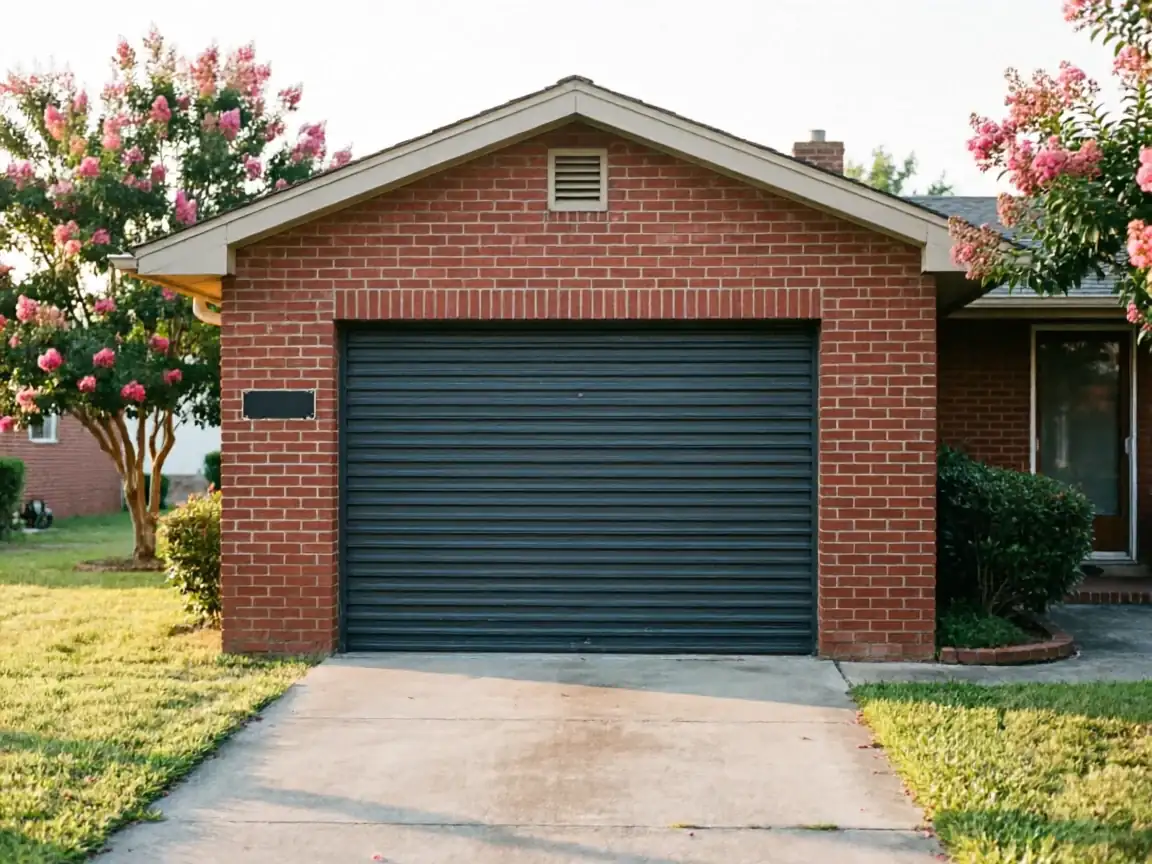
Sunnyvale's housing stock runs newer than a lot of what we service - median year built around 2006, which puts most garage doors here on steel torsion systems with factory openers still under twenty years old. That's a different animal than the older one-piece doors and side-mounted hardware you find in towns with housing from the 1970s and 80s. Here, when something fails, it's usually wear on a part that was installed new and is just reaching the end of its rated cycle count: a spring that's done its 10,000 cycles, nylon rollers that have gone brittle, a logic board on an opener that's aged out.
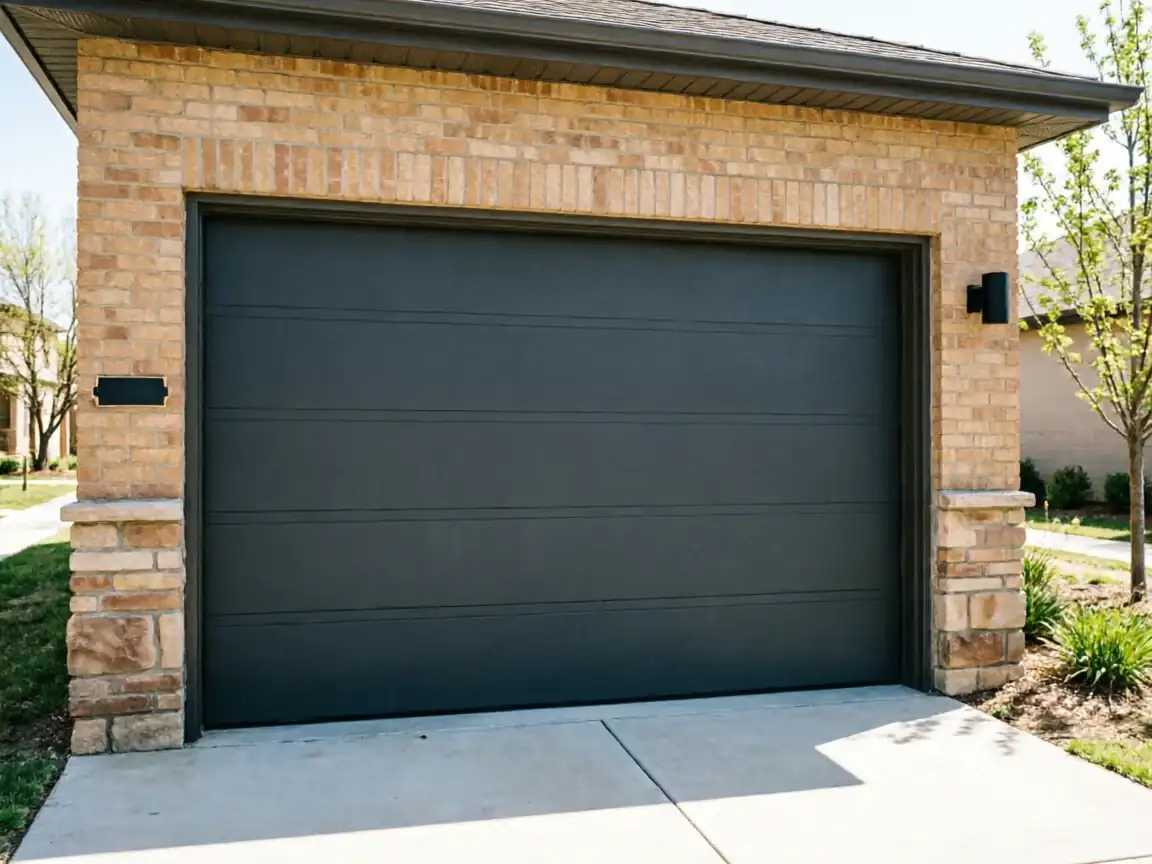
We also don't see much storm-damage work tied to roof or siding failure here the way you might in older housing - newer doors and newer garage framing tend to hold up fine through normal Texas heat. What we do see is heat affecting opener electronics and lubrication breaking down faster than homeowners expect, which is a climate issue more than an age issue.
The DIY Question
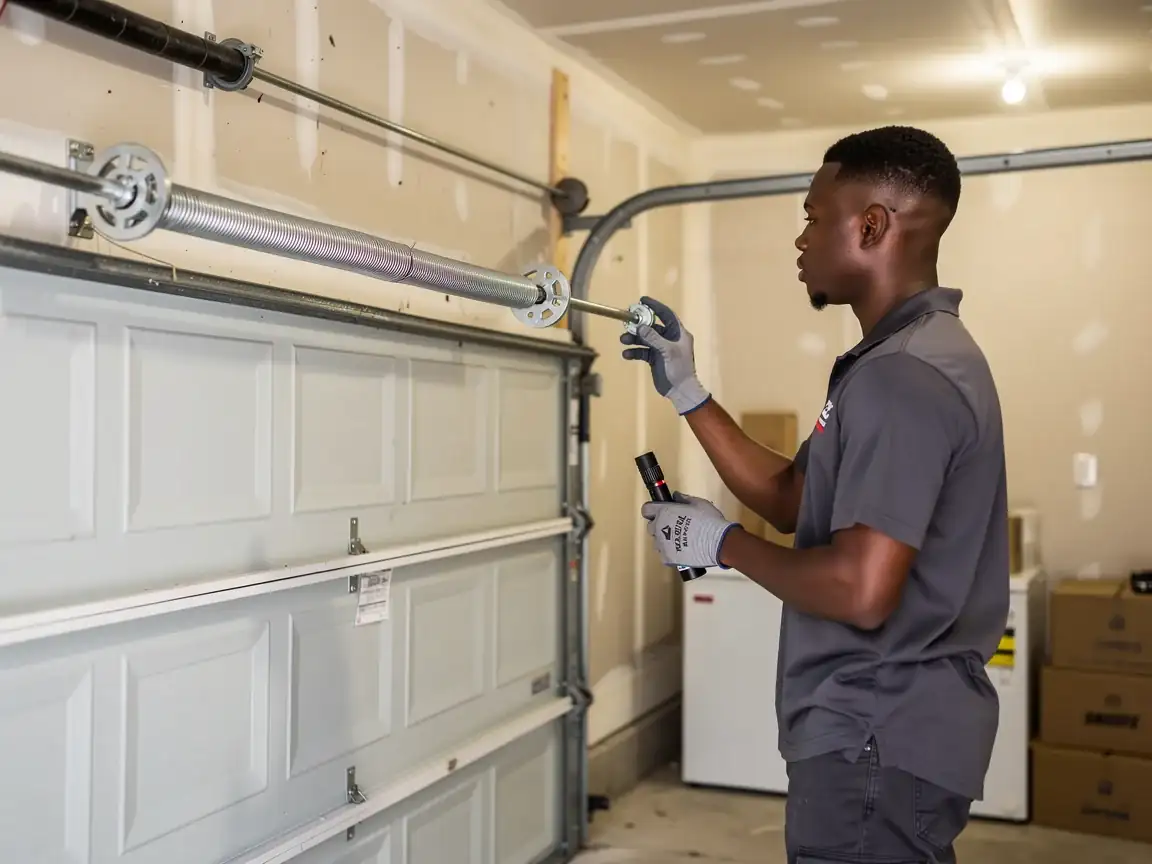
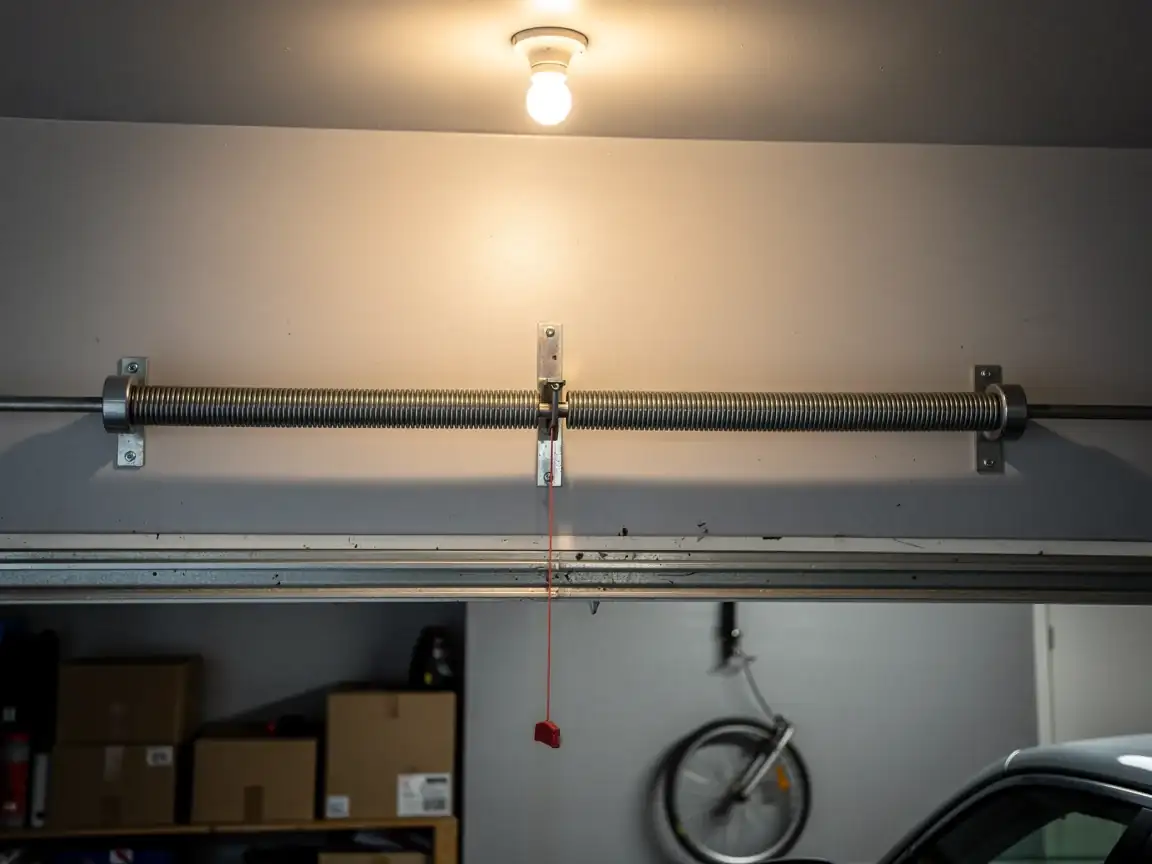
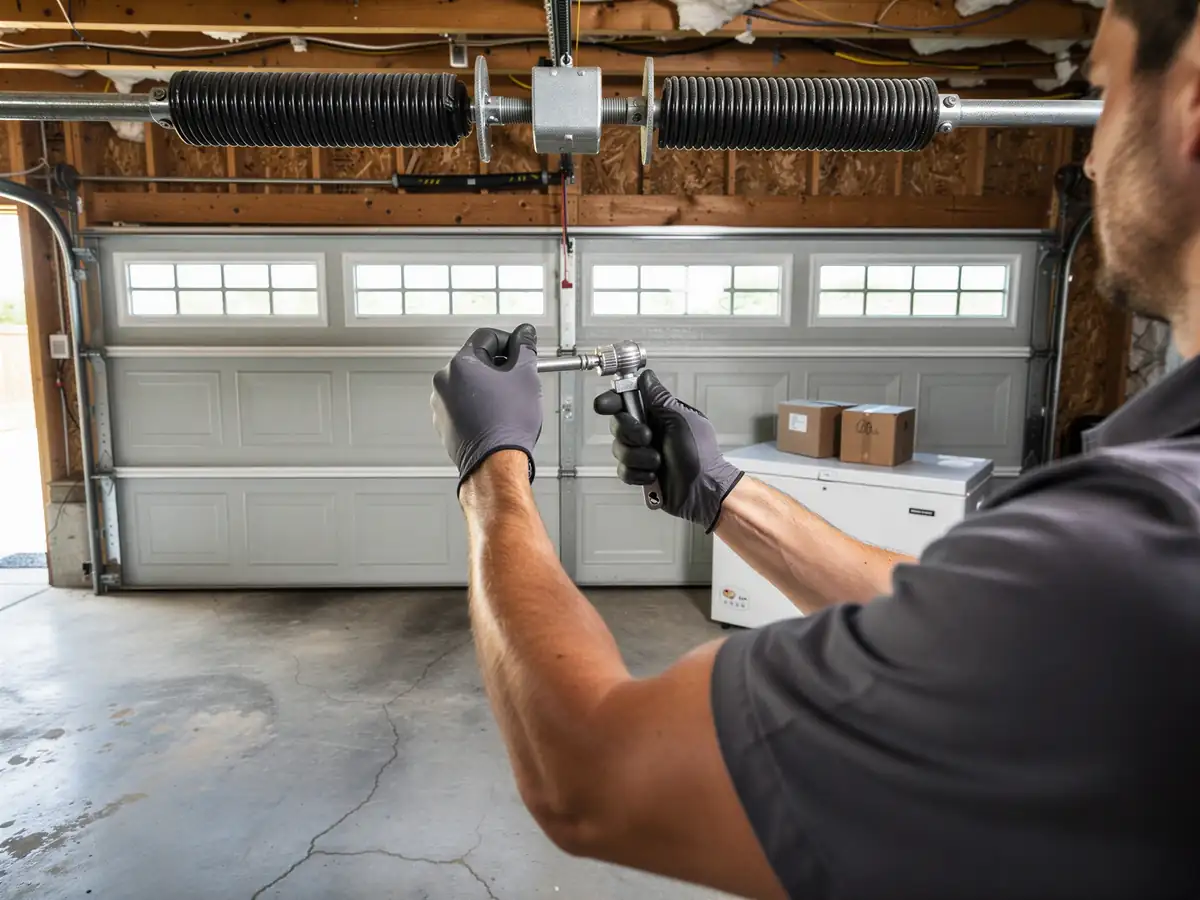
A torsion spring under tension can put someone in the hospital
And that risk doesn't care what year your house was built. If your door won't open, the spring looks stretched, or you hear a bang followed by the door going dead, that's a call-us job, full stop - we don't walk people through spring replacement over the phone.
Things you can reasonably check yourself
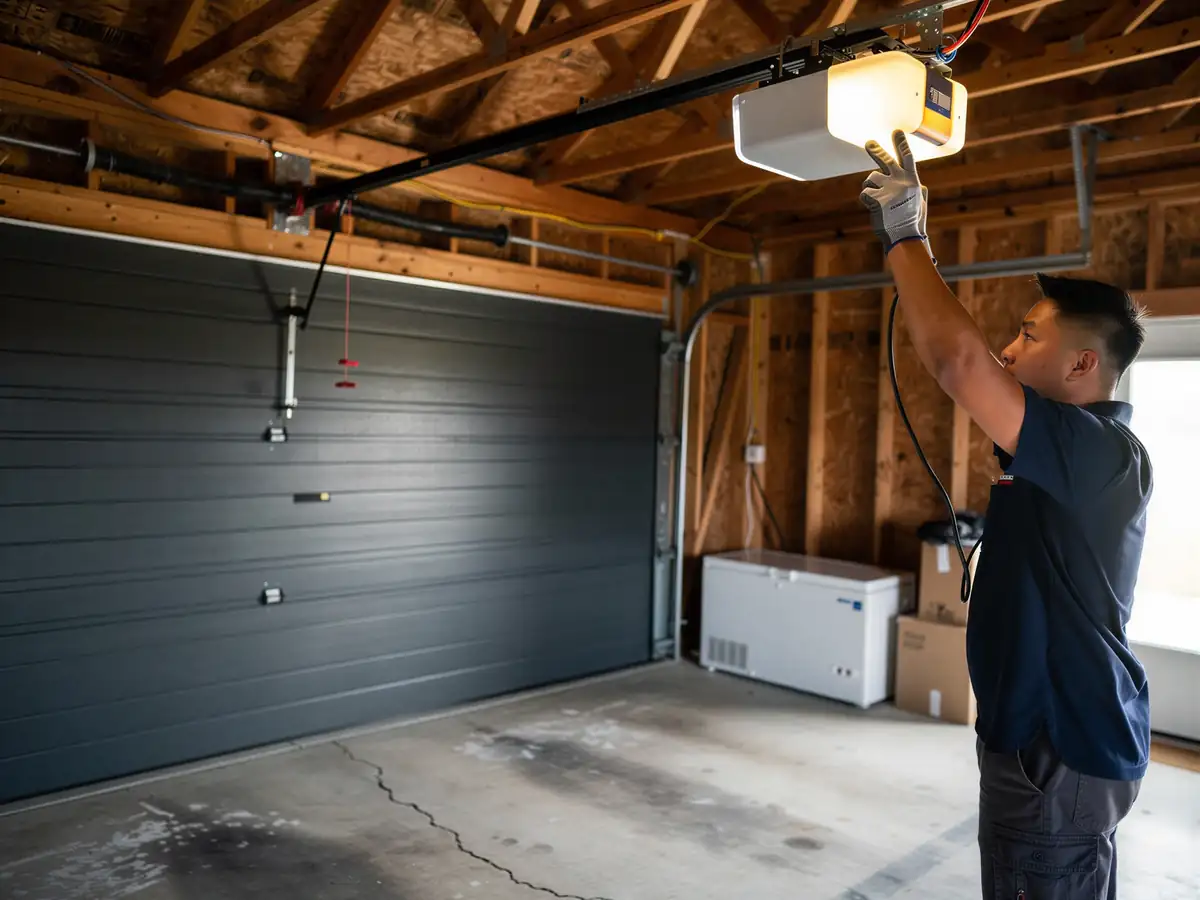
The opener's safety sensors (two small eyes near the floor on each track, often knocked out of alignment by a stored bike or a broom), the track for visible dirt or debris, and the remote's battery before assuming the opener itself failed. If the door reverses before touching the floor, that's almost always a sensor alignment issue you can fix in five minutes with no tools.
Where newer homes like Sunnyvale's sometimes see a DIY problem specifically
Smart opener apps and Wi-Fi modules. People troubleshoot the app for an hour when the real fault is a worn limit switch. If you've reset the app twice and it still won't hold a connection, stop troubleshooting software and call - it's probably hardware.
What It Costs
We don't have a flat number to quote here, and anyone who gives you one over the phone before seeing the door is guessing. Spring jobs, opener swaps, and panel replacement all price differently, and the newer doors common in Sunnyvale sometimes carry parts that cost a bit more than the older, simpler hardware we see elsewhere - the tradeoff is they usually need less of it. What we can tell you is that a call for diagnosis gets you an actual number before any work starts, not an estimate that moves once we're inside the garage.
Parts We Carry
The truck carries torsion springs in the common residential sizes, nylon and steel rollers, standard cables, and openers that cover most of what's currently installed in homes from the early 2000s forward - which matches Sunnyvale's housing fairly well. Where we run into lead time is specialty hardware: a discontinued opener logic board, a custom panel color, or a non-standard track width on a door that was a builder upgrade rather than stock. Those sometimes mean a part order and a second trip, and we'll tell you that up front rather than let you assume it's same-visit.