What the Fix Involves
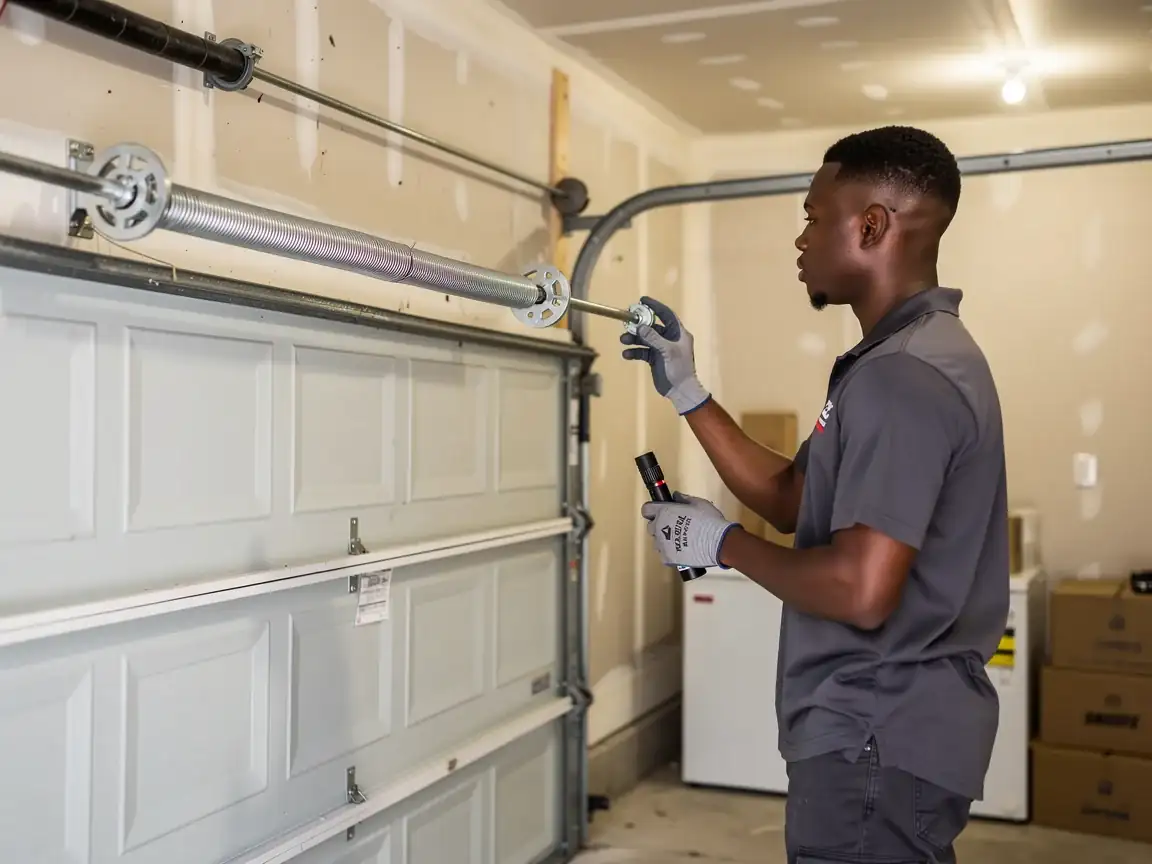
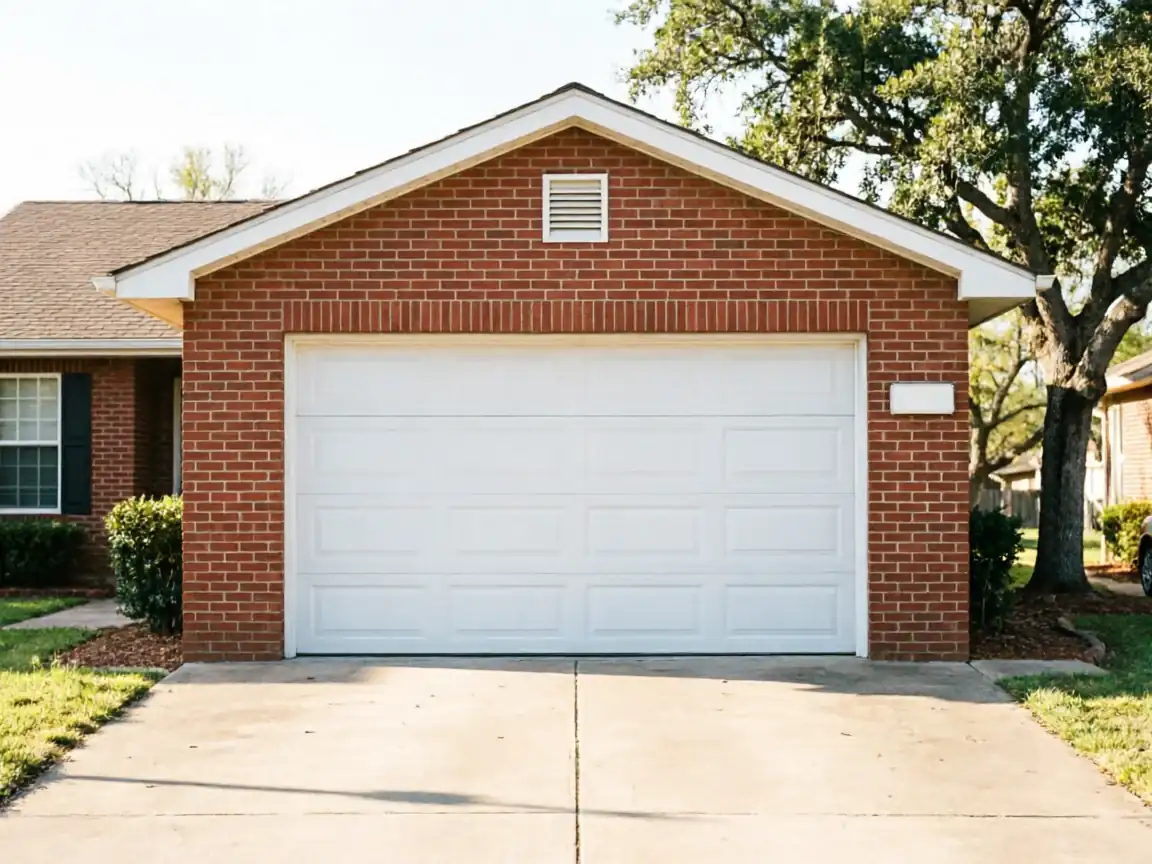
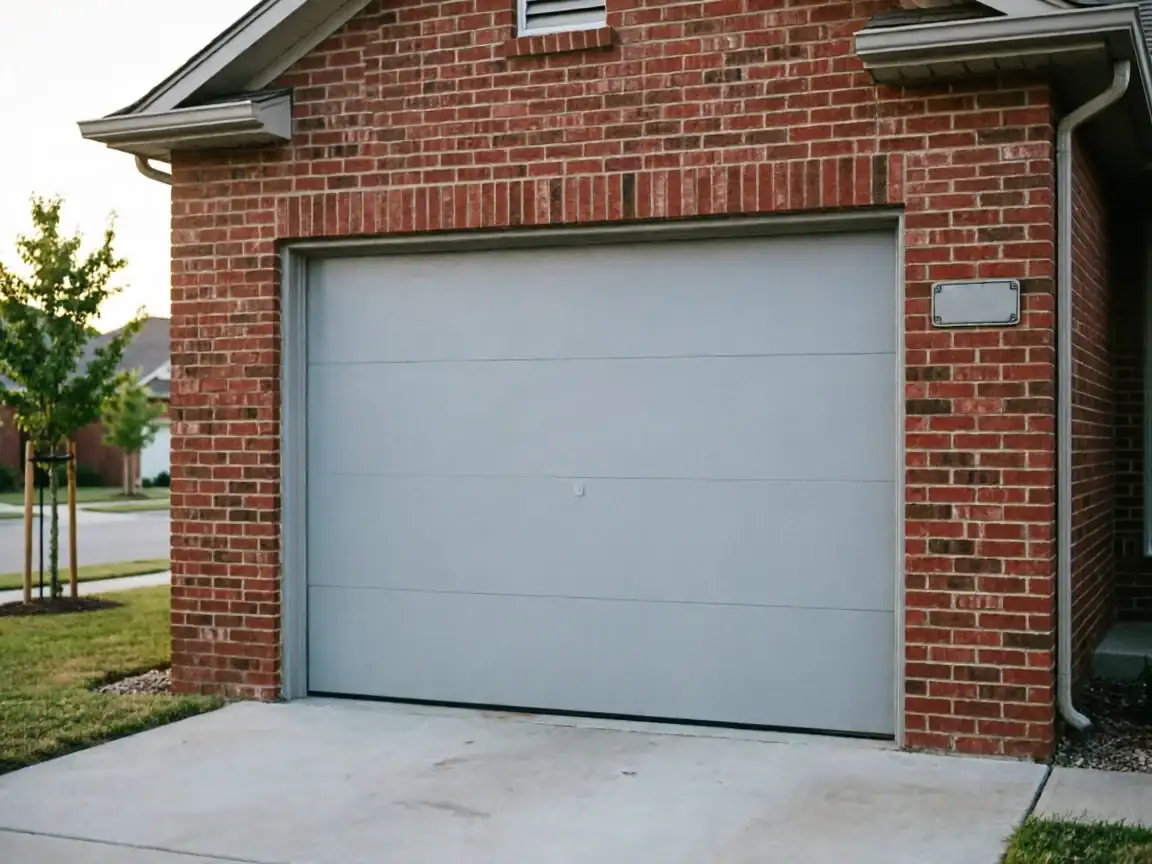
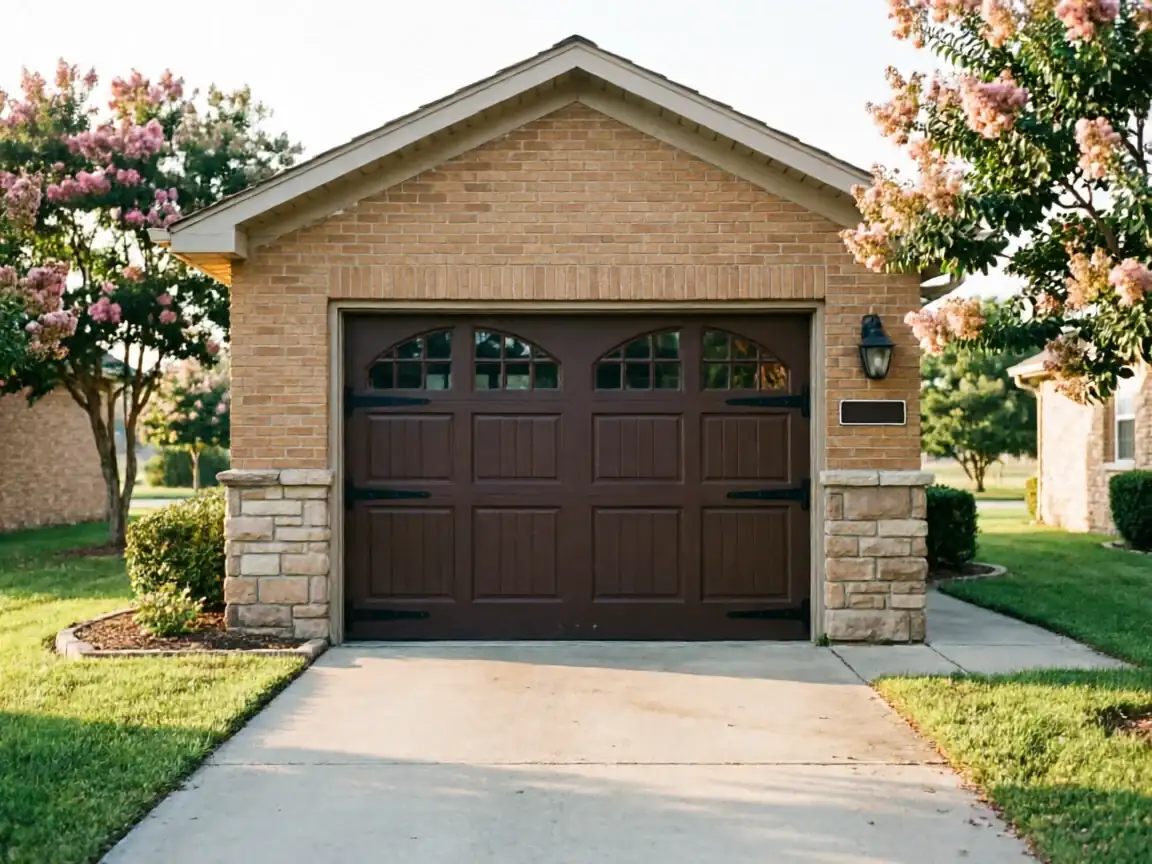
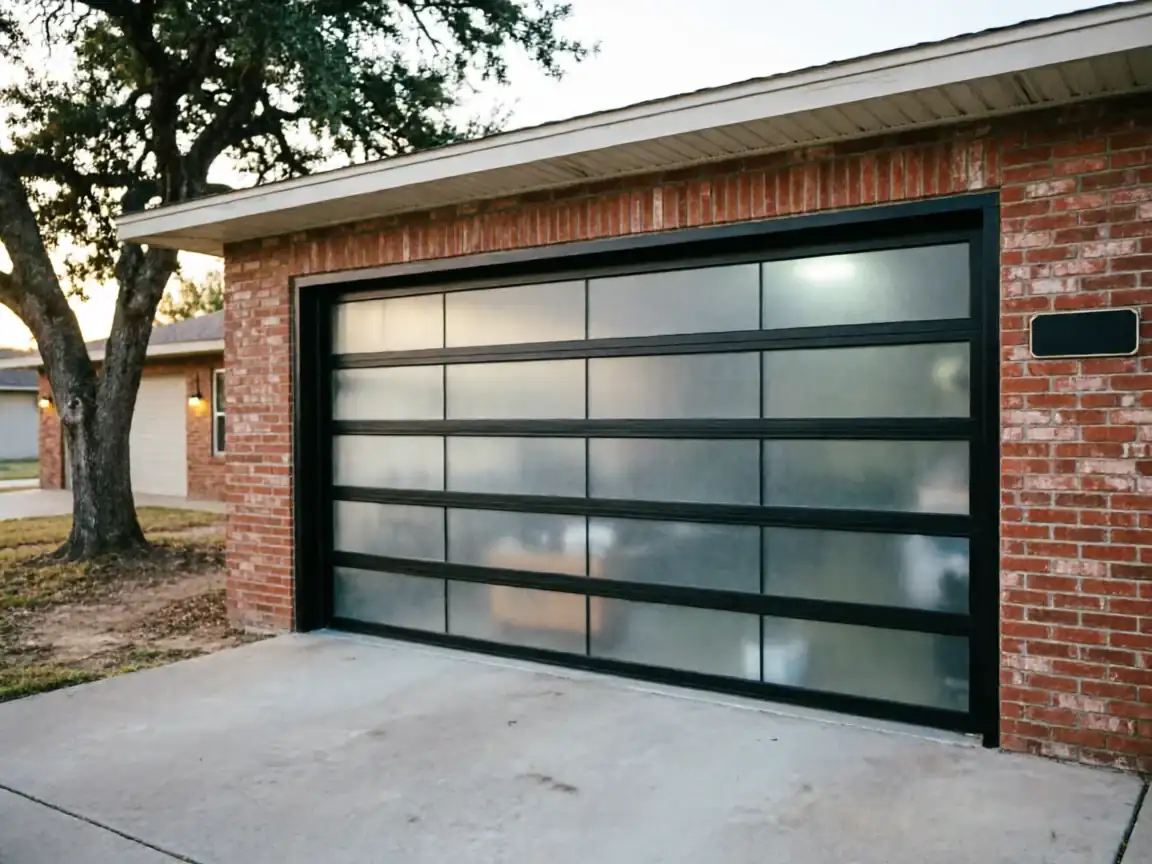
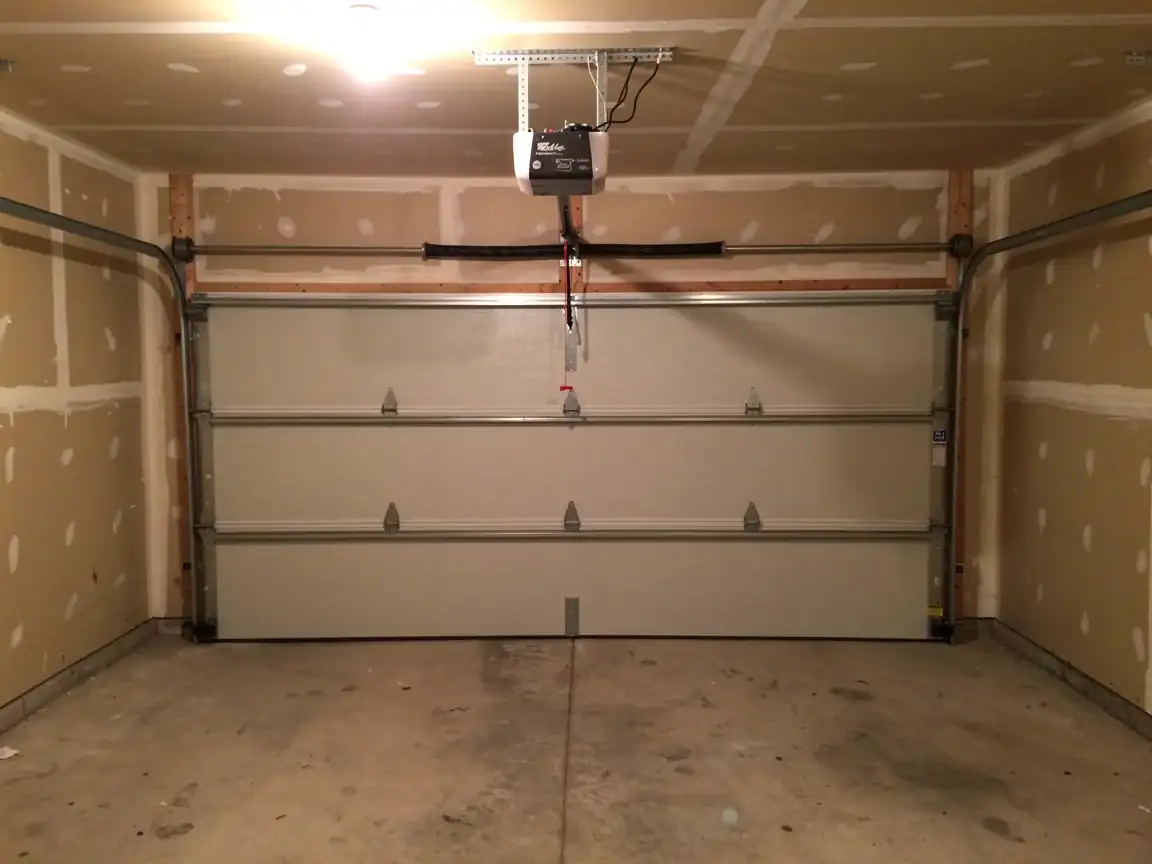
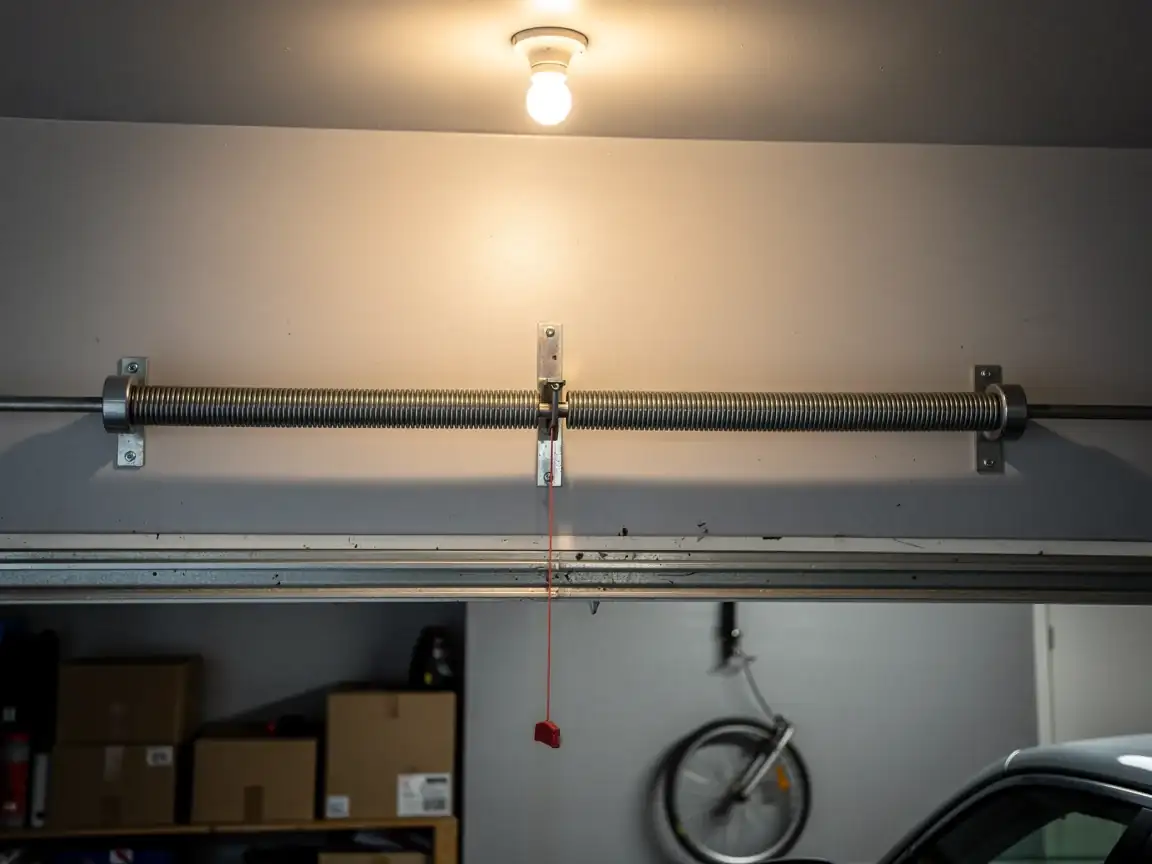
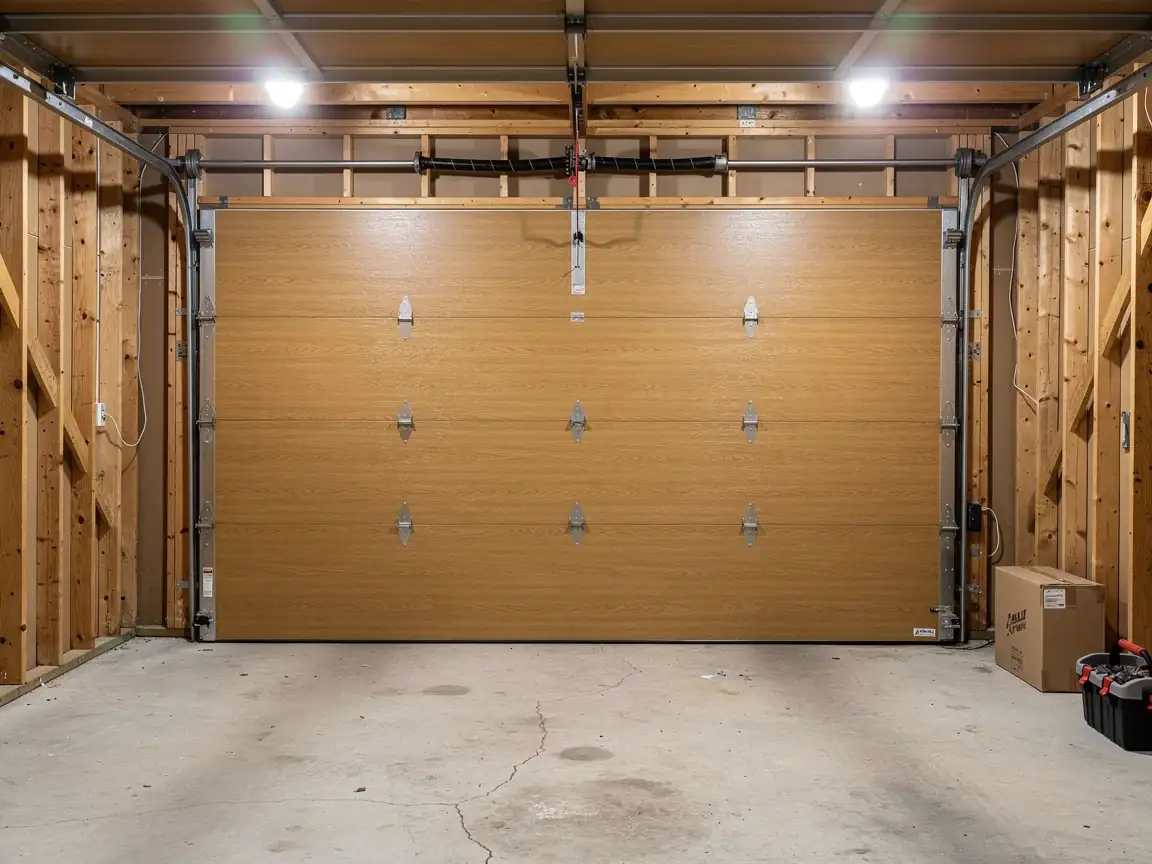
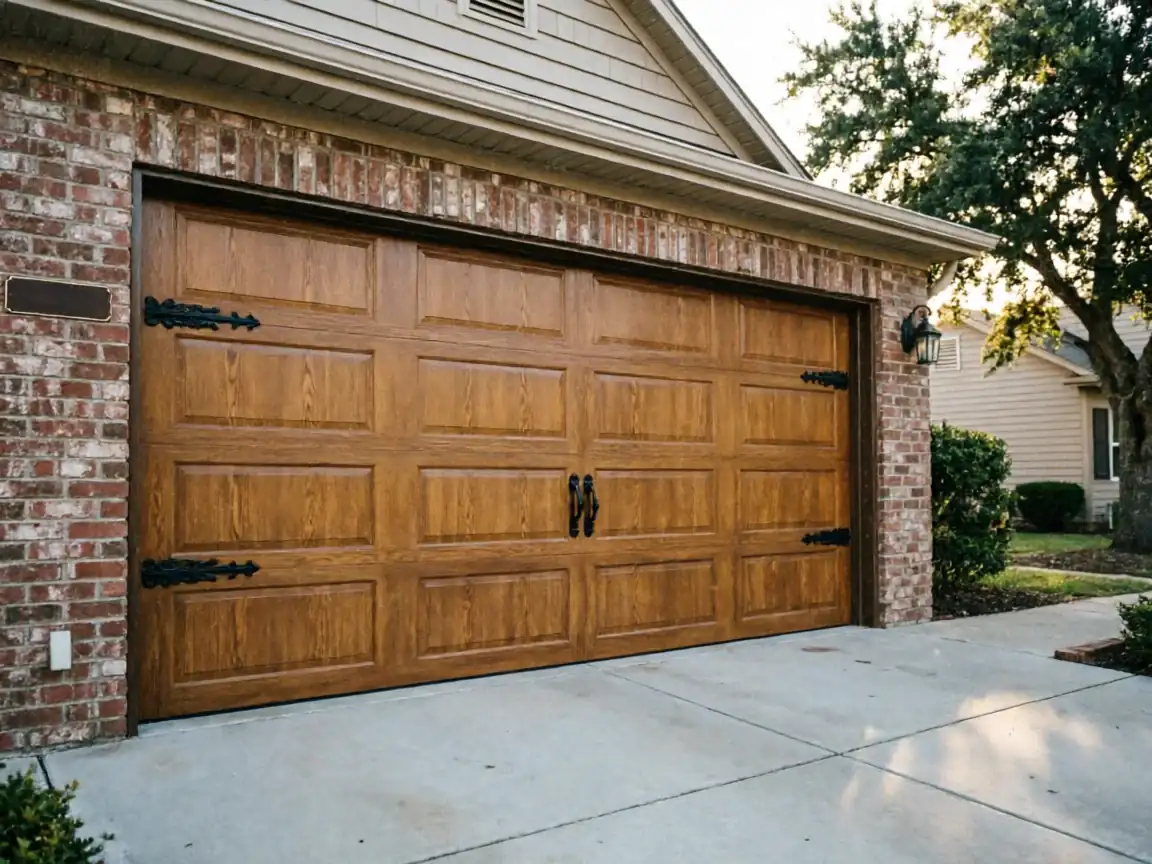
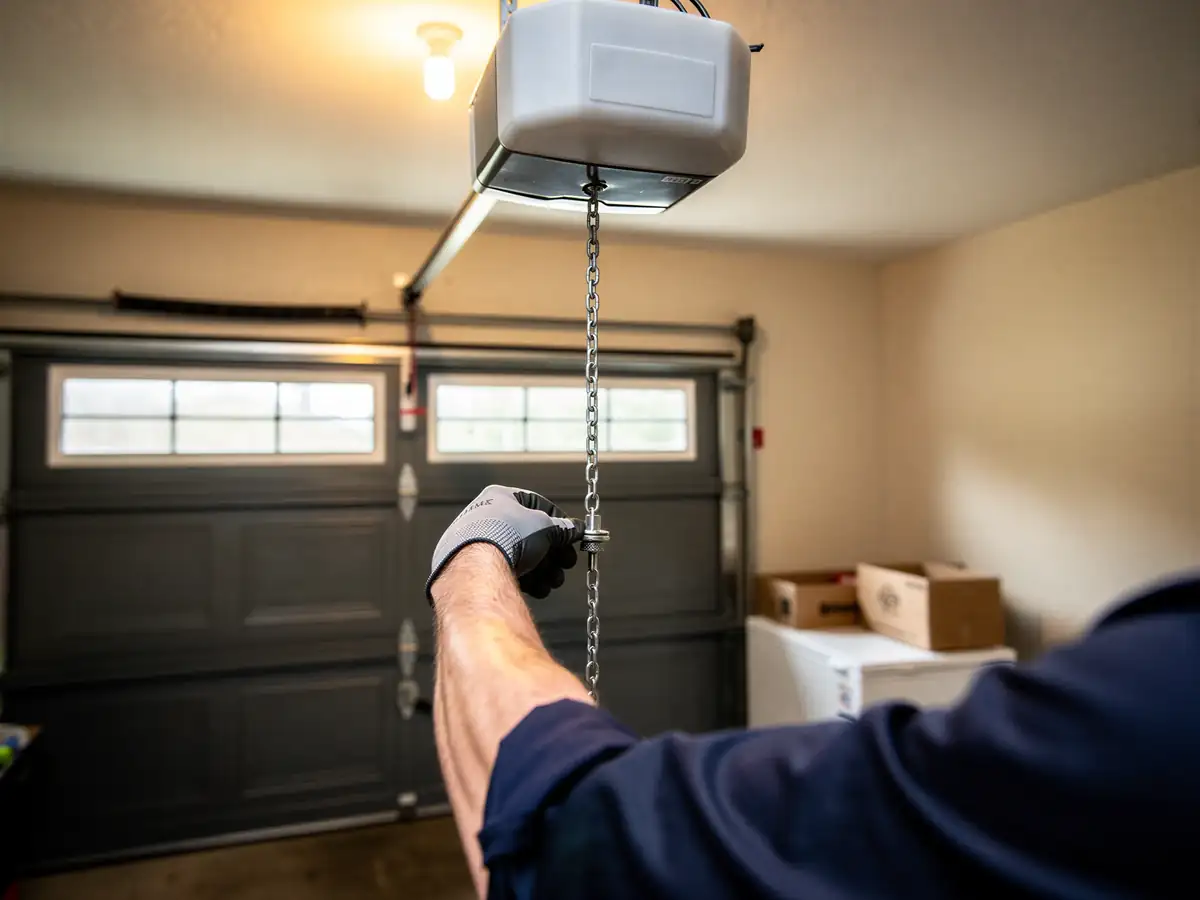
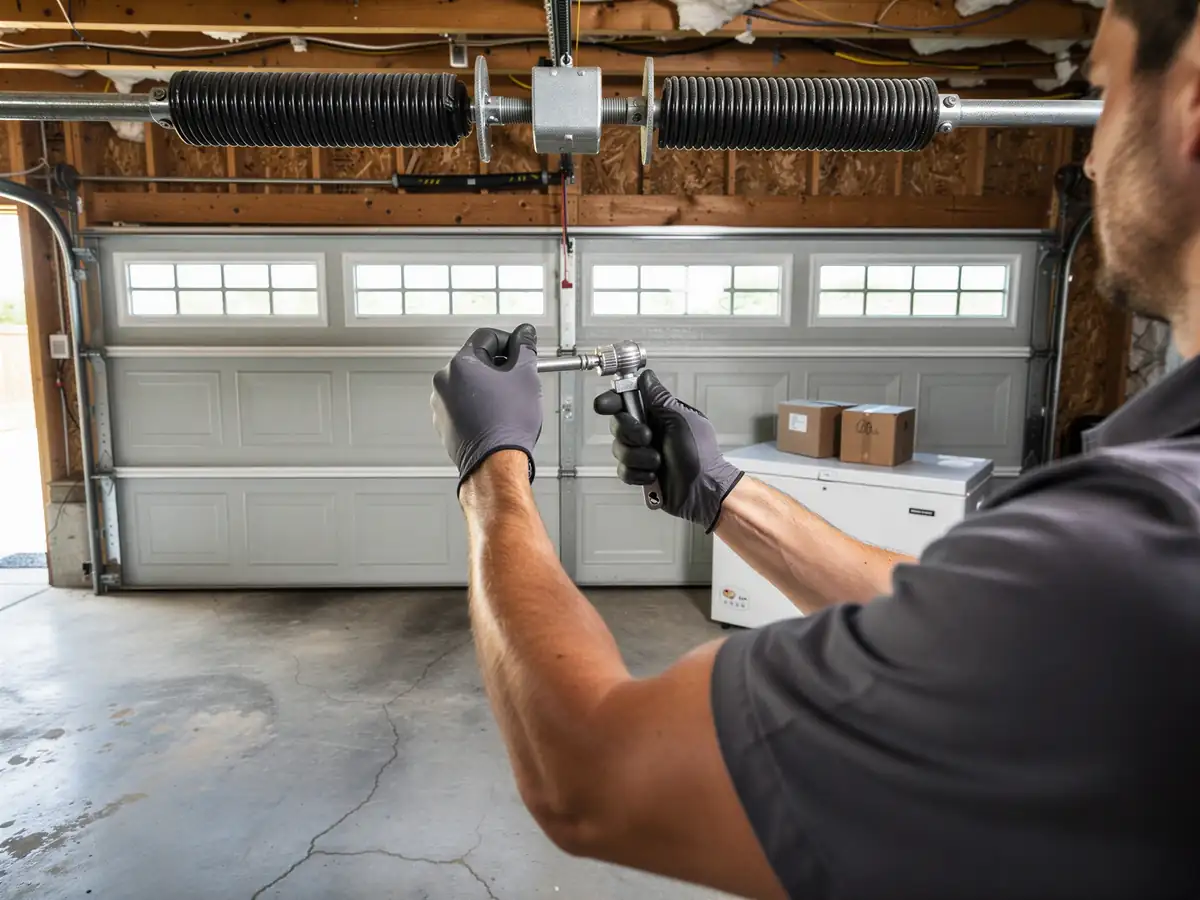
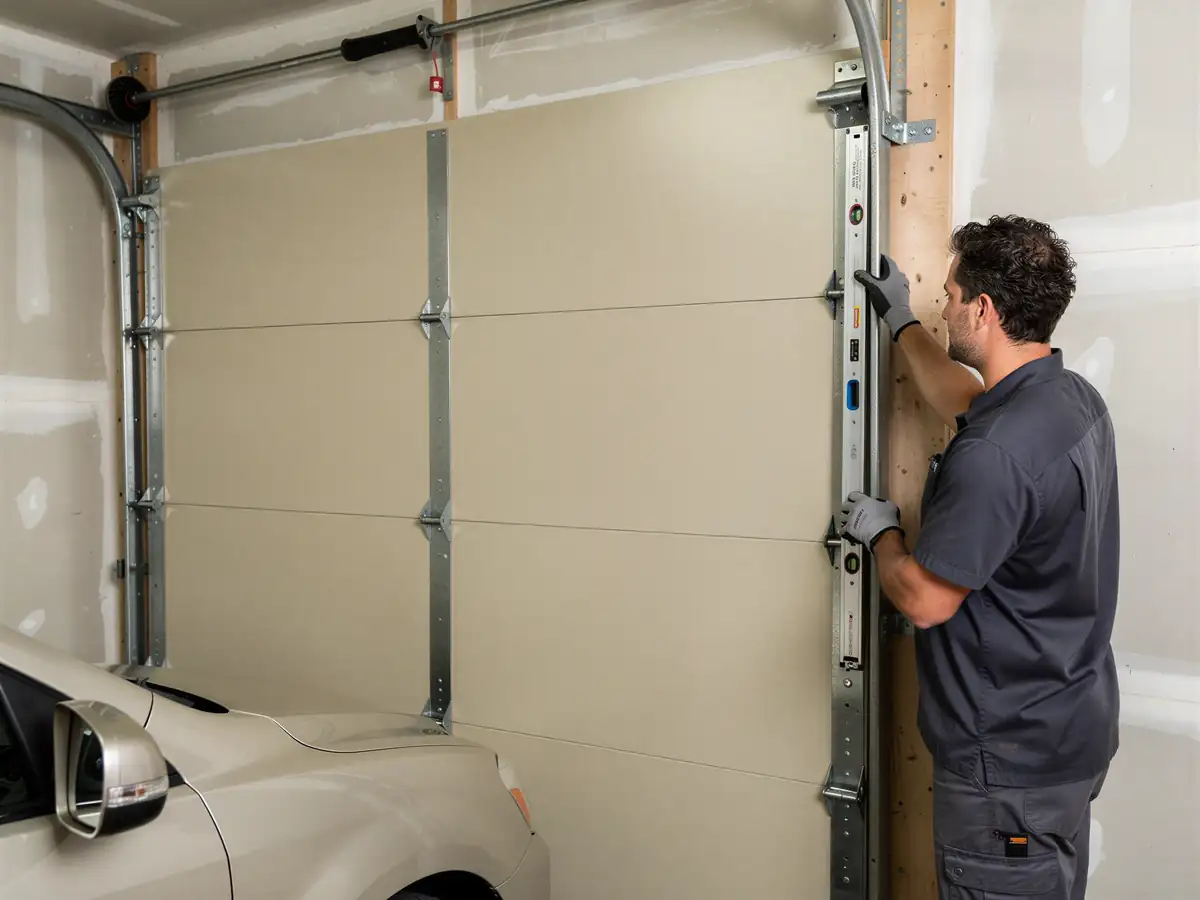
Most houses in Sunnyvale went up after 2006, which puts them squarely in the era of steel sectional doors on torsion spring systems set at the factory rather than hand-wound. That changes what a repair looks like compared to older housing stock. You're not dealing with a one-piece slab door on an extension spring rig from the 1970s - you're dealing with a sectional door, nylon or steel rollers, and a torsion spring rated for a specific door weight. When a spring breaks on one of these doors, we're matching the wind and wire gauge to what the opener and track were built around, not improvising. The repair itself - pulling the old spring, setting tension, checking the cable drums - takes about the same time regardless of era, but the parts call is different. A 2006-and-newer door usually still has a sticker or a part number stamped somewhere on the spring or the jamb bracket, which speeds up getting the right replacement instead of estimating by door weight alone.
What You Are Seeing
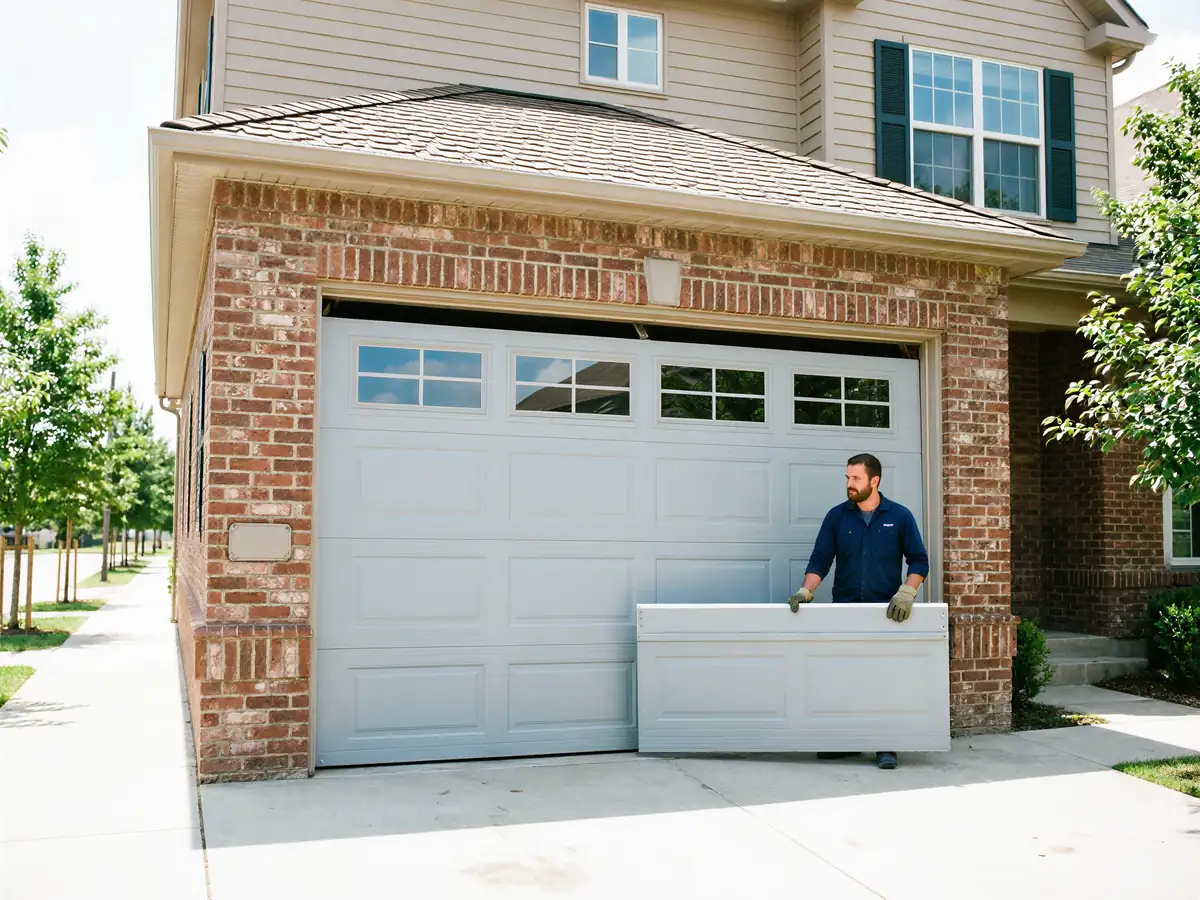
On doors this age, the failure pattern is pretty consistent: a torsion spring that's done its 10,000-ish cycles and finally snaps, usually in cold morning air when the steel is least forgiving. You'll hear it - a loud bang from the garage, then the door won't lift or only lifts a few inches before stalling. Second most common call is rollers - factory nylon rollers on a 15-to-18-year-old door start to crack or flat-spot, and the door starts sounding rough or jerking partway through the cycle. Less often it's a cable that's frayed off a drum, usually tied to the same spring fatigue. What you're generally not seeing in Sunnyvale is the warped wood panel or rust-through track that shows up on older housing stock elsewhere - this isn't that kind of door yet.
What It Costs
We don't have a Sunnyvale-specific price sheet to quote here, and we'd rather tell you that than make up a number. What we can tell you is that pricing on a torsion spring job depends on spring size, whether it's a single or double door, and whether rollers or cables need replacing at the same time - all of which we quote on the phone or at the door before we start, not after. Because Sunnyvale is about 19 miles from our shop in Royse City, we fold these jobs into the day's route rather than treating each one as a standalone trip, which keeps the job cost itself the same as it would be closer to home.
Parts We Carry
We stock torsion springs in the common wind sizes and wire gauges that fit 2000s-and-newer sectional doors, along with steel and nylon rollers, standard cable, and the jamb brackets that typically go with that era of hardware. Given that Sunnyvale's median household income runs well above the rest of our service area, we also see more insulated, heavier-gauge doors out this way, so we carry springs rated for the higher cycle counts those doors need. What we don't keep on hand is obsolete hardware for pre-1990s doors - rare out here given the build years, but if a part isn't something we stock, we'll tell you the lead time up front rather than guess.