What the Fix Involves
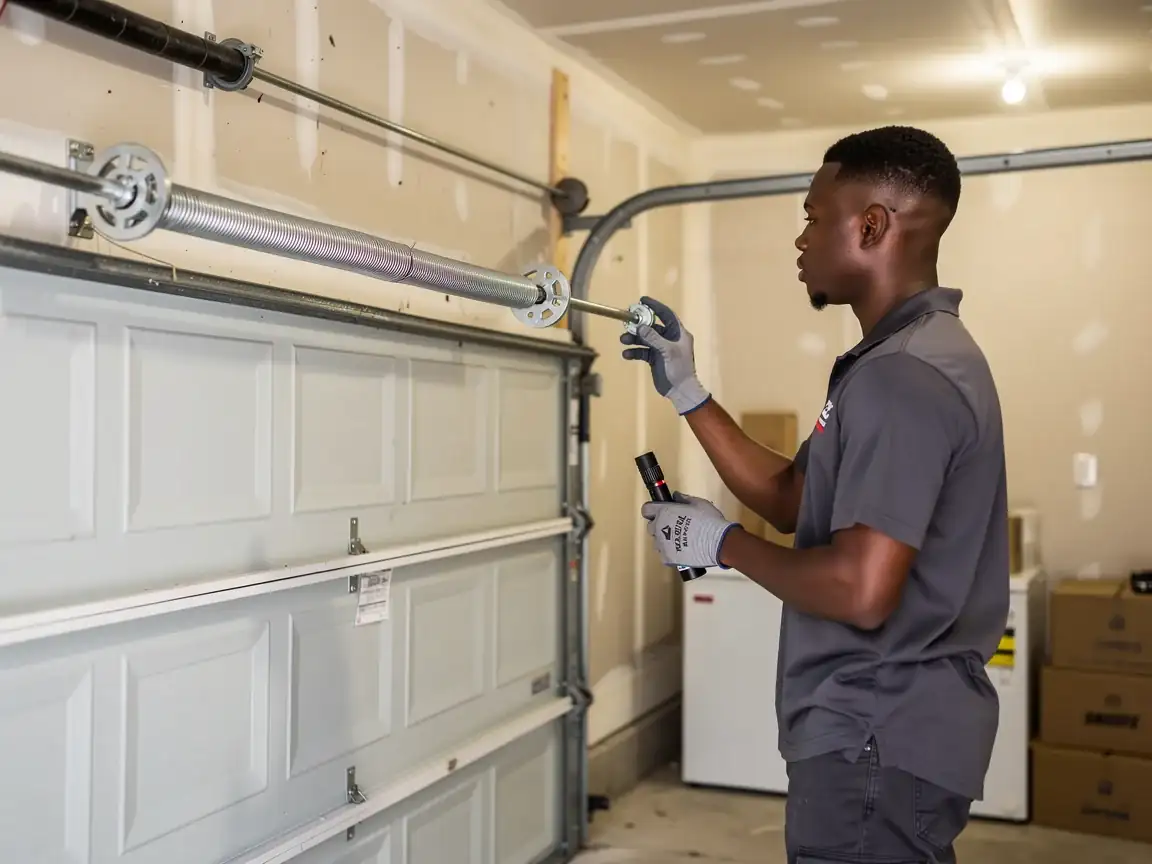
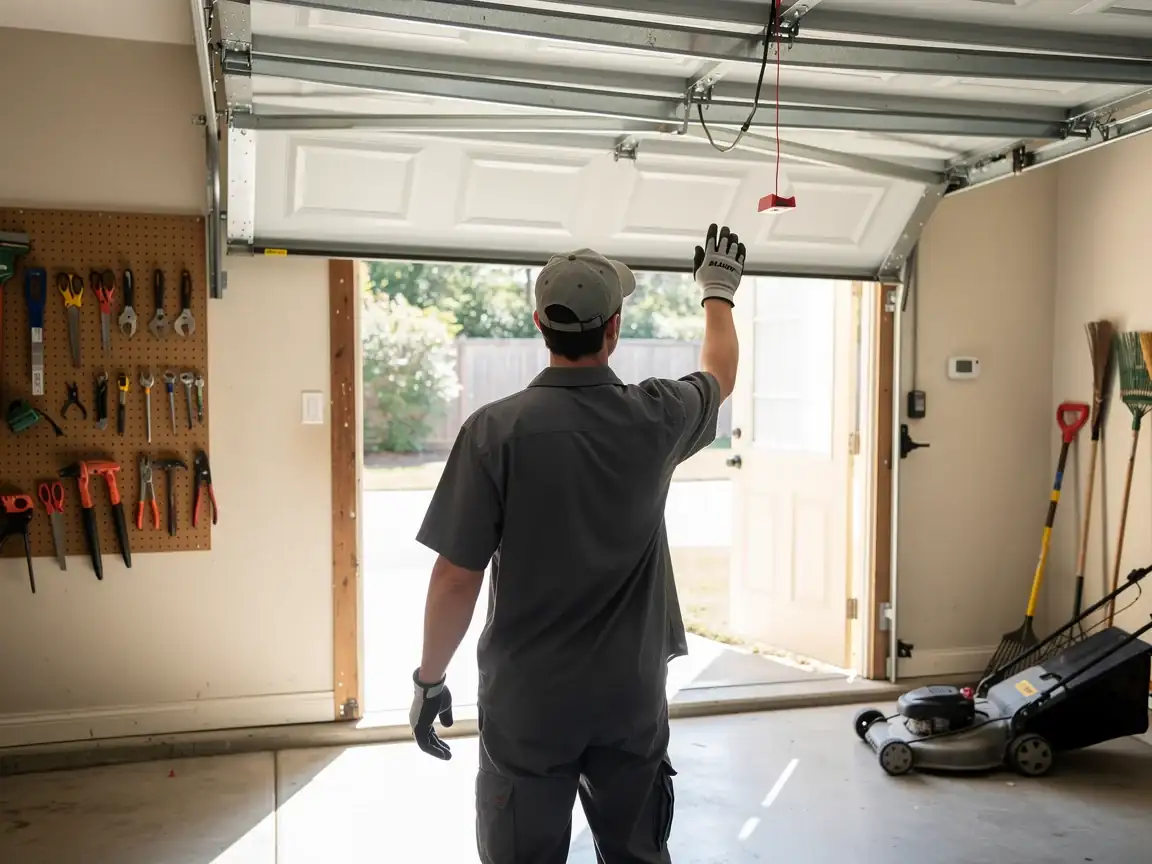
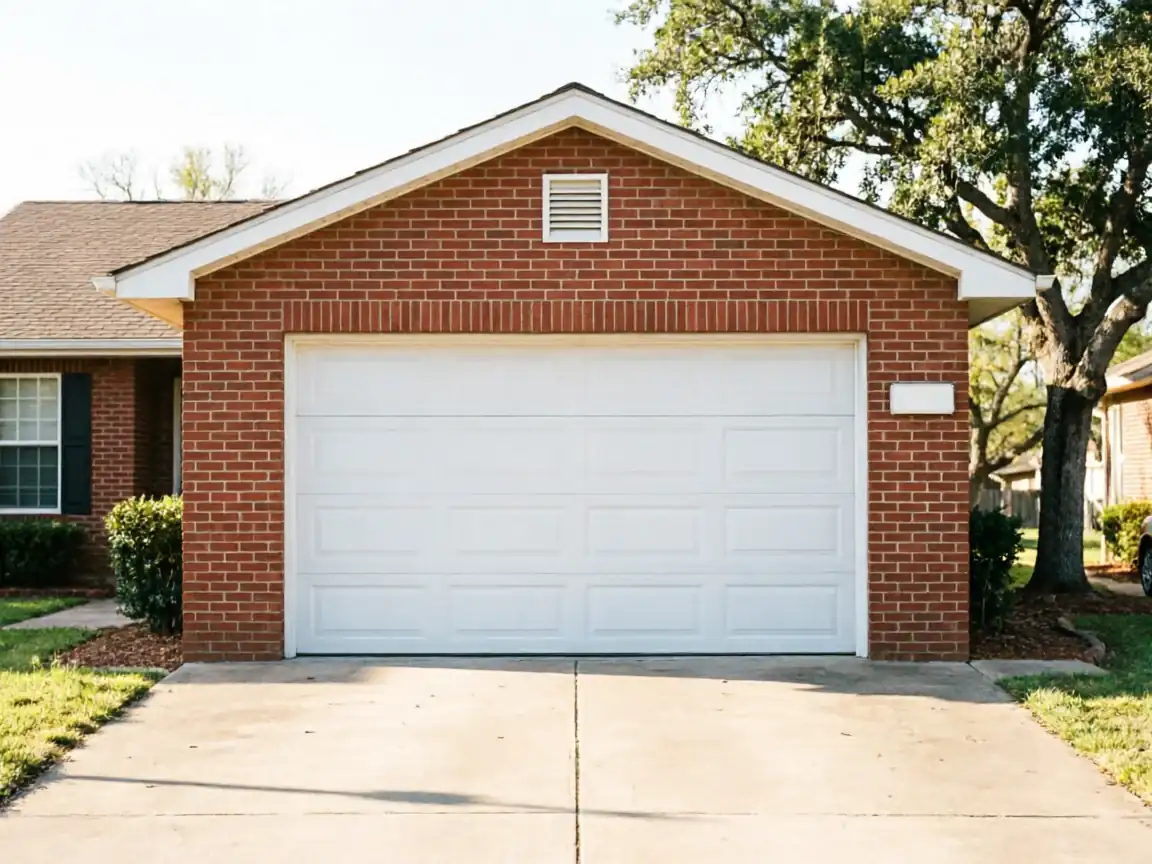
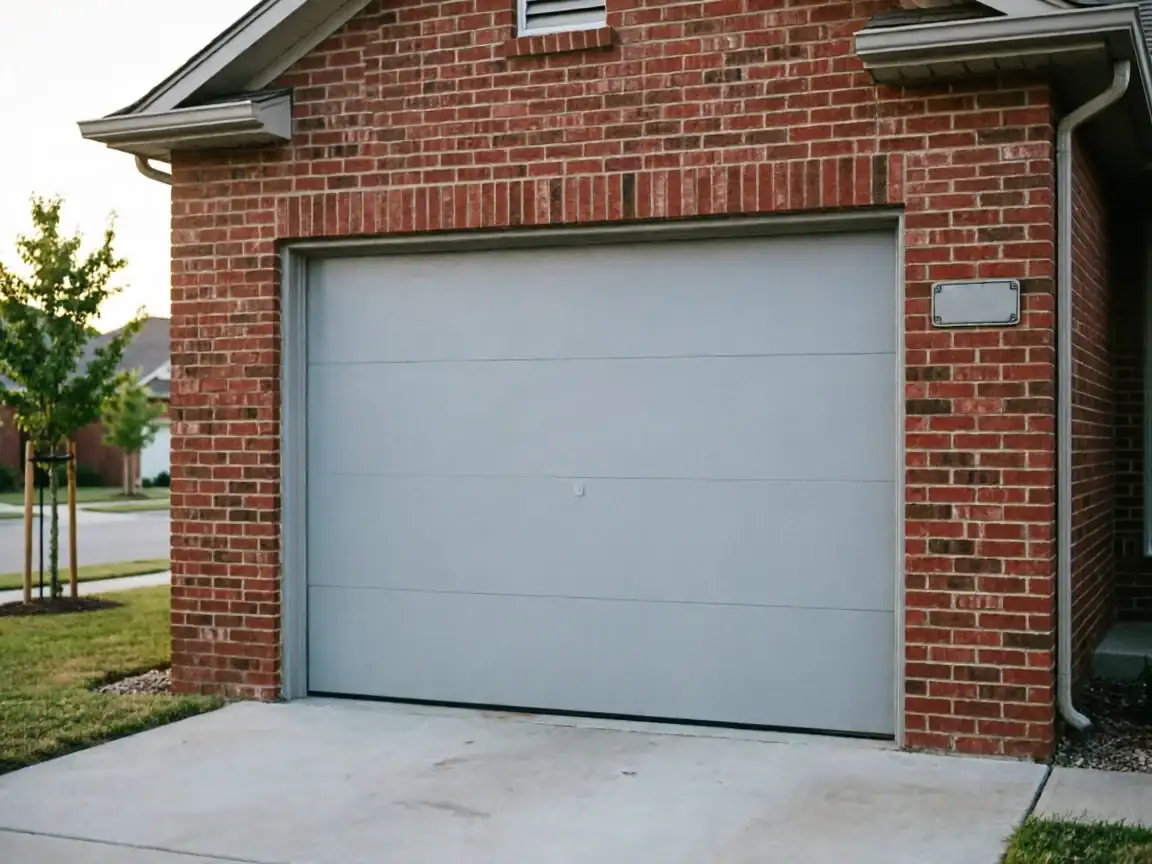
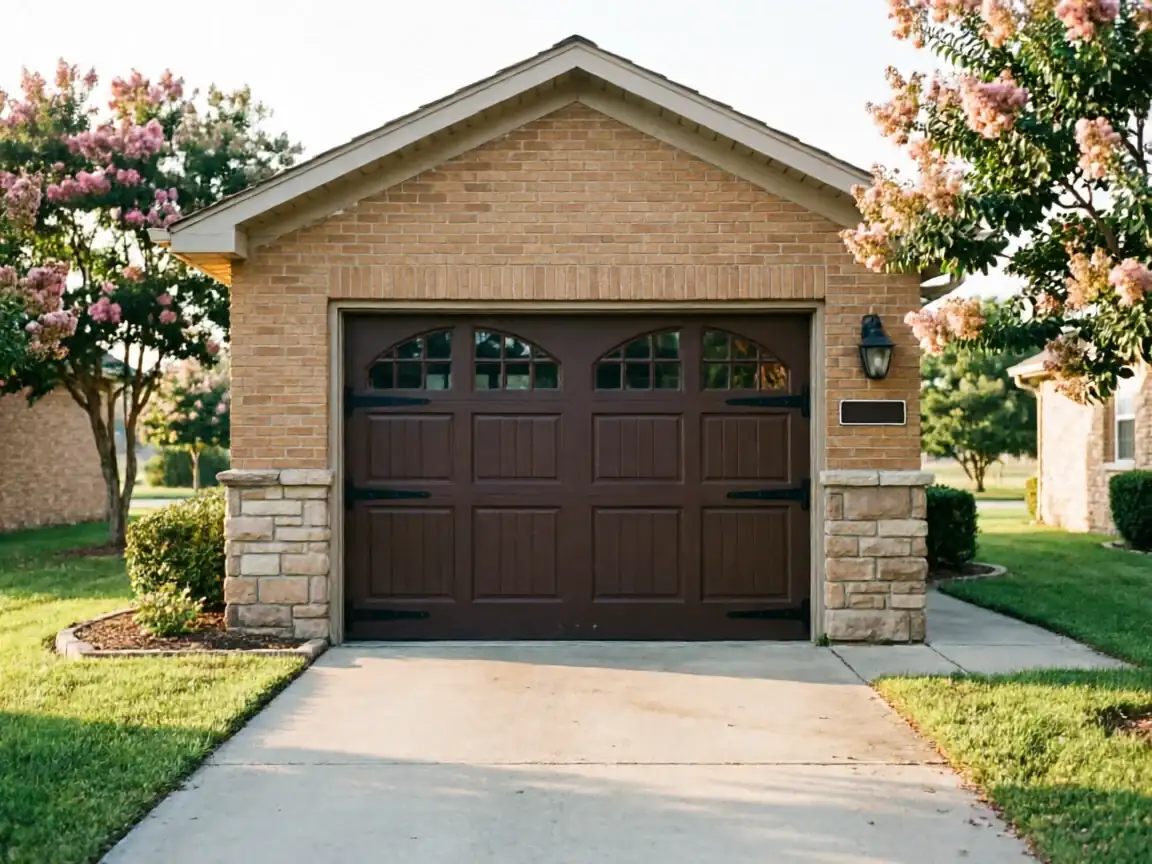
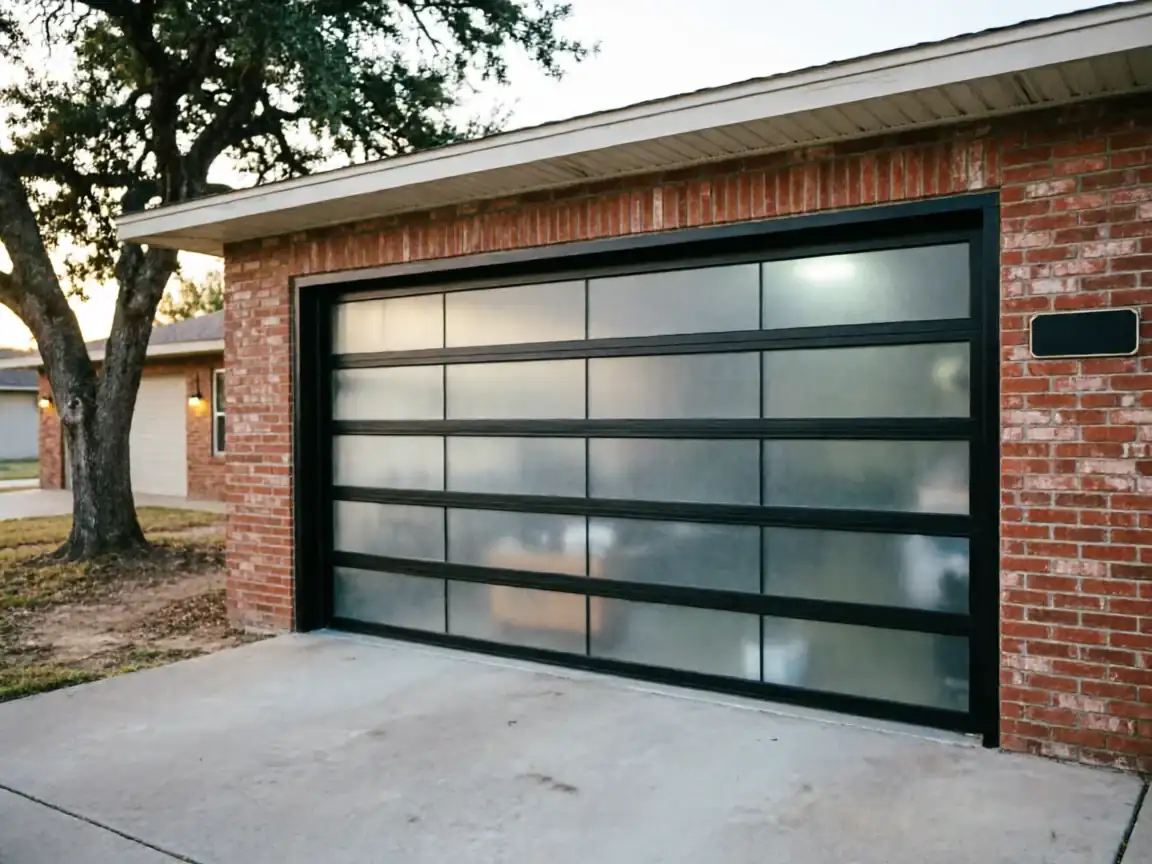
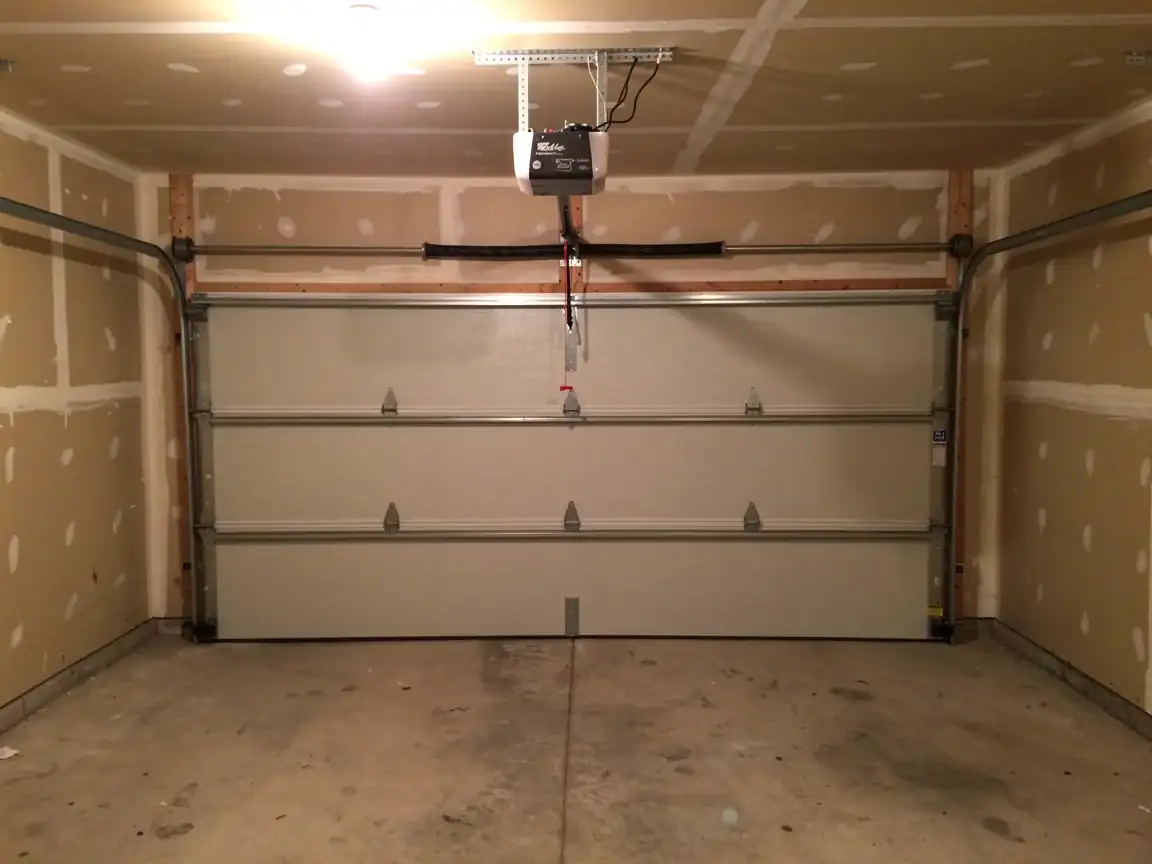
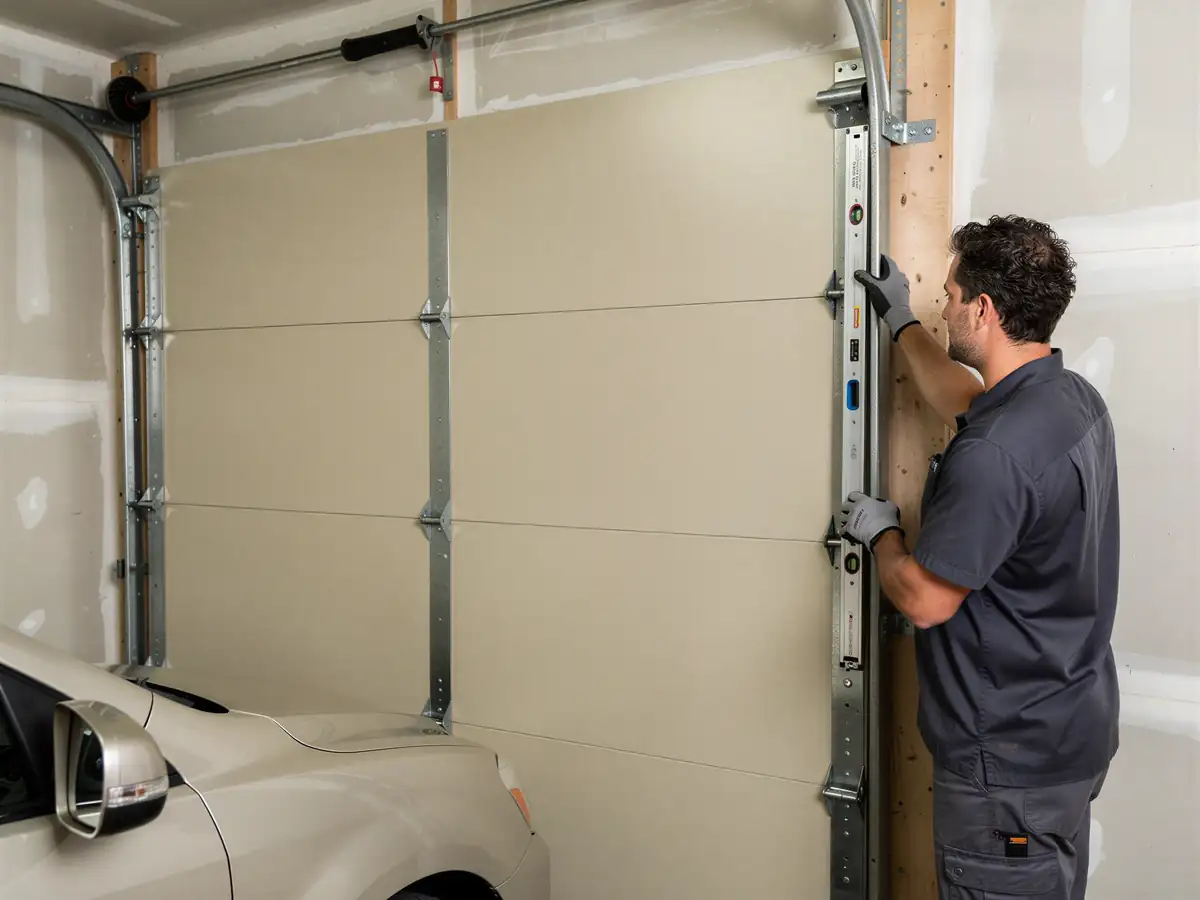
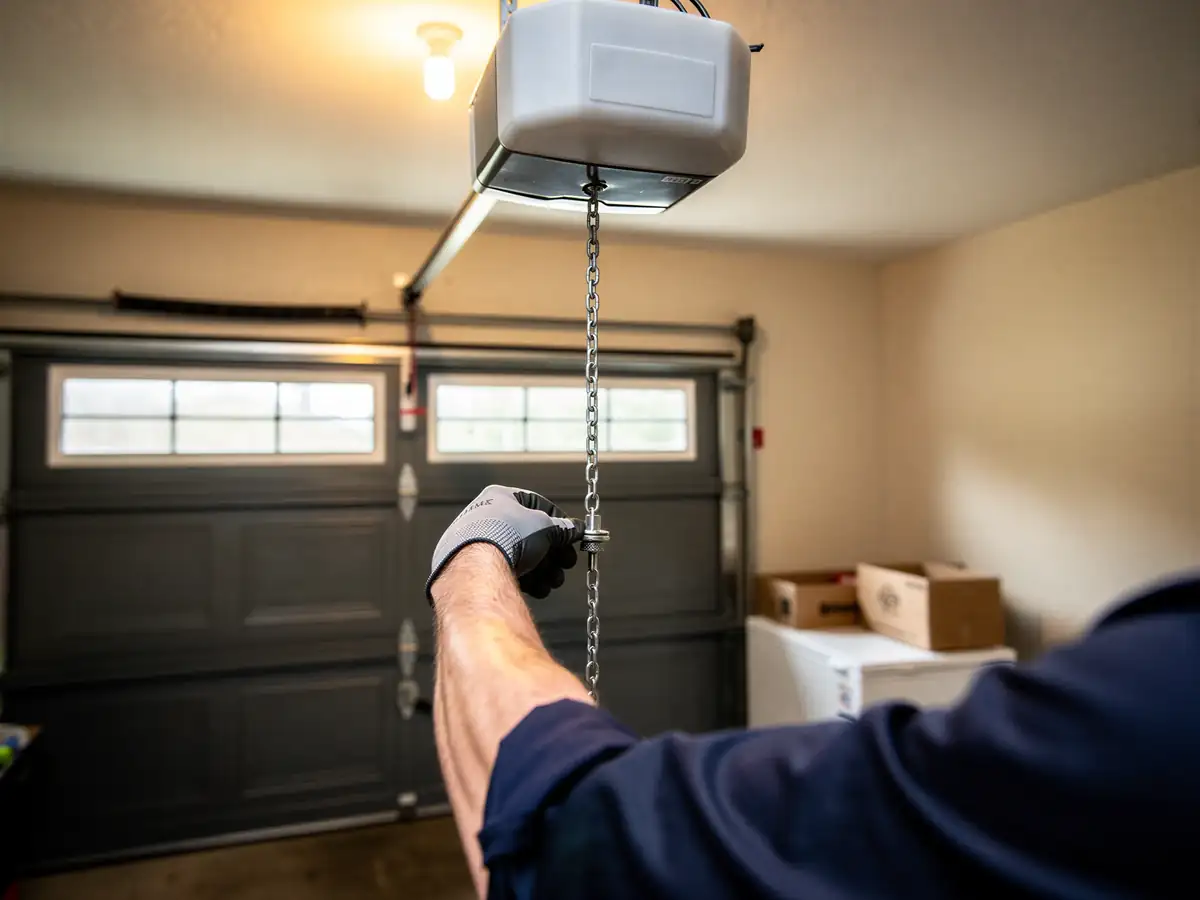
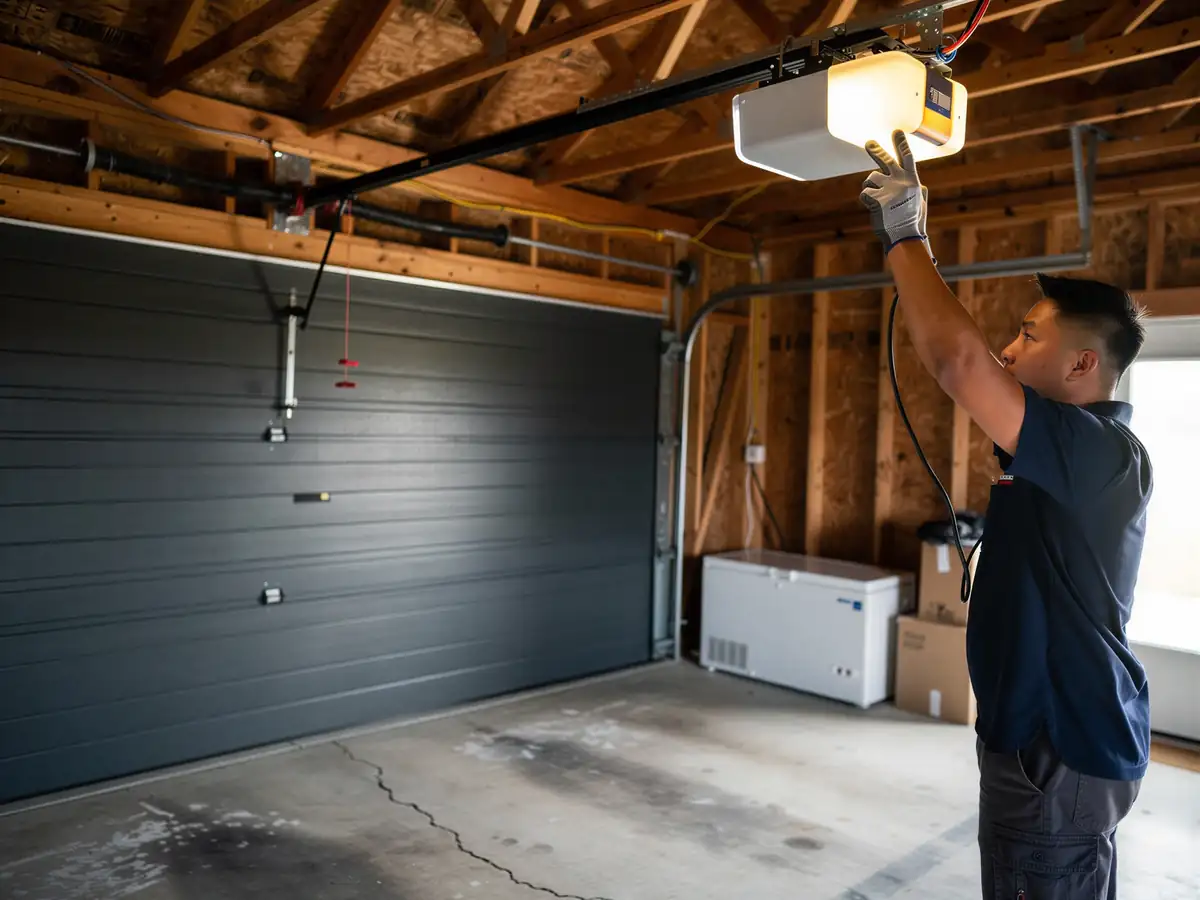
Most of the openers failing on us in Sunnyvale right now aren't from old age in the usual sense - they're original units from when the house was built, and a lot of this town went up around 2006. That puts the average opener here at roughly two decades old, which is past the point where the circuit board, the gears, and the safety-reversal sensors are reliable. A install means pulling the old unit off the header bracket, checking the rail and trolley for wear, and setting a new opener to match the door's weight and spring tension rather than just bolting on whatever's on the truck.
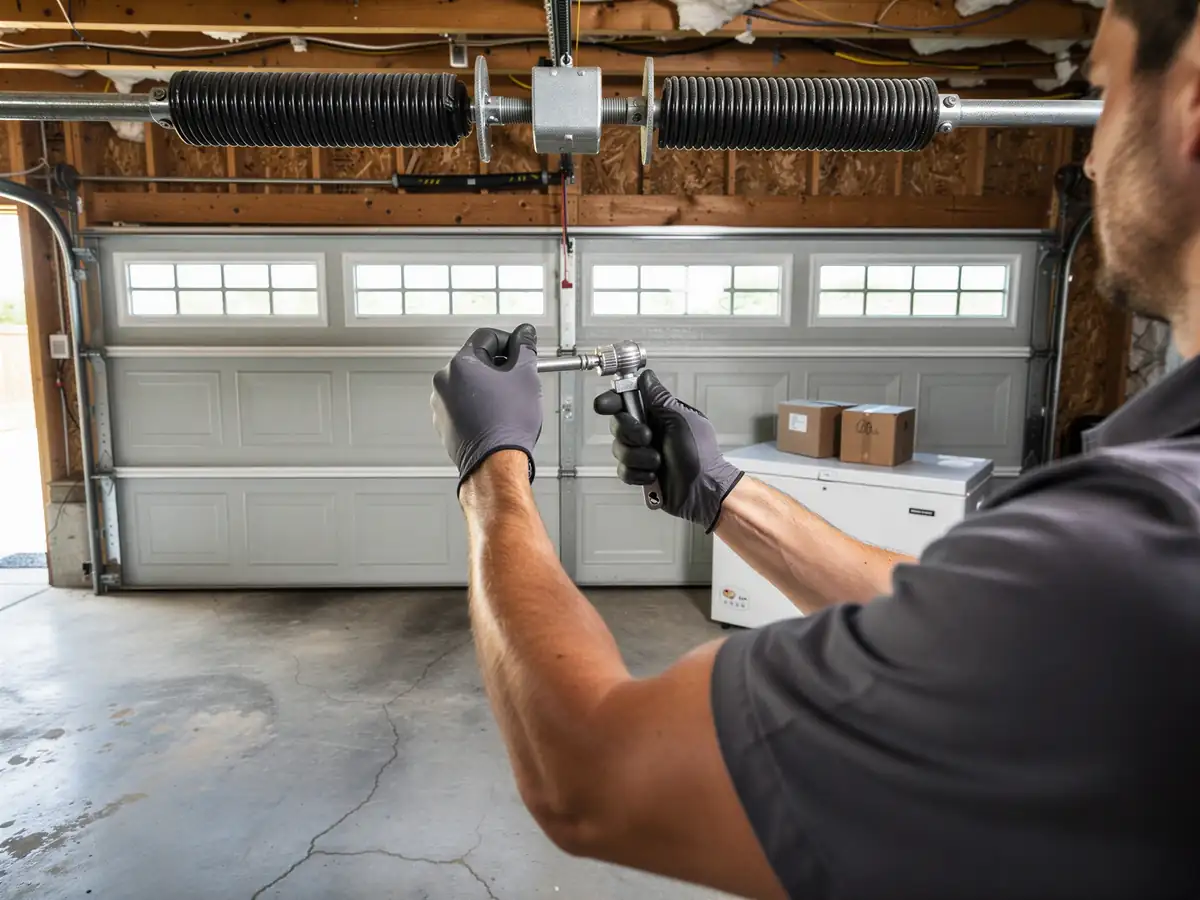
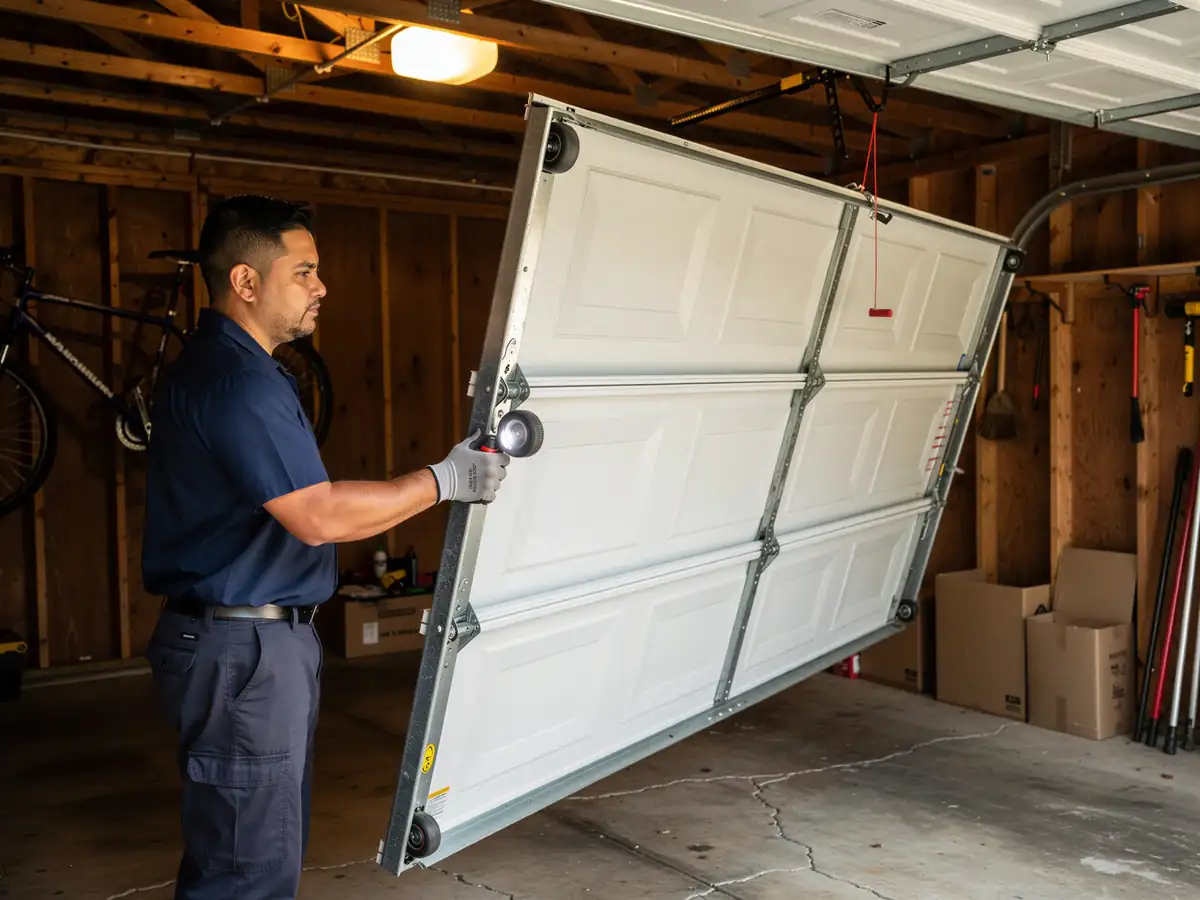
Because Sunnyvale's housing stock is newer than a lot of what we see closer to Royse City, the doors themselves are usually in decent shape - it's the opener hardware that's aged out first. That changes the job: less time fighting a warped track or a dead spring, more time making sure the new opener's force settings and sensor alignment are dialed in correctly for a door that's still square and true.
What You Are Seeing
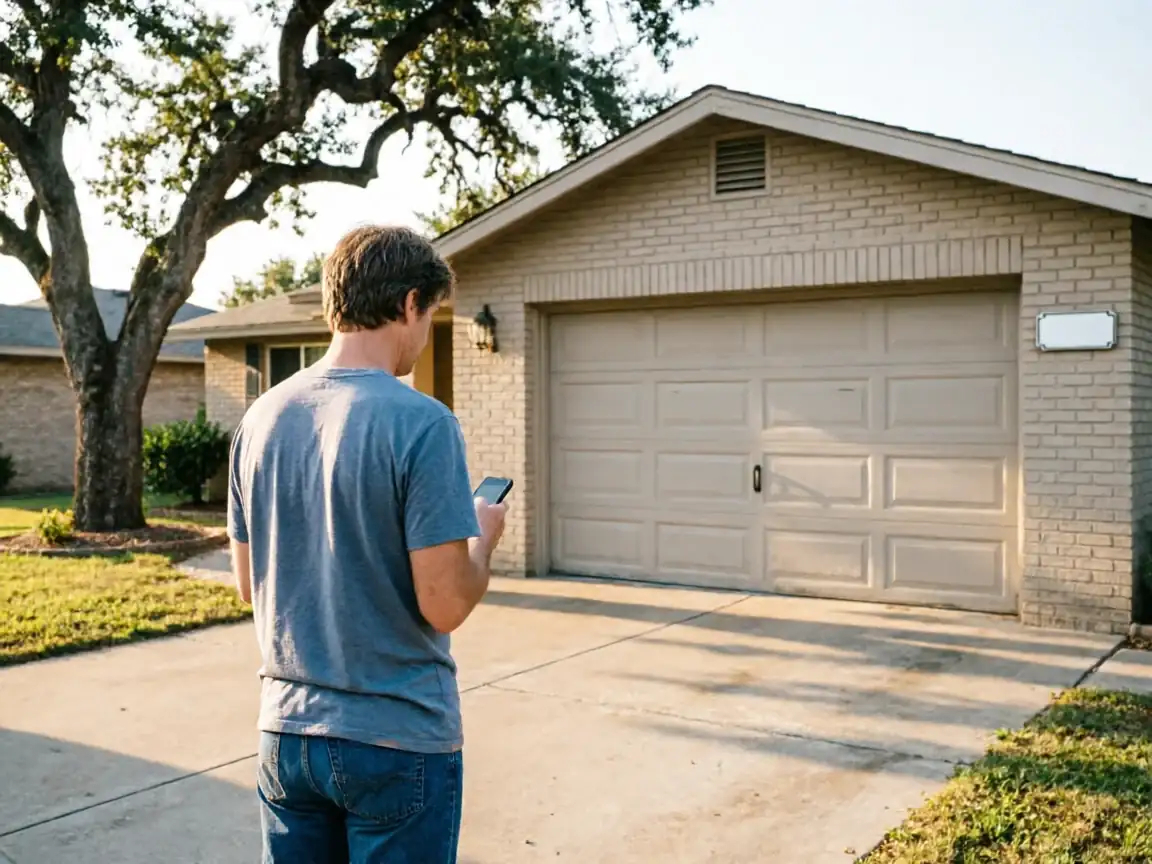
The opener runs but the door is slow to respond, or it reverses halfway up for no clear reason. Sometimes it's a grinding sound from the motor housing that wasn't there a year ago. On a 2006-build house, these are classic signs of a drive gear wearing down inside the unit, or a logic board that's lost its memory of the travel limits. None of that means the door or the track is bad - it usually means the opener itself has reached the end of what it was built to do.
We also see openers that still work fine but no longer meet current safety-sensor expectations, especially in households that have added a second vehicle or started using the garage as a workspace. That's less an emergency and more a reason to plan the swap before the old unit fails on a morning you need the car out.
The DIY Question
A chain-drive or belt-drive opener kit from a hardware store looks like a weekend project
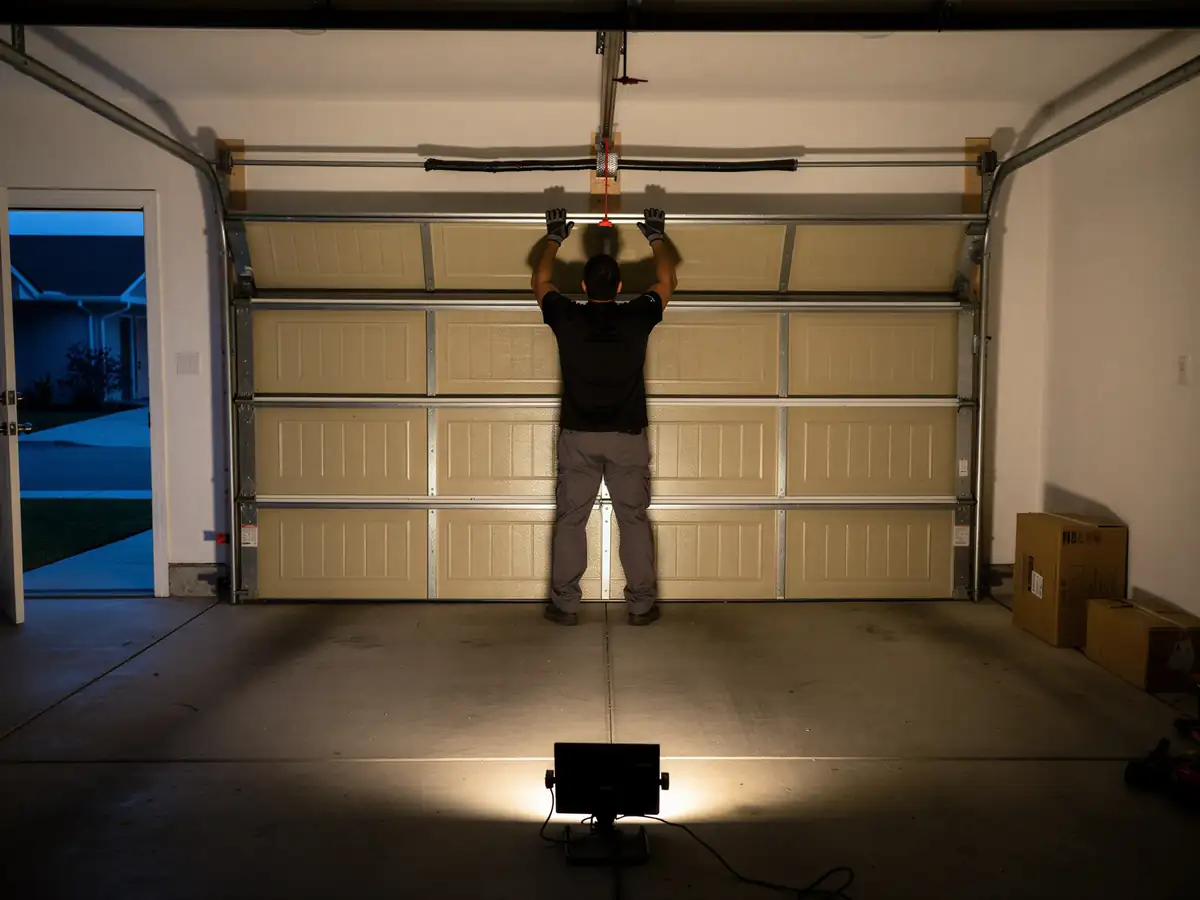
And for some homeowners it is. Where it goes wrong is the force and limit calibration - set it too aggressive and the door slams down on a toy or a pet's tail before the sensor catches it; set it too soft and the door won't seal against the weather. On the newer, properly-squared doors common in Sunnyvale, this is usually a straightforward job, which is the honest answer: if your door and track are in good shape, a capable DIYer with the manual can often get this right.
Where we'd step in anyway is wiring the opener into an existing keypad or smart-home system
Or if the bracket anchoring into the header needs reinforcement - ceiling framing isn't always rated for a heavier belt-drive unit, and guessing wrong there is a safety problem, not an inconvenience.
What It Costs
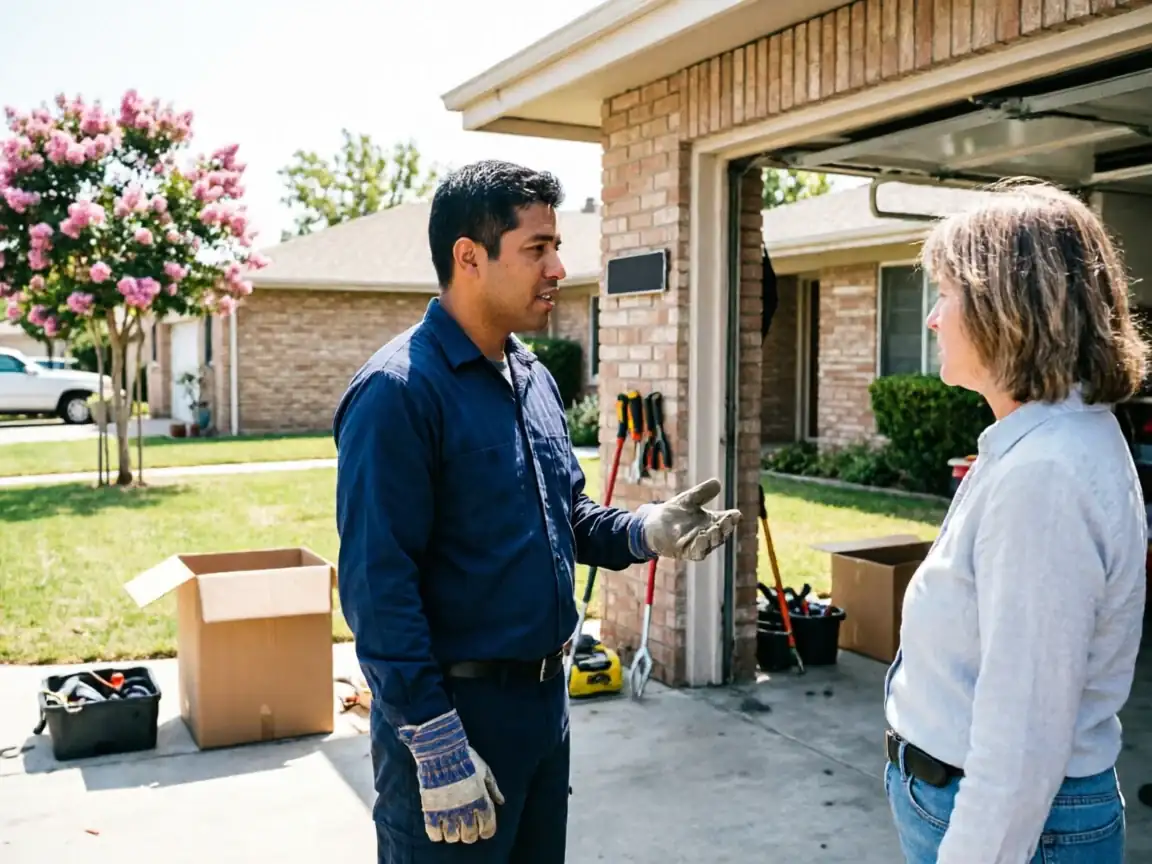
We don't have a posted price list for this page, so we won't put a number here that isn't tied to your door, your opener choice, and what the install actually requires once we're on site. What we can tell you is that Sunnyvale's household income runs well above the broader service area average - $157,500 versus roughly $117,428 across the wider territory - and that shows up in what homeowners here typically choose: quieter belt-drive units with battery backup and smart-phone connectivity over the baseline chain-drive models. Both work. One costs more up front and runs quieter.
The honest trade-off is that a higher-end opener doesn't fix a bad door or a worn track - if those need attention too, that's a separate conversation, and we'll tell you plainly if the opener isn't your actual problem.
Parts We Carry
We carry a standard range of belt-drive and chain-drive openers, along with the brackets, rail sections, and keypad or remote accessories that go with a clean install. In this part of Texas, the heat band is moderate rather than extreme, so we're not routinely swapping in heavy-duty heat-rated motor housings the way we might in a hotter zone - a standard residential opener holds up fine in Sunnyvale's conditions over a normal service life.
One limitation worth saying plainly: we stock the common opener models and hardware, but a specific smart-home integration module or a discontinued part for an older existing rail isn't always something we have on the truck. If your job needs something unusual, we'll tell you upfront rather than make you wait on-site for a part that isn't coming.