Parts We Carry
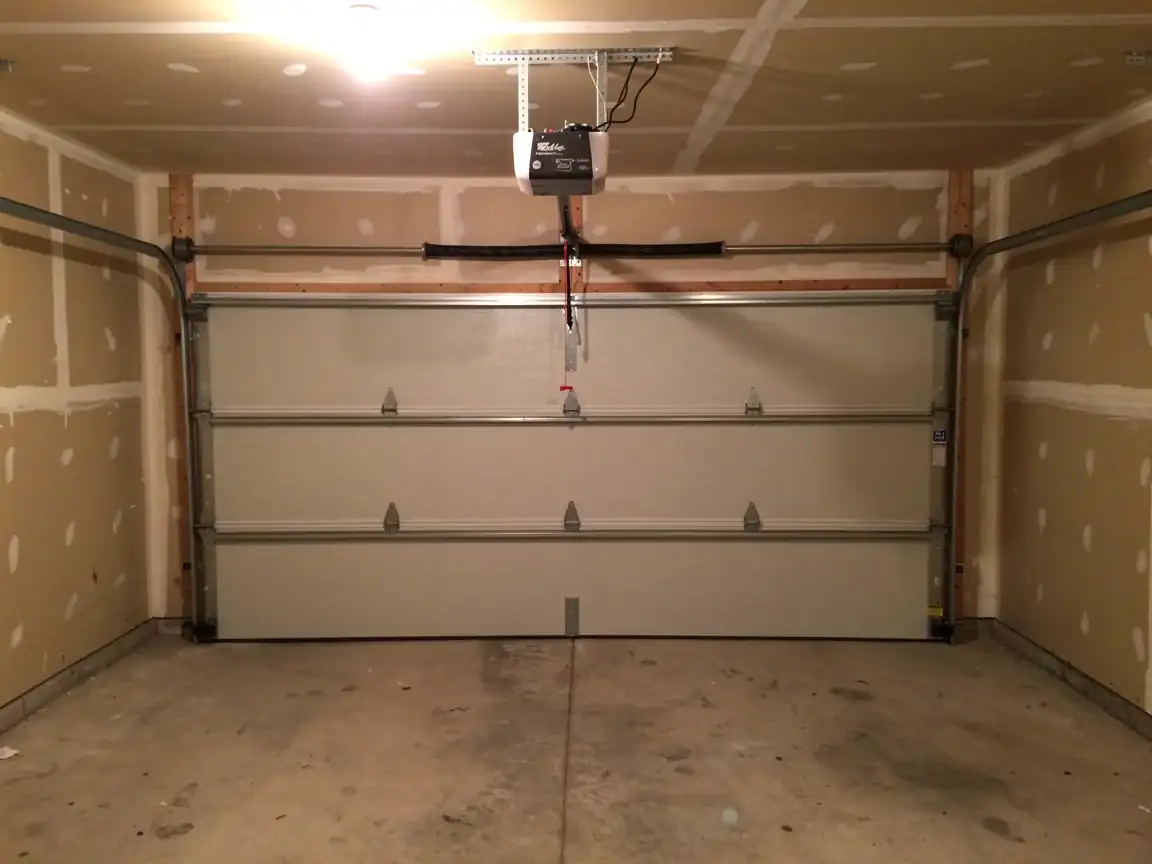
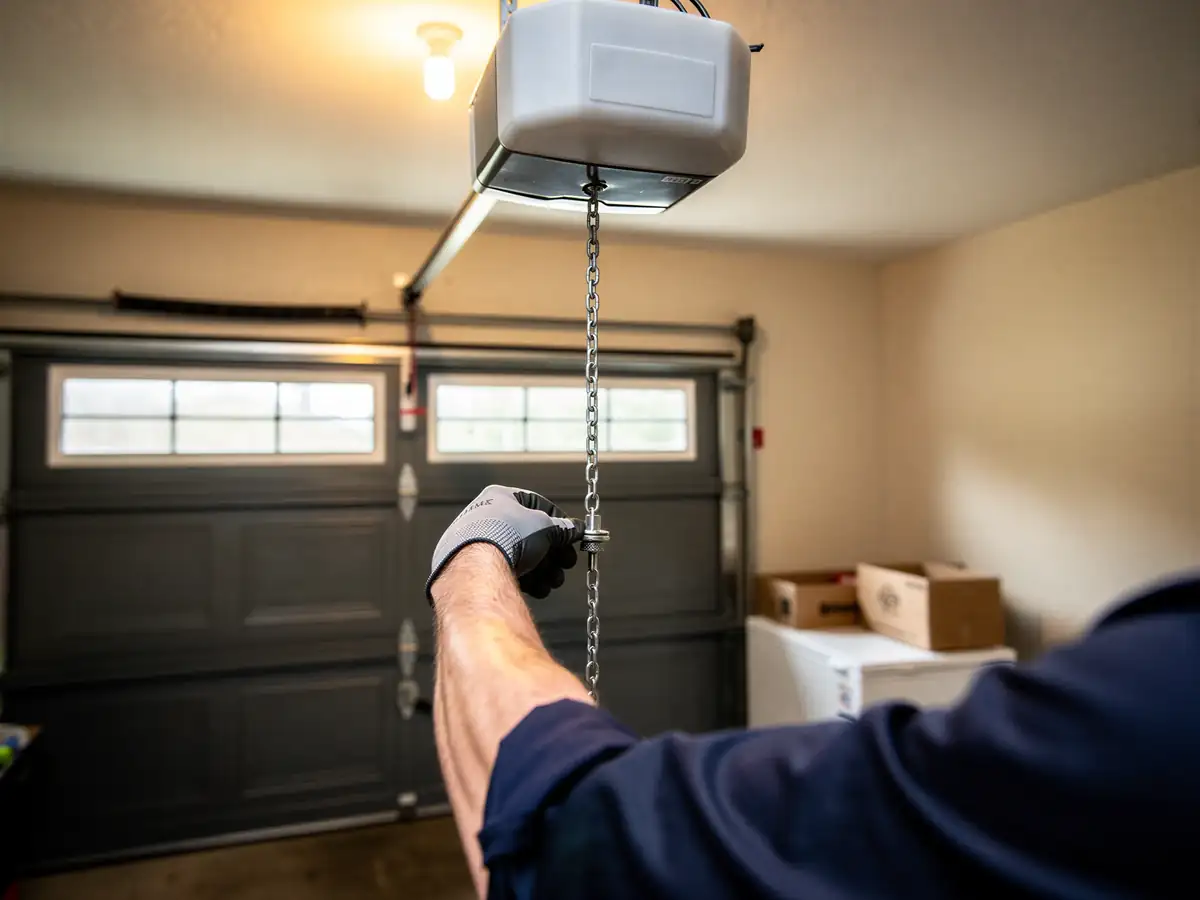
Parker's houses mostly went up around 2005, which means most garage doors here were built for a lighter, newer-era opener than what you'll find on an older house across the rest of the service area. We stock belt-drive units for the quieter installs people in newer subdivisions tend to want, along with chain-drive units for doors where cost matters more than noise. Horsepower depends on door weight, not the house's age, but a double door on a 2005-built home usually takes a 3/4 HP or 1-1/4 HP unit depending on whether it's insulated steel or a heavier carriage-style door.
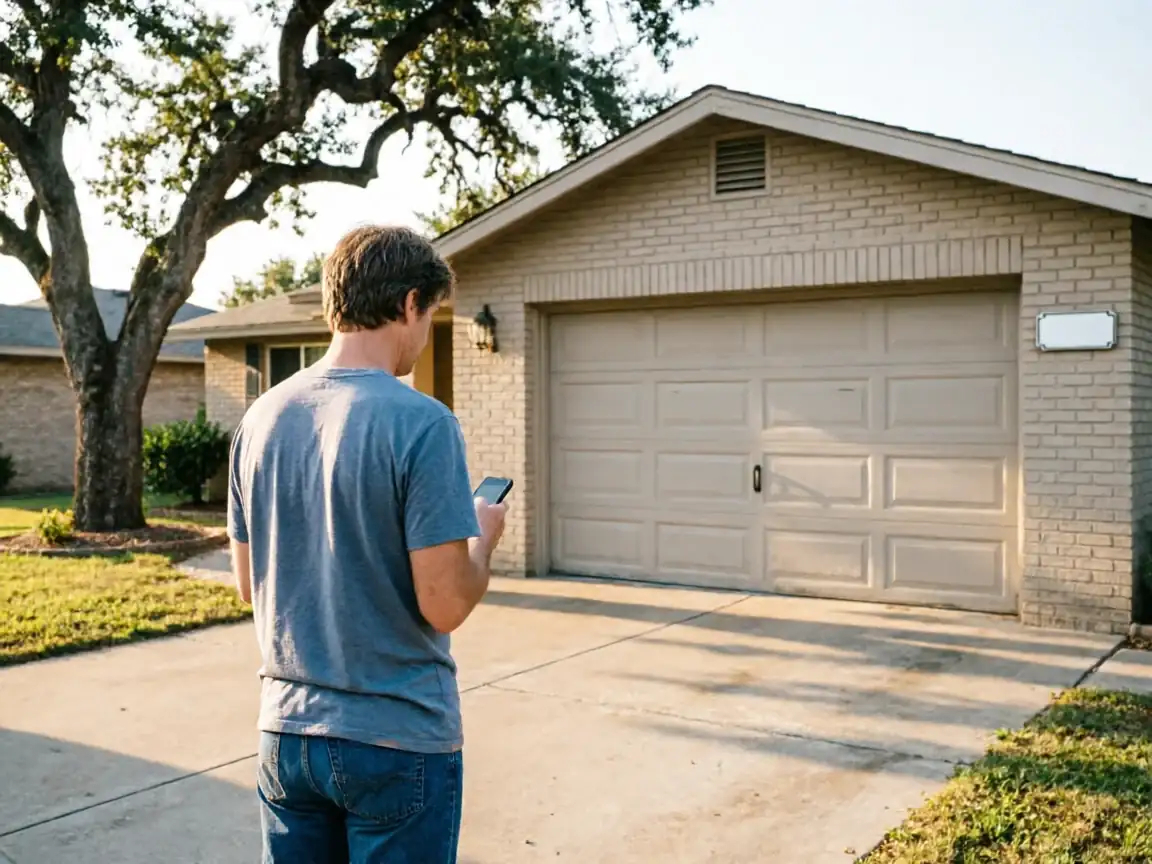
We also carry battery backup units. Given Parker's higher household income relative to the rest of the area we cover, we see more requests for the battery backup and smart-phone-control features than we do on older housing stock elsewhere. We don't carry every brand on the market - we stock what we can get parts for quickly, and we'll tell you up front if a specific brand you want means a longer wait.
How to Book
We run out of Royse City, about 19 miles from Parker, so scheduling an opener install here means working a drive into the day rather than squeezing in a same-block job. Call ahead and we'll walk through what you've got now - chain or belt, the age of the unit, whether the wall console and safety sensors are original - before we load the truck, so we bring the right opener and don't make a second trip for a part we didn't know you needed.
You can see what else we cover near Parker on our service area page. If you're also dealing with anything beyond the opener itself - a bent track, a dead spring - that's a separate job, and worth mentioning on the call so we bring the right parts for both.
Time on the Job
A straightforward opener swap
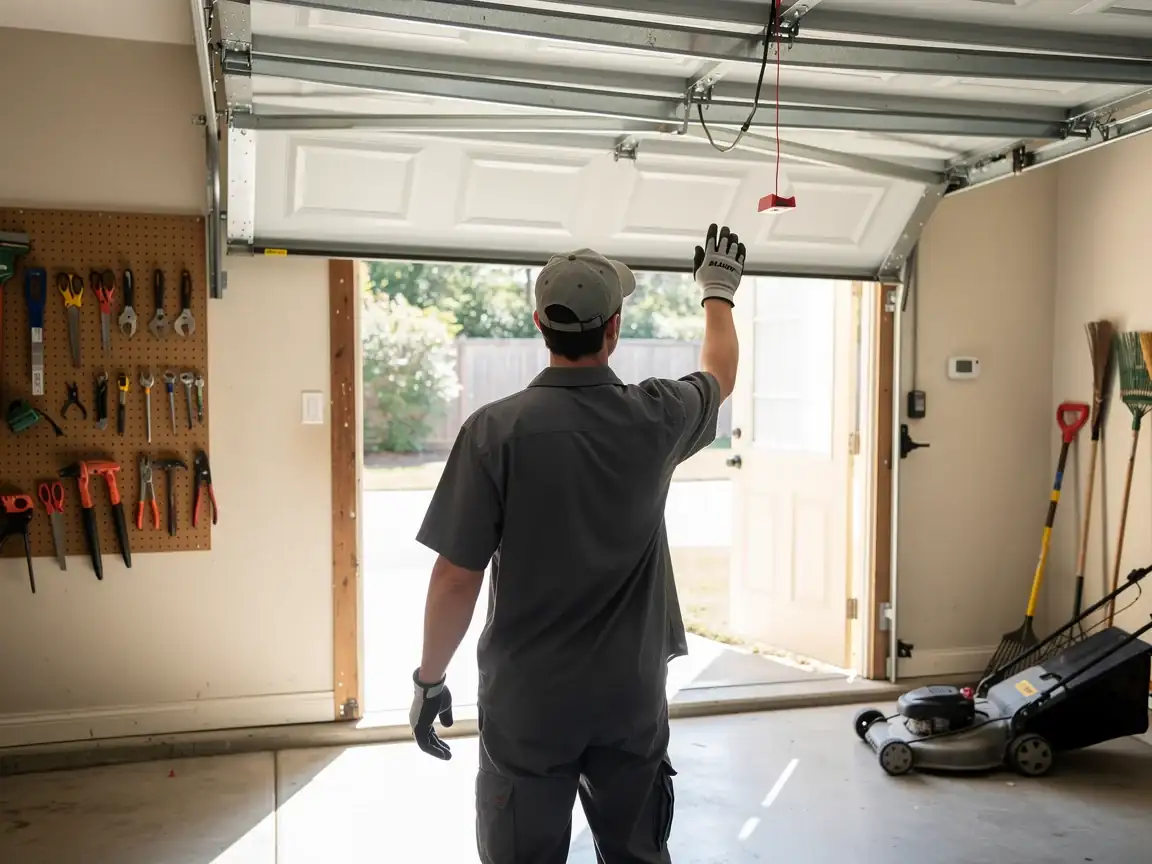
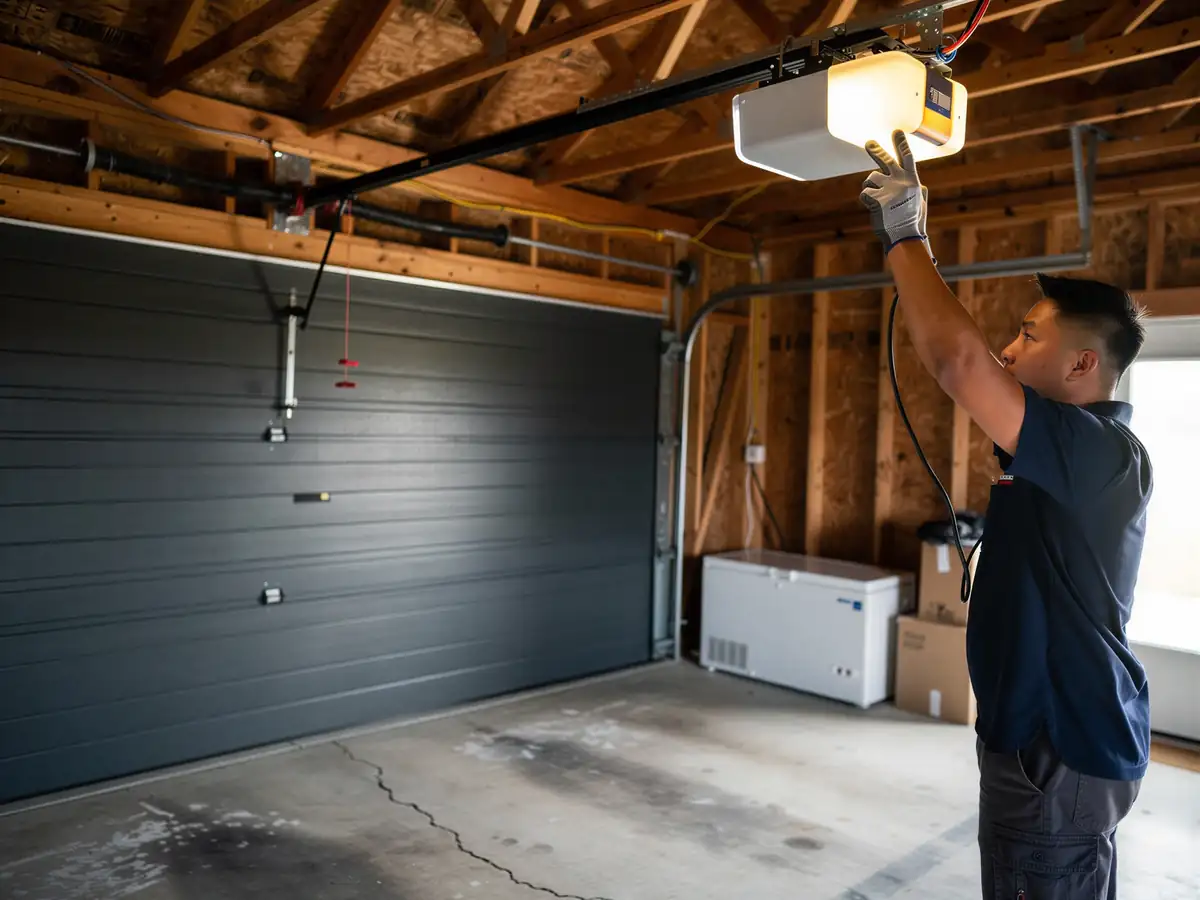
Where the rail, springs, and door hardware are all sound, usually runs two to three hours on site. That covers removing the old unit, mounting the new rail and motor head, wiring the wall console, and setting the travel limits and force settings so the door reverses properly on an obstruction.
If the house still has its original 2005 opener
We sometimes find the mounting bracket or the header wood has shifted slightly over the years, which adds time to get the new unit squared away. We won't rush that part - a motor head that's even slightly out of alignment with the carriage puts stress on the rail that shows up as noise or wear within a year.
What Can Go Wrong
Here's the fault we actually run into around Parker: openers installed when these houses were built in the early-to-mid 2000s are now pushing two decades old, and that's right about when circuit boards start failing and drive gears wear down to the point of stripping. Homeowners usually notice it as the opener running but the door not moving, or the unit humming and stopping partway.
The other common issue on houses this age is safety sensor drift. The two photo-eye sensors near the floor on each side of the door lose their exact alignment over years of garage door openings and closings, lawn equipment bumping the bracket, or a bracket screw working loose. When that happens the opener refuses to close the door at all, which looks like a bigger problem than it usually is.
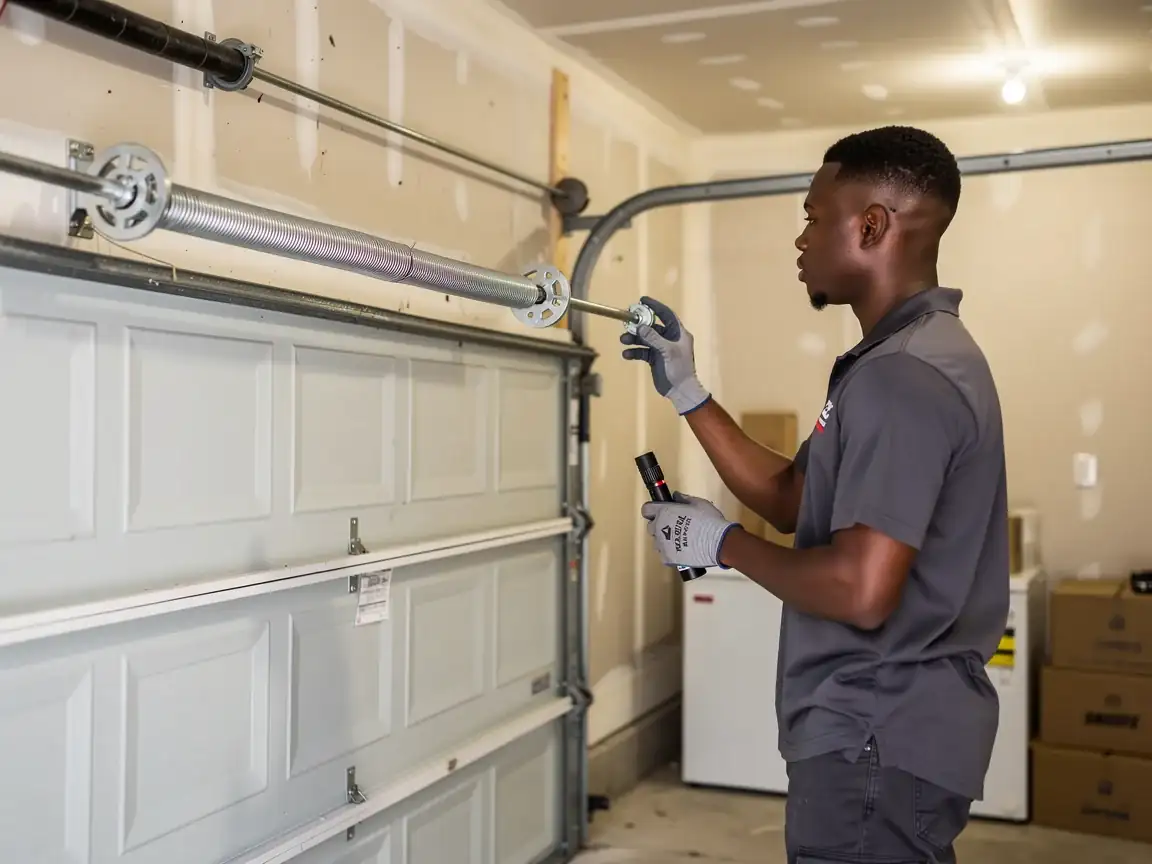
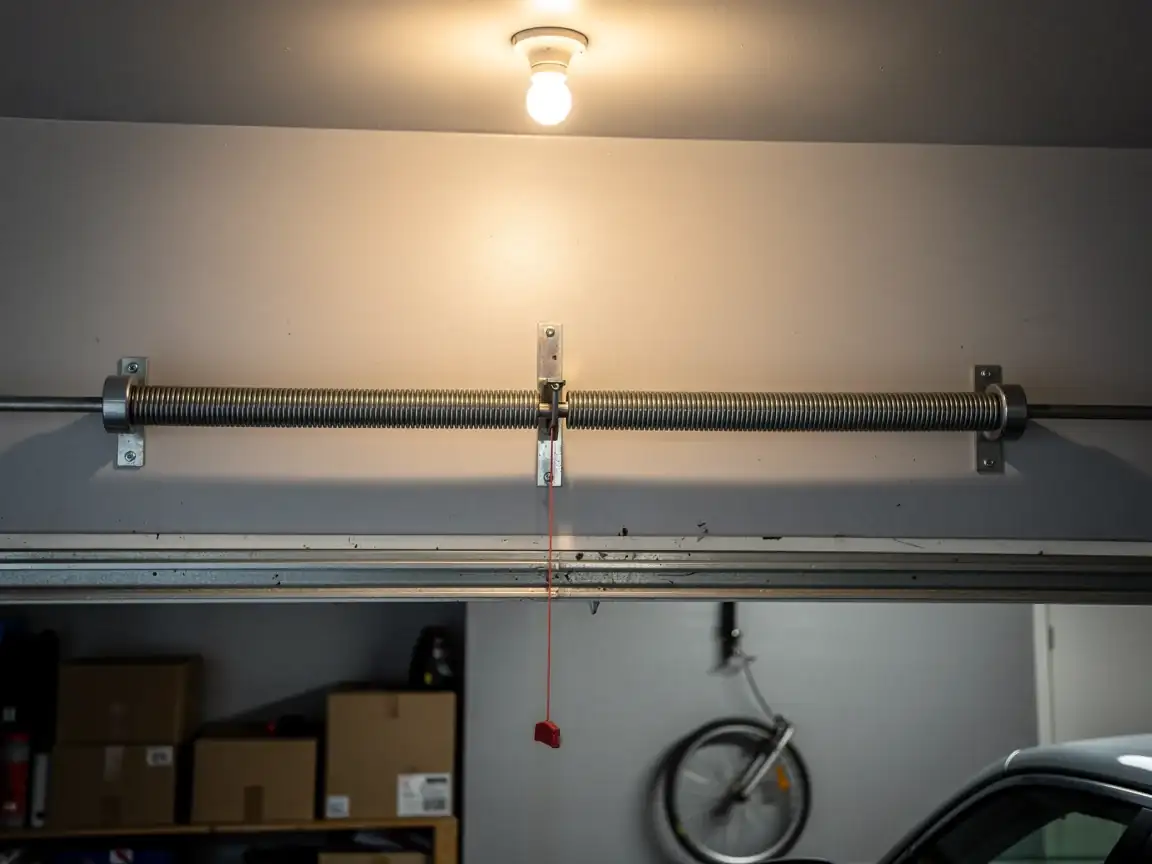
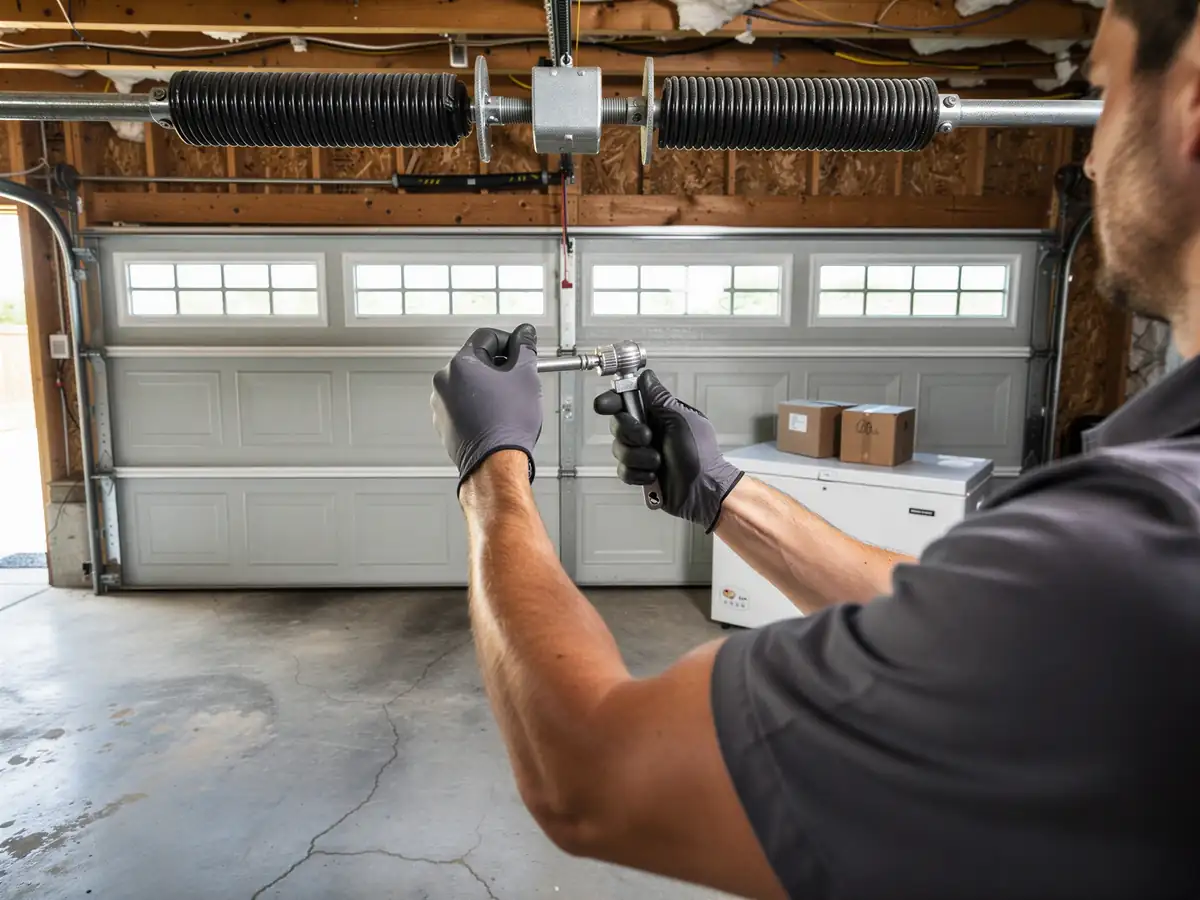
We don't replace an opener on a door whose springs are already failing - if the spring is near the end of its life, we'll flag that first, because a new opener motor straining against a bad spring burns itself out fast.
What It Costs
We don't post a flat number here because the cost depends on horsepower, drive type, and whether you want battery backup or smart features - a chain-drive unit with a basic wall console costs less than a belt-drive unit with battery backup and phone control. We'll give you the actual number for your door and your choice of unit before we start, not after.
One thing worth knowing going in: Parker's median household income runs well above the rest of our service area, and that shows up in the mix of openers people choose here - more requests for the quieter, battery-backed units than for the base chain-drive model. Neither is wrong for the job; it's a preference call, not a durability one.
The DIY Question
Installing a garage door opener is within reach for a homeowner who's comfortable on a ladder and reading a wiring diagram
The motor head bolts to the rail, the rail bolts to a header bracket, and the wiring is low-voltage. Where people get into trouble is the safety sensor alignment and the force-setting adjustment, both of which matter more for safety than they look like they would.
We won't pretend there's no honest DIY path here
If your opener failed and the door itself, springs and track included, is in good shape, a careful homeowner can do this job. Where we'd push back is if you're also dealing with a spring that's near the end of its life or a bent track - mixing a DIY opener install with hardware that needs a trained eye on it is how a bracket pulls loose six months later. For the Royse City side of things, our opener installation page covers the broader service and pricing approach the same way.