Parts We Carry
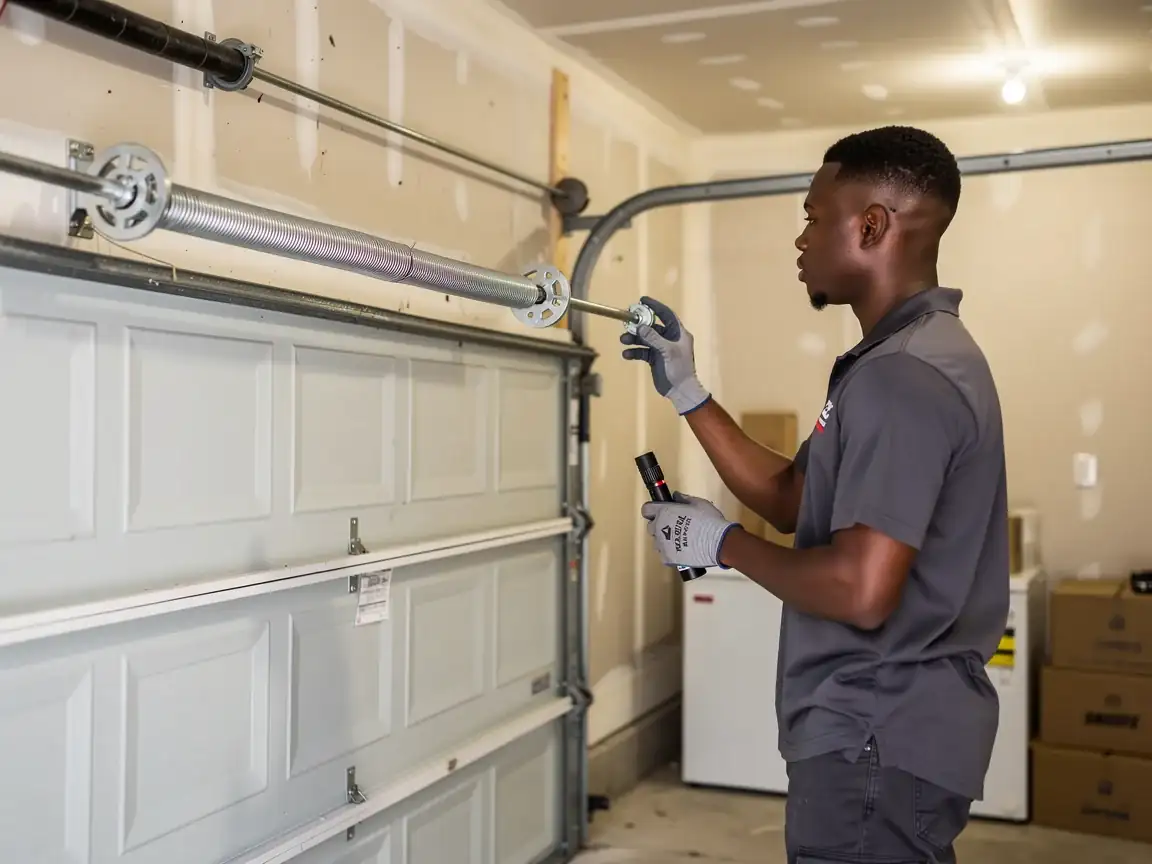
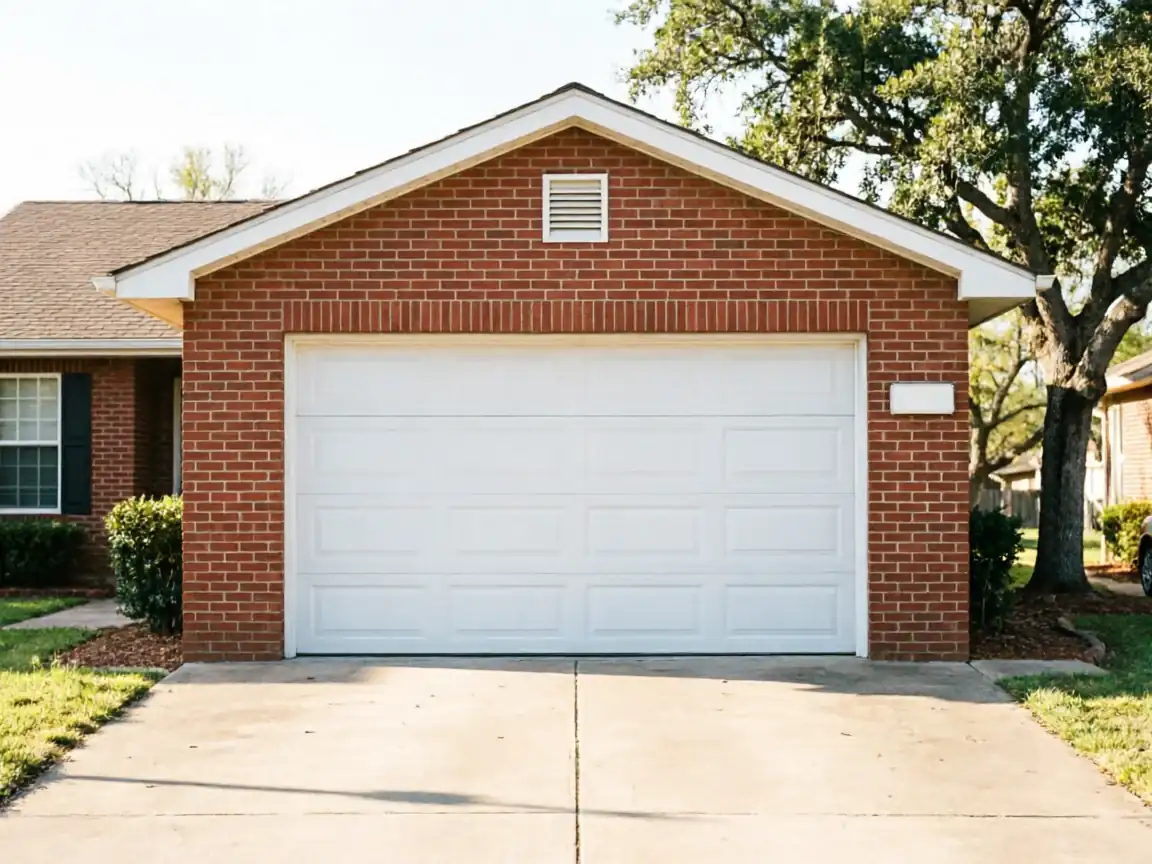
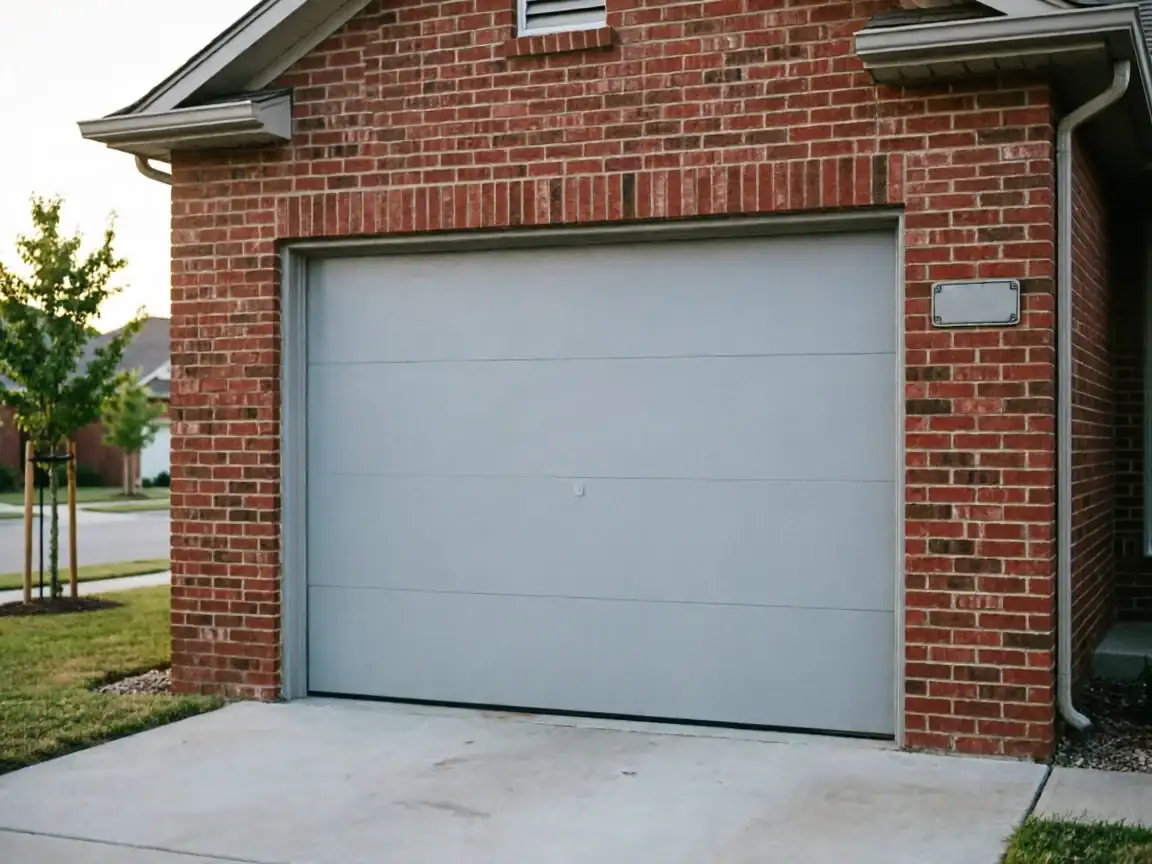
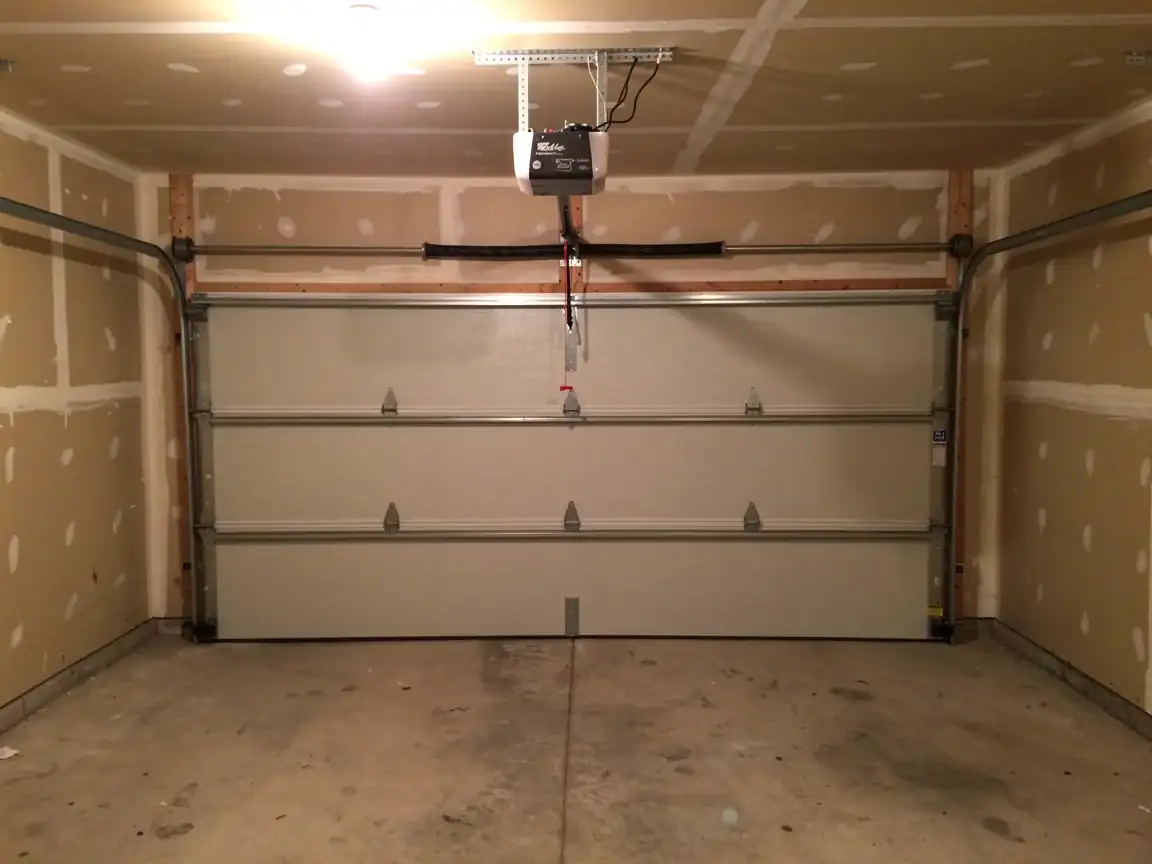
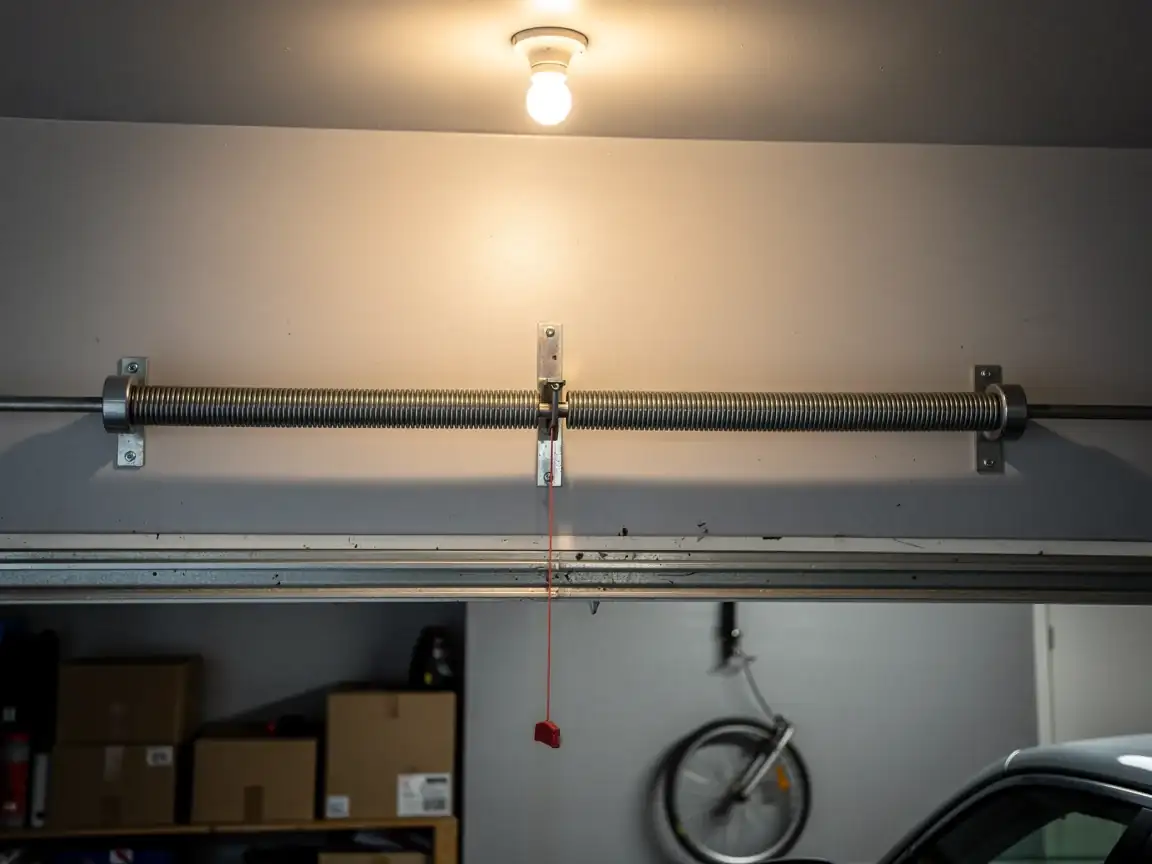
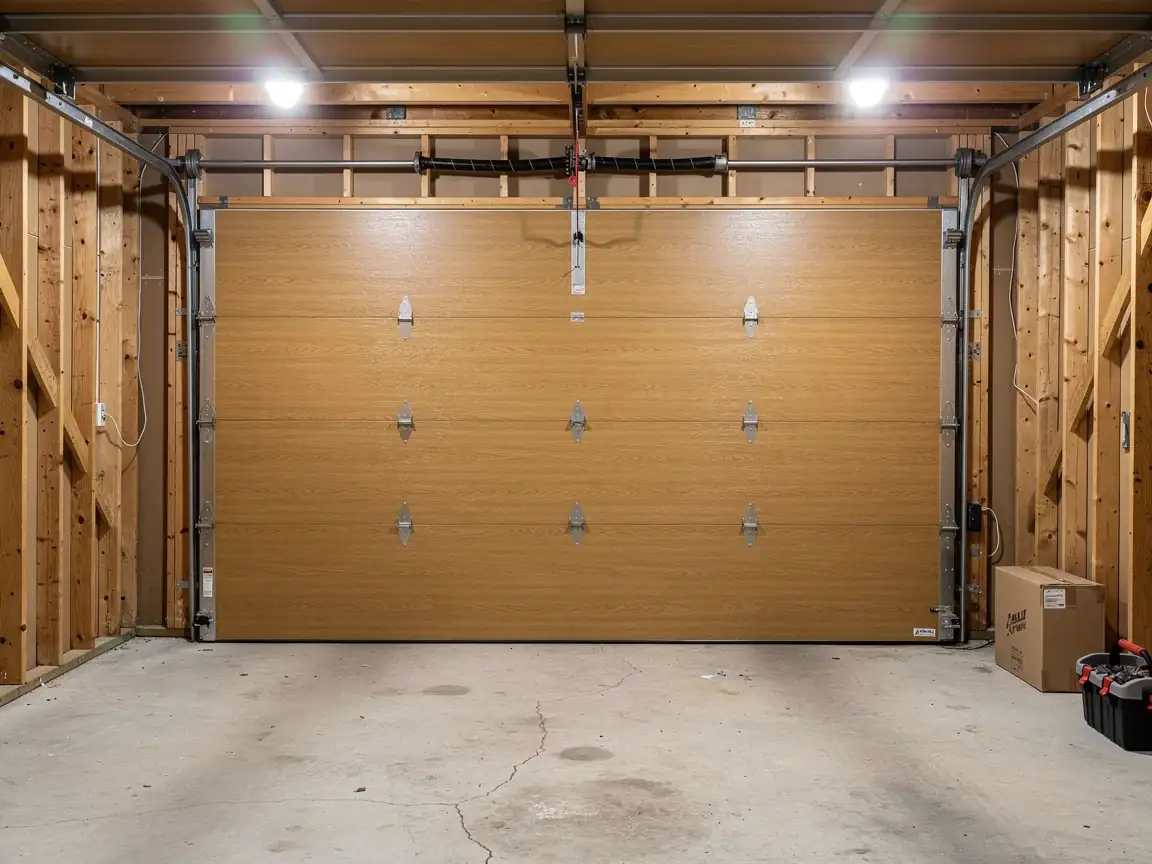
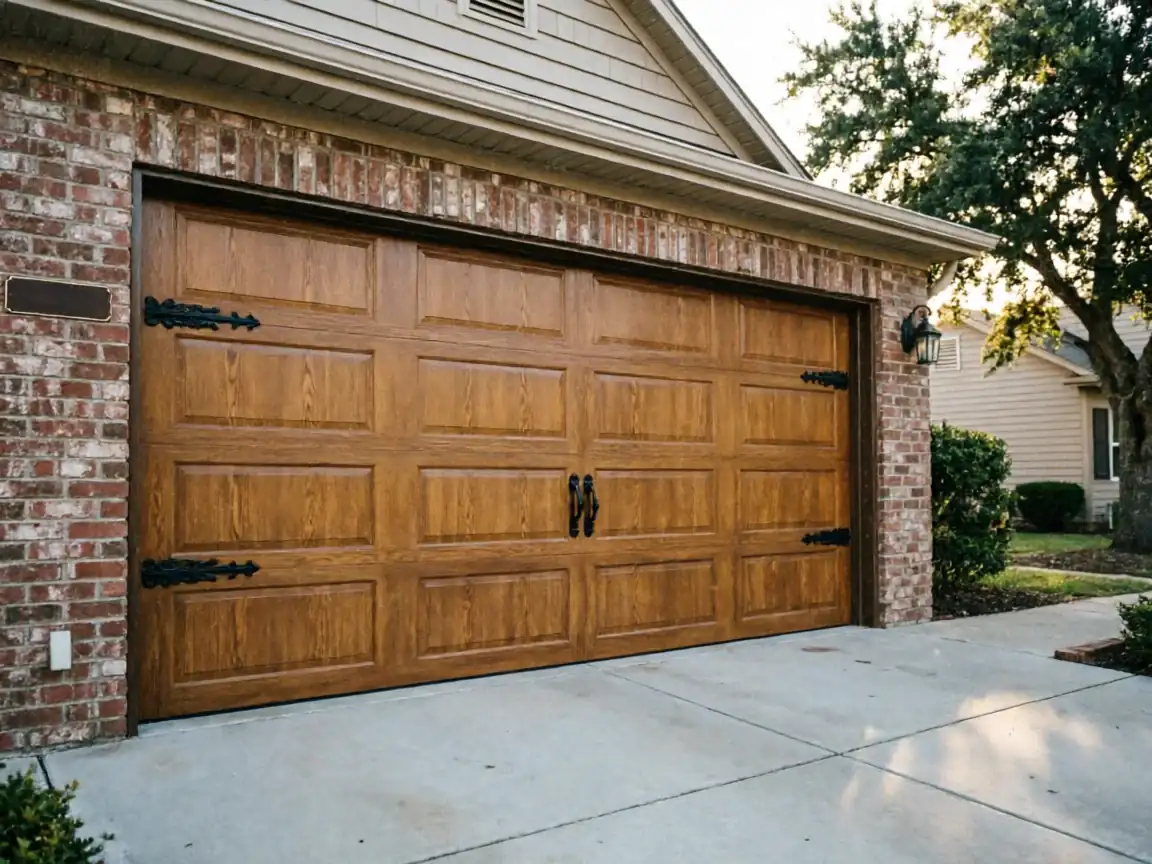
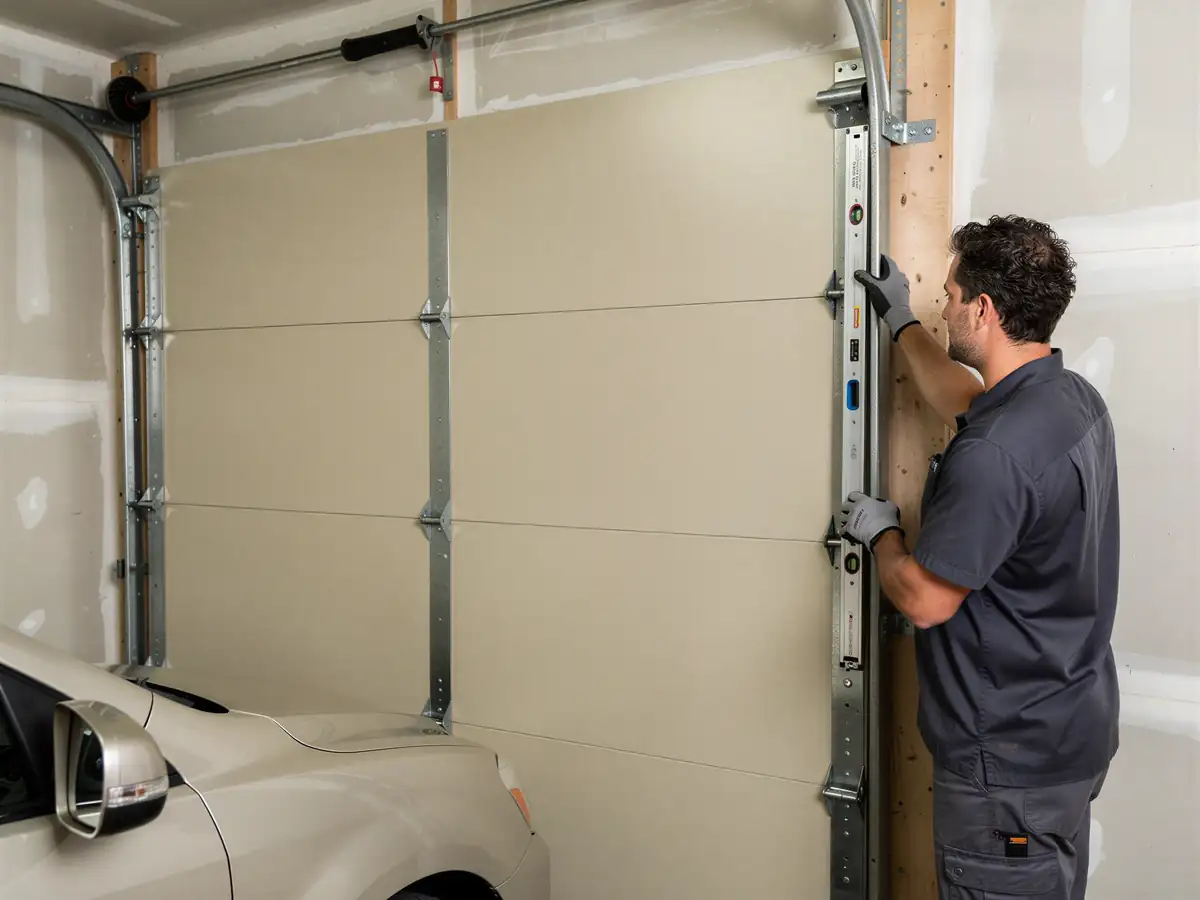
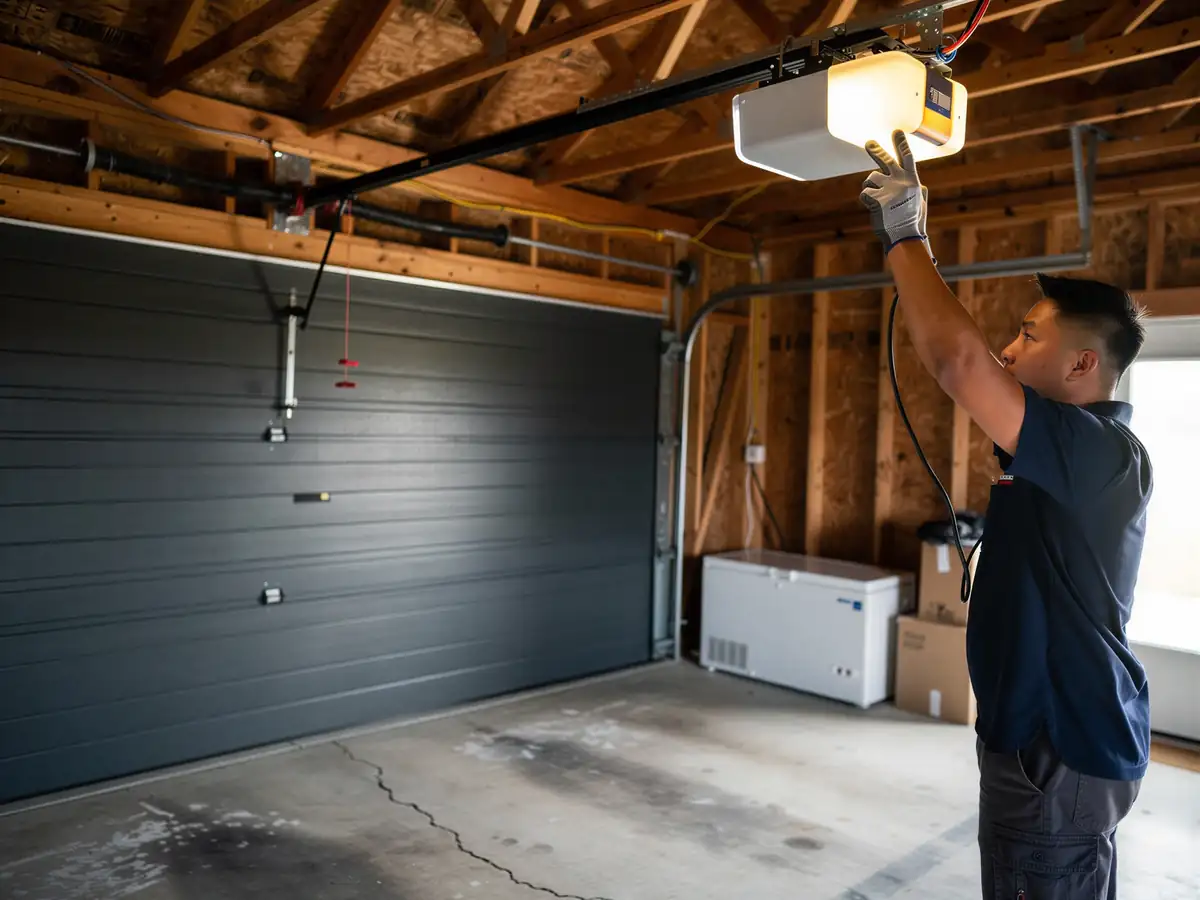
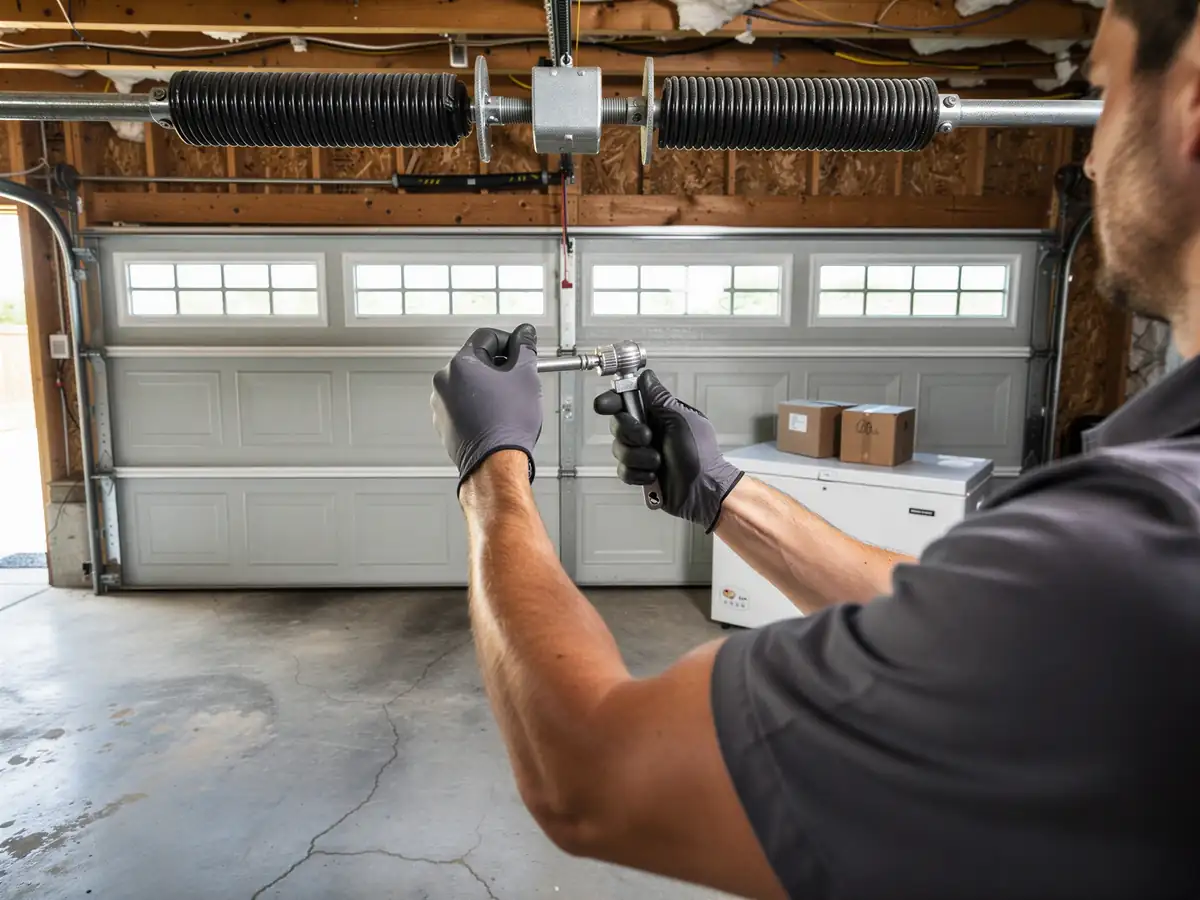
Parker's housing stock centers on a 2005 median build year, newer than much of the rest of the service area, which means most garage doors here are factory torsion systems on steel tracks rather than the older extension-spring setups common in pre-1990s neighborhoods. We stock torsion springs sized for standard builder-grade door weights from that era, along with insulated steel panel sections, nylon and steel rollers, and the photo-eye safety sensors that came standard on openers installed after the mid-1990s. Across the wider service area, the housing mix runs 1971 through 2012 with a median around 2000, so the hardware we carry on the truck is built around that window - not around 1960s one-piece doors with side-mount hardware, which we rarely see out this way. If a door here needs a part outside that common range, we'll tell you up front rather than guess at a fit on-site.
How to Book
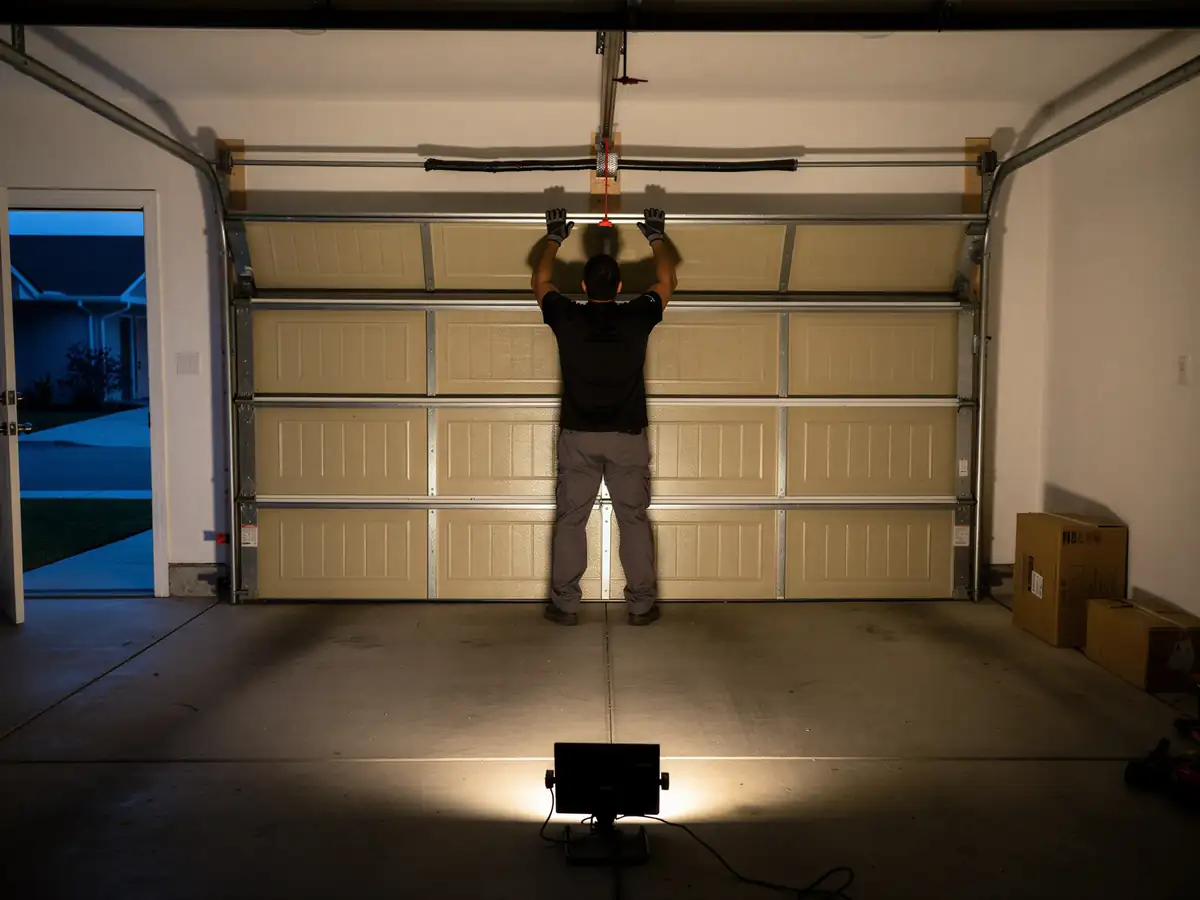
At 19 miles from Royse City, Parker is one of the farther stops on our route, so a call here works best booked ahead rather than as a same-day add-on. We don't run a branch or depot in Parker - every job travels out from Royse City, and we plan the drive into the schedule rather than pretend it doesn't exist. Tell us what the door is doing (won't open, stuck halfway, loud grinding, remote not working) when you call, so we bring the right spring size or opener part on the first trip instead of a second one. You can see the rest of what we cover for this town at the service area page, and if you're looking at other work beyond garage doors, that falls under our main Royse City service page, not this one.
What Can Go Wrong
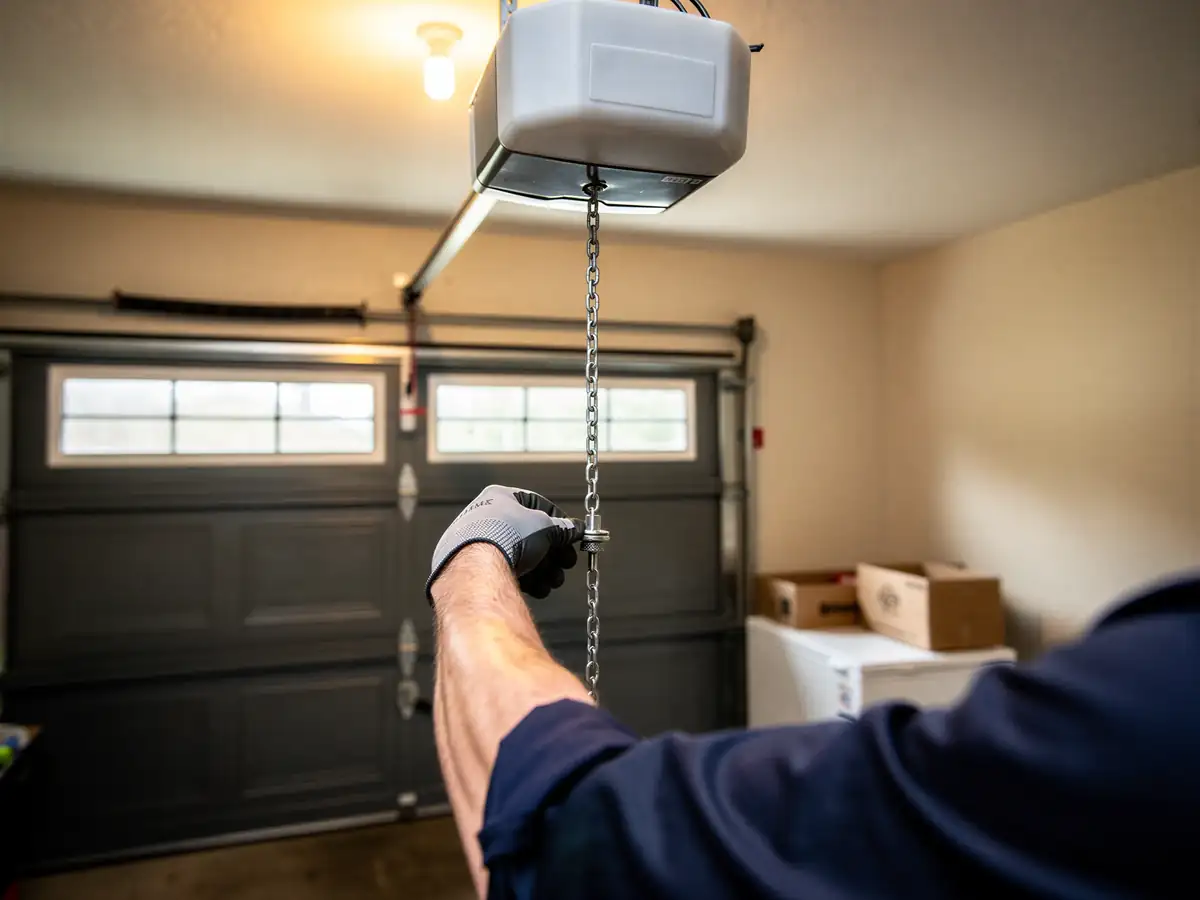
Homes in Parker are mostly past the twenty-year mark now, which is exactly when original torsion springs - rated for the door's weight at installation - start to fatigue and snap without warning, often on the coldest or hottest day of use. The region sits in a moderate heat climate band, and repeated summer expansion and contraction in steel tracks and roller housings is a slow, ordinary wear pattern here, not a dramatic one. Openers installed when these houses were built are reaching the age where photo-eye sensors drift out of alignment or circuit boards start failing intermittently, even while the door itself still looks and moves fine. We also see cables fraying at the drum after years of normal cycling, and rollers going out of round long before anyone notices the noise. None of this is unique to one house - it's the ordinary end of a hardware lifespan, and in Parker a lot of that hardware is hitting that point at roughly the same time.
What It Costs
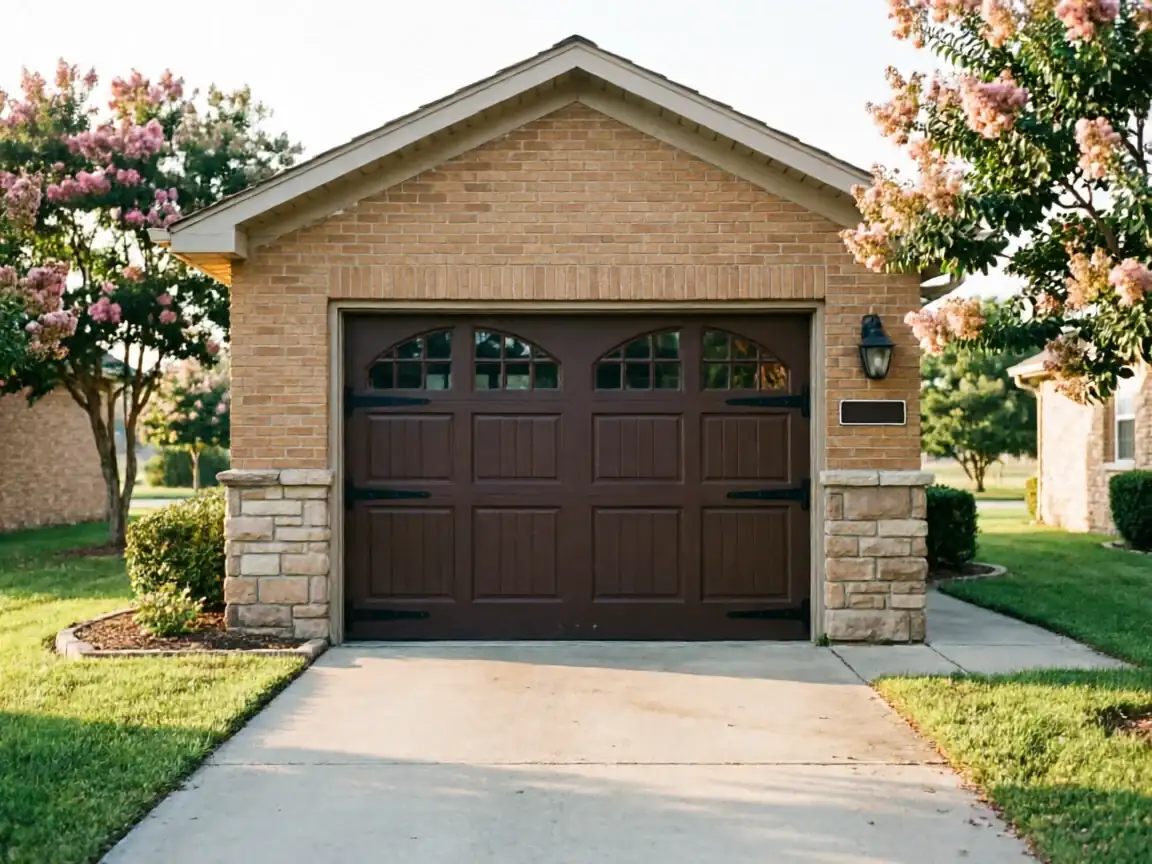
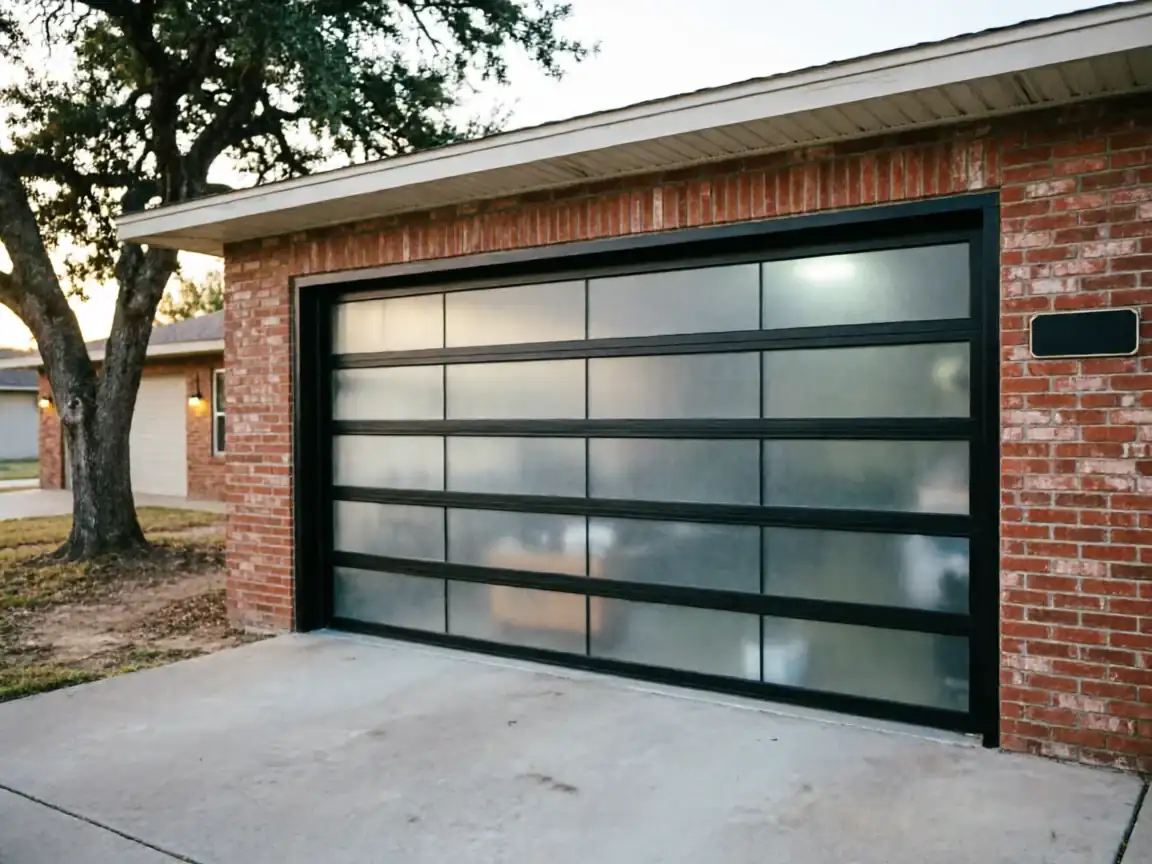
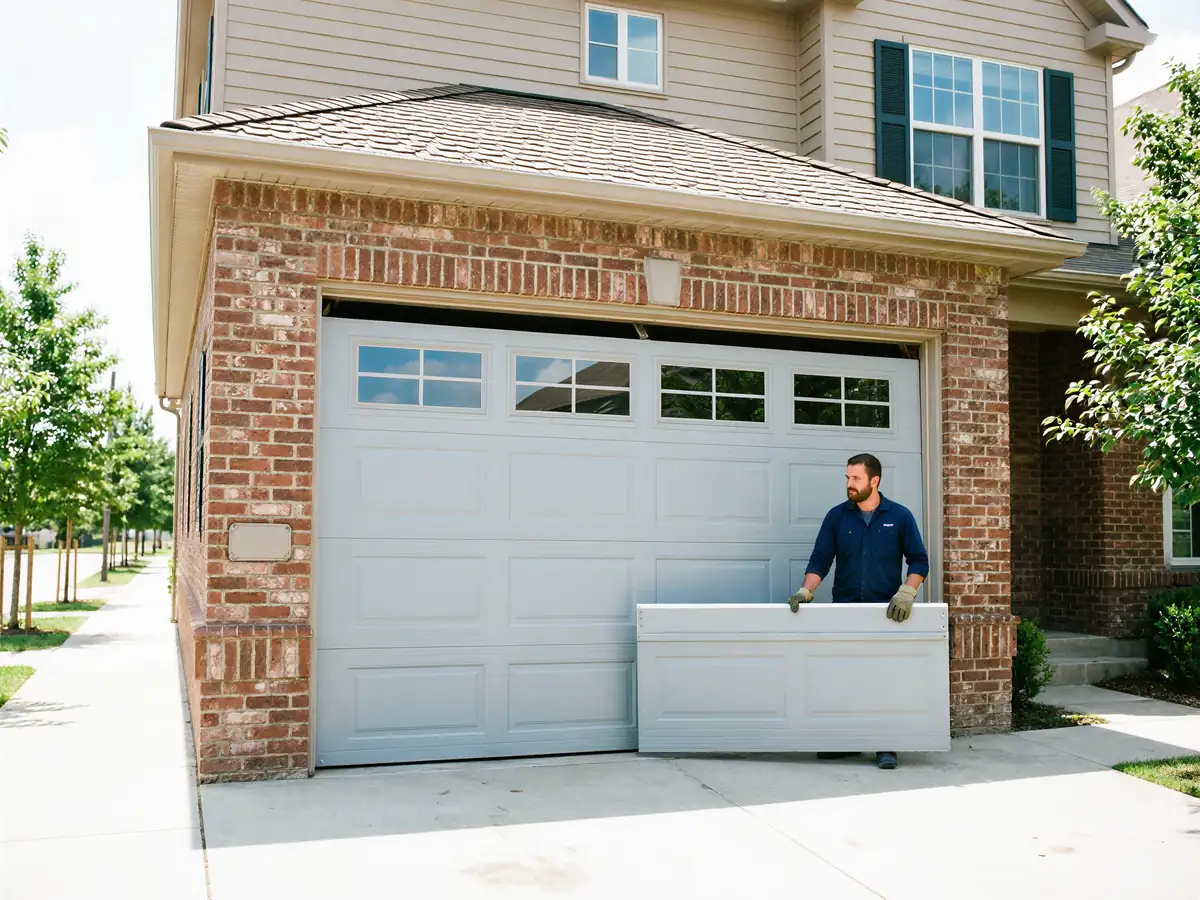
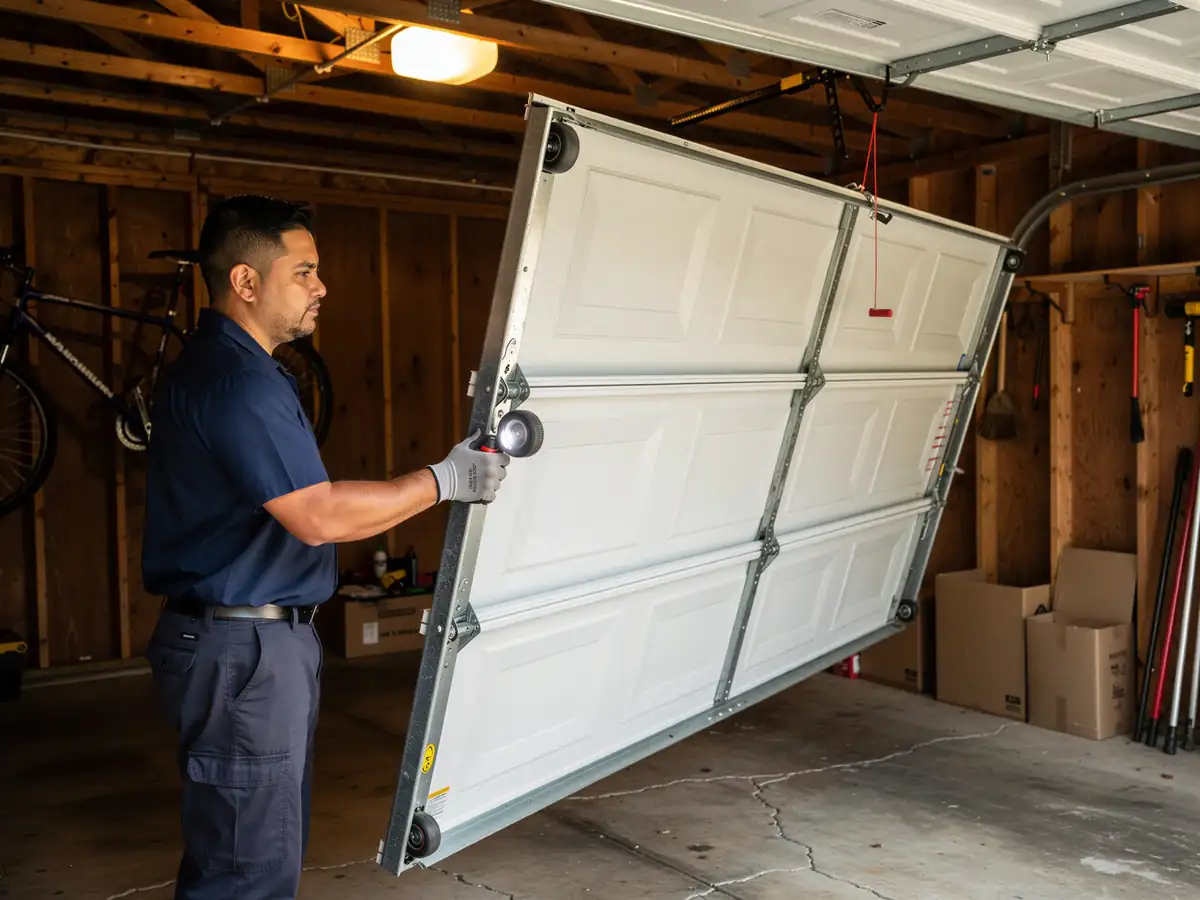
We don't post flat prices here because the part and the labor depend on what's actually wrong, and guessing a number before seeing the door does nobody favors. What we can say is that Parker's median household income, at $216,179, runs well above the roughly $117,428 figure for the service area as a whole, and that shows up in the calls: more owners here ask about insulated steel or composite replacement doors than about stretching a worn panel for another few years. That's a legitimate call either way - a patch repair on a sound door frame is often the better value, and we'll say so if that's the honest answer, even when a full replacement is the easier sale.