Parts We Carry
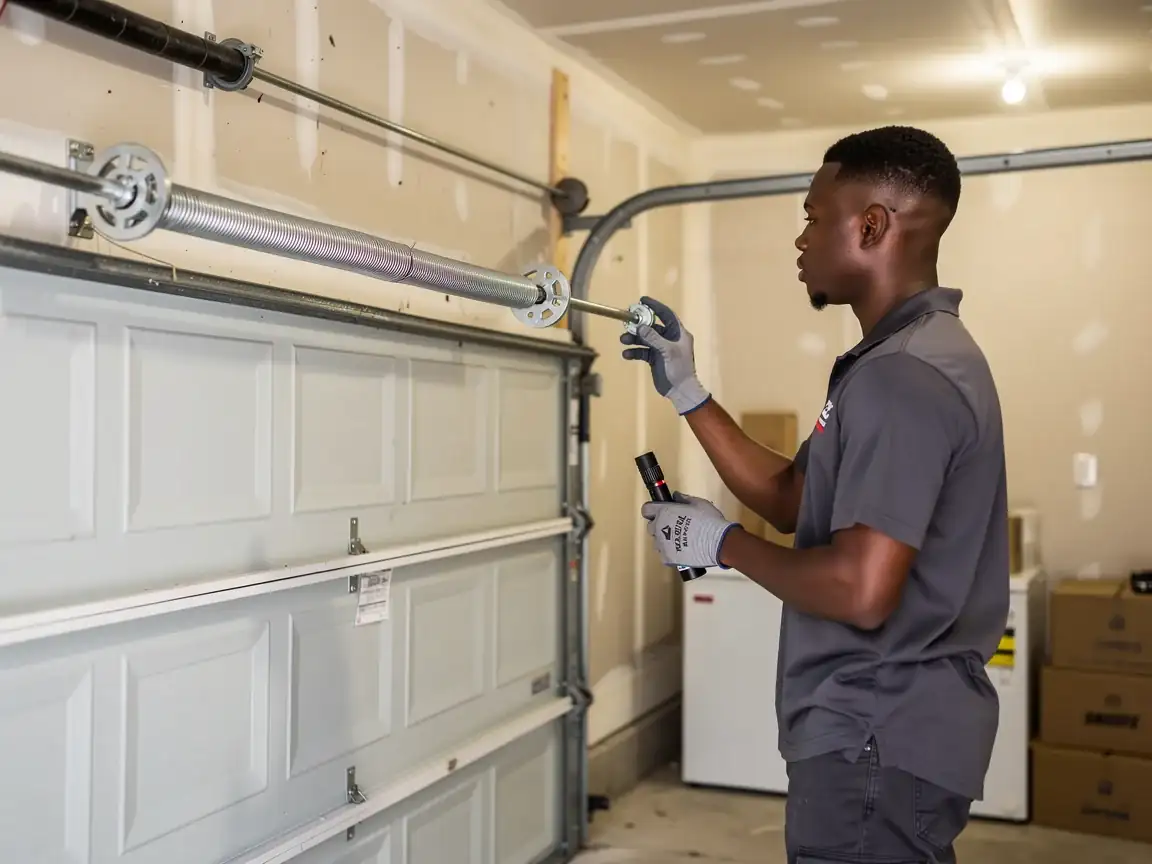
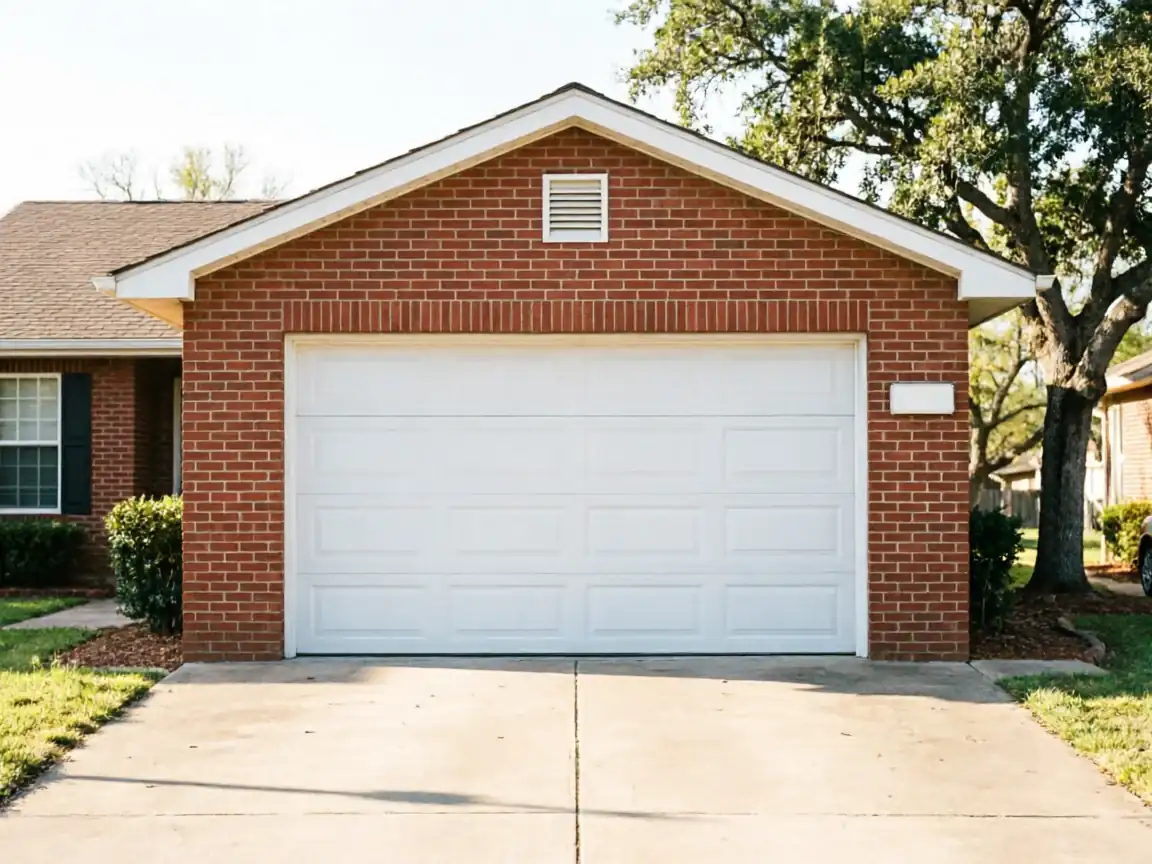
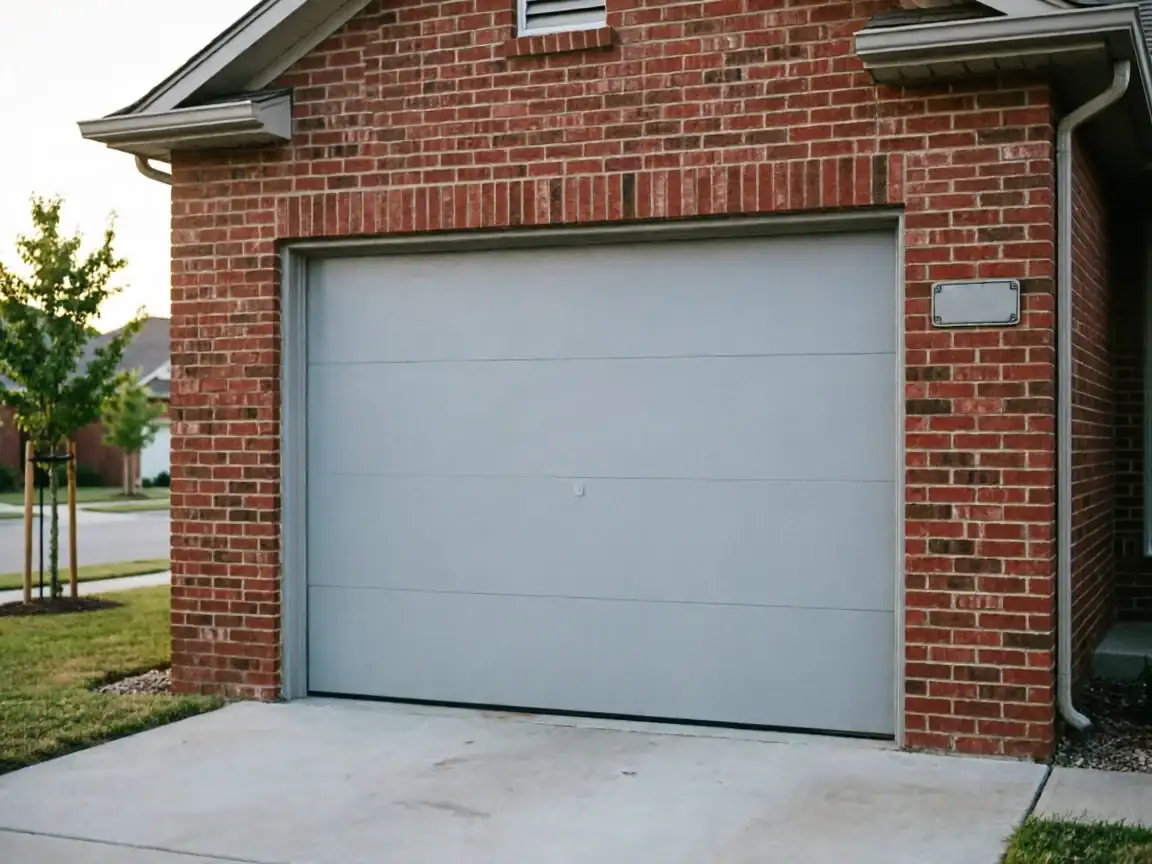
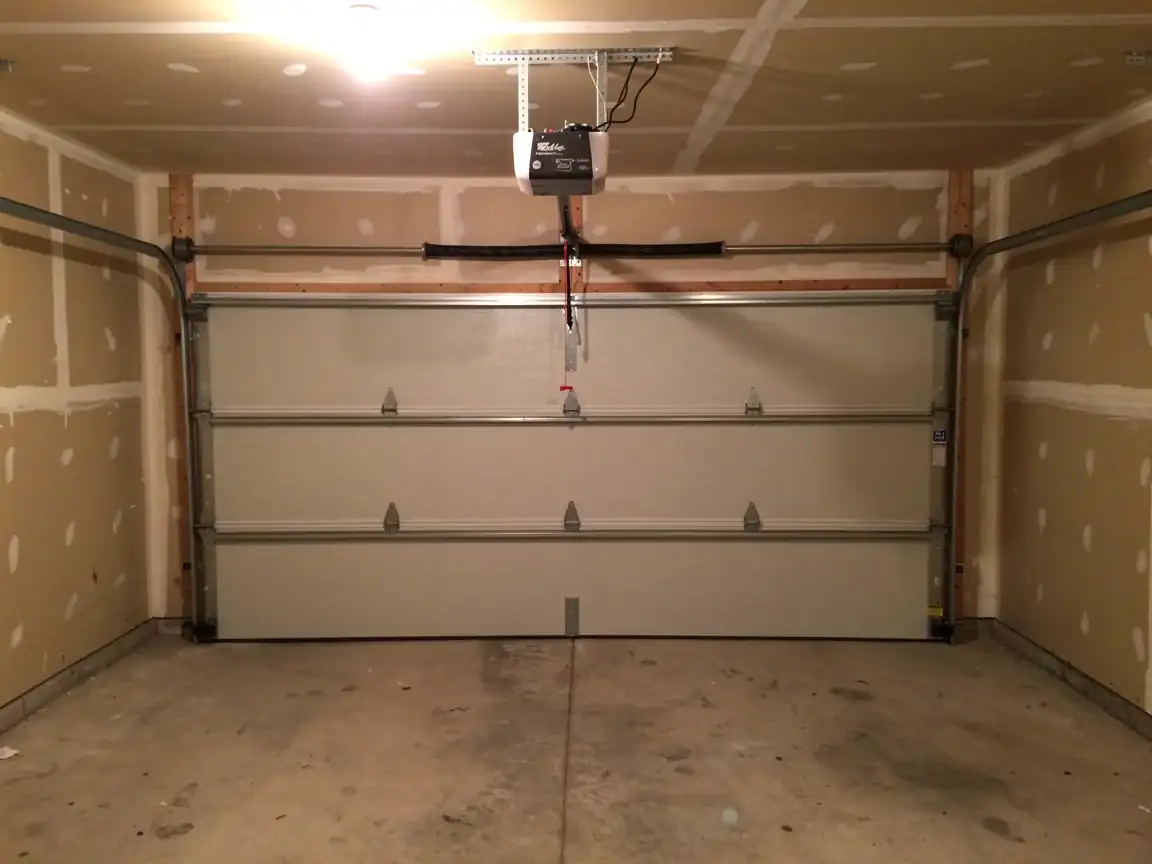
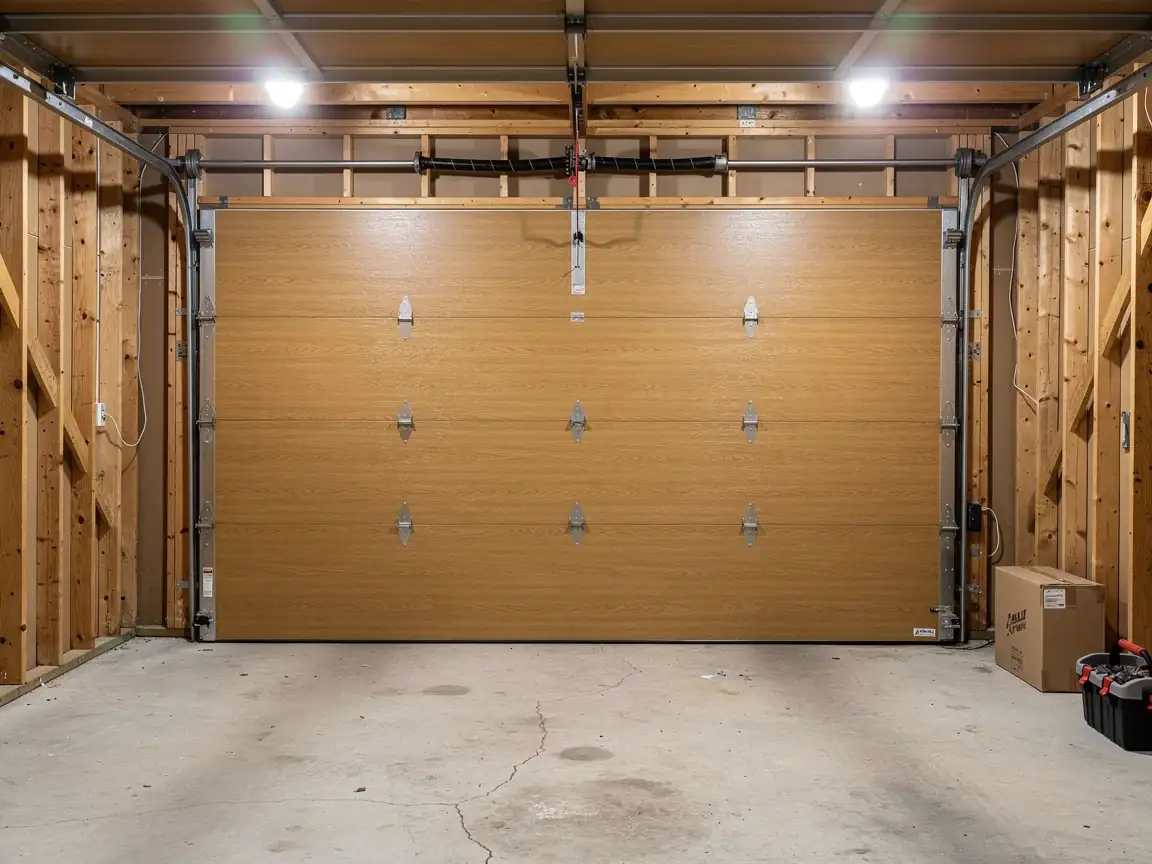
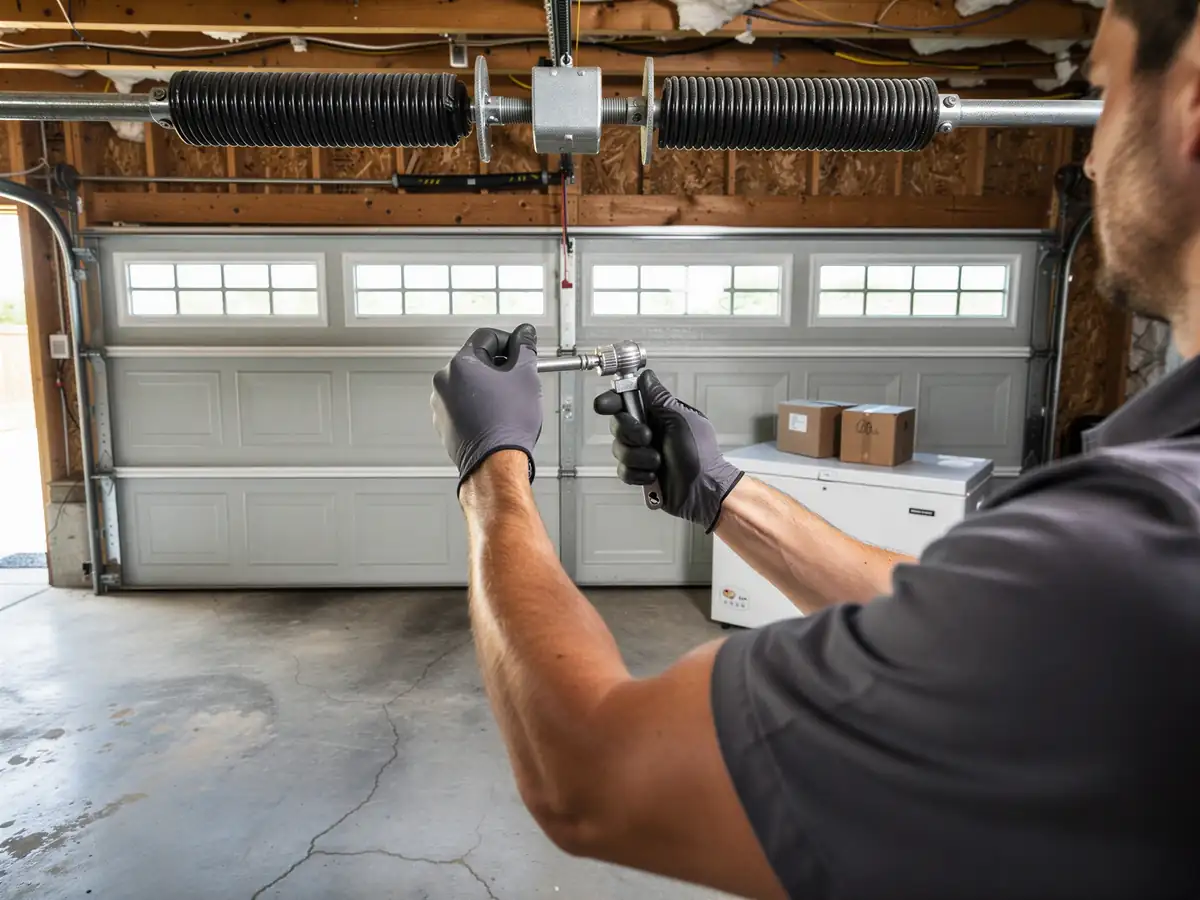
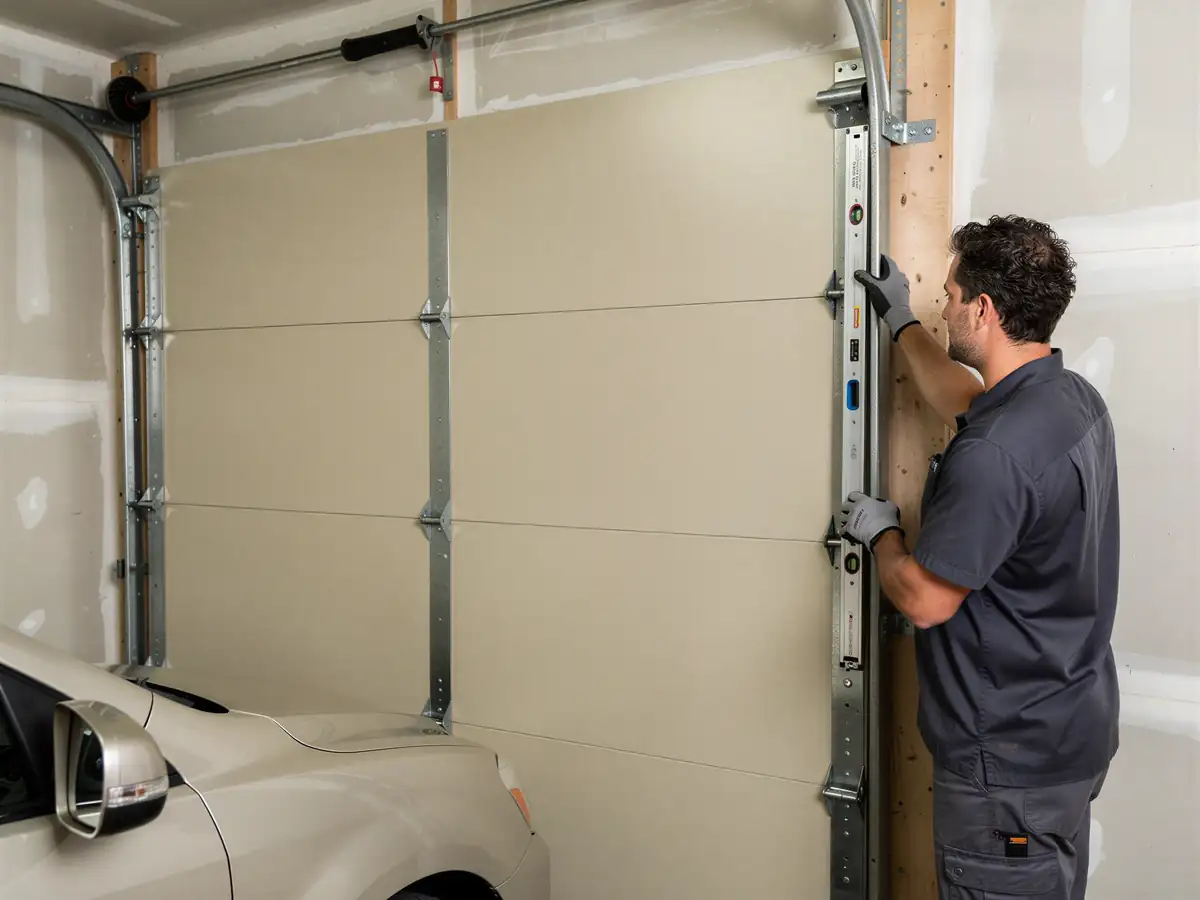
Parker's housing stock is newer than most of what we cover out of Royse City - the median build year here runs around 2005, a good five years past the 2000 median for the service area as a whole. That matters for parts. Houses from this run almost always came with factory steel panel doors on torsion spring systems, not the older extension-spring setups you still find on homes built before the mid-90s. We stock torsion springs in the sizes that match standard builder-grade doors from that era, plus the nylon rollers and galvanized track sections that wear out first.
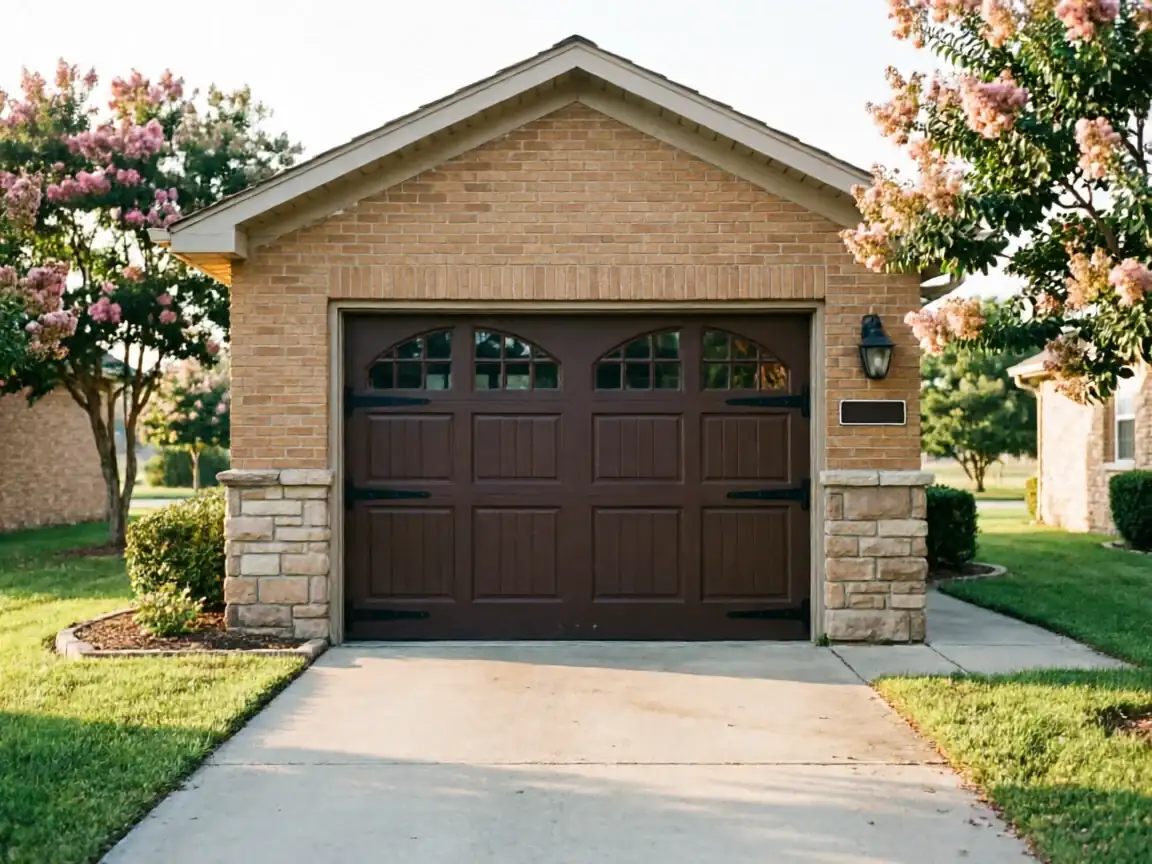
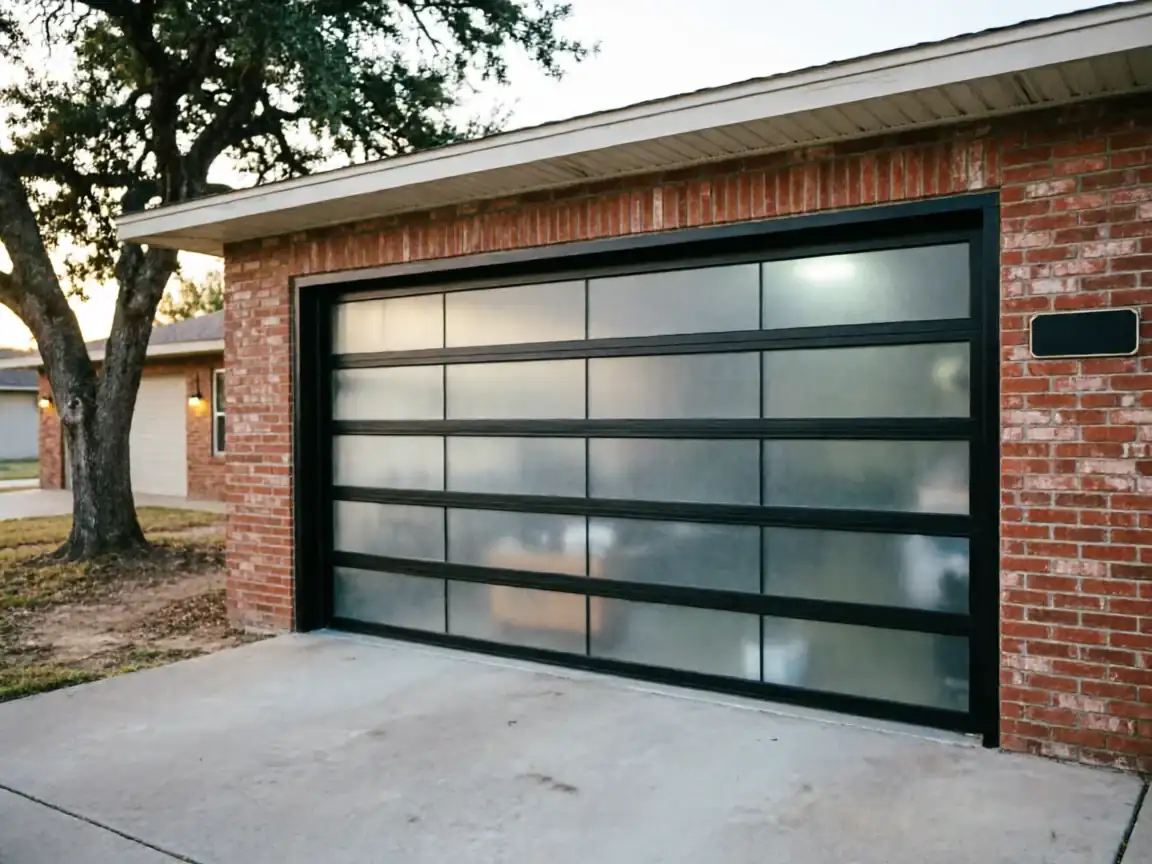
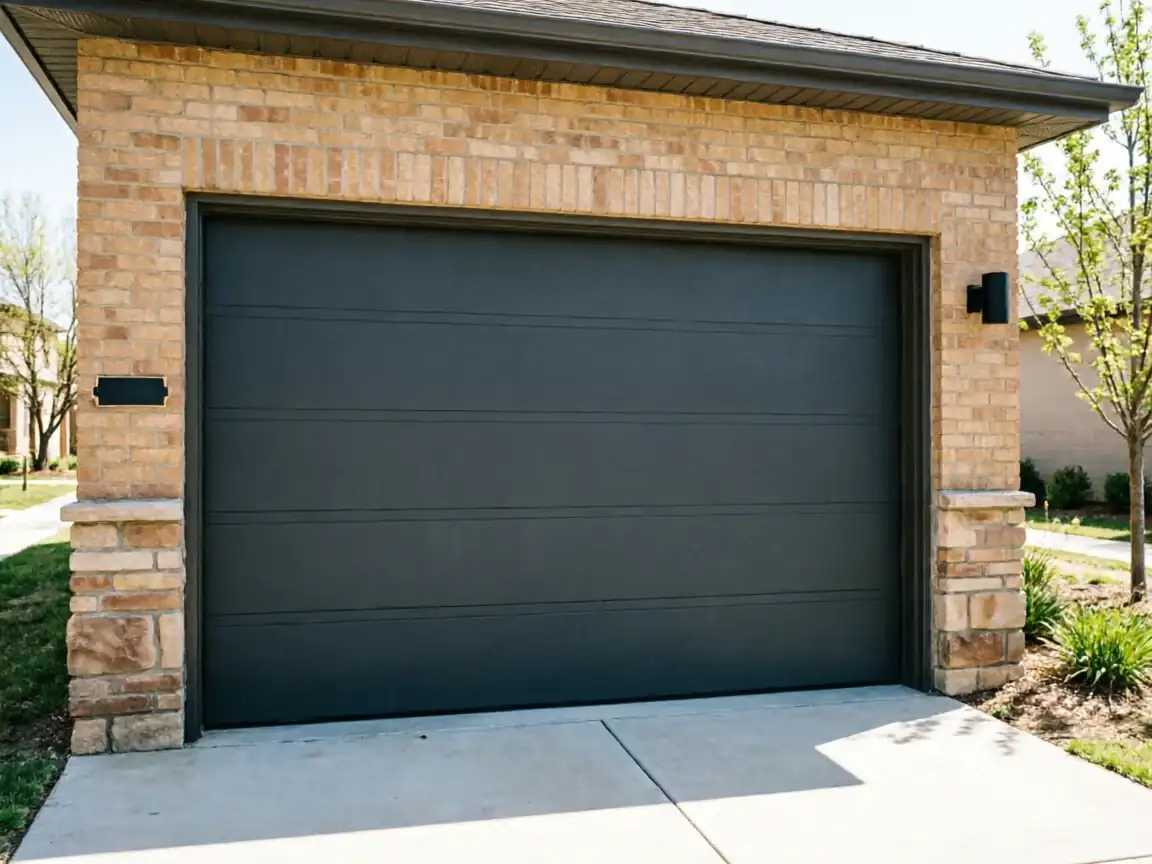
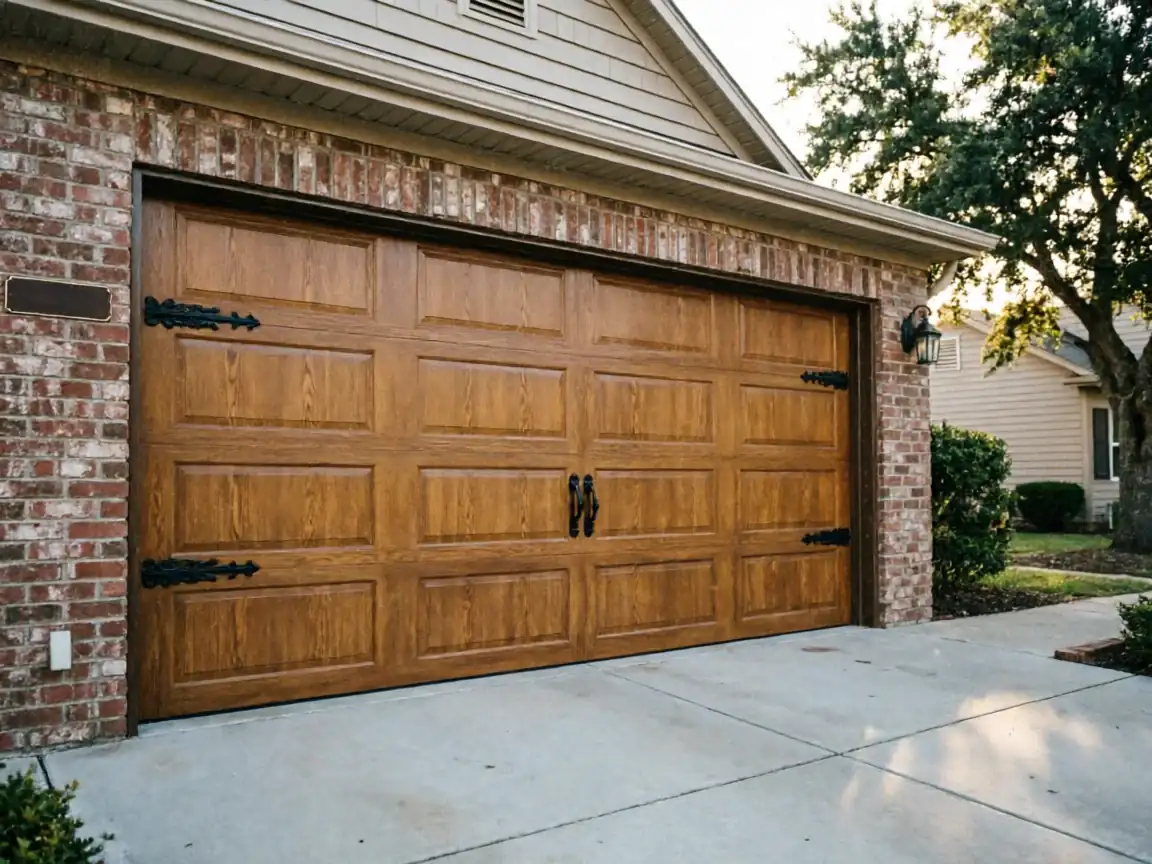
Parker also sits well above the income line for this area - median household income here is $216,179, compared with $117,428 across the rest of the territory we cover. In practice that shows up as more insulated doors, heavier gauge steel, and custom panel faces rather than the bare builder-grade units you see in older, lower-cost subdivisions. We carry weatherstrip and insulation kits sized for both, but if you've got a specialty panel design, let us know the brand when you call so we bring the right trim.
One limit worth naming: we don't stock every custom panel profile. If your door is a less common architectural line, we may need to order a replacement section rather than pull one off the truck.
How to Book
We're based in Royse City, and Parker is about 19 miles out - the longest regular drive in our service area. There's no branch or depot in Parker itself, so every job here is a dispatched trip from Royse City, not a drop-in from a crew already in the neighborhood.
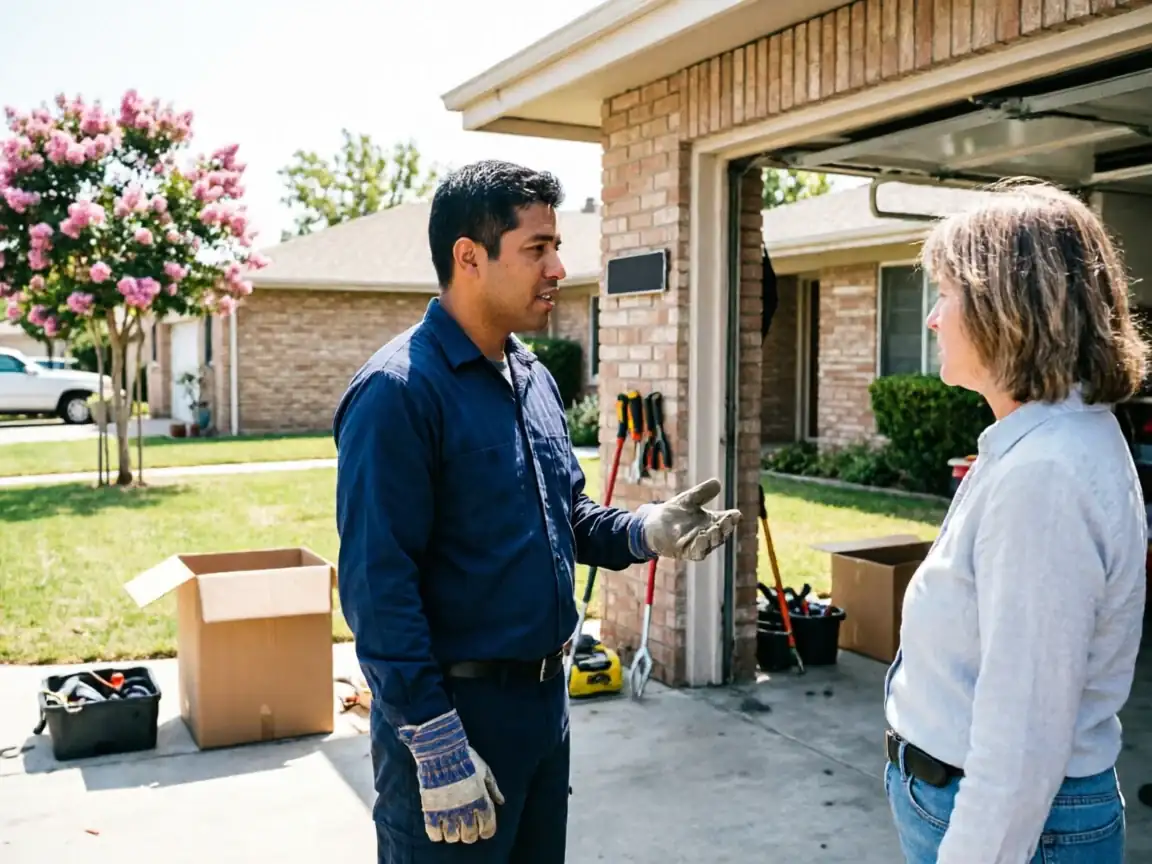
To book, use the service area page for Parker or call directly and give us the make of your opener and door if you know it. Because of the distance, we schedule Parker calls in blocks rather than squeezing them between closer jobs, so same-day service depends on what's already on the board that morning. If it's a spring that's fully let go and the door won't move at all, say so when you call - that changes how we route the day.
Time on the Job
Most torsion spring swaps on a standard double door run under two hours once the truck is on site
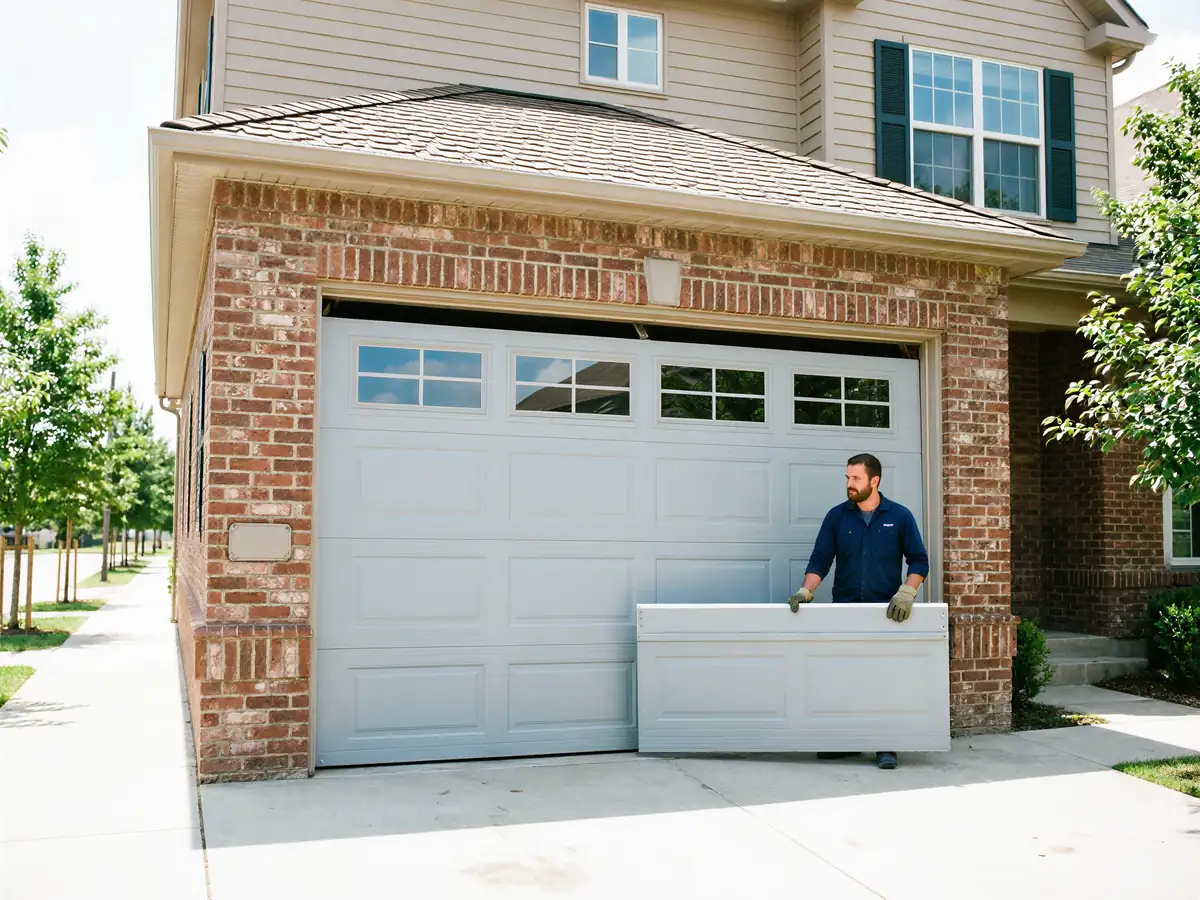
Parts and all. Opener logic board or circuit board replacements can run faster if the unit takes a stock board, slower if we have to pull the whole unit and remount it. Roller and track work depends on how much of the track needs straightening versus full replacement - a bent section from a car backing into the door is a different job than general wear.
We don't give blanket promises on arrival time for Parker specifically
Since it's the far edge of our coverage and traffic on the drive out varies. What we can tell you is that the work itself, once we're there, follows the same timelines as any other job on a standard residential door. If something's unusual - custom panel, oversized door, obsolete opener model - we'll say so on the phone before we quote a window, not after we've already driven out.
What Can Go Wrong
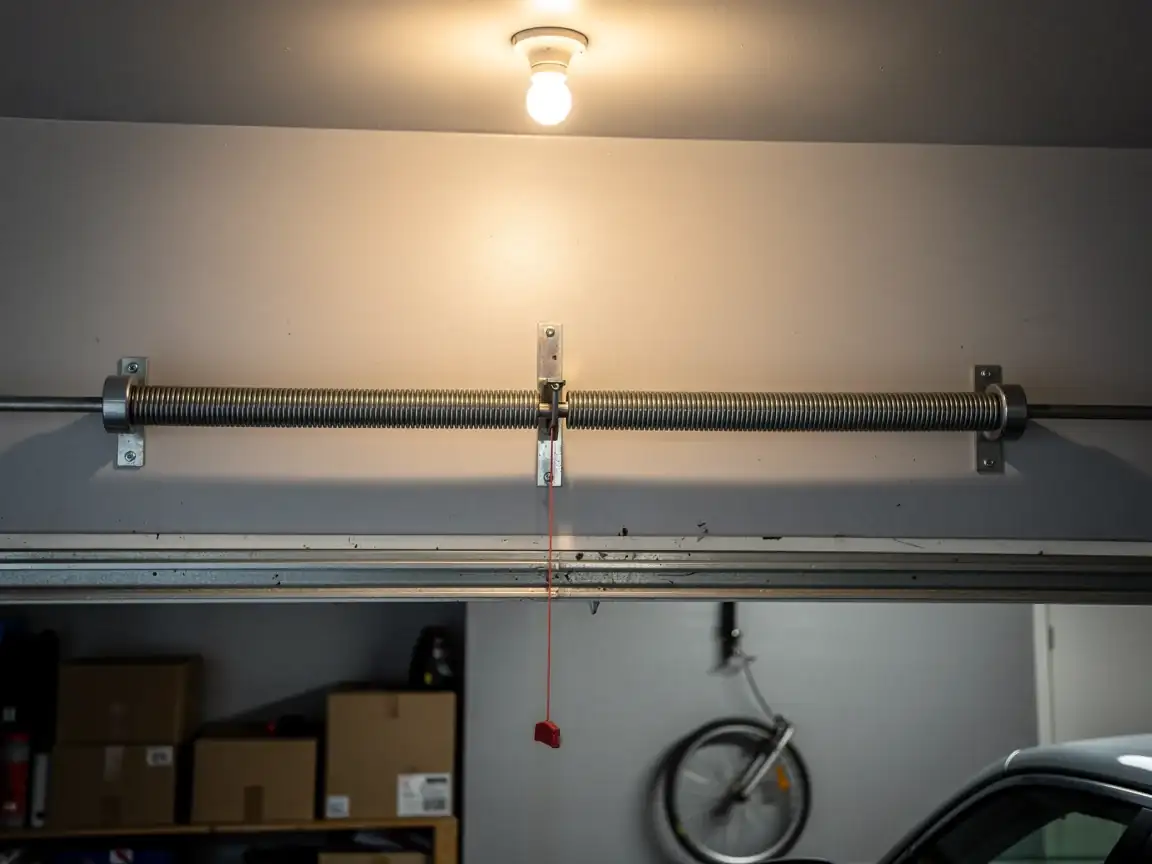
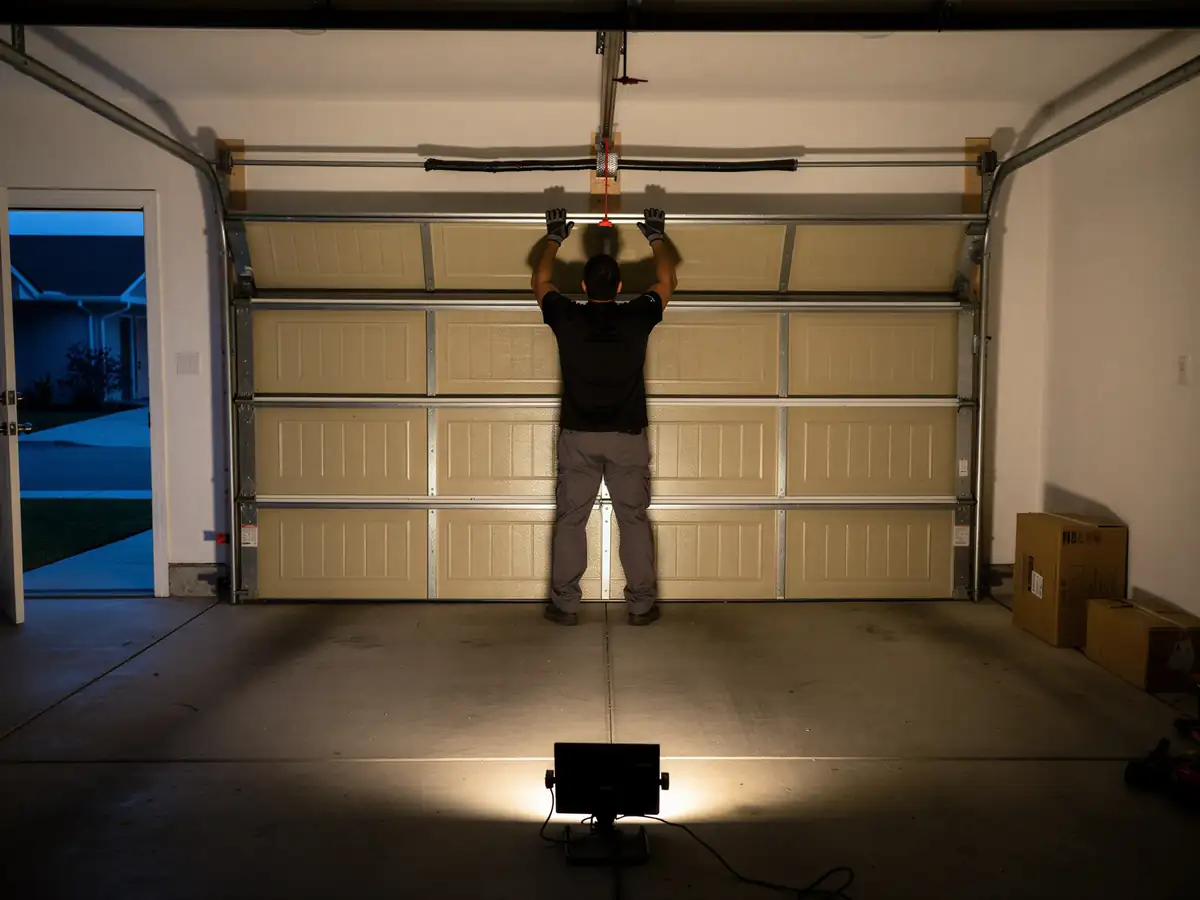
Doors going up in Parker around 2005 are now closing in on twenty years old, and that's right about where factory torsion springs - rated for a fixed number of open-close cycles - start to give out. If your door has gotten noticeably heavier to lift by hand, or the opener strains and reverses partway up, that's usually the spring losing tension before it breaks outright.
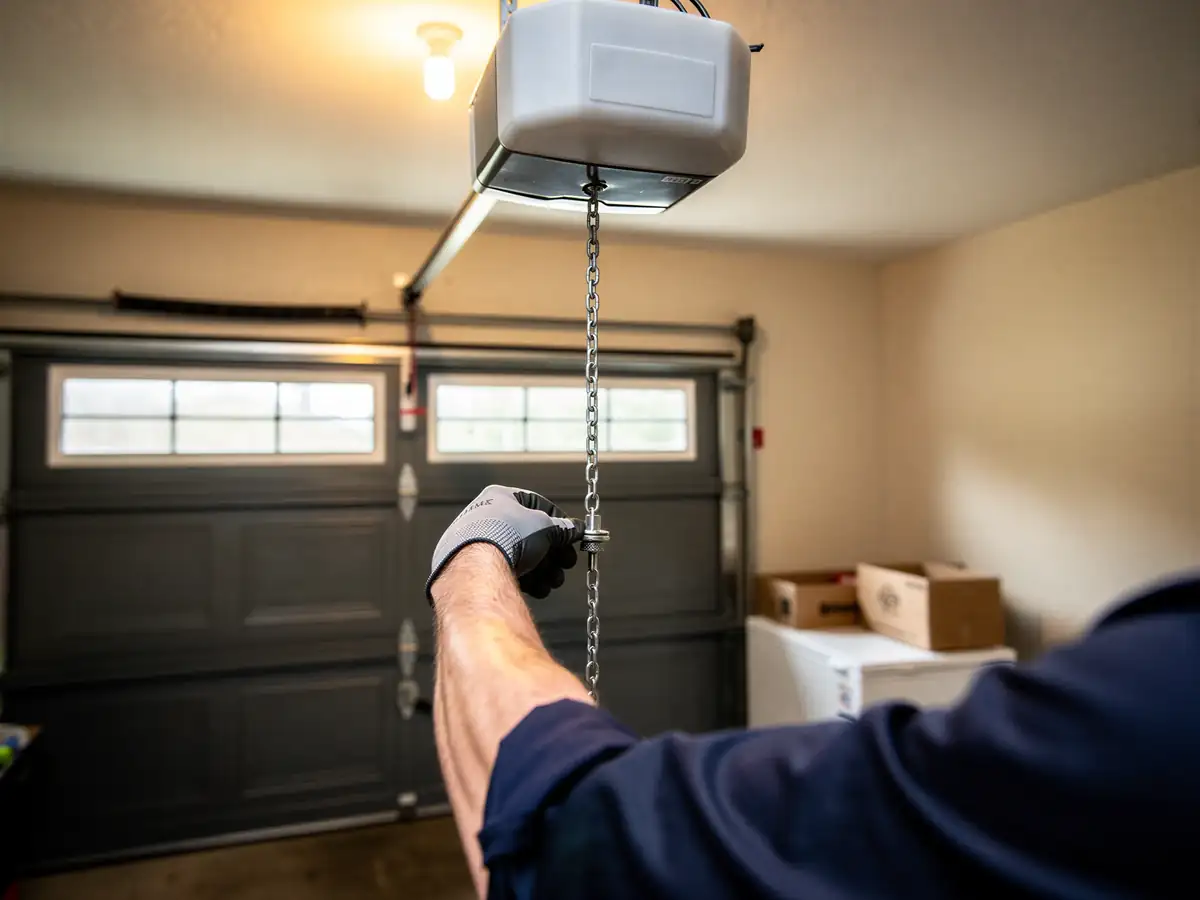
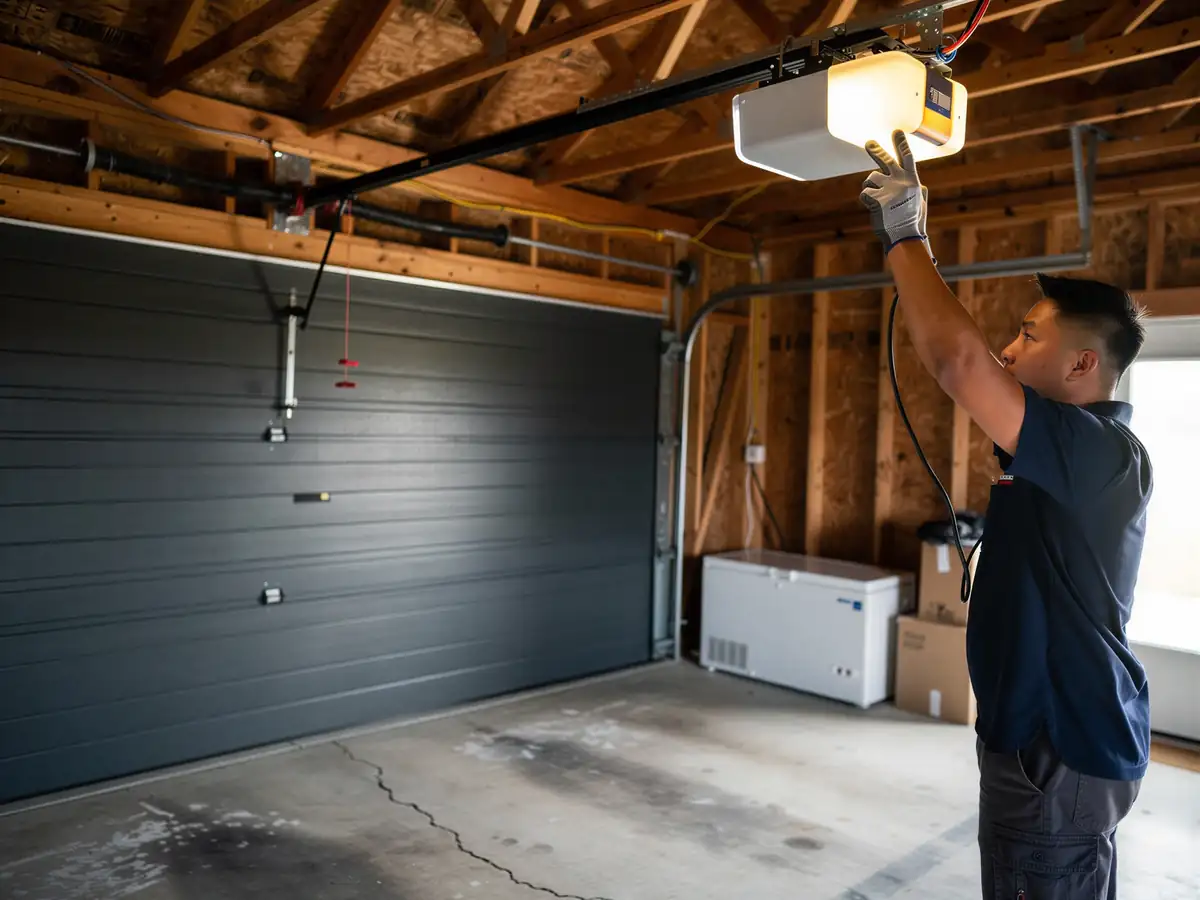
Openers from that build era are also aging into the window where logic boards fail before the motor does. If the light blinks in a pattern but the door doesn't move, that's often the board, not the drive.
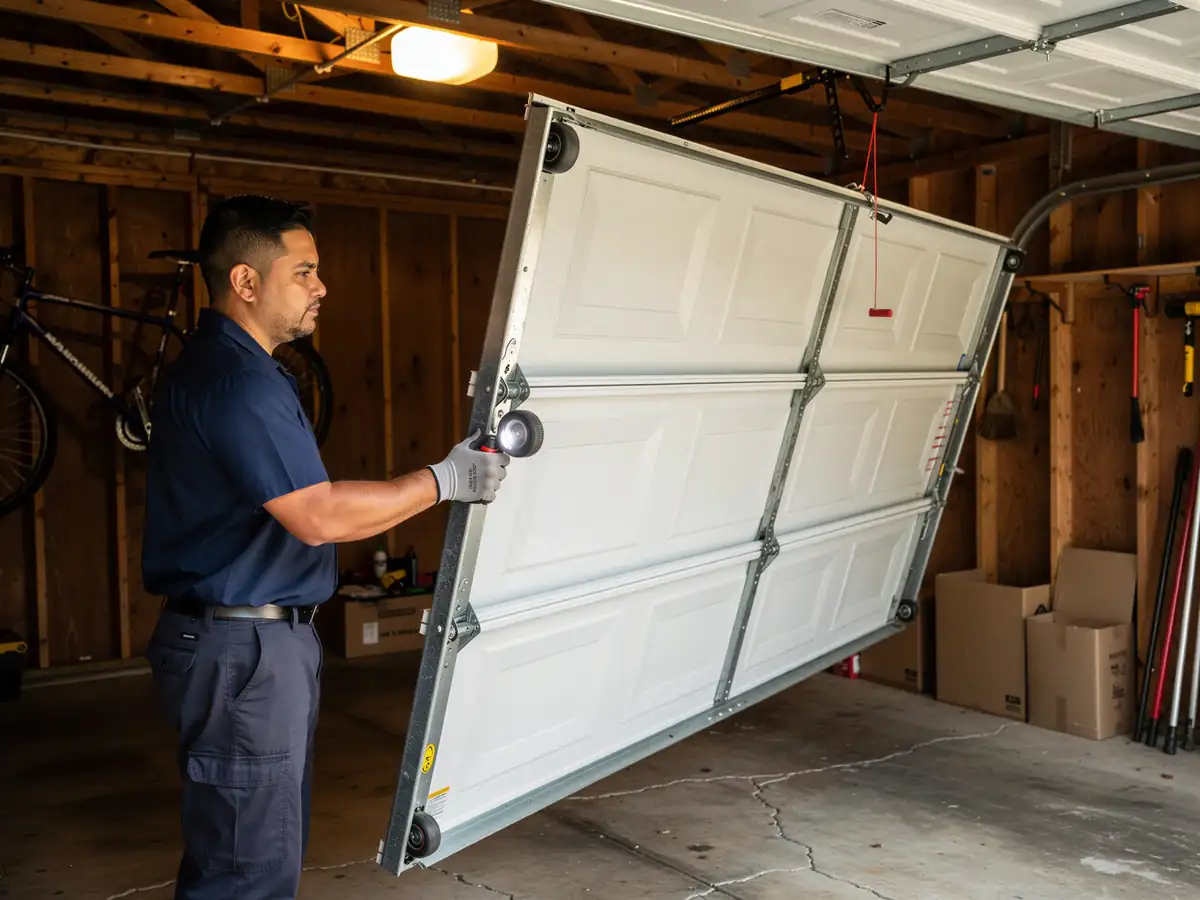
Parker sits in a moderate-heat climate band, which is easier on rubber seals and lubricant than true extreme-heat regions, but nylon rollers still dry out and crack over enough summers, and that shows up as a grinding or clunking sound on the way up rather than a sudden failure. Cables fraying at the drum are less common this early in a door's life but worth a look if the door hangs unevenly.
What It Costs
We don't have a published price list for Parker specifically, and giving you a number without seeing the door would be a guess dressed up as a quote. What we can say is that cost depends mostly on three things: whether it's a spring, an opener part, or a full panel; whether your door is standard builder-grade steel or one of the heavier insulated or custom-panel units more common in Parker's higher-value homes; and whether we're pulling a part off the truck or ordering it in.
Given the income profile here, we do see more requests for upgraded or matching custom panels rather than a straight like-for-like swap, and that changes the number more than labor does. Call with your door's brand and the symptom, and we'll give you a real number before we drive out, not after.
The DIY Question
A torsion spring holds enough stored tension to break a bone or worse if it lets go while you're working on it
That's not an exaggeration, it's why we don't walk customers through spring swaps over the phone. If your door won't open and you suspect a spring, leave it alone and call rather than trying to wind or unwind it yourself.
Things you can reasonably check yourself
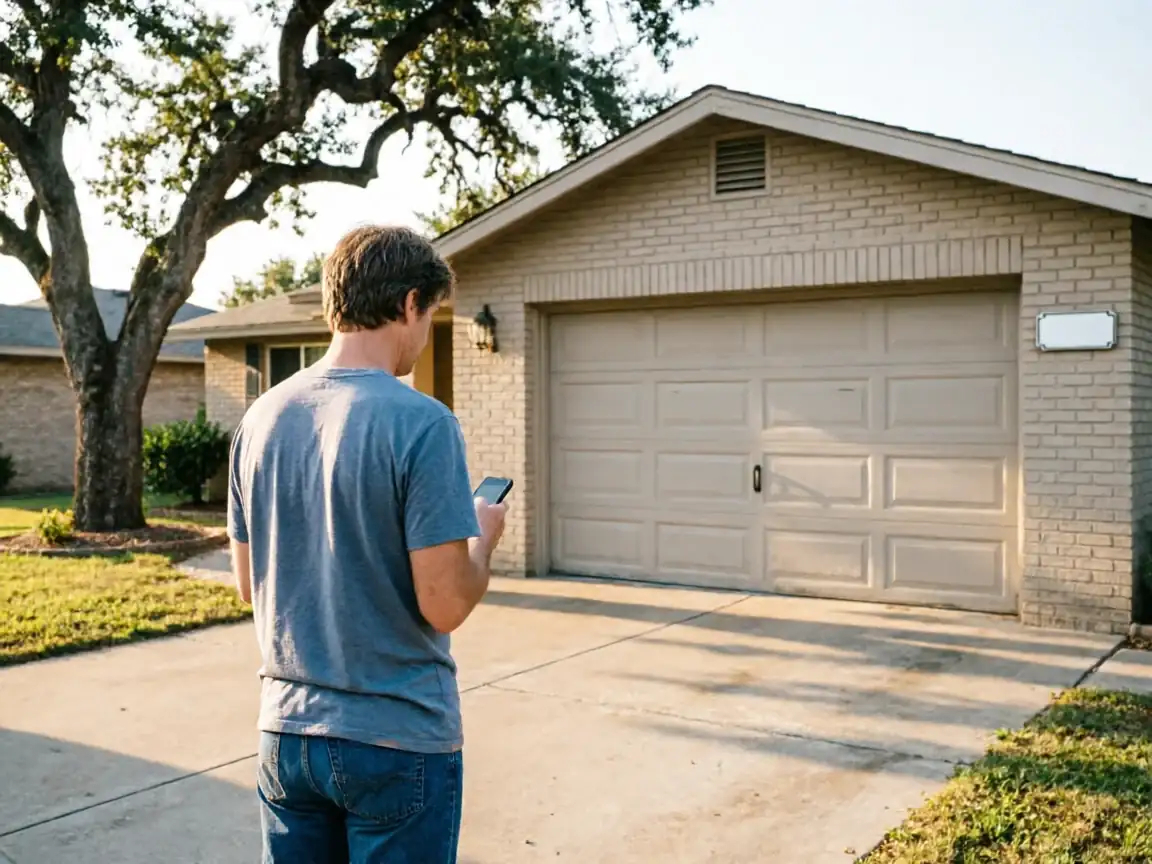
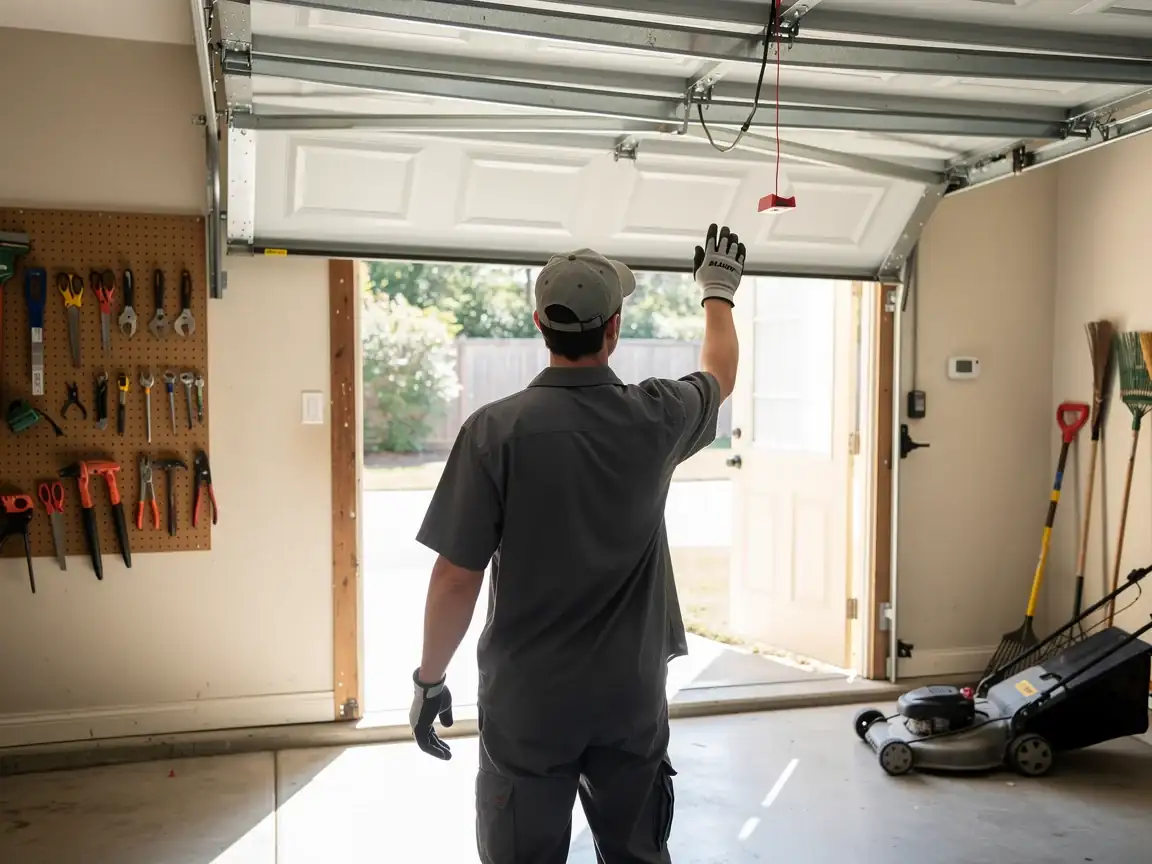
Whether the opener is getting power, whether the photo-eye sensors near the floor are aligned and clean, and whether the track has visible debris or a bent section near a hinge point. Those are safe to look at without tools beyond a flashlight.
Where DIY stops making sense, honestly, is cost-benefit more than danger
On an opener nearing the end of its life, spending money on a board repair can cost close to half of a new unit. We'll tell you straight when replacement beats repair rather than selling you a patch job.