Parts We Carry
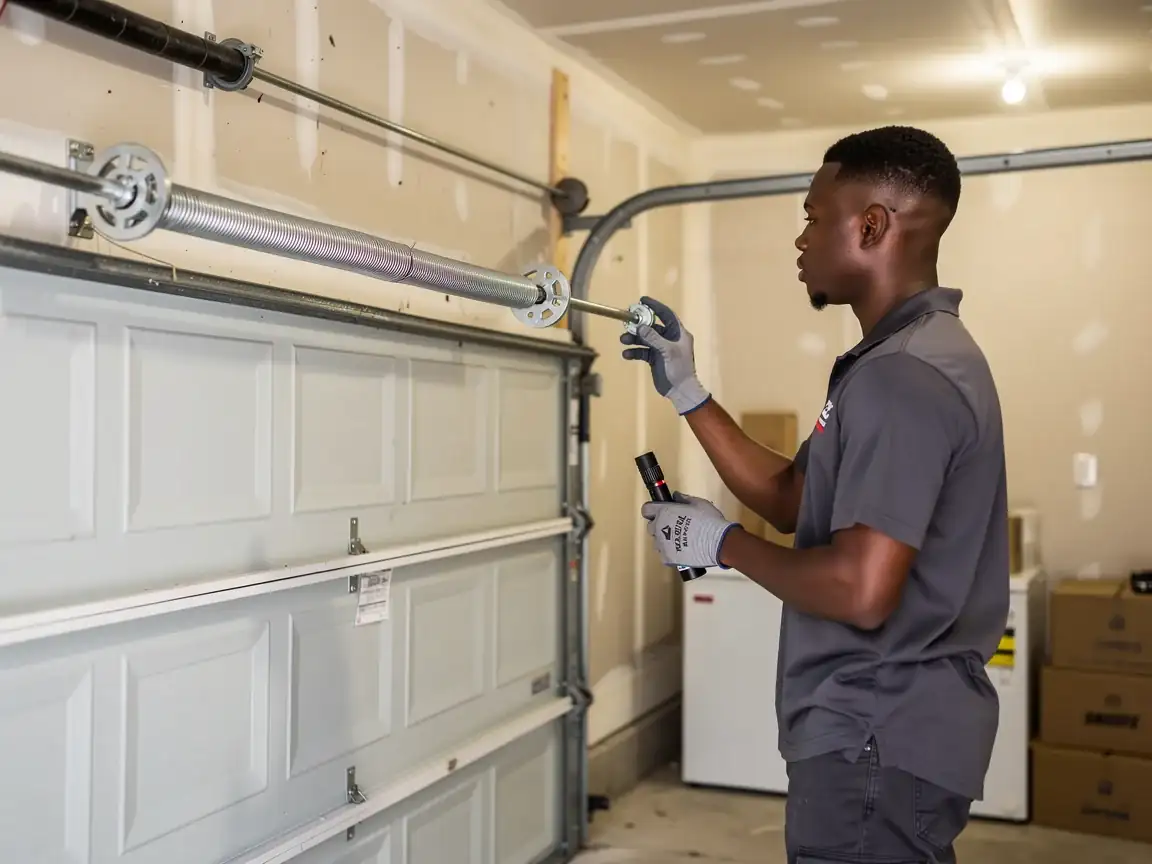
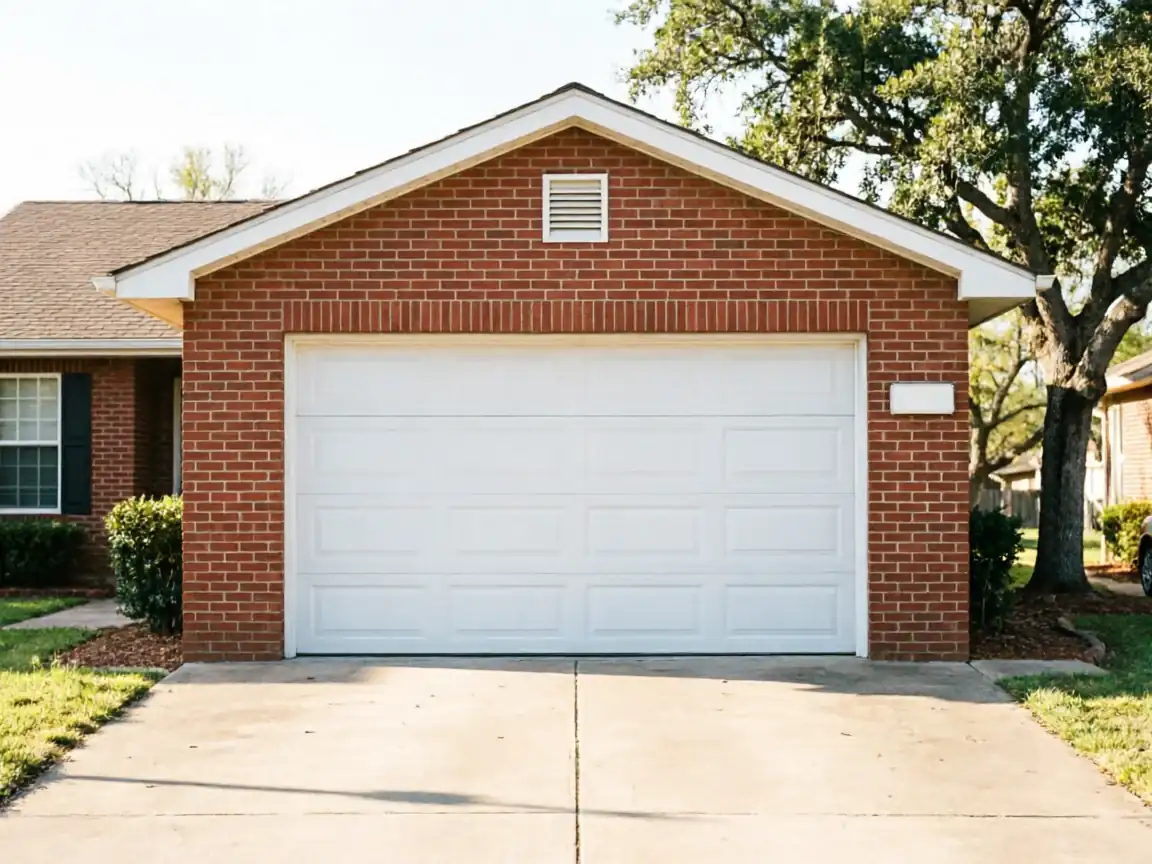
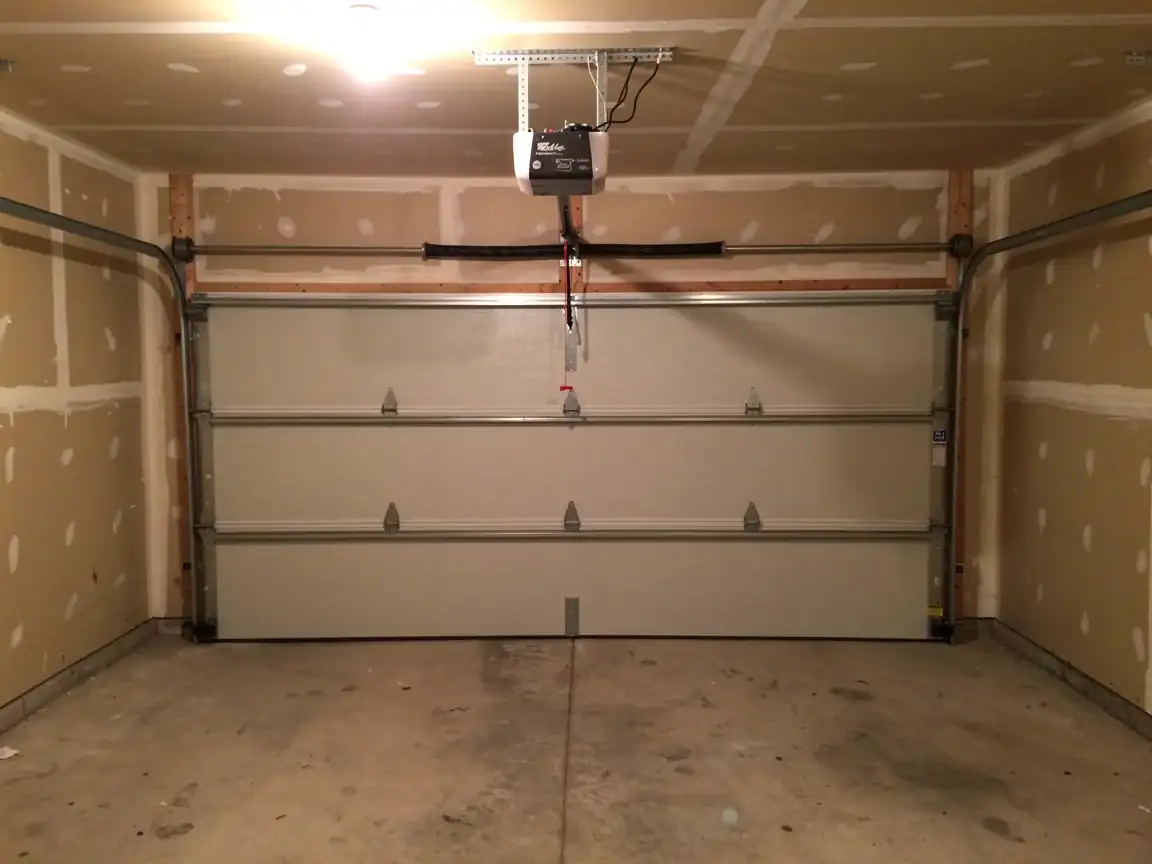
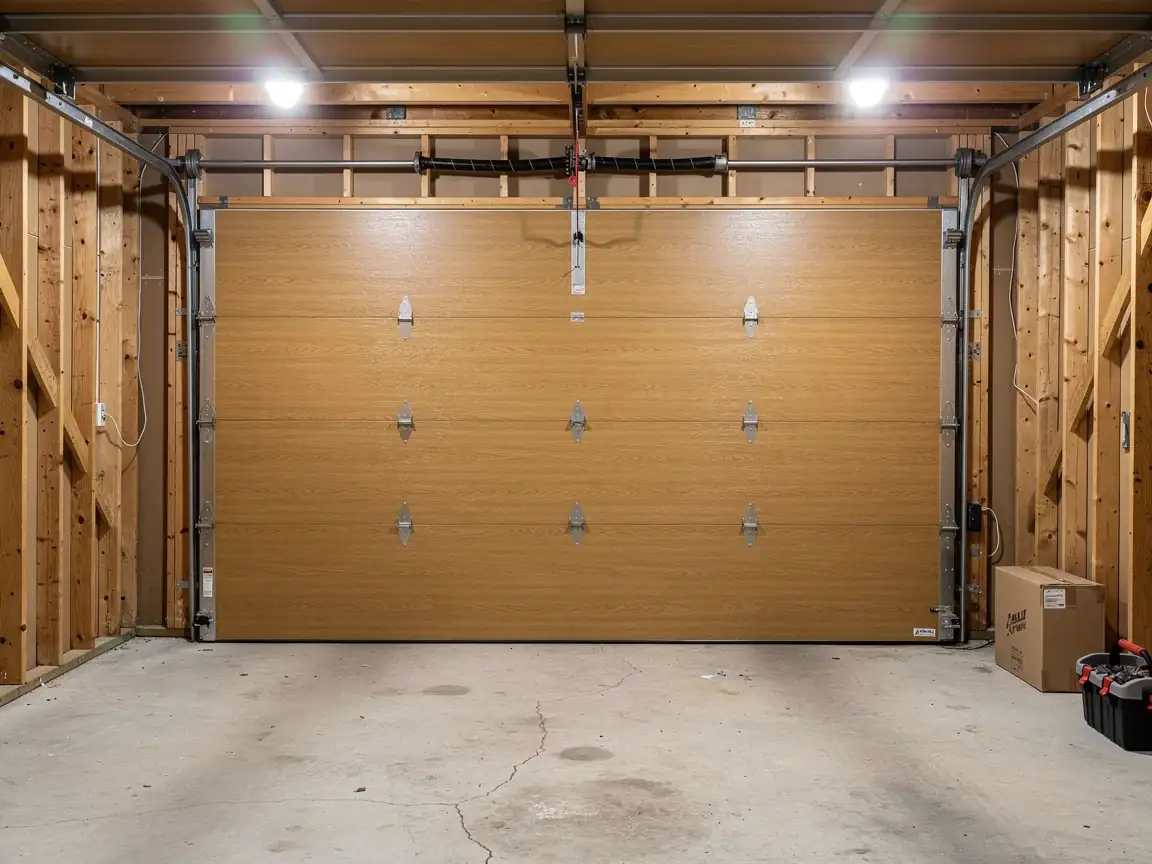
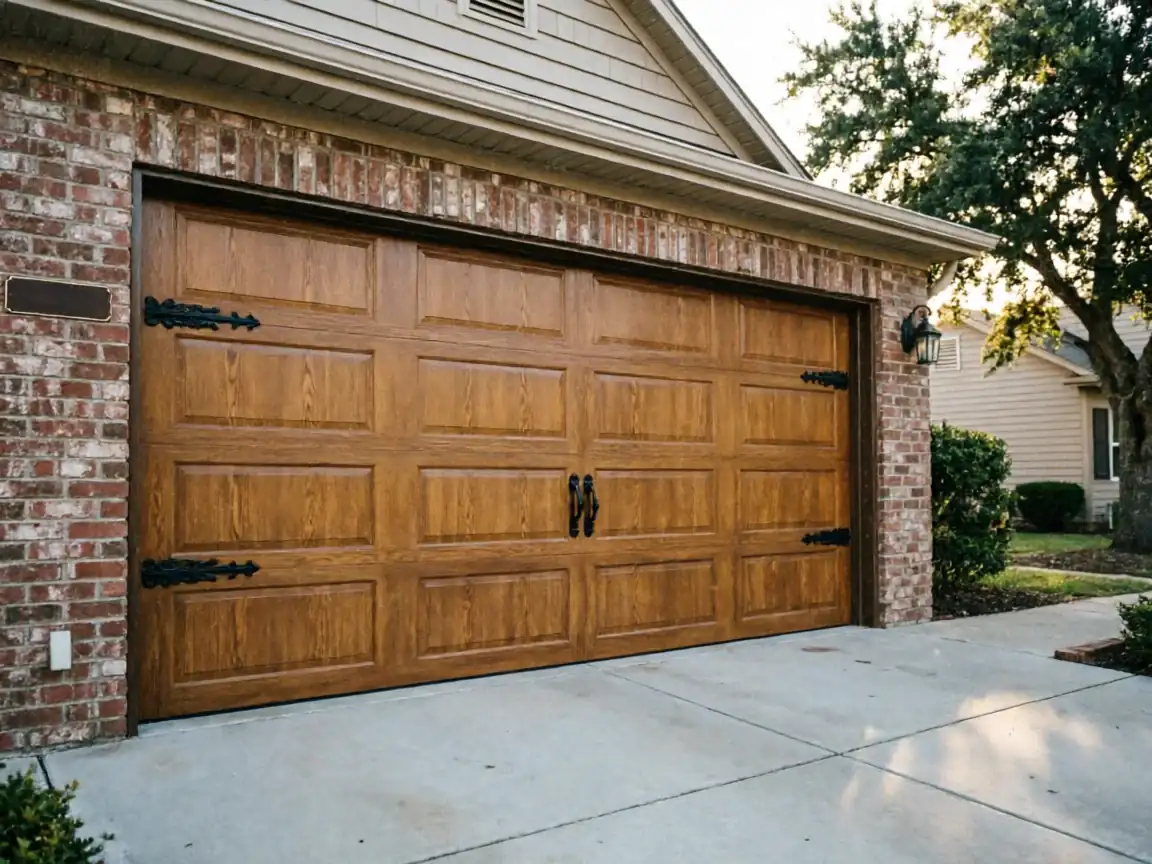
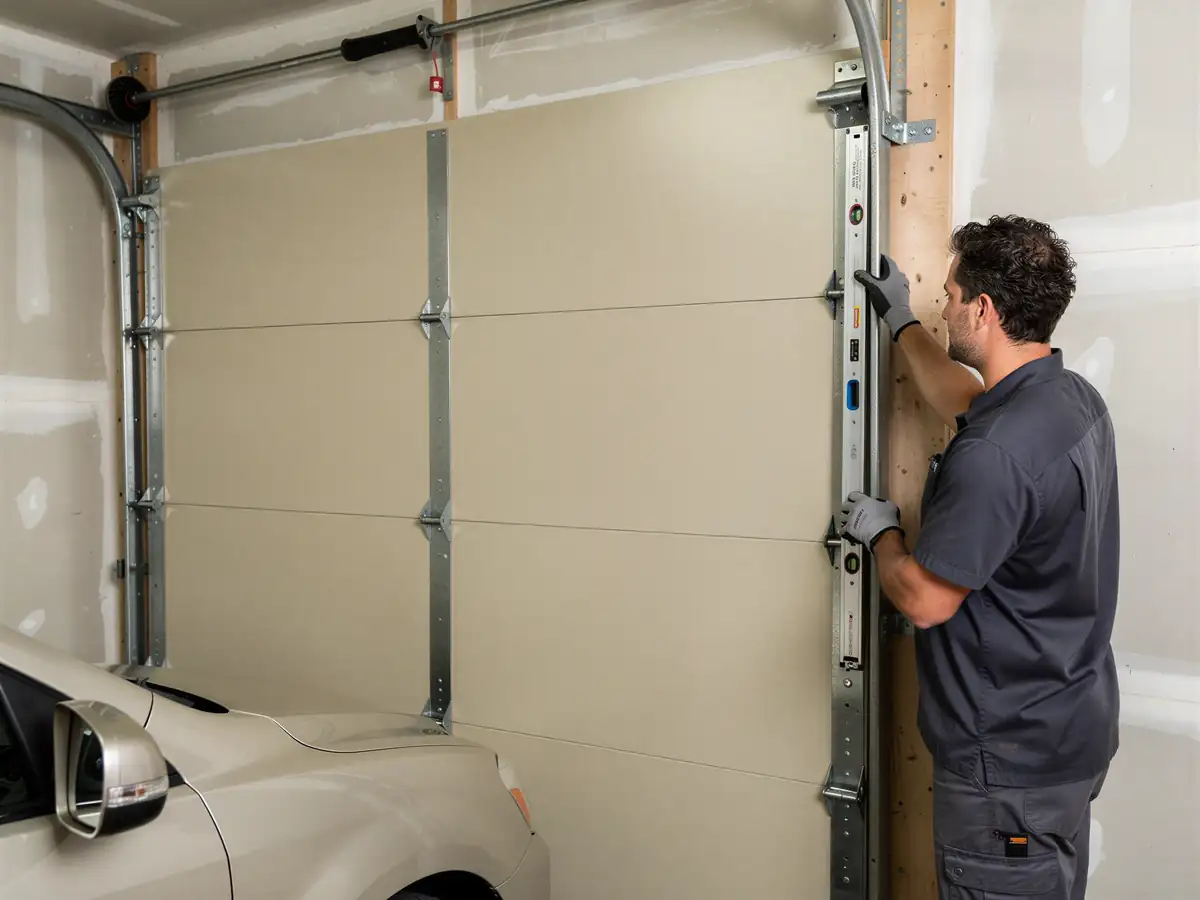
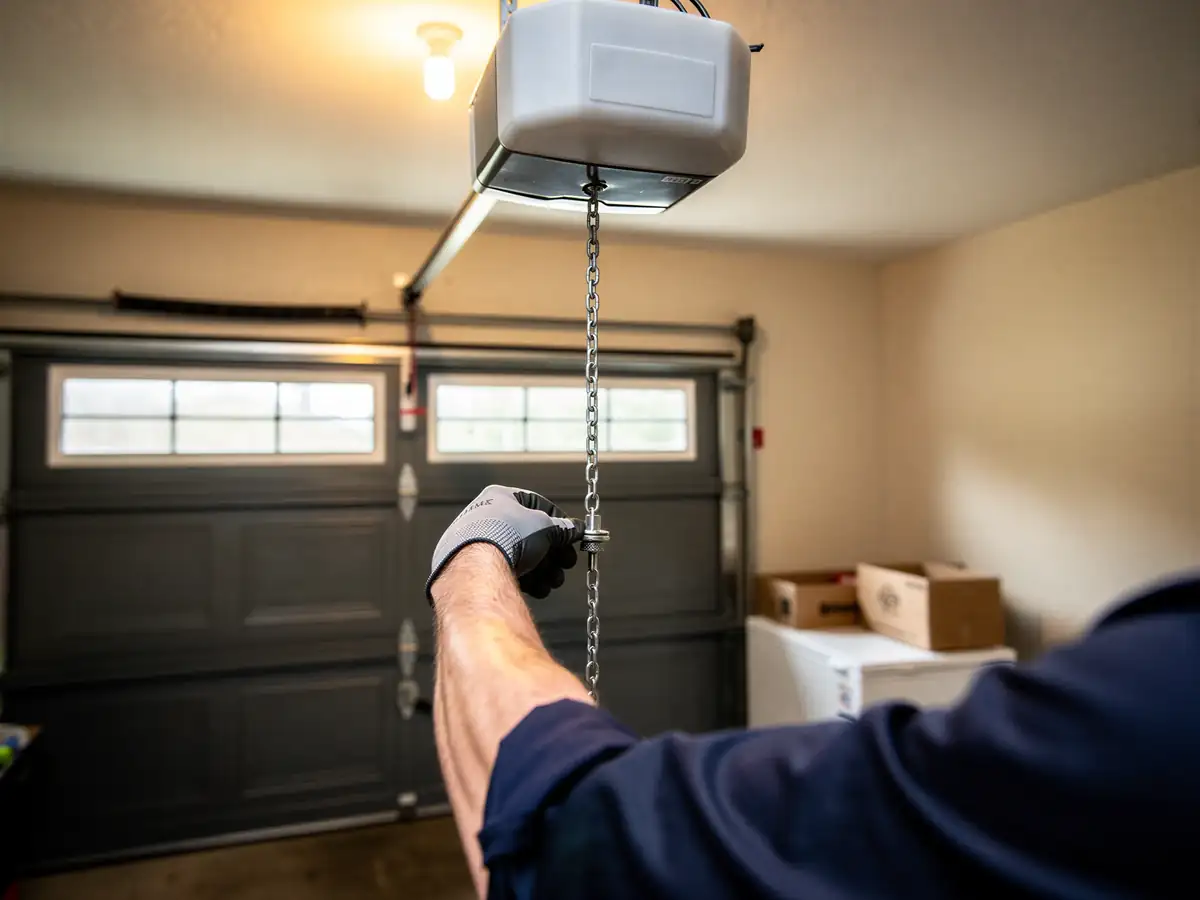
Parker's housing stock centers around 2005, newer than the 2000 median across our whole service area. That matters for what's actually failing on your door. Houses from this era shipped with factory torsion springs sized for lighter 18-gauge steel panels, not the heavier wood or older hardware you'd find on a house built in the 70s or 80s. We carry torsion springs in the common residential sizes, nylon and steel rollers, standard-reach cables, and circuit boards for the openers that were common on new-construction garages in the mid-2000s. What we don't carry on the truck is anything for a door old enough to need obsolete extension-spring hardware or a discontinued opener logic board - those get special-ordered, and we'll tell you that on the phone before we drive out so you're not waiting on us to find out.
Most calls out here are a snapped torsion spring, a roller that's jumped the track, or an opener board that's stopped talking to the wall switch. We stock for those because they're what actually breaks on houses this age.
How to Book
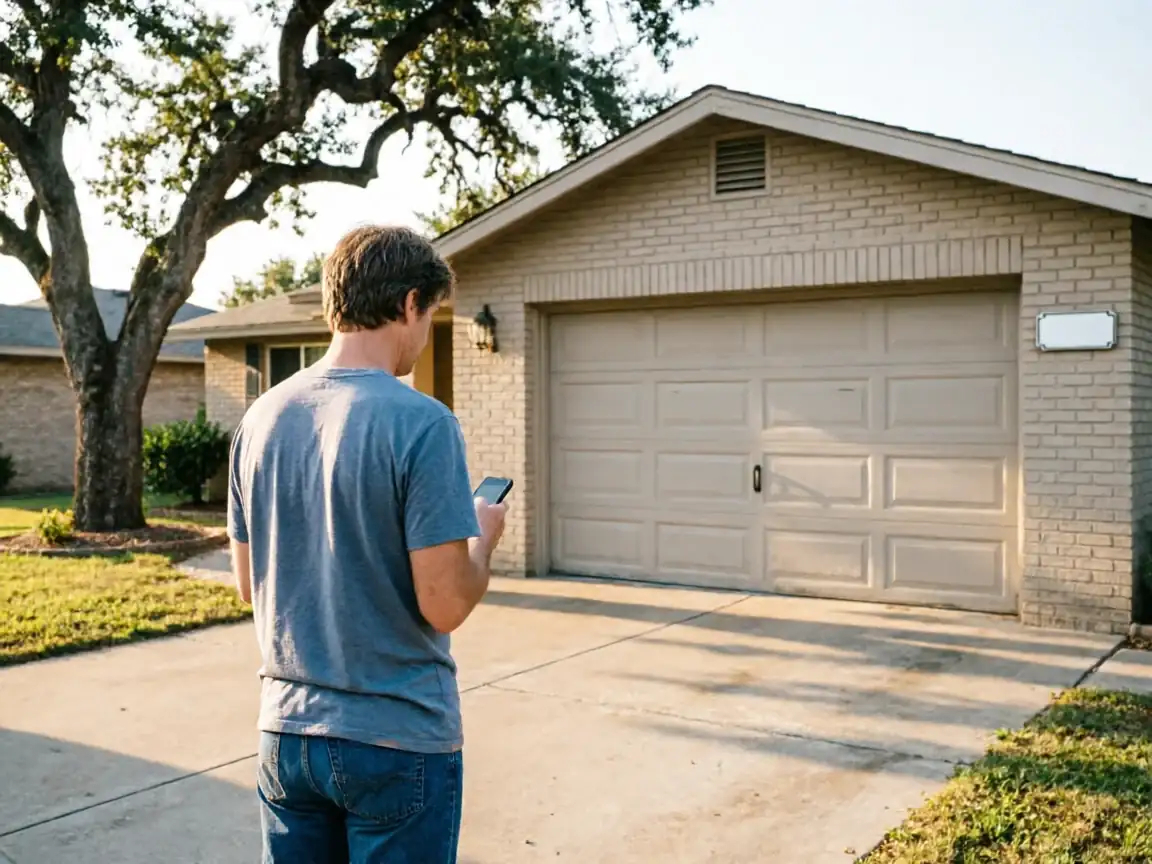
We're based in Royse City, and Parker sits about 19 miles out - the longest run in our territory. There's no Parker branch or second truck staged nearby, so when you call, we're working out a drive time, not pulling from a lot around the corner. Tell us what the door is doing (won't open, won't close, made a bang and stopped) and we'll tell you honestly whether we can get there today or whether it's tomorrow morning. We'd rather give you a real window than a vague promise and make you wait by the phone.
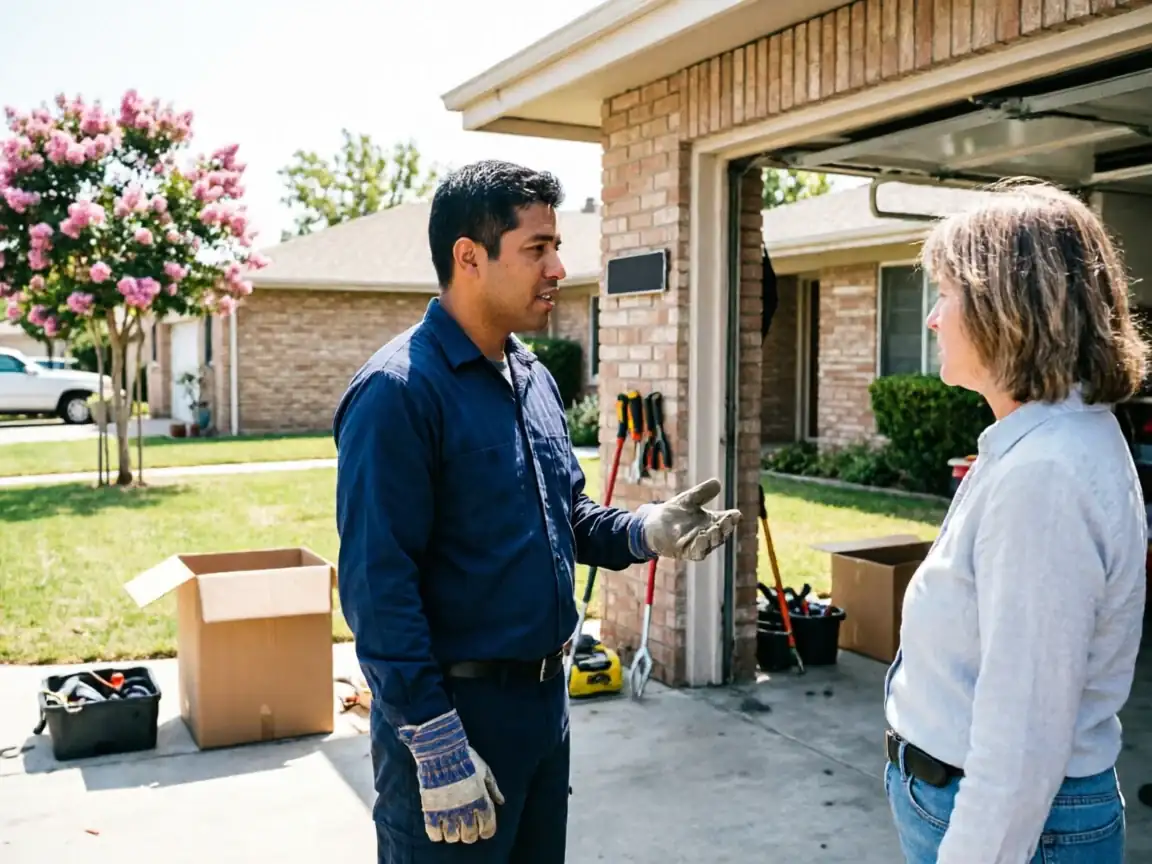
Booking itself is simple: call, describe the symptom, and we'll ask a few questions about the door's age and whether it's torsion or extension spring, mounted single or double. That lets us load the right spring size before we leave rather than guessing and coming back a second time.
Time on the Job
A torsion spring swap on a standard double door runs about the same whether the house is in Parker or anywhere else in the territory
The job itself doesn't change by address. What changes is how much of your call we spend driving versus wrenching. At 19 miles out, more of the appointment window is travel than it would be on a job five minutes from Royse City, so we try to batch Parker calls with others on that side of the territory when we can, rather than making one dedicated trip.
- 19 miles
Once we're on site, a spring replacement, roller swap, or cable job is usually an hour or under
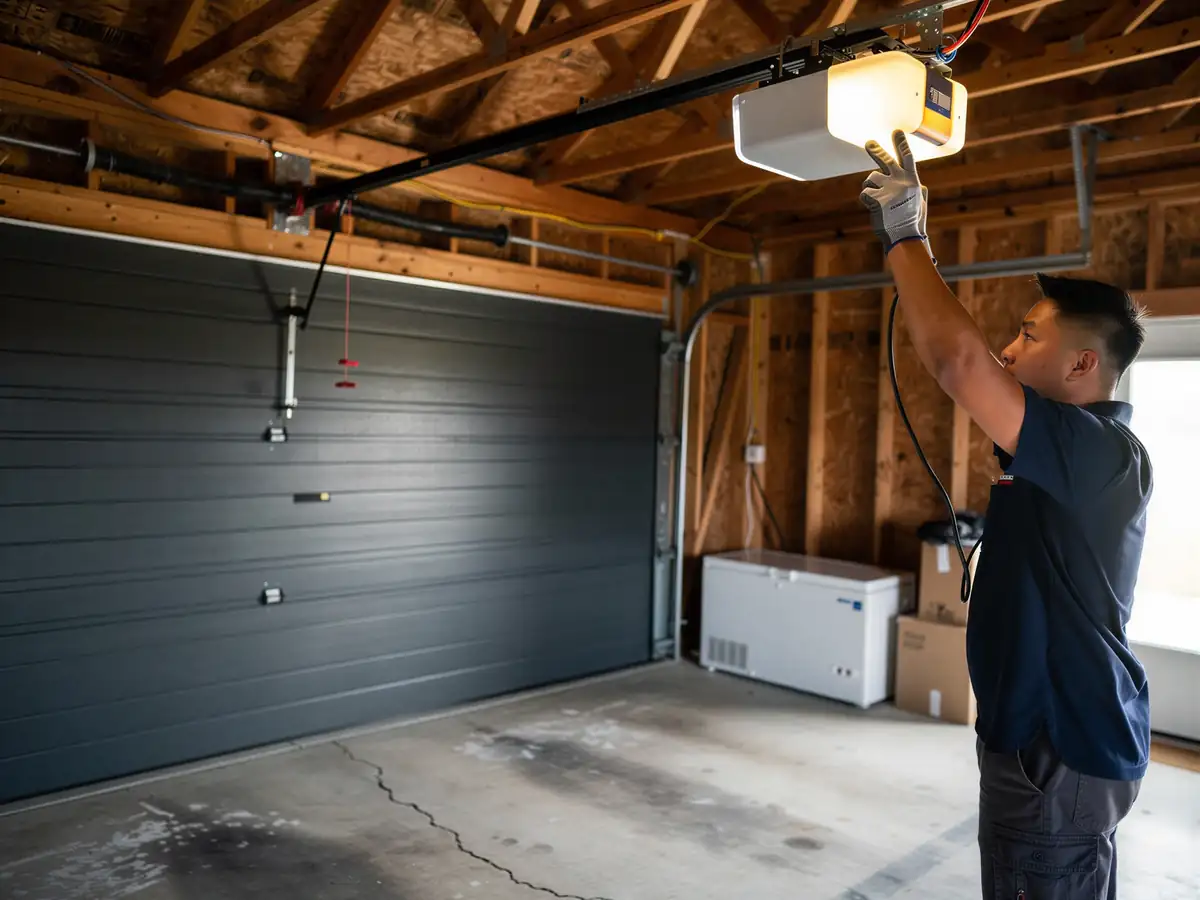
An opener board replacement can run longer if we have to source the part first - mid-2000s boards aren't always something we're carrying for every opener brand, so we may need to confirm compatibility before we commit to a same-visit fix.
What Can Go Wrong
Doors on 2005-era Parker houses are young enough that we're not usually chasing rust-through track or rotted wood jambs the way we would on 1970s stock. What we do see is torsion spring fatigue - springs are rated for a cycle count, and a door that's been opened twice a day for close to twenty years is getting near the end of that rating. We also see opener logic boards failing outright rather than gradually, which is typical of boards from that generation: the door either works or it doesn't, with little warning.
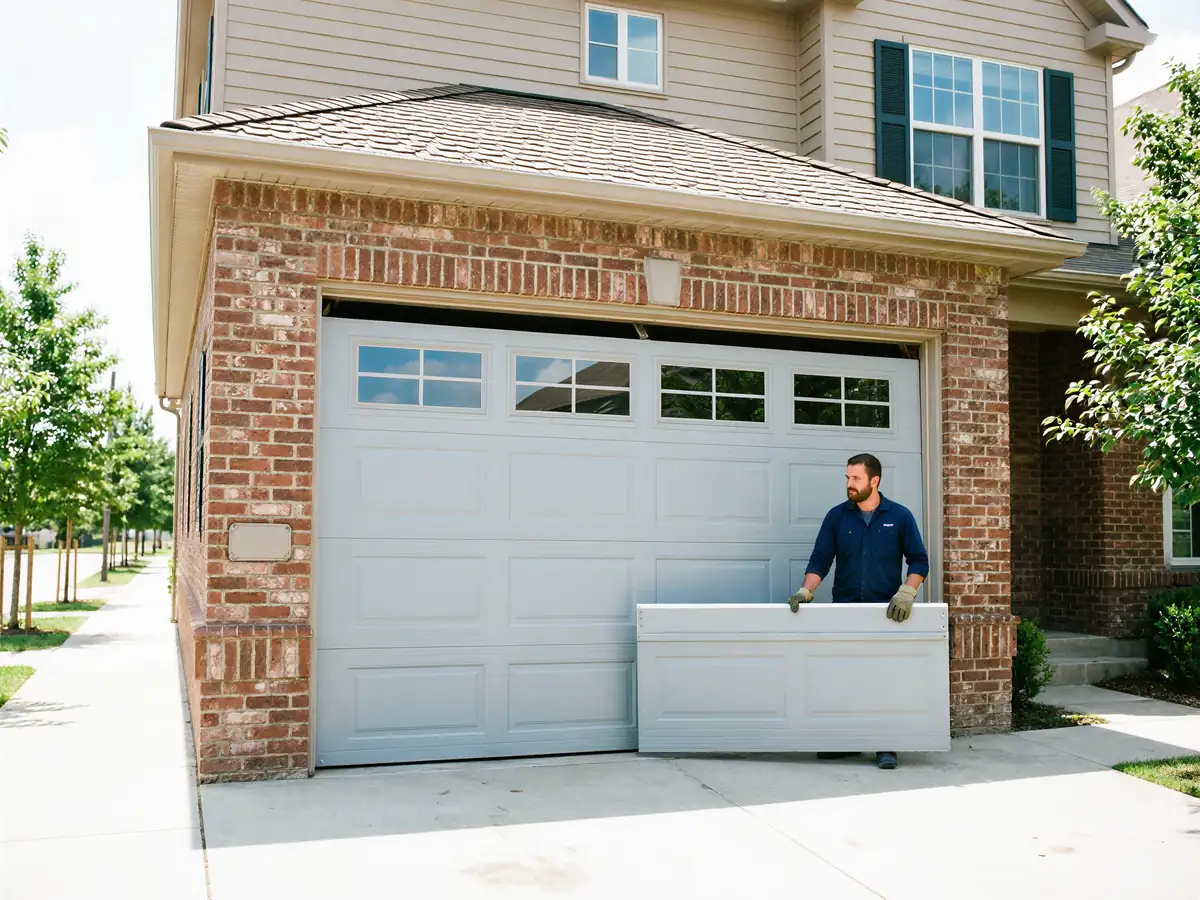
One limitation worth saying plainly: if the spring has already let go and the door slammed down on something - a car bumper, a storage bin, a pet door insert - we fix the garage door, not the thing it landed on. We'll tell you what we can and can't touch before we start.
What It Costs
Parker's median household income runs $216,179, nearly double the $117,428 median across the rest of our service area. That number changes where the repair-or-replace line sits. On a lower-income block, we'll often push hard to repair a marginal door because replacement is a real financial stretch. In Parker, the math tips sooner - if a 2005 door needs a new spring, a new opener board, and new rollers inside the same year, a full replacement often pencils out close enough to the repair total that it's worth considering outright.
We don't have a flat number to quote here since parts and labor vary by what's actually broken, and we're not going to invent one. What we will do on the call is walk through what's failing and whether it's a single-part fix or a sign the door's ready to be replaced rather than patched again.
The DIY Question
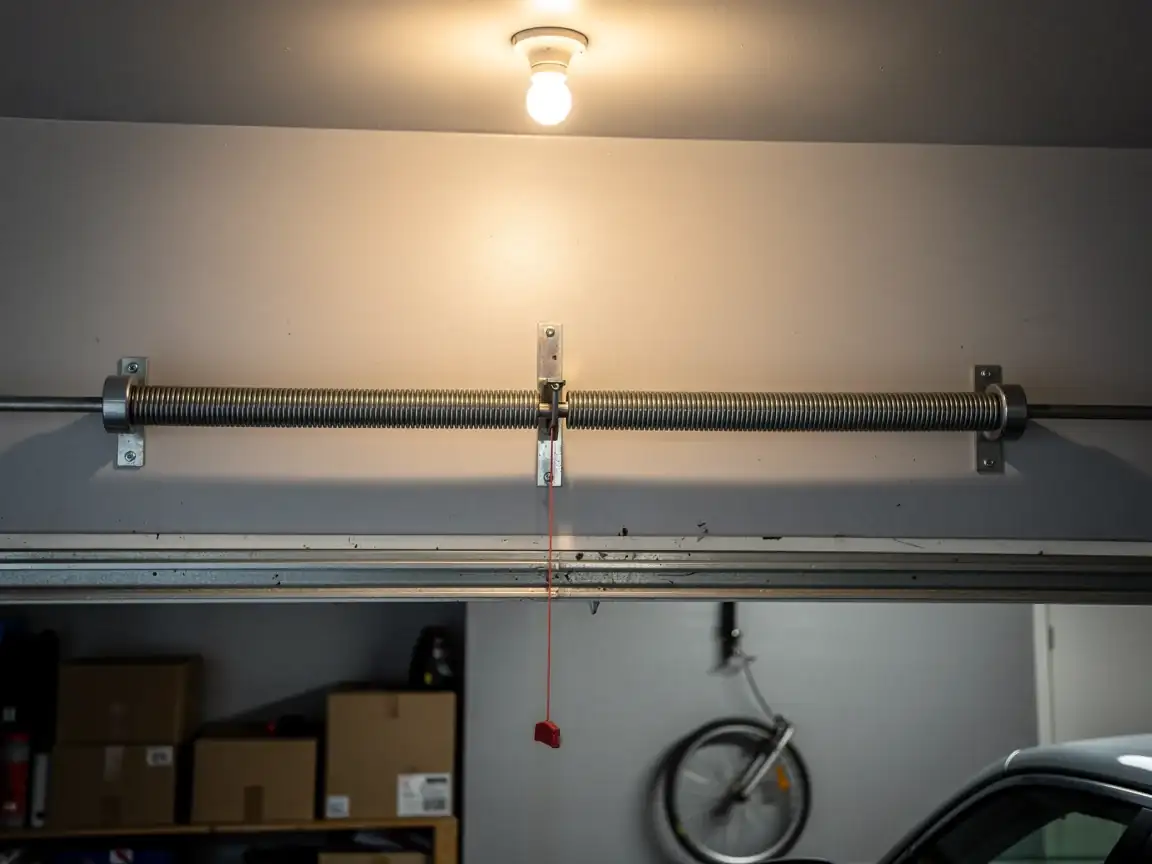
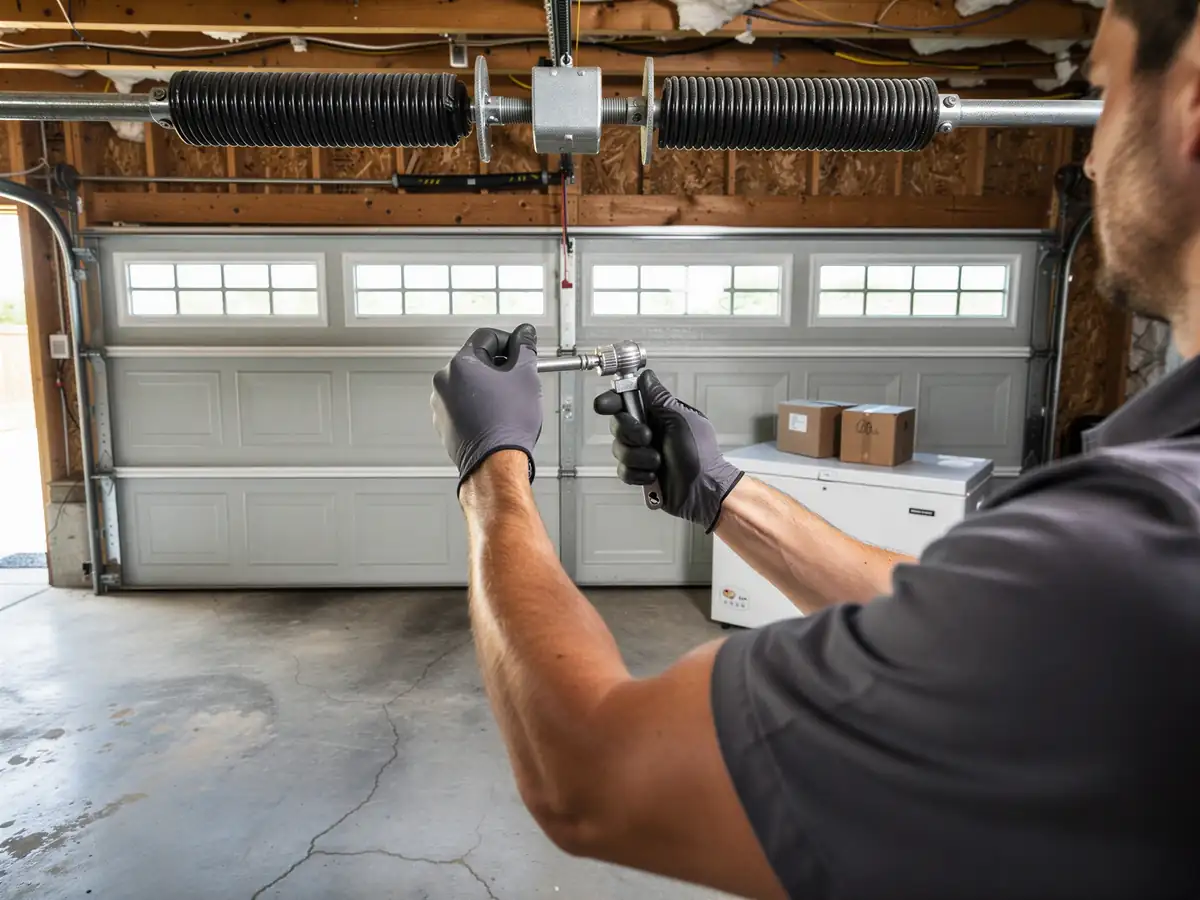
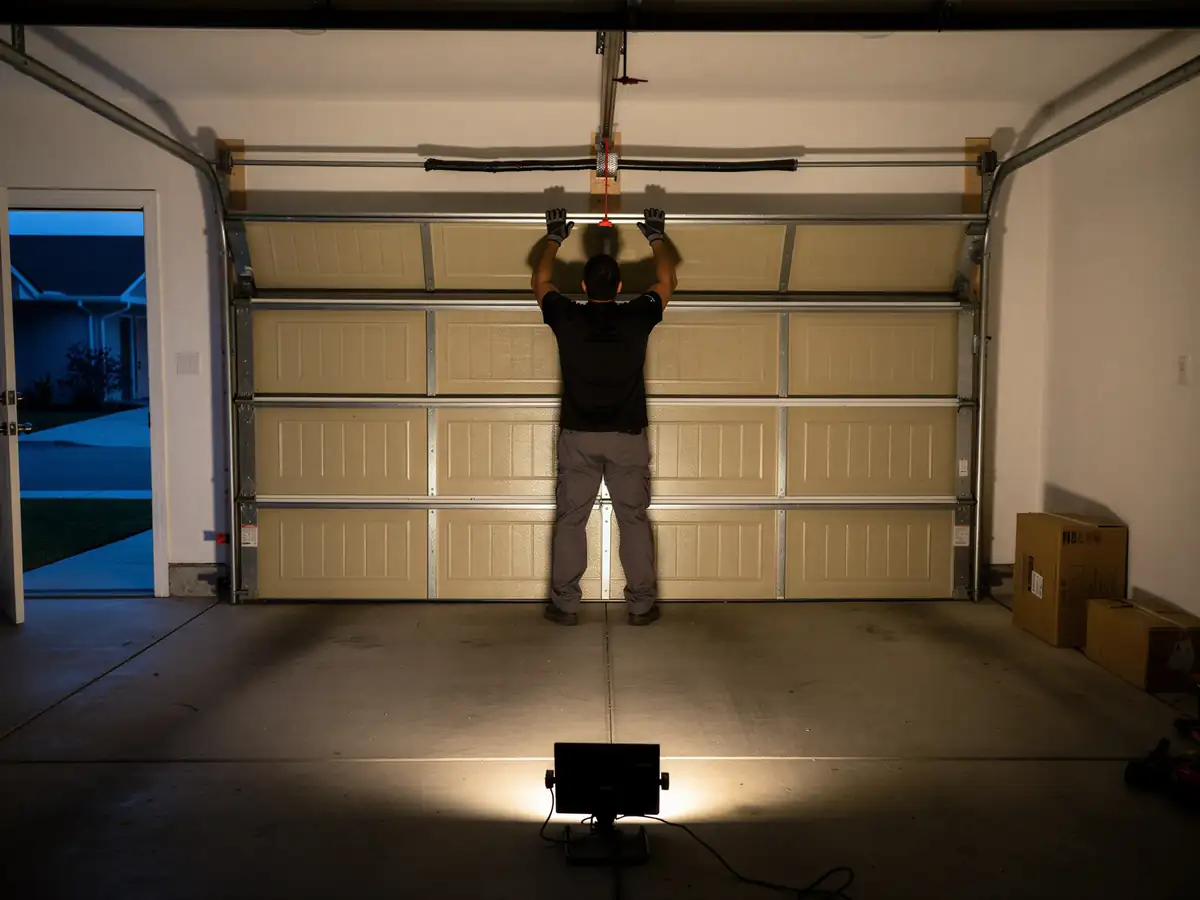
A torsion spring under tension can put someone in the hospital
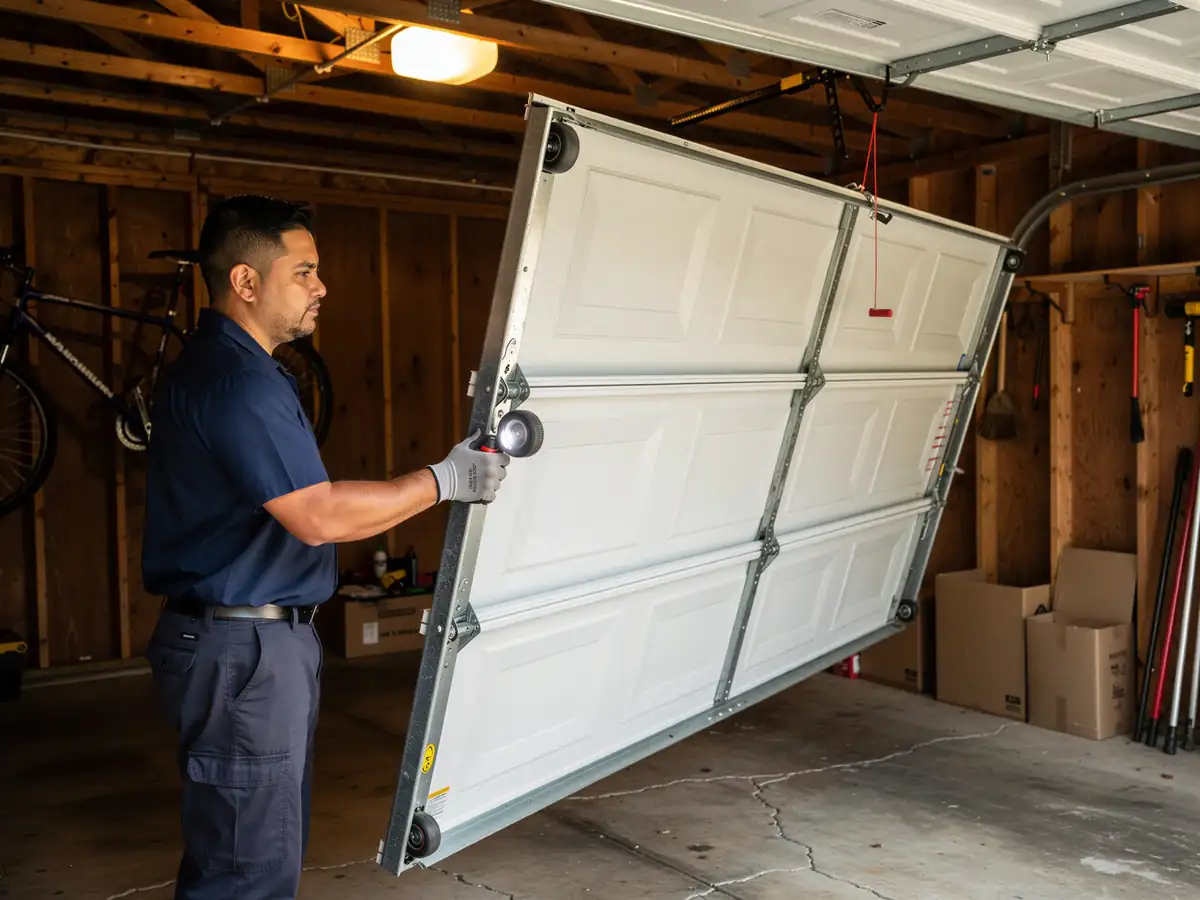
That's true everywhere, not just Parker, and it's the one job we'd tell any homeowner not to attempt. Swapping a roller or reattaching a cable that's slipped off the drum is lower risk and plenty of owners handle that themselves with the door manually propped and the opener unplugged.
Where the 2005-era houses out here actually make the DIY call easier is the opener
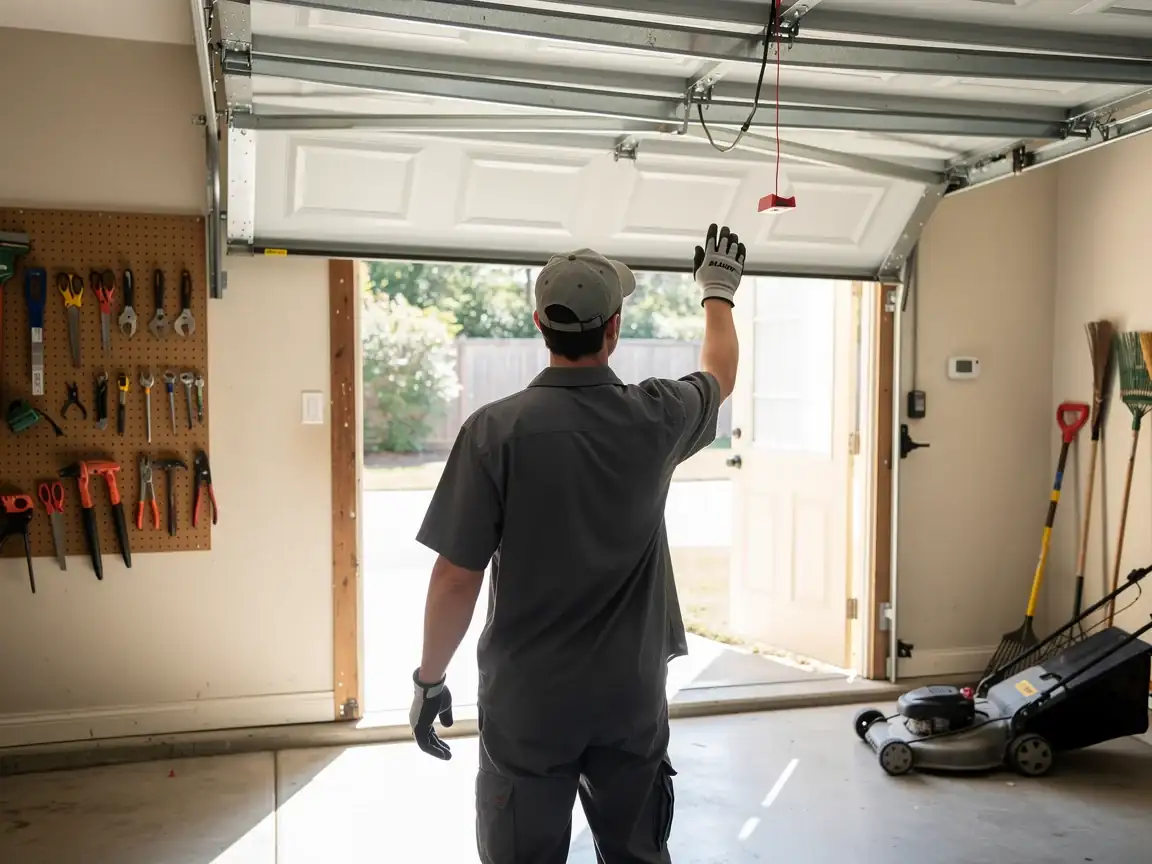
These are new enough that most boards have a visible fault light or error code, so you can often tell from the panel whether it's a board problem, a sensor alignment issue, or just a dead remote battery before you call anyone. That fifteen minutes of checking can save you a trip charge for something you could've fixed by swapping two AA batteries. If the fault light points to the board itself, that's not a part we'd tell you to chase down and install yourself - order it wrong and you've paid for a part that doesn't fit your opener generation.