What the Fix Involves
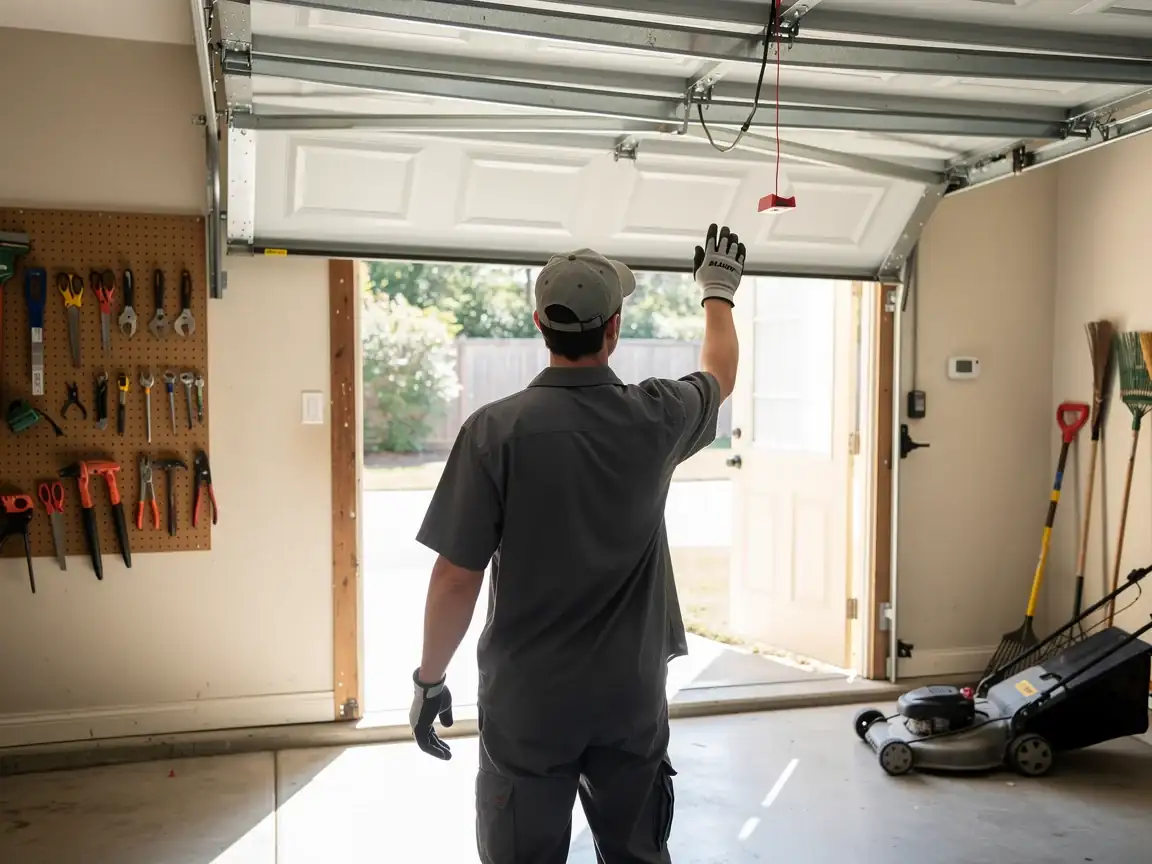
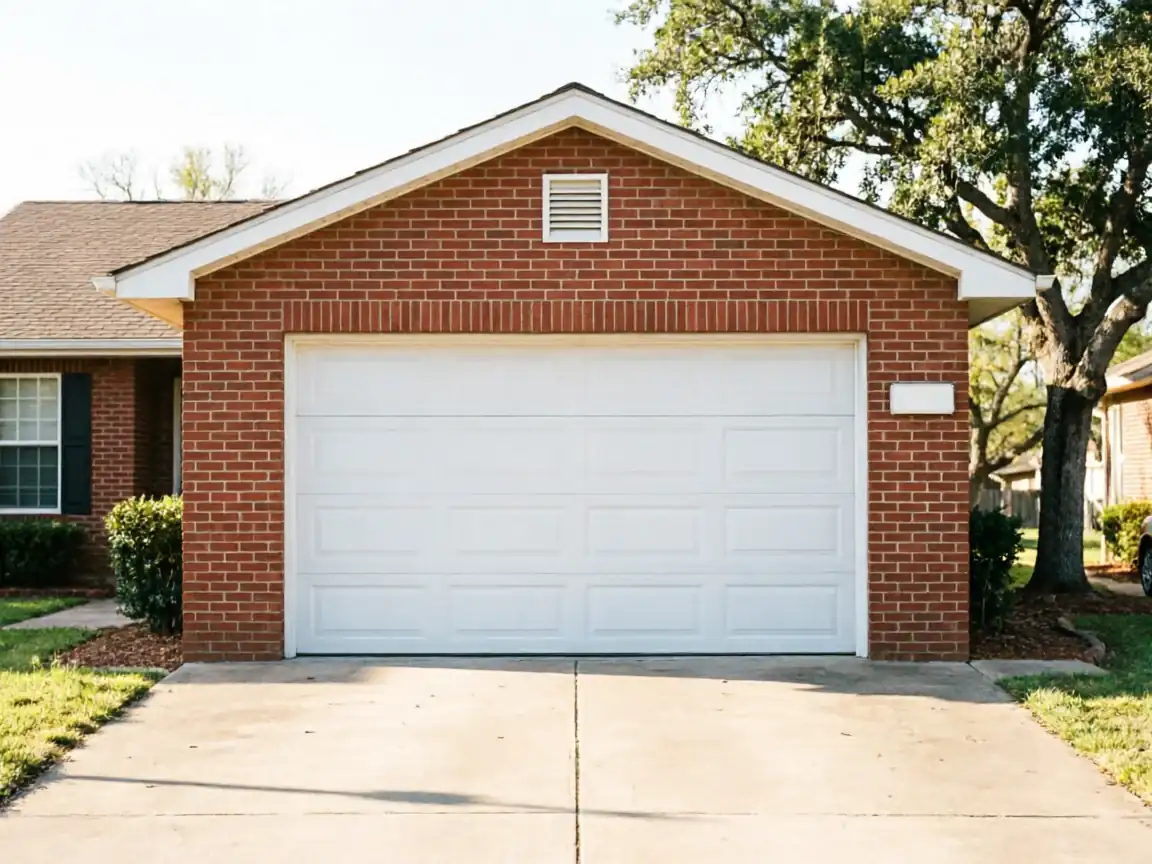
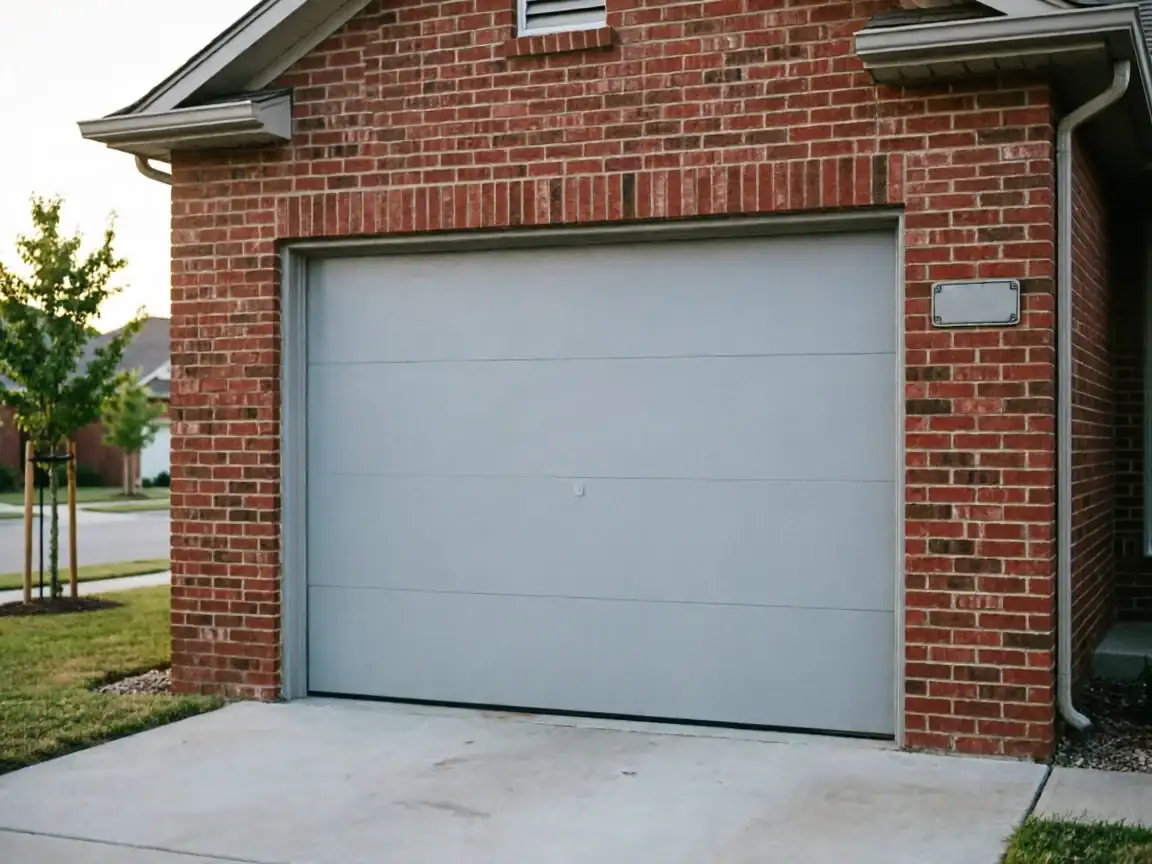
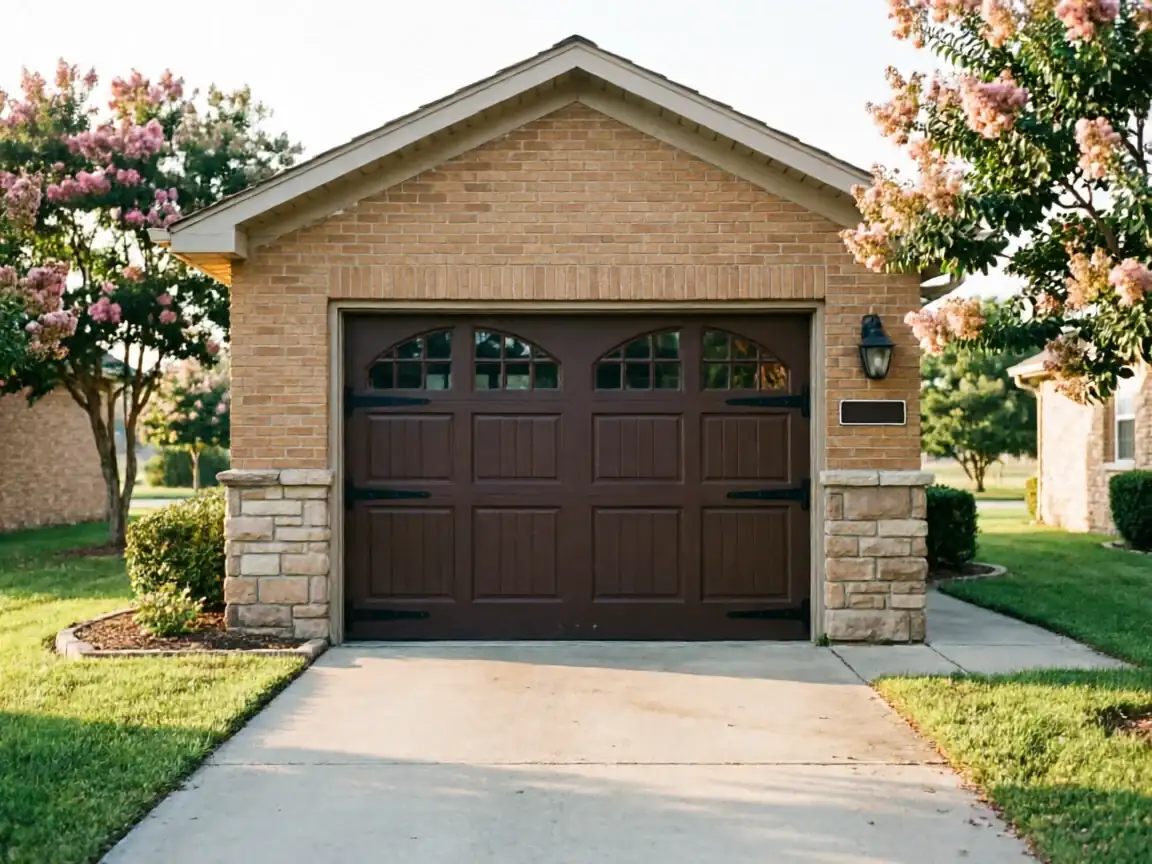
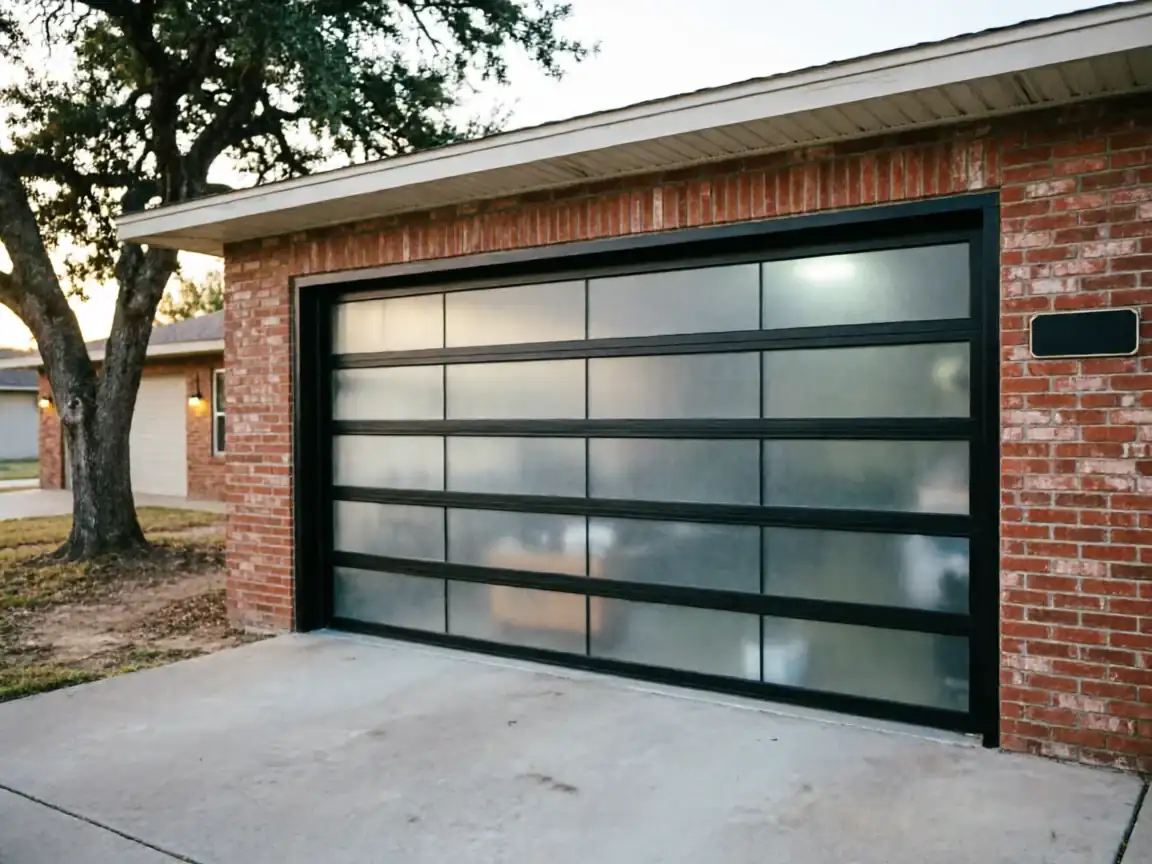
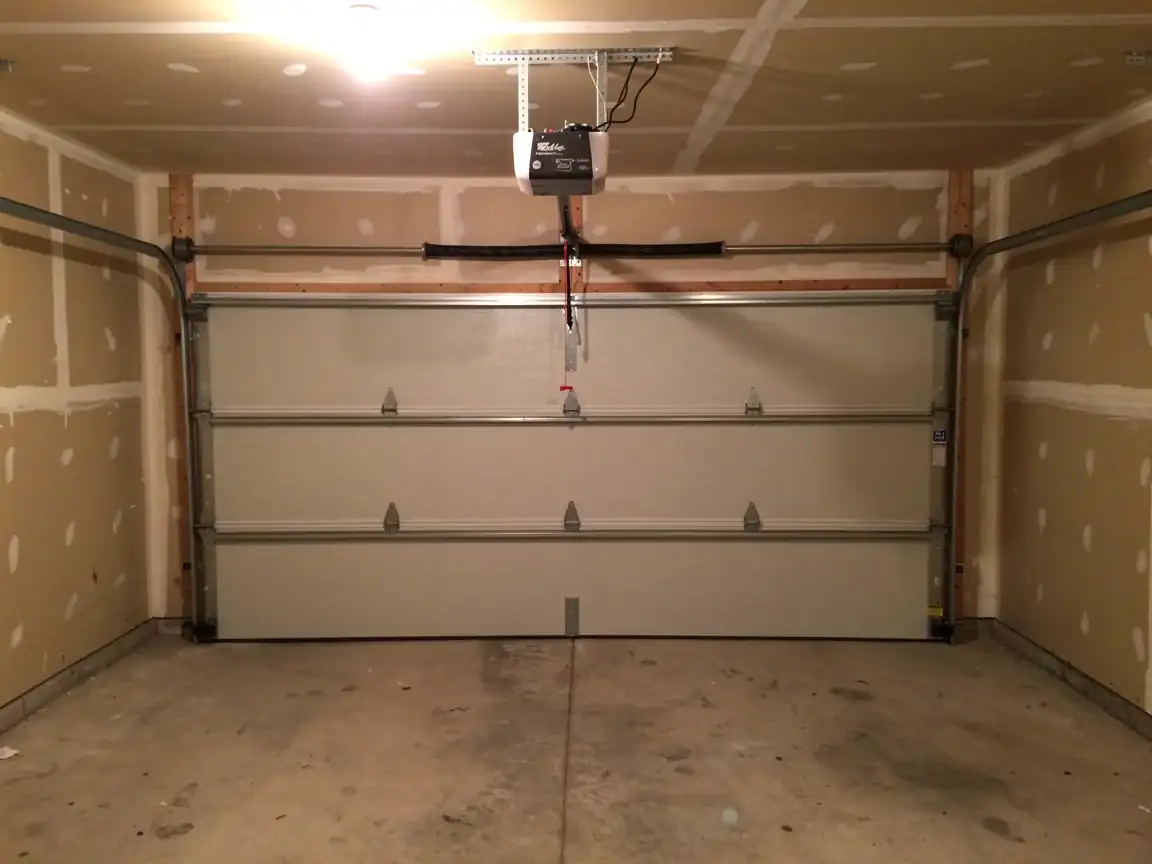
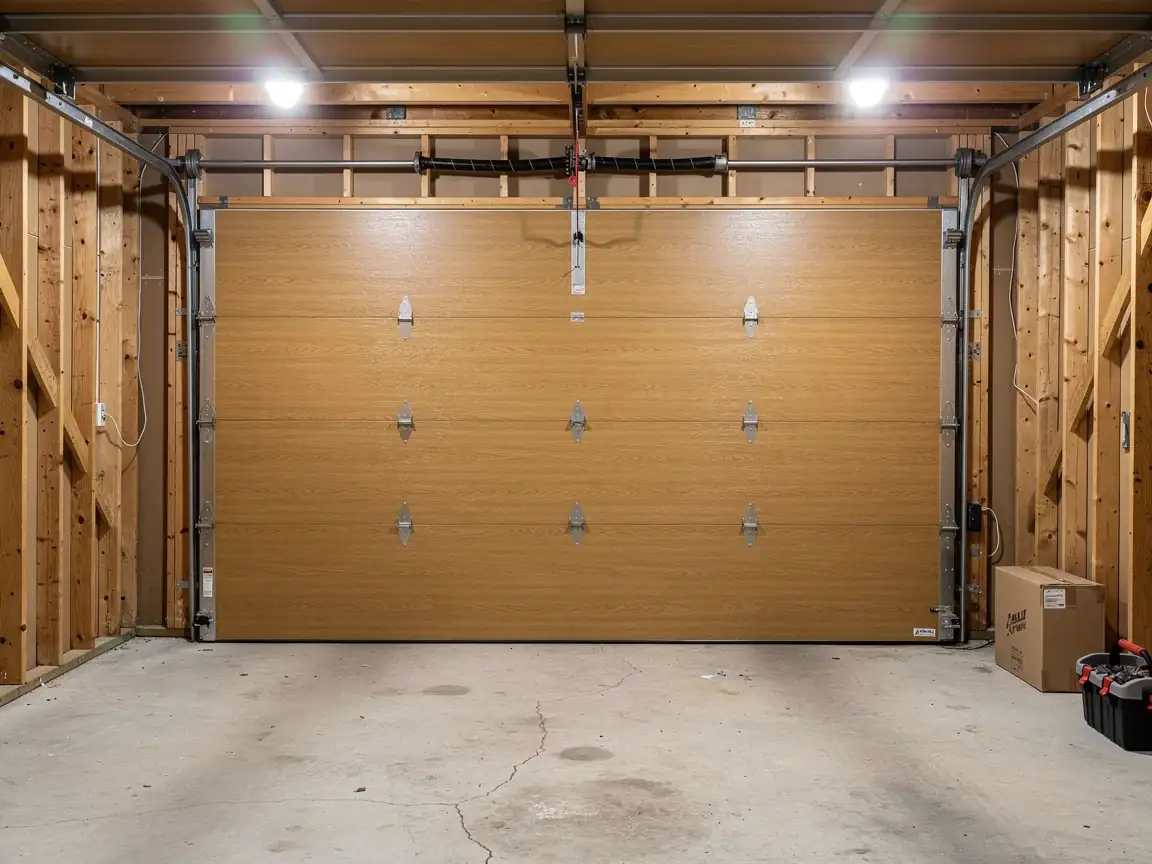
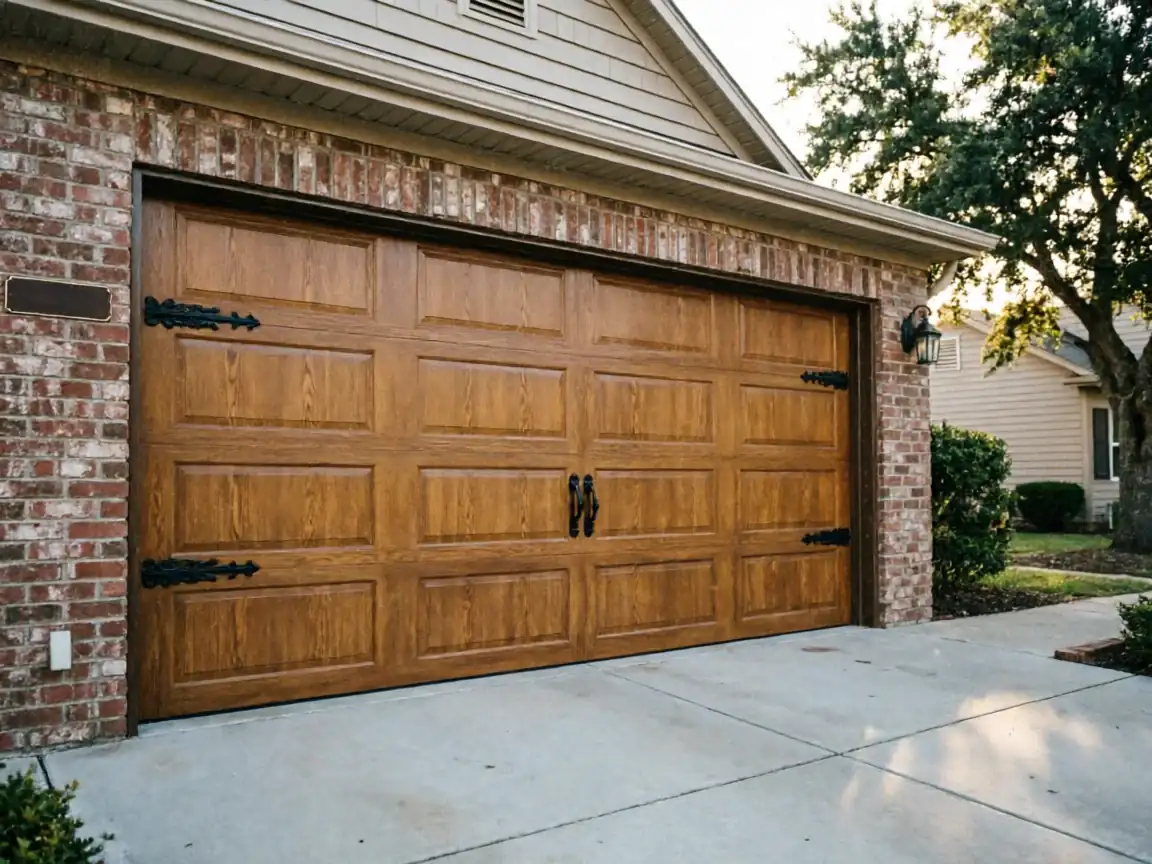
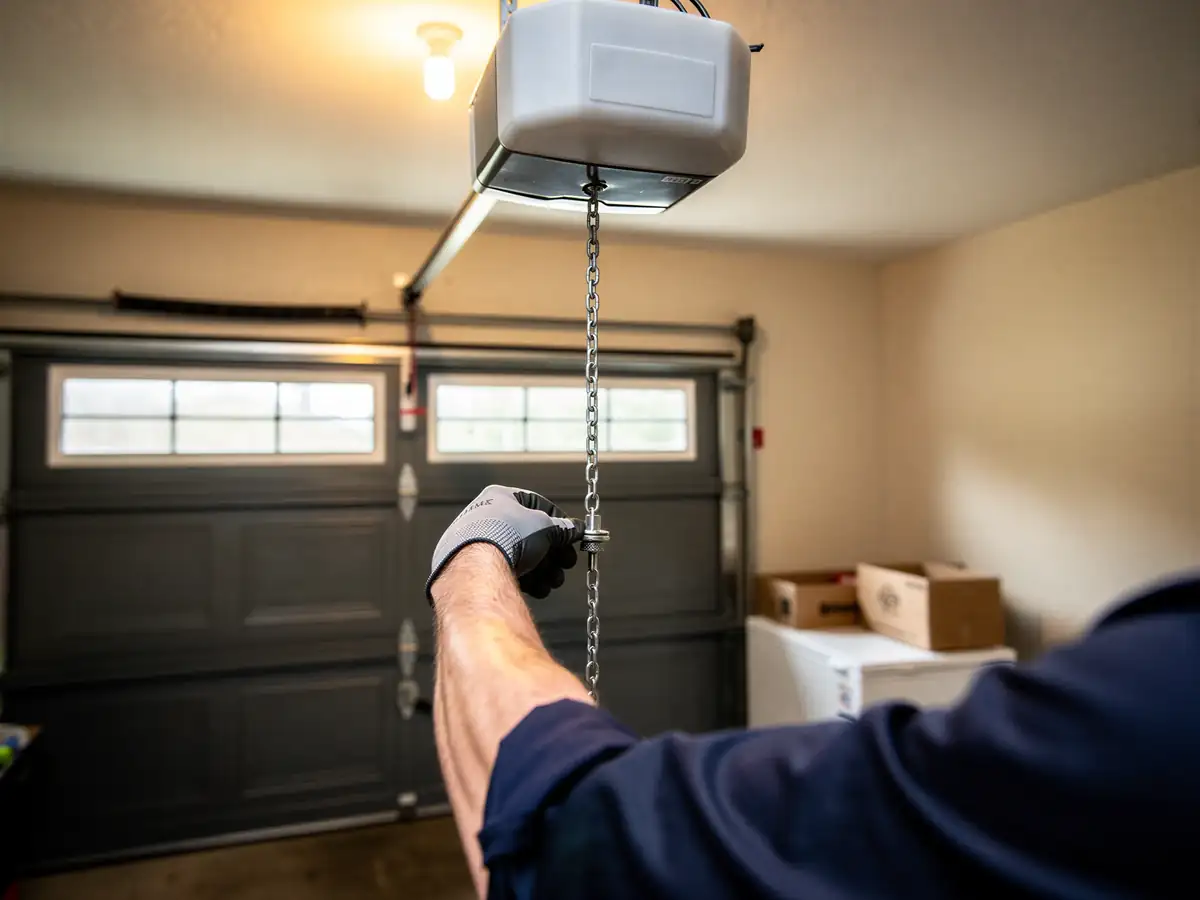
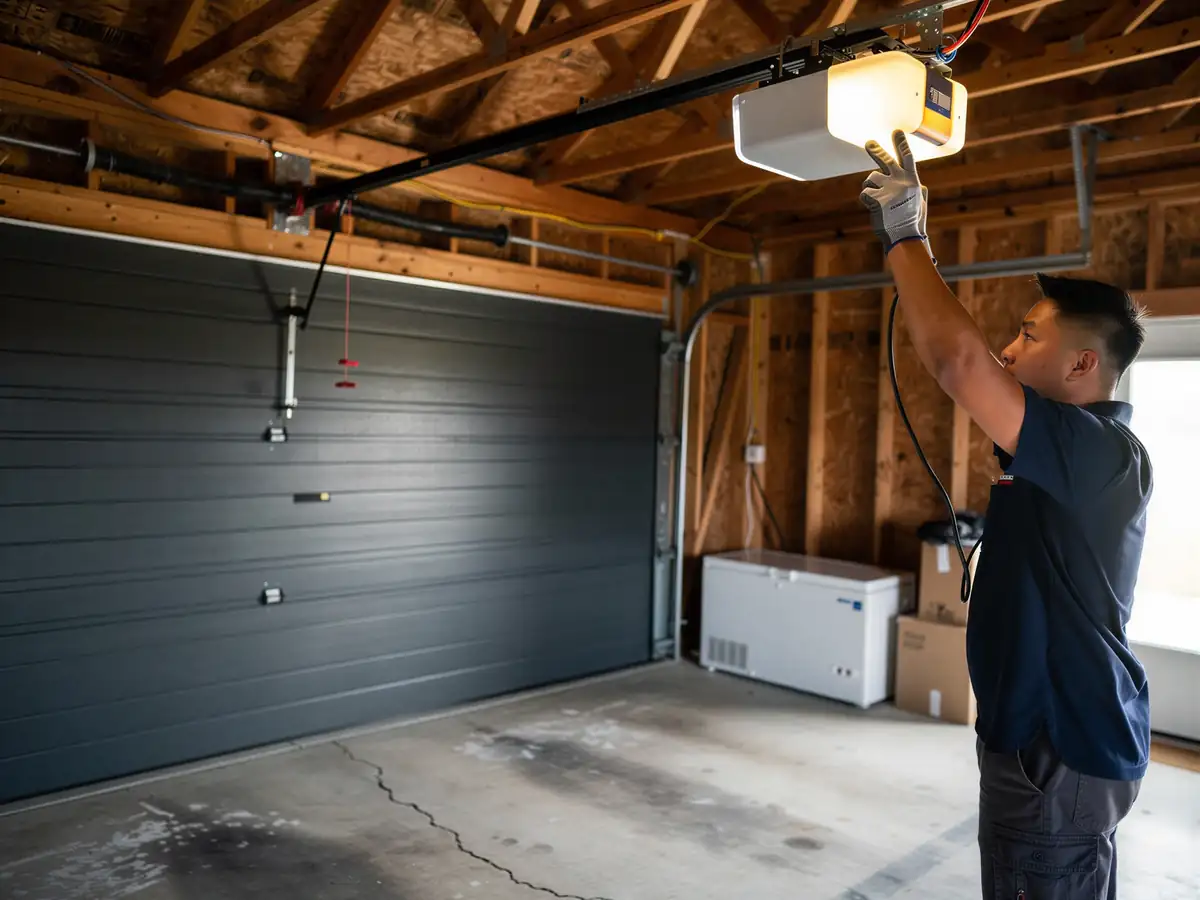
Josephine's median home was built around 2012, which puts most of the town's garage doors well inside the era of pre-hung steel sectional doors on factory-drilled brackets. That matters for an opener job because these doors already carry the mounting points and reinforced top panel a modern opener bolts to - nobody's cutting new holes or adding a strut to stop the door from bowing under opener pull. The work here is mostly swap-and-connect: pull the old unit and rail, mount a new motor head to the existing ceiling bracket, run the rail to the header bracket that's already there, and wire in the wall control and safety sensors.
With 1,437 households in Josephine and most of that housing dating to the 2000s and 2010s, we're not dealing with the mixed bag of hardware eras you see in older towns. Breaker boxes are usually up to code for a dedicated opener circuit, and the door itself is light-gauge insulated steel rather than the heavier wood or older steel panel doors you'd find in a town with an older housing stock. That keeps the opener sizing straightforward - most single and double doors in this area don't need anything beyond a standard residential drive unit.
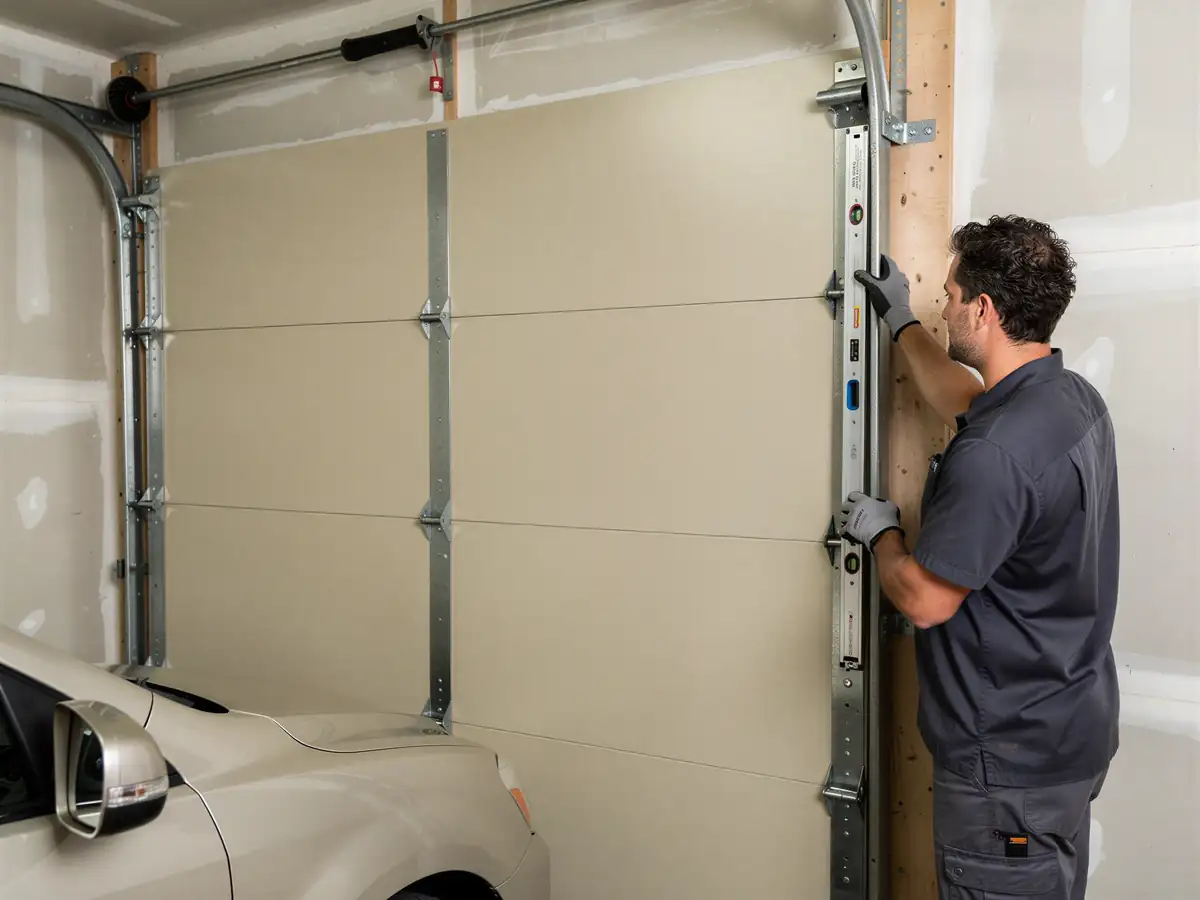
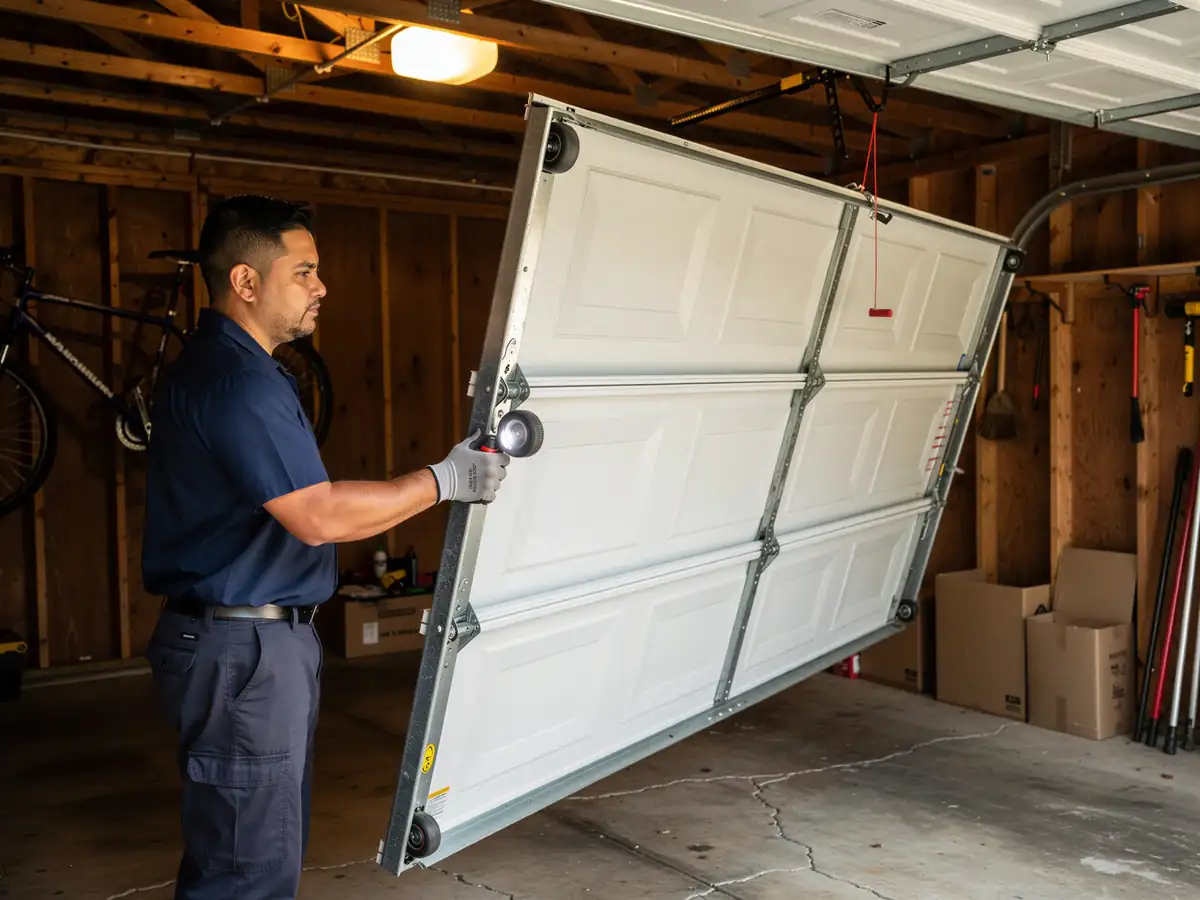
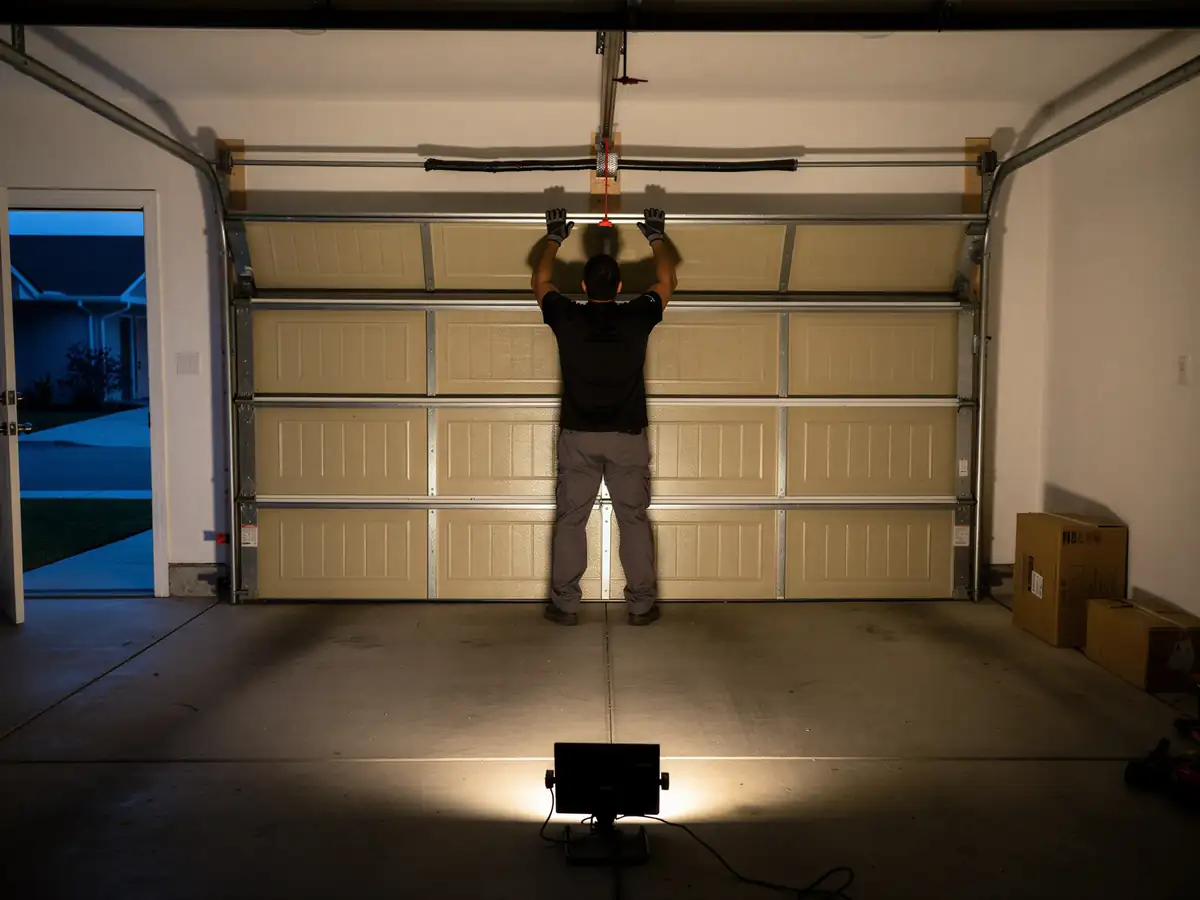
We still check the door balance before mounting anything. A new opener on a door with weak springs or a bent track will fight the motor from day one, and that's a comeback call nobody wants.
The DIY Question
A lot of Josephine homeowners could probably manage the bracket and rail work themselves - the doors are new enough that nothing's rusted, warped, or missing parts. Where it gets risky is the safety sensor alignment and the force setting on the opener. Get those wrong and the door either won't reverse on an obstruction or reverses on nothing, and either one is a problem with kids or pets in the house.
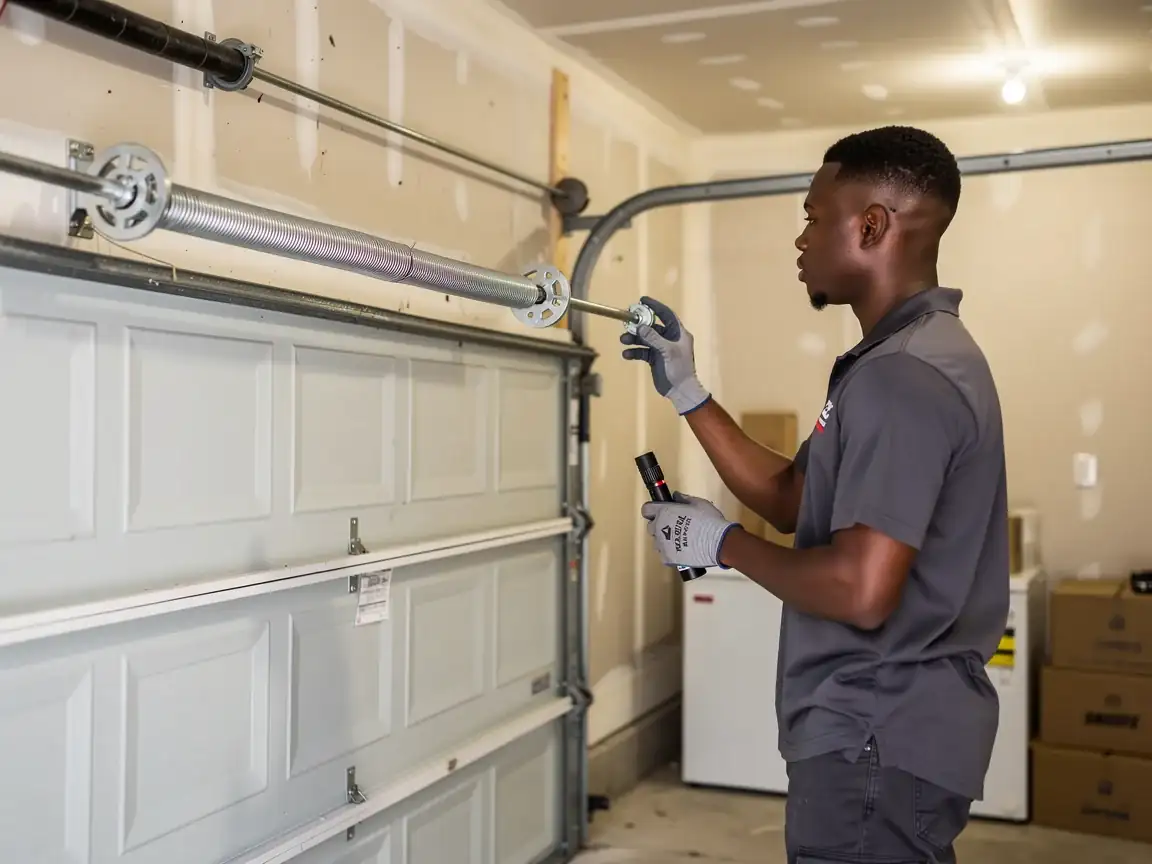
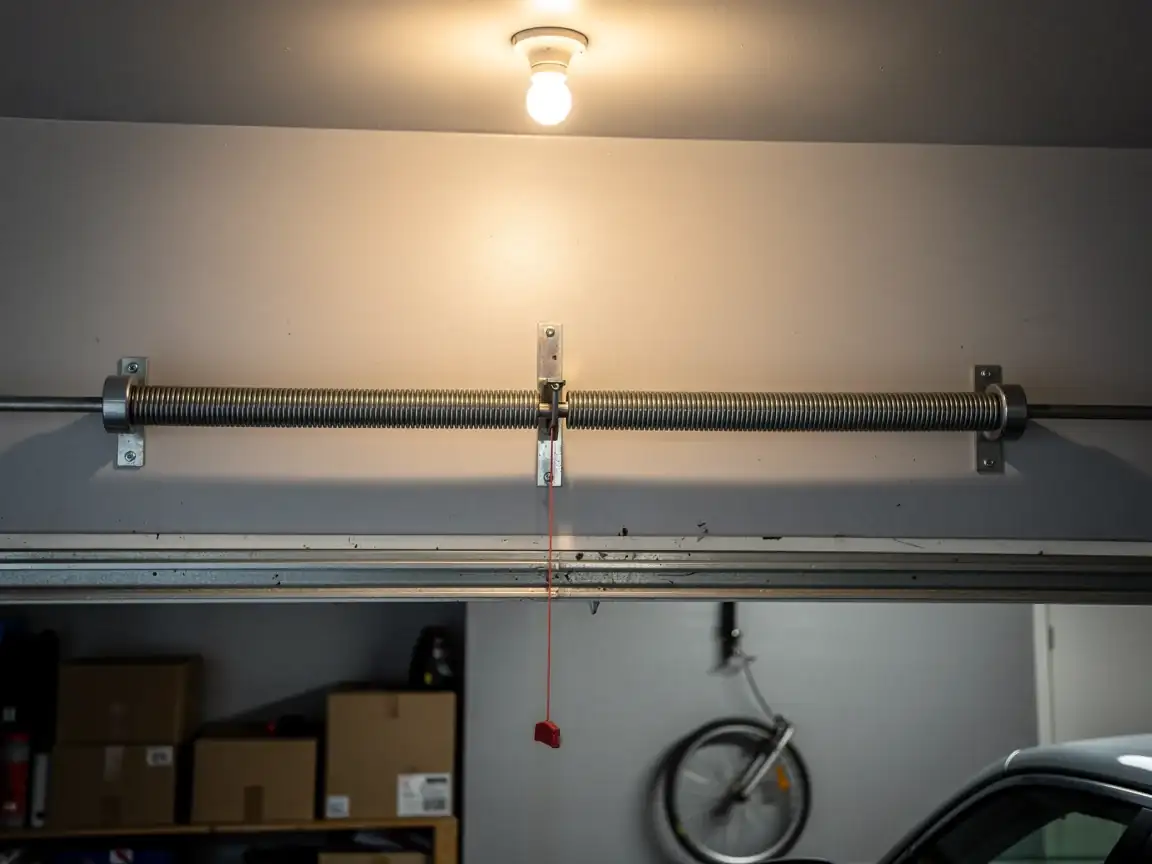
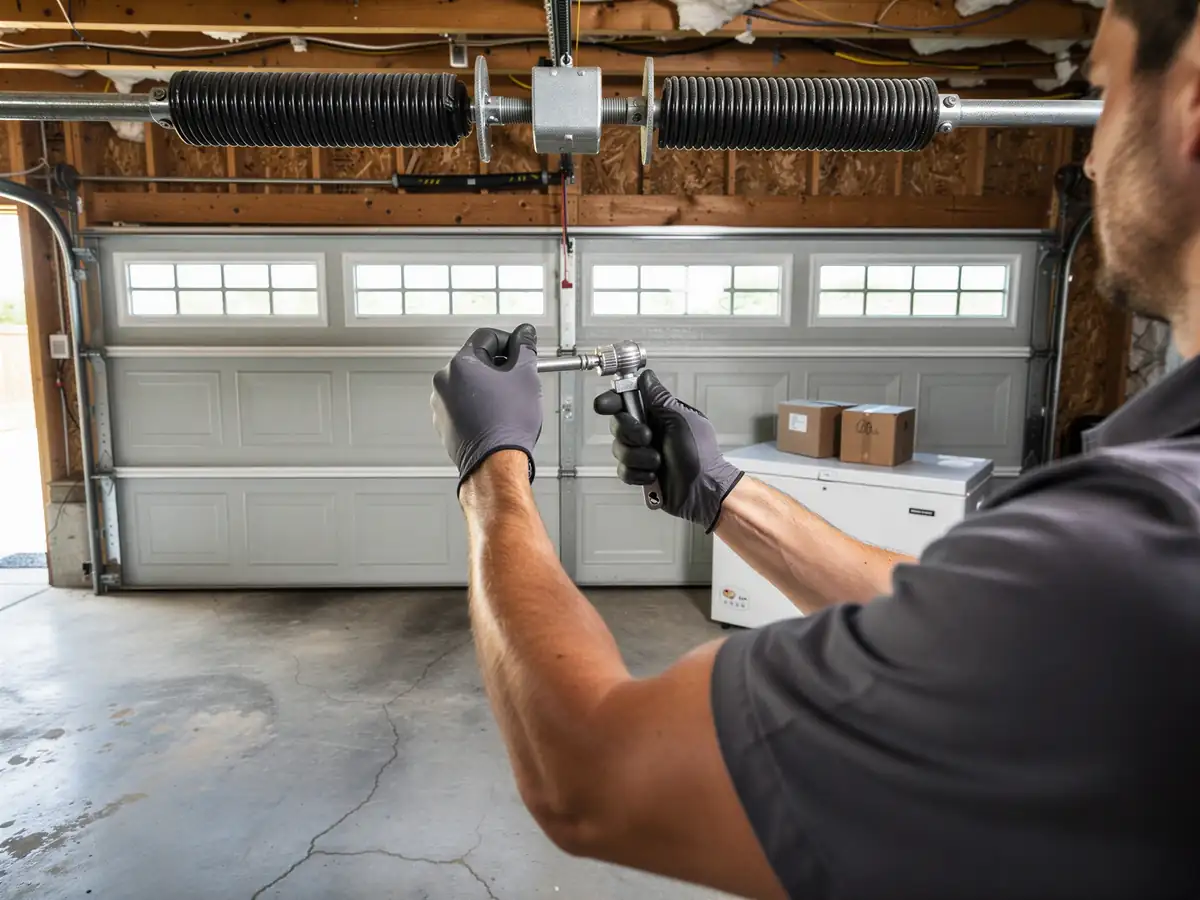
The other piece is the header bracket. On a 2012-era build it's usually solid, but we've seen cases where the original builder-grade bracket is undersized for a heavier belt-drive unit. Swapping that out means working overhead with a loaded torsion spring a few feet away, and that's not a place to learn on the job.
If you're comfortable with a drill and a ladder and you're putting in a like-for-like chain-drive unit, it's a reasonable weekend project. If you're upgrading to a belt-drive or adding battery backup, or anything about your current setup makes you hesitate, that's when a call makes sense.
Time on the Job
A straight swap on a Josephine house
Same mounting points, same door, no spring work - usually runs under two hours once the truck's on site. Add Wi-Fi setup and app pairing and you're looking at another fifteen to twenty minutes.
Where it runs longer is if the header bracket needs reinforcement or the door's travel limits need resetting because the old opener was mis-adjusted
Since Josephine's housing stock is newer, we don't often run into the rotted header or rusted track work that eats time in older towns - the lumber and hardware are usually sound.
We're coming from Royse City, about 6 miles out
So travel time is short and doesn't eat into the appointment window the way it might for a job farther out in the service area.
- 6 miles
What Can Go Wrong
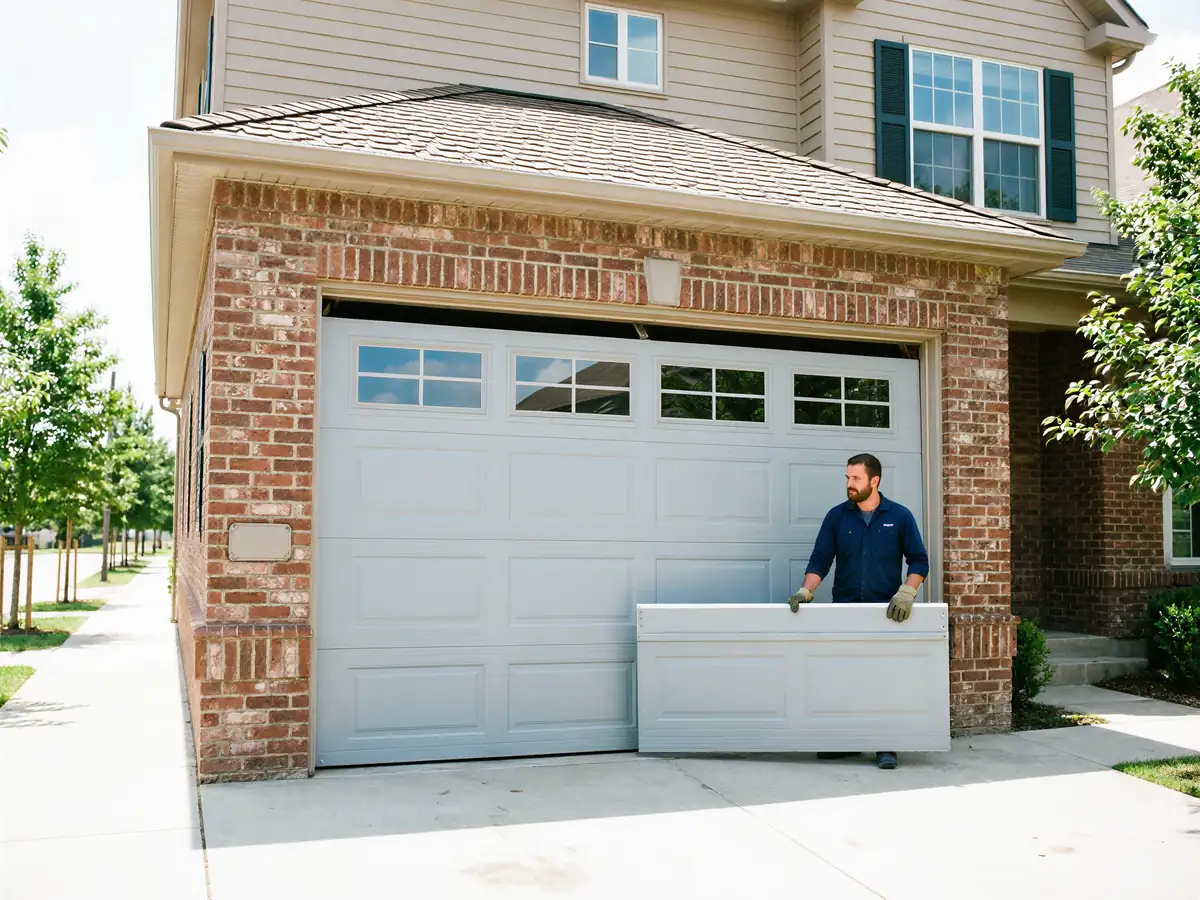
The most common issue on a newer door isn't the door - it's a mismatch between the opener's horsepower rating and the door's weight once you add insulation or a decorative overlay. A unit sized for a bare steel panel can struggle on a heavier insulated door, and it'll show up as slow travel or a motor that runs hot on warm days.
Sensor alignment is the other recurring problem. If the sensors get bumped during installation or sit even slightly out of level, the opener will refuse to close or will close and immediately reverse. It's a two-minute fix once you know to look for it, but it's the single most common callback on a fresh install anywhere.
One honest limitation: if your existing rail or header bracket is non-standard - some custom or imported doors use mounting hardware that doesn't match typical U.S. opener brackets - we may need to order a compatible bracket kit before we can finish the job in one visit. That's rare in a 2012-era build, but it happens.
What It Costs
We don't post opener pricing here because it depends on the unit you choose - chain versus belt drive, horsepower, Wi-Fi capability, battery backup - and whether the existing bracket and wiring can be reused as-is. Josephine's newer housing stock usually keeps the labor side of the job on the shorter end, since there's less time spent fixing old hardware before the new opener goes in.
Given the median household income in this part of the service area sits above $99,000, we see a fair number of requests for the higher-end belt-drive units with smart features rather than the base chain-drive model - but both get the same careful sensor and force-setting check before we leave.