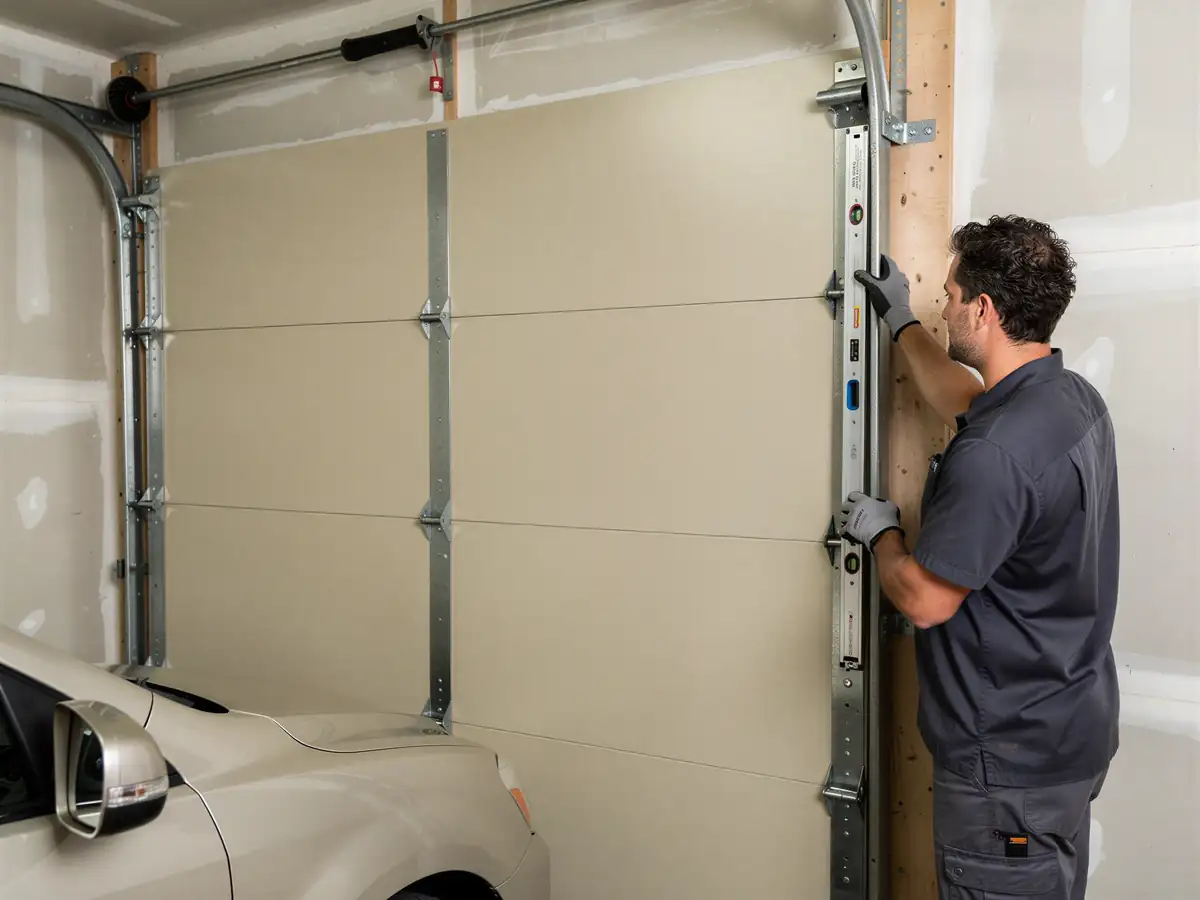
What the Fix Involves
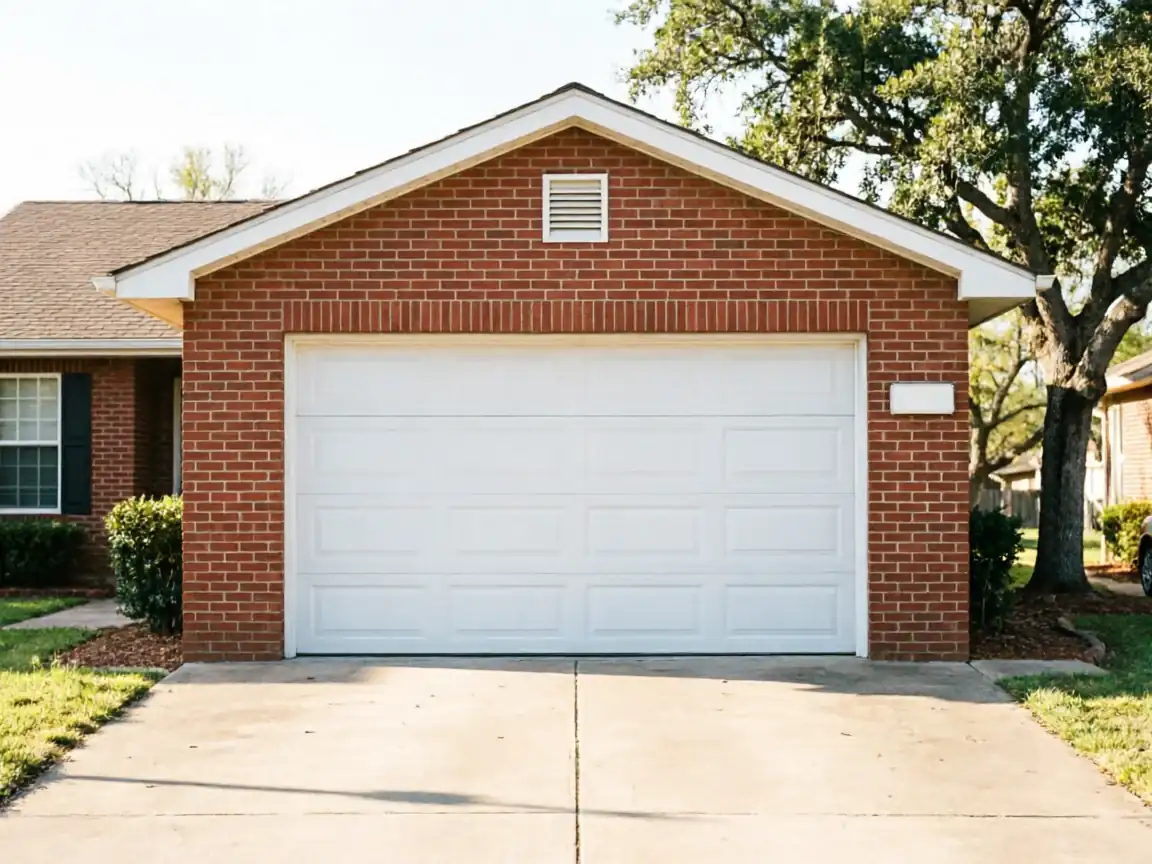
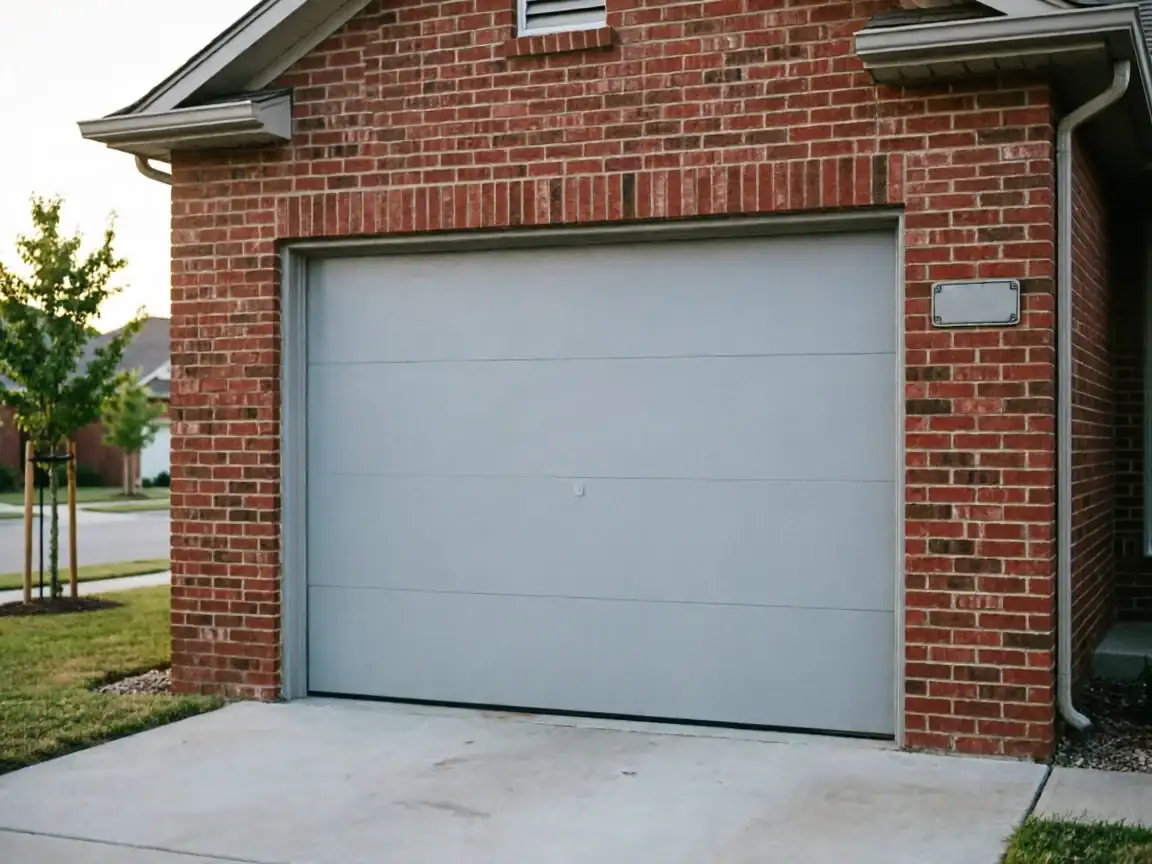
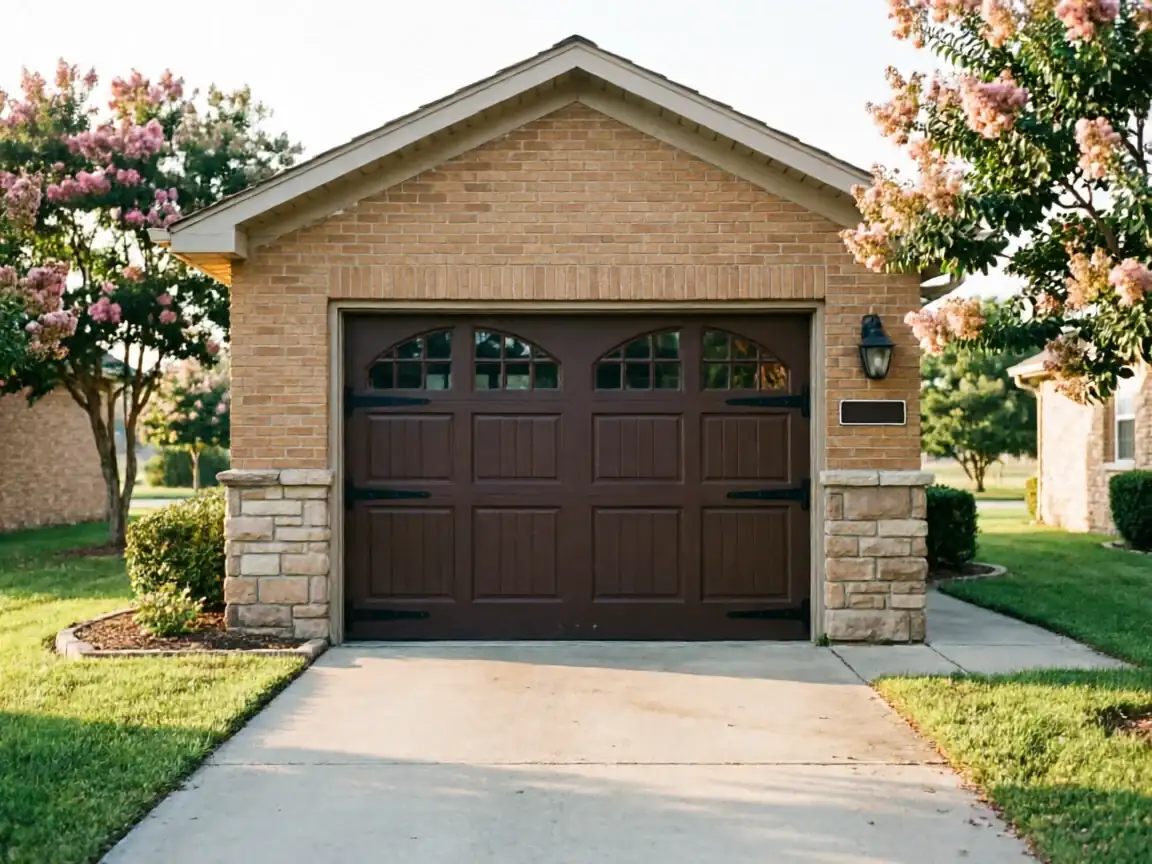
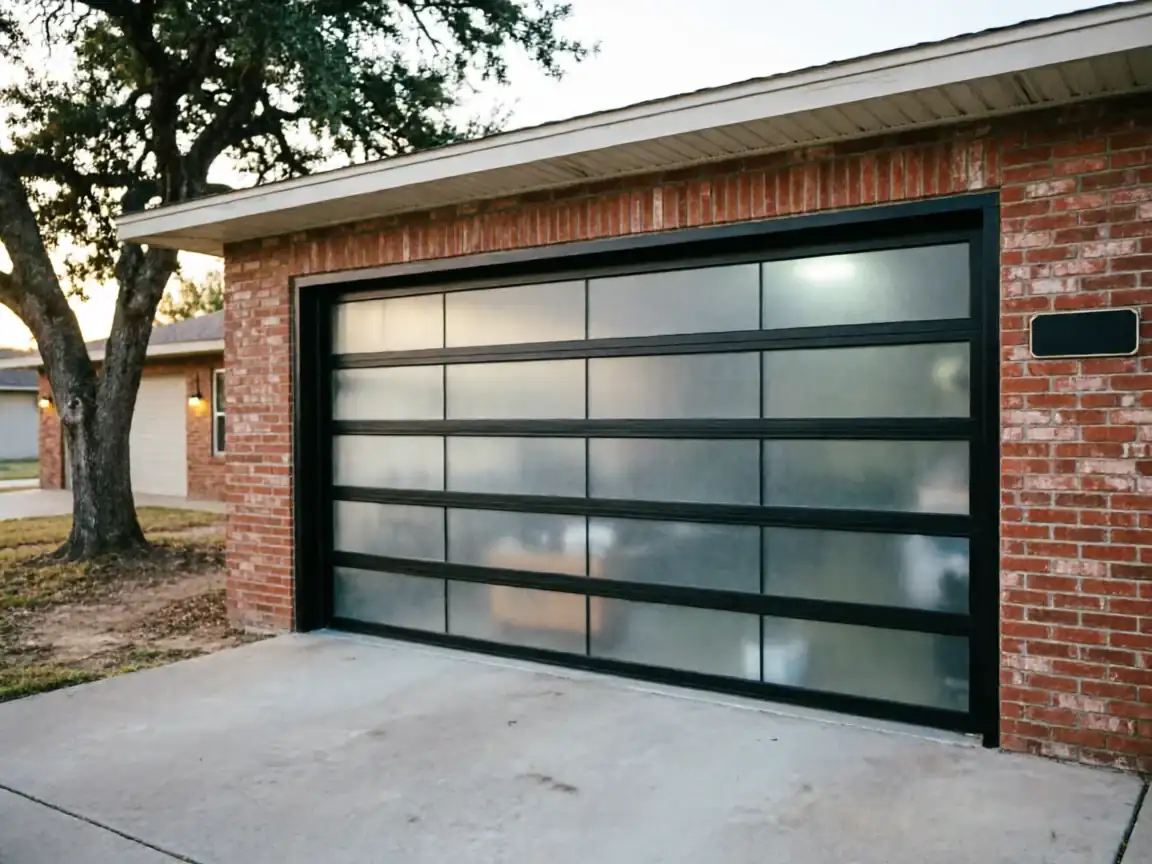
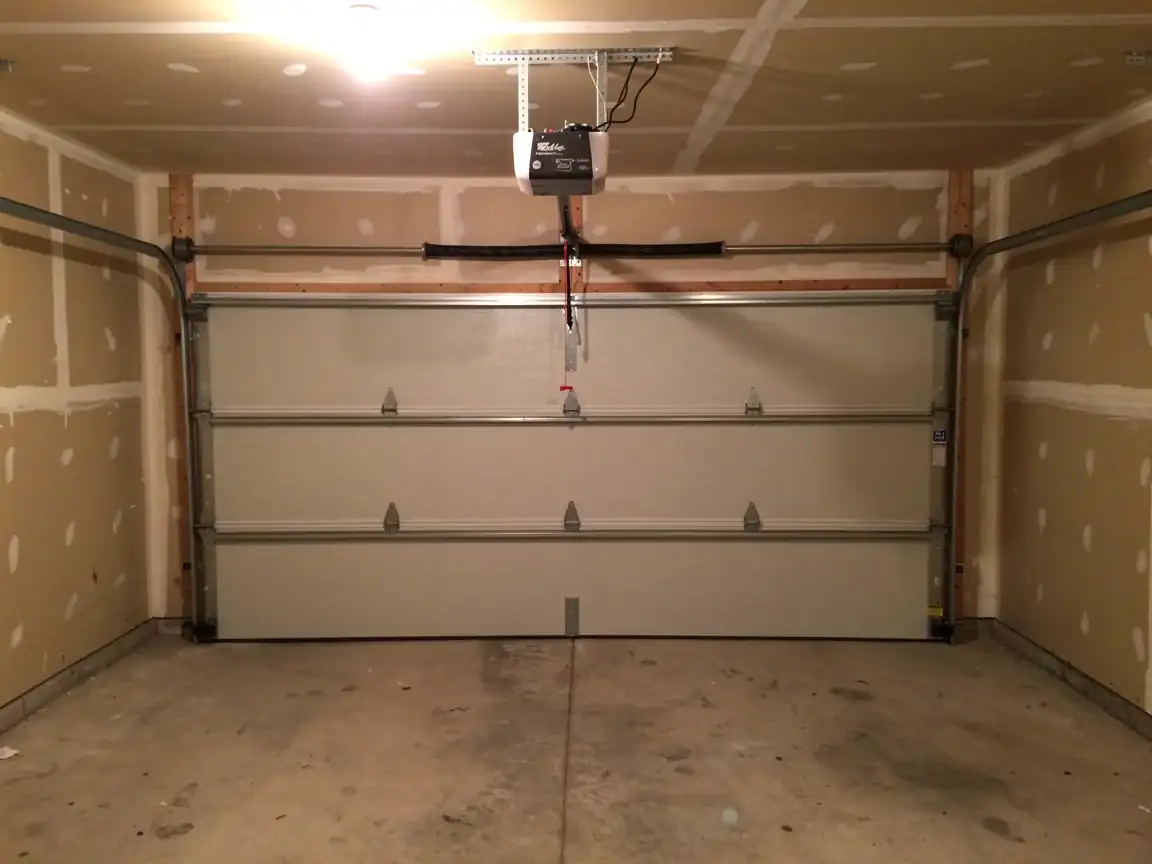
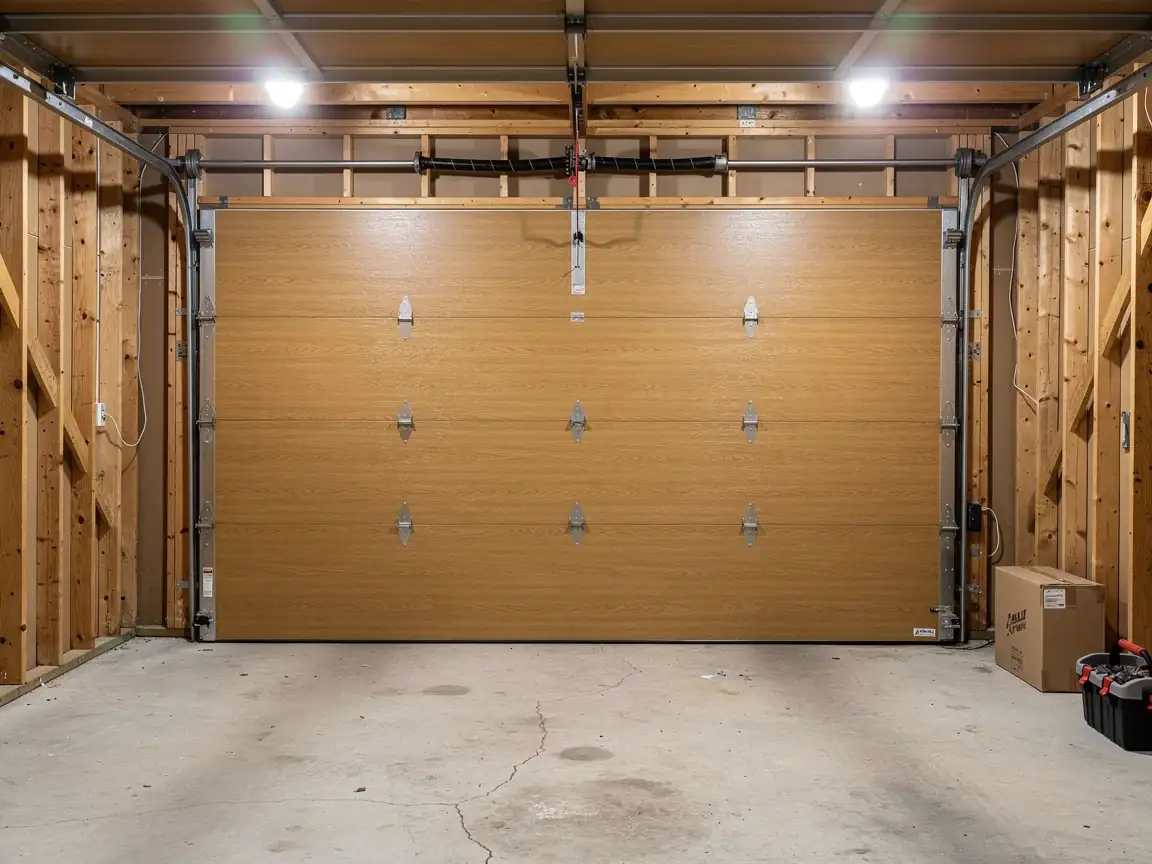
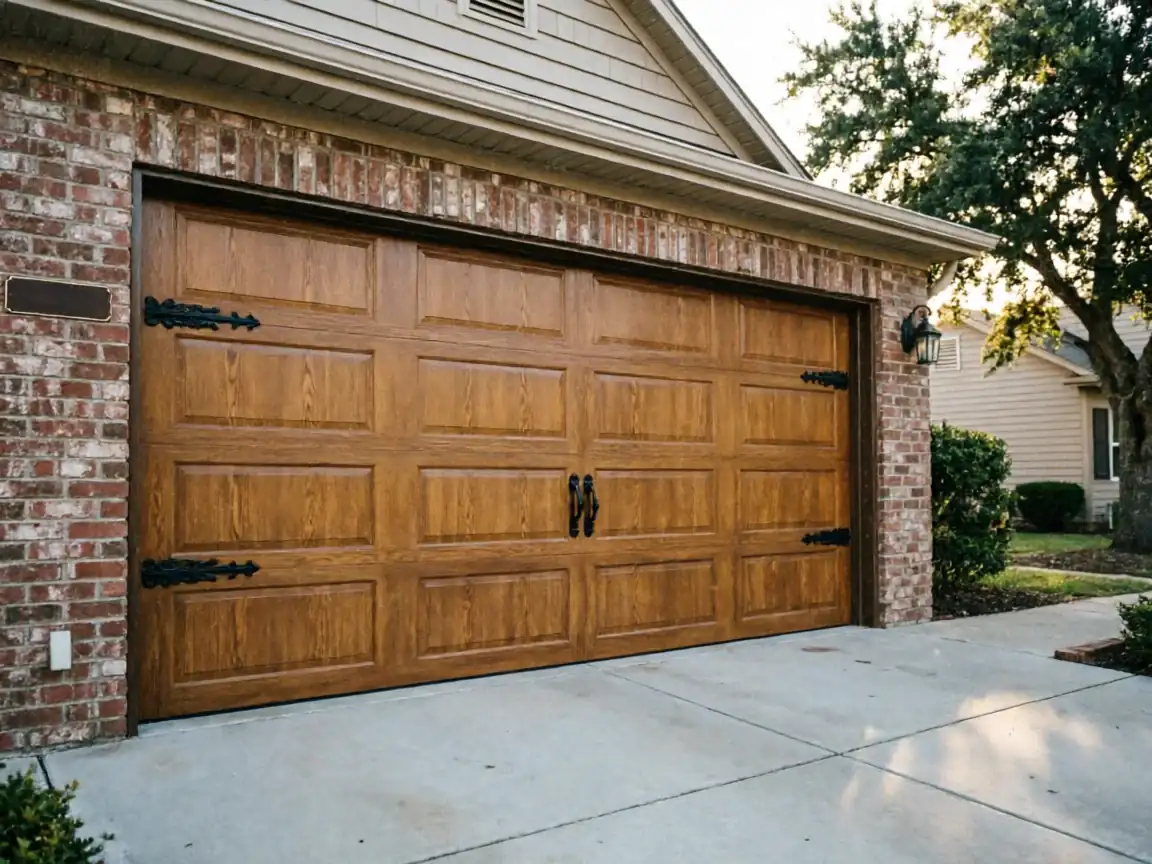
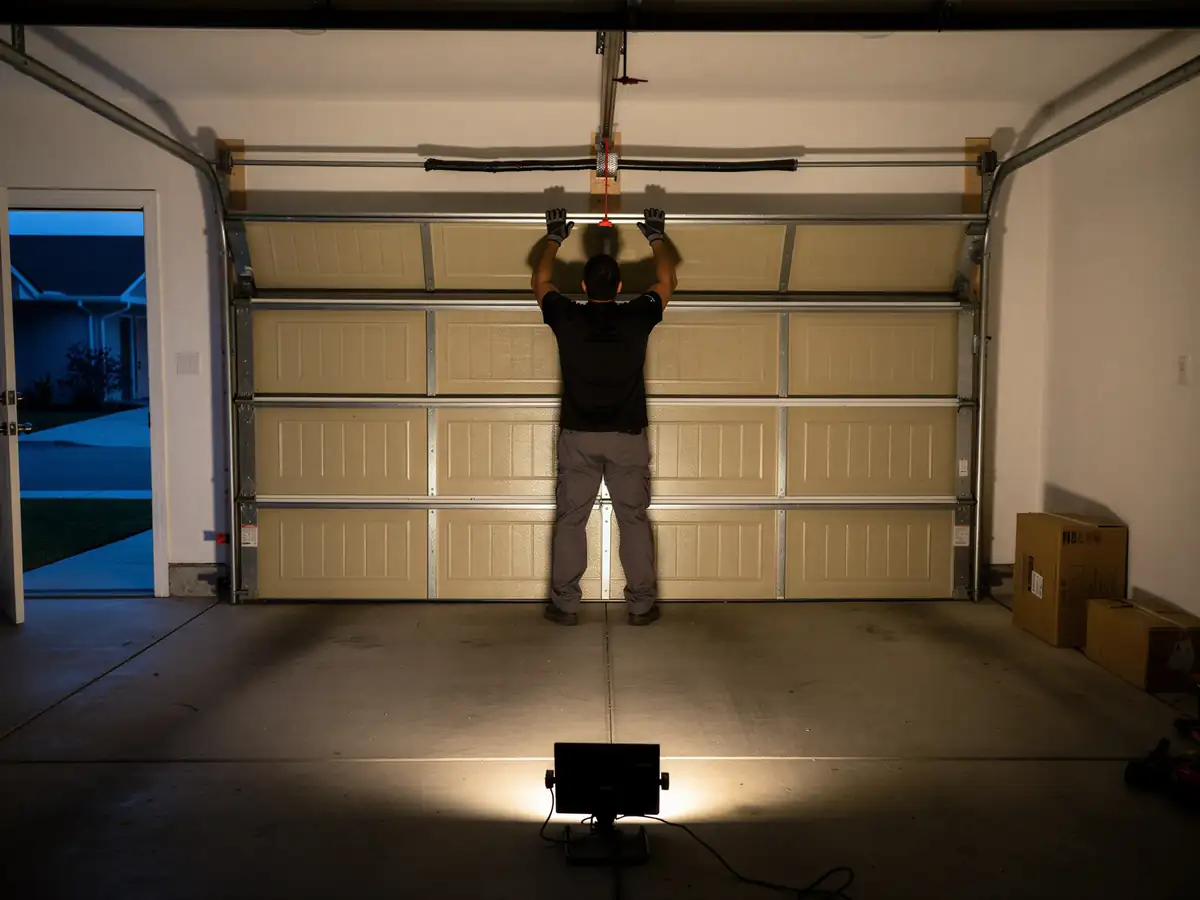
Josephine is small - about 1,437 households - which means the fault patterns we see here are narrower than in a bigger town with a mixed building stock. Most houses went up well after 2000, so we're not dealing with the warped wood panels or decades-old torsion drums you find in older housing. The fix usually involves a modern steel or composite door on a factory-set torsion spring system, a chain or belt-drive opener, and nylon rollers that still have some life left even when they're noisy.
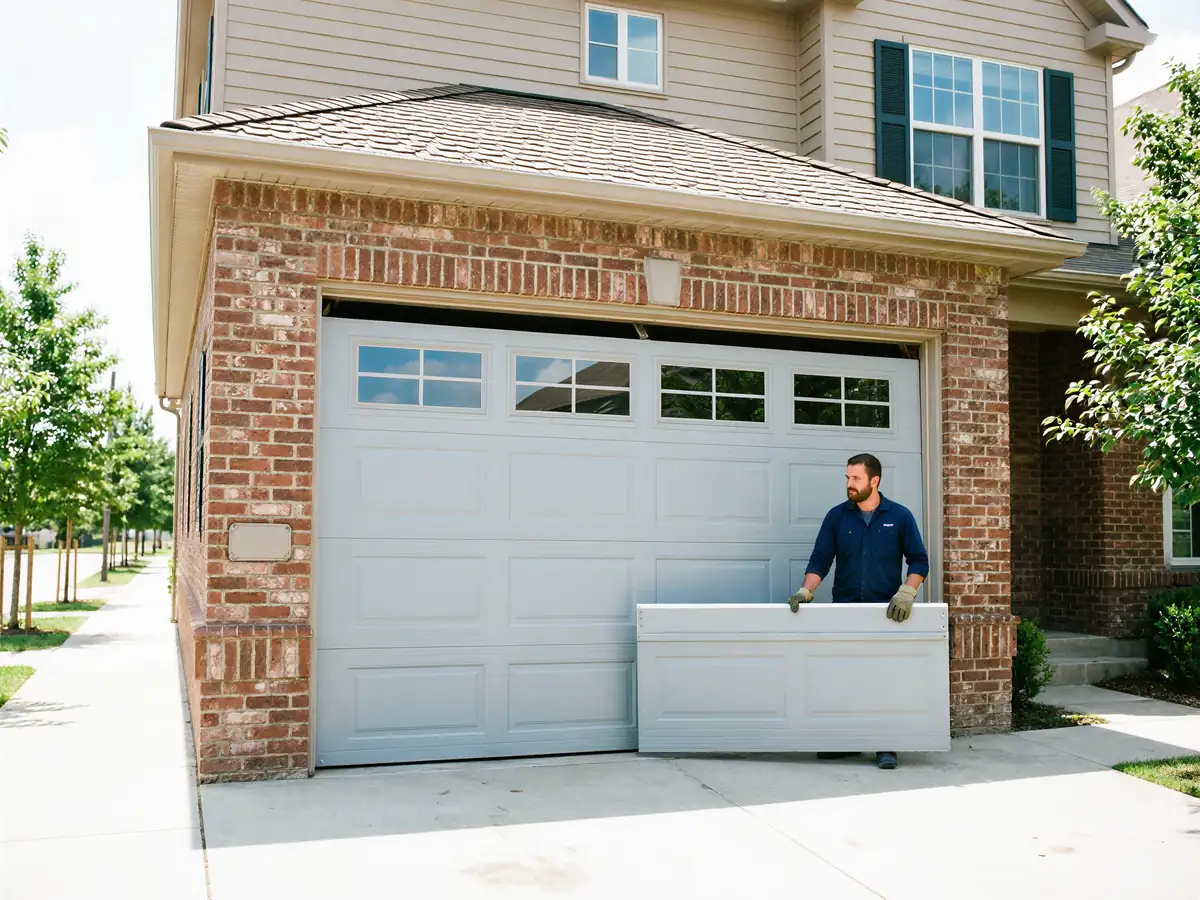
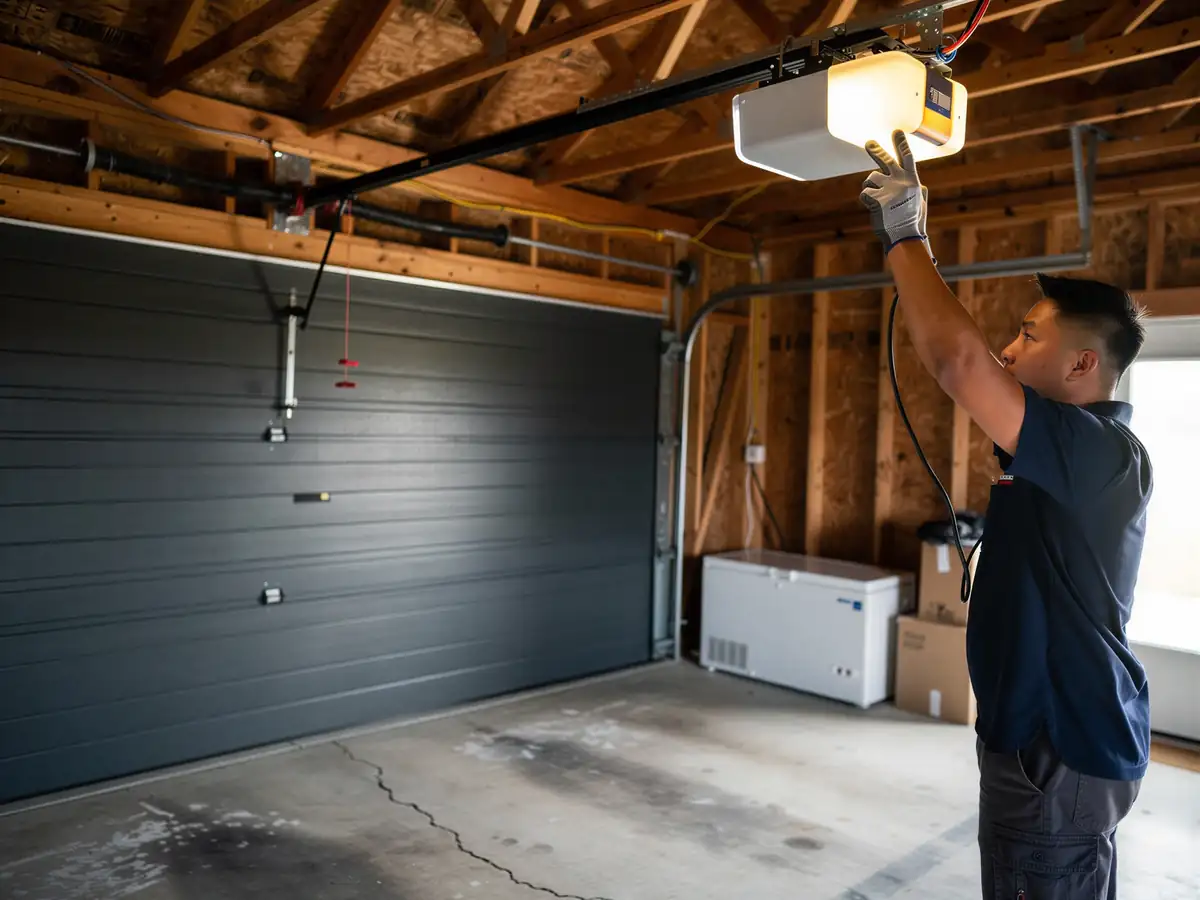
What goes wrong tends to be mechanical, not structural: a spring that's lost tension, a cable that's frayed at the drum, a sensor knocked out of alignment, or an opener logic board that's dropped its memory. We pull the panel or track section that's failing, check the rest of the run for wear, and replace only what's actually bad. On a newer build like most of what's out here, that's often a single part, not a full door swap.
We travel the 6 miles out from Royse City for every call - there's no branch office in Josephine, just a truck that comes when you call.
The DIY Question
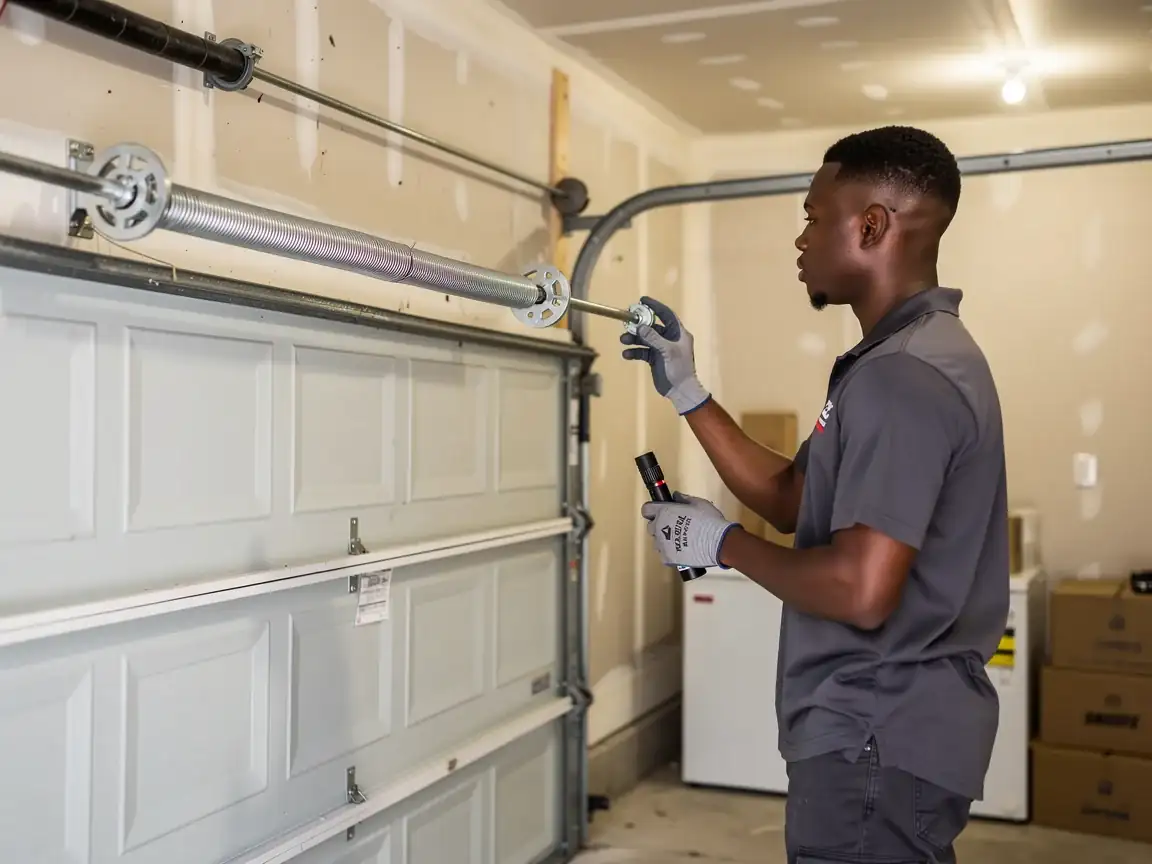
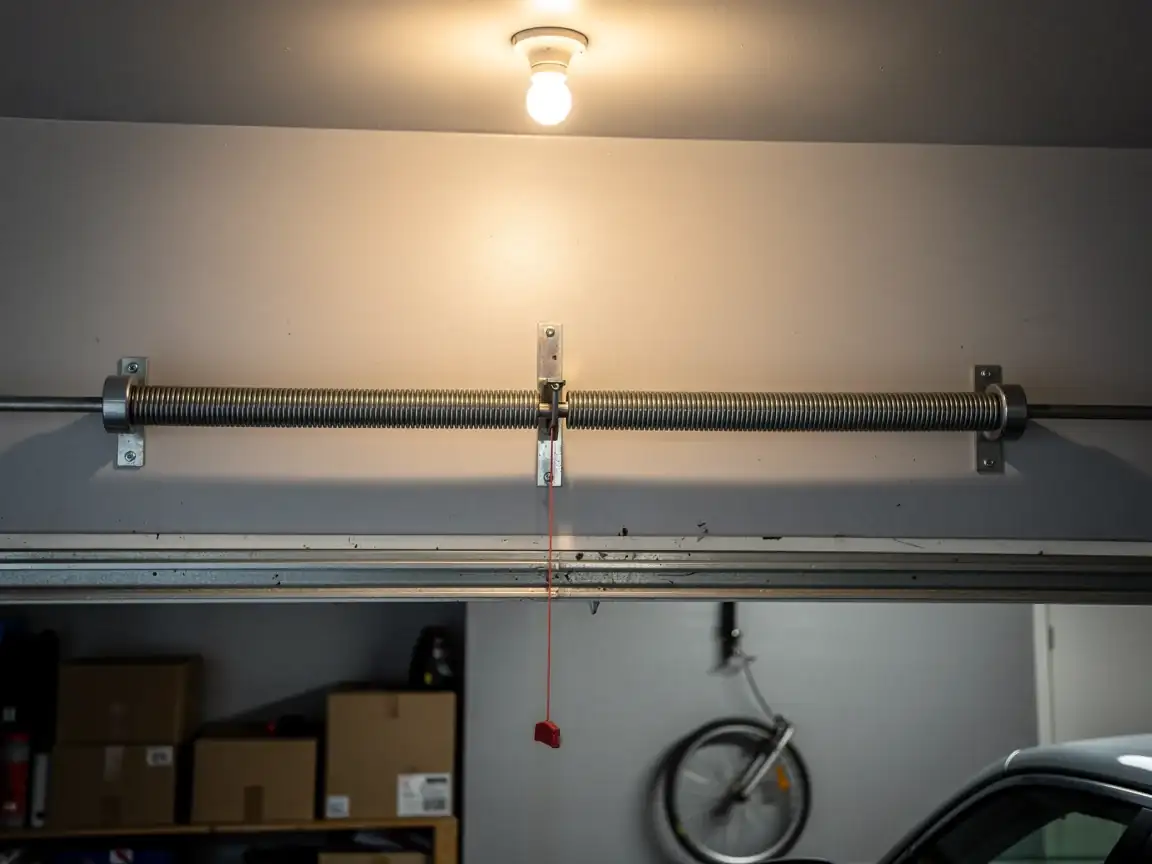
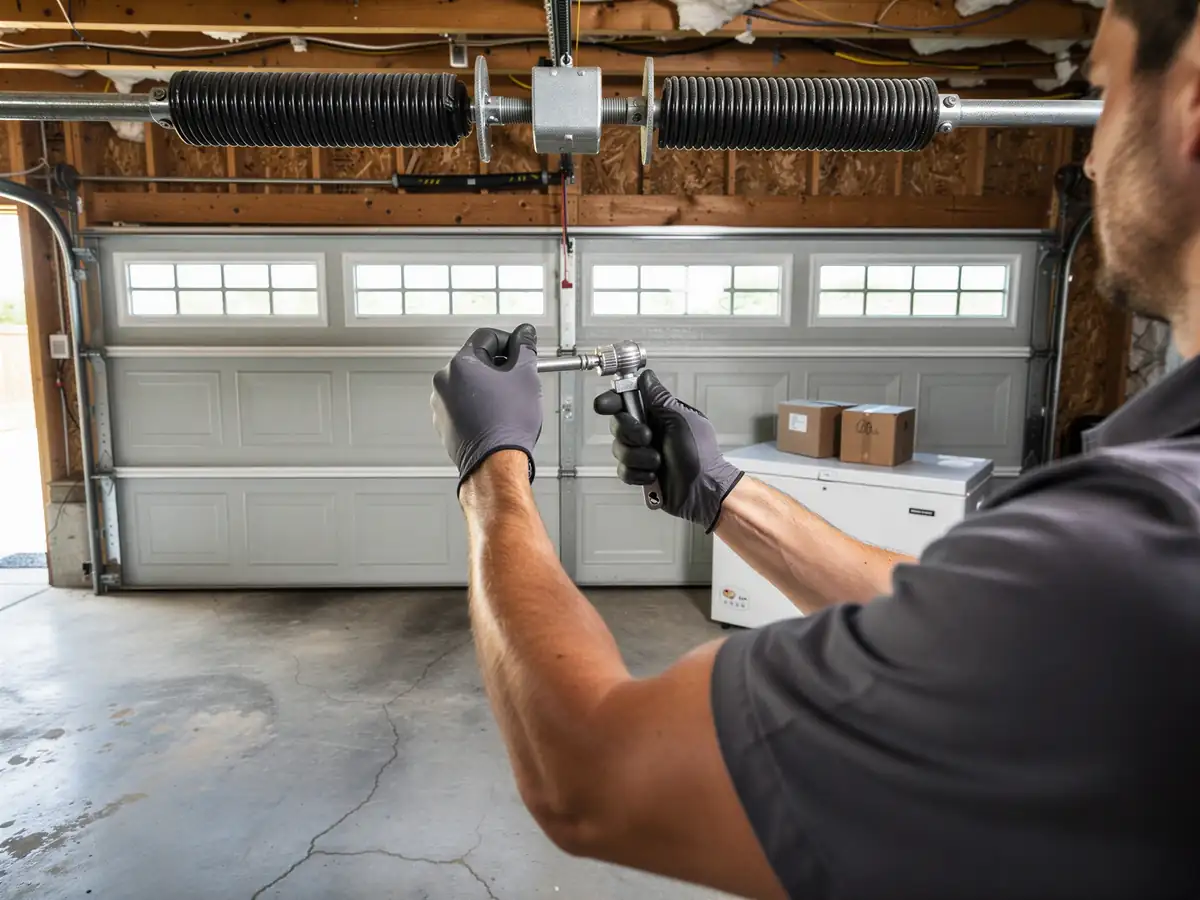
A garage door spring under tension can take a finger off or worse, and on a house built in the last fifteen years the hardware is usually new enough that the spring is still rated at full strength - meaning more stored force, not less. That's not a job to learn on your own door.
What you can reasonably do yourself: clear the photo-eye sensors if they're dirty or knocked crooked, tighten loose hardware on the track brackets, and lubricate rollers and hinges with the right garage door lubricant - not WD-40, which washes grease out rather than adding it. If the door won't close and the sensors are clean and aligned, that's usually a wiring or opener issue, not something to force past with the manual override.
If you're not sure whether what you're looking at is a spring, a cable, or an opener fault, that uncertainty is itself the signal to call rather than guess.
Time on the Job
Most Josephine calls are a single repair
Spring, opener, or a bent section of track - and that's typically a same-visit fix once the truck is on site. The 6-mile run from Royse City doesn't add much to the clock once we're there; the variable is almost always parts.
A stock torsion spring or standard opener part, we usually carry
A less common opener model, a particular panel color match, or a specialty track width can mean a short wait while that part comes in. On the newer stock common in this area, we see more of the second category - factory options and opener models vary more on 2000s-and-later builds than on older, simpler systems. That's one honest tradeoff of a newer door: more features, more specific parts.
What Can Go Wrong
On houses built from the 2000s on, the failure that shows up most is spring fatigue - the torsion spring that's been doing its job for ten-plus years finally lets go, usually without much warning beyond a loud bang or a door that suddenly feels twice as heavy. Cables fray next to the spring and can snap under the same stress.
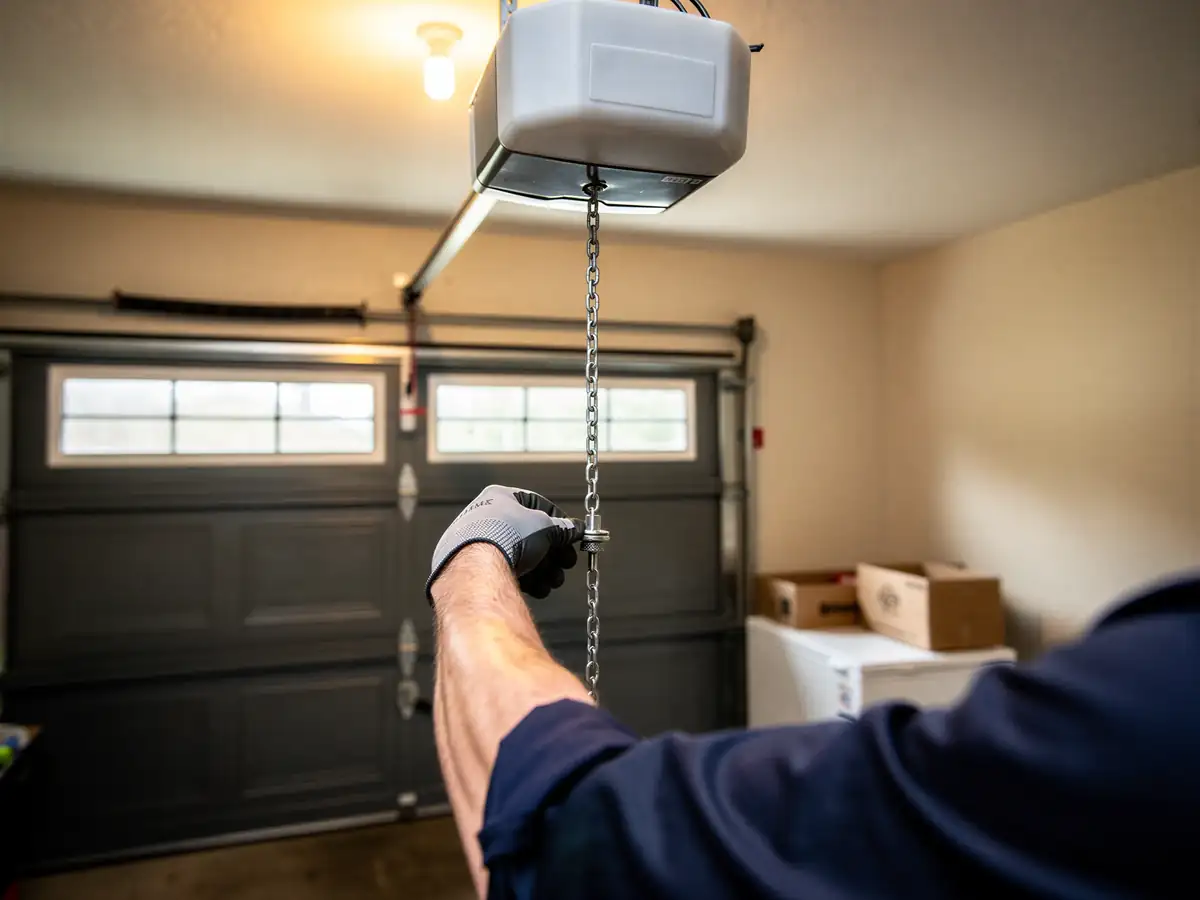
Opener boards are the other common point of failure - a logic board that stops talking to the wall switch or remote, or a worn drive gear on a belt-drive unit. These aren't hardware you can see fail from the floor; you find out when the door won't respond.
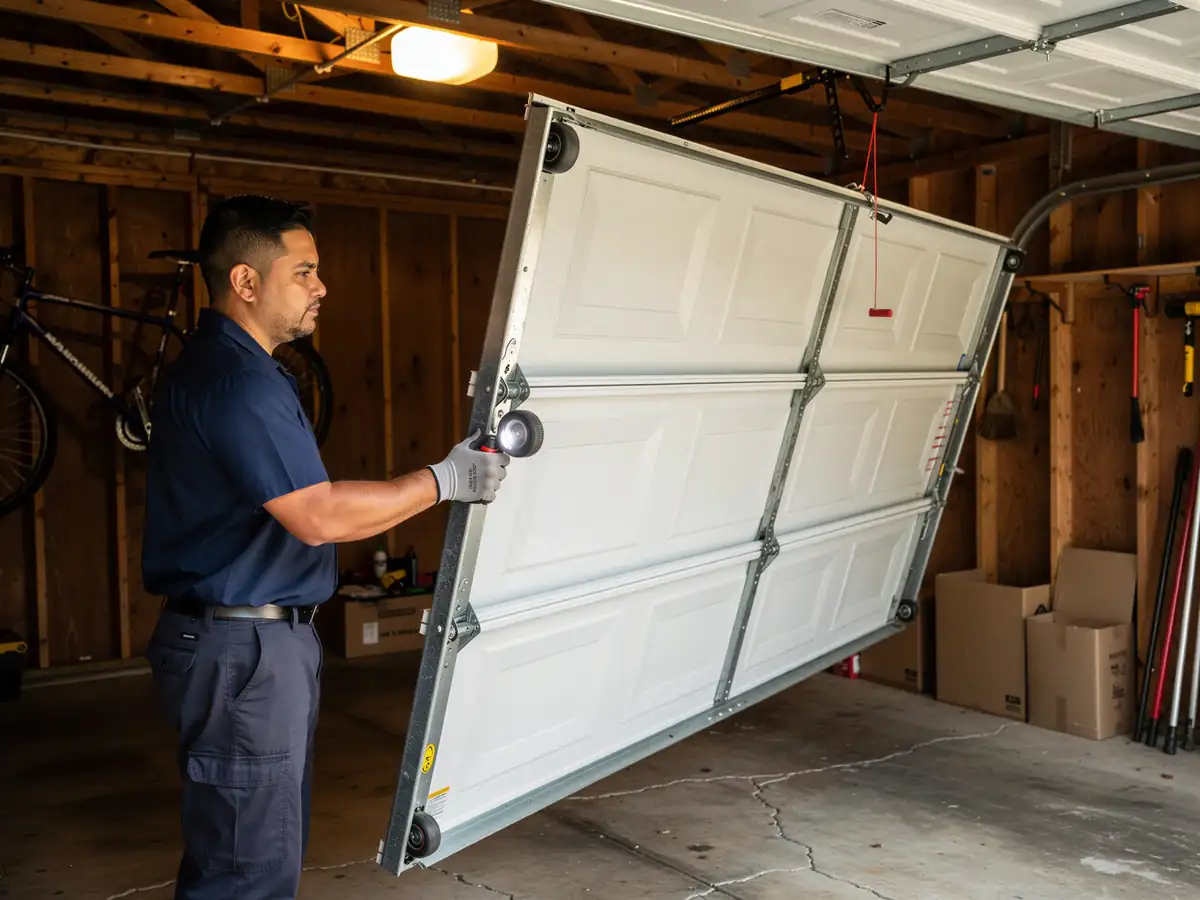
Less often, we see a bent track from a car bumping it, or rollers that have worn their bearings out after years of daily cycling. None of this is specific to a bad house - it's what happens to any door that's been opening and closing a few times a day since the early-to-mid 2000s, which describes most of what's standing in Josephine.
What It Costs
I don't have exact pricing to post here - it depends on the part and the door - but a straightforward spring or opener repair on a standard residential door is usually the bulk of the calls out this way, and it costs less than most homeowners expect once they see the invoice. A full door replacement is a different conversation and only makes sense if the door itself, not just the hardware, is failing.
Given that most homes in this area are newer, replacement is less often the right call than it would be in an older part of the county - the door panels themselves usually still have life in them even after the spring or opener has worn out. We'll tell you straight if a repair isn't worth it against a replacement; that call depends on the specific door in front of us, not a rule of thumb.