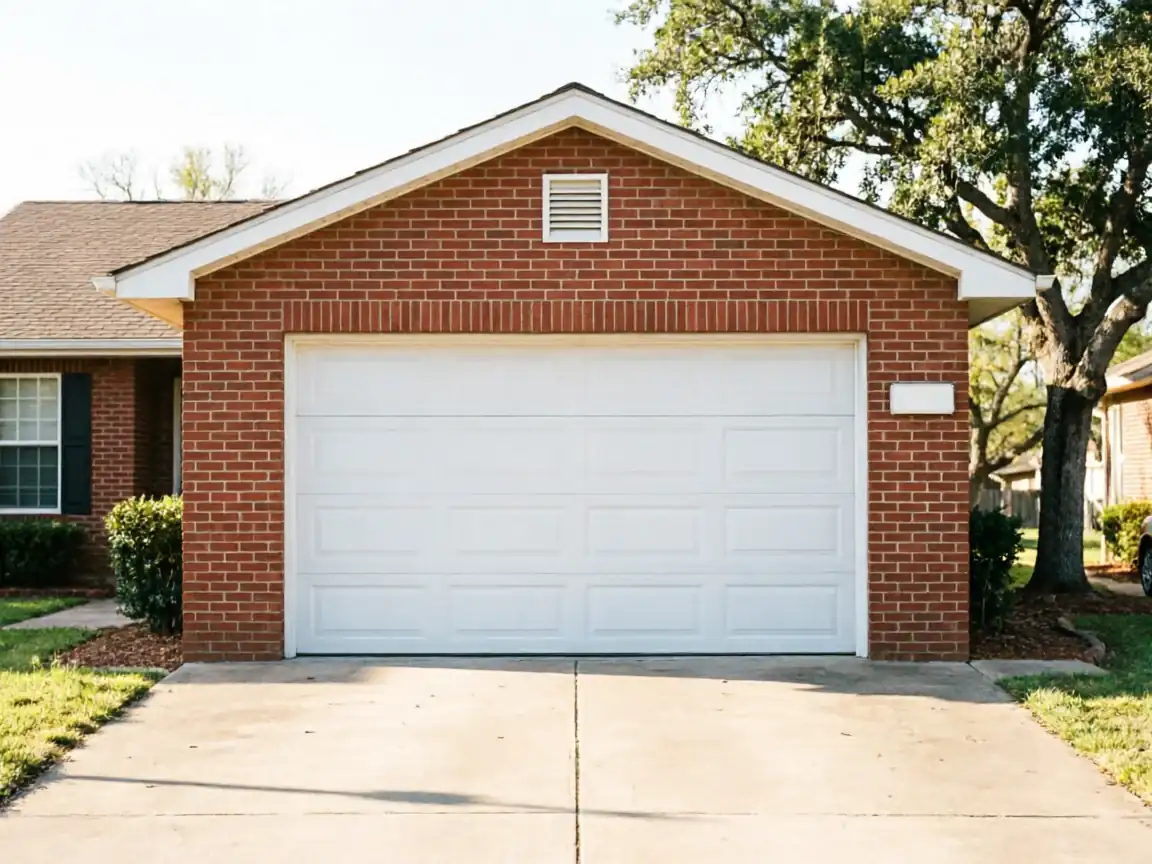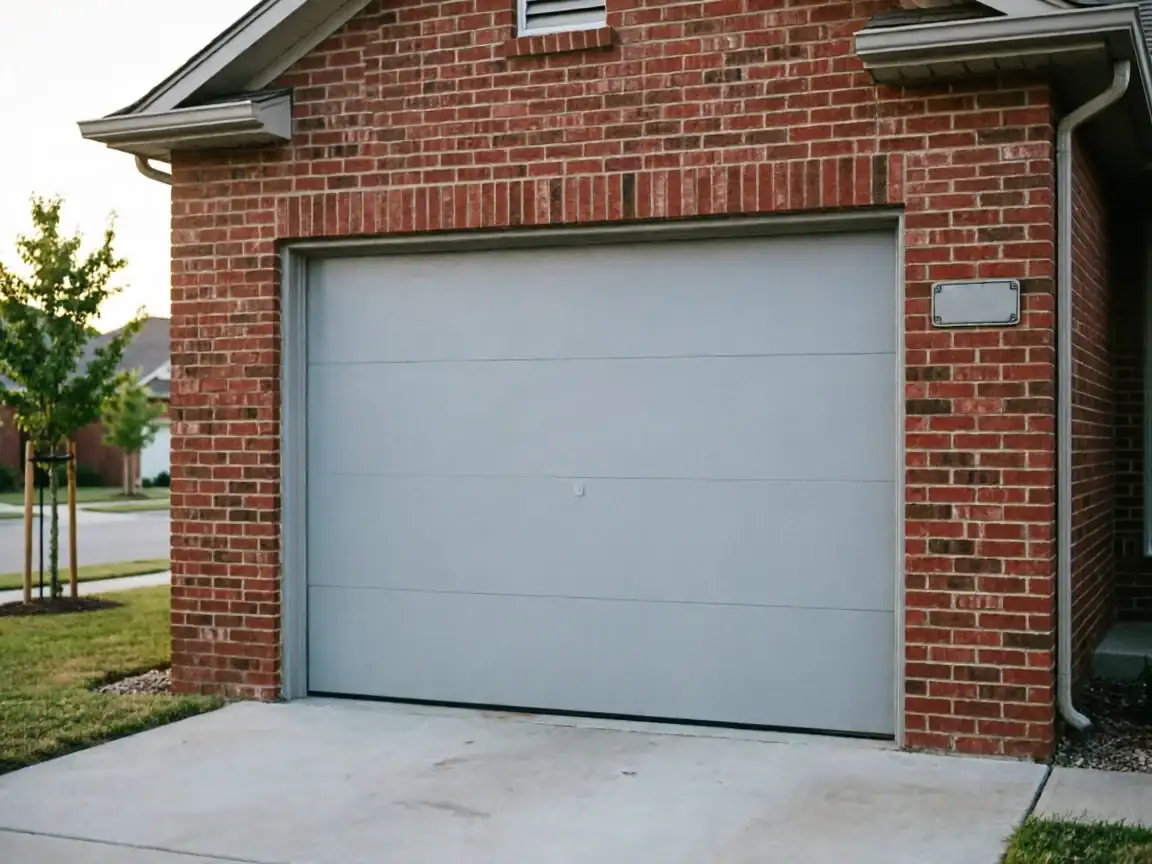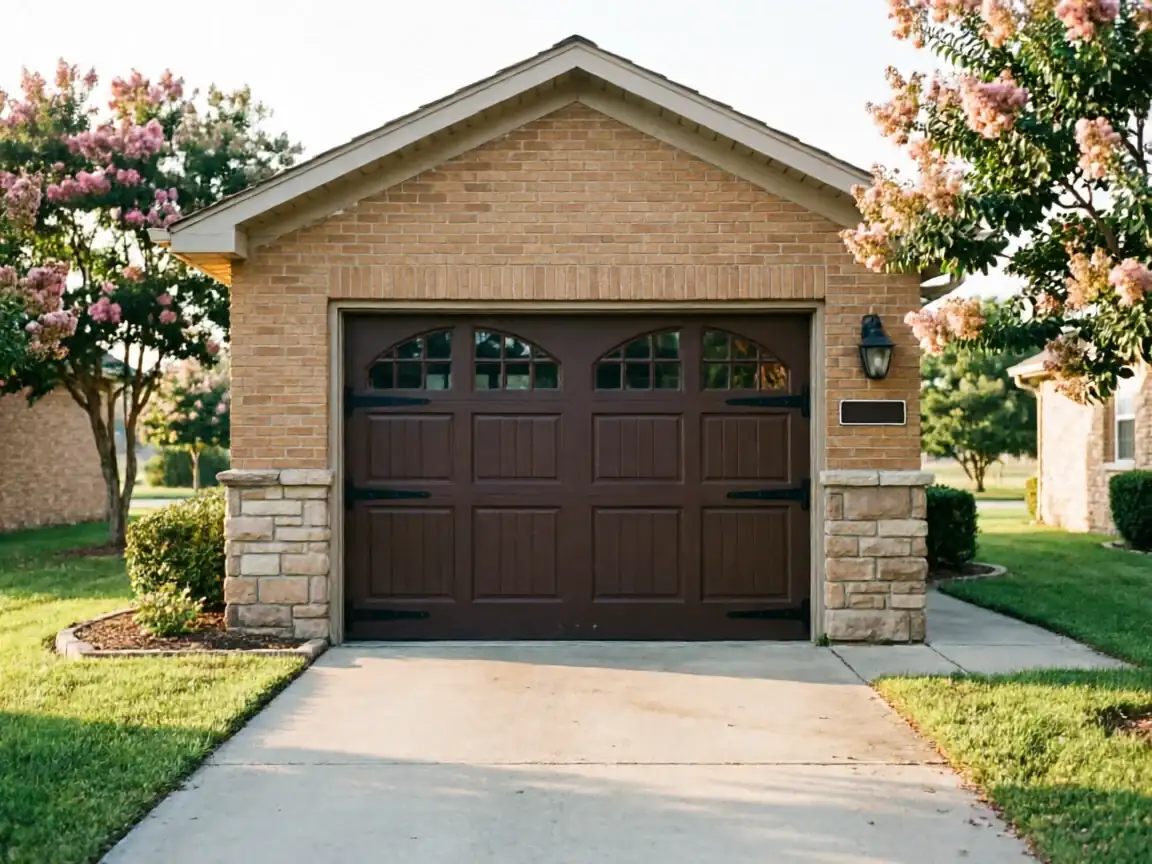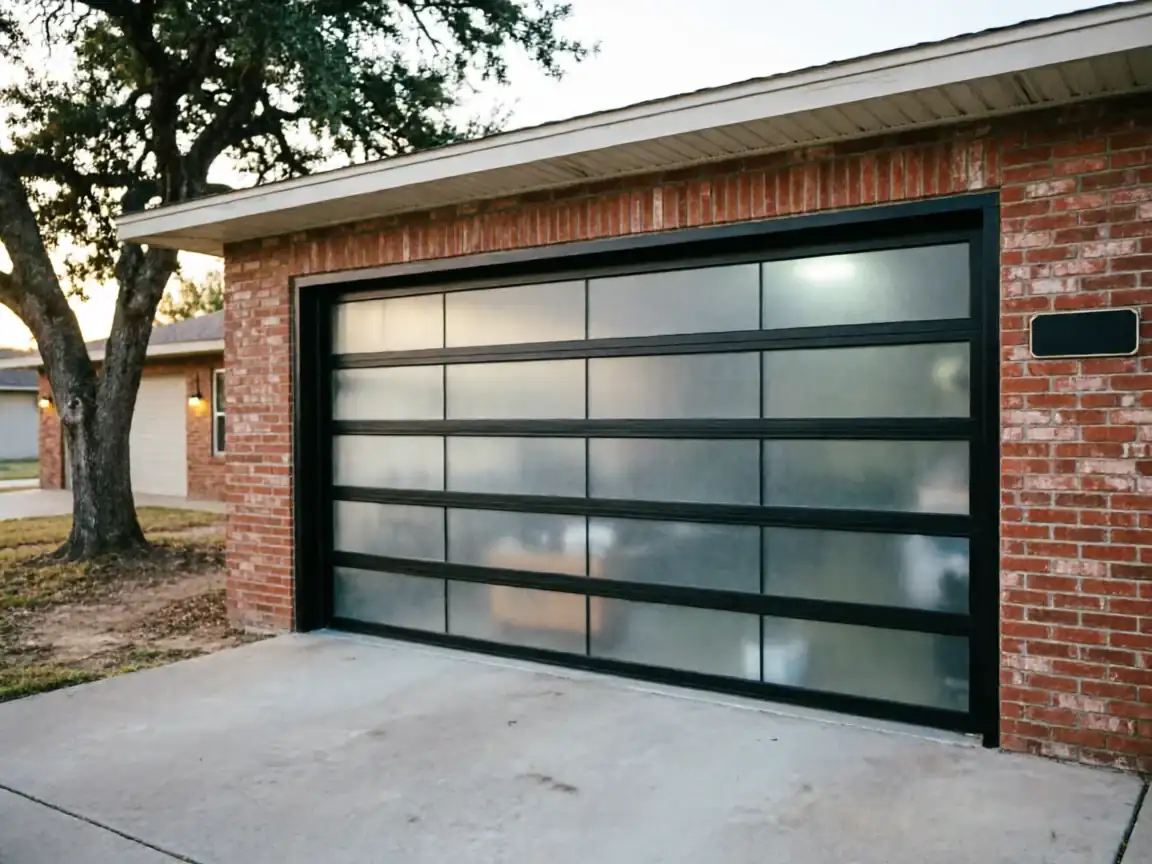
What the Fix Involves
Josephine's median household income sits at $99,063, which matters more than people think when a spring snaps or an opener dies. At that income level, a lot of households can absorb a $300-600 repair without blinking, but a $2,000 full door replacement is a real decision, not an impulse buy. That's the math we work from before we even open the truck.
Most houses out here were built around 2012, with the broader area's housing stock running 1971 to 2012. That means Josephine skews newer than a lot of the towns we cover from Royse City. Newer construction usually means steel rollers instead of the old nylon ones, factory-balanced torsion springs rated for a known cycle count, and openers with circuit boards instead of mechanical relays. The fix on a 2012-built door is almost always a targeted swap: the broken spring, the burnt motor, the bent track section. Full tear-outs are rare at this age.
We travel in from Royse City, about 6 miles away, so we're not carrying a Josephine-specific parts inventory - we bring what a standard torsion-spring, roller, and opener call needs and go from there.
The DIY Question
A door built in 2012 is young enough that most of its parts are still common sizes - no obsolete one-piece hardware to chase down. That makes some repairs genuinely doable if you've got the tools and patience: swapping a photo-eye sensor, replacing a snapped cable, tightening loose hinges.
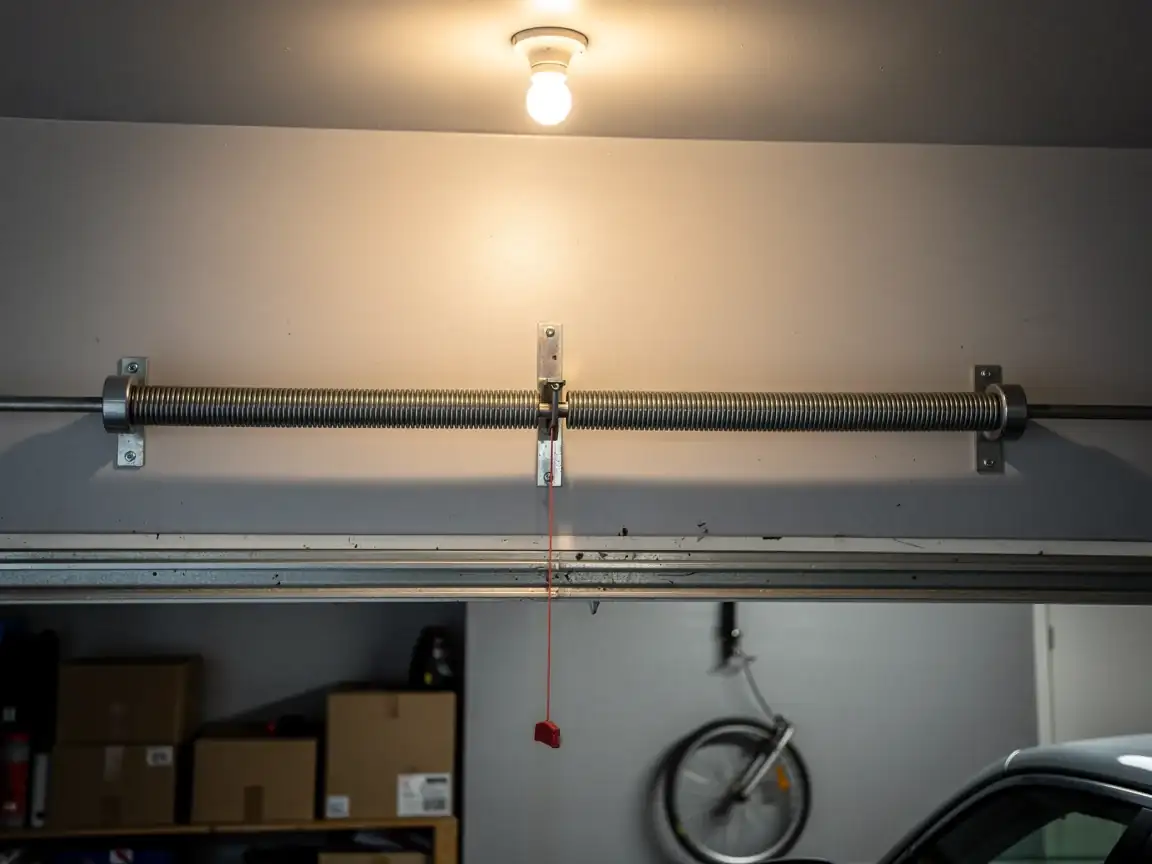
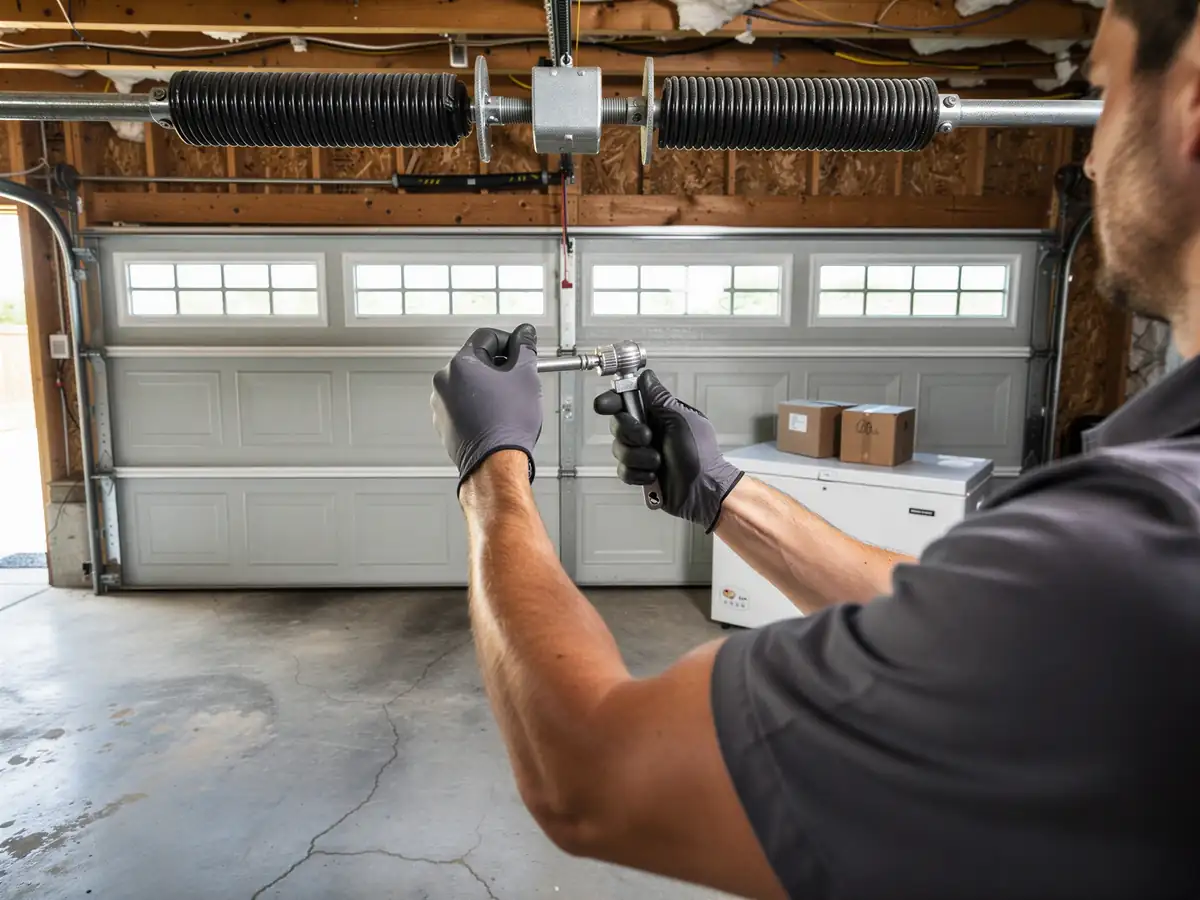
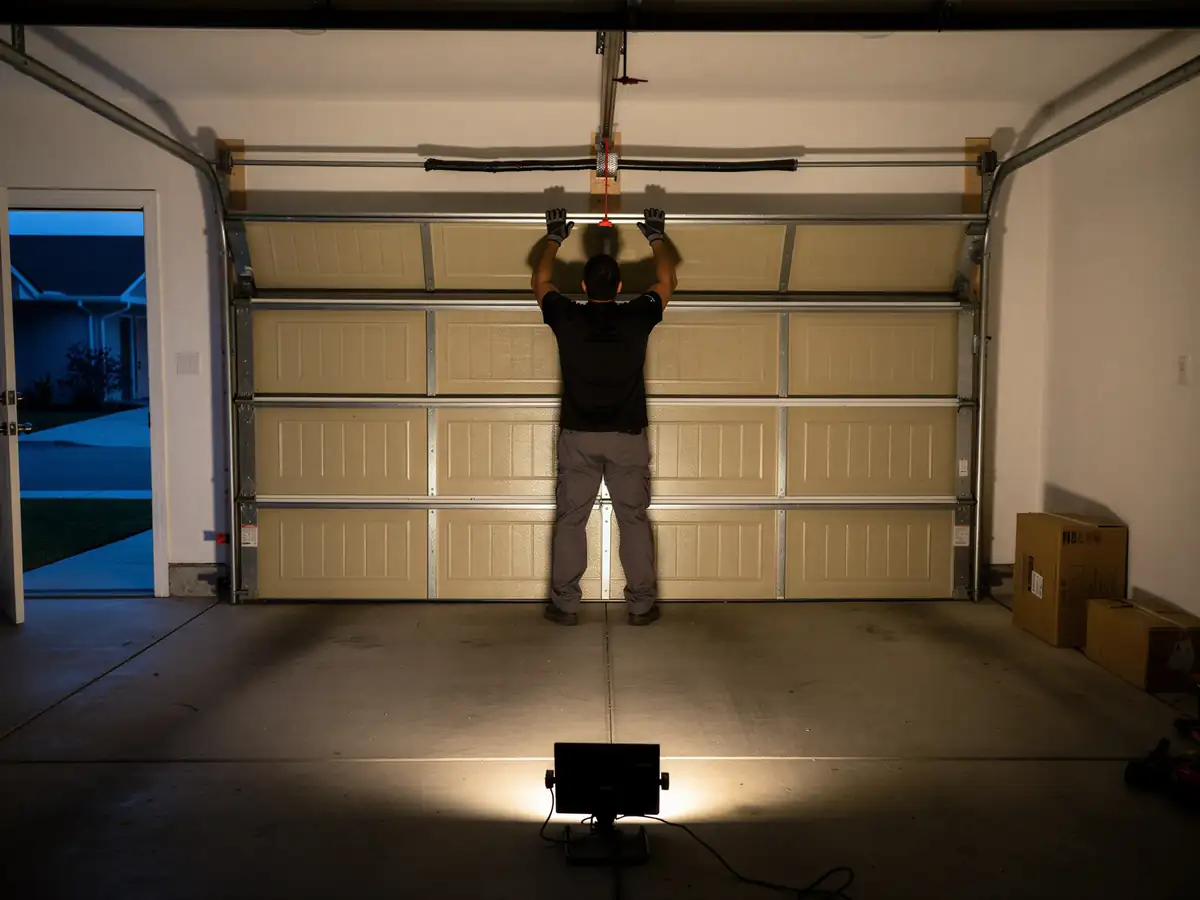
What it doesn't make safe is the torsion spring itself. Those springs hold enough stored tension to break a wrist or worse, and the newer high-cycle springs common in 2000s-and-later construction are wound tighter than the old ones, not looser. If your opener is under 10 years old and just needs a logic board or a remote re-pair, that's a reasonable weekend project. If a spring has let go, or the door won't balance when you disconnect the opener and lift it by hand, that's not a DIY call - that's a torque-under-load problem.
Time on the Job
Most single-door jobs on Josephine's newer housing stock run under two hours once we're on site
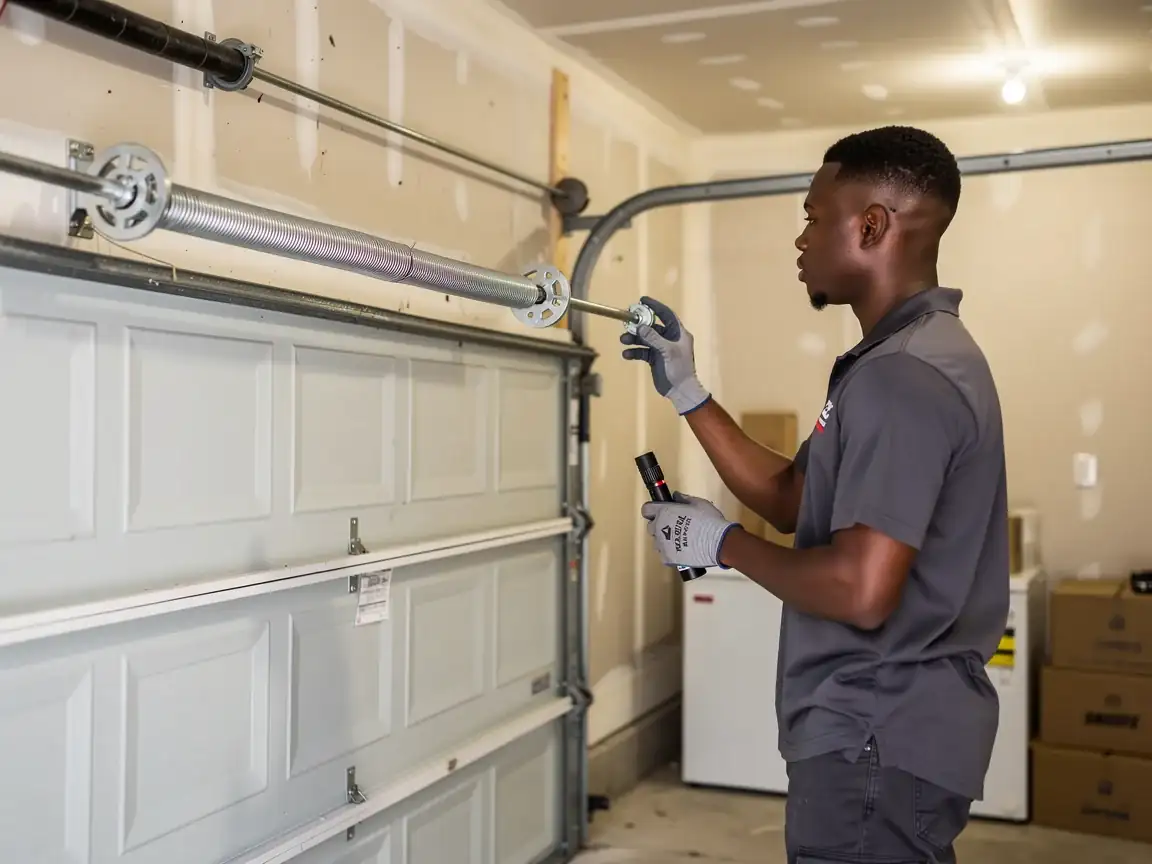
The hardware is standard, the tracks are square, and there's no rust or warping from decades of weather to fight through. A torsion spring replacement on a 2012-era door is usually the fastest call we make, because the drums, cable drums, and bearing plates are all still factory spec and nothing needs to be re-engineered to fit.
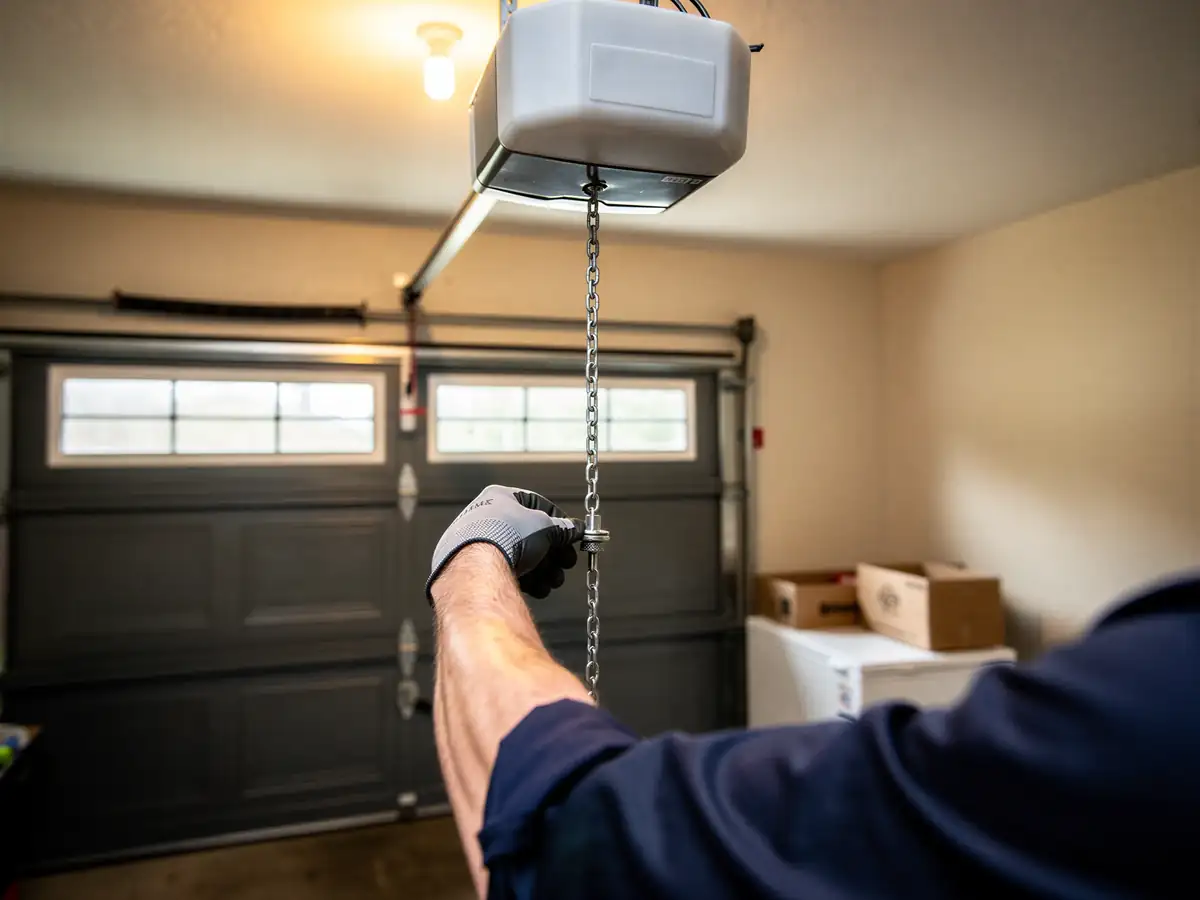
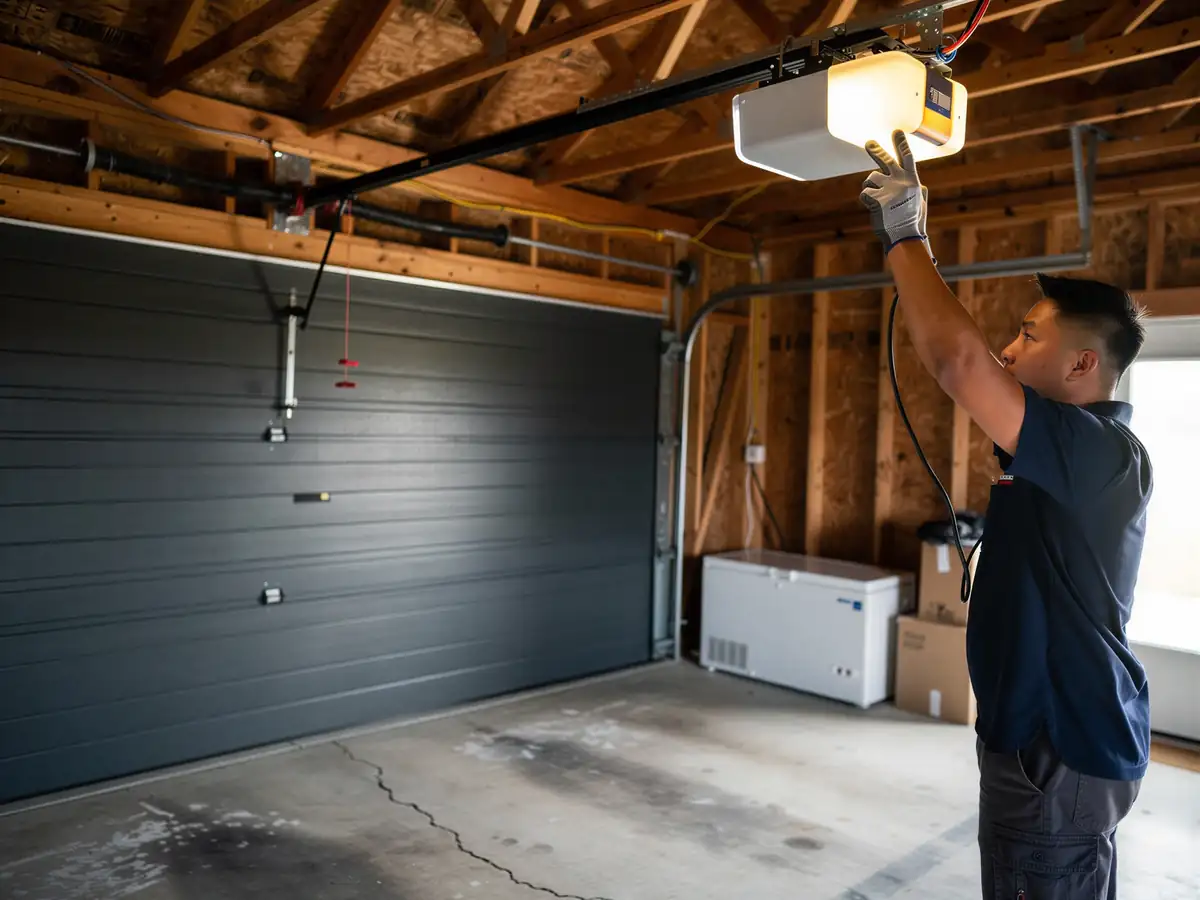
Opener repairs or replacements take a bit longer if we're matching a specific drive system or reprogramming multiple remotes and keypads for a household
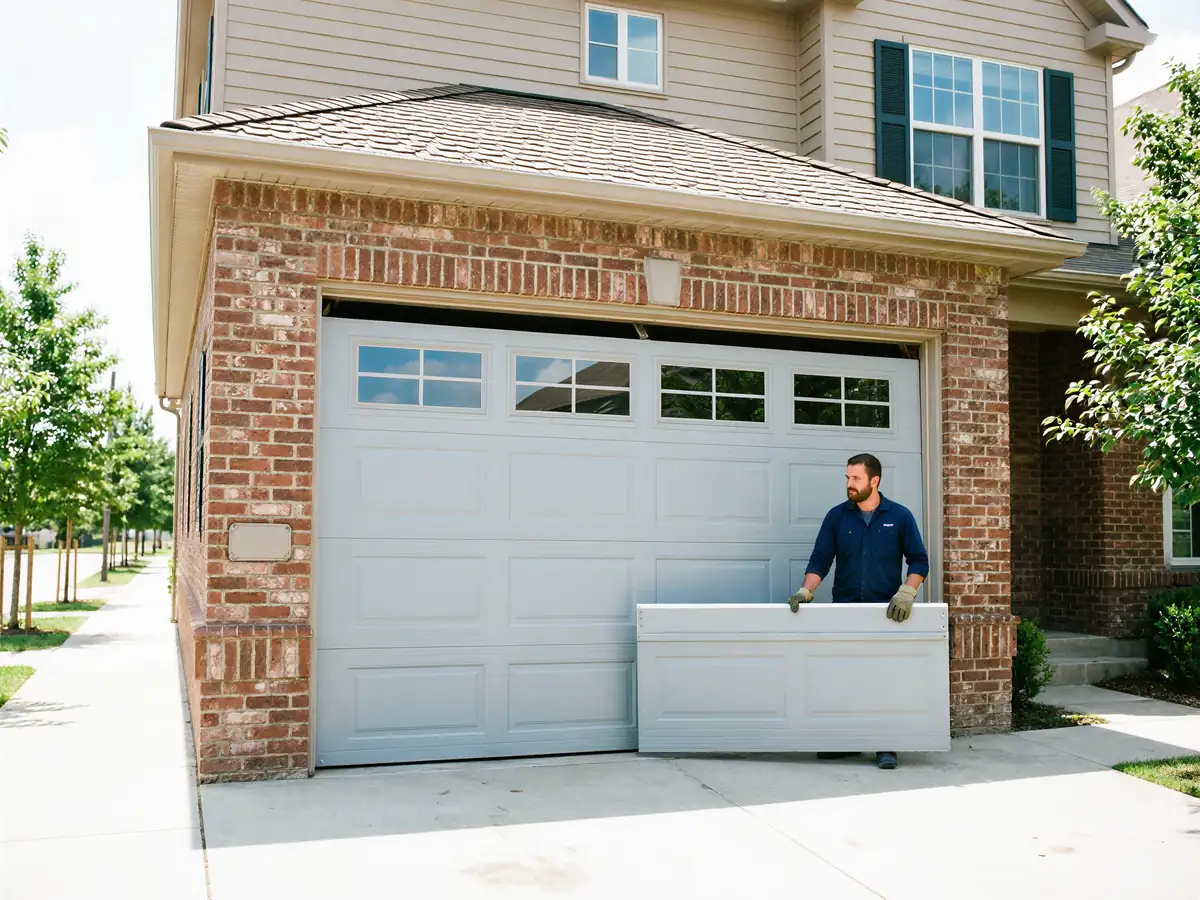
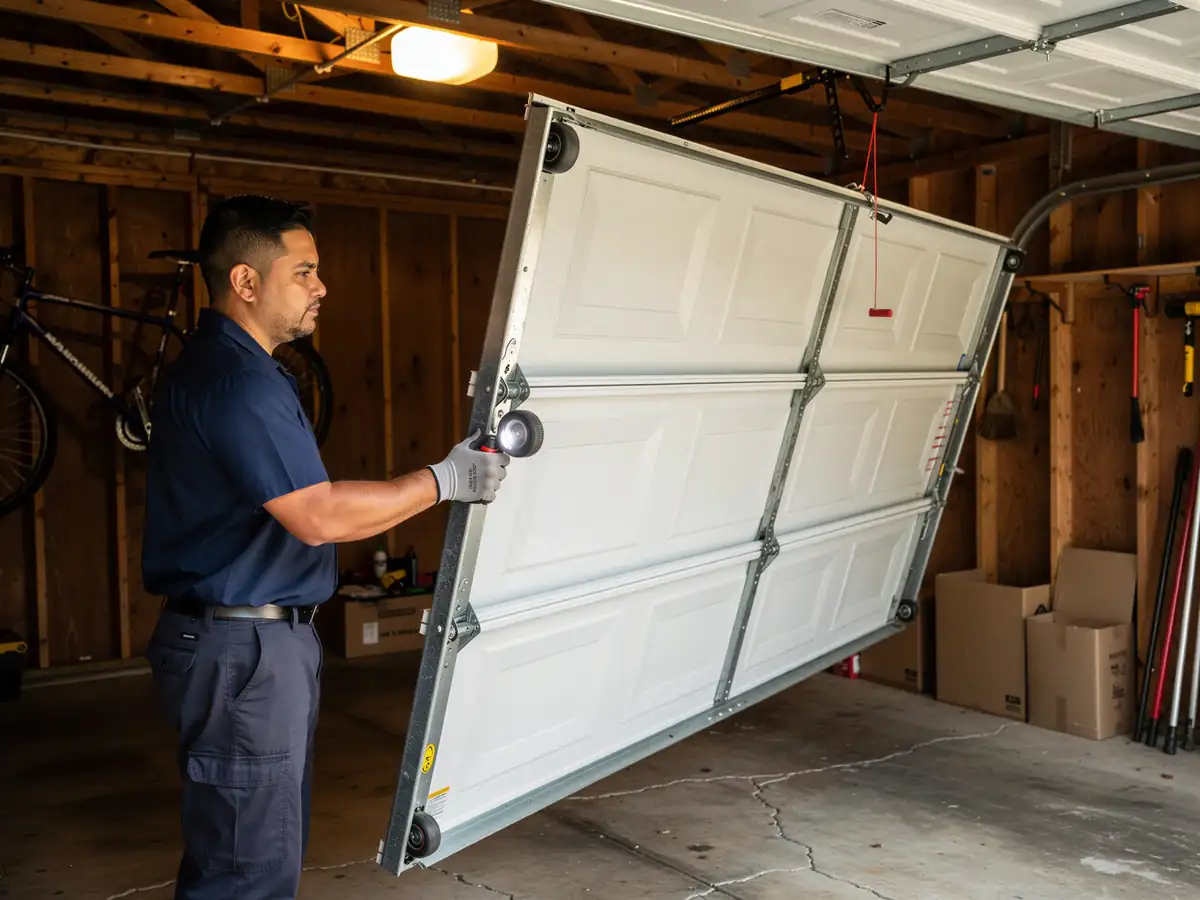
Panel damage - a dent from a backed-into car, for instance - takes the longest, since matching an exact panel color and style sometimes means a short wait on a part rather than a same-visit fix. That's the one honest limitation here: we can diagnose and often repair same-visit, but a cosmetic panel match isn't always something we carry on the truck.
What Can Go Wrong
Because Josephine's homes are mostly post-2000 construction, the failure patterns we see are different from older towns in the area. It's less about rusted-out tracks and brittle 1980s springs, and more about opener electronics aging out, photo-eye sensors drifting out of alignment after years of lawn equipment bumping them, and springs reaching the end of their rated cycle count right around now if the house was built in the early 2010s and the door's seen daily use for over a decade.
With only 1,437 households in Josephine, there's not a huge volume of these calls at any one time, which is part of why we run this area from Royse City rather than staffing it separately. The other thing worth flagging: a door that's gone out of square after a hard impact can look like a track problem when it's actually a frame problem, and forcing the opener to keep cycling against a misaligned door is what turns a $150 fix into a $600 one.
What It Costs
At a median income of $99,063, we find most Josephine homeowners fall into a middle ground: they'll pay for a proper spring or cable repair on a door that's otherwise sound, but they're not interested in replacing a 10-year-old door just because one part failed. That's usually the right call here, since the housing stock is young enough that most doors still have a lot of useful life left once the broken part is fixed.
Where replacement starts to make more sense is if the opener and the springs are both failing around the same time, which does happen when a house crosses the decade-plus mark - at that point you're paying for two separate repairs instead of one upgrade. We don't have a published price list to quote here since every job depends on the parts needed, but we'll give you a number before we start, not after.