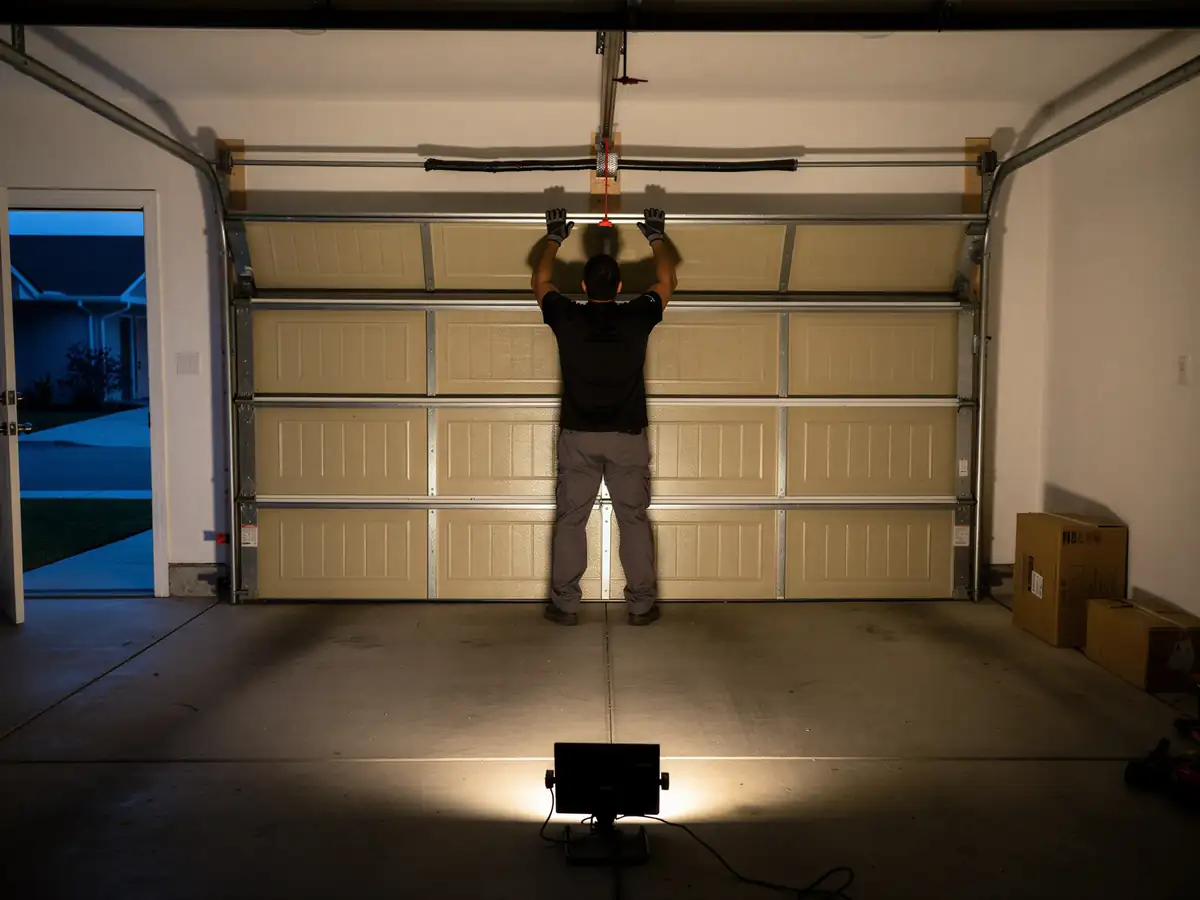
What the Fix Involves
The call we get out of Josephine usually isn't a seized-up spring on a door that's been there since the Carter administration. It's a logic board or a safety sensor on an opener that's maybe ten to fifteen years old, because most of the housing here went up around 2012 - newer than the broader service area, where the typical build year runs closer to 2000. New construction doors came with new construction openers: chain or belt drive units installed by the builder's crew, often the lowest-cost model that met code at the time.
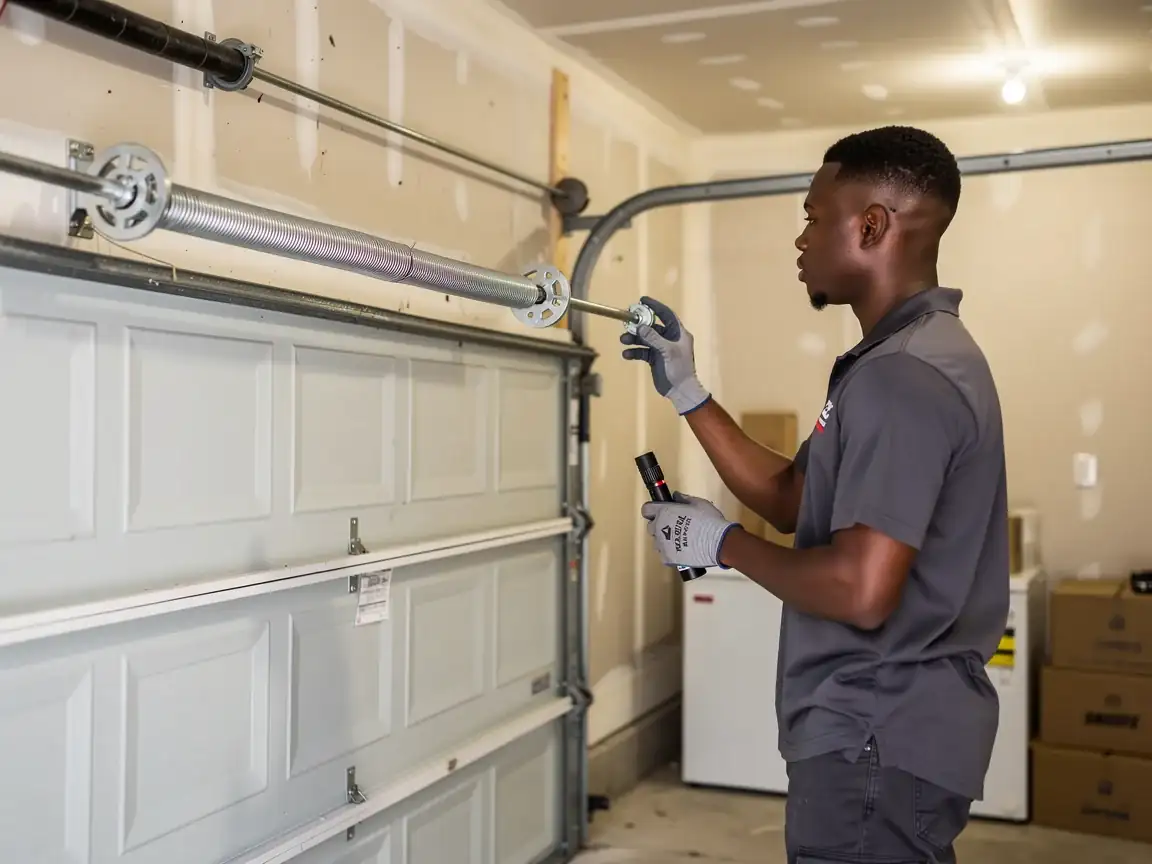
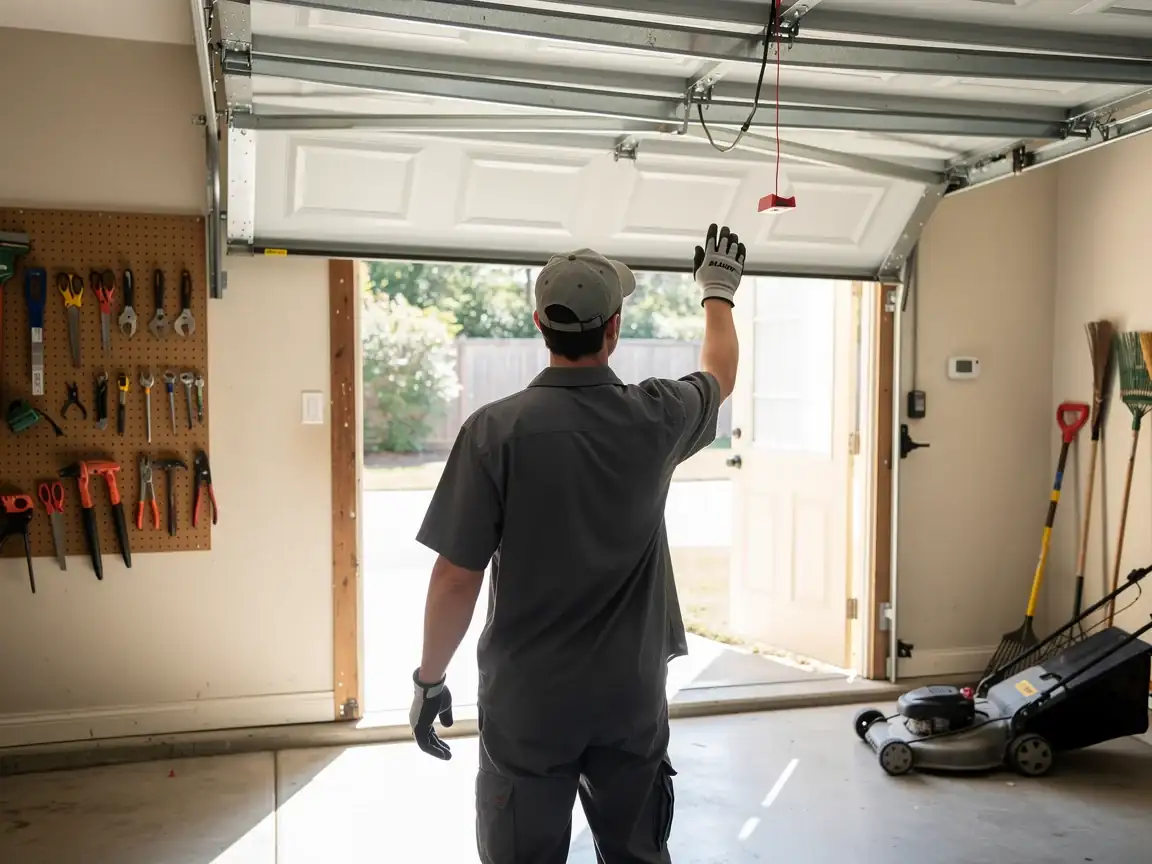
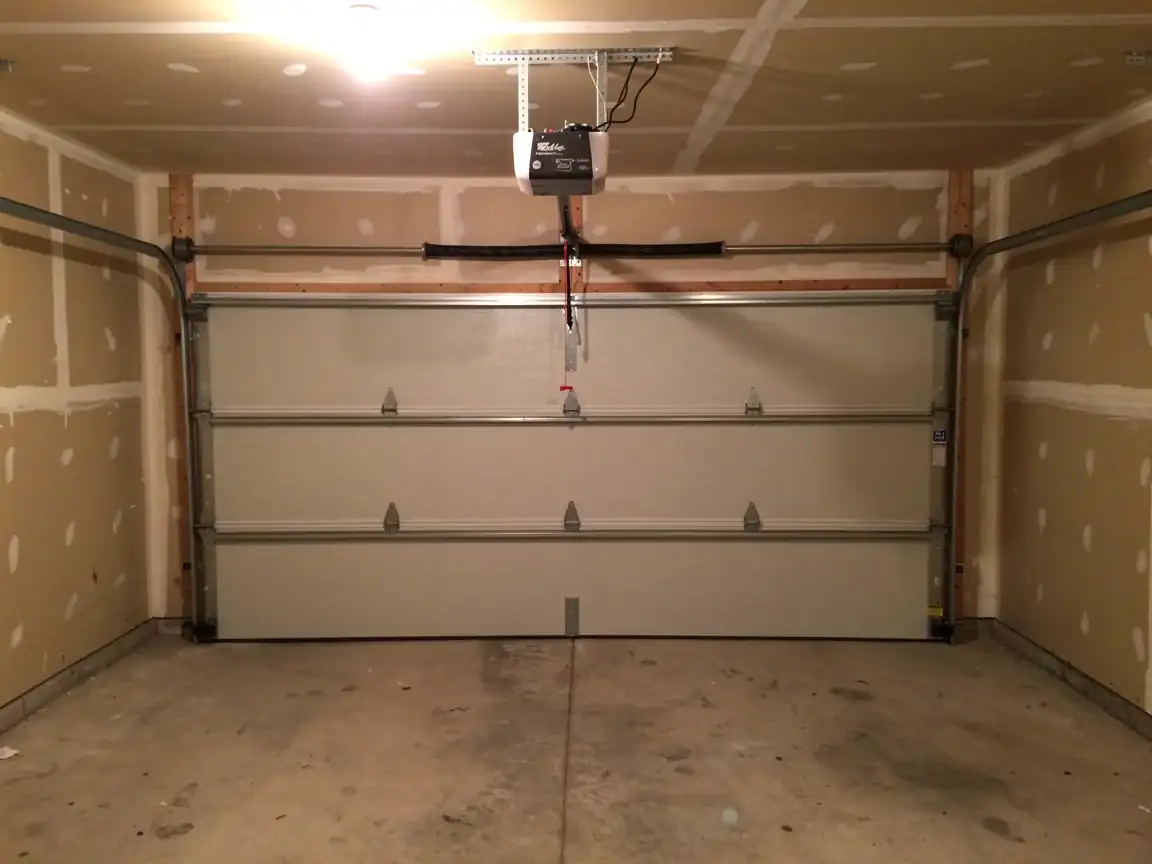
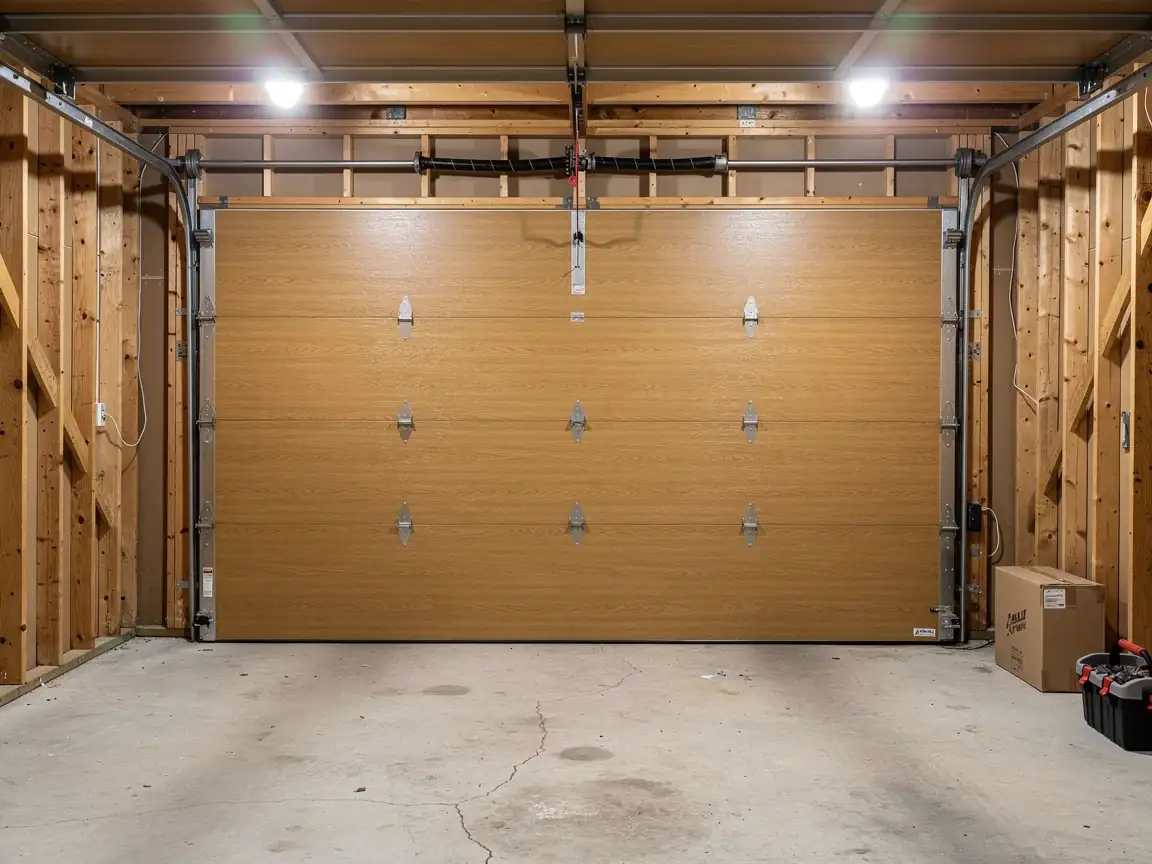
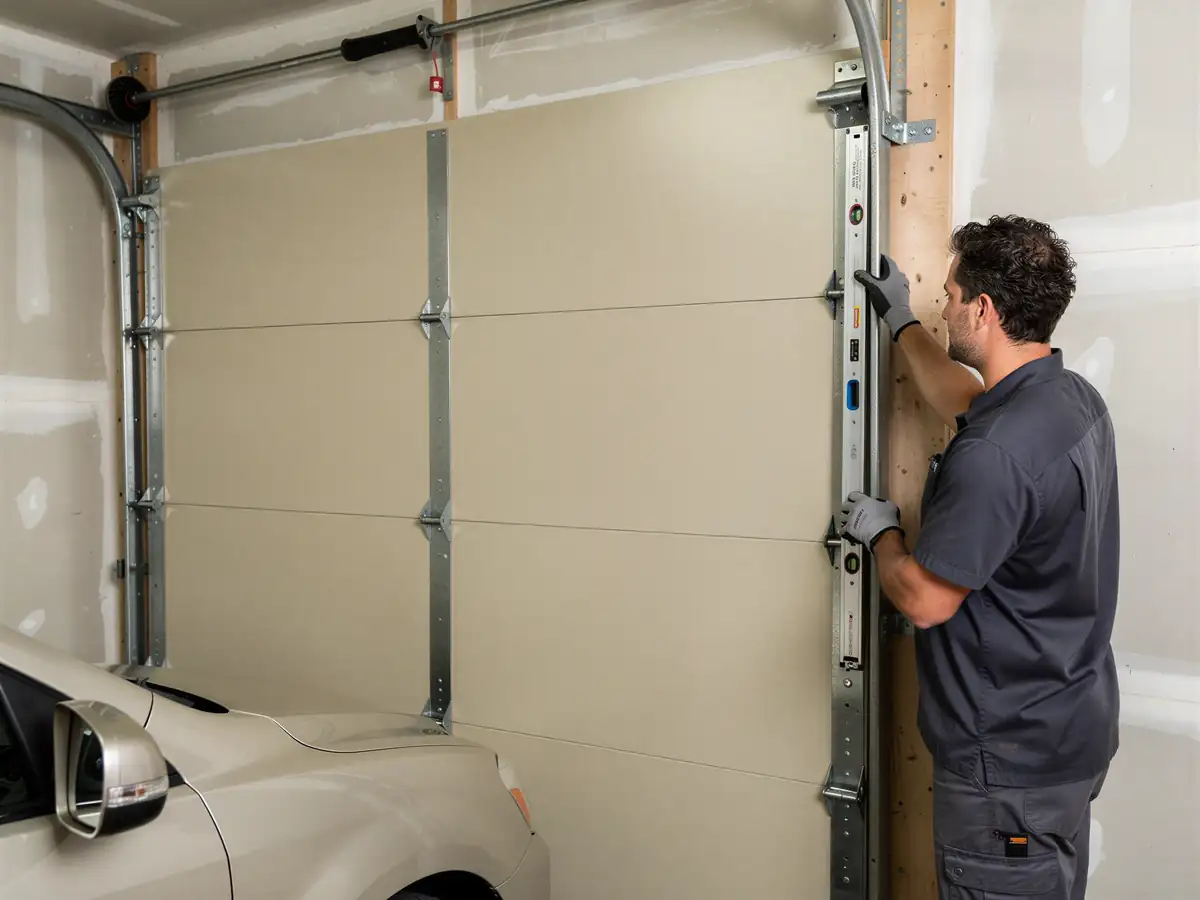
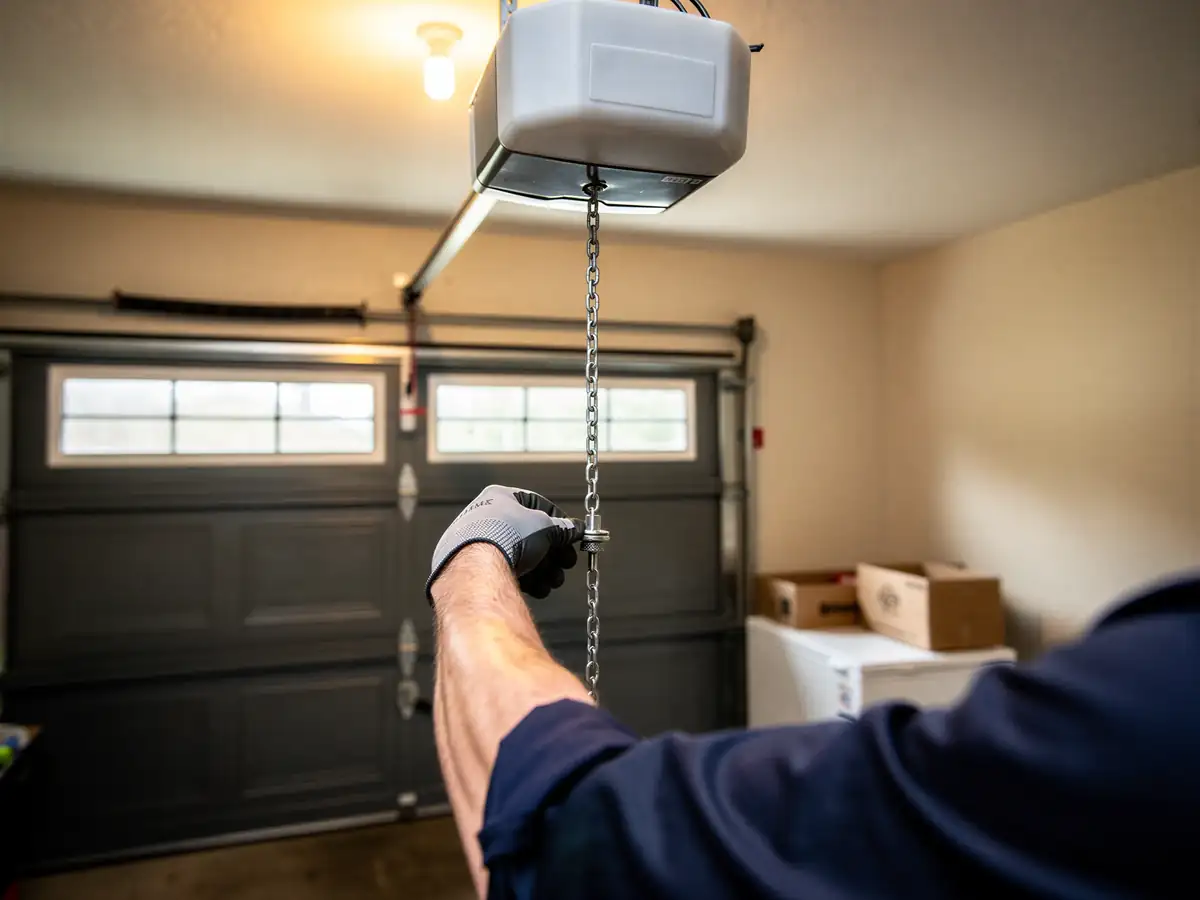
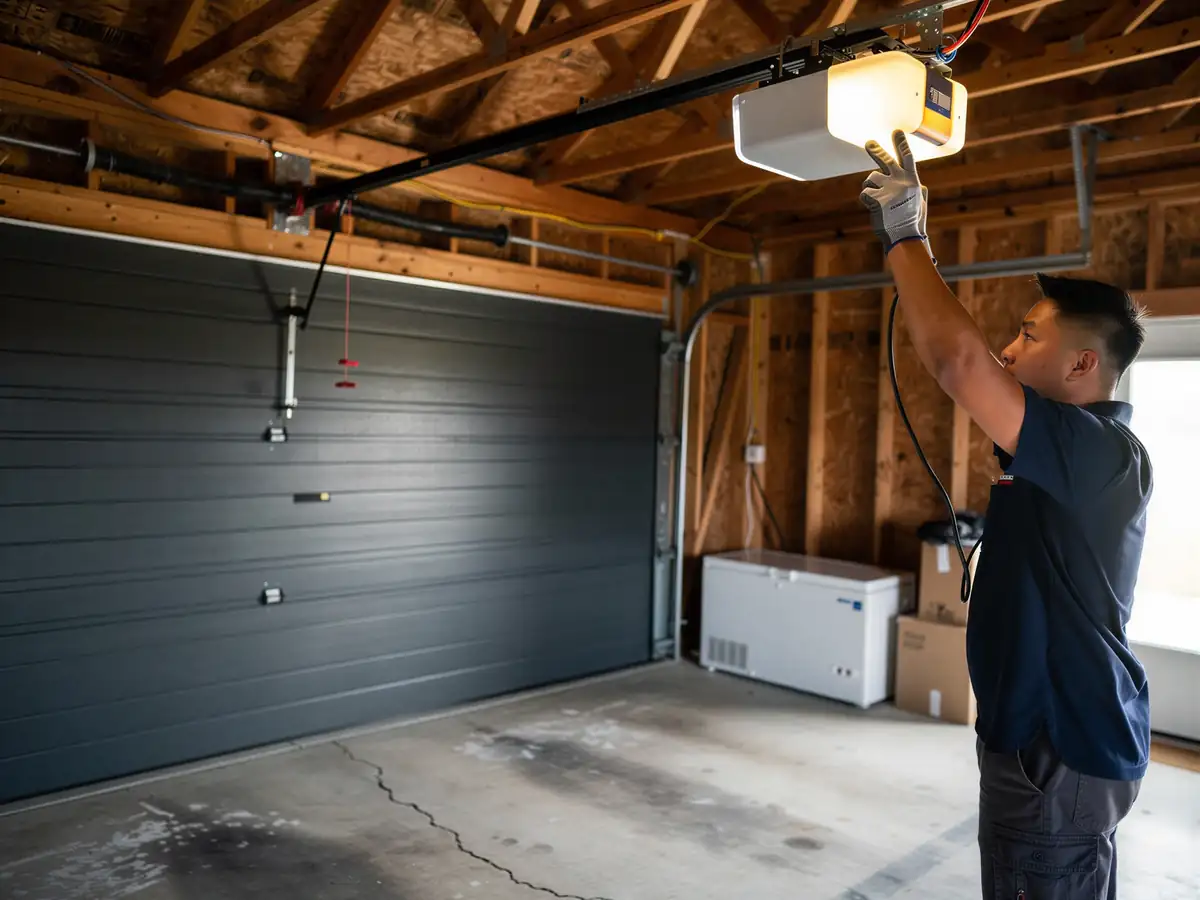
What that means for a repair call: we're less likely to be cutting out a rusted torsion spring and more likely to be chasing a flickering wall console, a sensor knocked out of alignment during a move-in or a landscaping job, or a circuit board that's finally aged out. The fix usually involves testing the opener's logic board, checking the safety sensor eyes for alignment, and inspecting the spring and cable for wear consistent with a decade-plus of daily cycles rather than decades of rust. We bring parts that fit 2000s-and-later production builder hardware, since that's what's actually on these garages.
The DIY Question
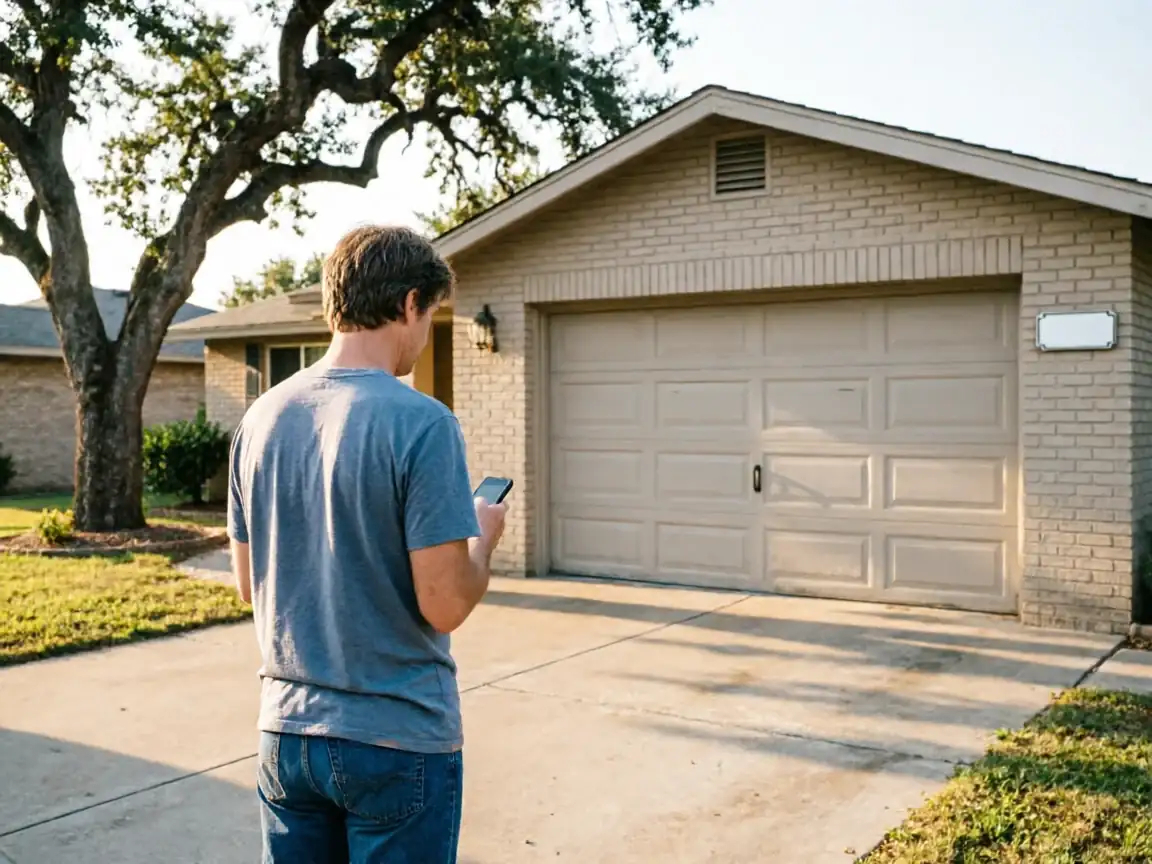
If your door won't close and the sensor lights are blinking, that's often a five-minute fix - wipe the lenses, check for a box or a bike blocking the beam, realign the brackets. Plenty of Josephine homeowners can do that themselves before calling anyone.
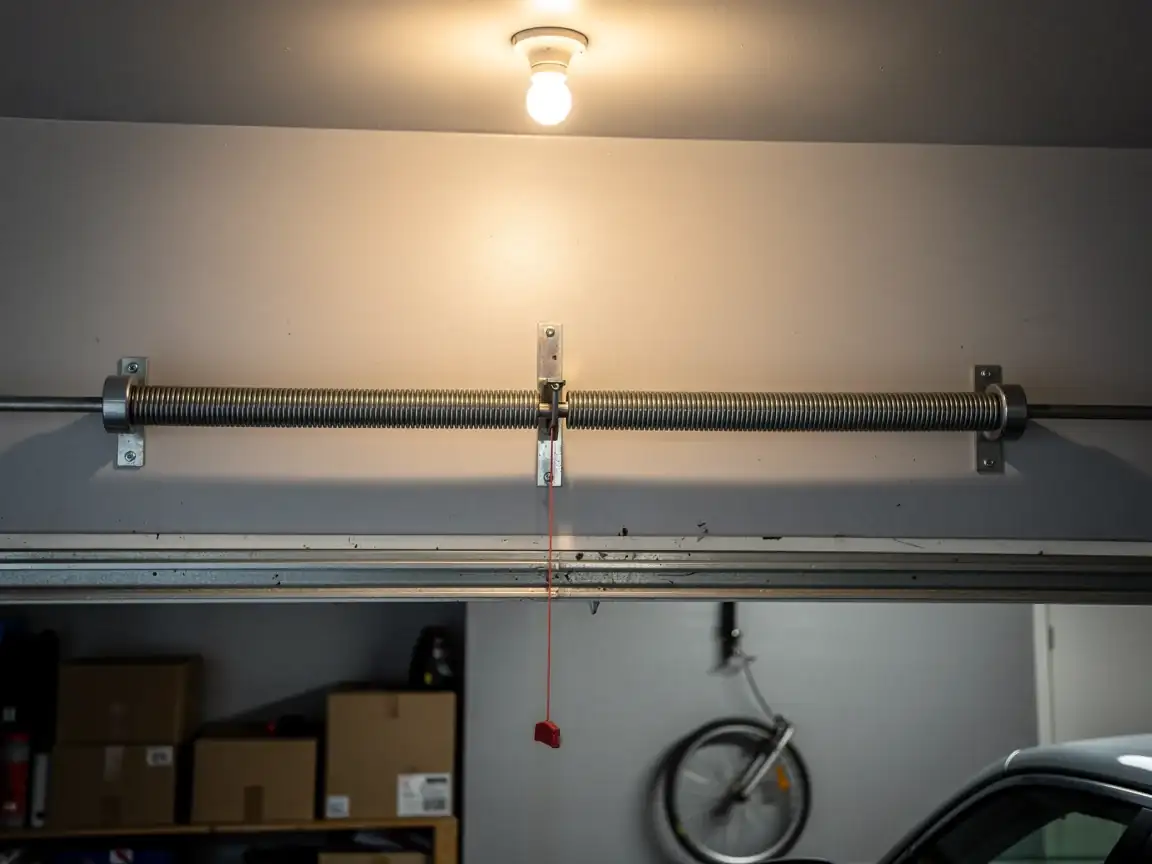
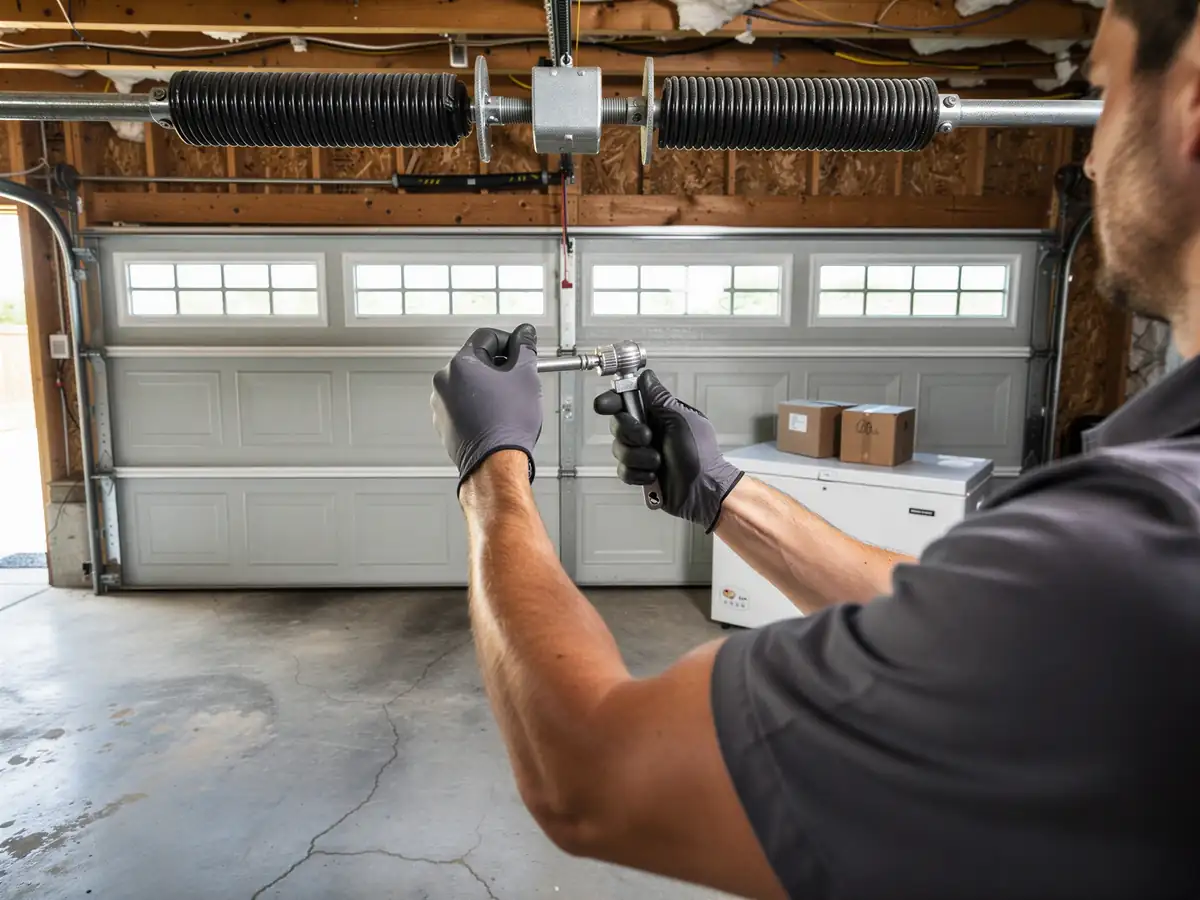
Where it stops being a DIY job is the opener's circuit board or the torsion spring above the door. A spring under tension can take a finger off if it lets go while you're working on it, and a bad logic board isn't something you diagnose by guessing - swapping parts at random on a ten-year-old opener usually costs more than just having someone test it properly the first time. If the door is a 2012-era build and the opener has never been serviced, that's also worth having a second set of eyes on before it fails at the worst moment, like mid-storm or on your way to work.
Time on the Job
A sensor realignment or a wall console swap is usually a short visit
Fifteen to thirty minutes once we're on-site. A logic board replacement or a full opener swap takes longer, closer to an hour, since the old unit has to come down and the new one has to be mounted, wired, and balanced to the track.
We're not based in Josephine
We run out of Royse City, about six miles off - so the time from your call to a truck in your driveway depends on where we are in the day's route. We don't promise a fixed window here because we haven't set one for this stretch of the service area, but once we're on the job, most of these builder-grade opener repairs don't drag out. The parts are common enough that we're not usually waiting on a special order for a 2000s-and-later unit.
What Can Go Wrong
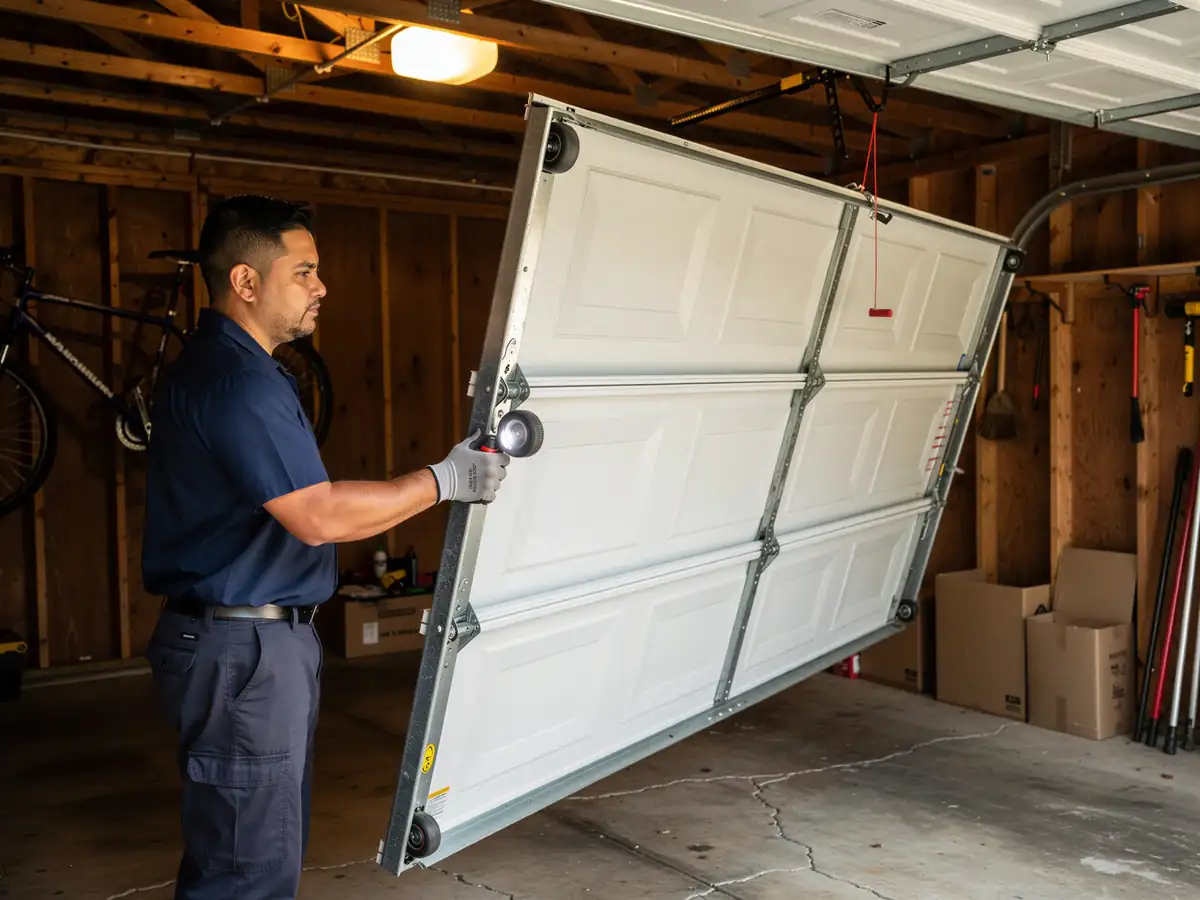
The thing that bites people in newer construction is assuming new means problem-free. A door built in 2012 is pushing past the point where a builder-grade opener's circuit board starts to fail, and a lot of owners don't think about the opener at all until it stops responding to the remote. Rollers on these doors are often the plastic kind that came standard, and they wear out quietly - you don't notice until the door starts grinding or dropping.
Another failure we see: a safety sensor bracket that's bent just enough to still work most of the time, then stops working the one day it's cold or the door's been slammed. That's a cheap fix if caught early and an aggravating late-night call if not. We'll say plainly that if your opener's logic board has already failed once and gets patched, it's often not worth a second patch - at that age, replacing the opener outright is usually the better money.
What It Costs
We don't have a published price list for this page, and we're not going to guess a number for your specific door. What we can say is that a sensor or console repair on a newer opener is a smaller job than a full opener replacement, and both are smaller than a spring and cable job on a double door. Josephine's median household income runs a bit under the wider service area's, which is part of why we'll tell you straight when a repair makes more sense than a replacement rather than defaulting to the bigger ticket. Call and we'll quote the actual job once we know what's wrong.