What the Fix Involves
Heath's median household income sits at $216,160, more than double the $117,428 median across the rest of the territory we cover. That number matters before we even open the panel on your opener, because it changes the math on repair versus replace. In a lot of towns we work, a homeowner wants the cheapest fix that gets the door moving again. In Heath, the calculus is usually different - a full opener swap to a quieter belt-drive unit with modern safety sensors and a rolling-code remote is inside what most households here can absorb without a second thought, so we don't spend much time pitching patch jobs on units that are already near the end of their service life.
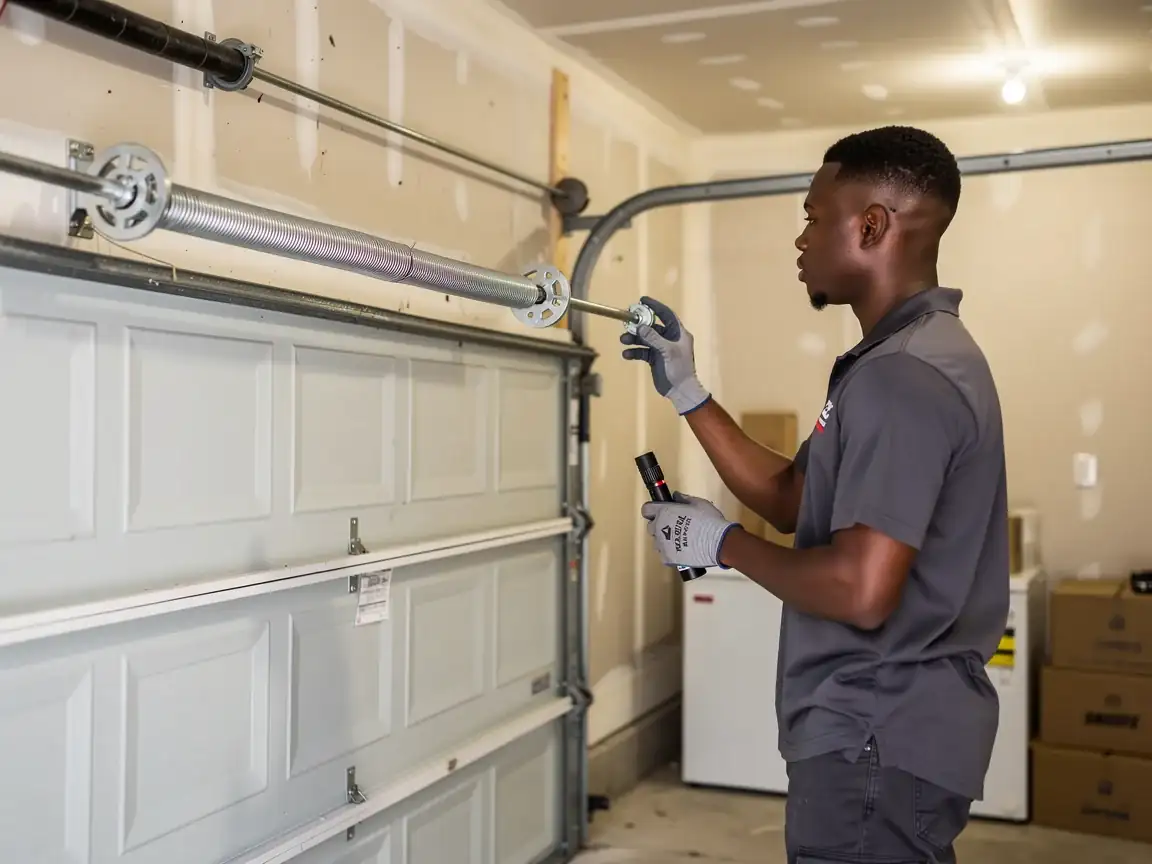
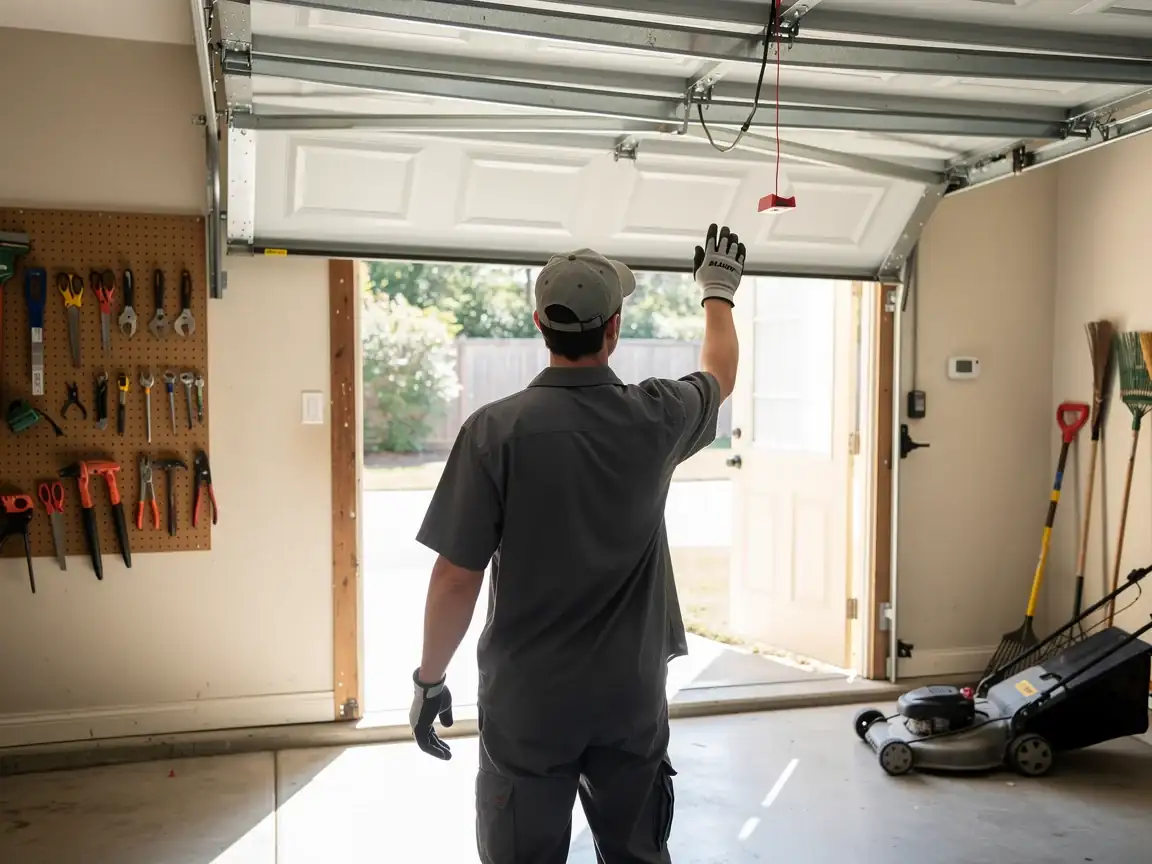
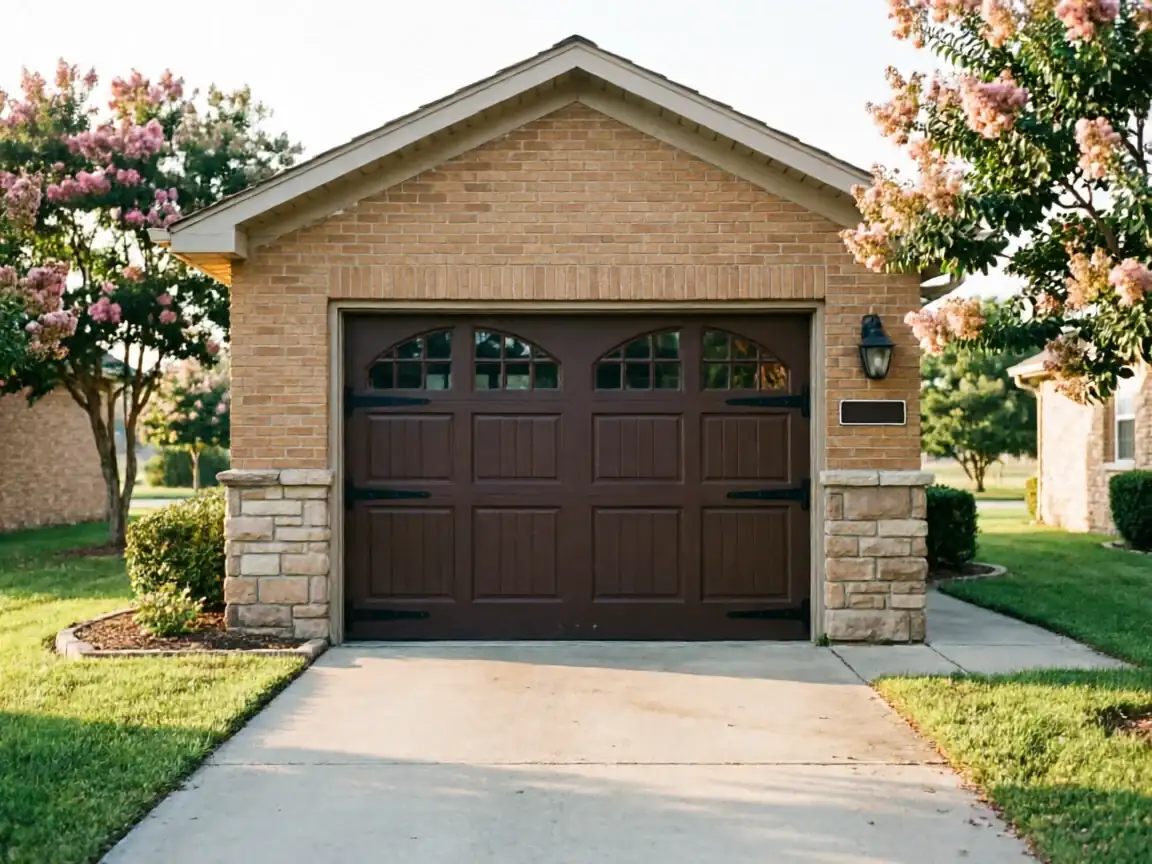
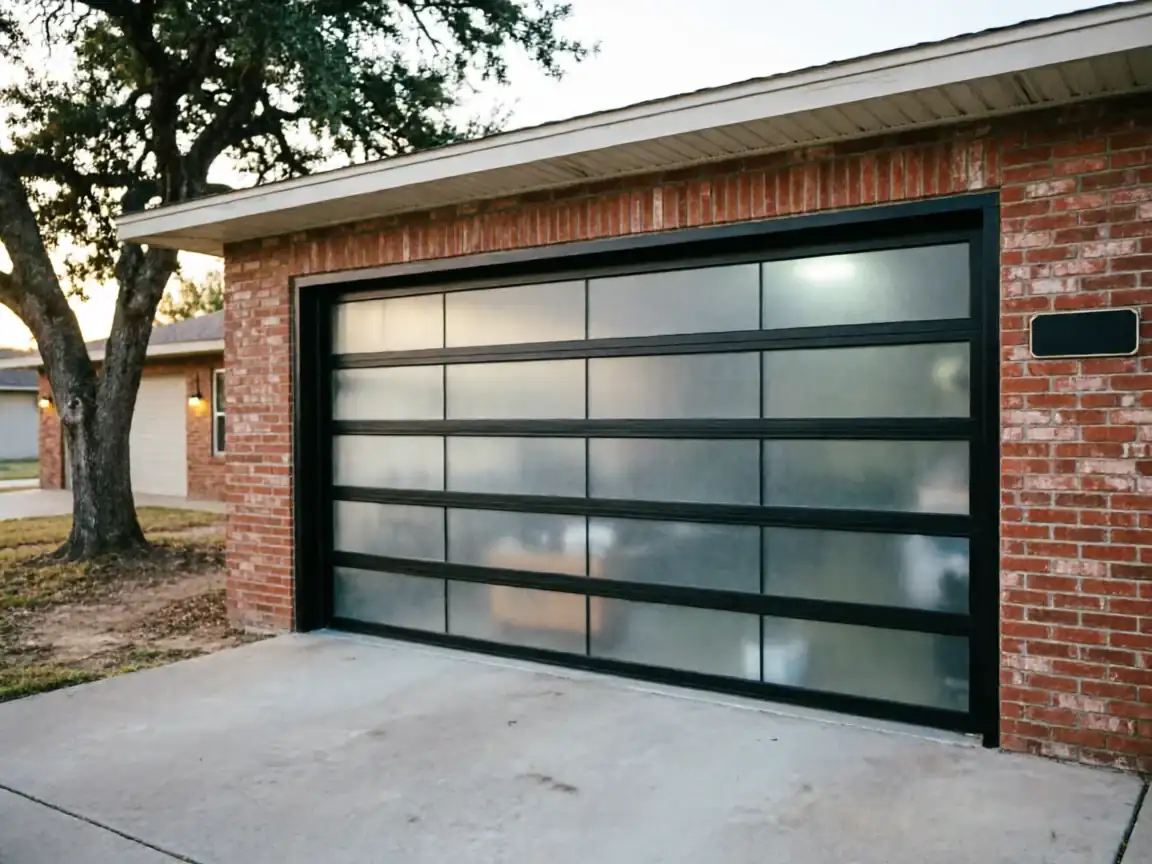
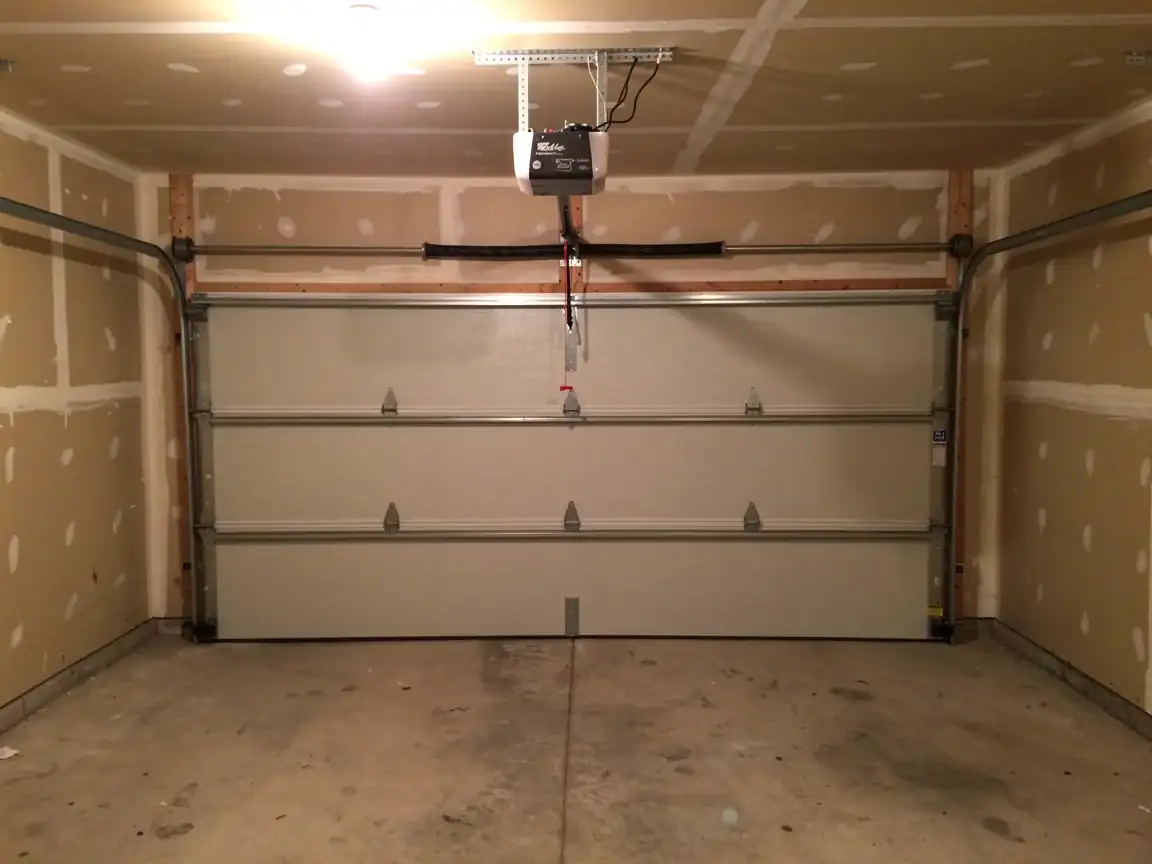
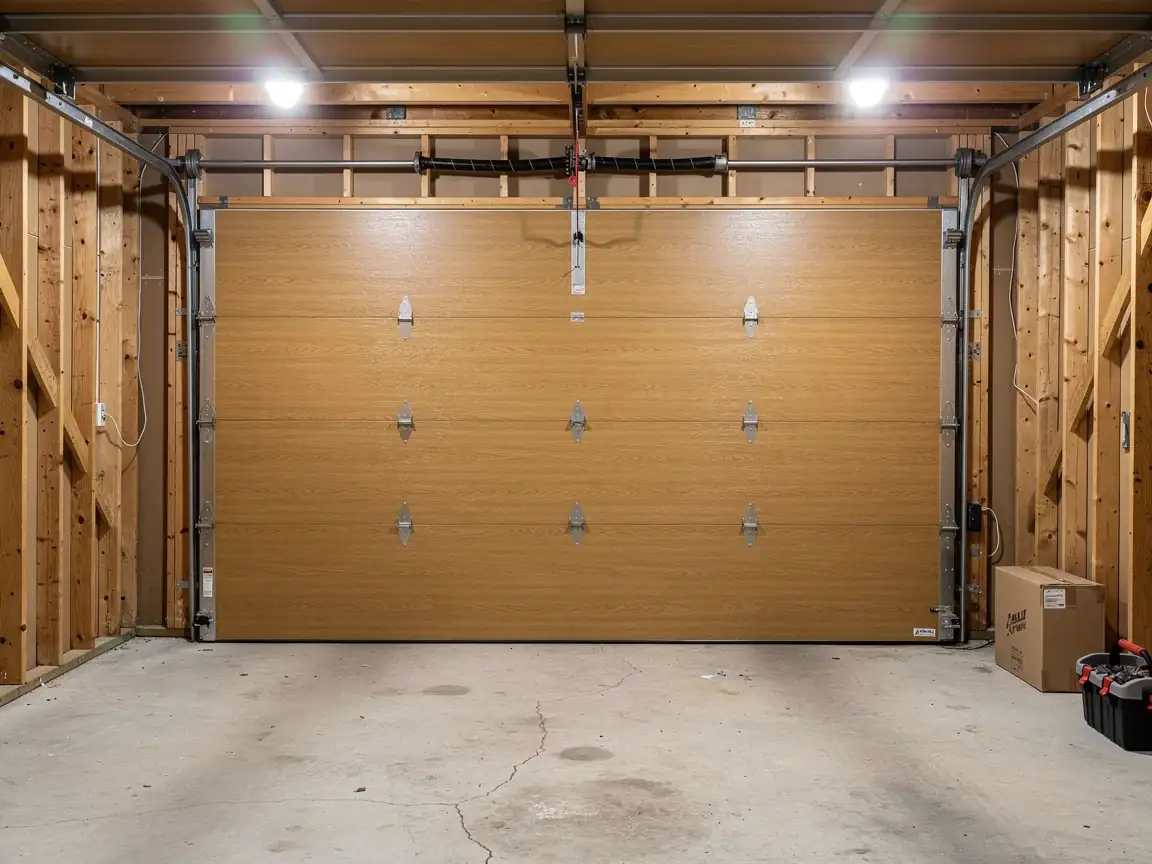
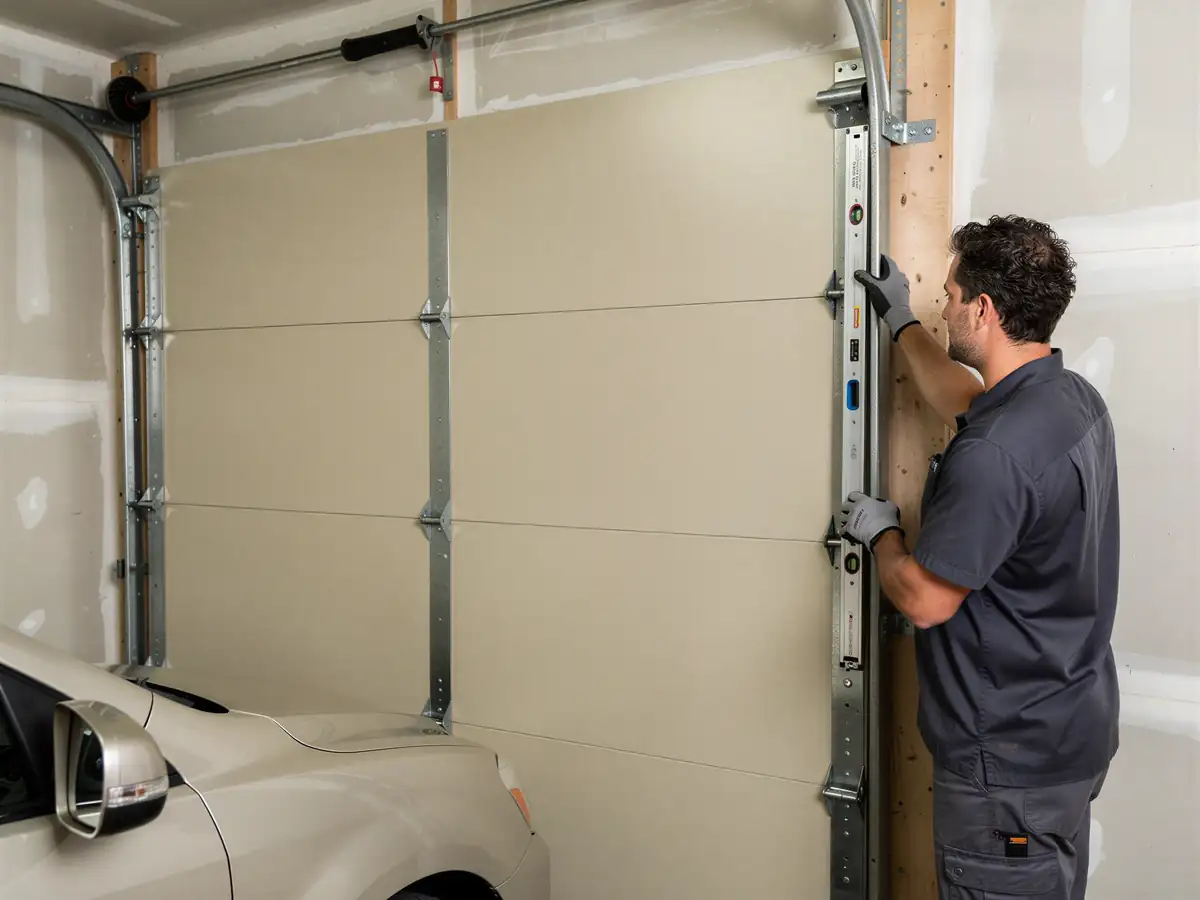
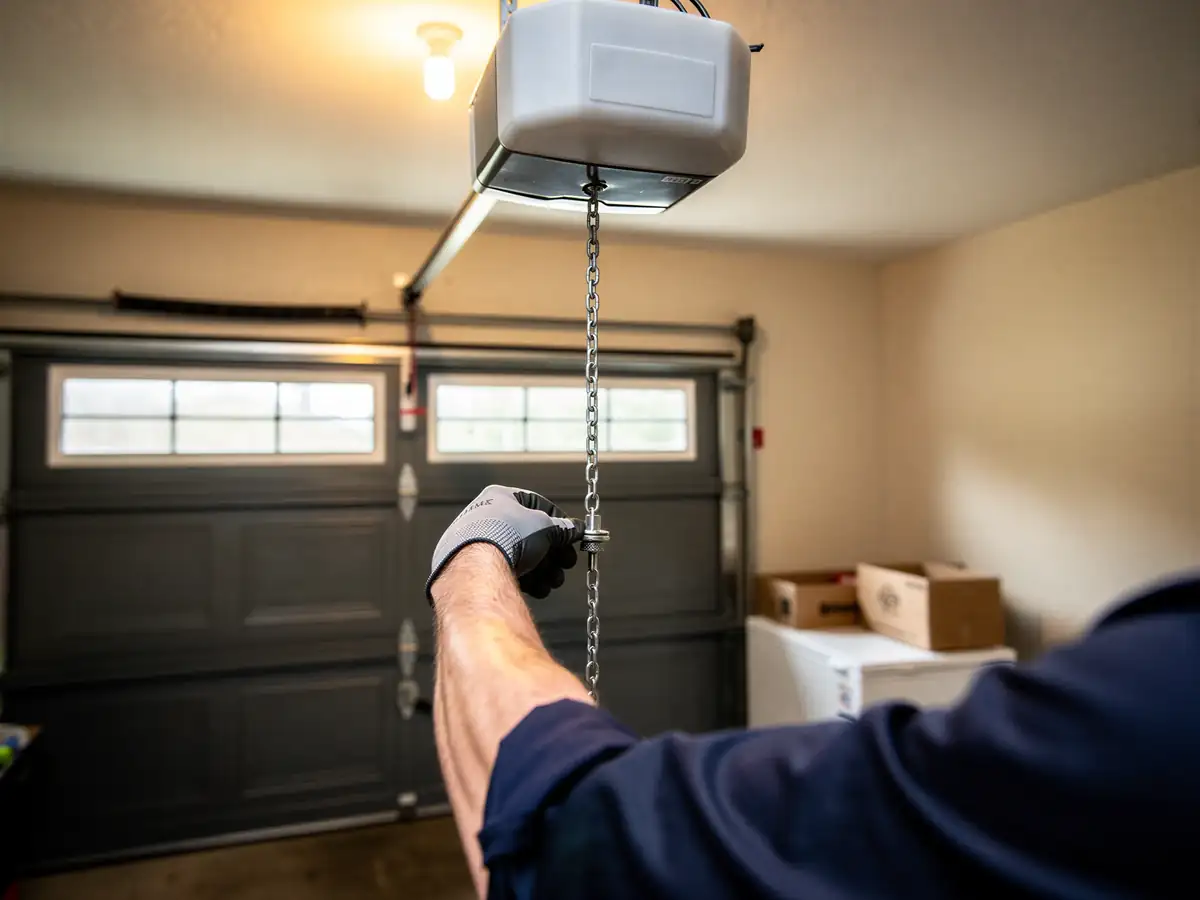
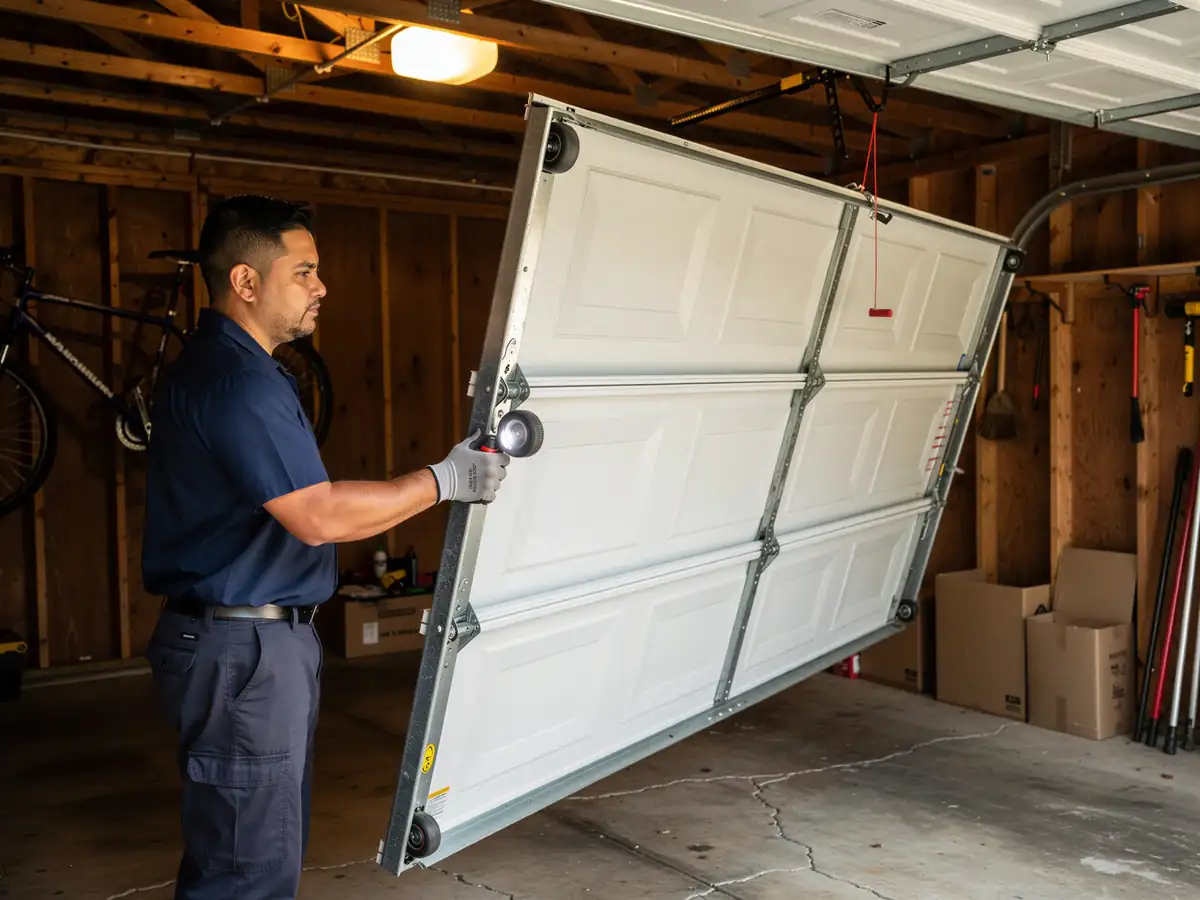
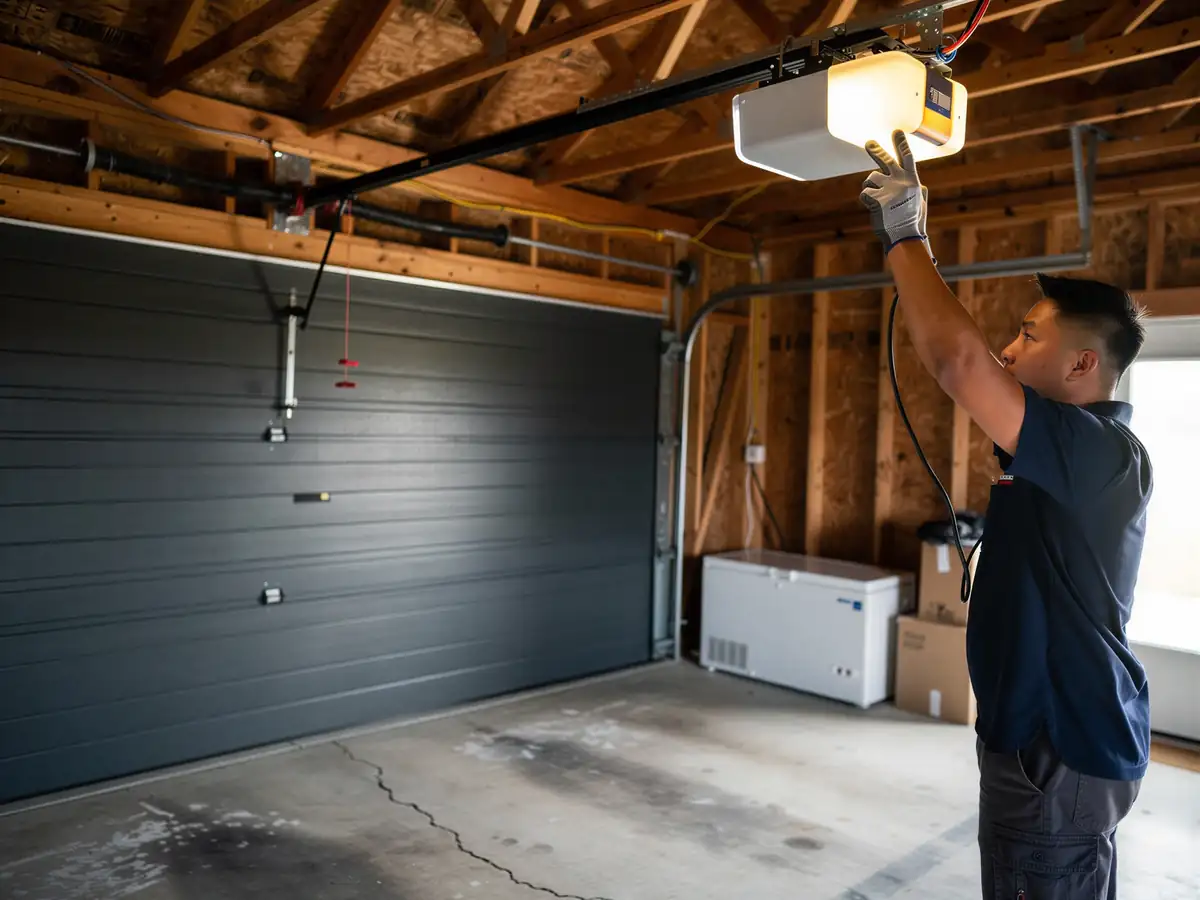
The install itself is the same mechanical work anywhere: pull the old motor head, rewire the wall control and safety beam, re-hang the rail, set the force and travel limits, and sync the remotes. What differs house to house is what's already up there - the bracket spacing, the header clearance, whether the door is insulated steel or a heavier panel that needs a higher horsepower unit. We size the opener to the door we find, not the door we assume.
What You Are Seeing
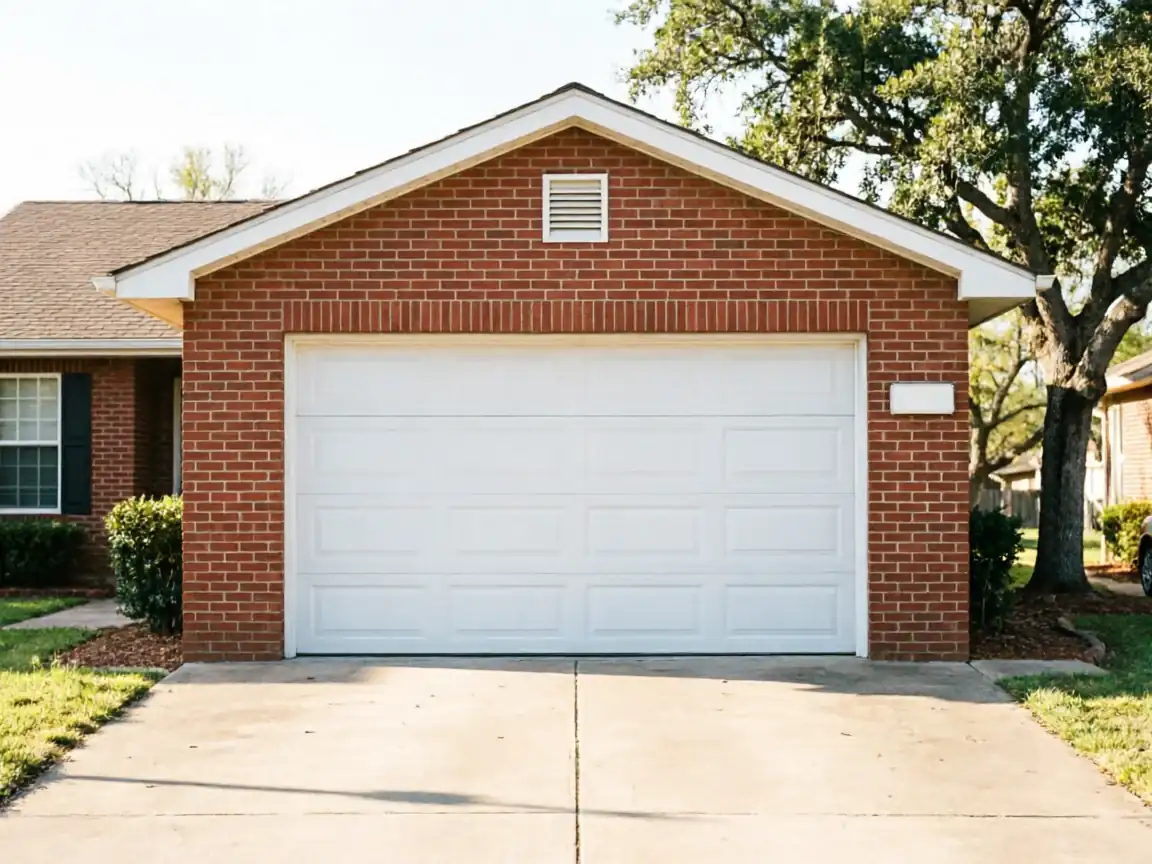
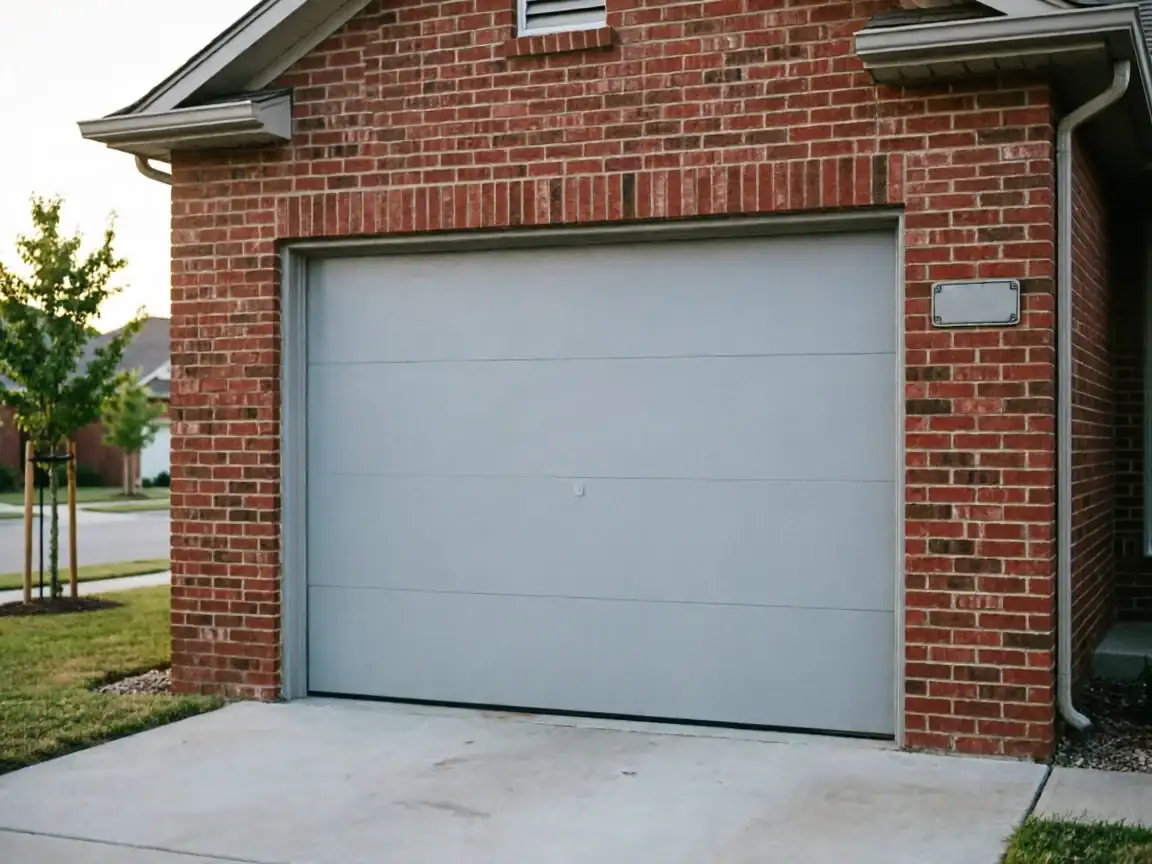
Heath's housing stock runs mostly to a median build year around 2001, consistent with the newer end of the 2000s-era construction common across this part of the service area. That means most openers up here aren't the ancient chain-drive units from the 1980s - they're first-generation screw-drive or early belt-drive models that have now logged close to two decades of daily cycles. The symptoms we see most in that age bracket: a motor that runs but doesn't pull the door past the halfway point, a logic board that drops the remote's code and needs constant reprogramming, or a safety sensor pair that's drifted out of alignment and throws the door back up every time it closes.
Few of these failures mean the opener is unsalvageable on day one - but once the circuit board starts acting erratic, replacing the board alone often costs close to what a new unit runs, and you're still left with a 20-year-old motor and gearset underneath it.
What It Costs
We don't publish a flat number for Heath because the opener you need depends on door weight, horsepower, and whether you want belt-drive quiet or standard chain-drive
What we can say is that the income profile here - that $216,160 median - means most of our Heath jobs land on the belt-drive and smart-connectivity end of the lineup rather than the bare-minimum chain unit. Homeowners in this area tend to ask for the quieter option up front rather than defaulting to the cheapest box on the shelf.
One honest limit: if your garage shares a wall with a bedroom or living space
We'll tell you straight that a chain-drive unit is going to be louder than you want, and we'd rather talk you into the belt-drive now than have you call back in six months asking for an upgrade.
The DIY Question
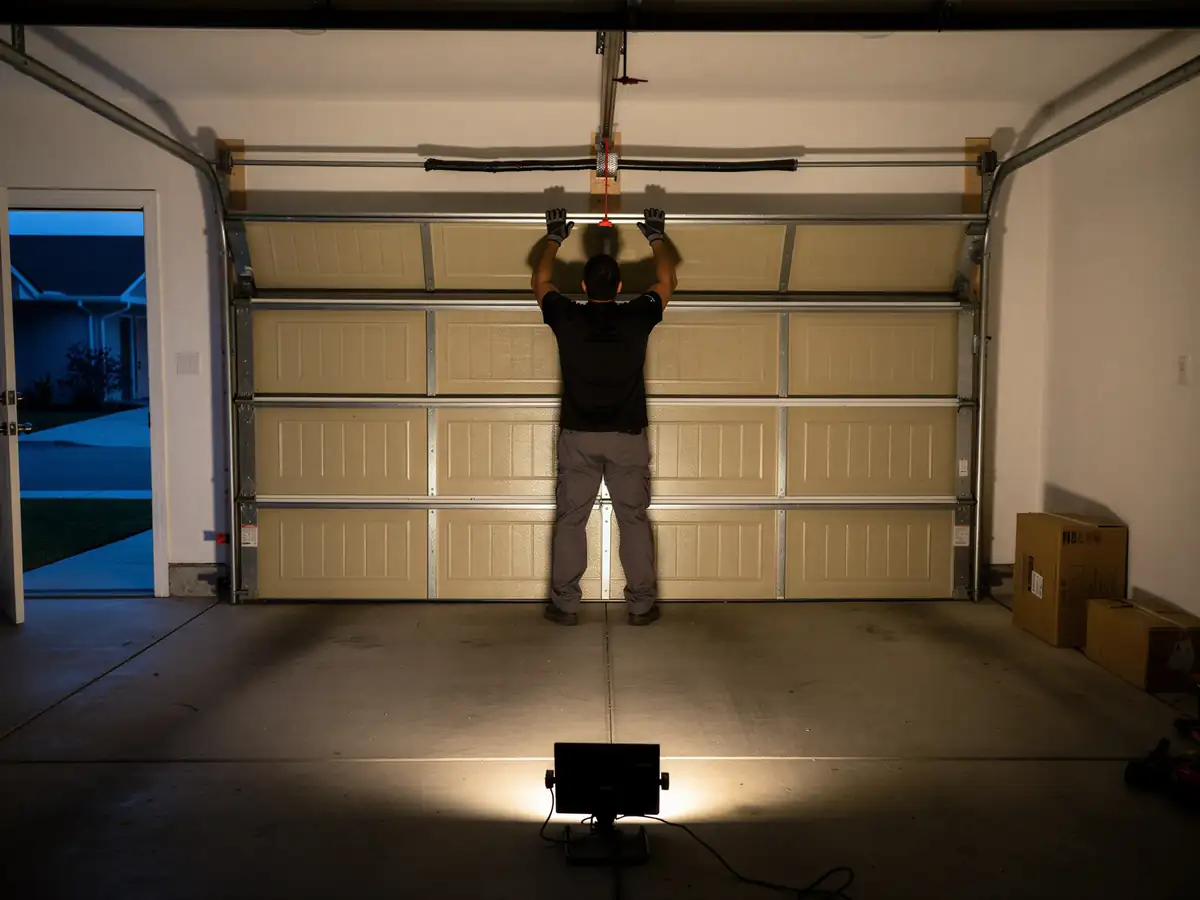
A lot of opener kits sold at hardware stores come with instructions that make the install look like an afternoon project, and mechanically, a lot of it is. The part that trips people up is the safety sensor alignment and the force-limit setting - get those wrong and the door either won't reverse when it should, or it reverses on nothing at all. With 3,414 households in Heath relying on these doors multiple times a day, that's not a corner worth cutting.
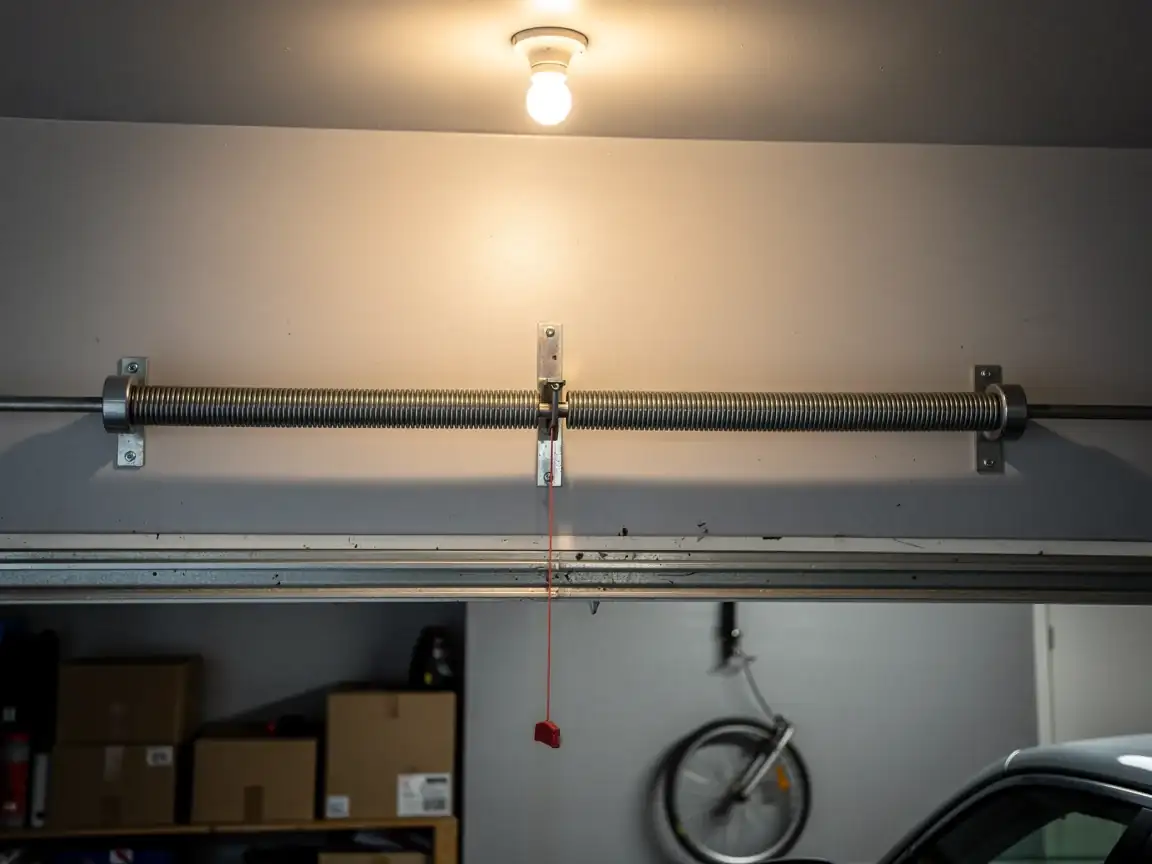
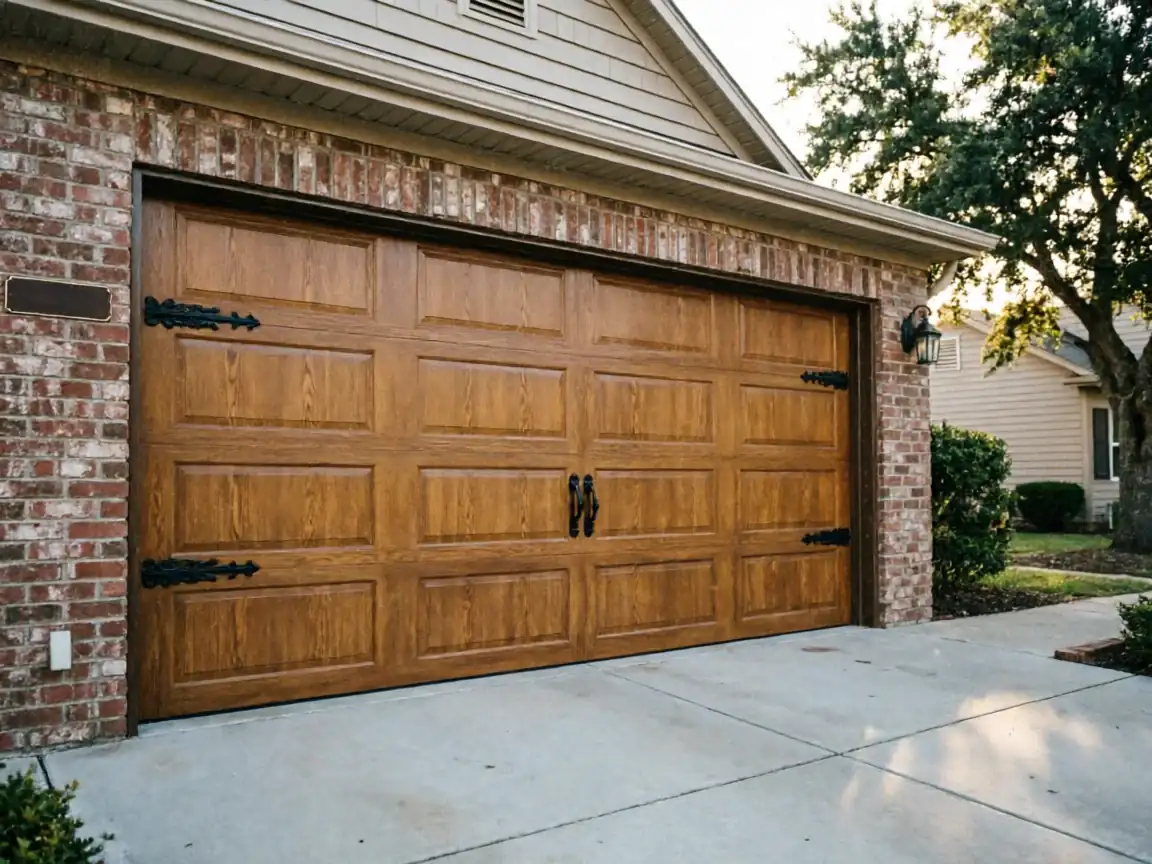
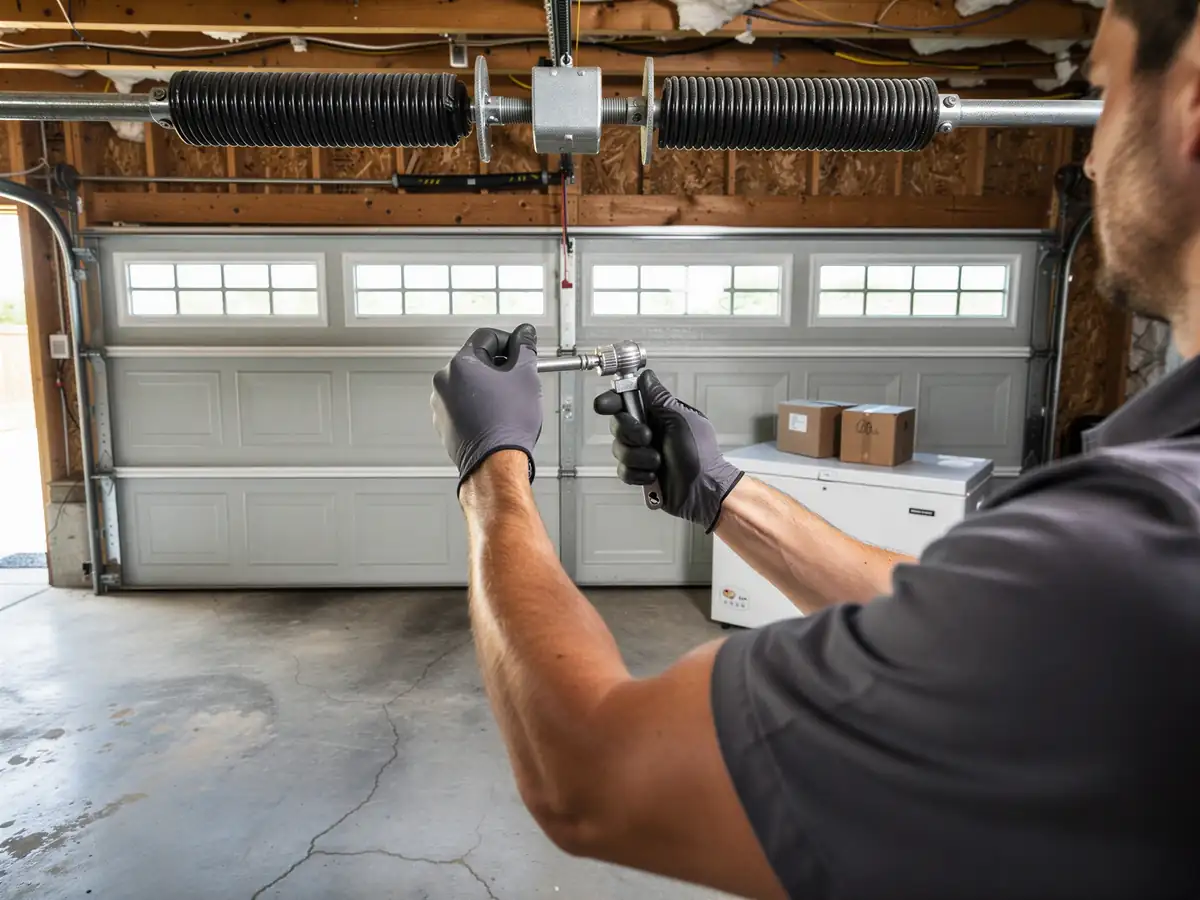
If your garage sits on a 2001-era build with the original bracket and rail hardware still in place, reusing that hardware with a new motor head is often fine, but we check the rail condition first - two decades of Texas heat does wear on the rail lubrication and the bracket welds in ways that aren't always visible until the new motor puts load on them.