What the Fix Involves
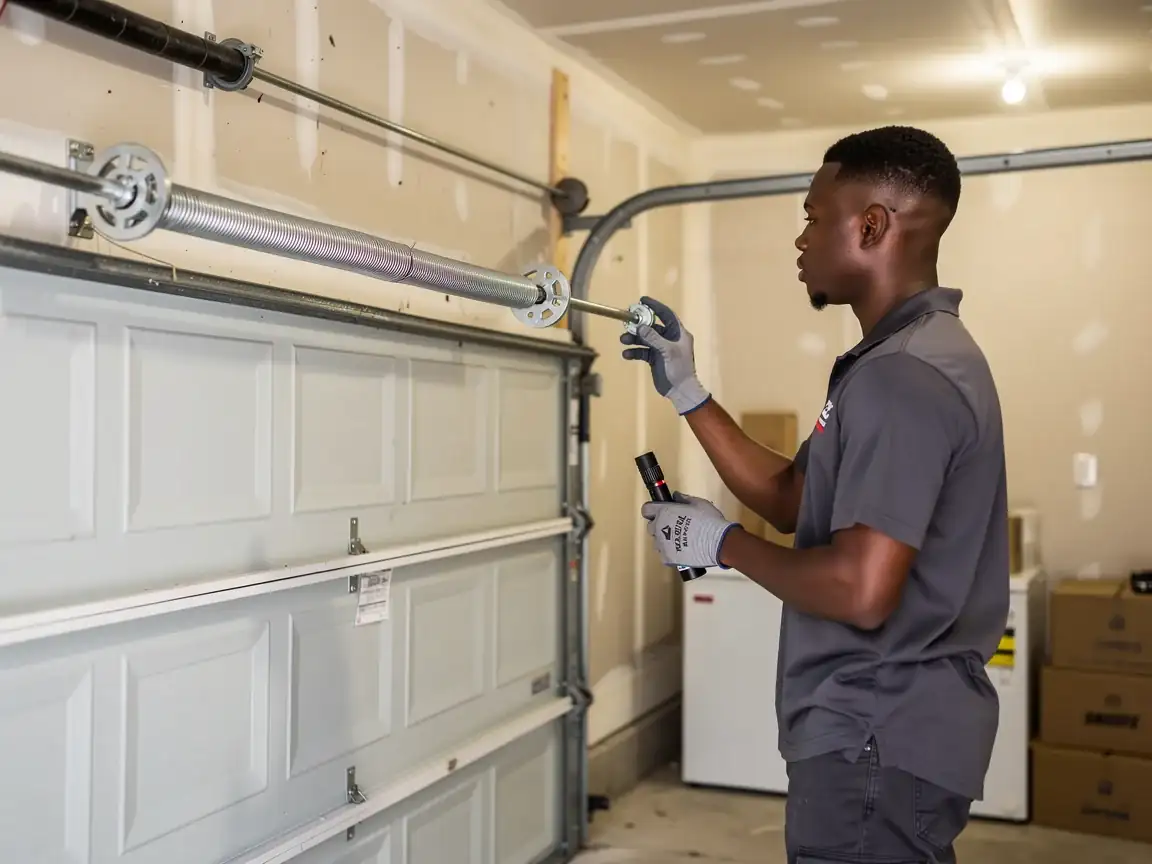
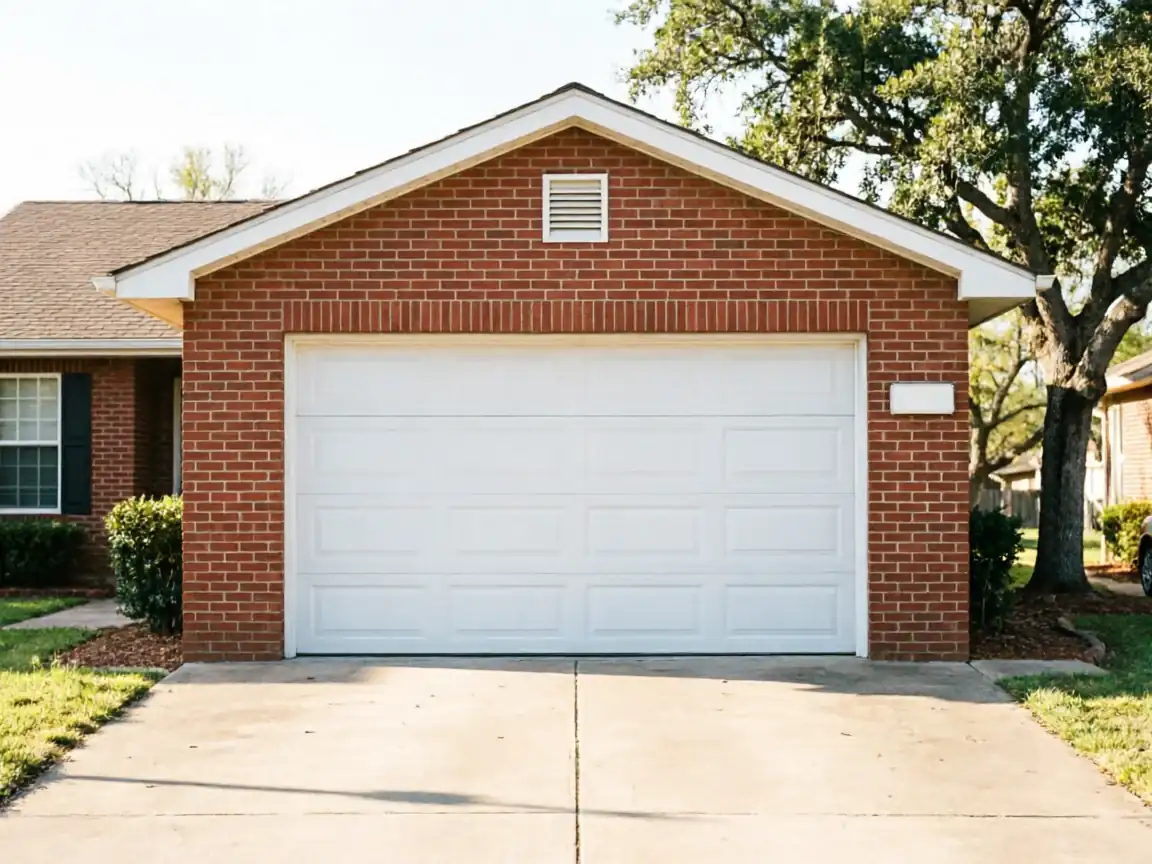
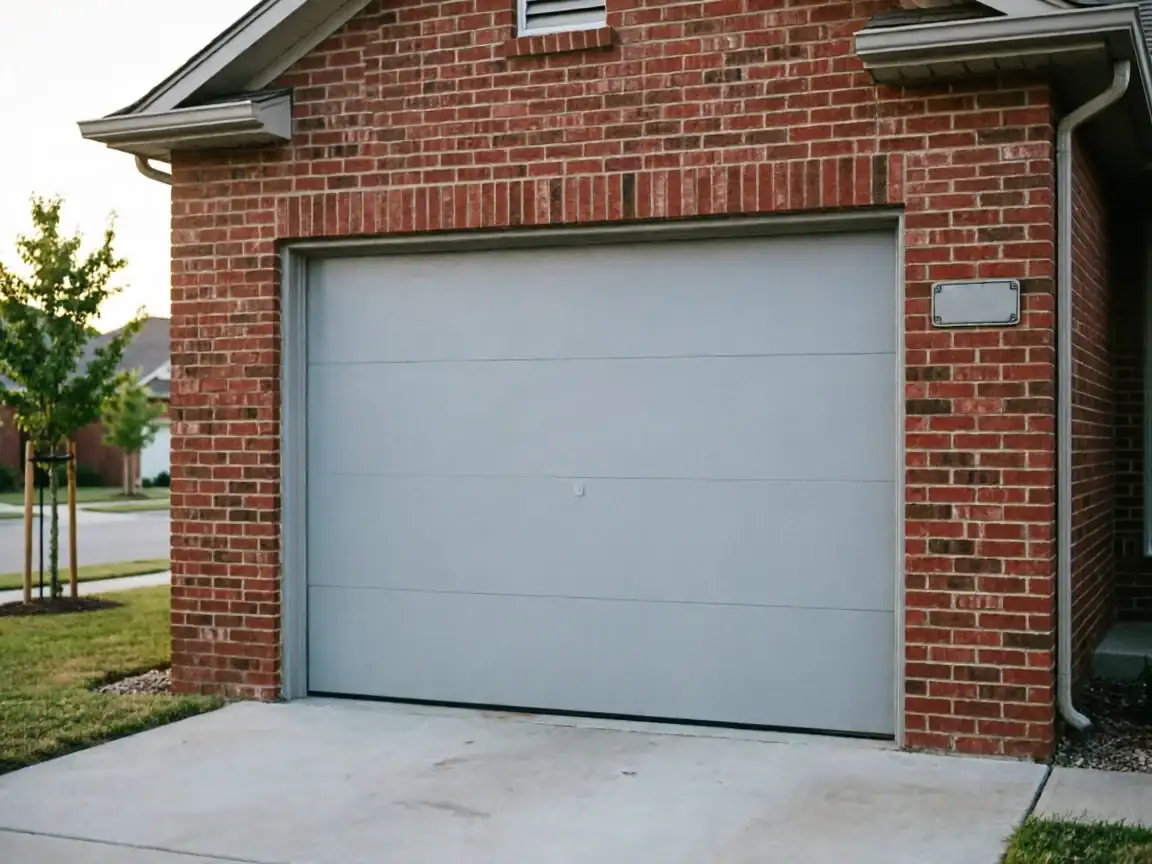
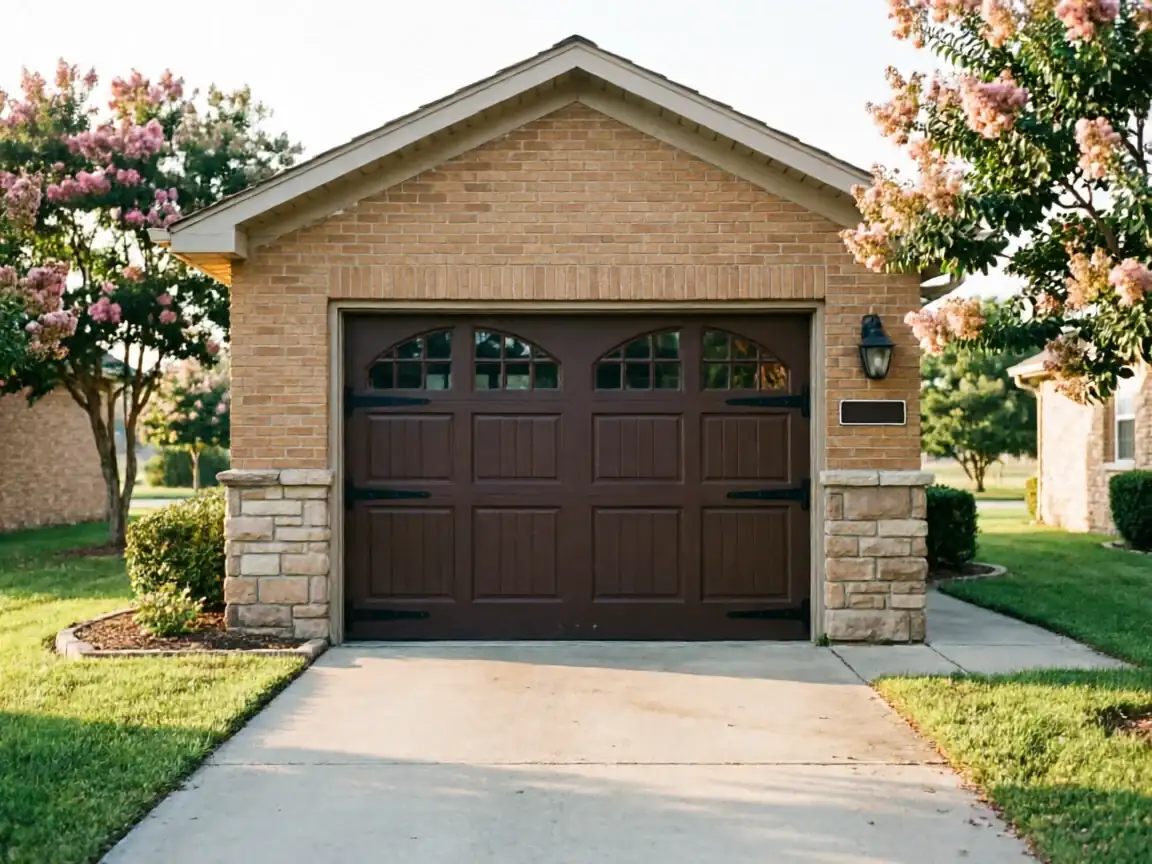
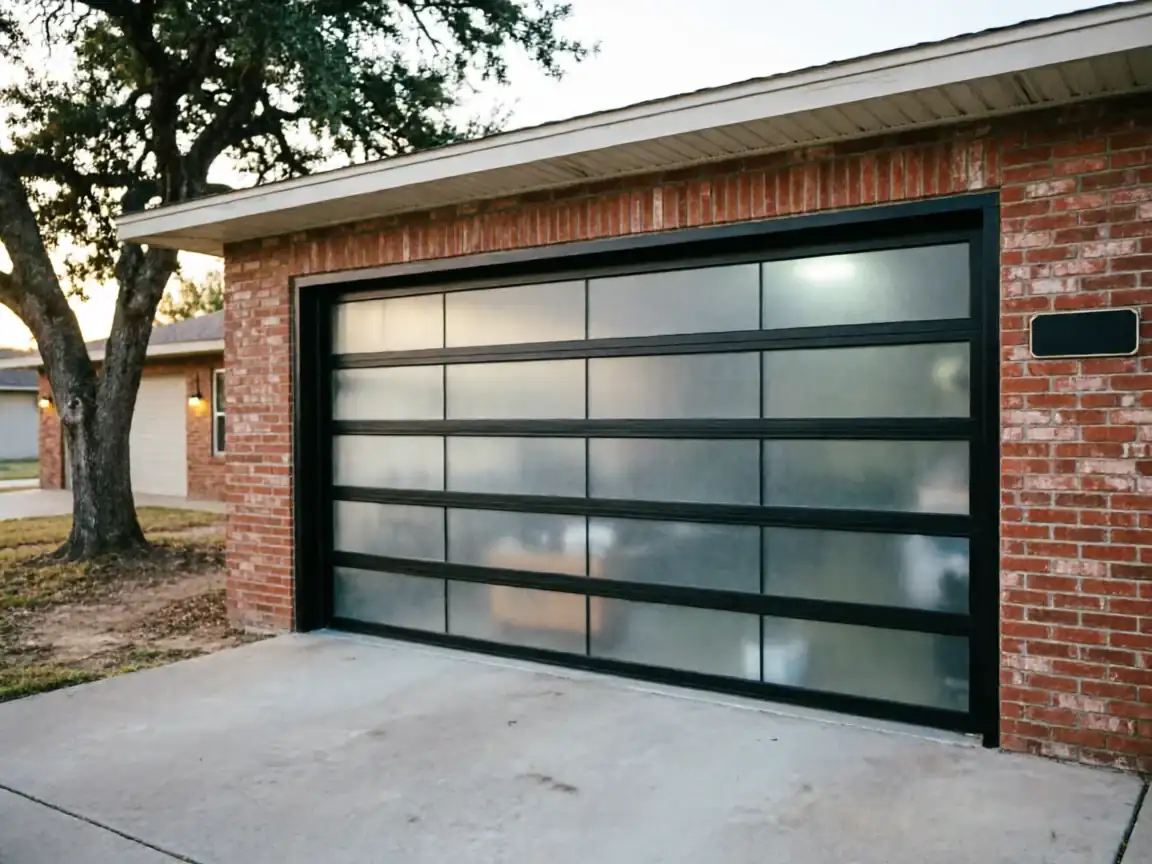
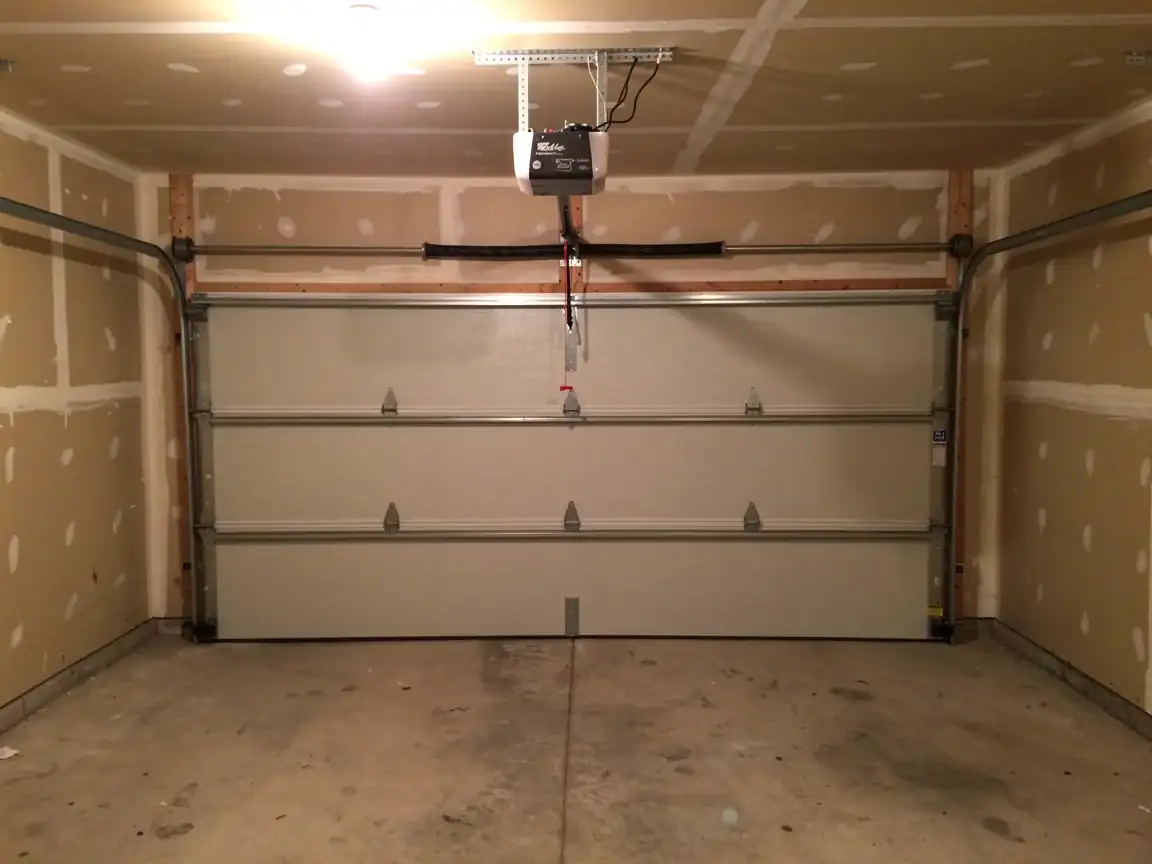
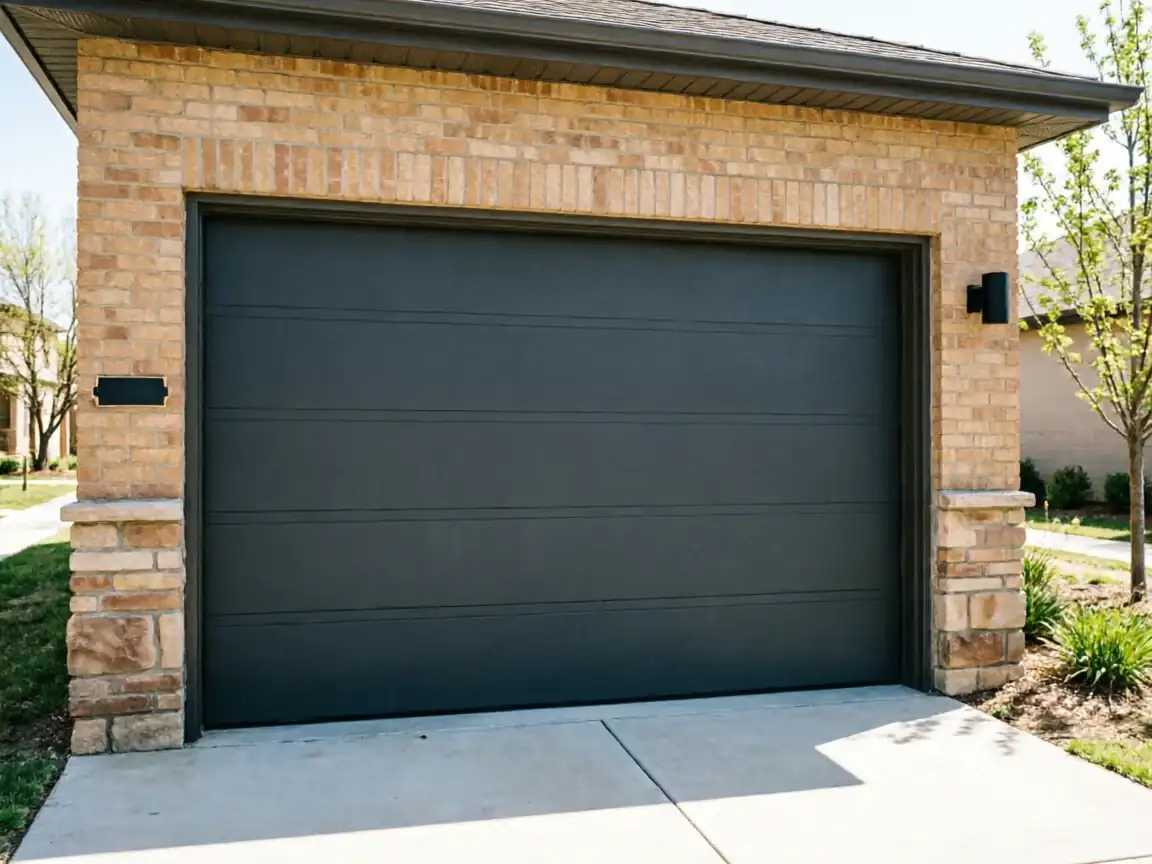
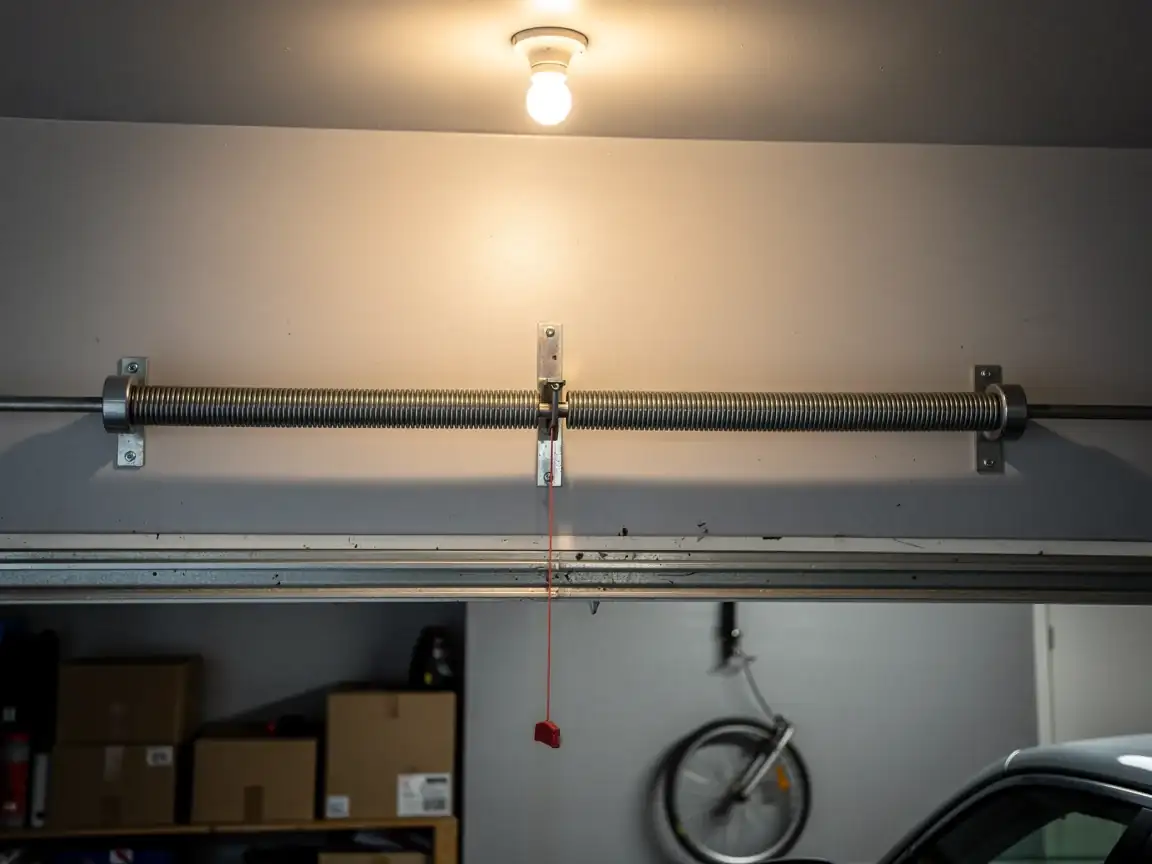
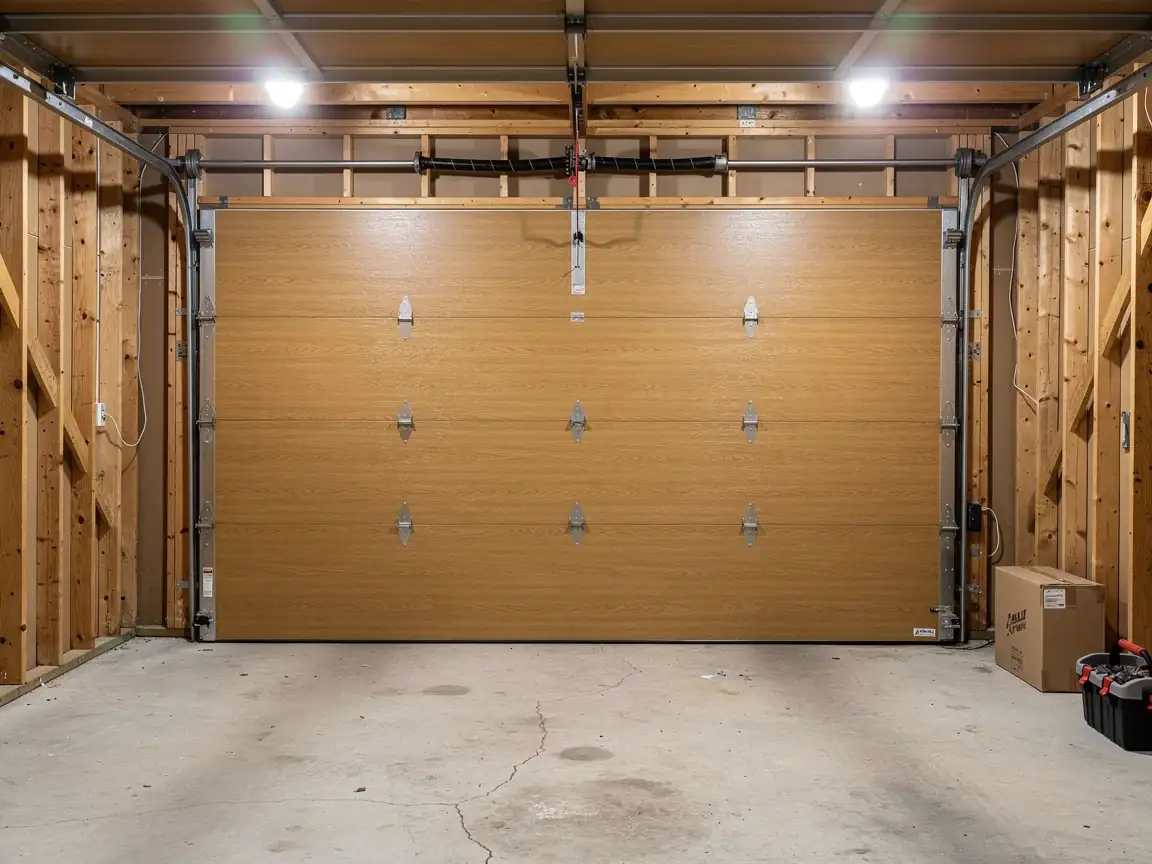
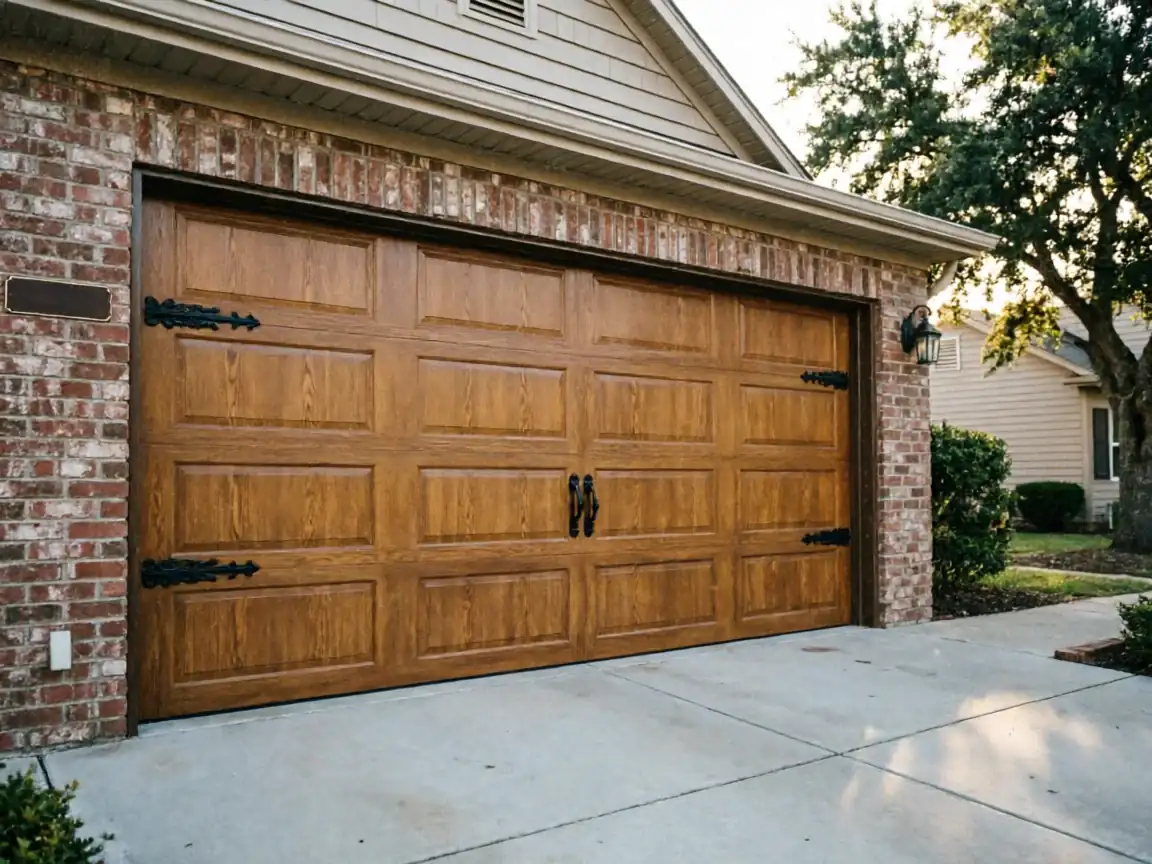
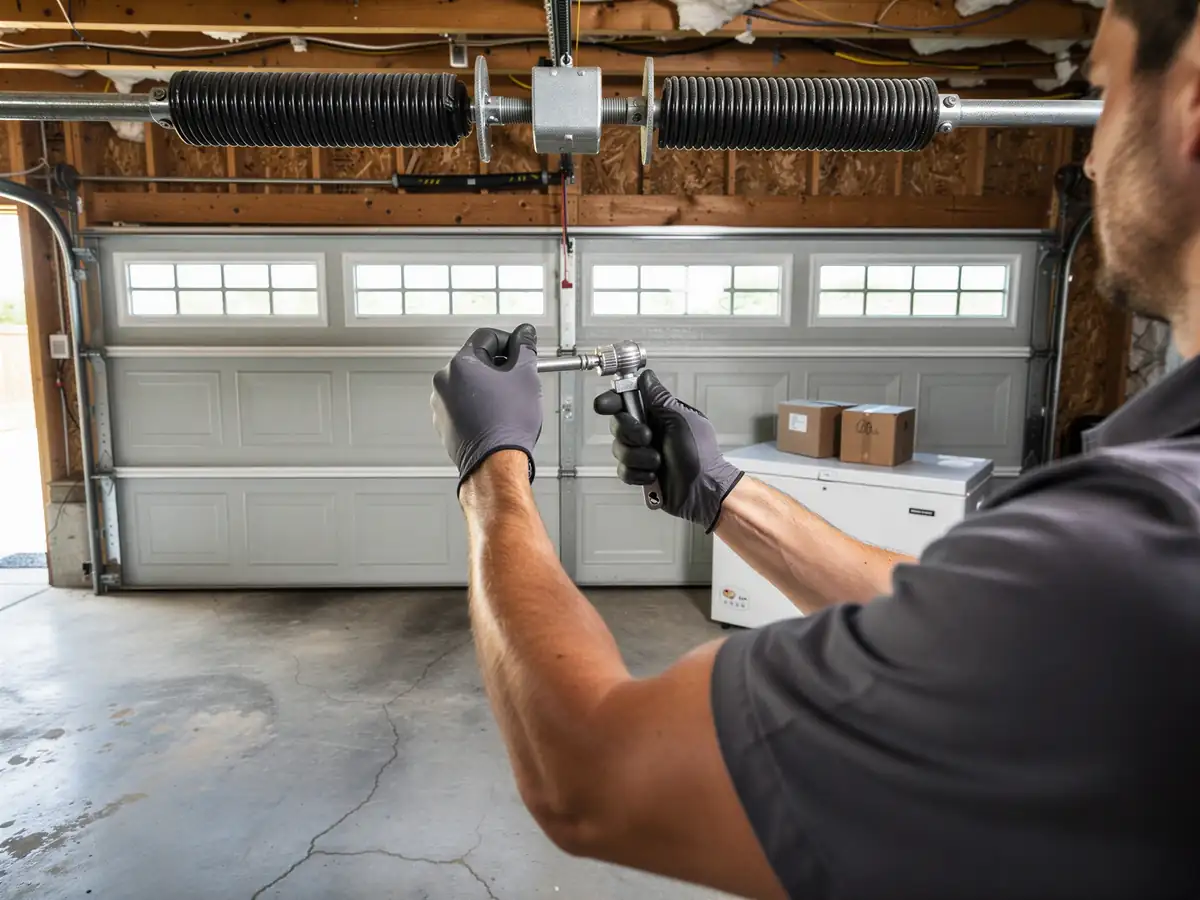
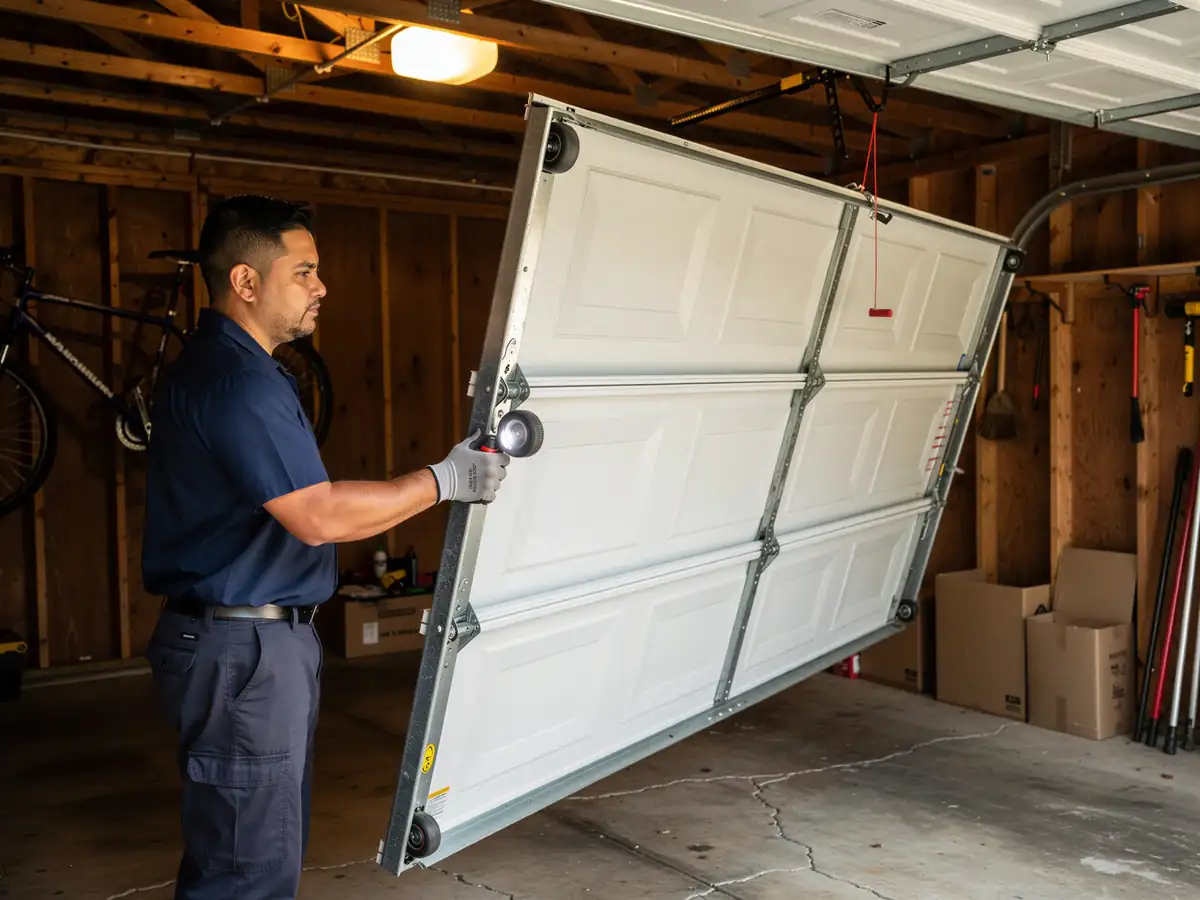
Most houses in Heath went up after 2001, which puts you squarely in the era of wide steel sectional doors - usually 16x7 double-car openings, insulated two-layer panels, and torsion springs rated for the extra weight those panels carry. These aren't the lighter single-layer doors you'd find on an older 1,200 square foot house; builders here were putting up larger garages on larger lots, and the hardware reflects that. When a spring breaks on a door this size, you're not dealing with a 1990s-era single torsion spring - many of these openers carry two springs, or one oversized spring wound to a higher cycle count, and that changes both the repair and the parts needed.
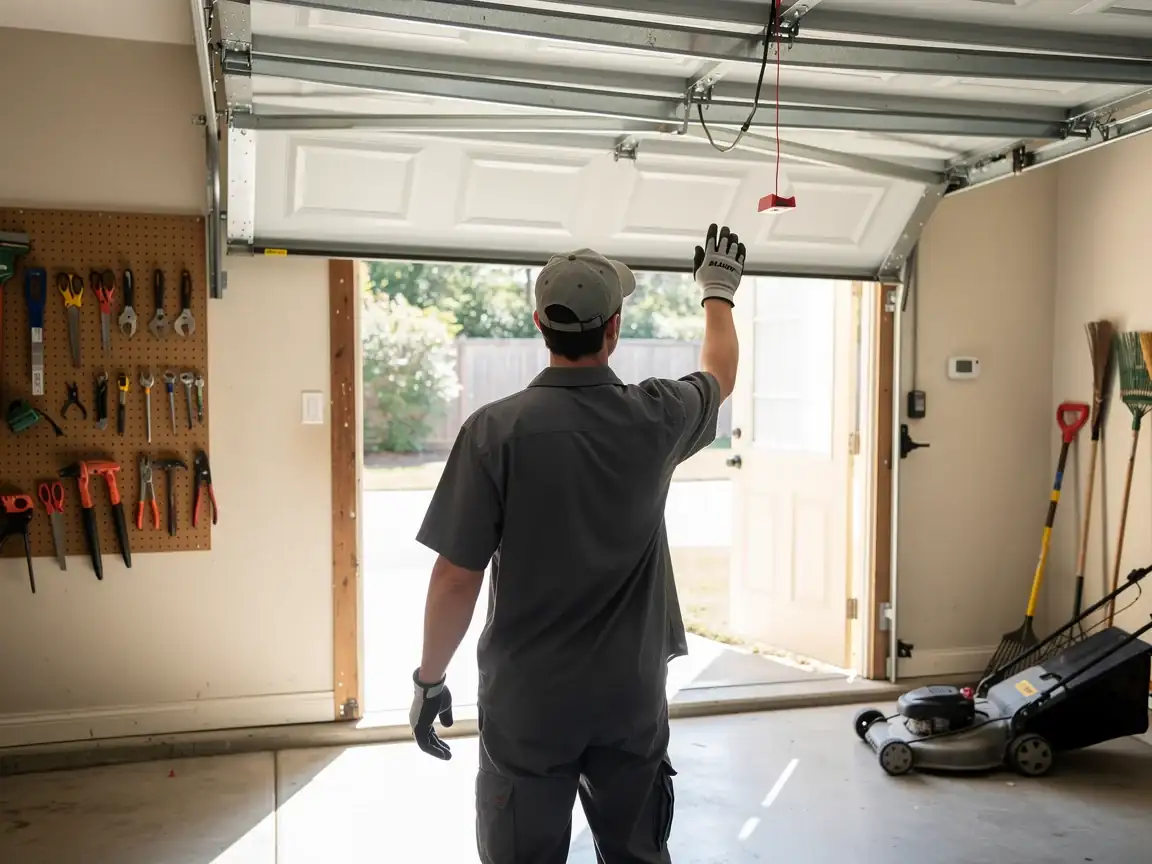
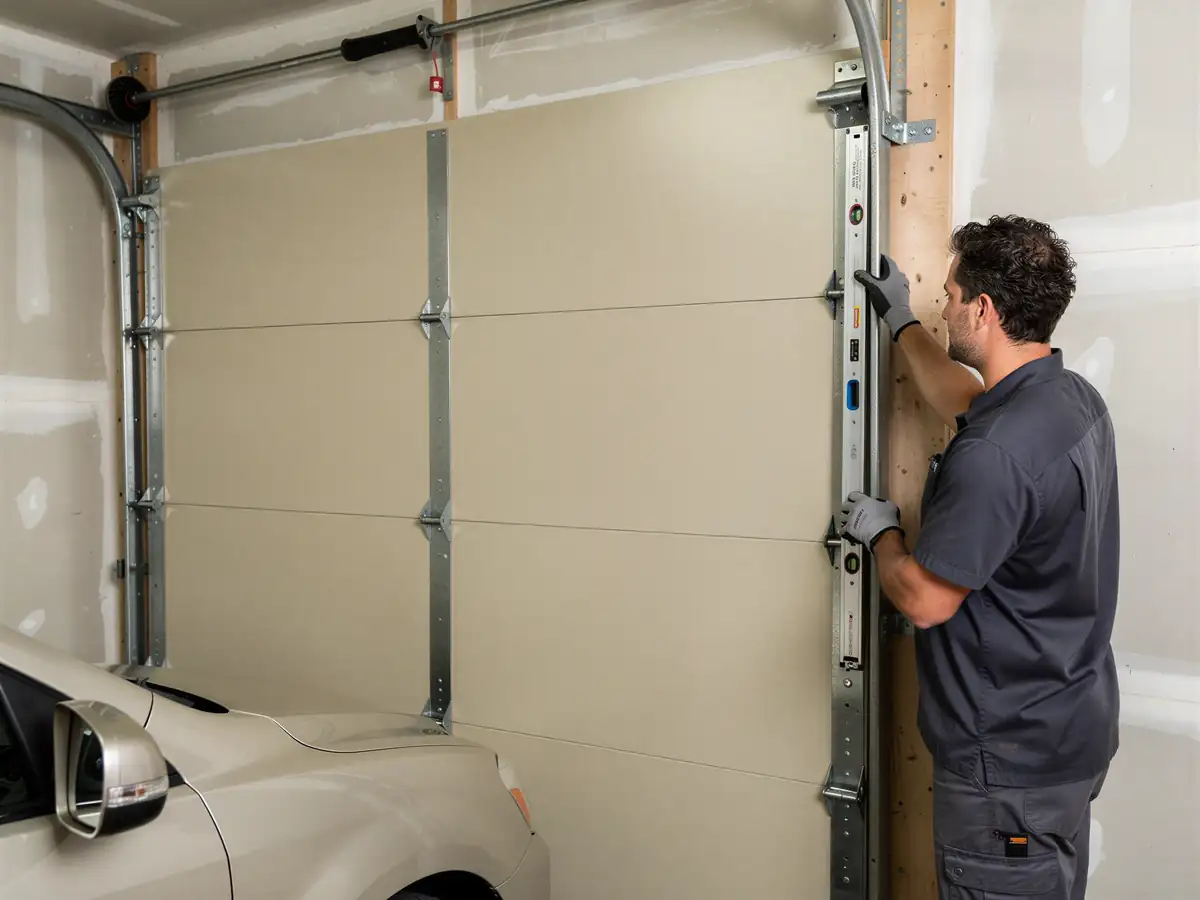
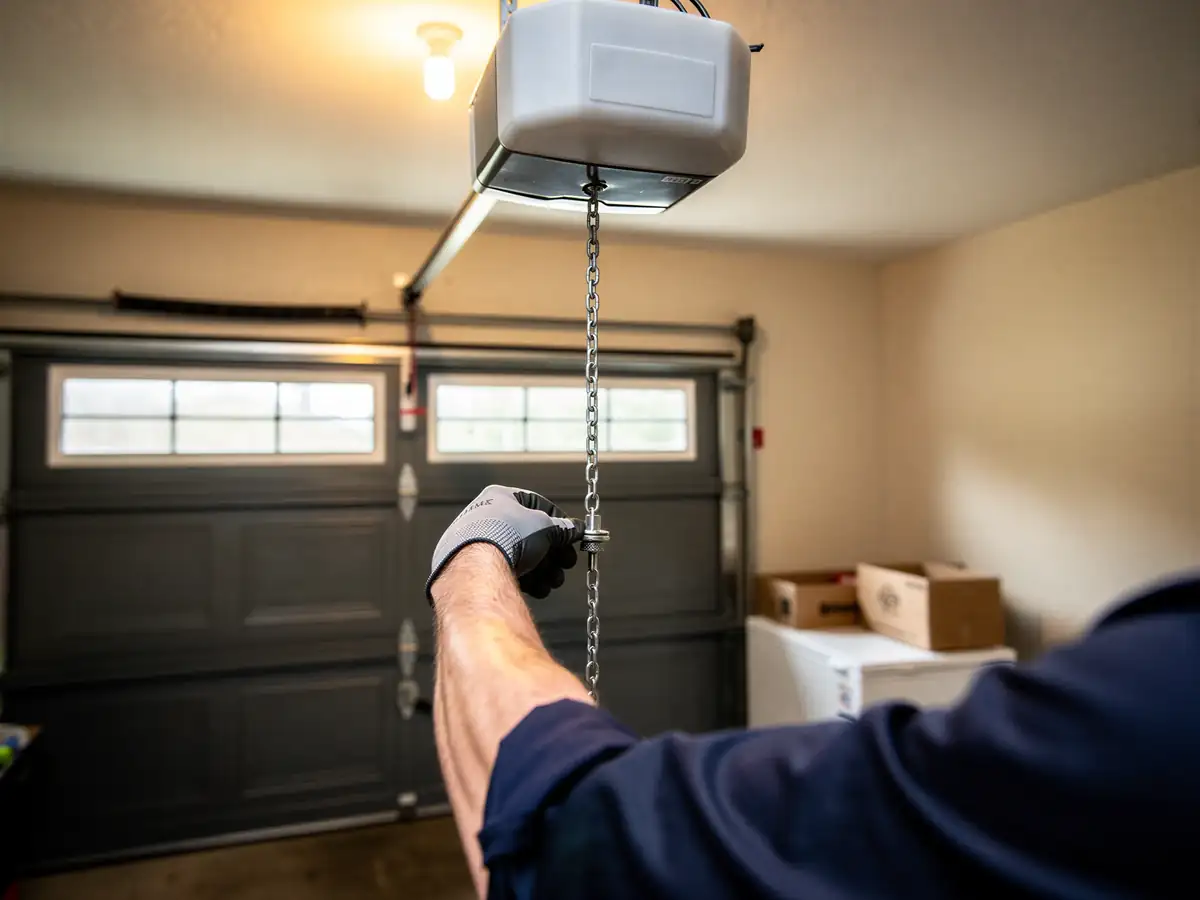
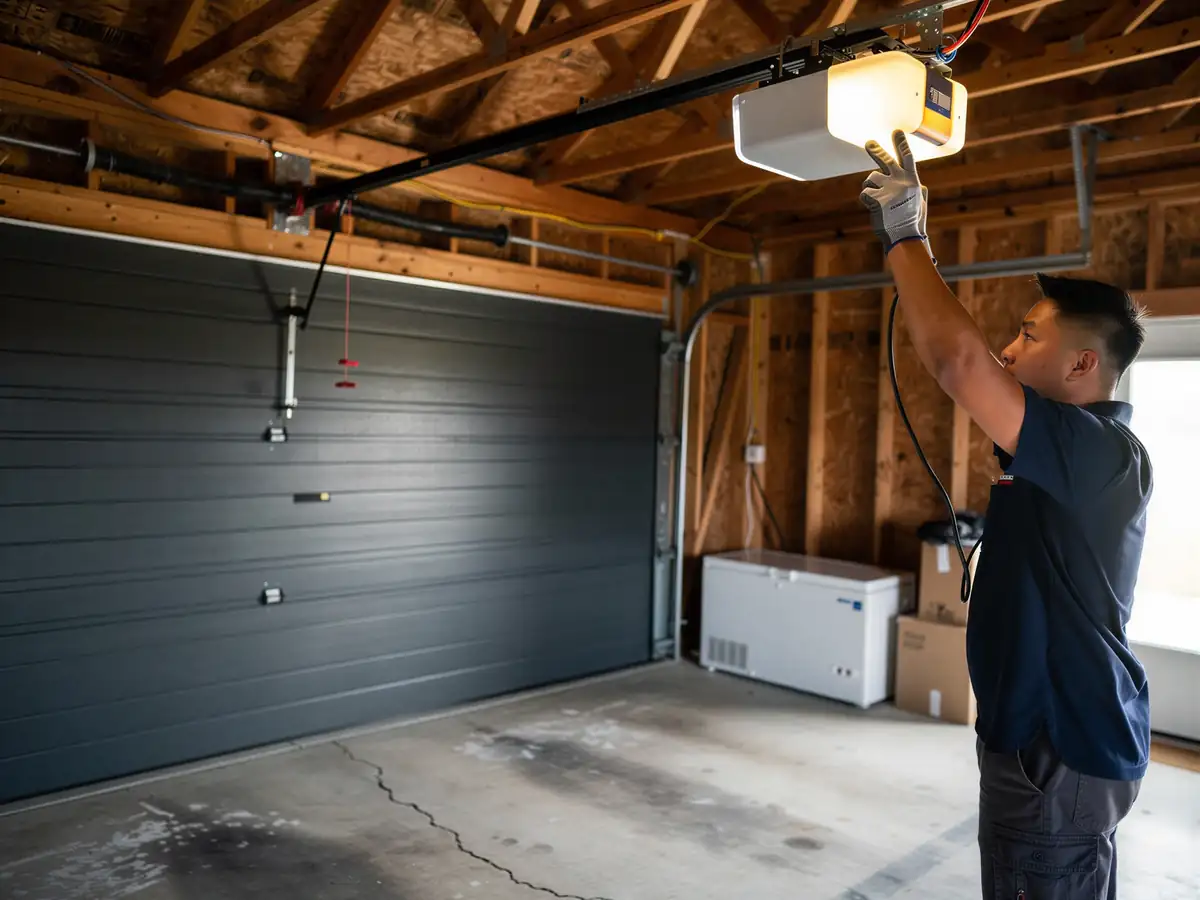
The fix itself is usually straightforward once we're on site: pull the broken spring, match the wire gauge and wind to the door weight, and check the drums and cables while the door is open, since cable fray often rides along with spring failure on doors this size. Openers from this build era are also commonly chain or belt drive, 1/2 horsepower units, and we carry stock for those. What we don't carry on the truck is anything custom - if a previous owner put in an oversized or specialty door, that part may need to be ordered, which adds a day or two.
What You Are Seeing
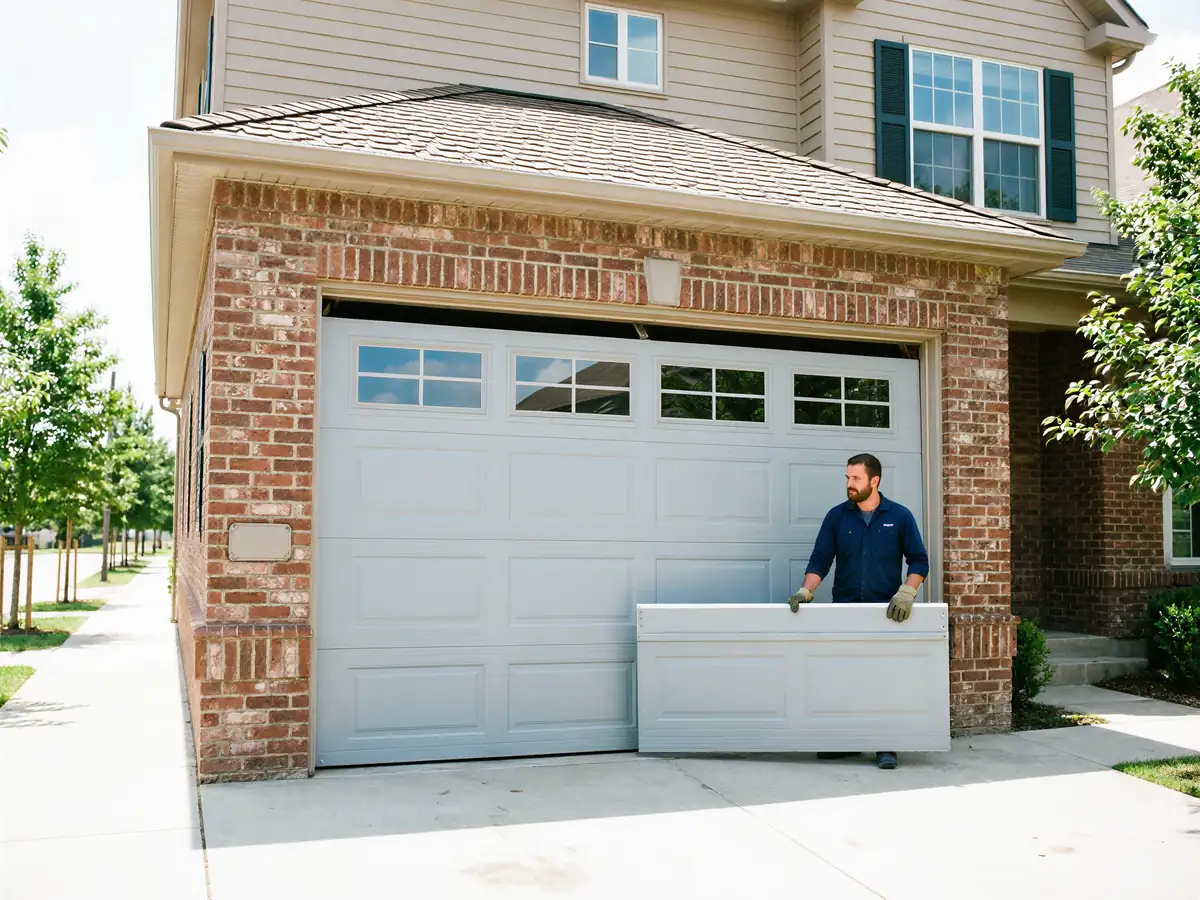
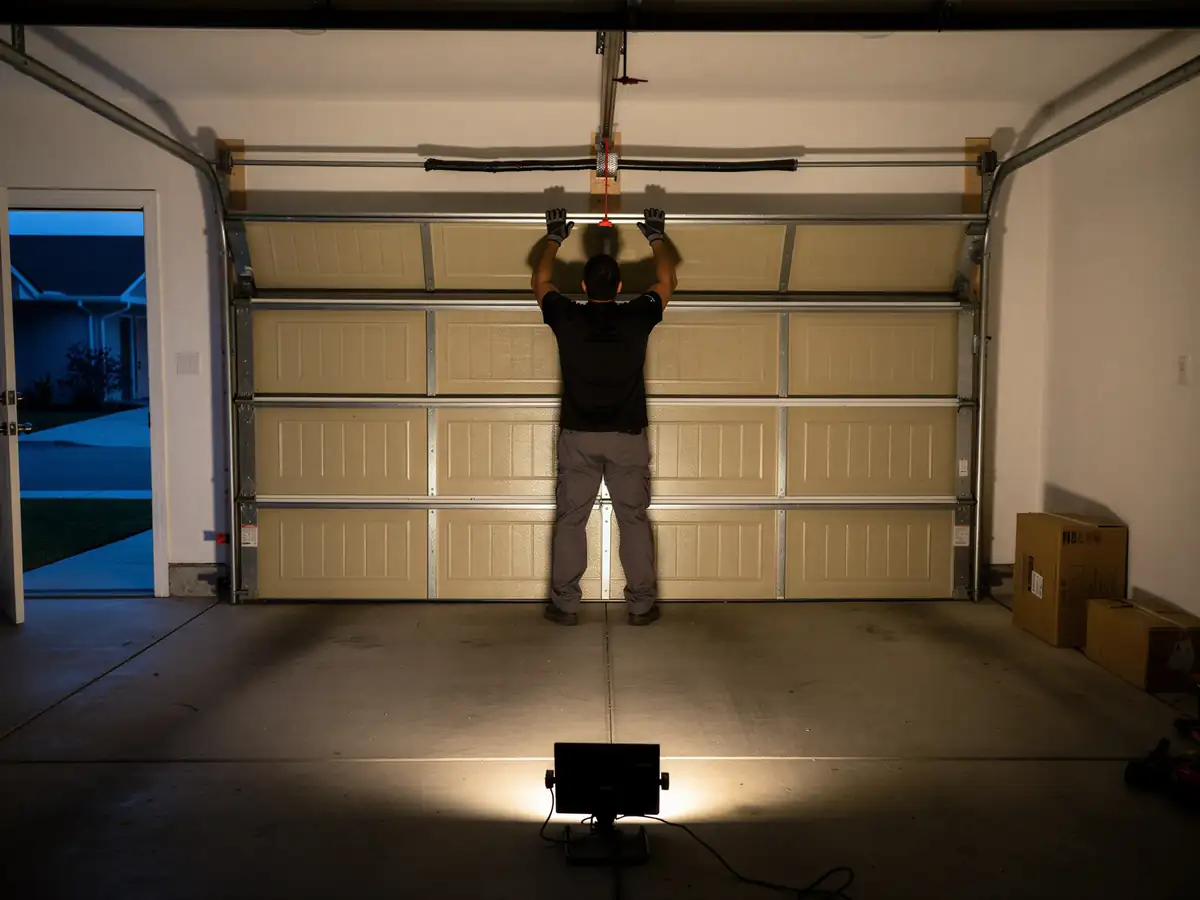
The most common call out of Heath is a door that won't lift, or lifts partway and stops - classic signs of a broken torsion spring on a double door built with those heavier panels. You'll often hear it before you see it: a loud bang from the garage, usually when no one's using the door, which is the spring letting go under tension.
The second most common issue is cable fraying at the bottom roller bracket, more noticeable on doors with the insulated panel sandwich common in 2000s construction, since the extra weight puts more load on the cable over the years. A door that drifts sideways as it closes, or that triggers the opener's auto-reverse for no visible reason, usually points to one cable stretching faster than the other rather than anything wrong with the opener itself.
Less common, but it shows up: openers original to a 2001-2005 build starting to fail on the logic board rather than the motor. At that age, the motor often outlasts the circuit board, so a door that opens with the wall button but not the remote is worth checking before you assume the whole unit needs replacing.
What It Costs
We don't have a posted price list for Heath specifically
And we won't quote a number here that isn't backed by a real figure for this job - the FACTS we work from don't include one. What we can tell you is what drives the cost on a typical Heath repair: door size (most are the wider double-car openings, which cost more in spring and cable than a single door), whether one or two springs need replacing, and whether the opener's circuit board versus motor is the failure point.
Heath's household income runs well above the surrounding service area
And we've found that homeowners here are more likely to ask us to replace an aging opener outright rather than patch a failing board - not because the job calls for it every time, but because the decision to swap now versus wait is often about convenience, not necessity. We'll tell you straight which situation you're in before any work starts.
The DIY Question
Torsion springs are not a DIY repair, full stop, regardless of door size - the spring on a double door built to 2000s standards holds enough stored energy to cause serious injury if it's wound or released wrong, and that risk doesn't scale down just because you've watched a video. Cable work carries the same warning.
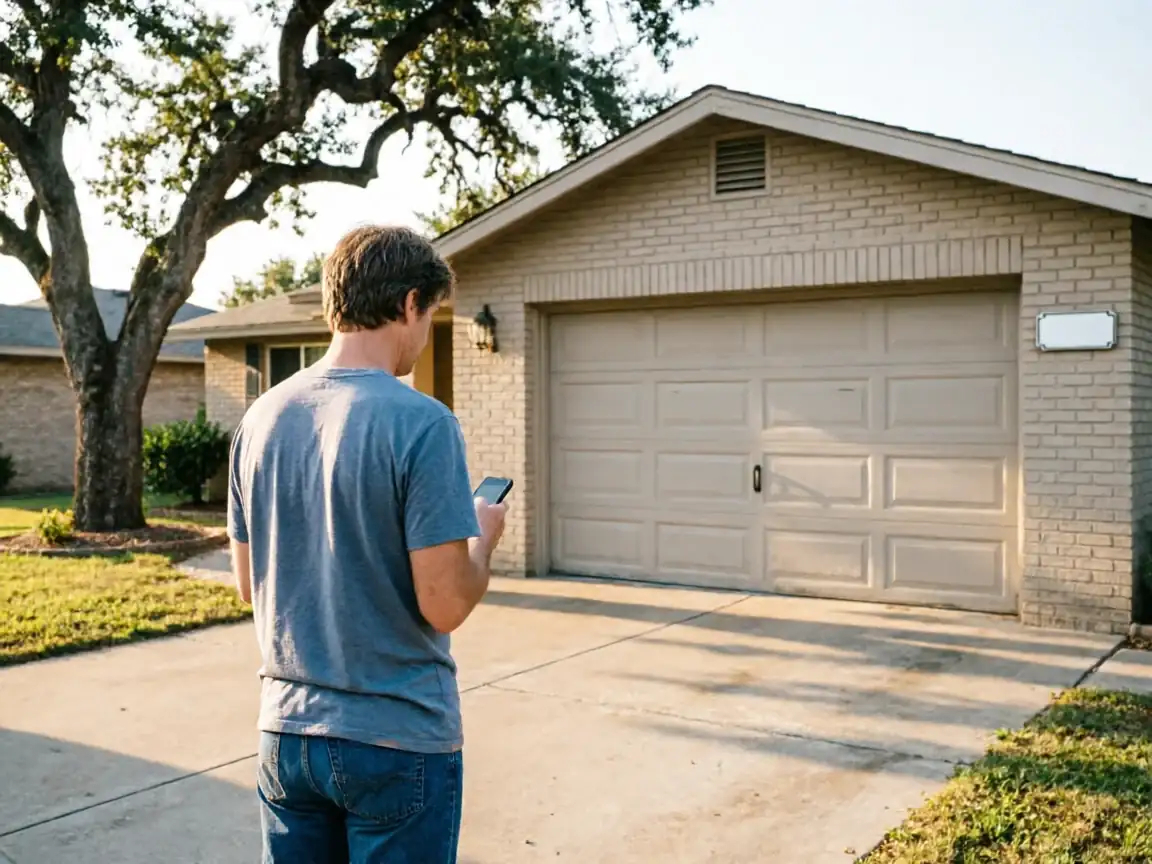
What you can reasonably check yourself: the opener's safety sensors (the two small eyes near the floor on each side of the track), loose bolts on the track brackets, and whether the issue is the opener's remote battery before calling anyone out. If the door won't budge and you hear nothing from the opener at all, that's worth a quick check of the breaker before assuming it's a bigger problem.
One honest limit: if your opener logic board has failed and the unit is no longer sold or supported, replacement beats repair - hunting down a discontinued board usually costs more in time than a new opener costs in parts.