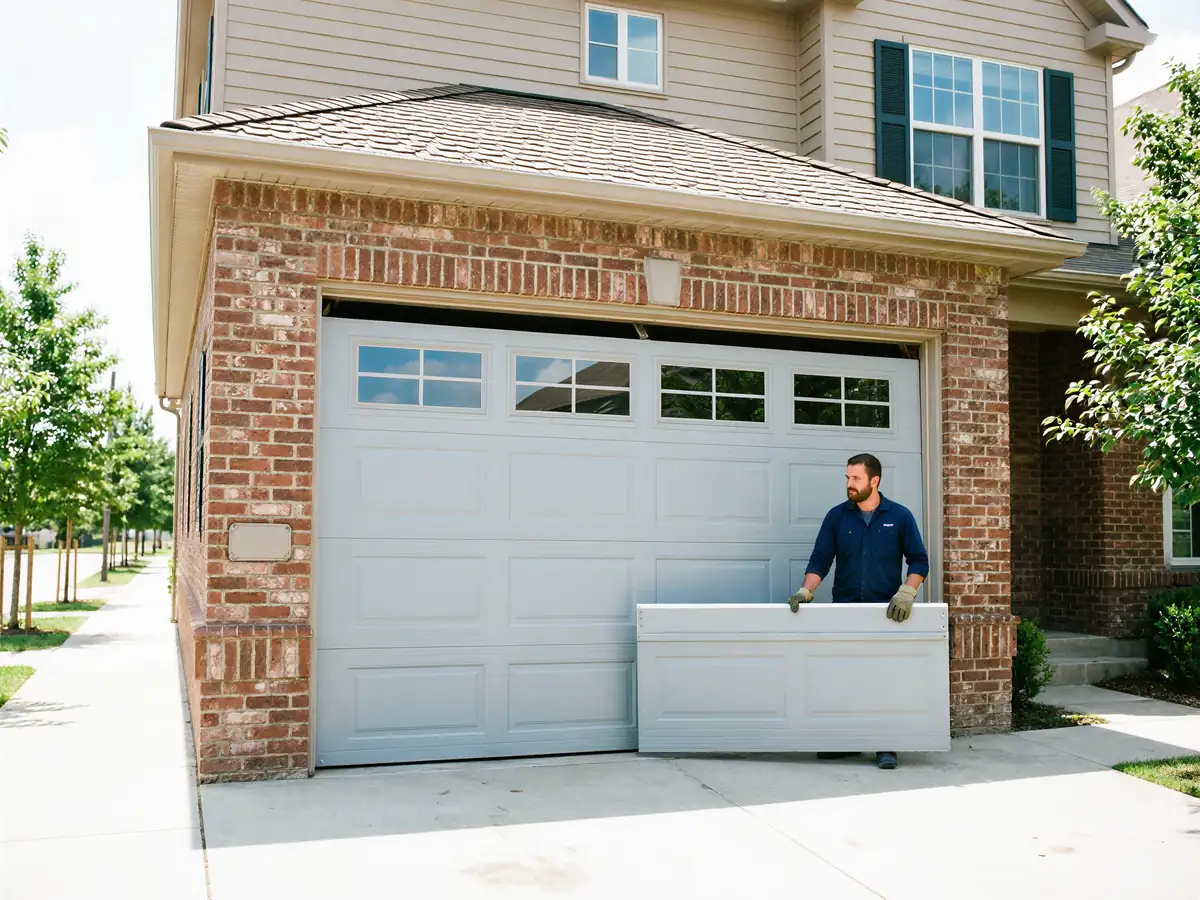
What the Fix Involves
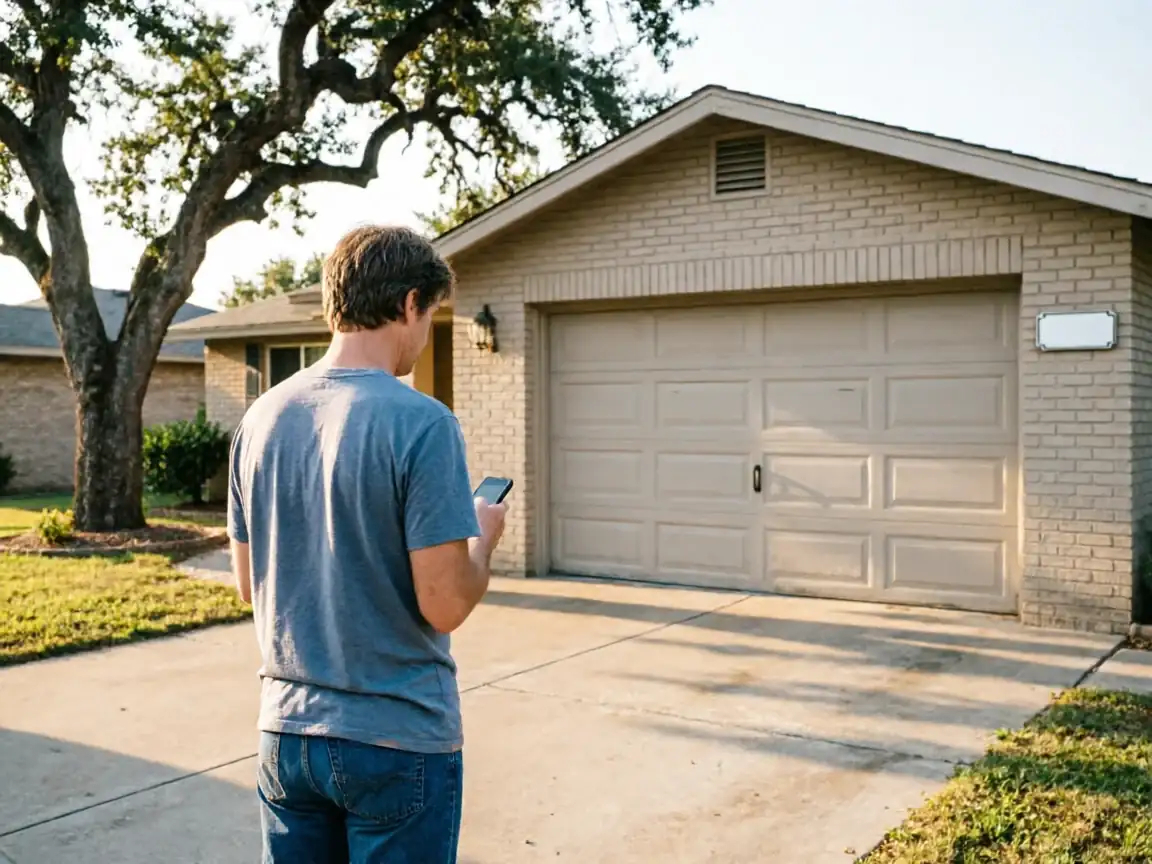
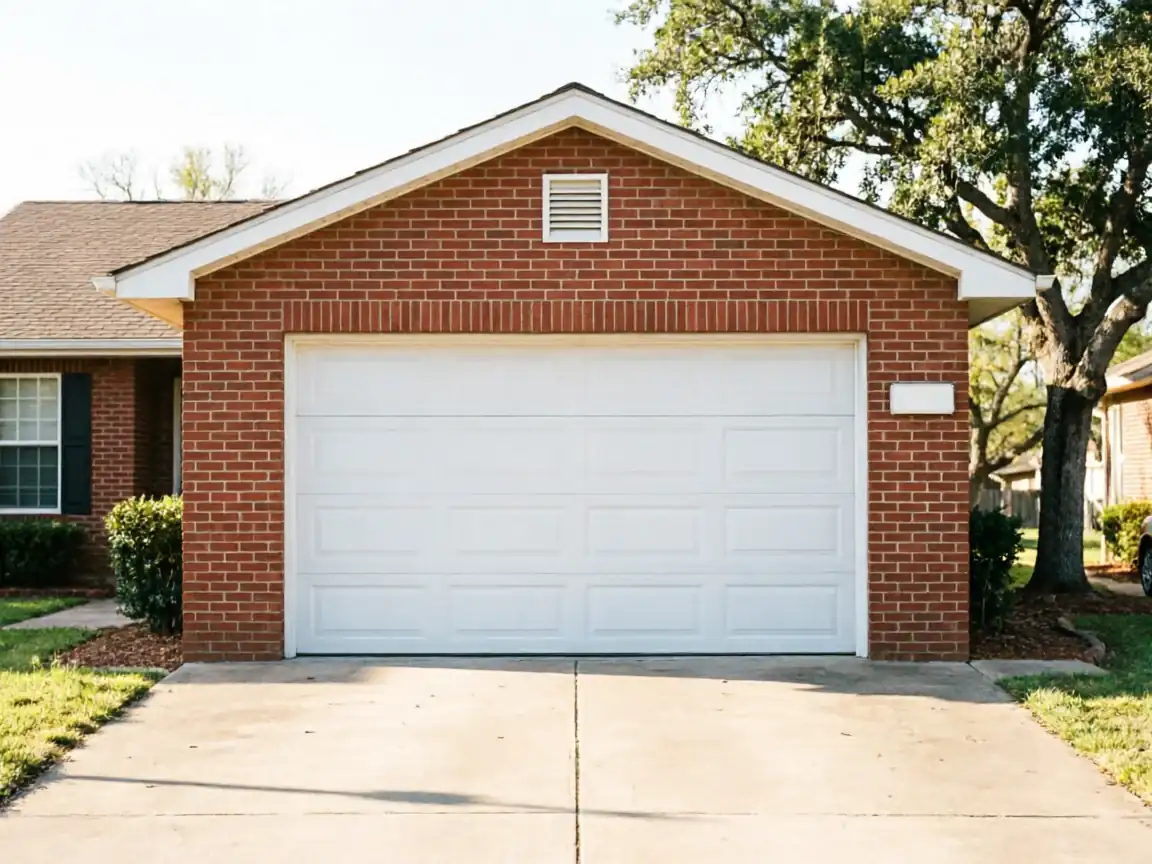
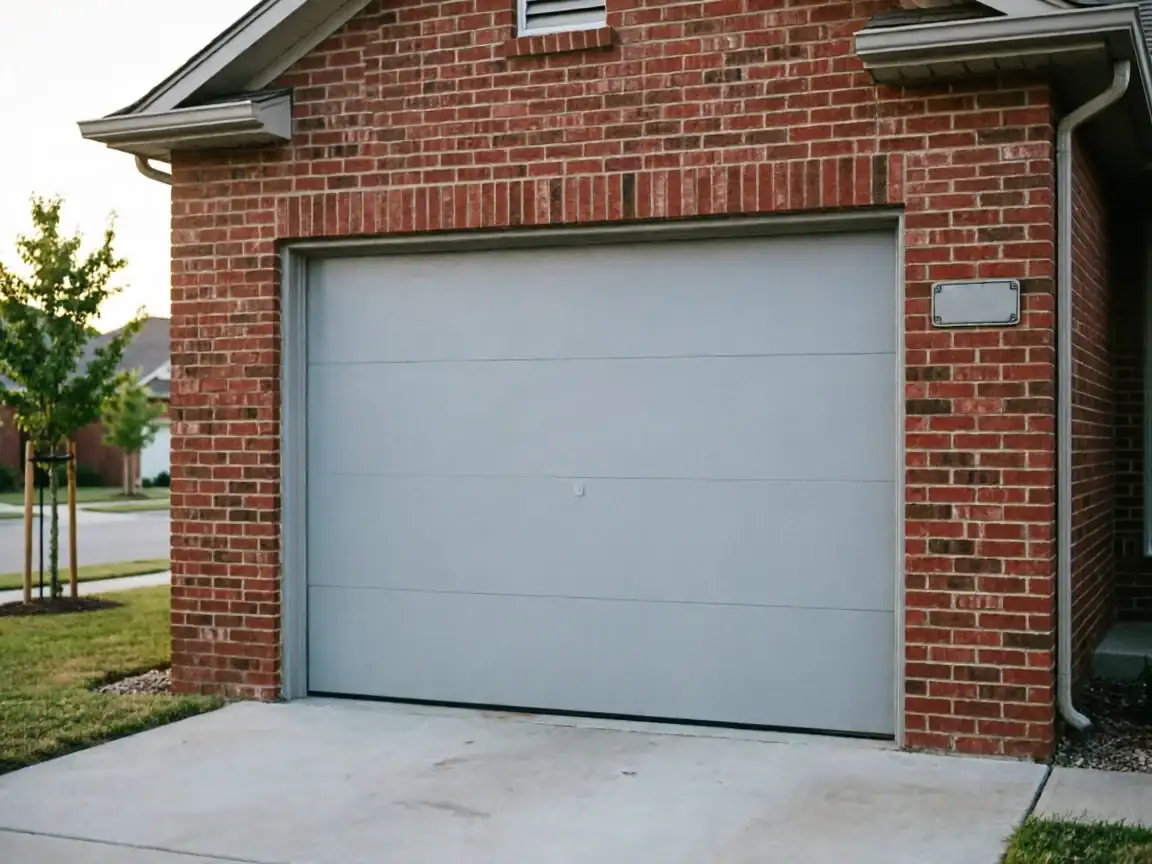
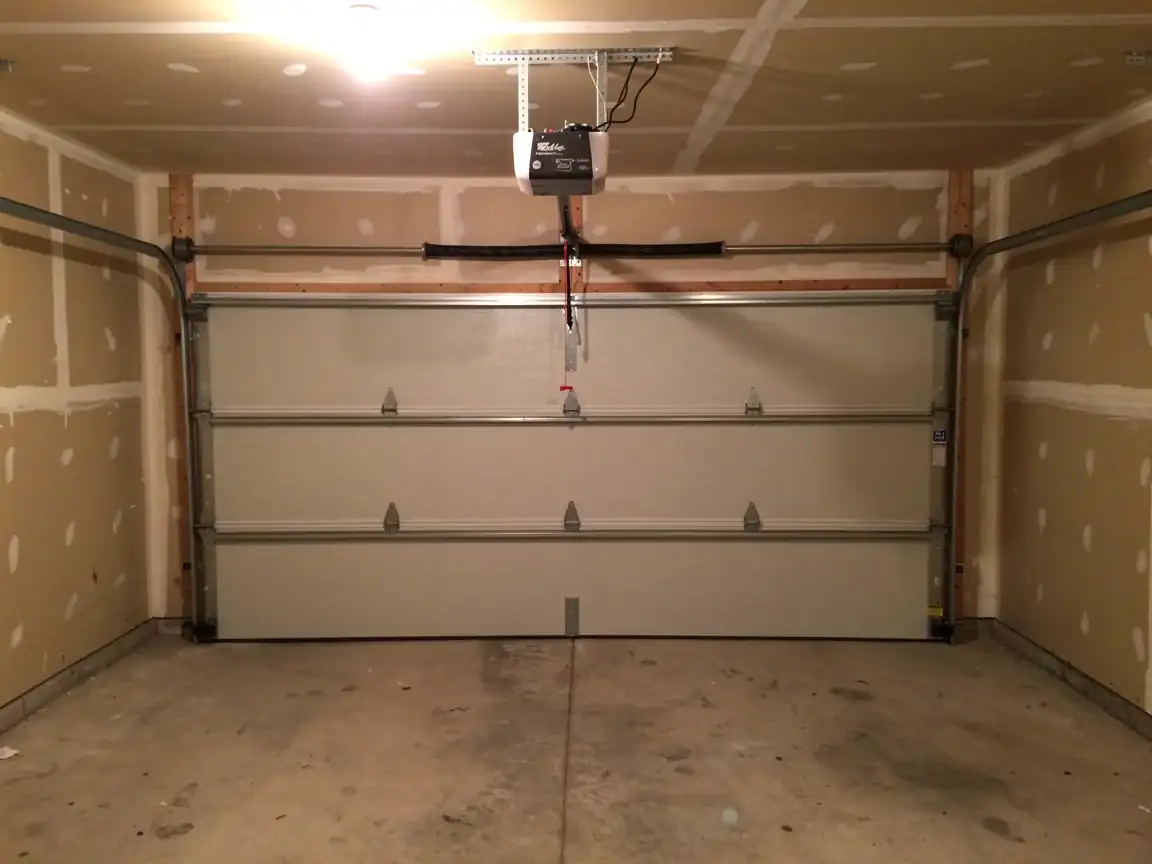
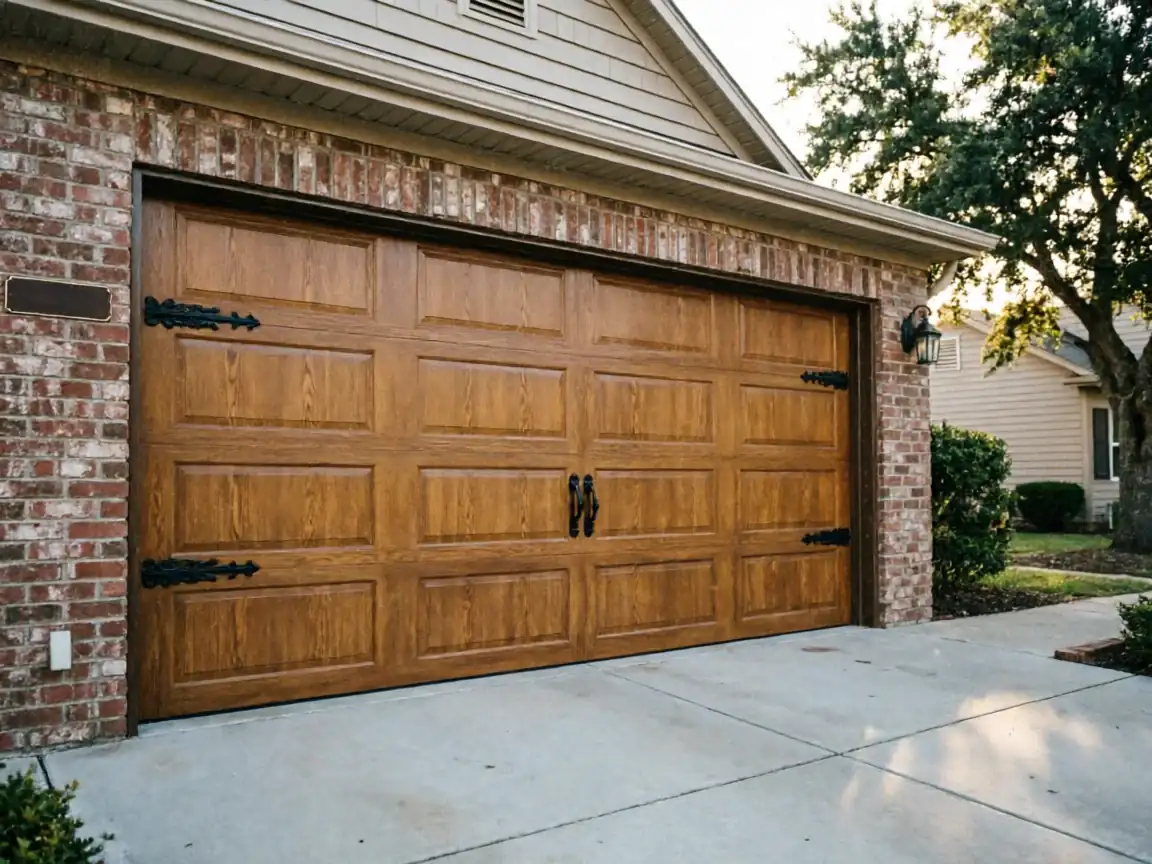
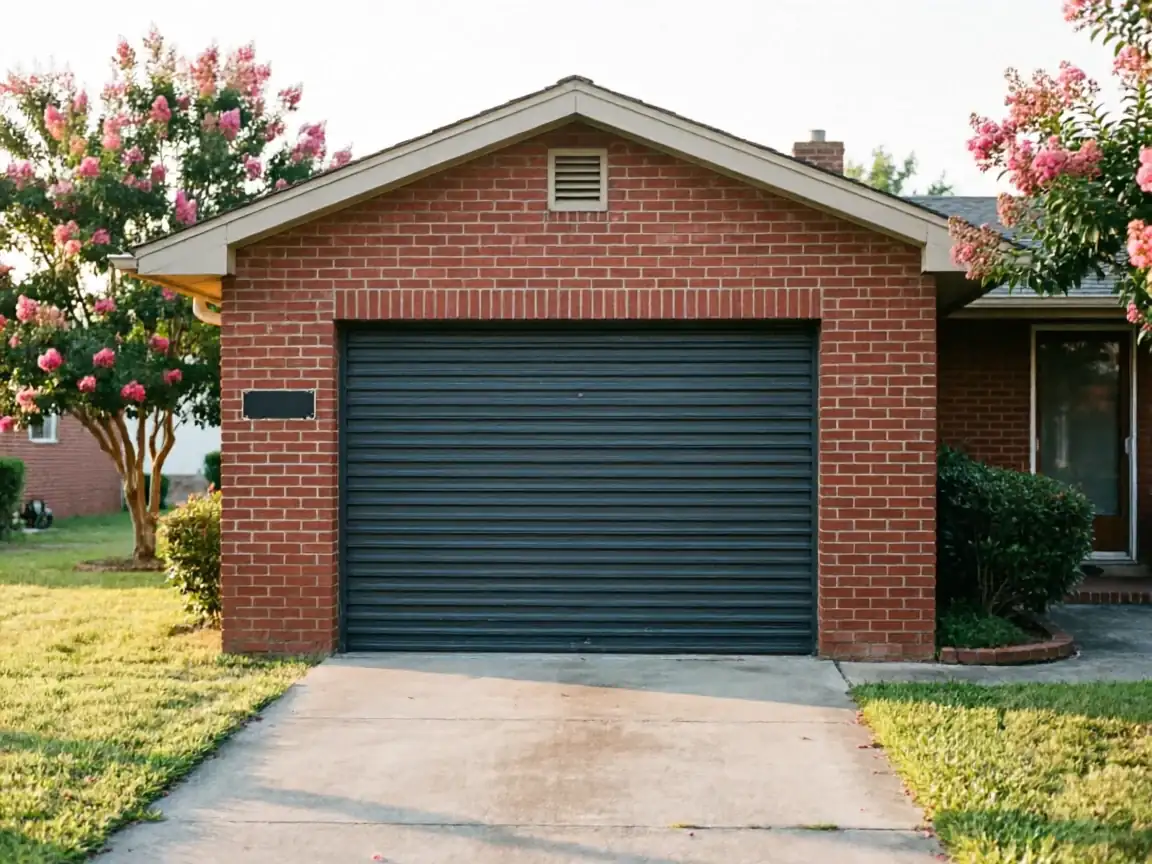
Most houses in Heath went up around 2001, which puts them squarely in the builder-grade wave of steel sectional doors that went in during the early 2000s subdivision push. Those original doors were sized to standard 7-foot openings with 25-gauge steel panels and single-layer insulation, because that was the cheap, fast spec builders used at the time. Twenty years on, a lot of those panels have gone soft at the bottom corners from sun and swelling, and the torsion springs that came stock with them are at or past the end of a normal lifespan.
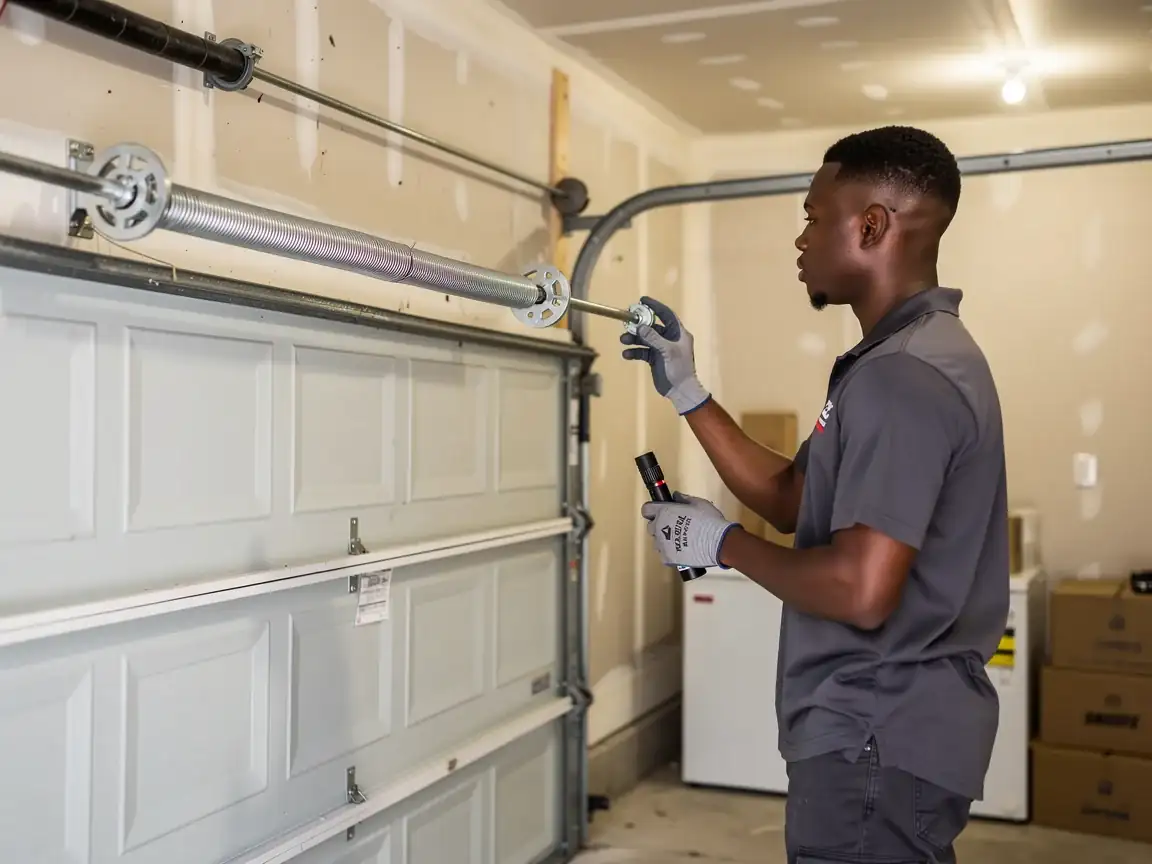
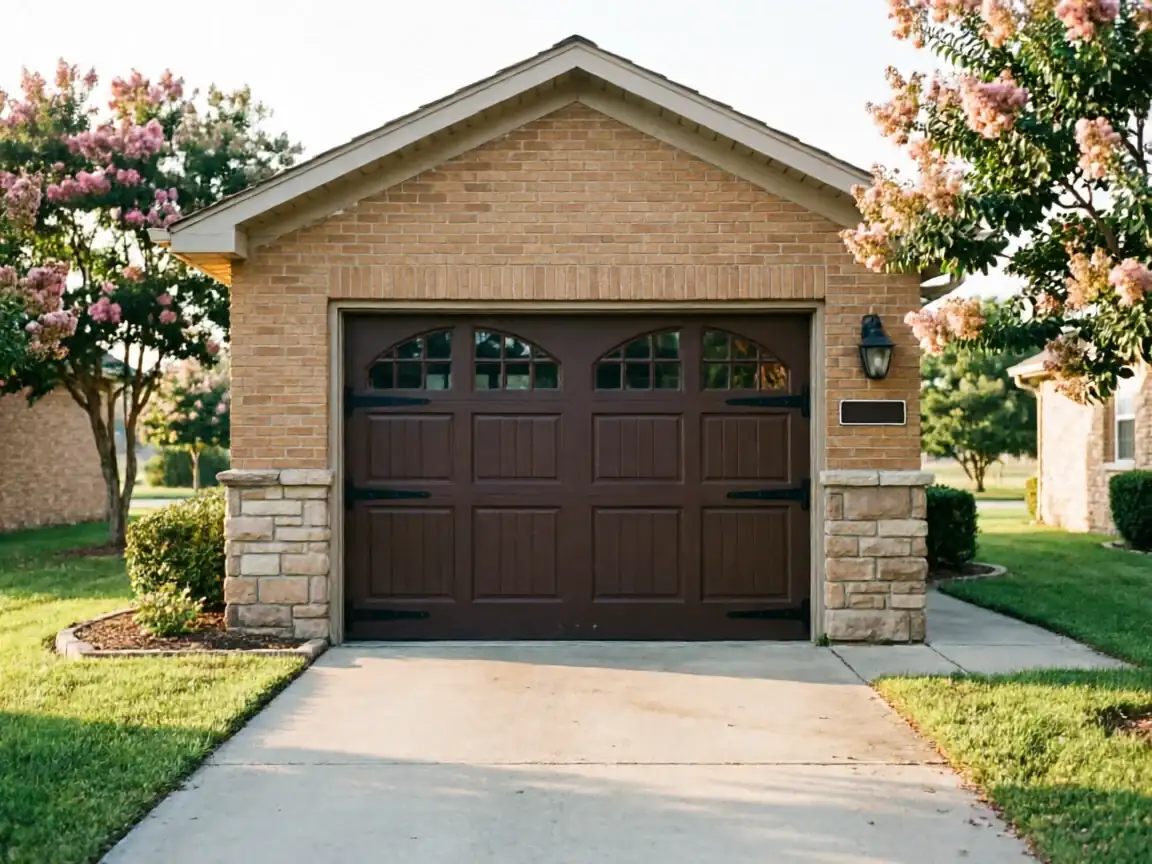
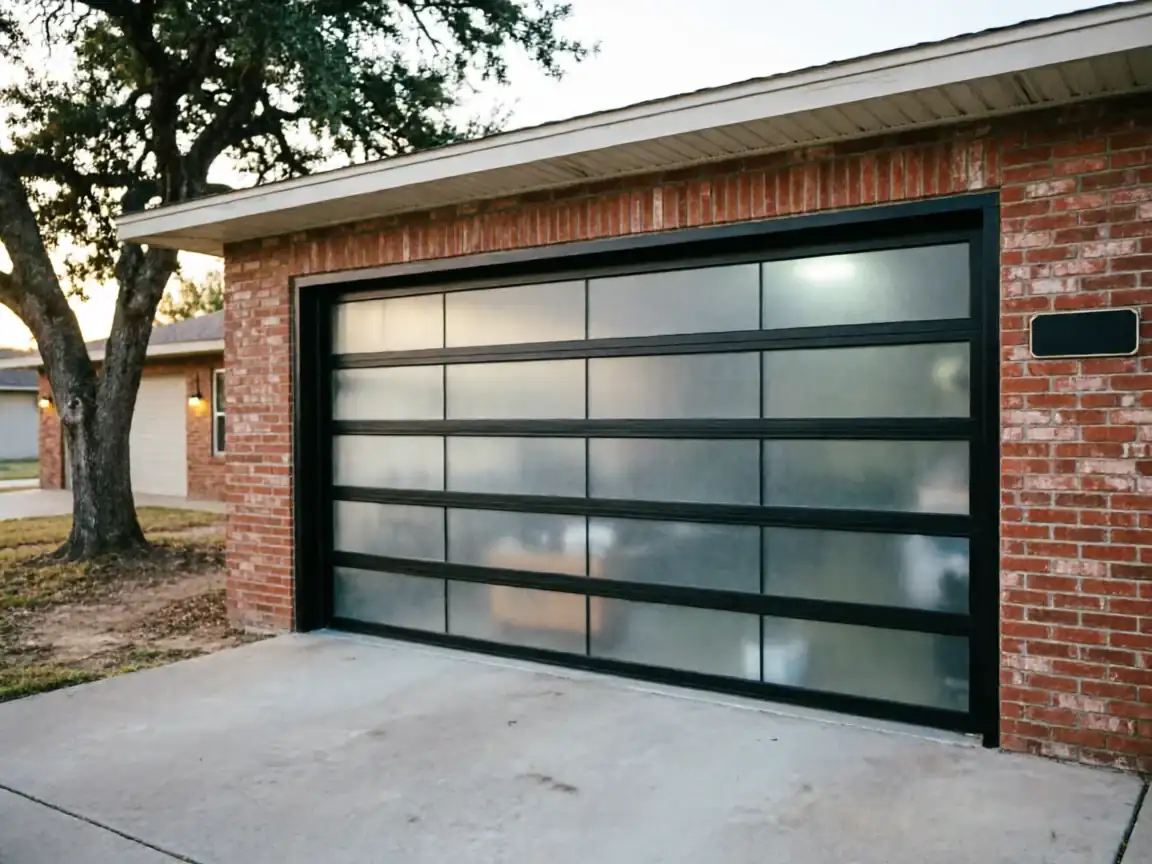
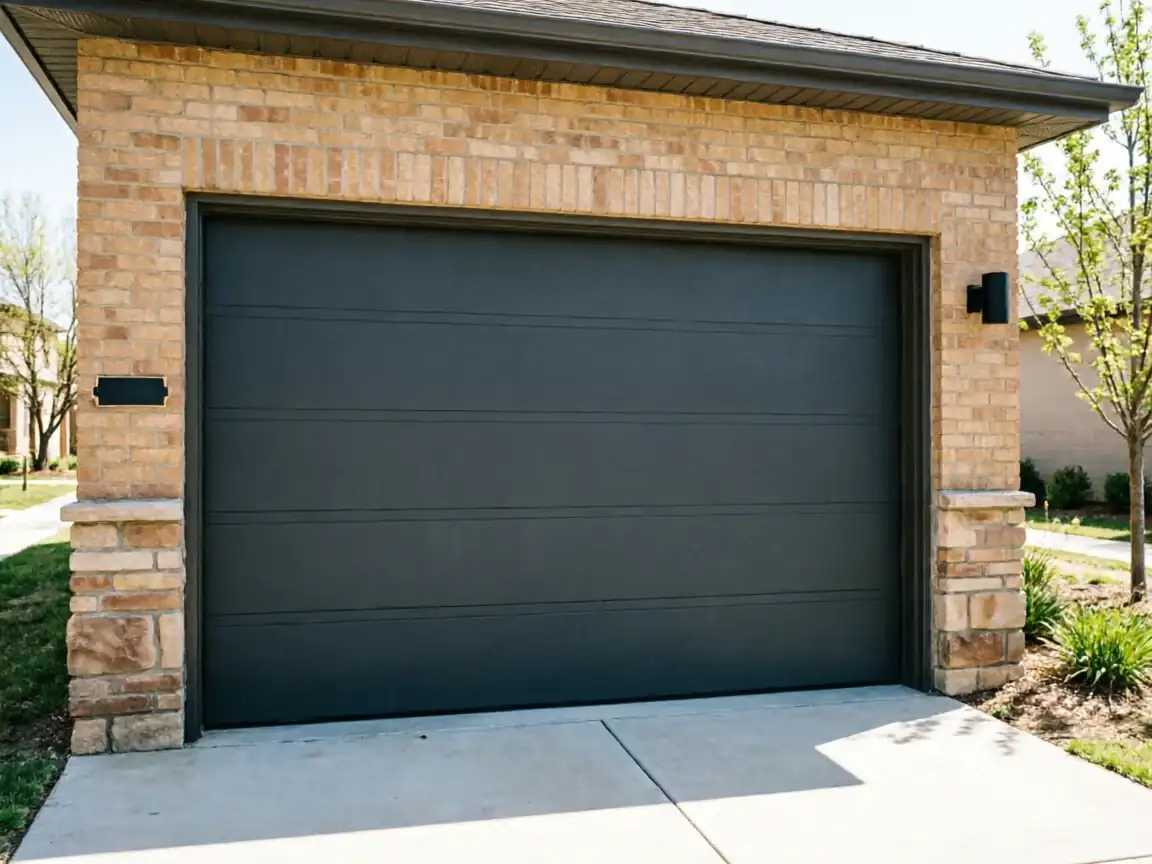
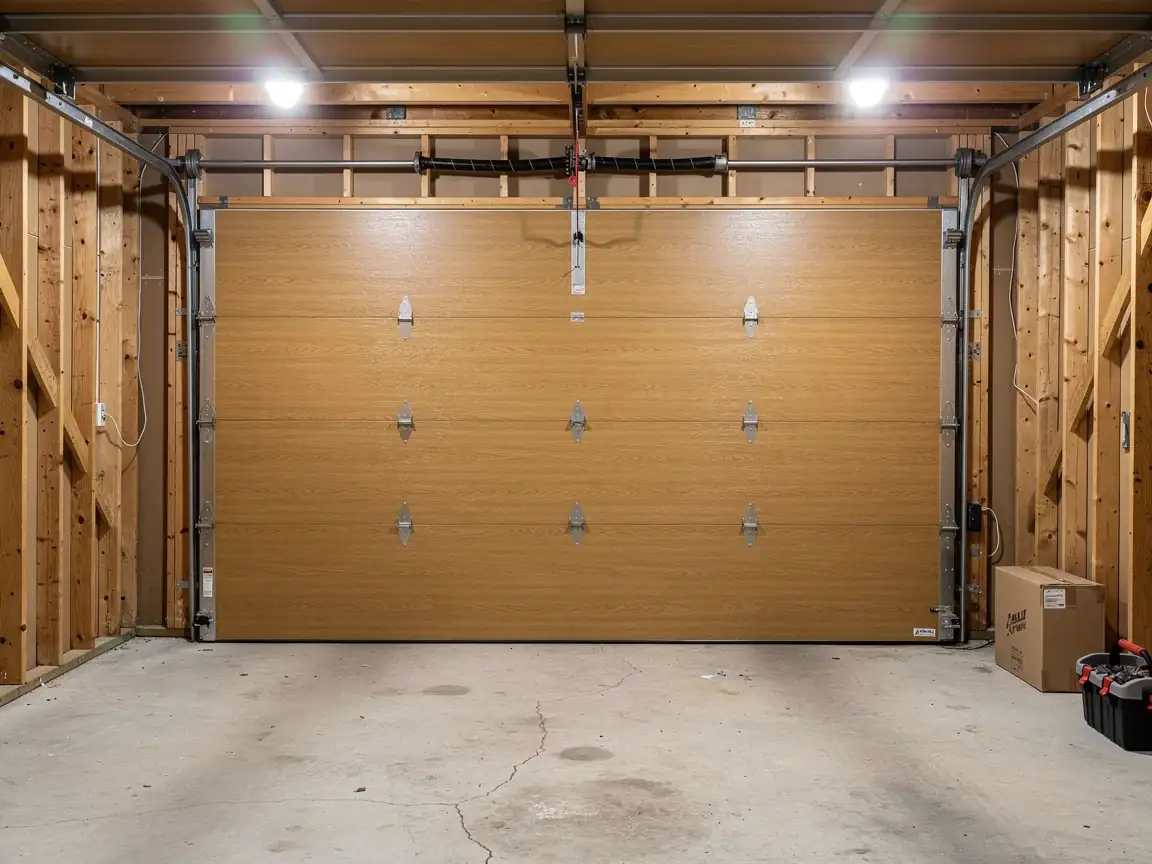
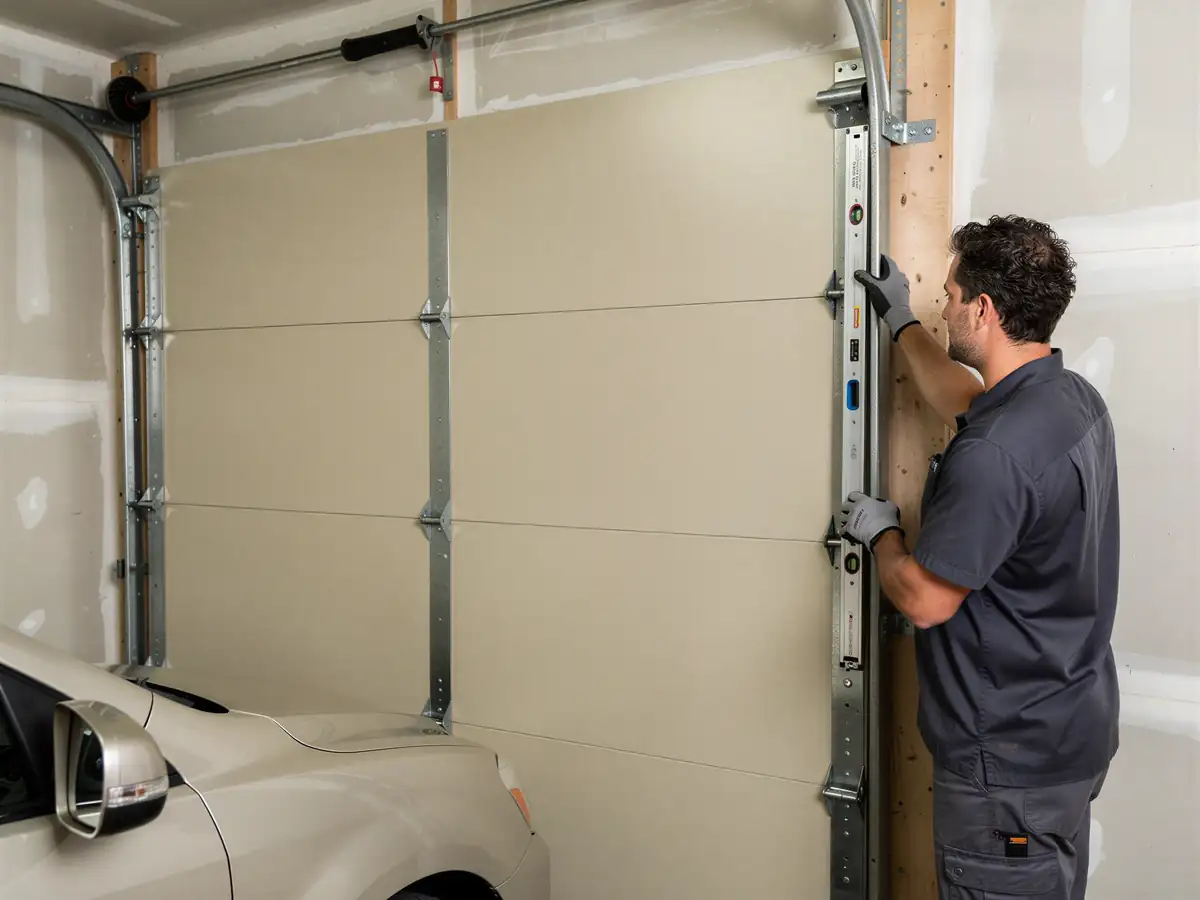
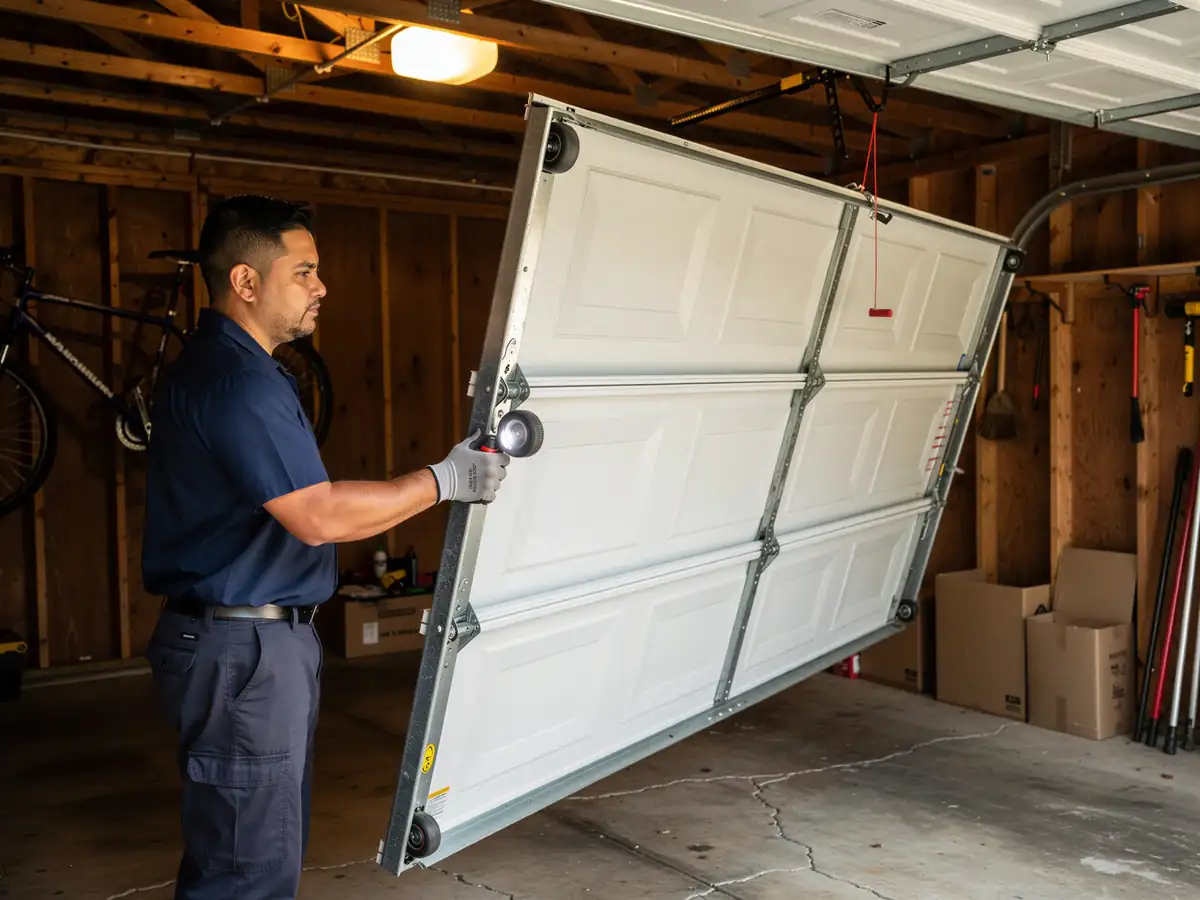
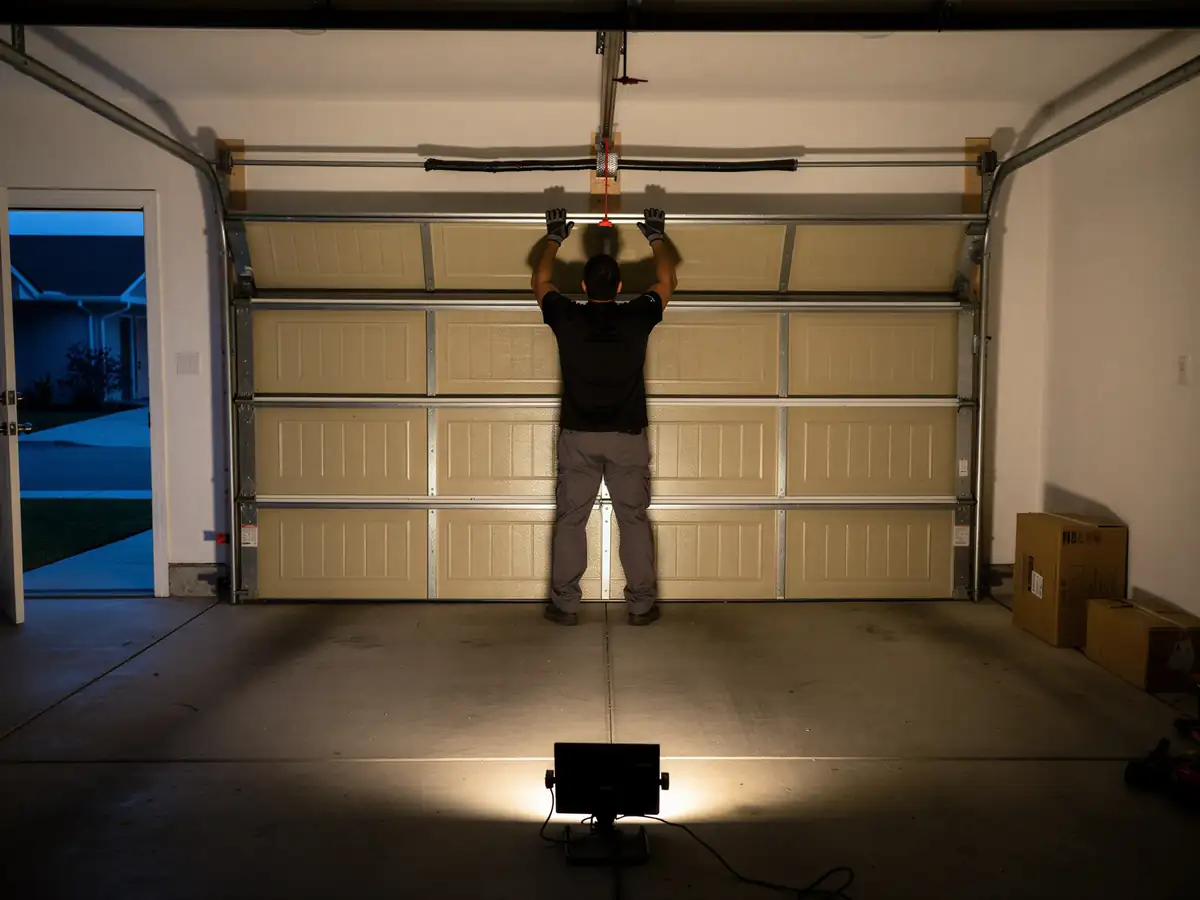
An install here usually means pulling the old door and track complete, then setting a new door to the same rough opening with updated hardware - heavier gauge steel, better R-value insulation, and a spring sized to the actual door weight rather than a generic builder spec. We bring the door, track, opener if you're replacing that too, and the torsion bar hardware on the truck from Royse City, since there's no stock sitting in Heath itself. If your opening has settled or shifted over two decades, we re-square the jamb before anything new goes up - skipping that step is how a door binds within a year.
What You Are Seeing
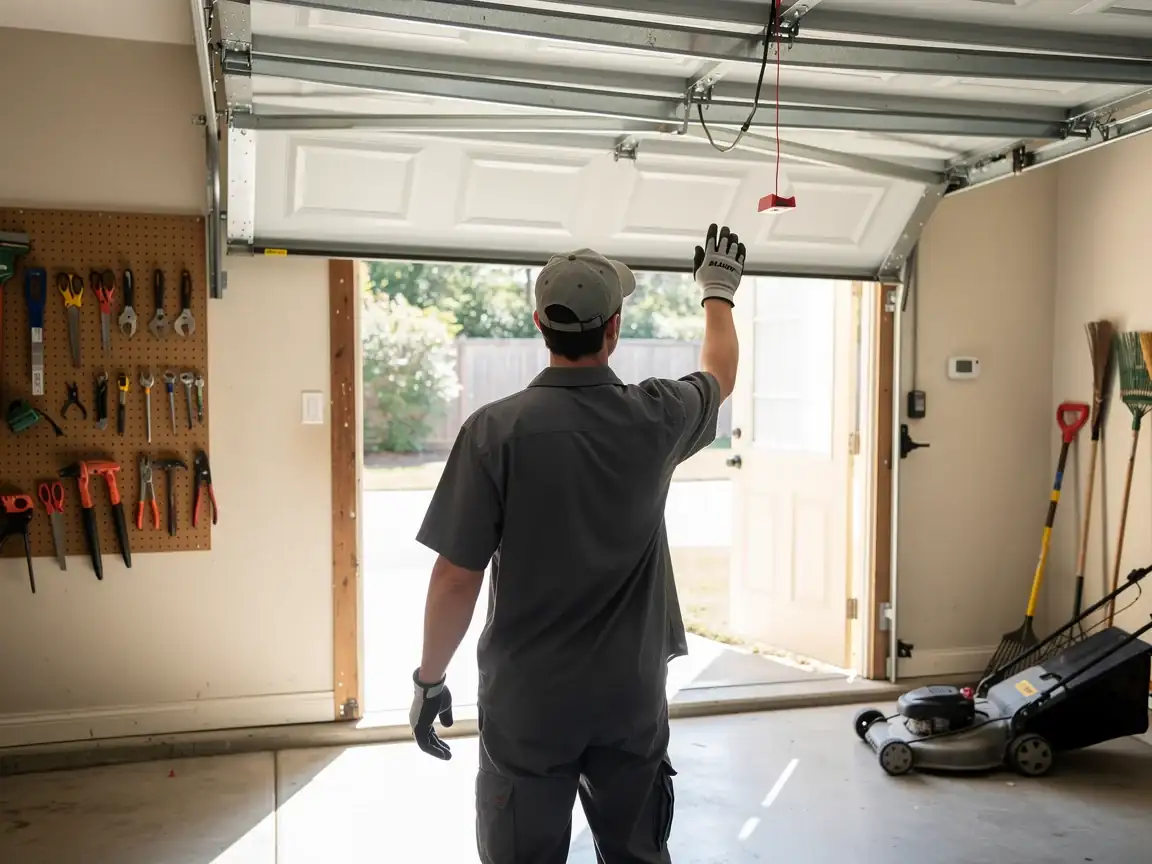
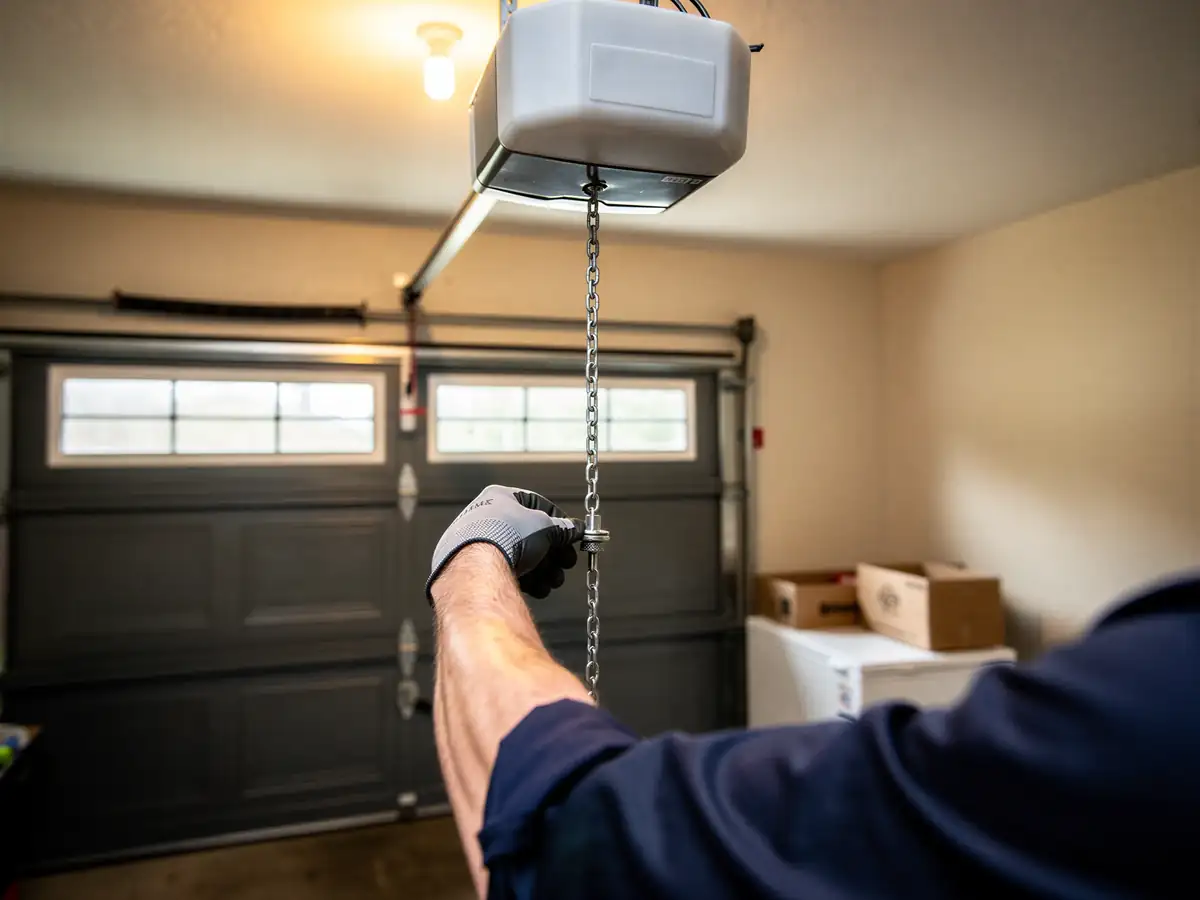
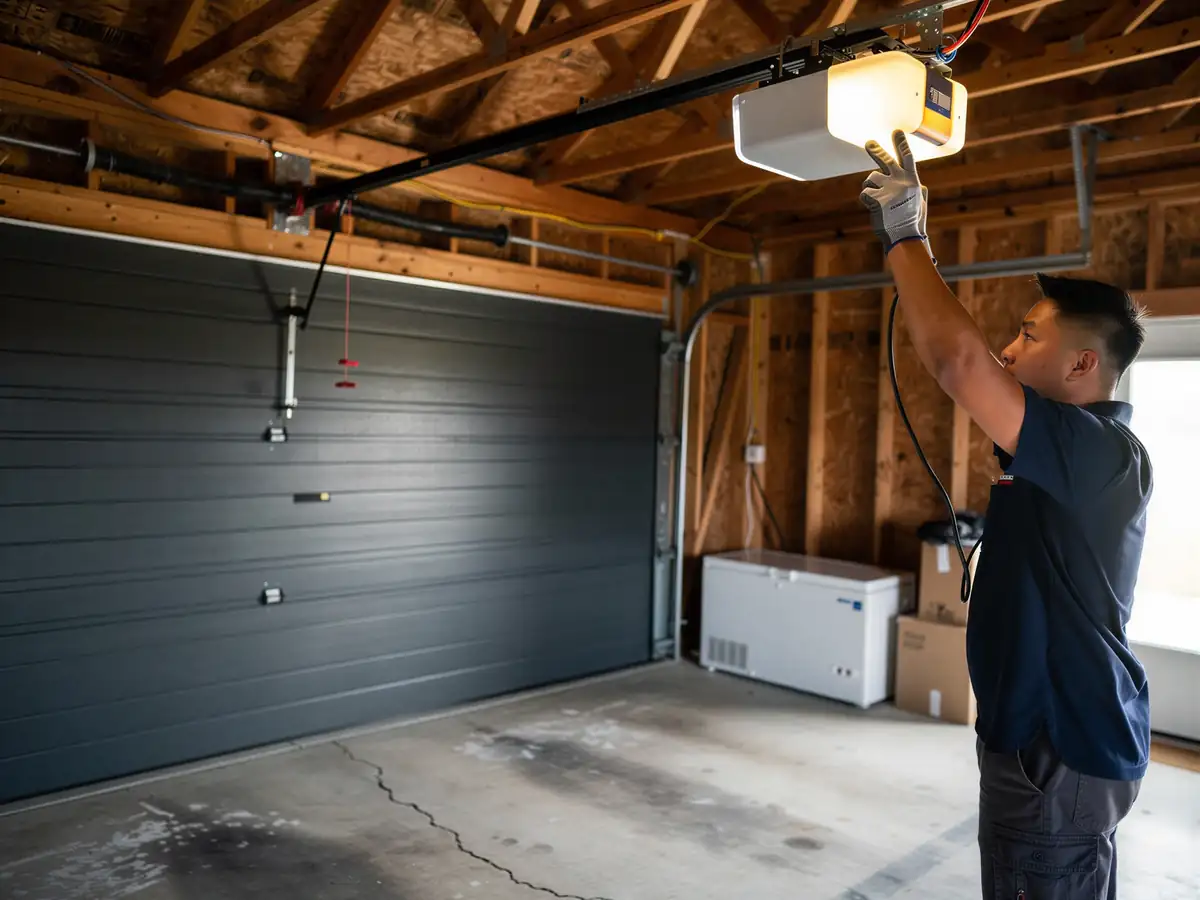
The early-2000s doors common in Heath show their age in a specific way: panel seams that have started to separate at the bottom section, rollers that have worn the track grooves wide so the door rattles on the way up, and openers original to the house that cycle slower than they used to. None of that is dramatic failure - it's wear that builds for years before someone decides to replace the whole unit instead of patching it again.
With household income in this area running well above the wider service area (over $216,000 median here against roughly $117,000 across the territory we cover), replacement tends to get chosen over repeated patch repairs more often in Heath than in some of the older, lower-income pockets nearby. That's not a sales pitch - it's just what we see when we're out on these jobs. A door that's structurally fine but cosmetically tired, or an opener that's starting to strain, gets swapped here rather than nursed along.
What It Costs
I don't have a flat number to quote you here
Door size, insulation level, and whether the opener comes out with it all move the price, and I'm not going to invent a figure to fill space. What I can tell you is how the decision usually breaks down. In a neighborhood built around 2001, the opening sizes are consistent enough that a standard double or single replacement fits without custom framing, which keeps the install itself straightforward. The variable is almost always the door panel choice - steel versus a heavier insulated option - and whether the spring and opener need replacing alongside it or are still within reason.
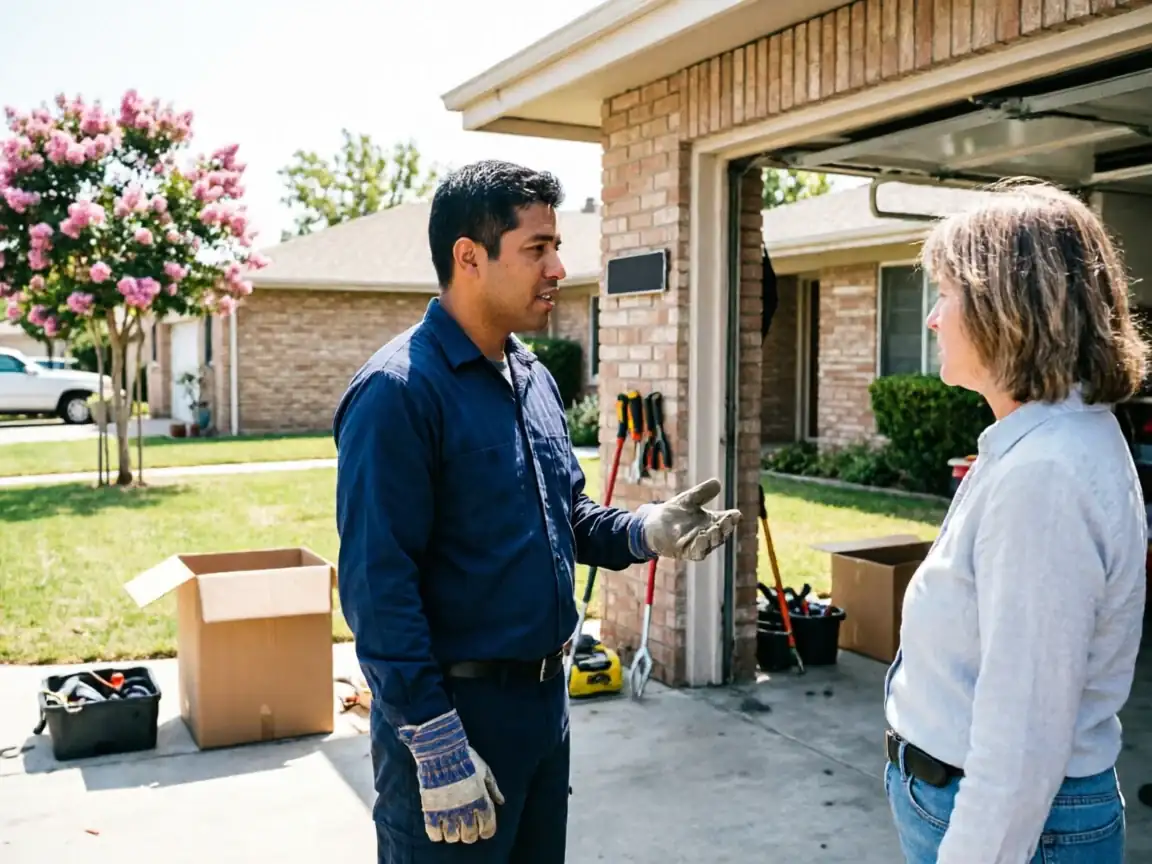
We'll walk the opening, check the jamb and the existing hardware
And give you a number before anything gets ordered. There's no quoting a price over the phone that means anything, because two doors that look the same from the driveway can have completely different hardware underneath.
The DIY Question
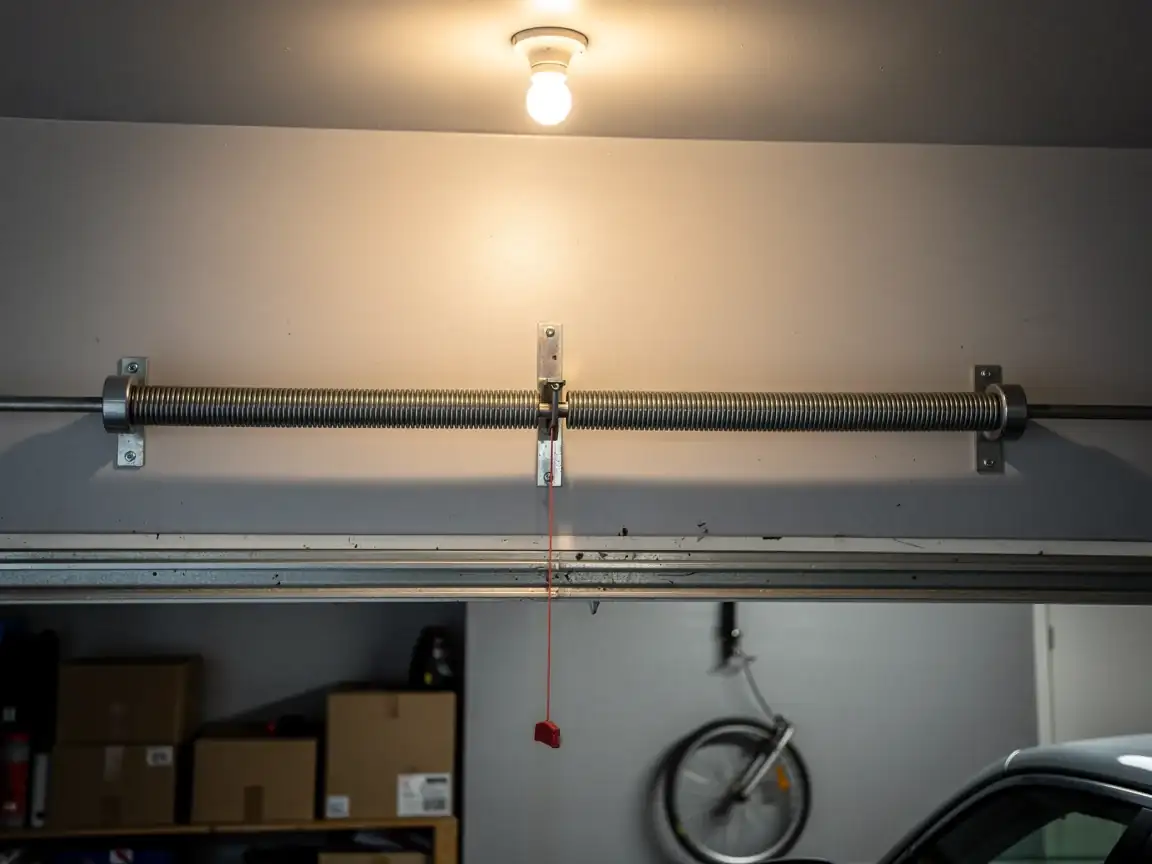
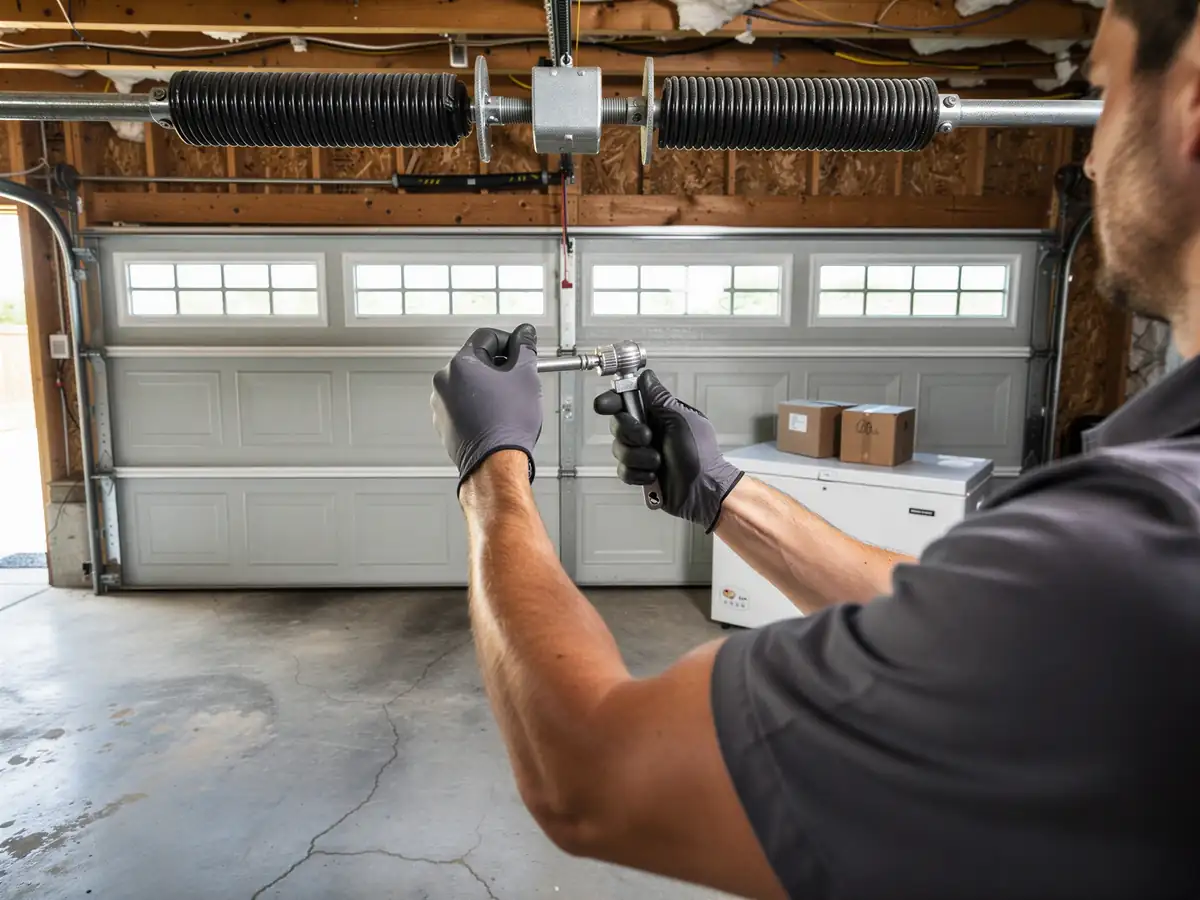
Swapping a garage door yourself is possible if you've done it before and have a second set of hands - the panel work isn't the hard part. The hard part is the torsion spring, and that's the one place I'll tell anyone flatly not to go it alone. A torsion spring under tension can put someone in the hospital, and the tools to wind it safely aren't something most homeowners own or want to buy for a one-time job.
If your Heath house still has its original 2001-era spring, assume it's wound to the weight of a door that may no longer match what you're installing - that mismatch is exactly how people get hurt. Panel swap, weatherstrip, even the opener bracket: fine to tackle yourself if you're handy. Spring and cable work on a torsion system: call it in. We cover Heath out of Royse City and can handle the whole install, or just the spring portion if you've already got the door.