What the Fix Involves
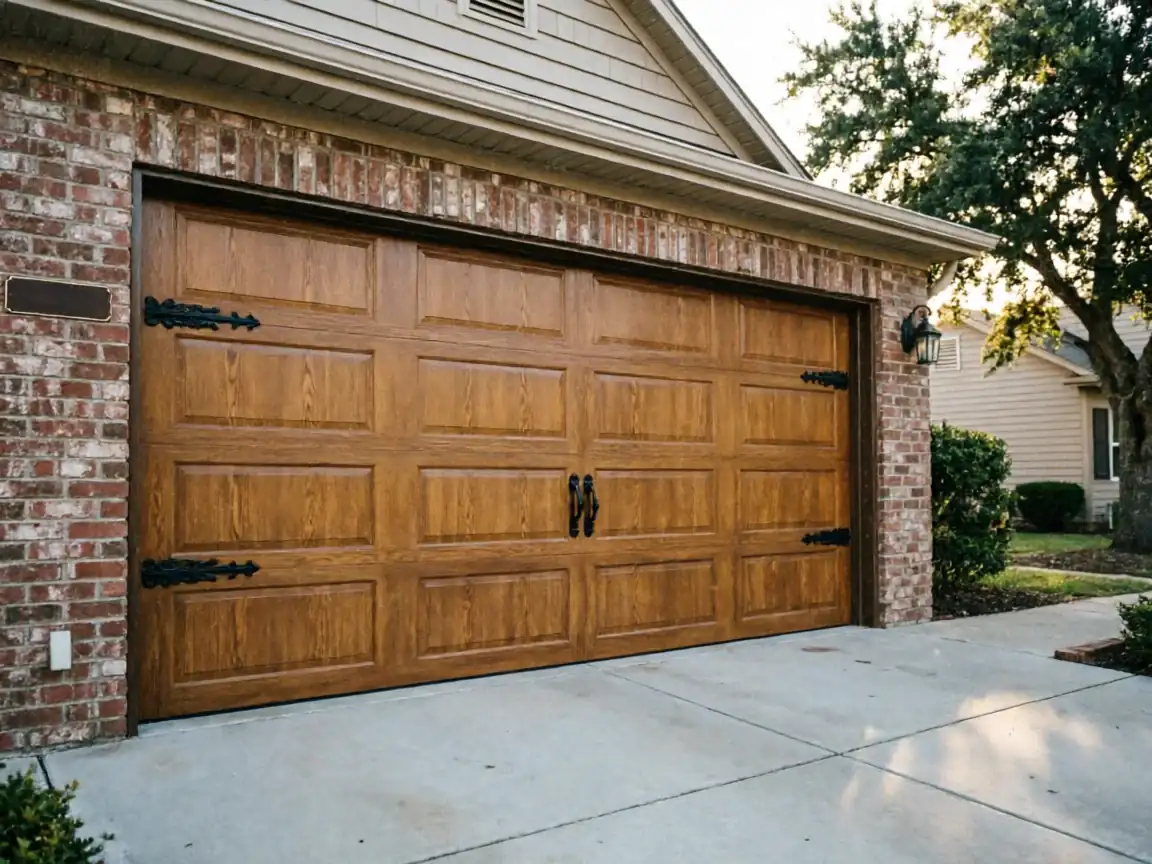
Heath isn't a big town - about 3,414 households, a fraction of the 20,747 across the wider service area we cover out of Royse City. That smaller number matters for this job: instead of fixing off-track doors across sixty years of mixed housing stock, we're mostly dealing with one generation of hardware, because most of Heath went up around 2001.
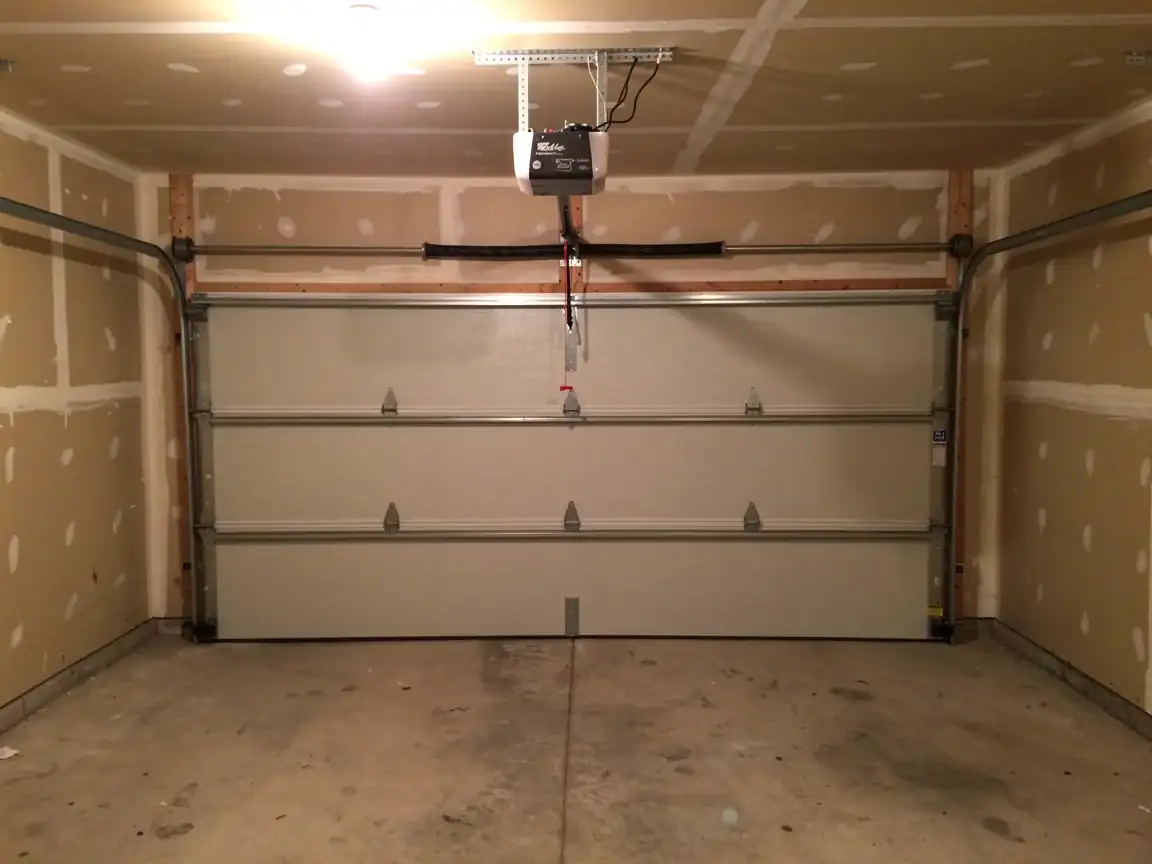
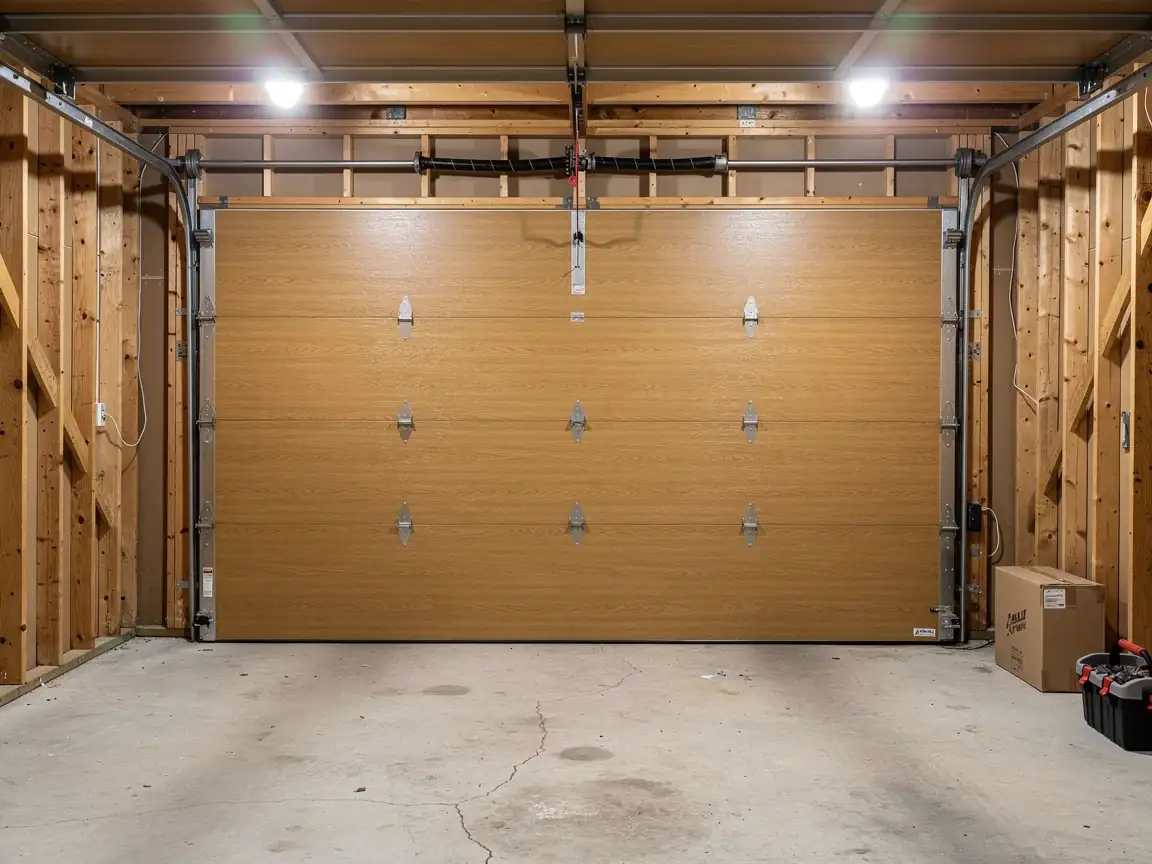
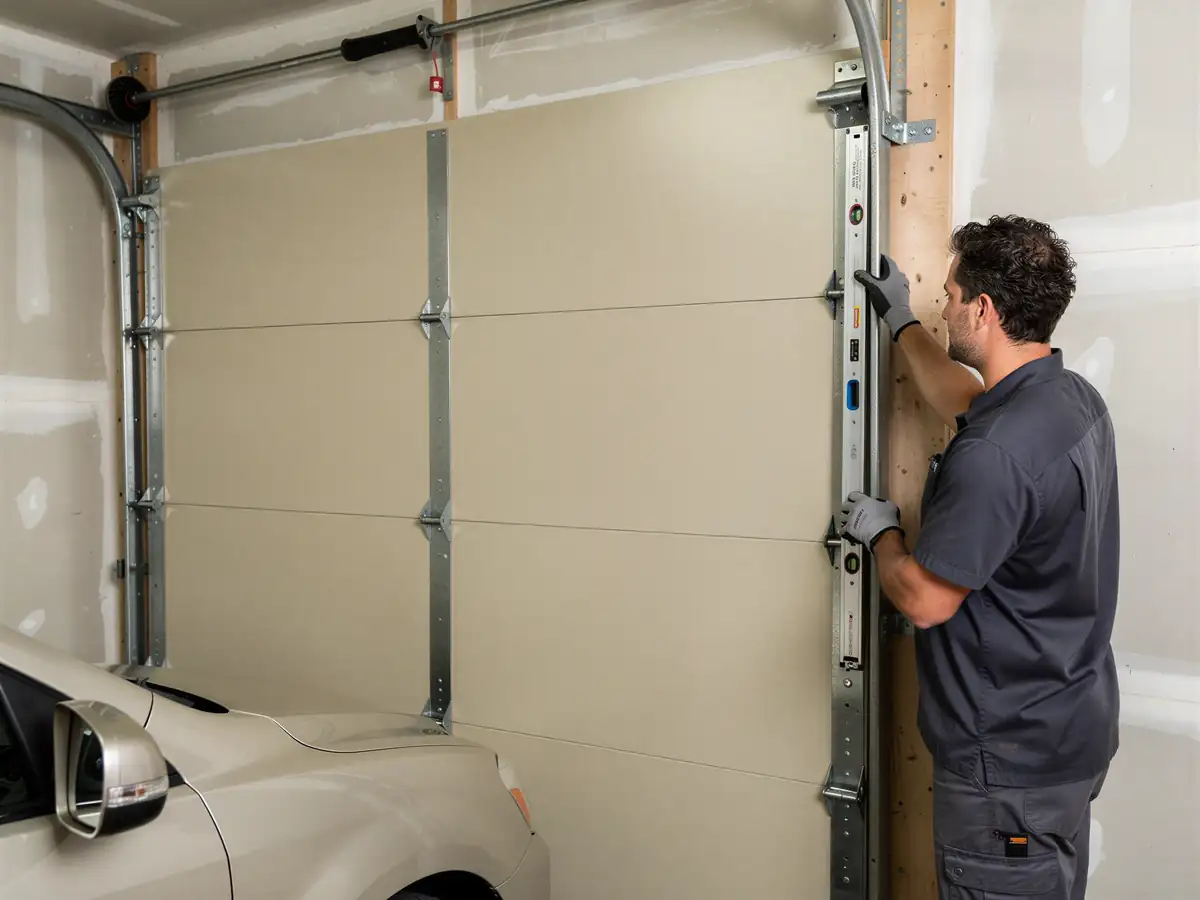
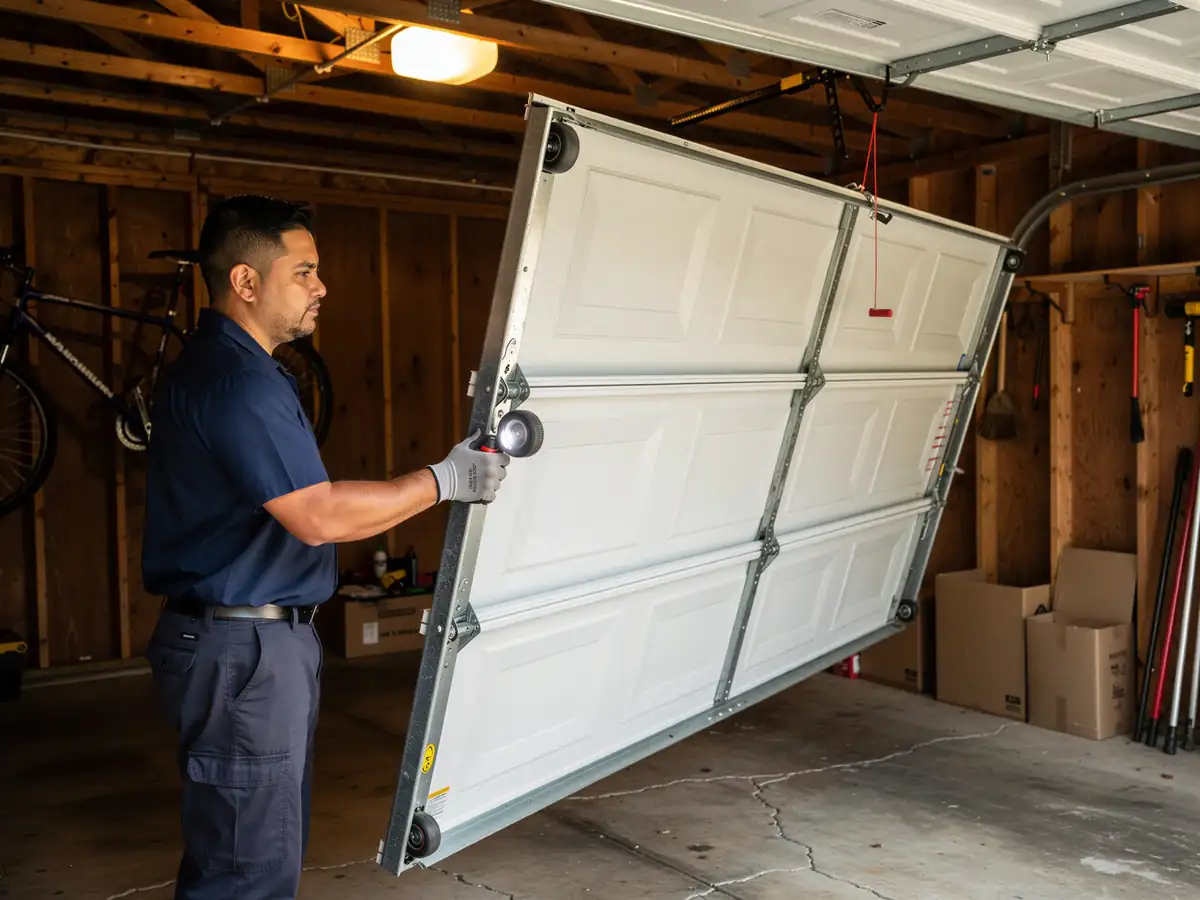
An off-track repair means getting the rollers back into the vertical track and the horizontal track lined up with the header, then checking whether the track itself bent in the process. On a door from this era, that usually means pulling the bent section, reseating or replacing the roller, and re-securing the bracket to the jamb. If a cable jumped the drum at the same time - which happens more often than people expect when a door comes off one side - that gets re-wound under tension, not just looped back on.
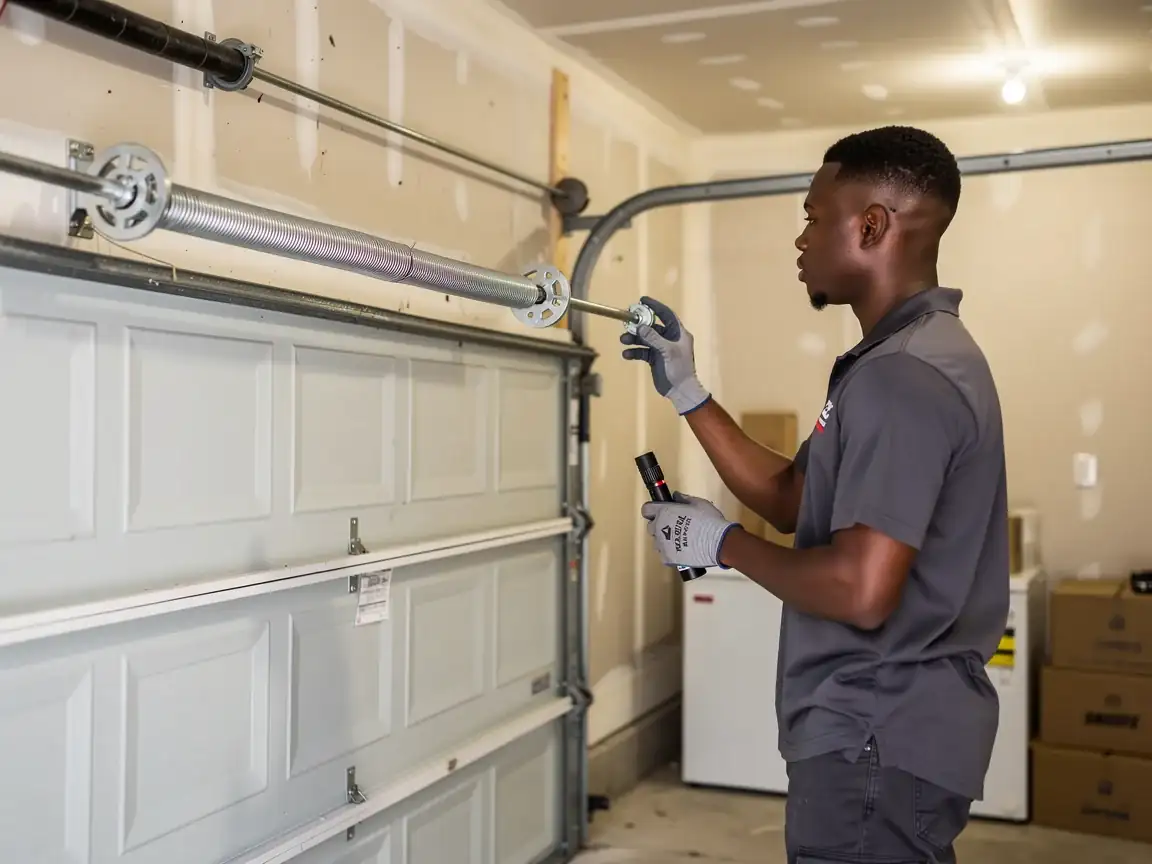
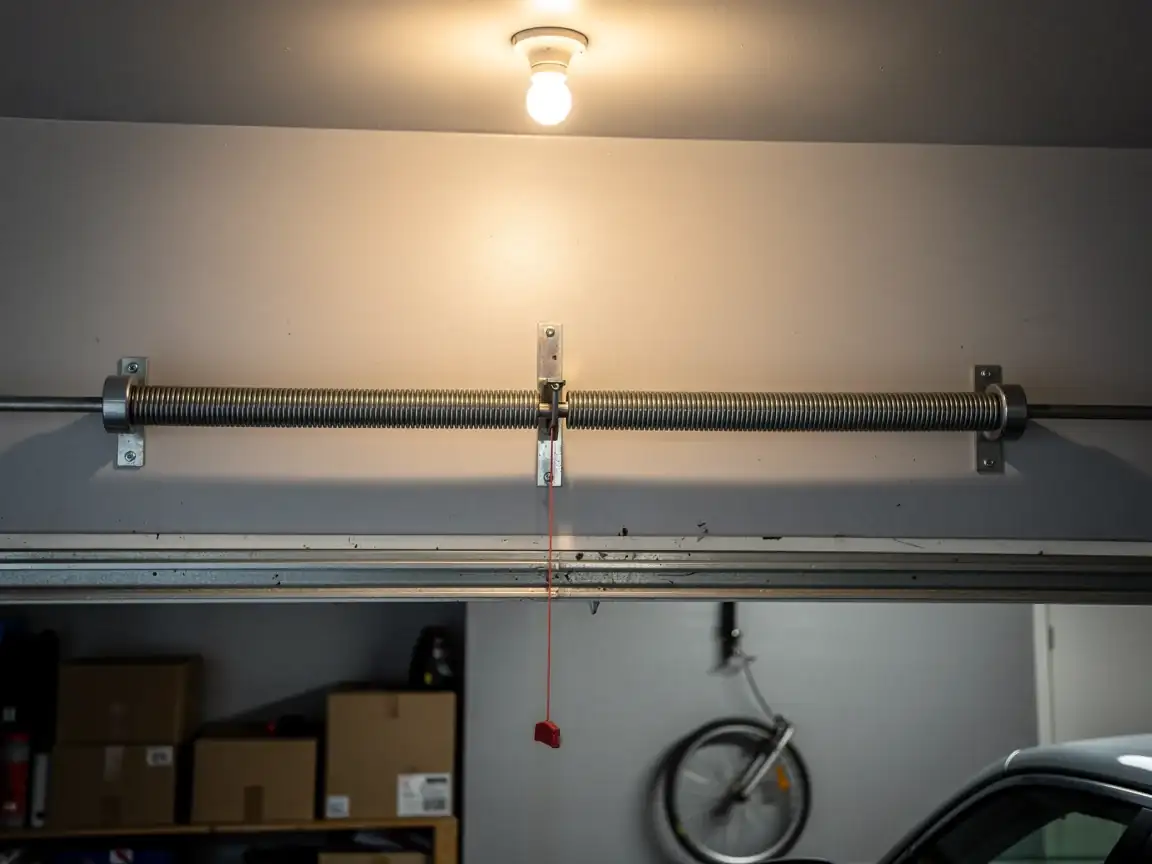
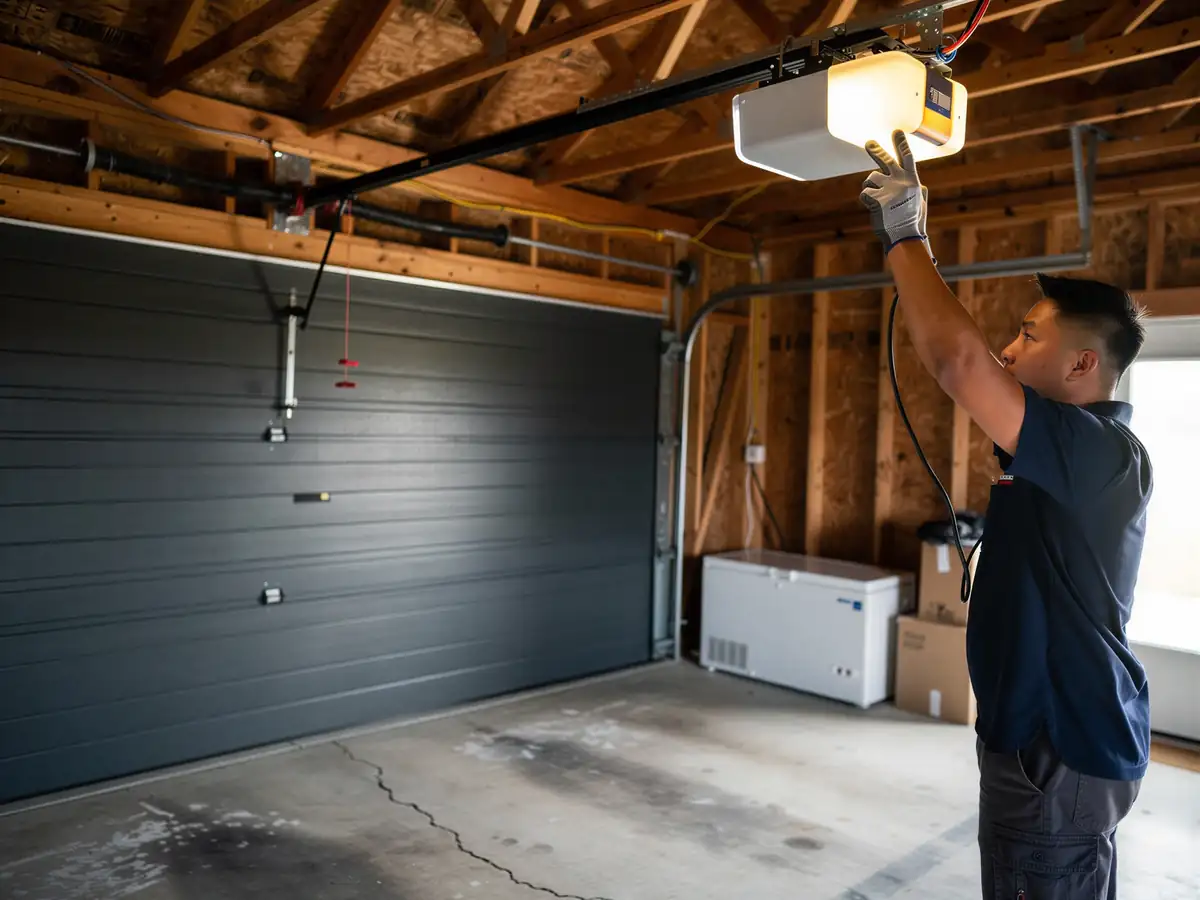
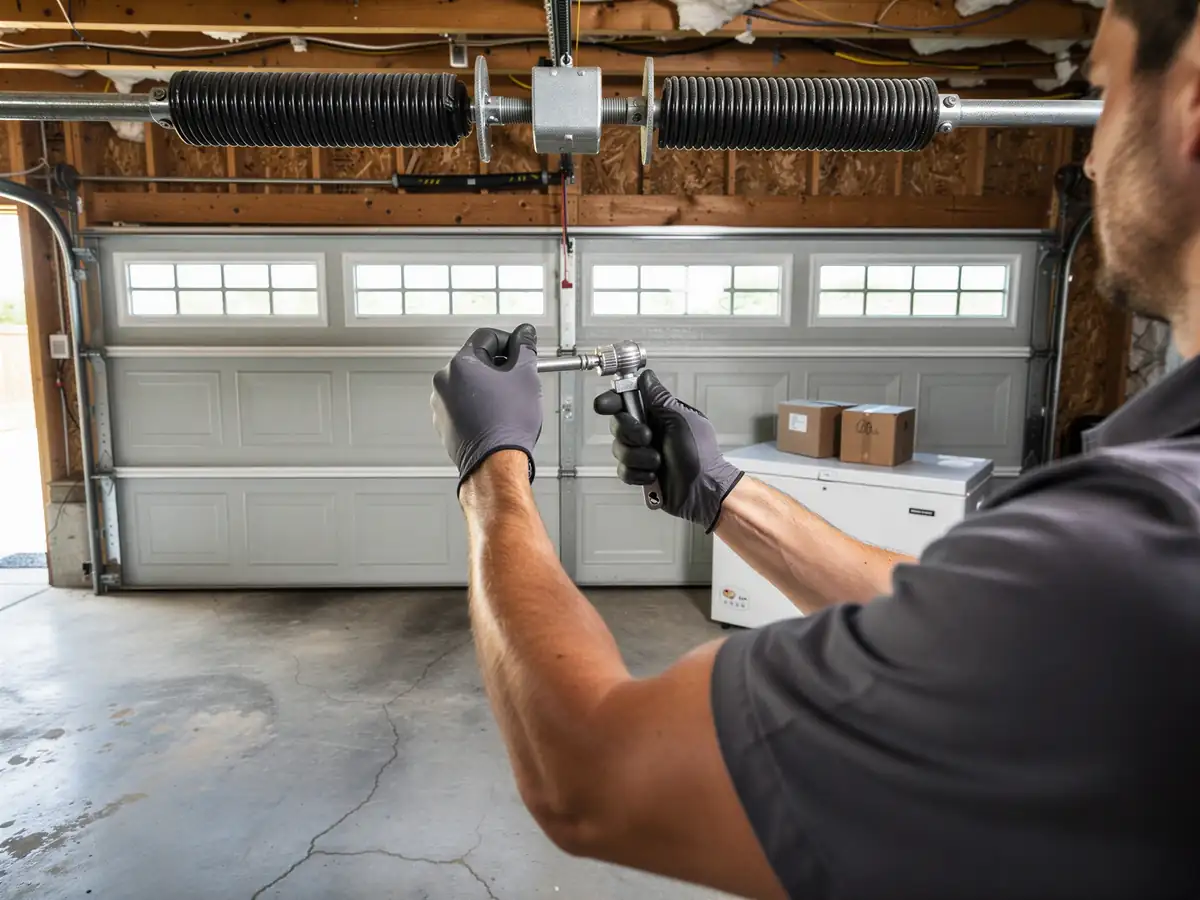
We don't open the springs on this call unless the door is already down and the cables are slack. If the torsion spring is still wound, we treat it as a separate hazard and handle it separately. See the broader off-track page for how that split works.
What You Are Seeing
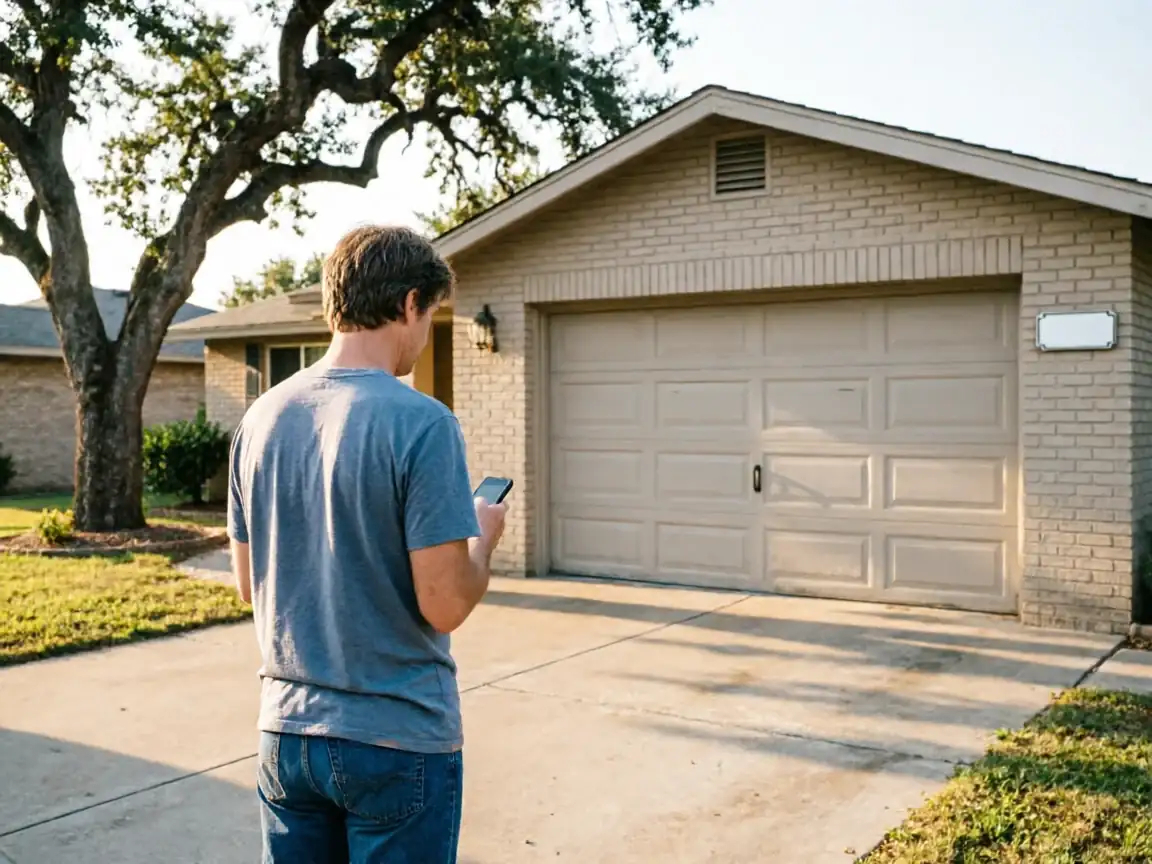
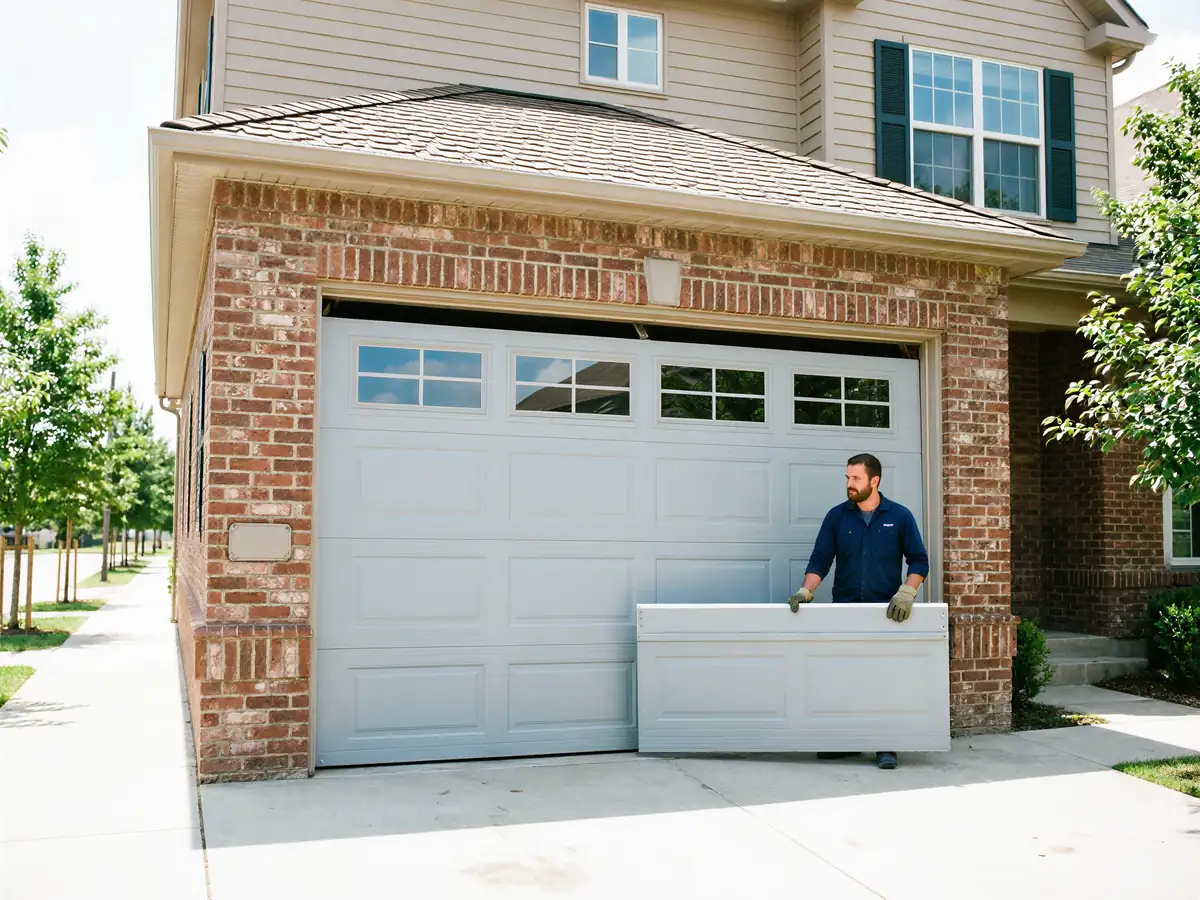
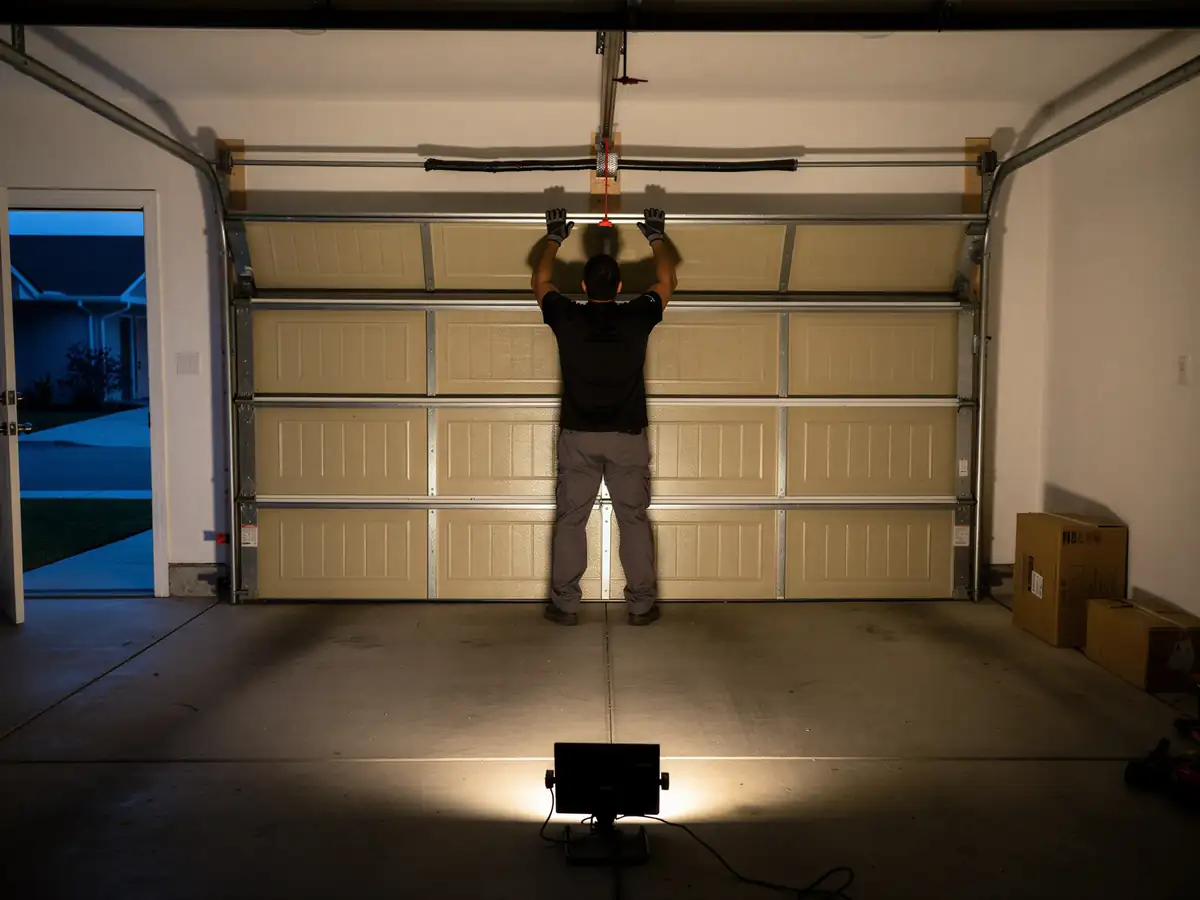
The door looks crooked in the opening - one bottom corner sits an inch or two lower than the other, or there's a visible gap of daylight along one side rail. Sometimes it stalls partway up and the opener strains against it. Sometimes a roller has popped clean out of the track and you can see it hanging loose against the jamb.
On a 2001-era door, the usual culprit is a roller bracket that's worked loose over two decades of cycling, or a track bolt that backed out just enough to let the rail flex sideways under load. The region's heat band is moderate, not extreme, so we're not seeing the kind of track warping that shows up in harsher climates - but two decades of seasonal expansion and contraction is still enough to dry out nylon rollers and loosen fasteners that were torqued down once in 2001 and never touched again.
If the door came off track after a hard stop - hitting something on the way down, or an opener forcing it past resistance - check the track itself for a visible kink before you touch anything. A kinked track usually means a track replacement, not just a reseat.
What It Costs
We don't post a flat number for this because the range is real
A roller that popped clean and a track that's still straight is a short visit. A bent track section, a cable that jumped the drum, or a bracket pulled loose from the jamb is more work and more parts. On a door from 2001, we also check whether the track itself is original - if it is, matching brackets and rollers to it is usually straightforward, since hardware from that build era is still common.
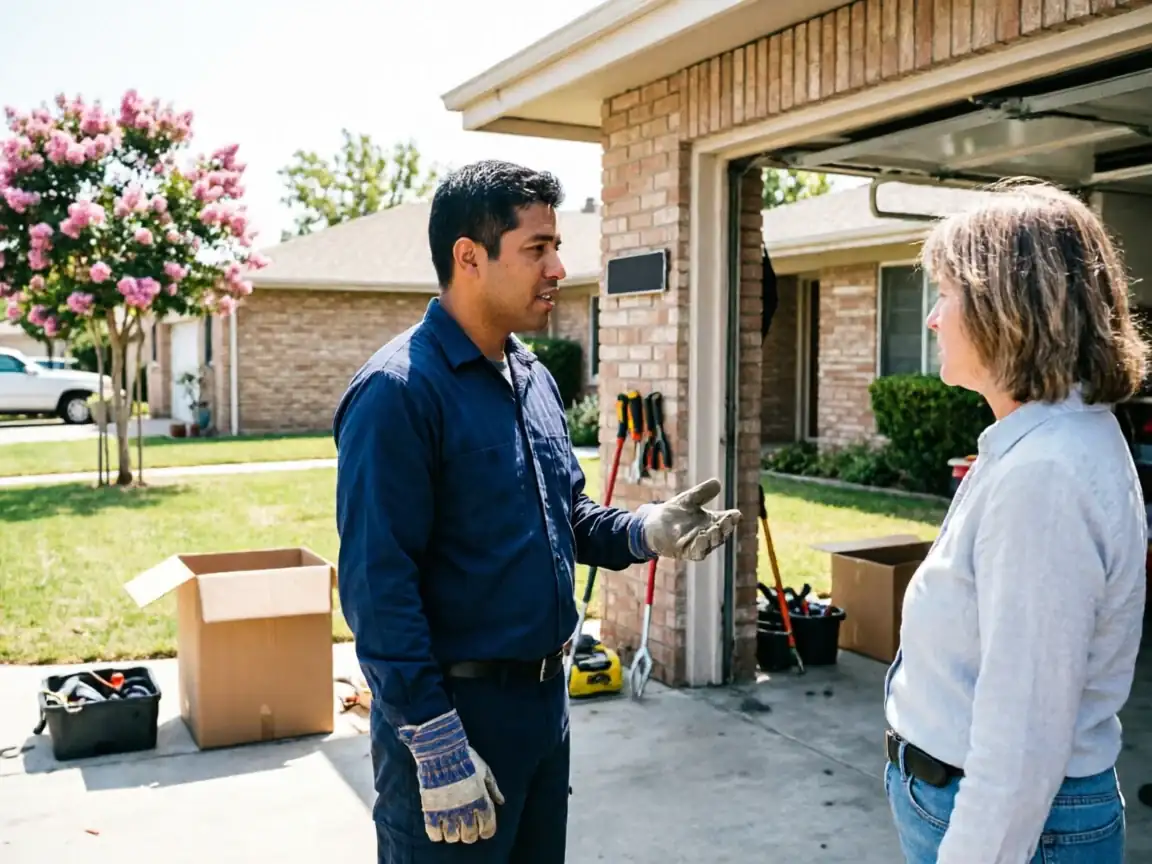
We'd rather look at the door than guess over the phone. Check the service area page for Heath if you want to see what else we cover out this way
And call with what you're seeing - crooked door, gap on one side, roller hanging loose - so we can bring the right parts on the first trip instead of a second one.
The DIY Question
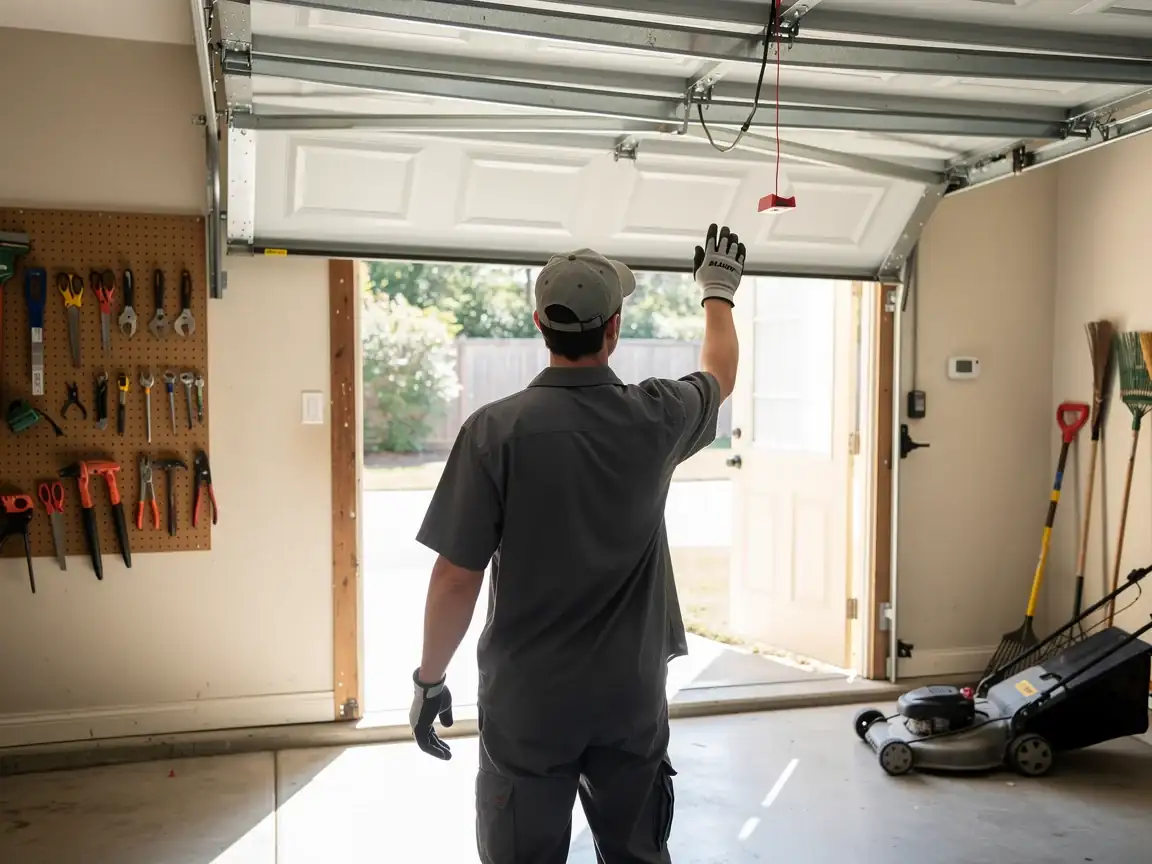
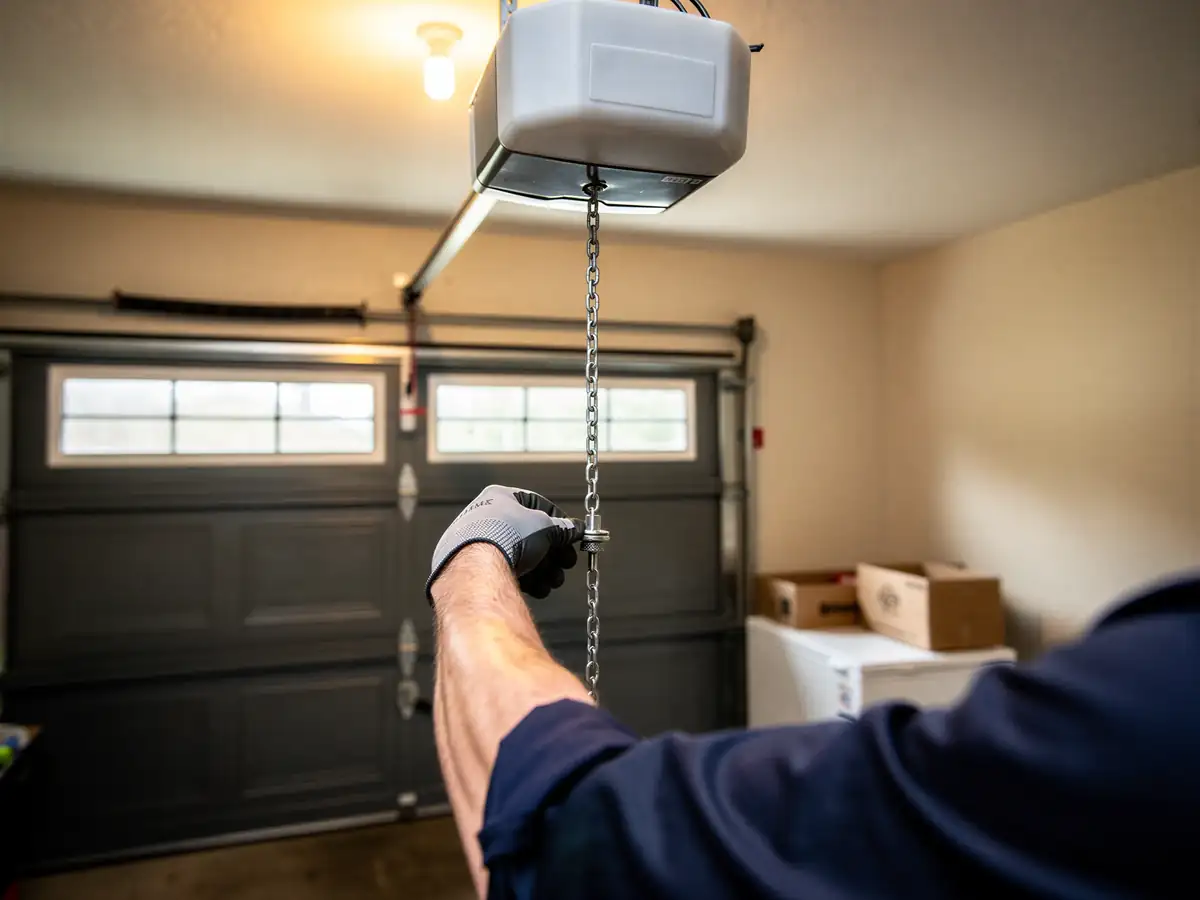
Don't try to force the door back onto the track by hand, and don't crank the opener to pull it the rest of the way - both of those bend the track further or snap a cable that's already under strain. If the door is down and the opener is disconnected, it's reasonably safe to look at the rollers and bracket yourself to see if it's a simple reseat.
What you shouldn't touch is anything near the torsion spring if the door is still partway up and under tension. That's not a DIY repair at any door age, and we won't walk someone through it over the phone.
One honest limit: we travel from Royse City, about 12 miles out, so this isn't a same-hour drop-in - plan the call, don't wait until the door is stuck halfway with a car trapped behind it.