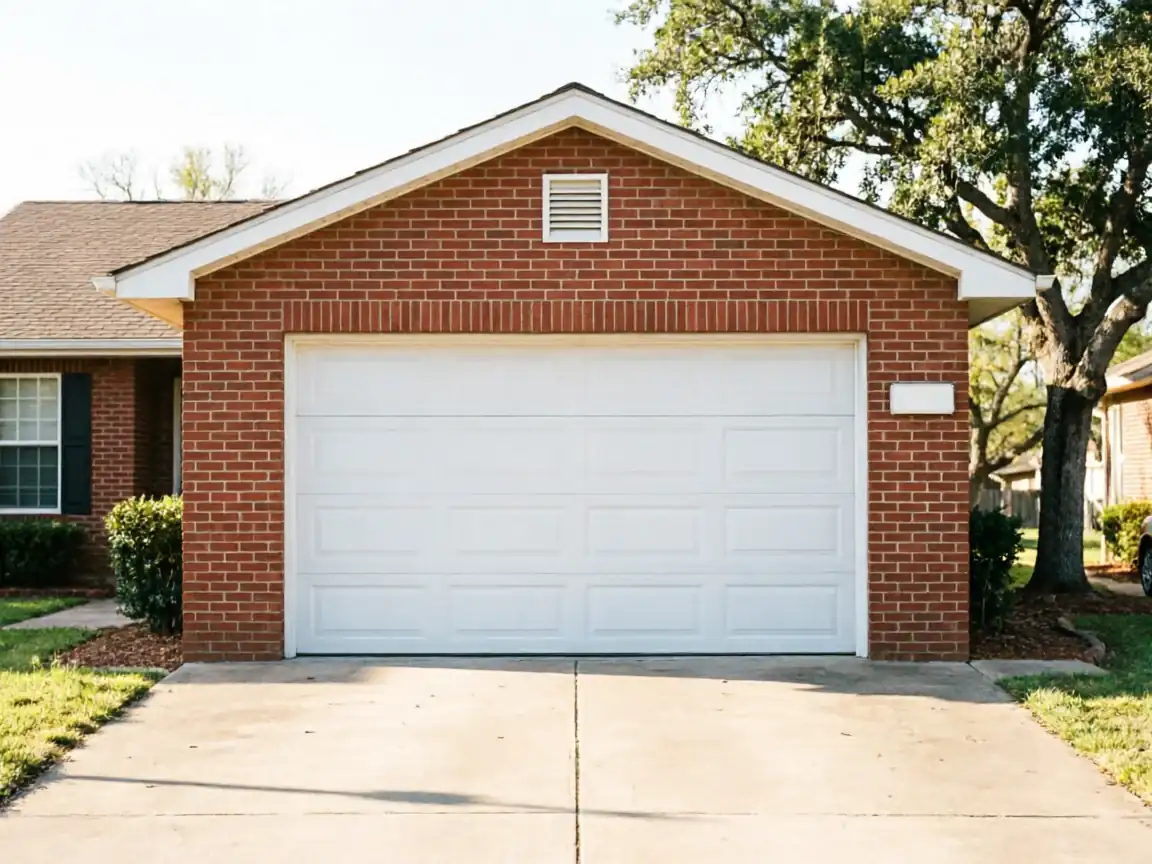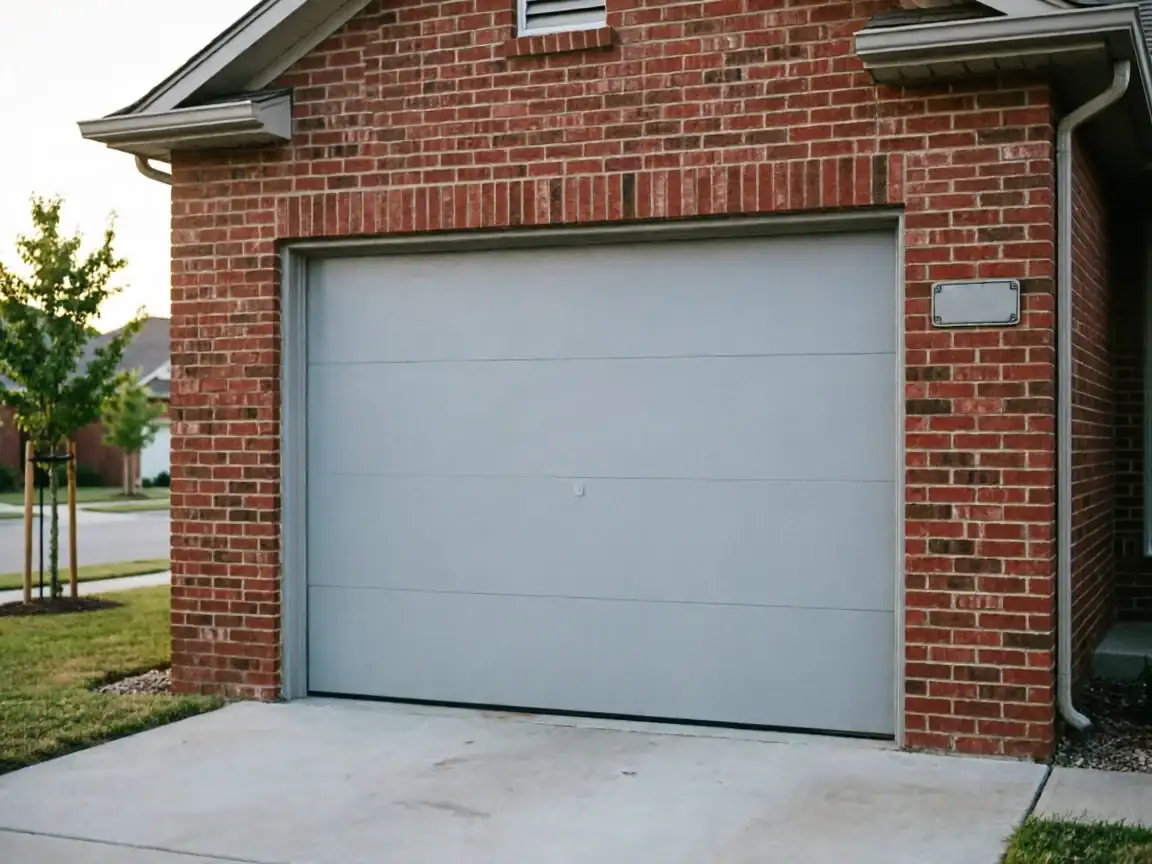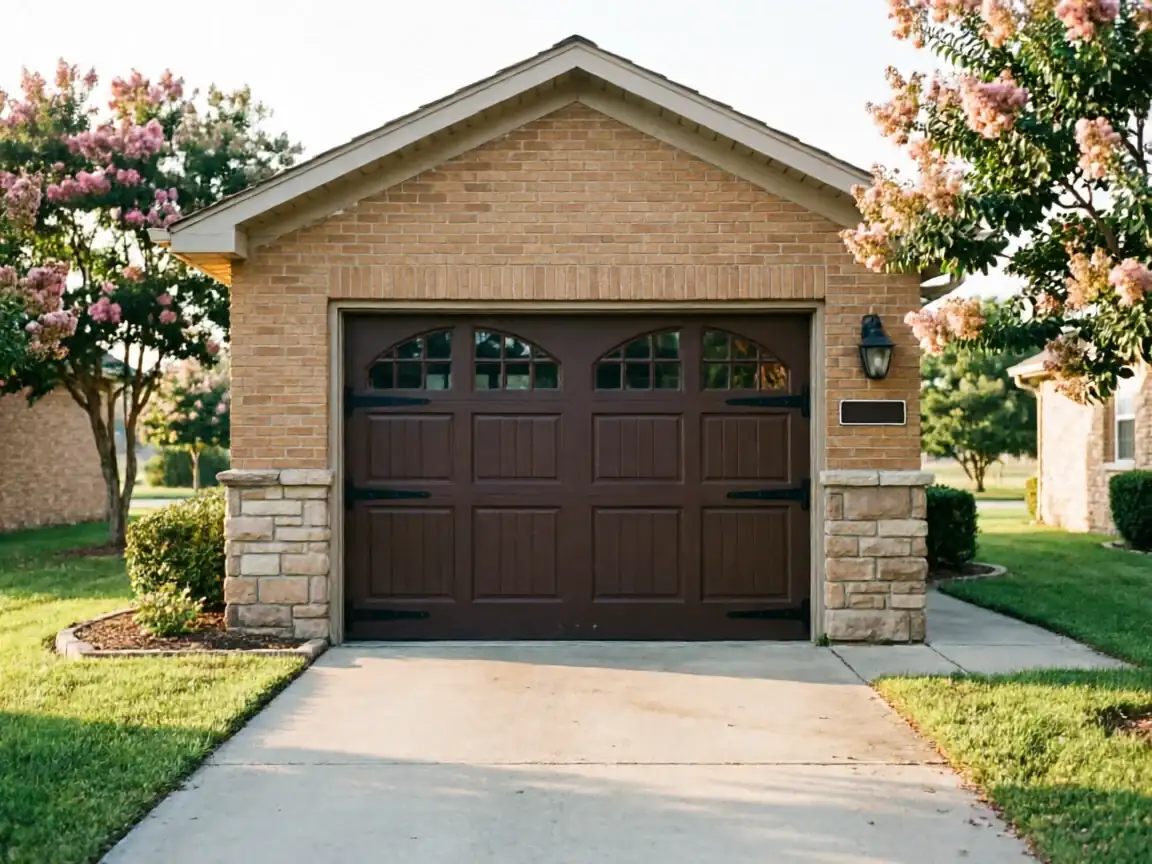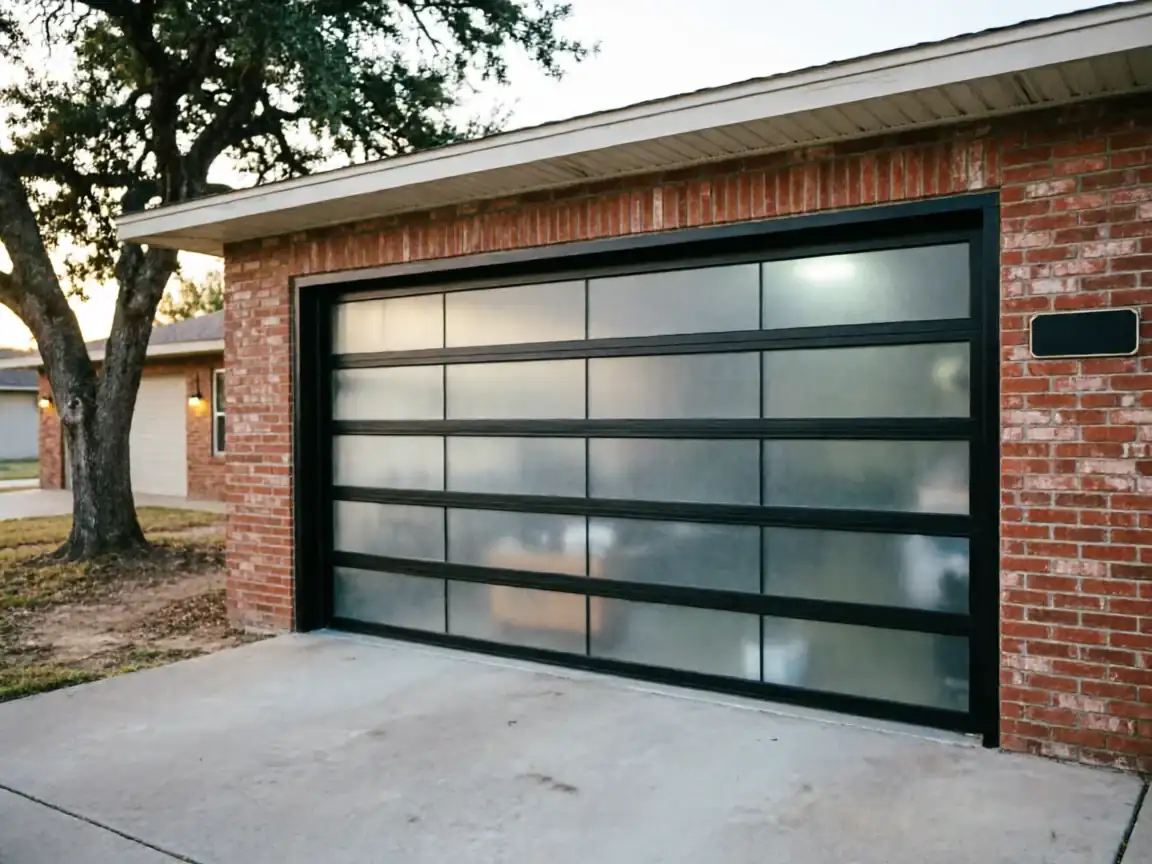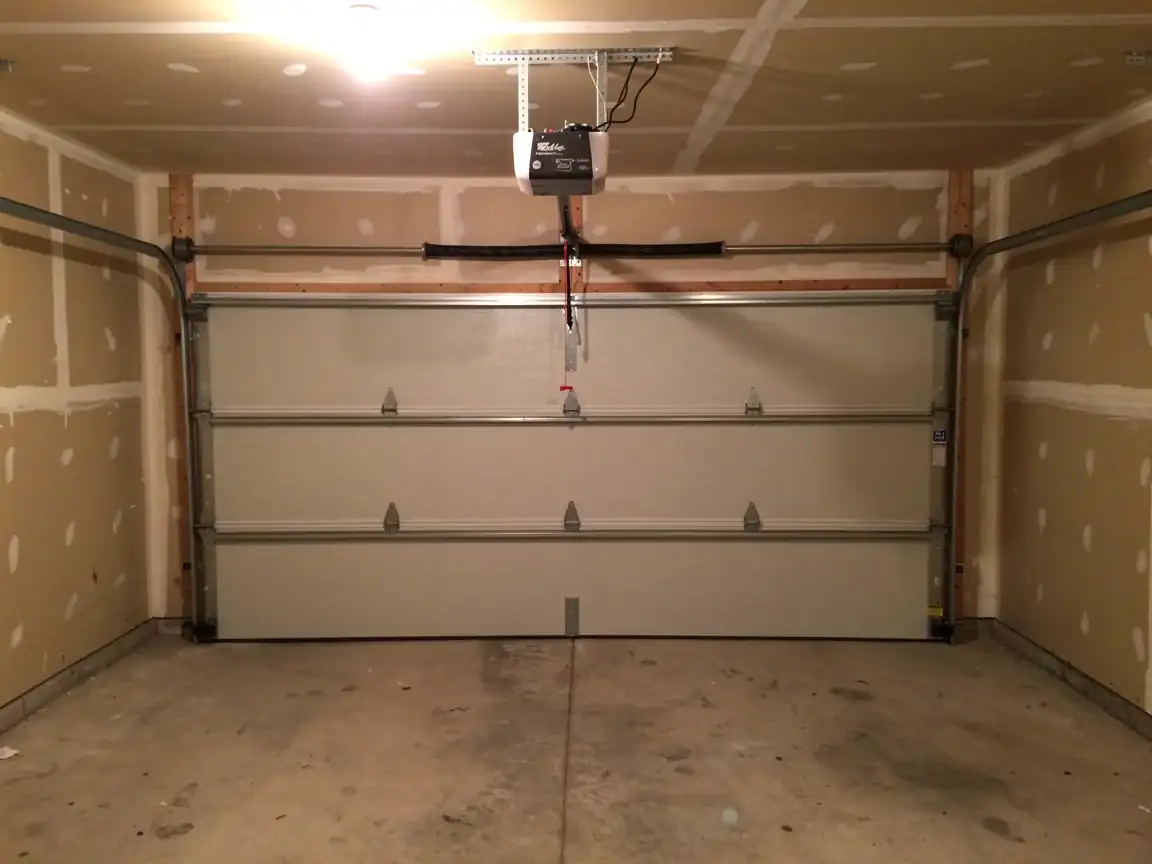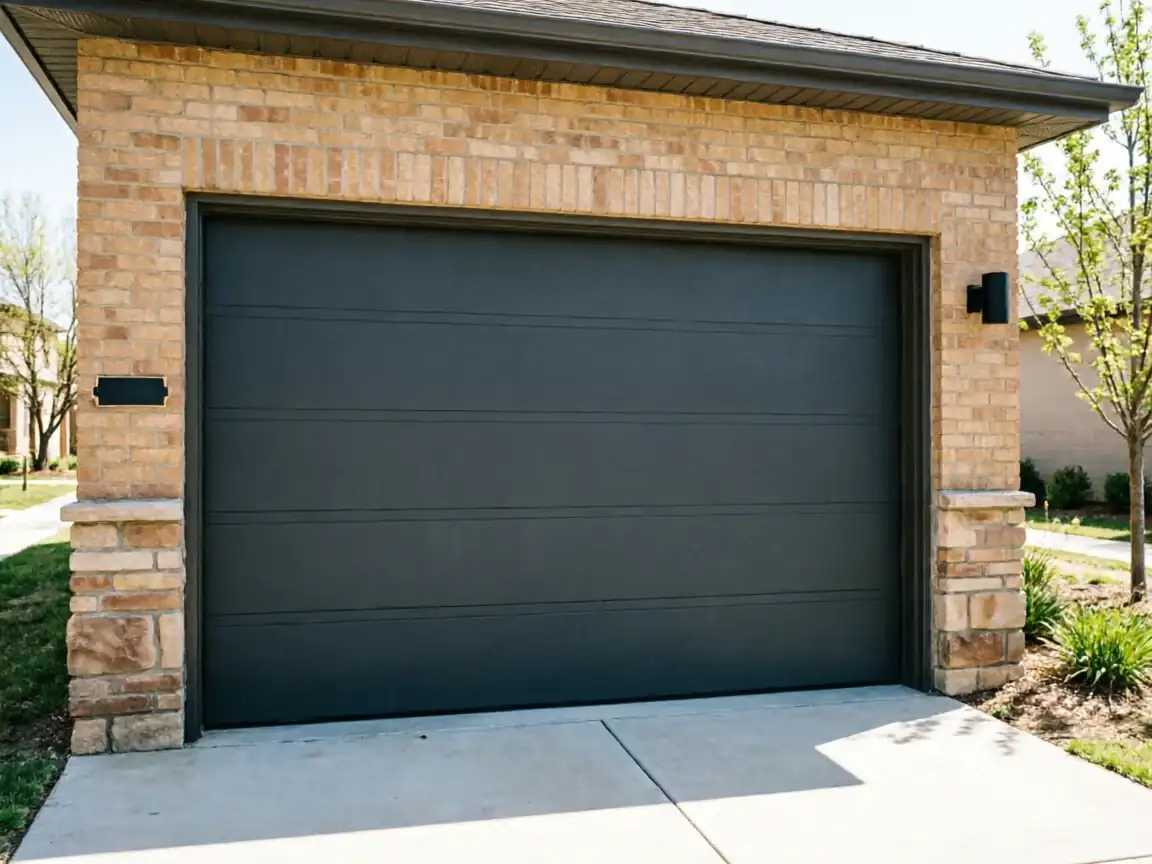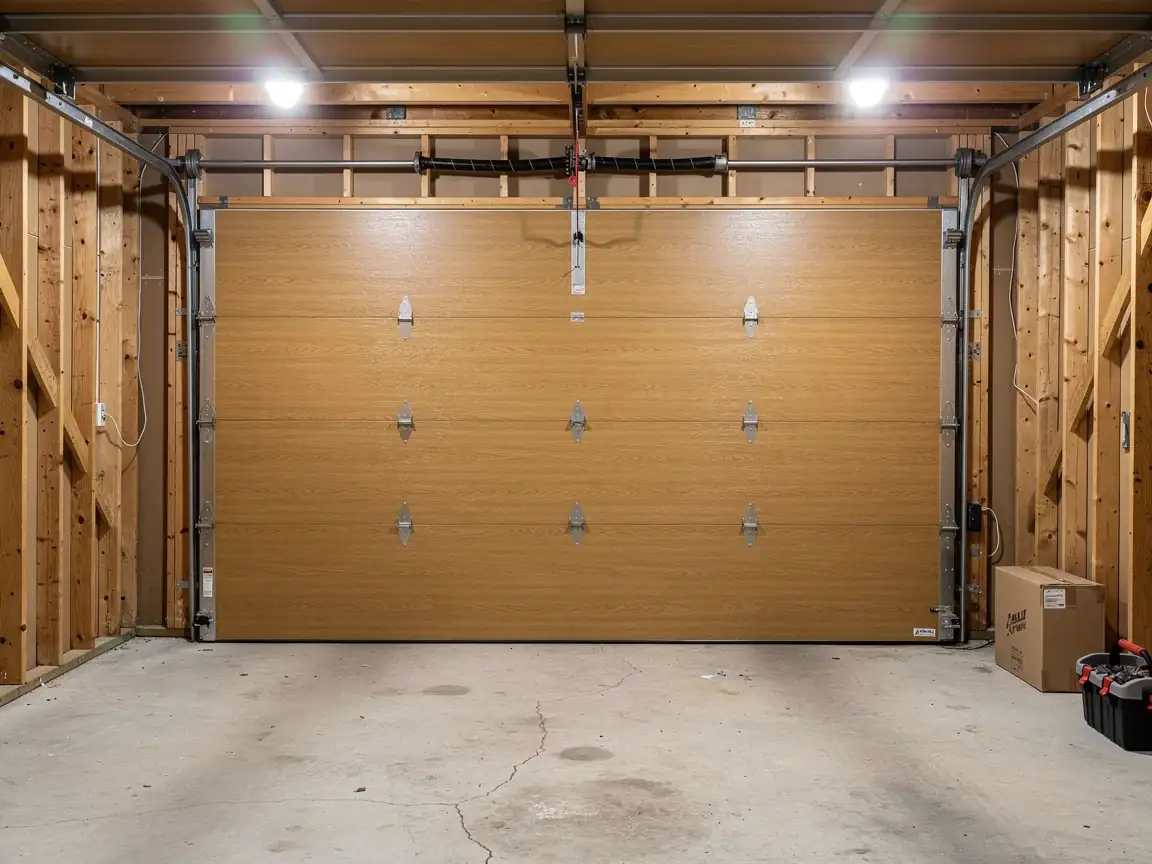
What You Are Seeing
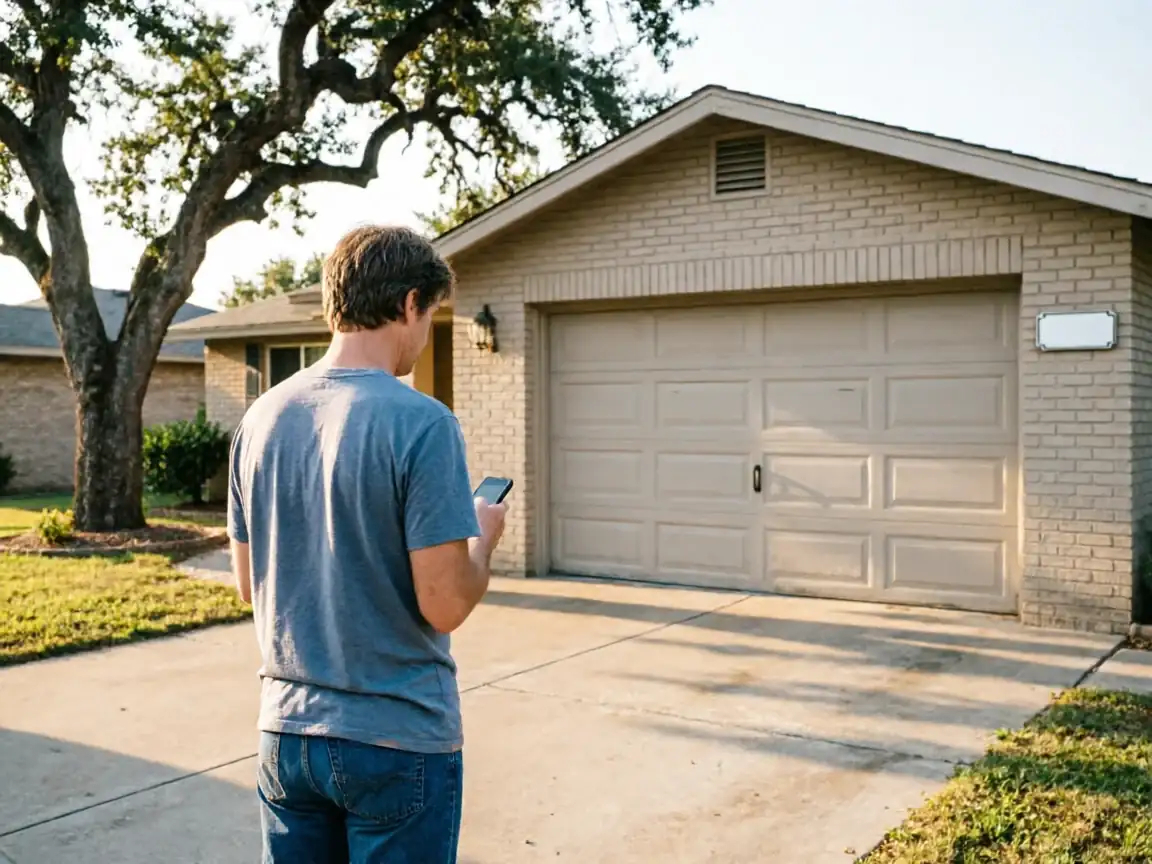
Across the sixteen communities we cover out of Royse City, the median home was built around 2000. Farmersville doesn't match that. The median build year here is 1971, which puts a lot of these houses three decades ahead of the curve the rest of the service area follows. That gap matters more than it sounds like it should.
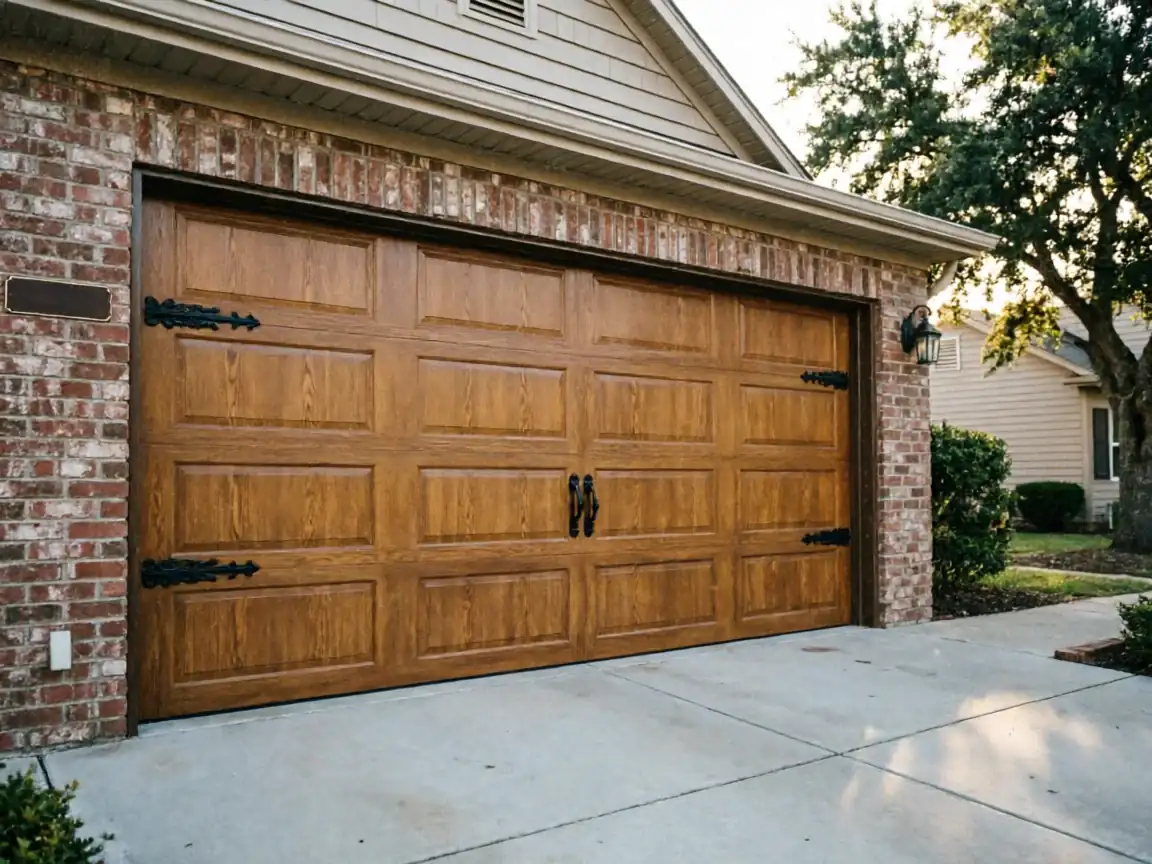
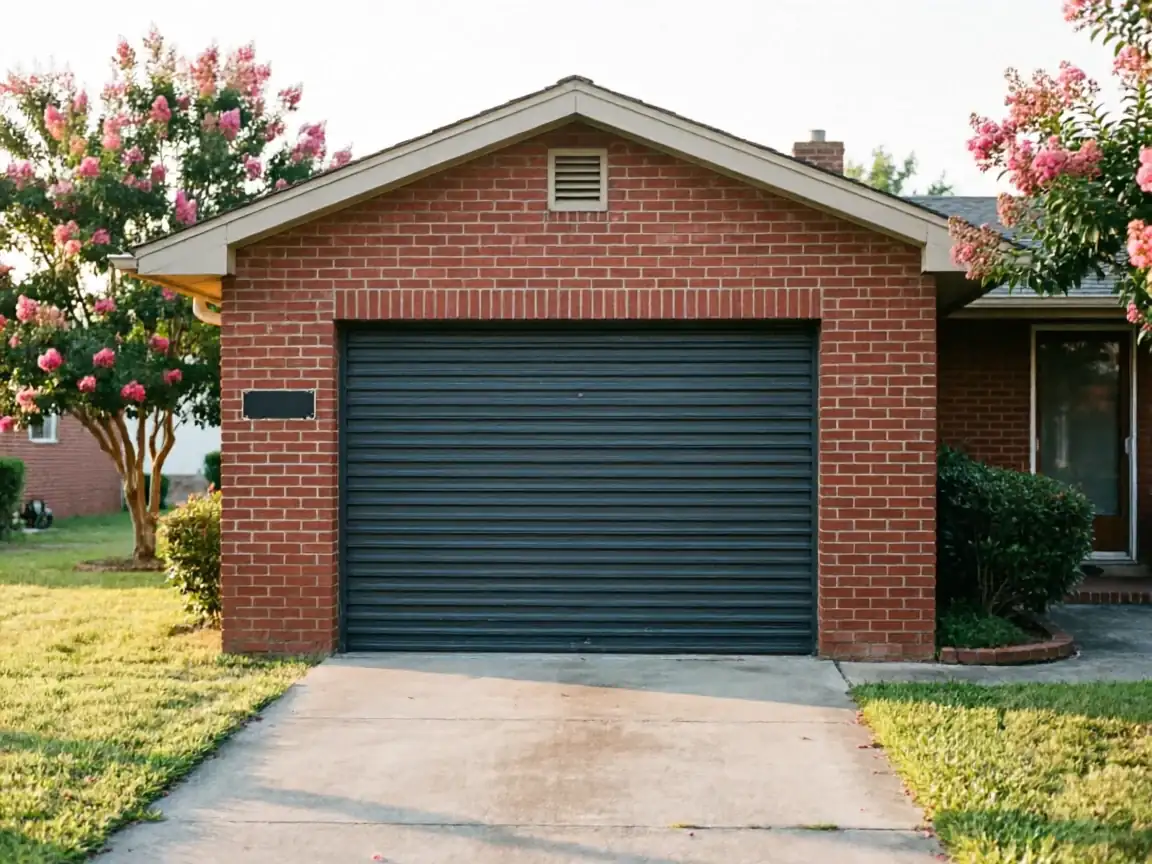
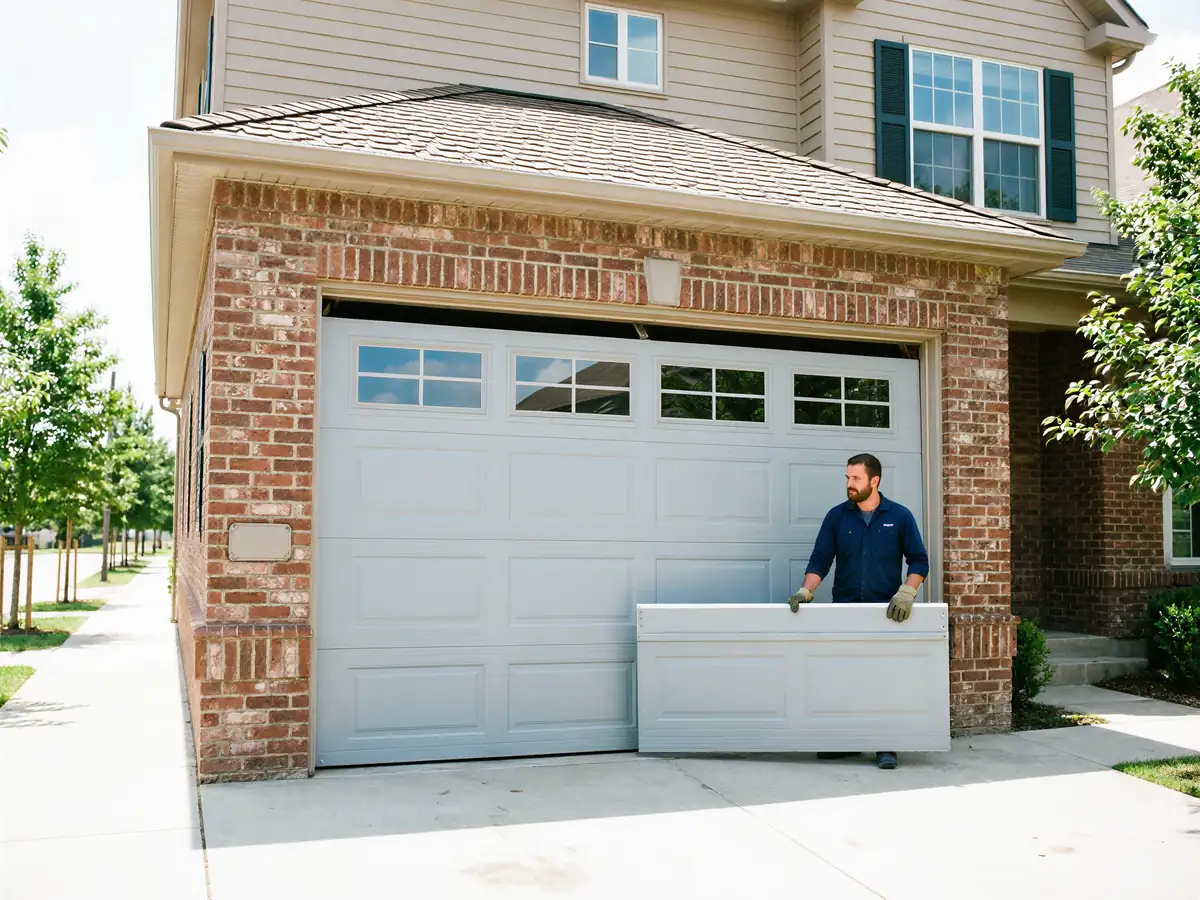
A house framed in 1971 usually has a garage opening sized to whatever door was standard then, not to today's 8-foot or 9-foot norms. Original jambs are often narrower, headroom is tighter, and the track hardware - if it's even original - was built for a single steel panel with no insulation layer behind it. When we quote a new install here, we're not just swapping a door. We're often correcting an opening that was never meant to take modern hardware in the first place.
That's the real story in Farmersville: not a different kind of homeowner, but a different decade of house. It changes what we measure, what we quote, and sometimes what we have to adjust before the new door ever goes in.
Time on the Job
We run this job out of Royse City, about 13 miles out. There's no local branch here, and we won't pretend otherwise - every install in Farmersville is a full trip, not a stop on the way to somewhere else. That means we schedule it as its own job, with enough time built in to deal with whatever the opening throws at us.
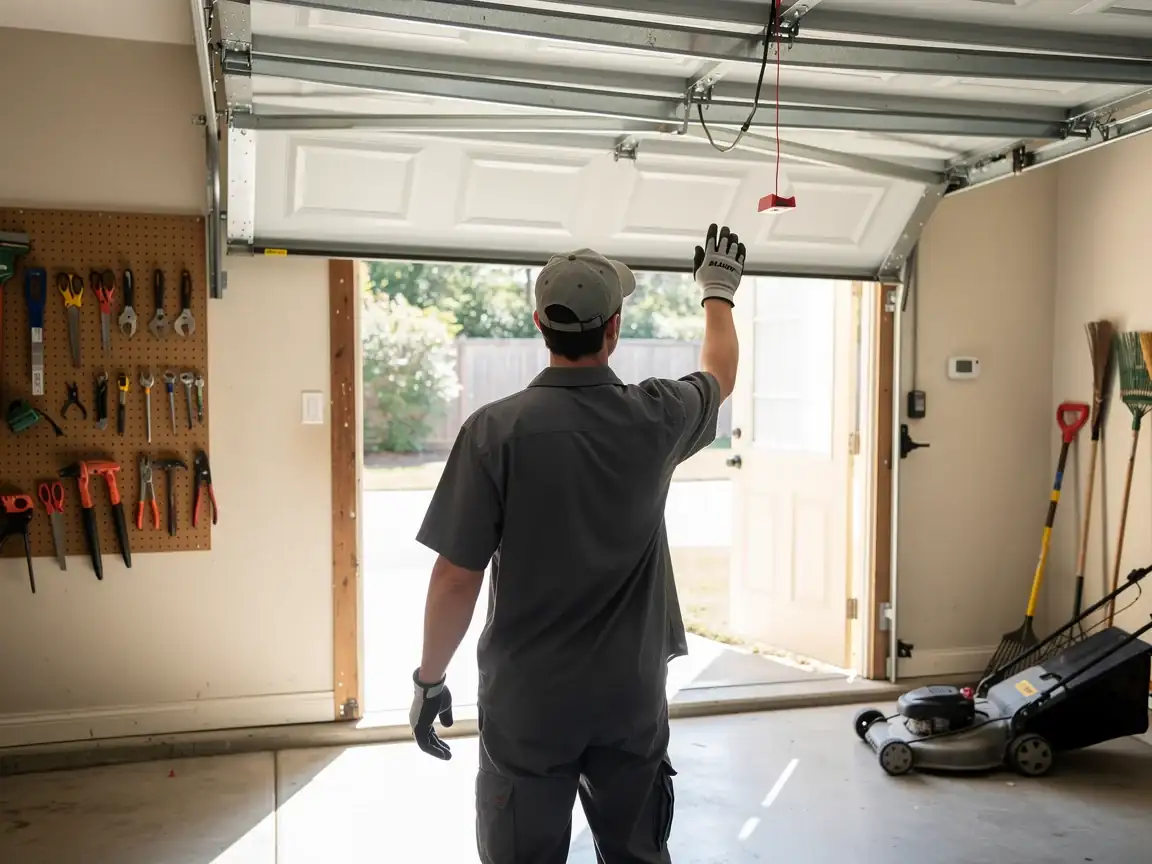
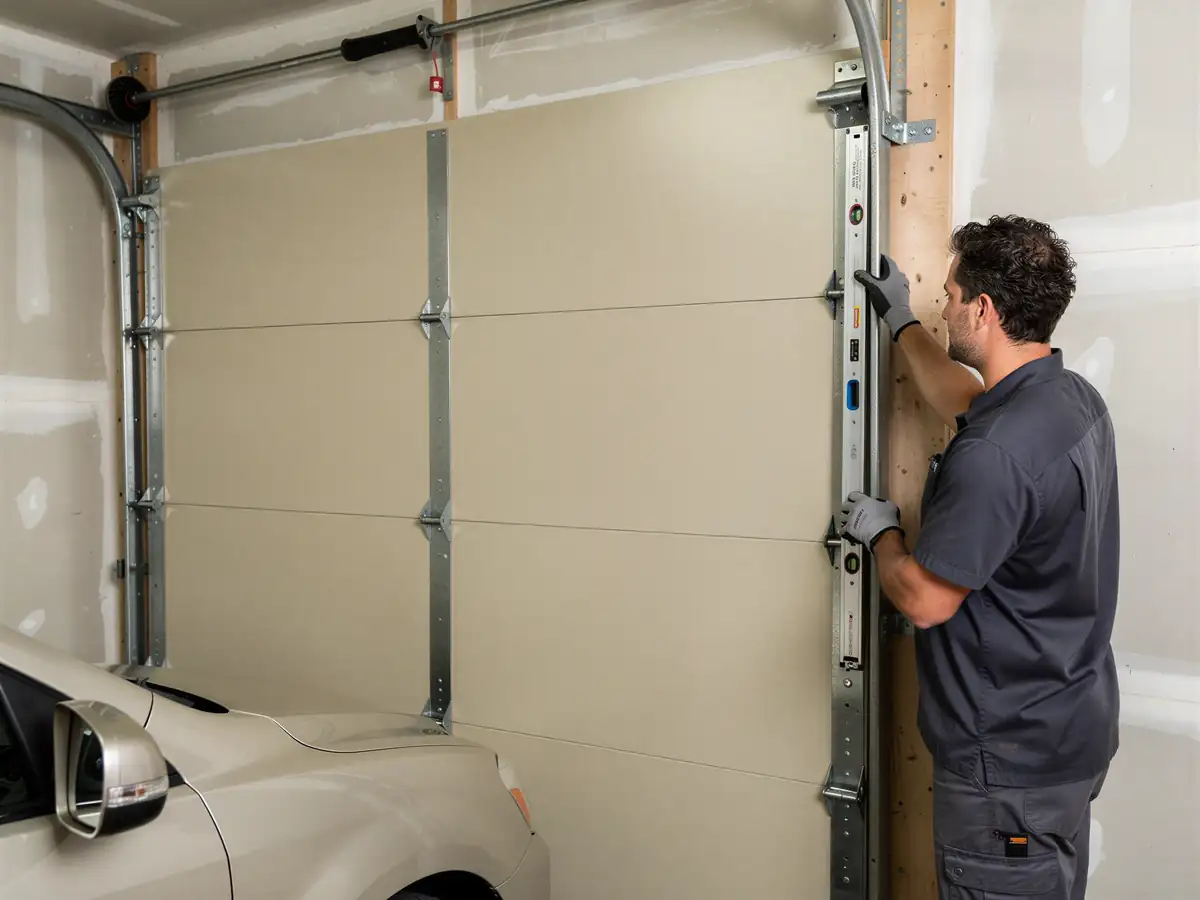
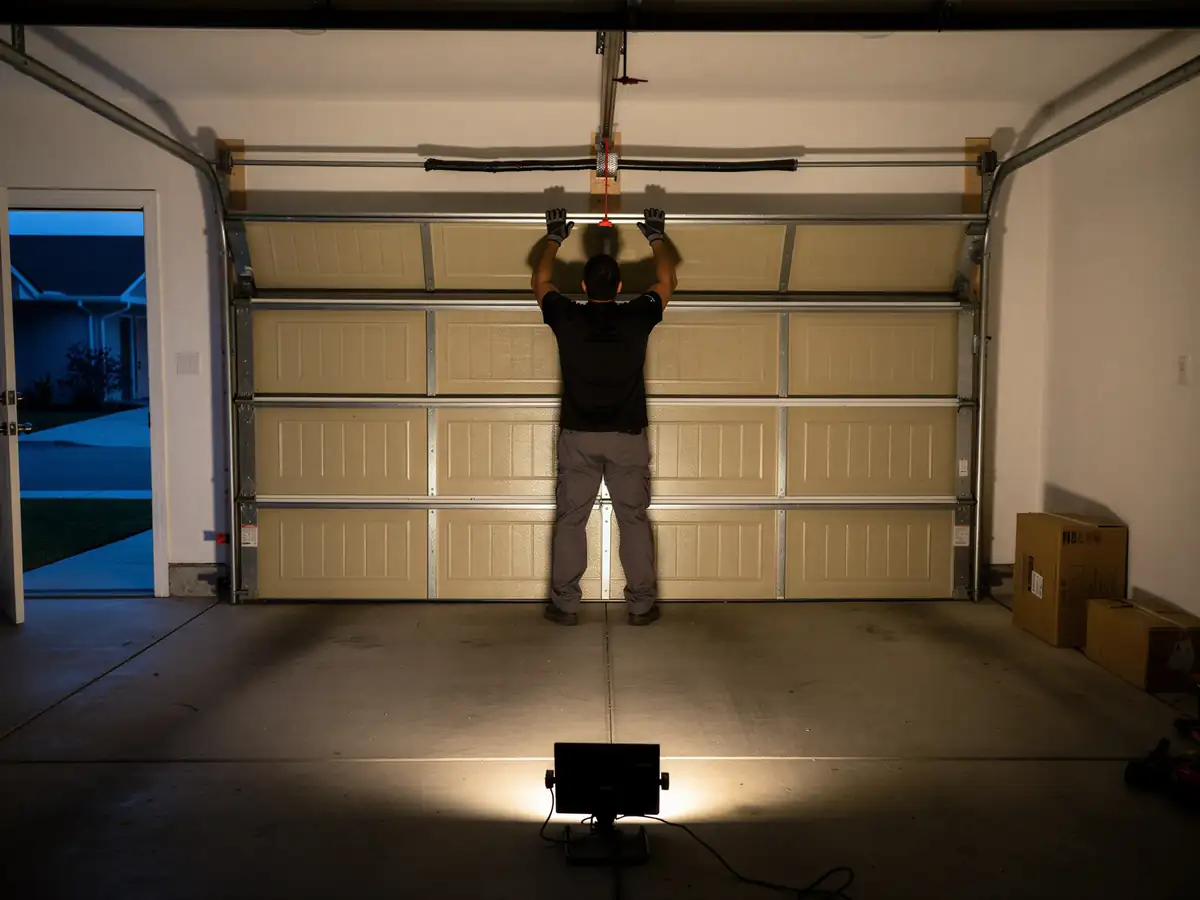
On a 1971-era house, that extra time usually goes toward the frame, not the door itself. We check square, check header height, and check whether the existing trim will take a new seal without modification. None of that is unusual, but it's the kind of thing you plan for on an older house and skip on a newer one. We'd rather build in the time than rush it and have the door bind on day one.
What the Fix Involves
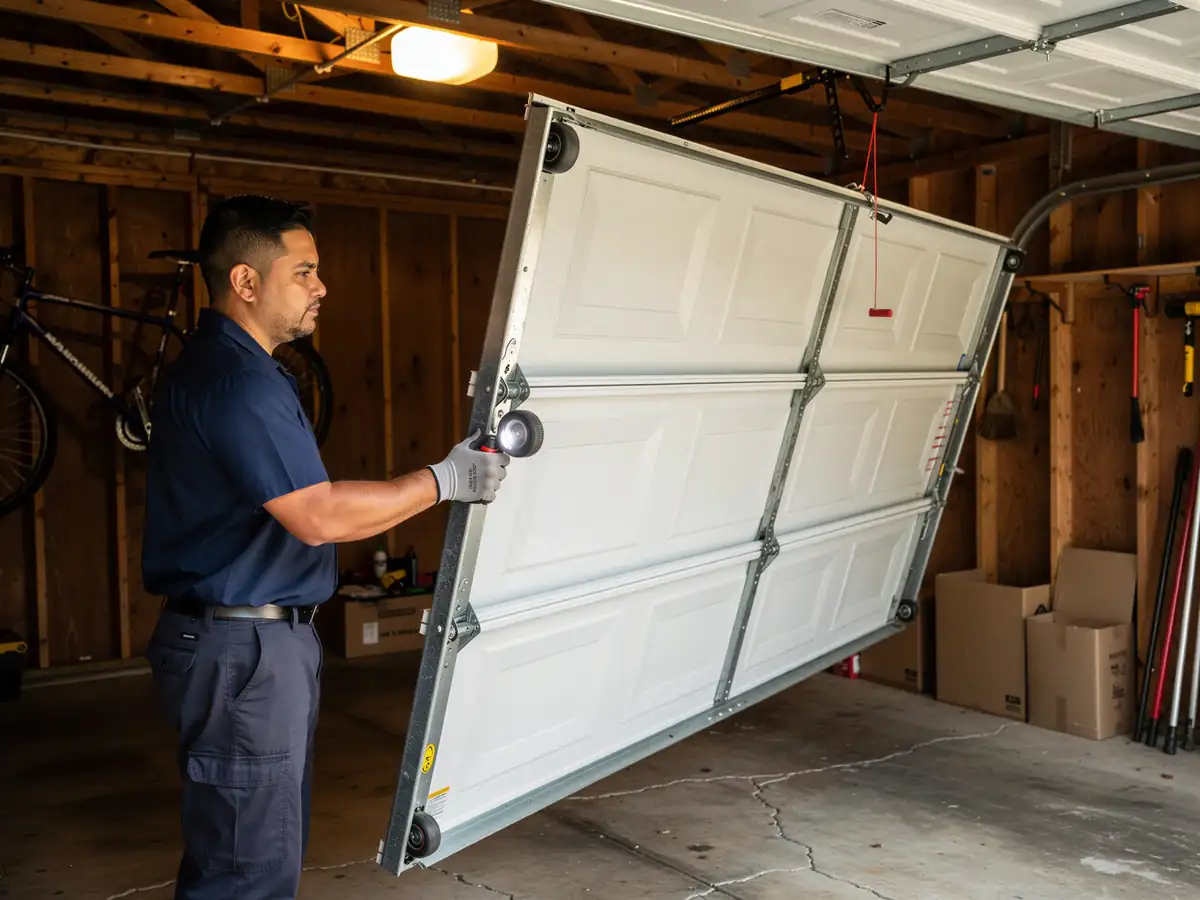
A new install on an older Farmersville opening starts with the frame, not the door
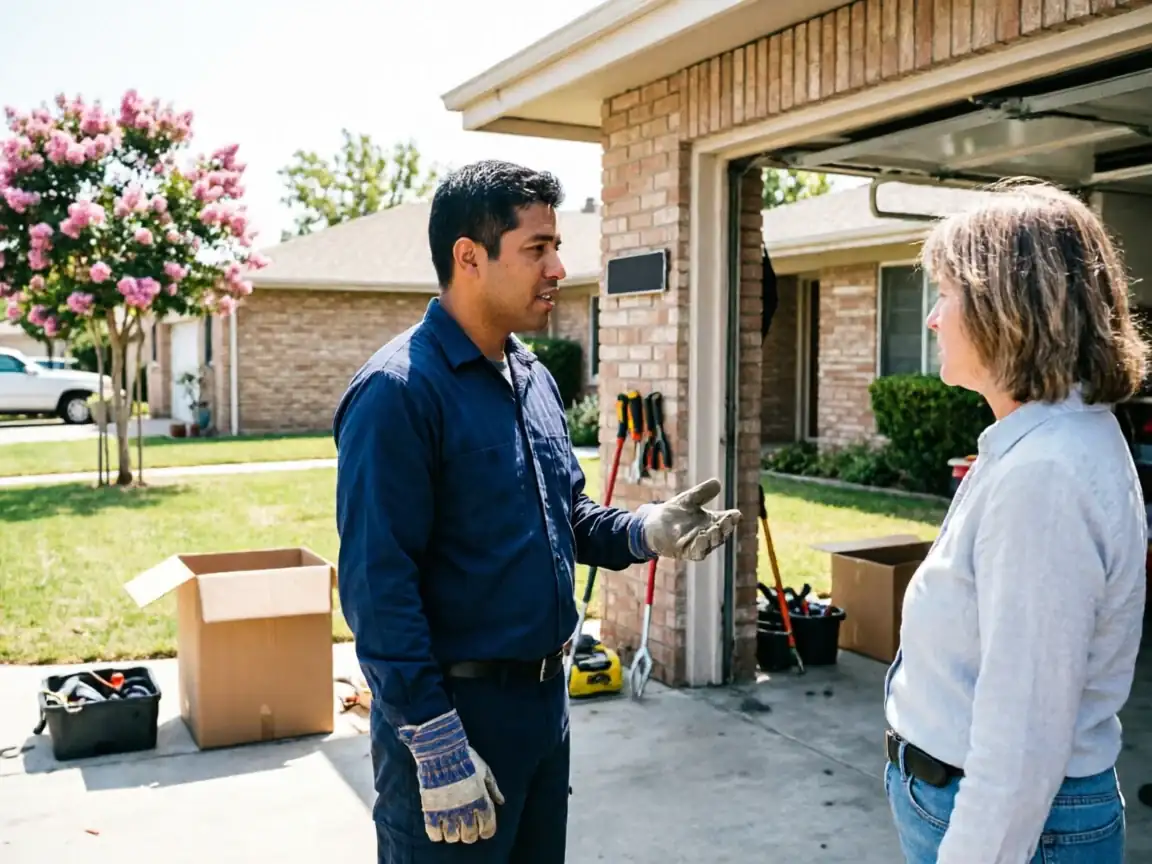
If the jamb was built for a narrower single-panel door, we either source a door that fits the existing rough opening or we reframe it to standard width - that's a homeowner decision, and it's one we walk through before ordering anything.
Once the opening is sorted, the rest is standard work
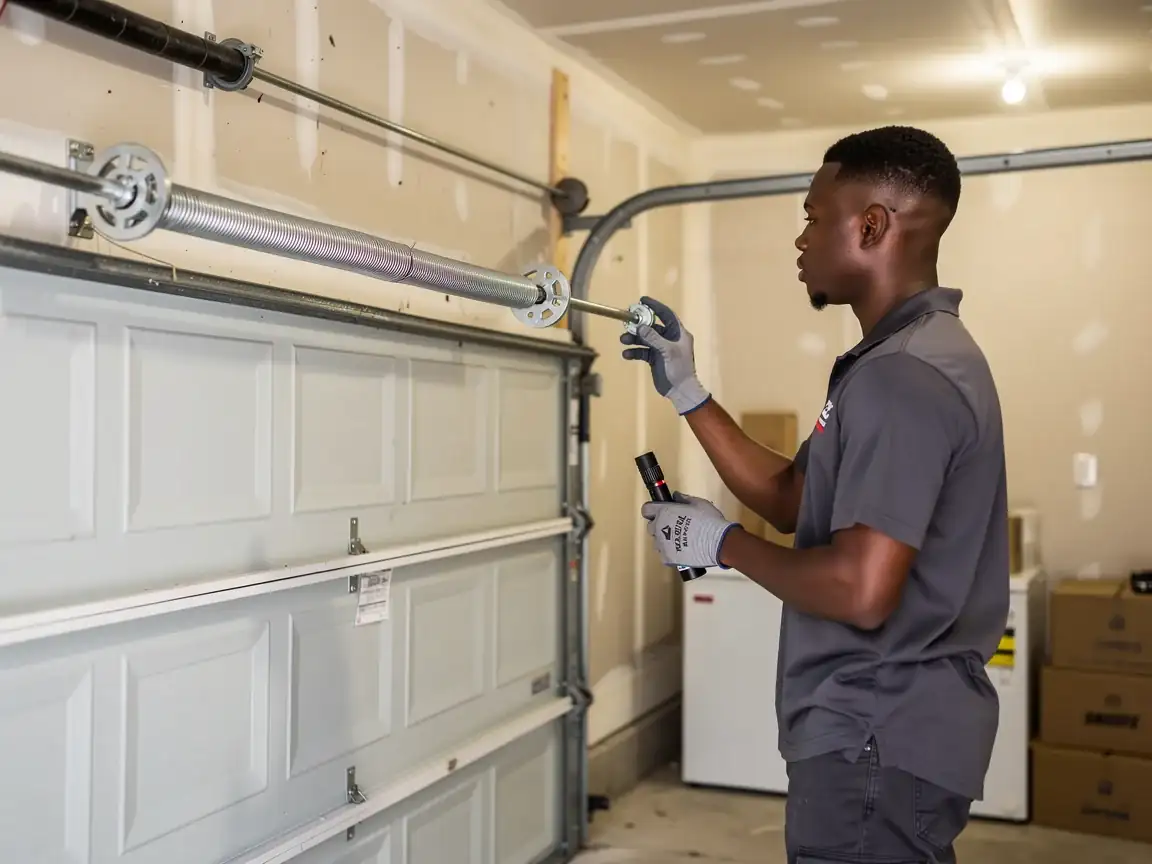
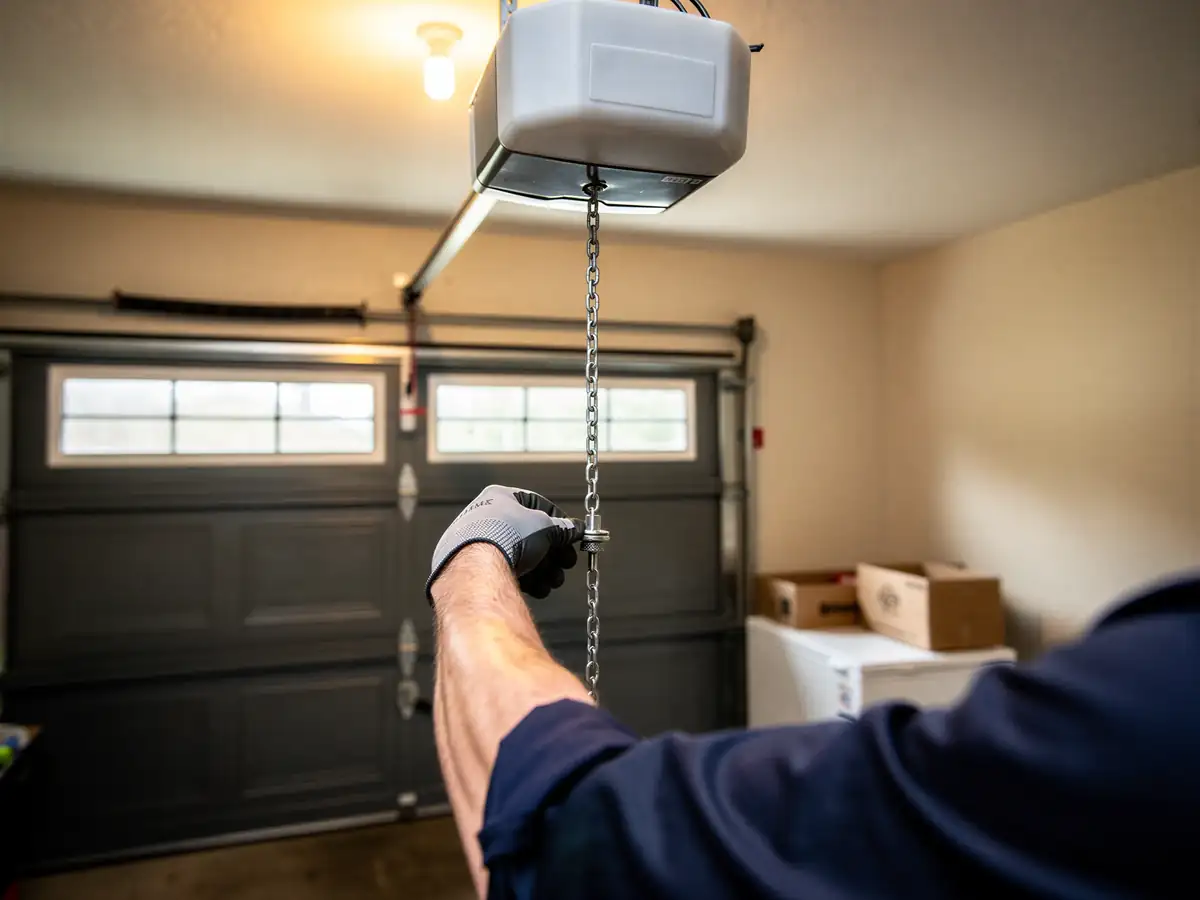
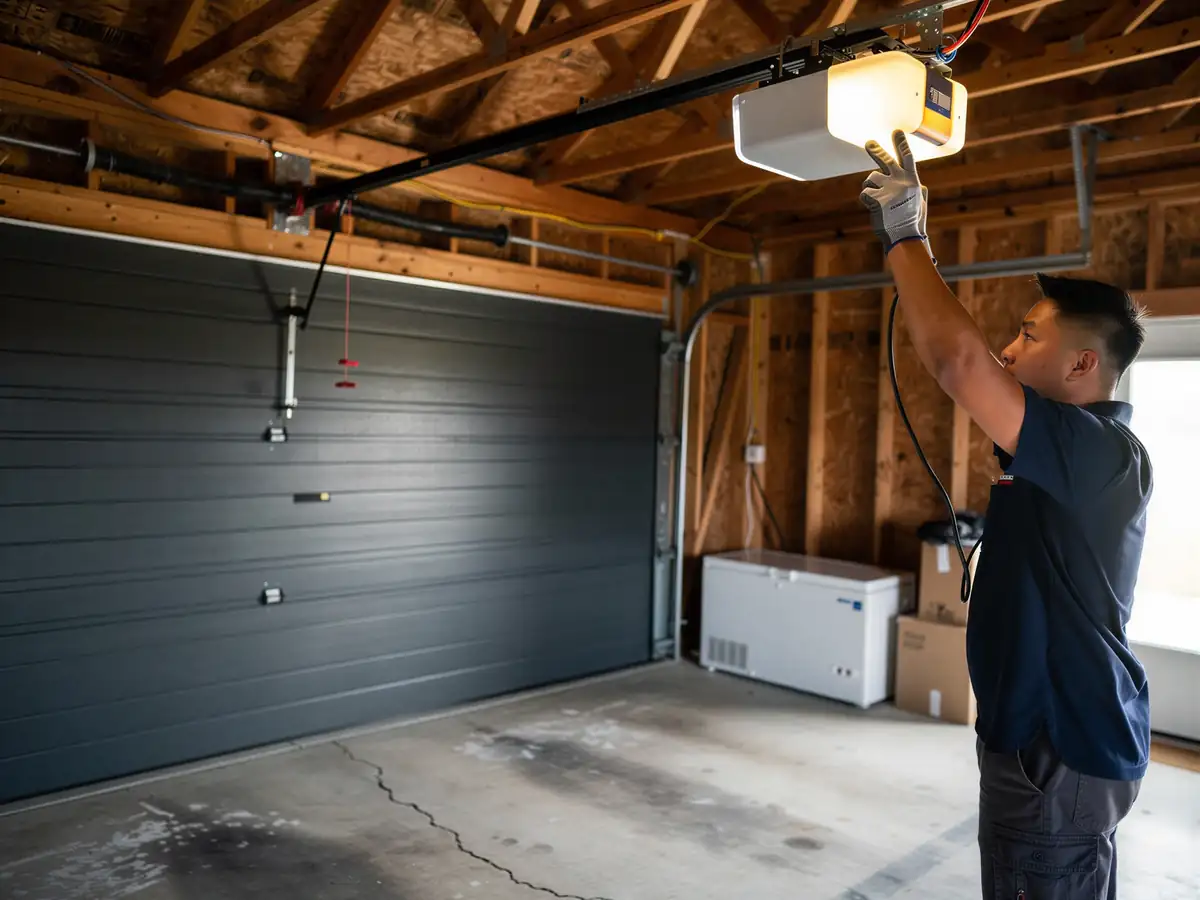
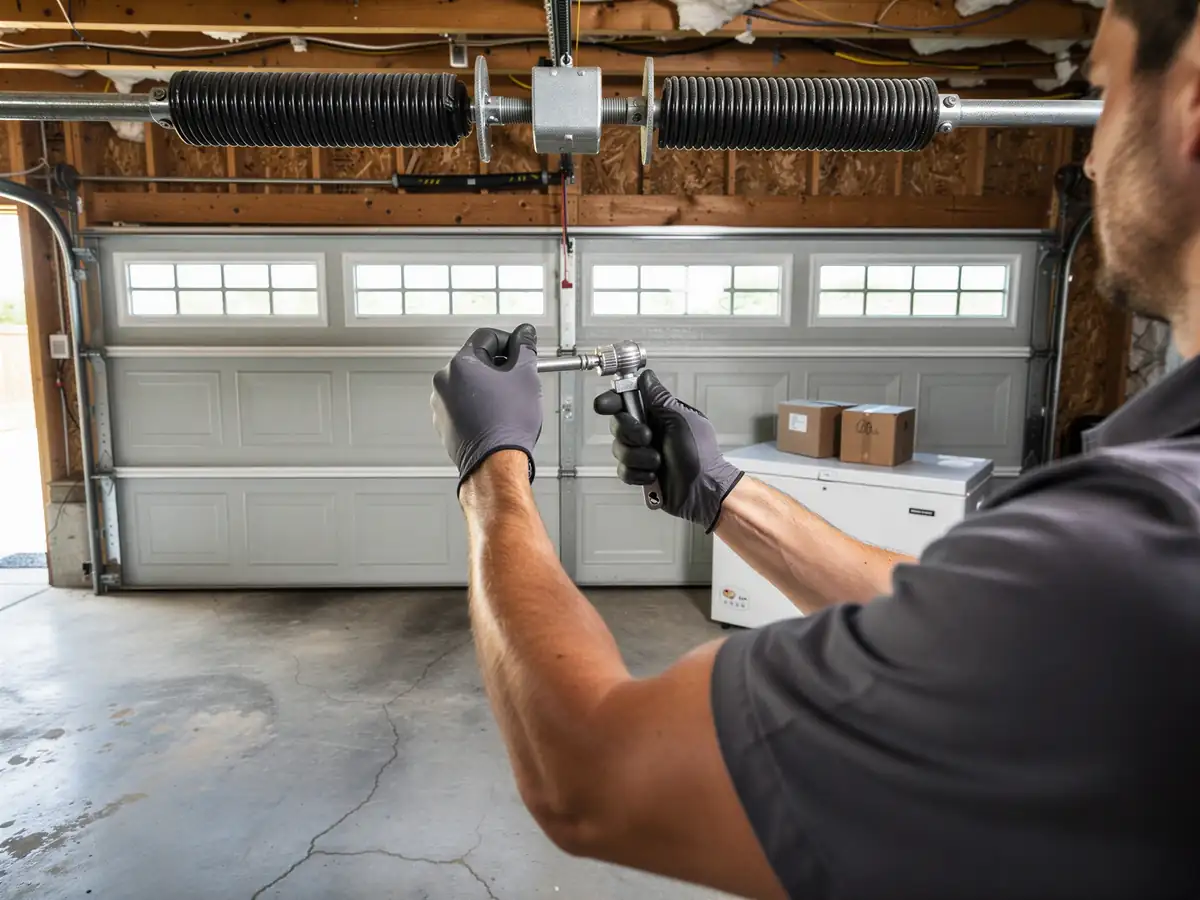
New track, new rollers, springs sized to the door weight, and an opener mounted to a header that can actually hold it. Our climate band here runs moderate on heat, so insulation isn't about keeping the door from warping - it's about cutting down heat transfer into an attached garage in July. We'll tell you straight if a double layer of insulation is worth the cost on your specific door or if it's money better spent elsewhere.
One limitation worth saying up front
If the framing needs real carpentry - not just shimming - we're not a framing crew. We'll point out what's needed and let you line that up separately before we come back to finish the door.
Parts We Carry
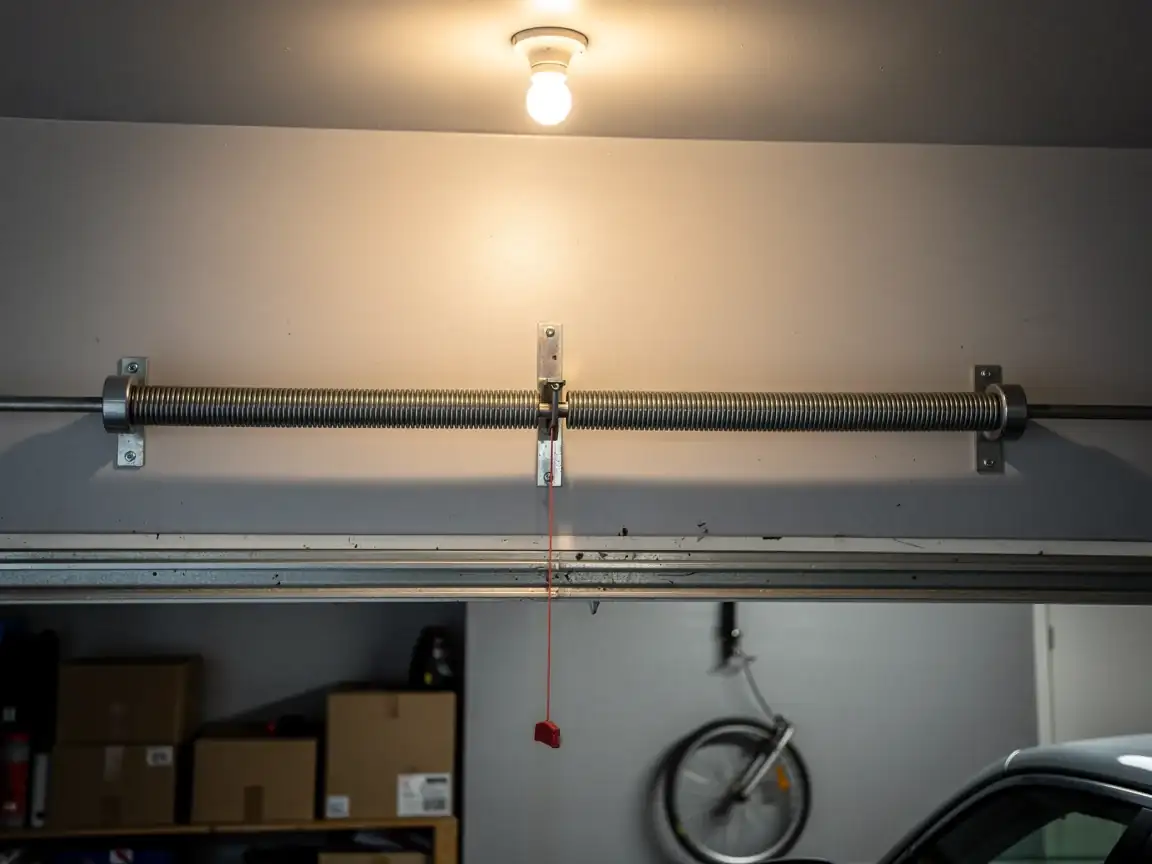
For Farmersville jobs we stock the sizes that actually show up in 1971-era openings as often as we stock current standard widths - we've learned not to assume every door here is a modern 16-footer. Springs, cables, and rollers come in whatever torsion or extension configuration the old hardware used, since a lot of these garages were never upgraded to torsion bar systems at all.
Median household income in Farmersville runs $47,016, well under the $117,428 median across the rest of our service area. That's not a judgment, it's just context for how we quote: we lead with a solid mid-range steel door before we lead with premium insulated or custom-panel options, because that's what actually gets asked for here. If you want the higher end, we carry it too - we just don't assume it's the first thing you want to see.