What Can Go Wrong
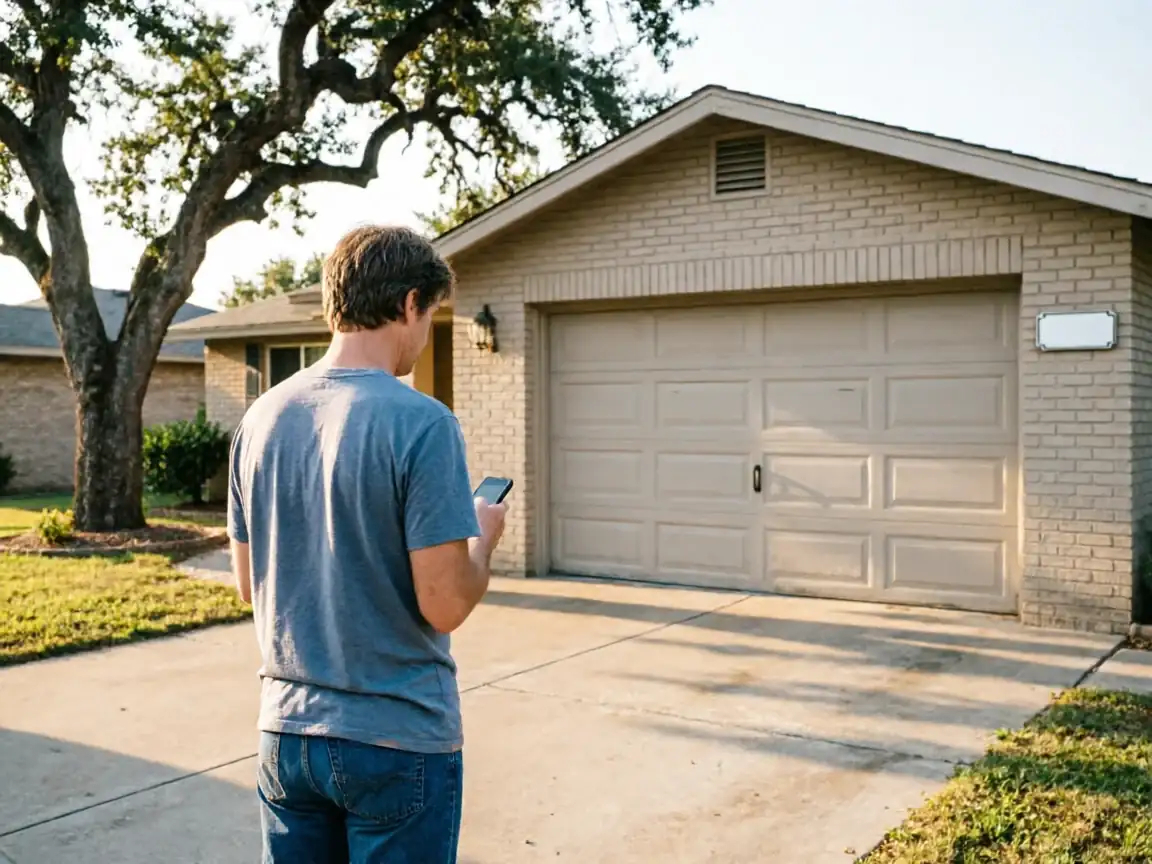
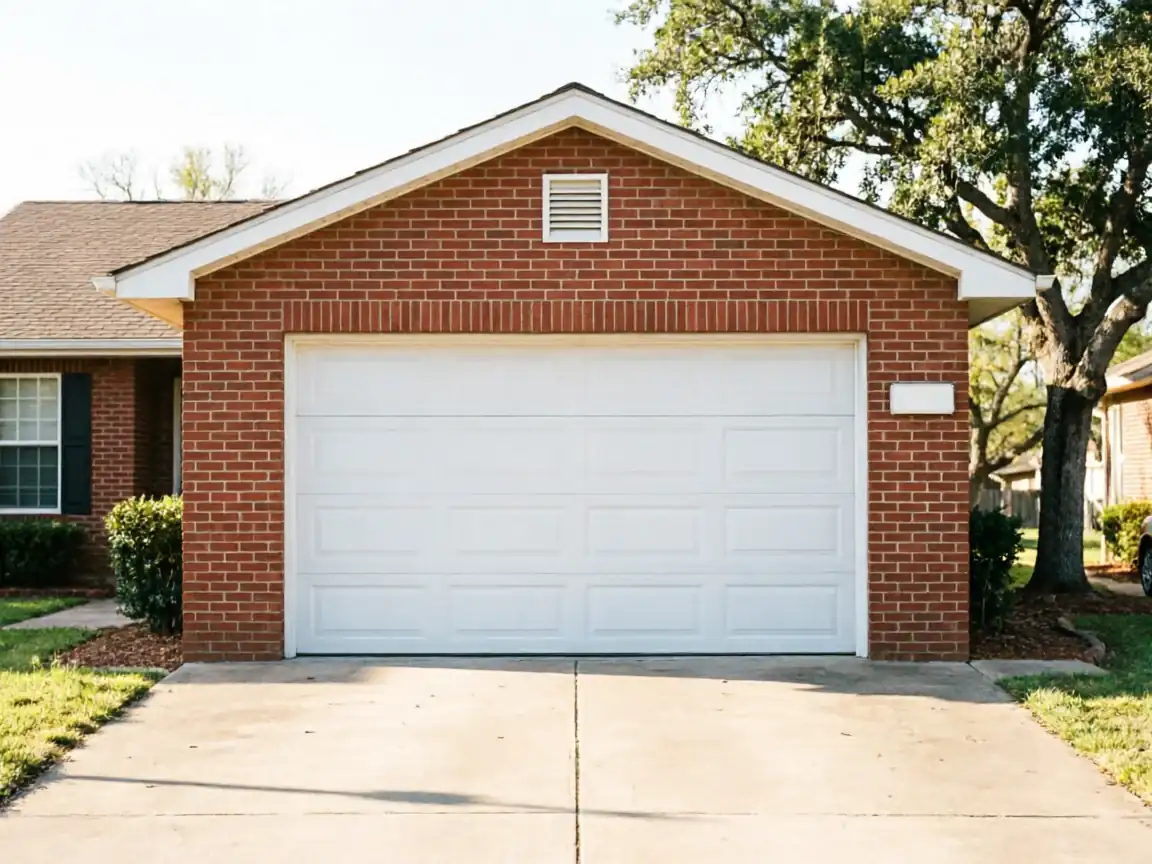
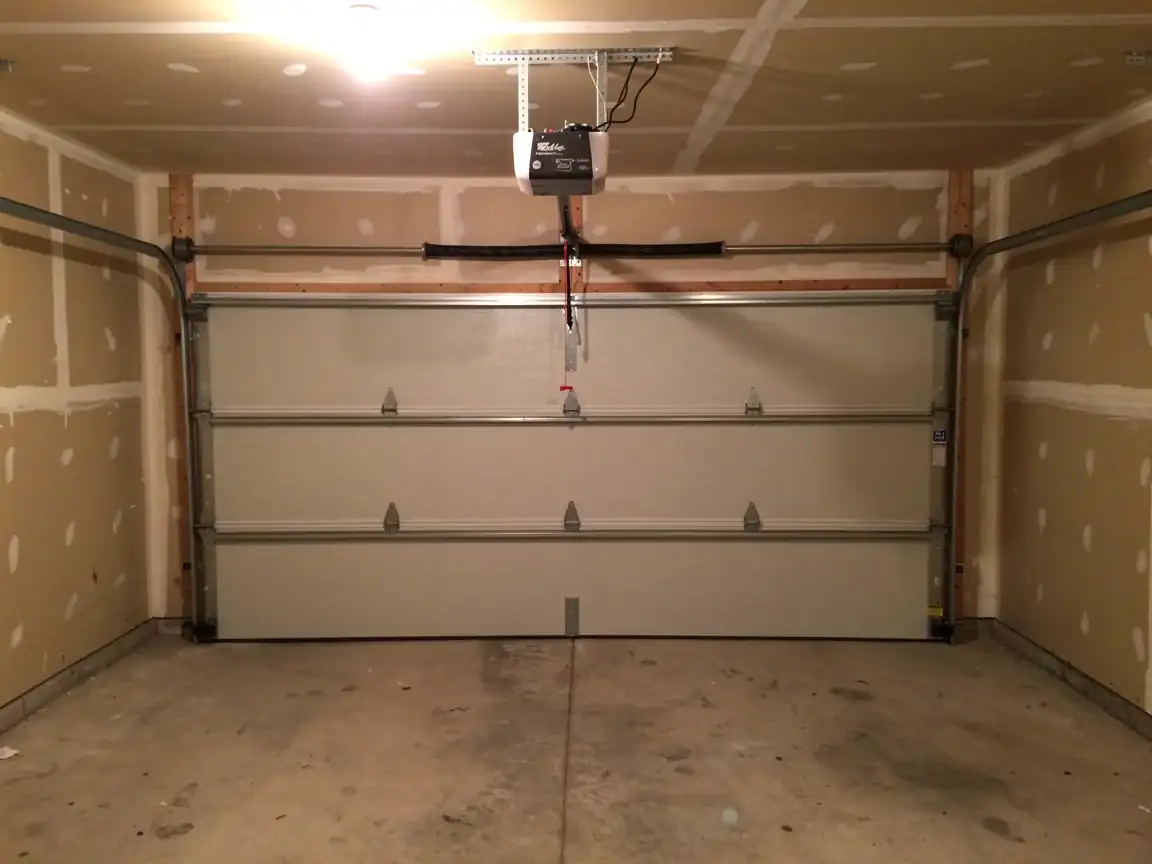
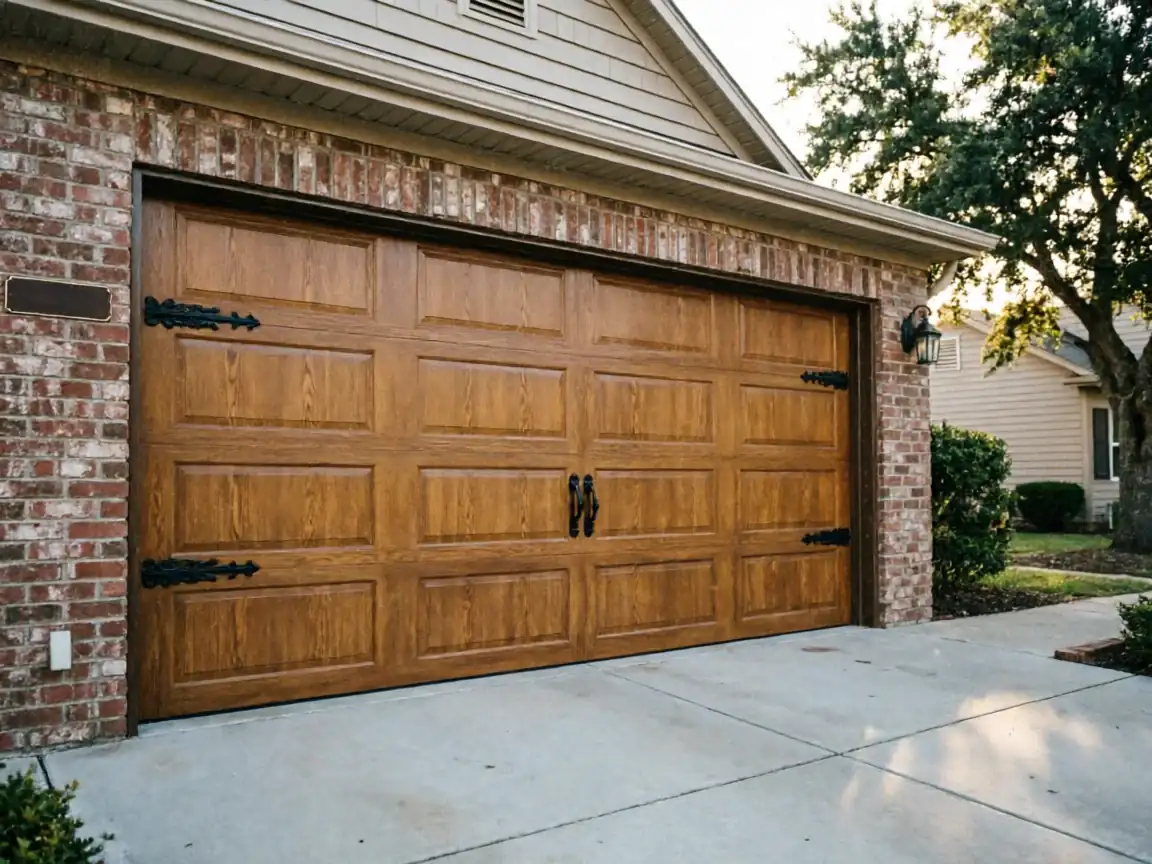
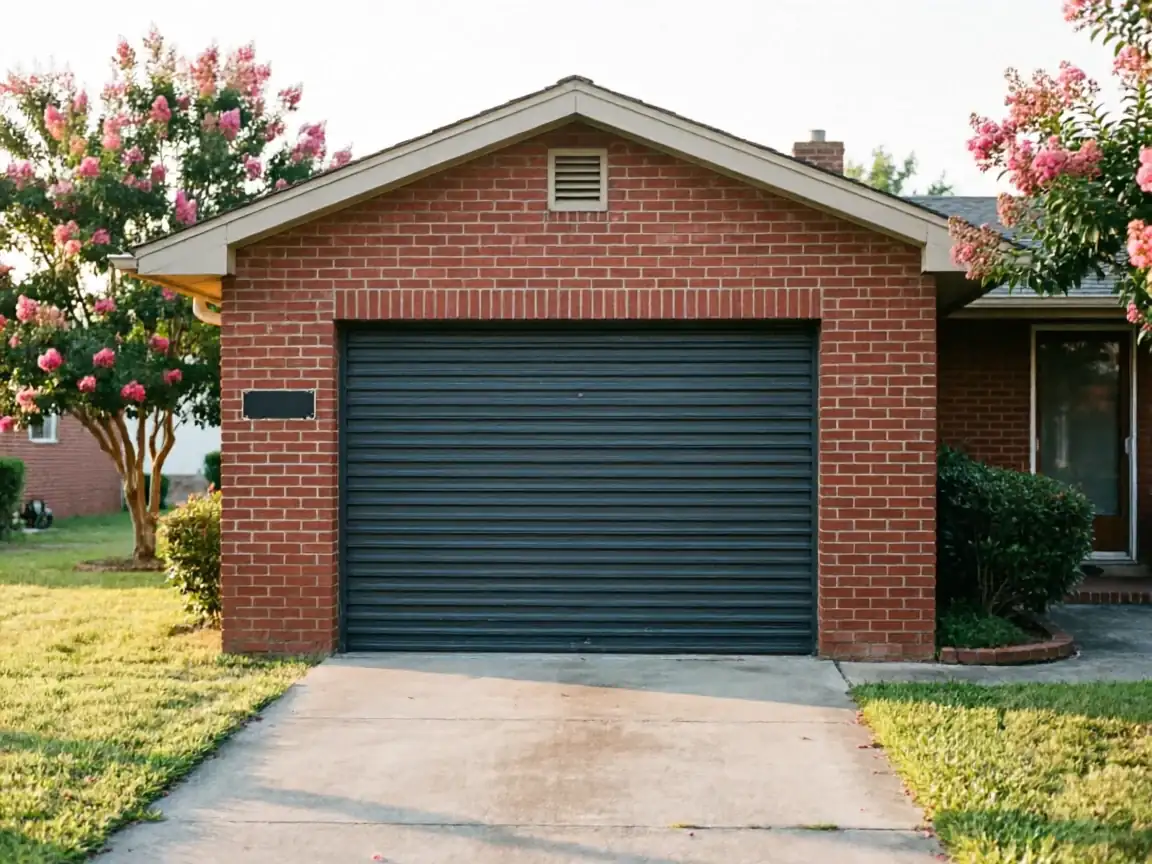
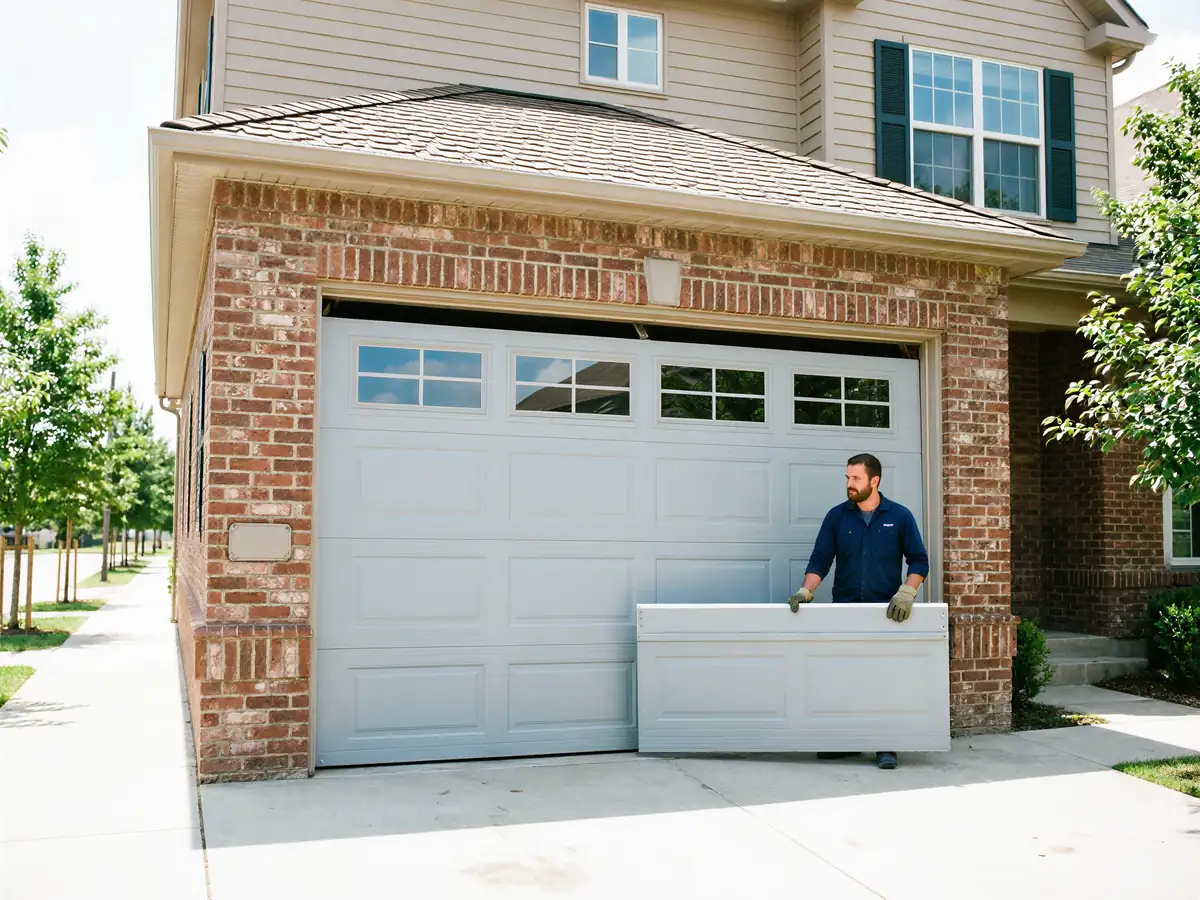
Most of the houses in Caddo Mills went up around 1985, which puts the original garage door well past its expected life by now. That generation of door is a steel sectional panel, usually sized for a single two-car opening rather than the wider three-car bays you see in newer parts of the service area that filled in through the 1990s and 2000s. Thirty-plus years of Texas heat on that steel means the panels have likely warped, the seams have worked loose at the hinges, and the factory finish is chalking or peeling. The track is probably the narrower profile builders used in that era, which limits what replacement door and opener combinations will fit without new track. Springs on a door this old have usually been swapped once already, sometimes twice, and the cable drums show it. None of this is an emergency by itself - a tired door from 1985 can keep lifting for years. The problem shows up when a panel finally cracks at the bottom, the opener starts straining against bent track, or you want insulation and a quieter lift that the original door was never built to give you.
What the Fix Involves
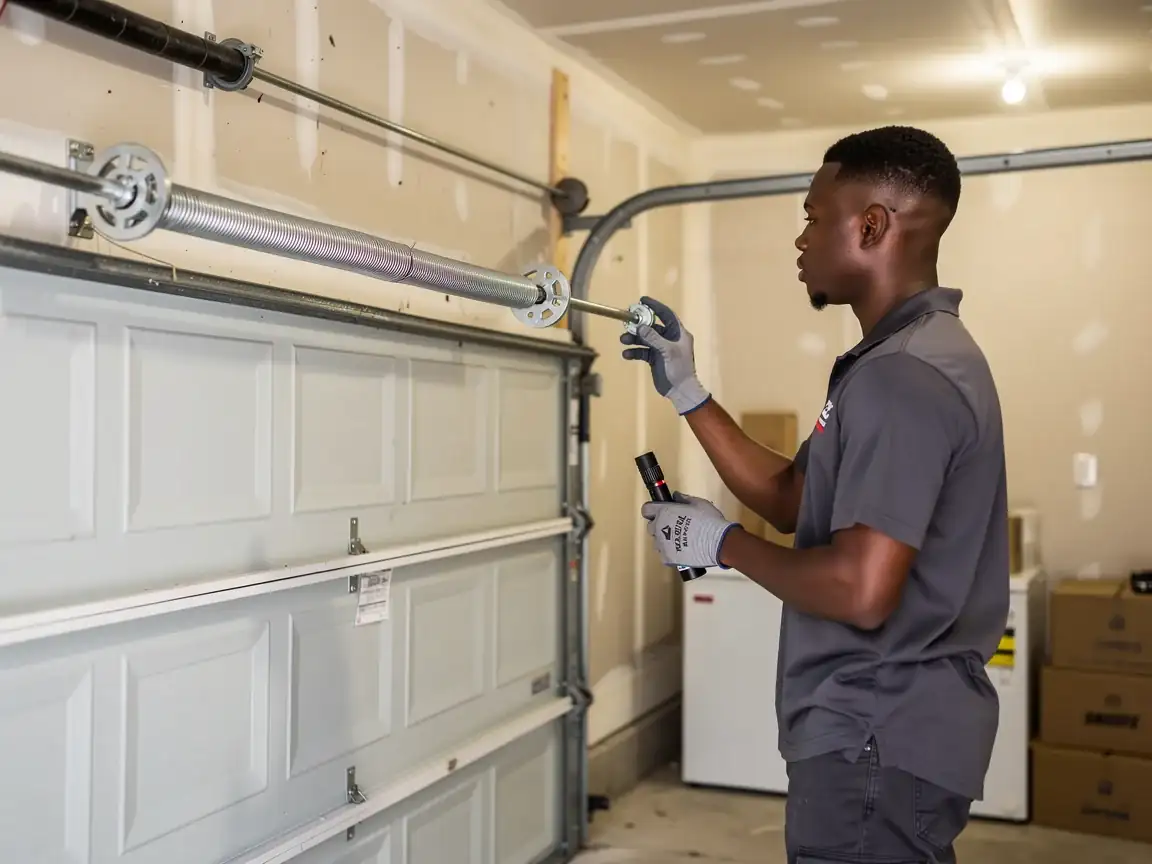
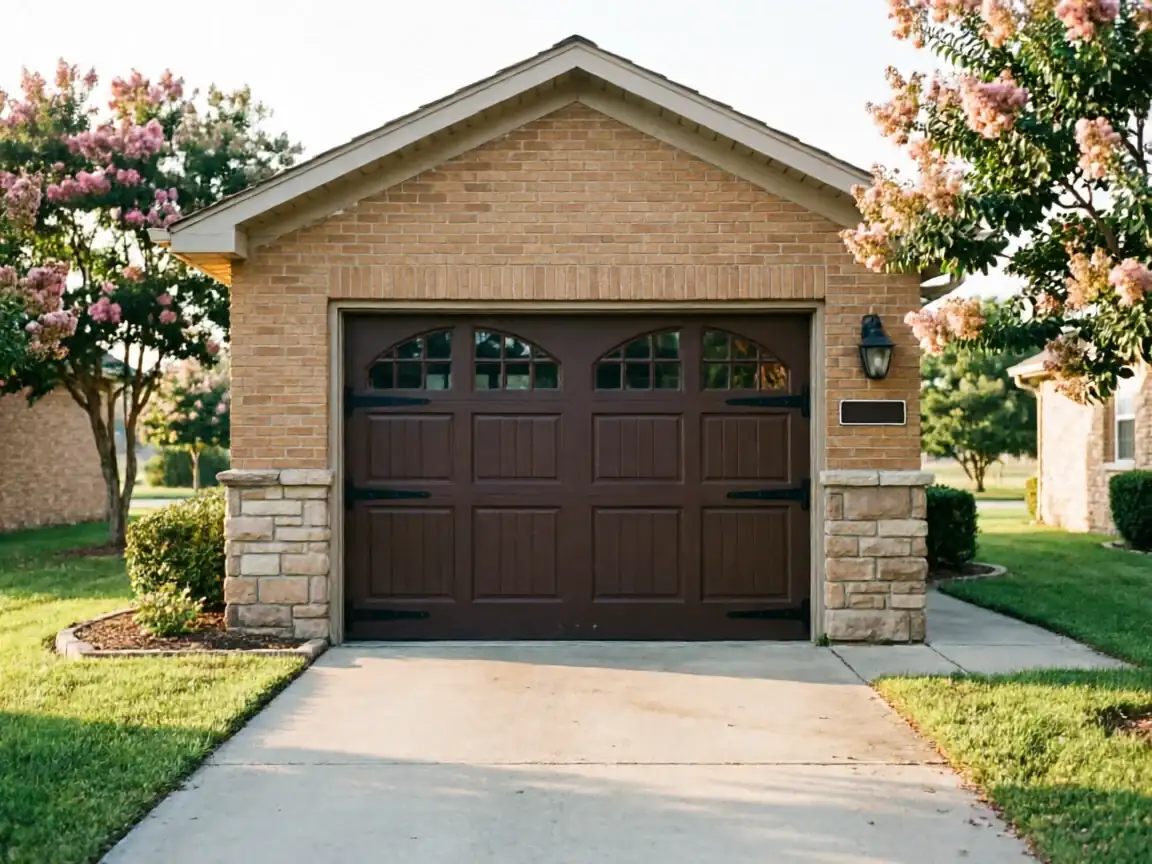
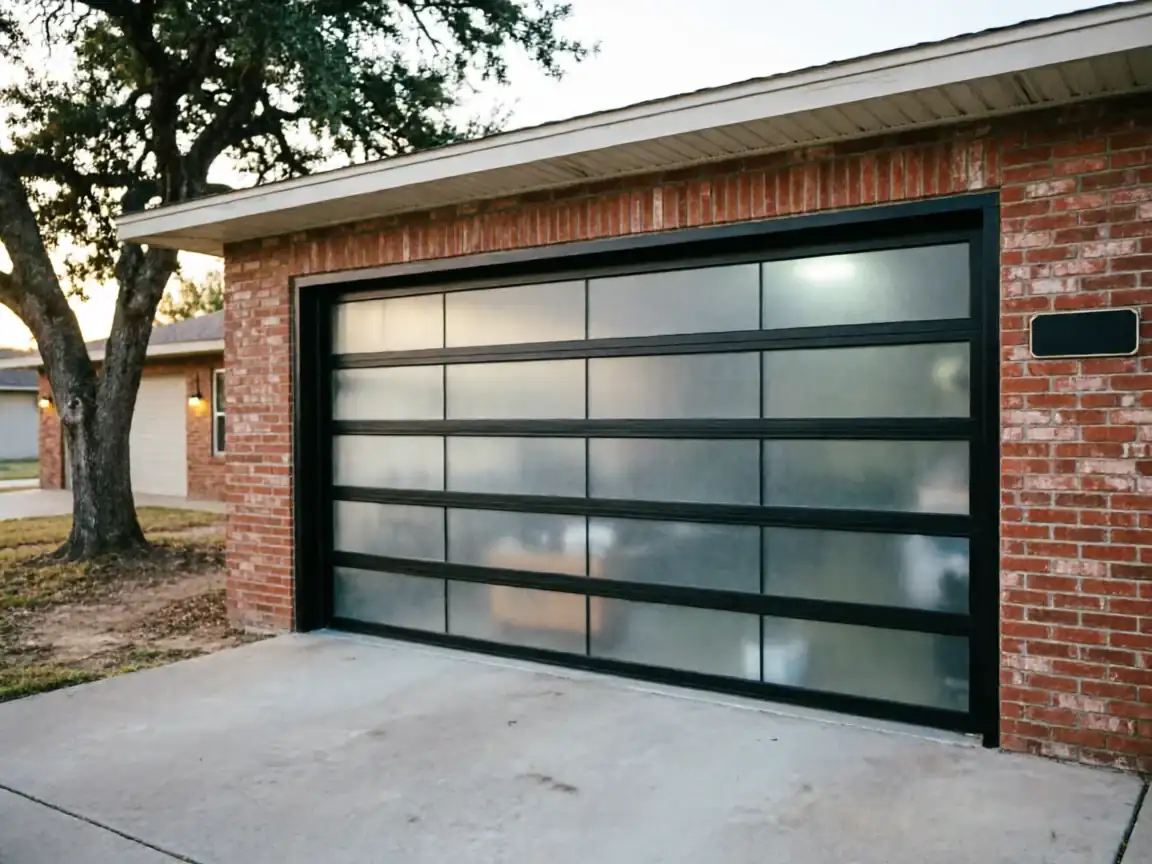
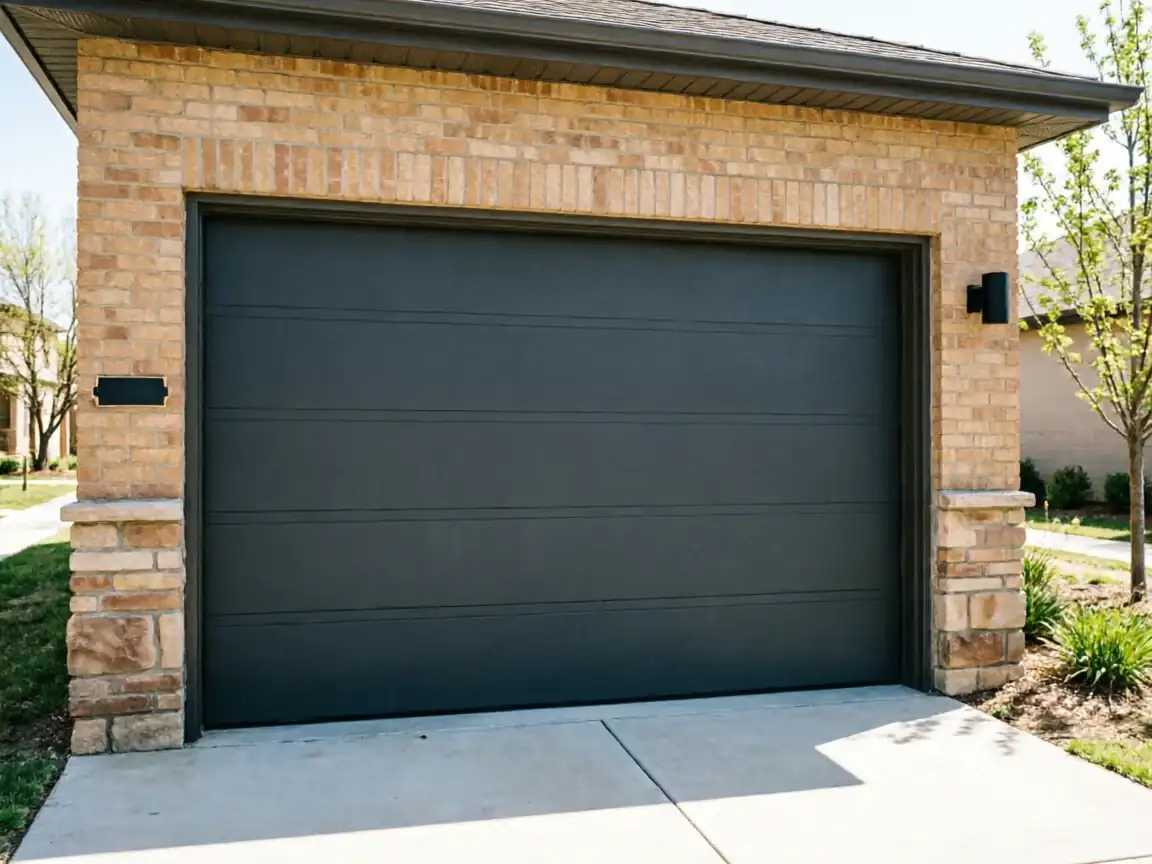
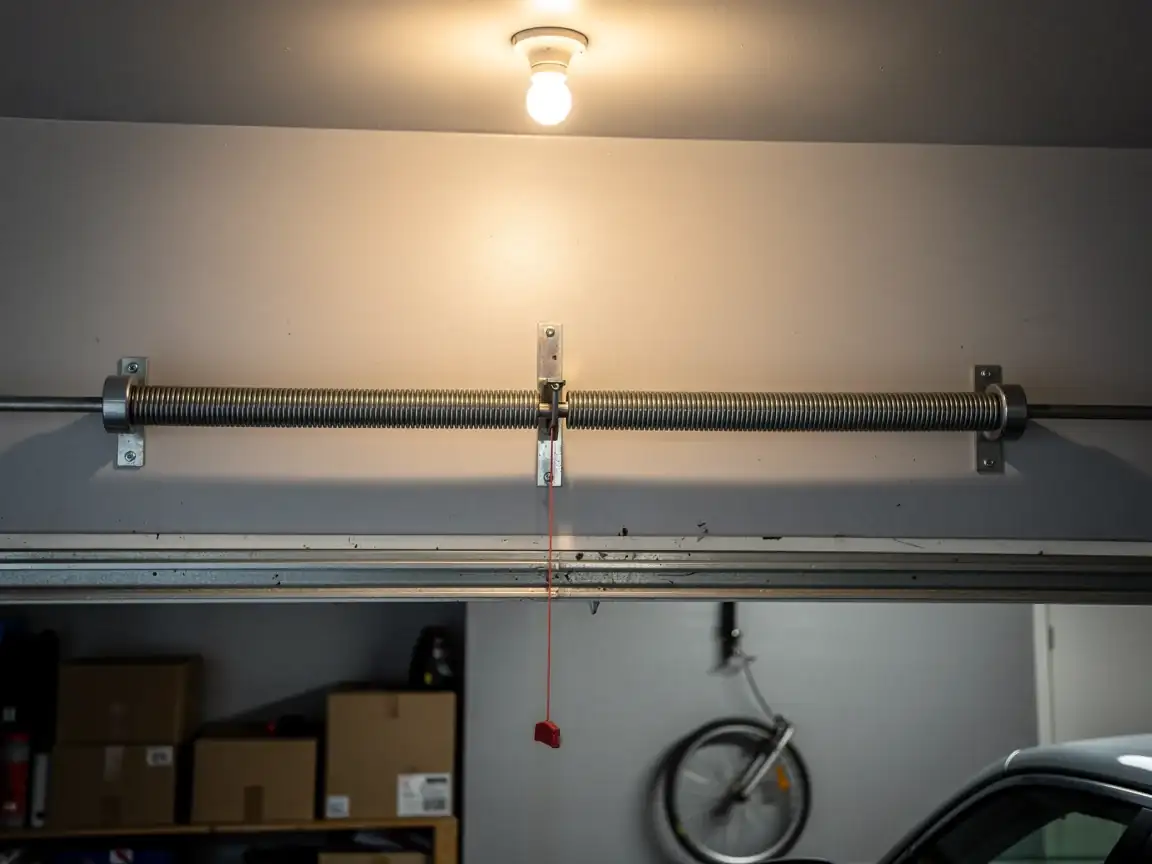
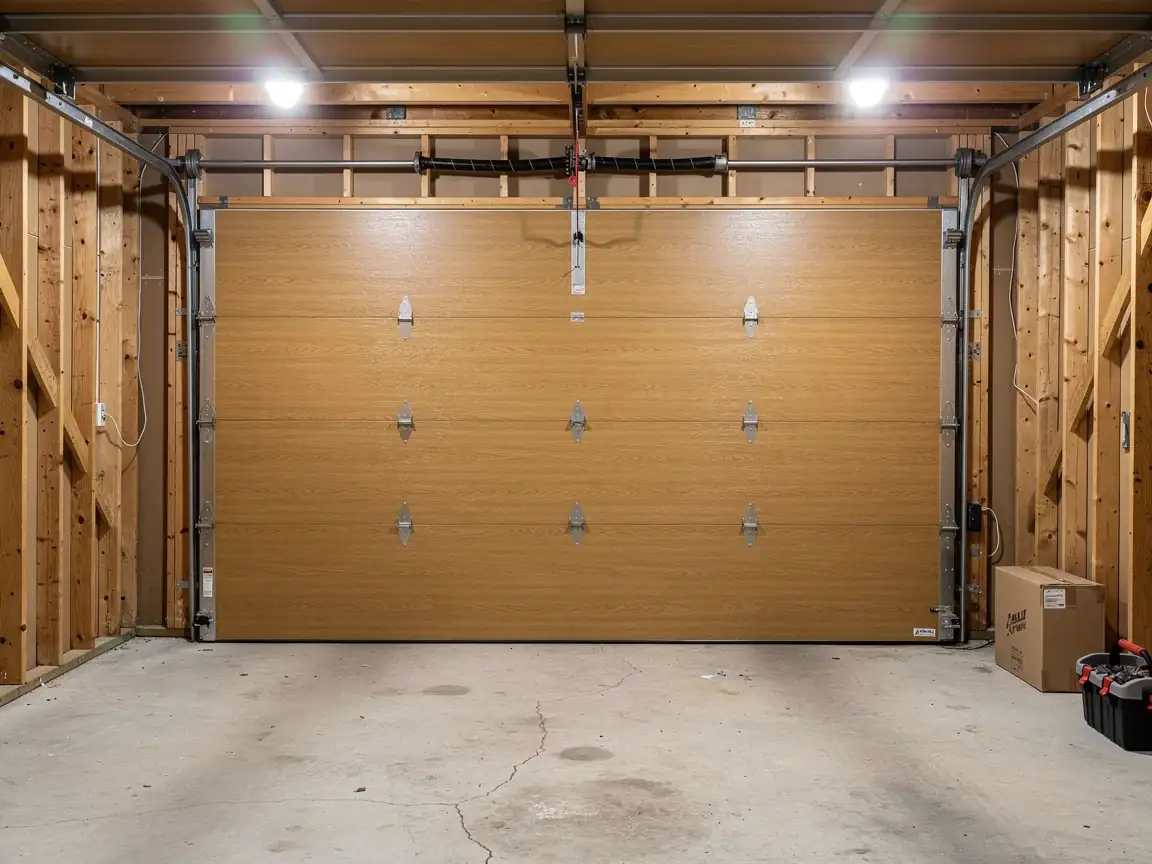
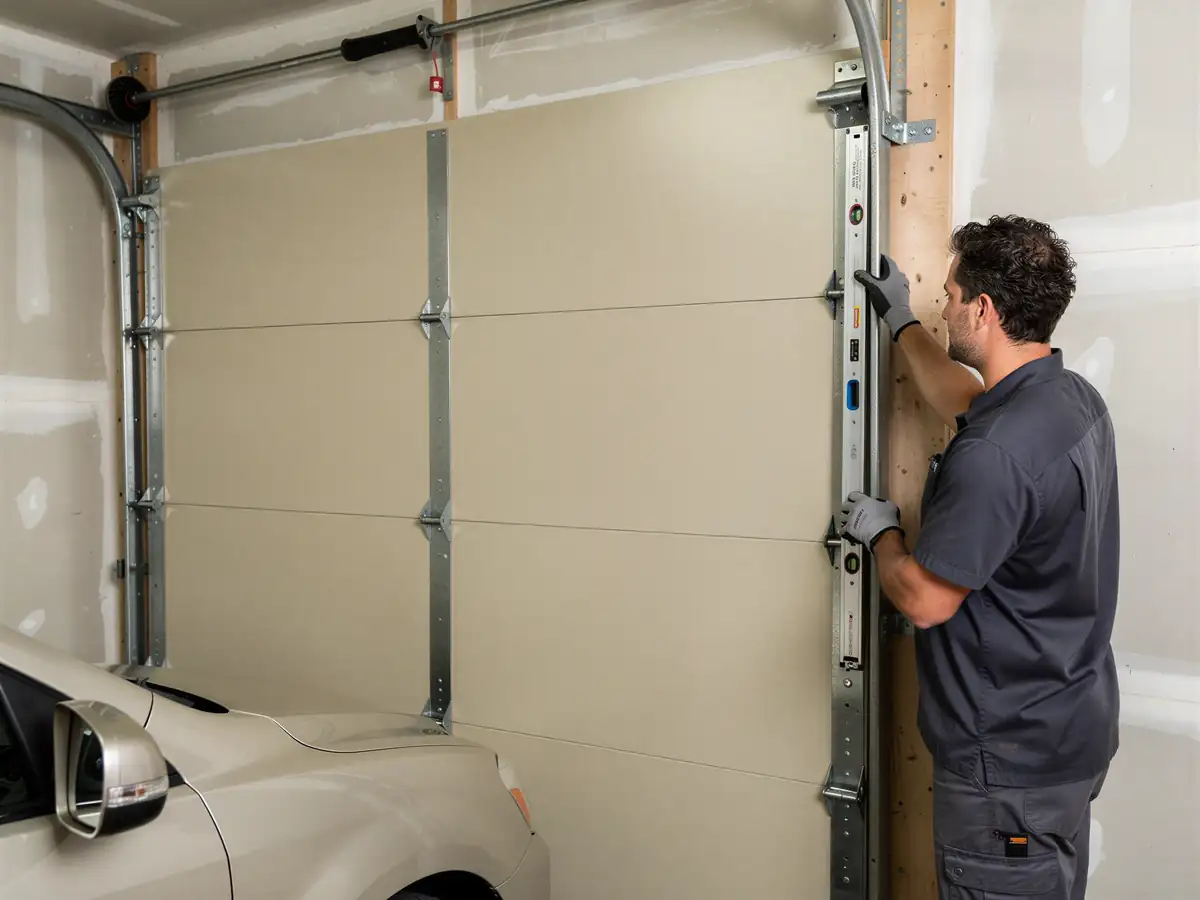
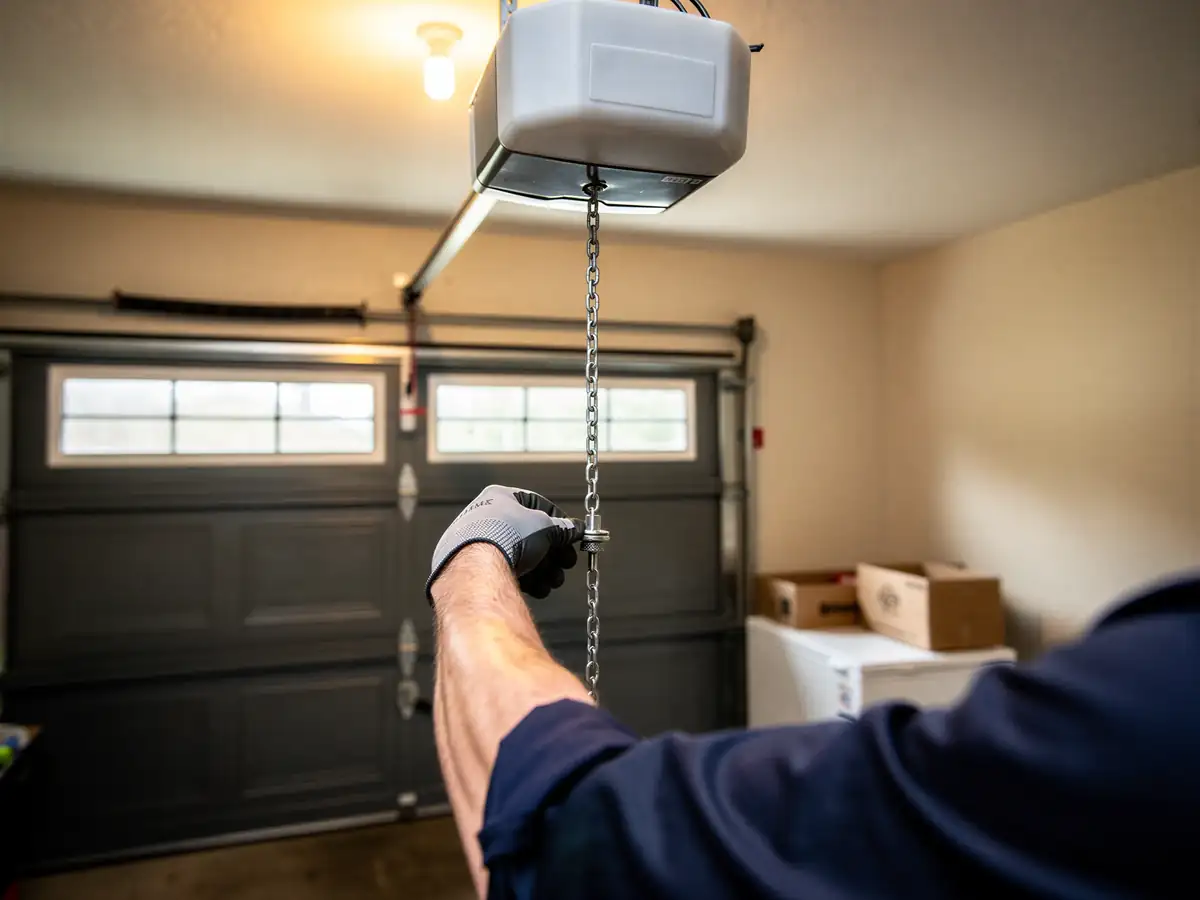
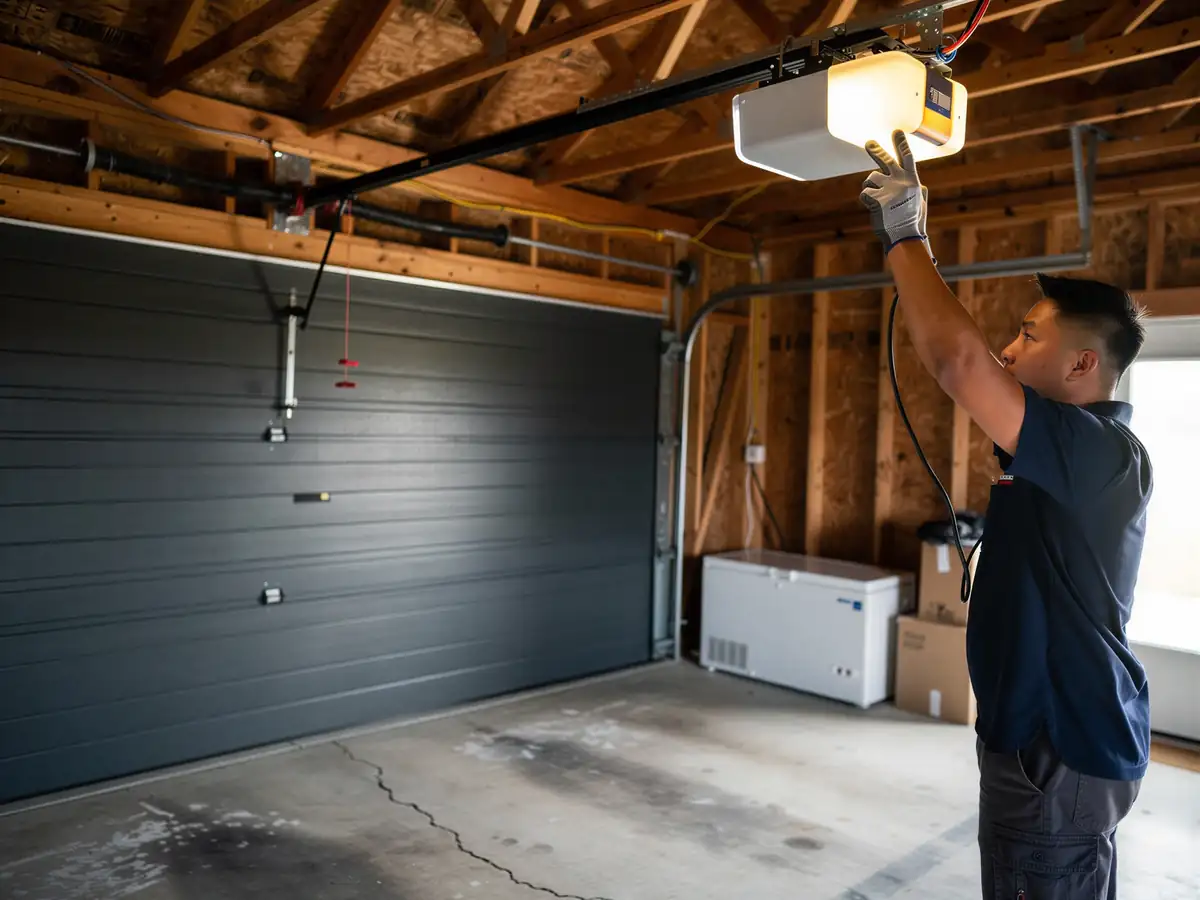
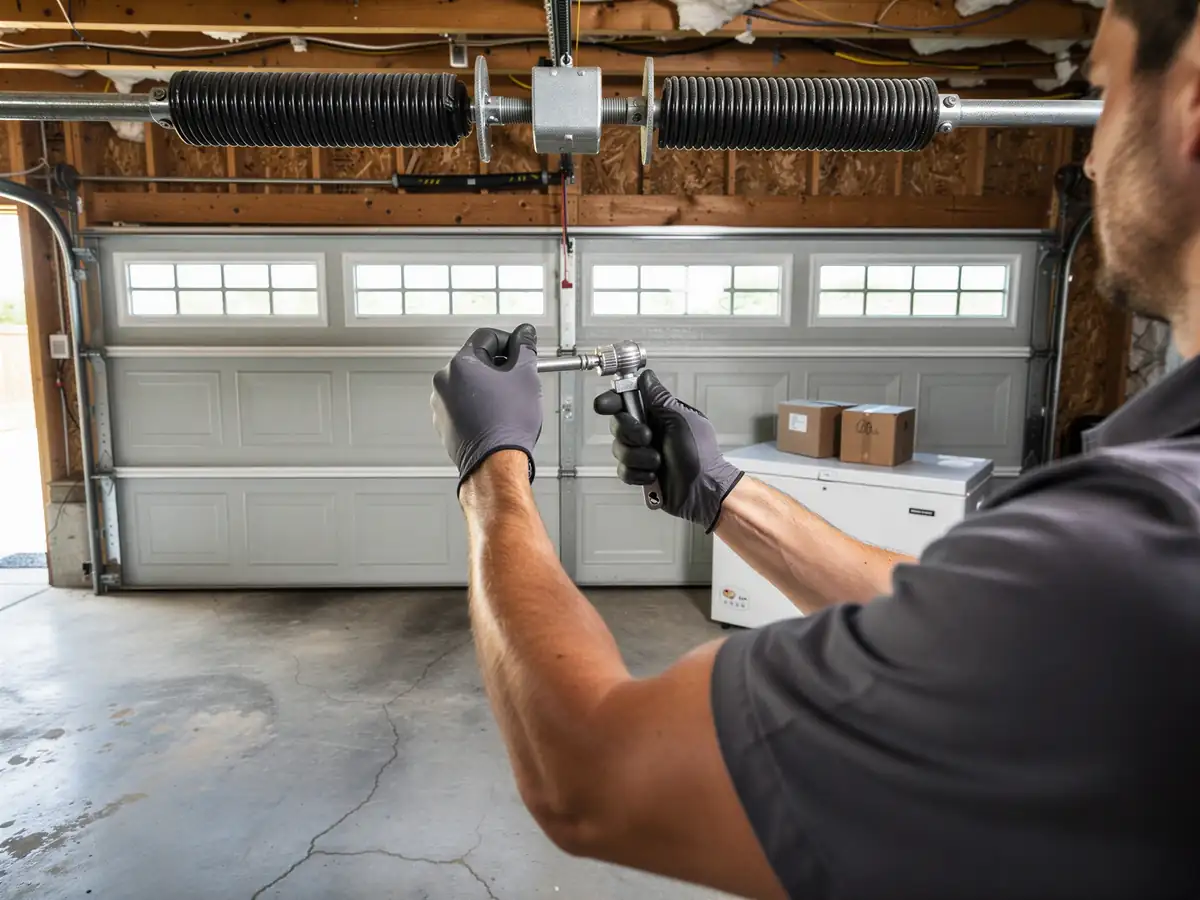
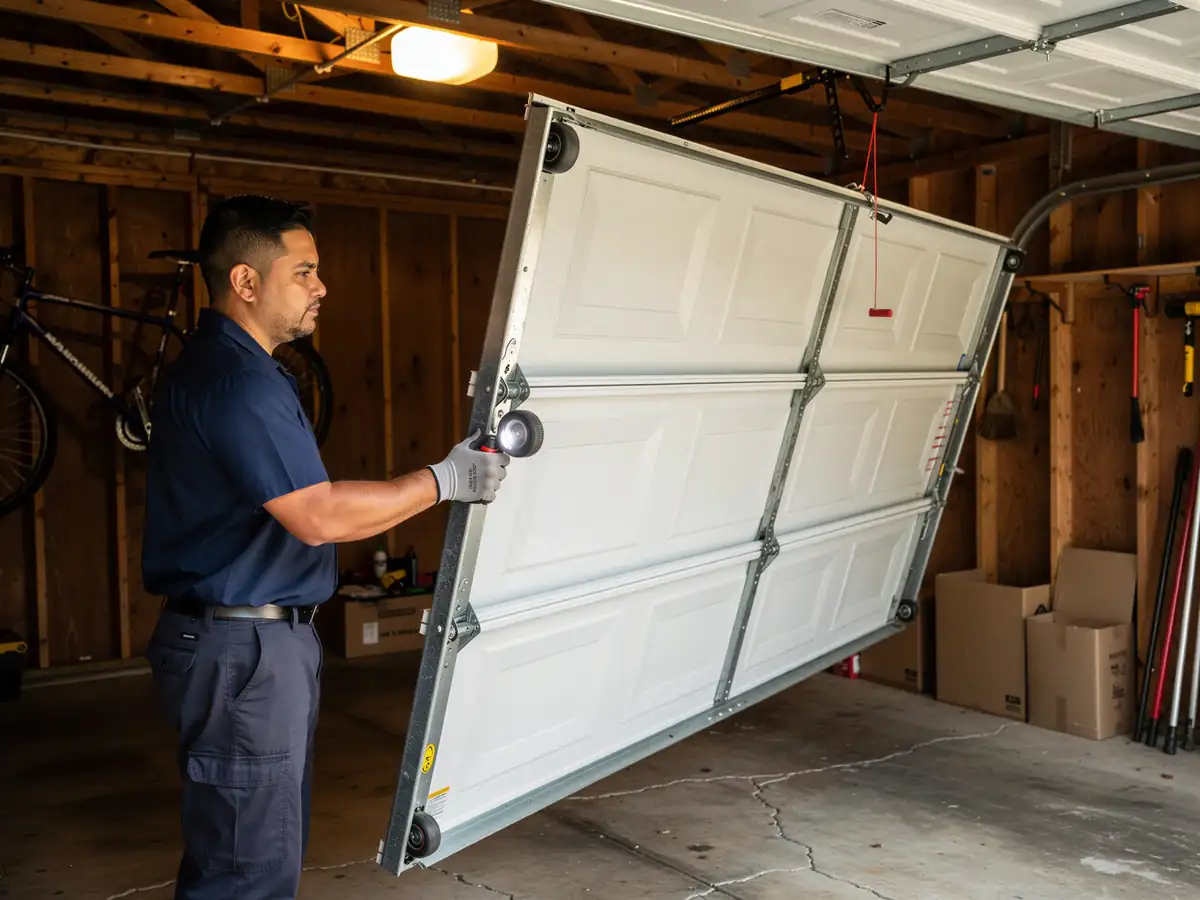
A new install on a house this age usually starts with the opening itself, not the door. Framing settles over thirty-some years, and a door ordered to today's standard sizes doesn't always drop into a 1985 rough opening without some trim work at the jambs. We measure the opening, check the header for the new door's weight, and confirm the track run clears whatever's overhead - ductwork, storage racks, a water heater moved in later. Steel sectional doors are still the common choice here; insulated panels cost more up front but do real work against the heat this part of Texas holds through the summer months. We pull the old track and spring system rather than reuse it, since hardware from that era rarely matches new door weights safely. Torsion springs get sized to the new door's actual weight, not estimated. Opener swaps happen at the same visit if the old unit is original to the house, since running a new door off a 35-year-old opener usually just moves the failure point rather than fixing it.
How to Book
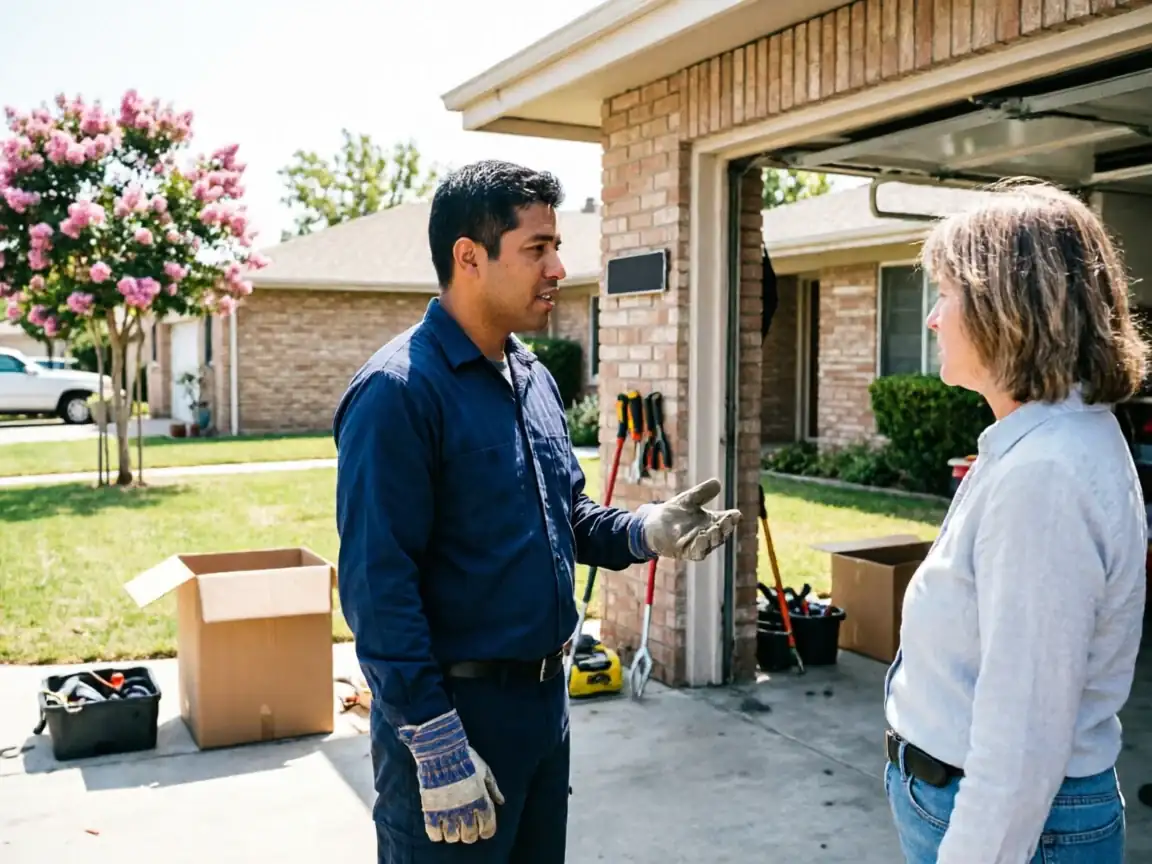
We run out of Royse City, about eight miles from Caddo Mills, and installs here get scheduled on the same routes as the rest of the service area. Call to set a time for a measure and quote - we'll look at the opening, the track clearance, and what's driving the replacement before pricing anything. If you already know the door size and style you want, that speeds up the first visit, but we're glad to walk through options on-site too. Because the trip out is built into the route rather than a separate dispatch, there's no added charge just for being in Caddo Mills versus closer in. Bring up anything unusual about the opening - a lowered ceiling, added shelving, a side door cut into the garage - before the appointment if you can, so we show up with the right hardware the first time.
What You Are Seeing
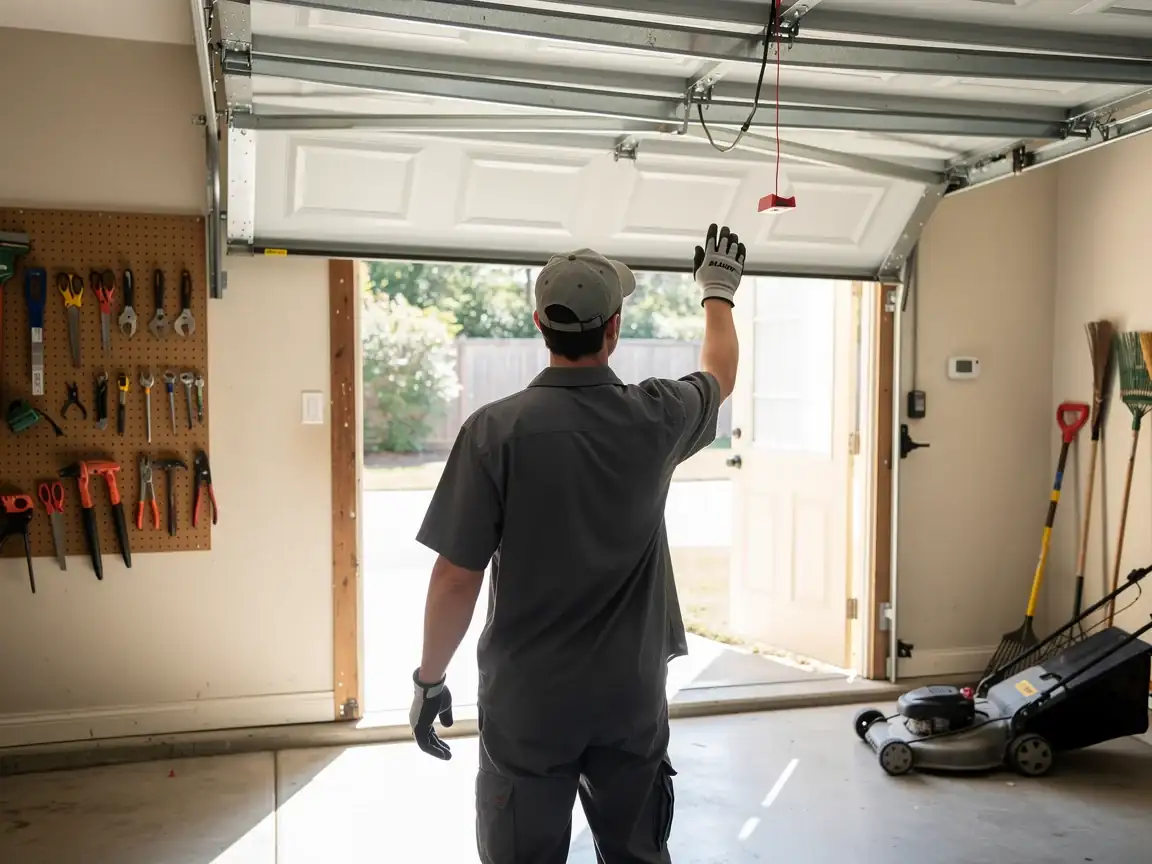
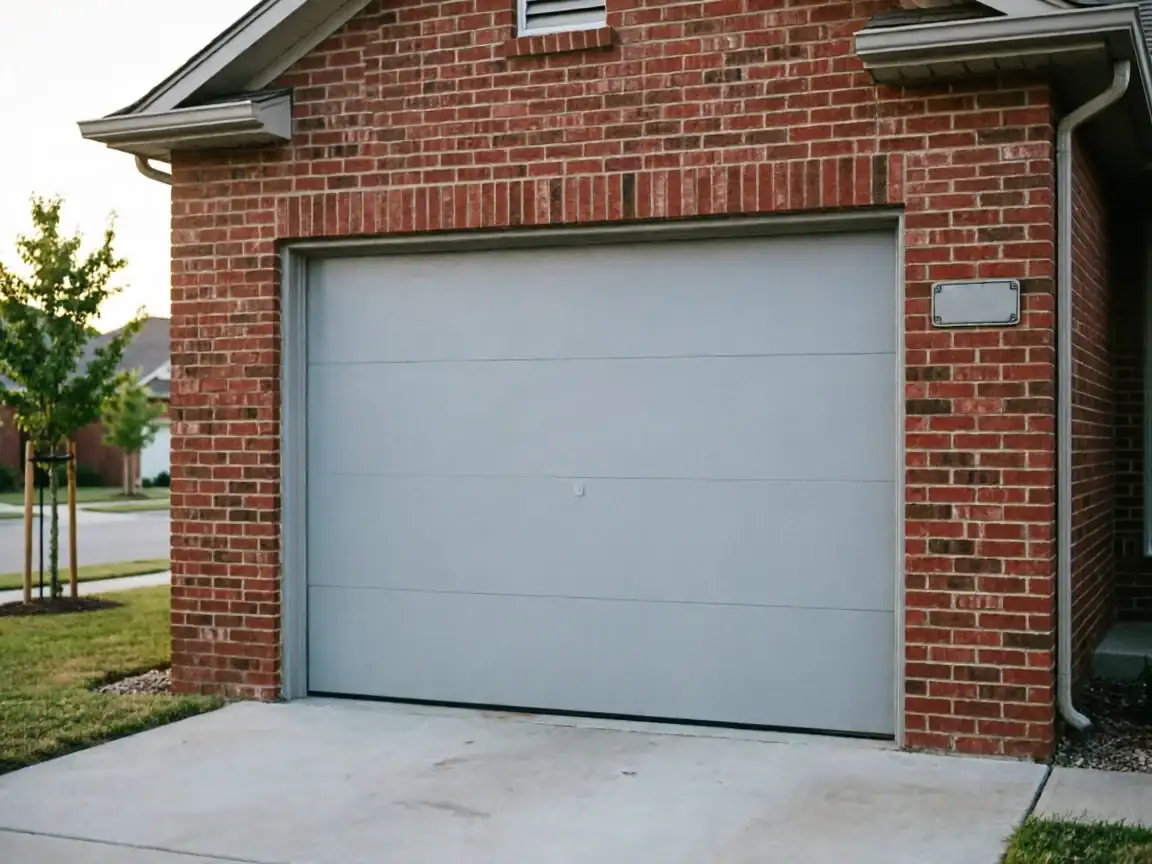
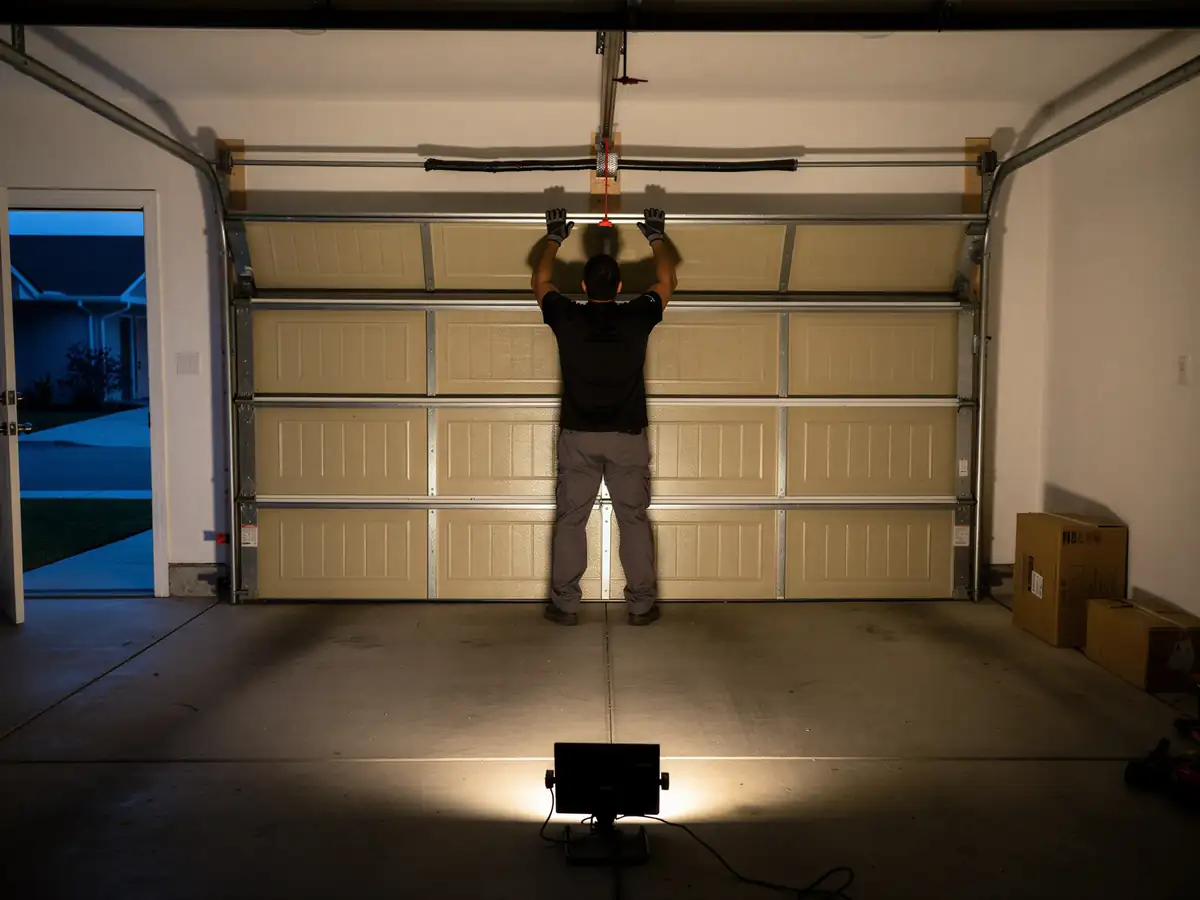
If your garage door in Caddo Mills is original to a house built around 1985, look for these signs it's past replacement rather than repair: visible waviness or oil-canning across the steel panels from decades of heat cycling, rust starting at the bottom panel seam where water sits, a track that's pulled away from the jamb on one side, or an opener that strains and reverses before the door fully closes. Weatherstripping on doors this old is usually original too, and it's long since stopped sealing against dust and heat. None of these are dangerous on their own, but together they're the usual case for a full install instead of another round of parts. A door that's been repaired three or four times over the years, with mismatched rollers and a non-original spring, is also a reasonable candidate - at that point you're paying repair prices for a door that was never going to last another decade anyway.