What Can Go Wrong
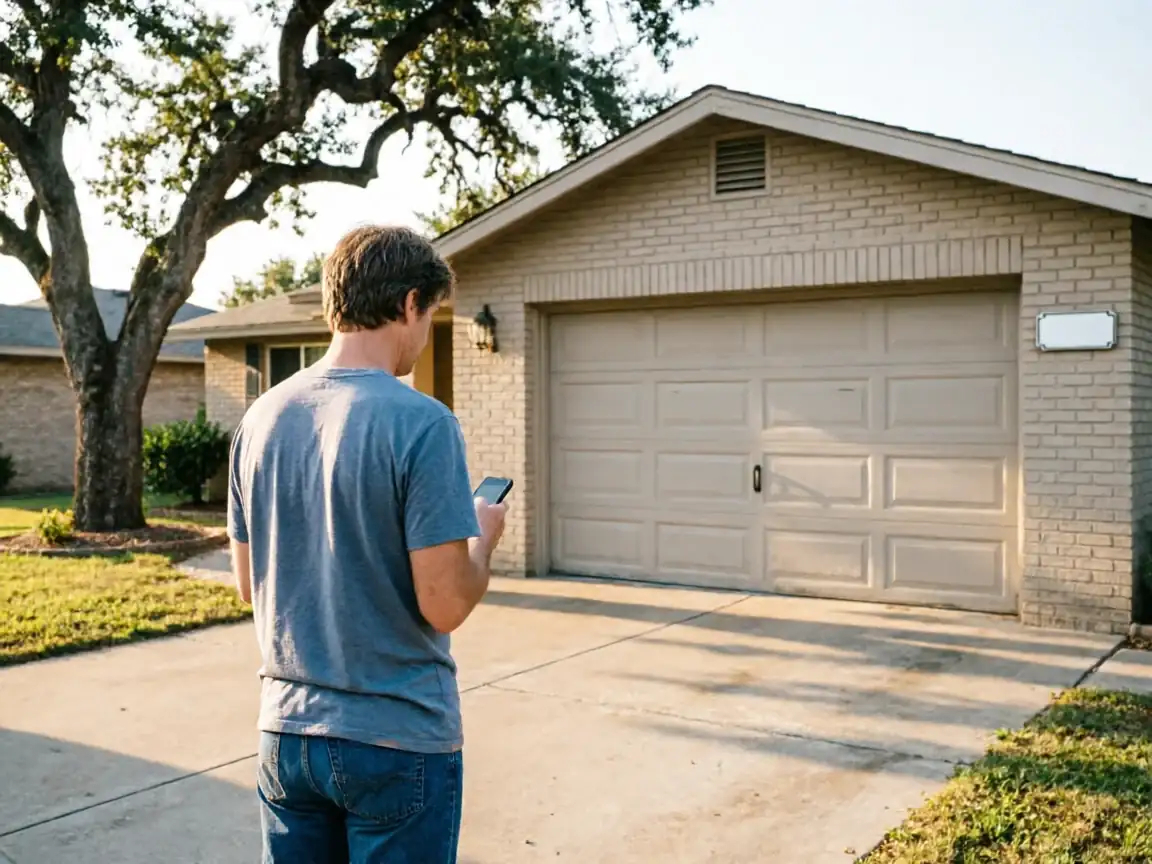
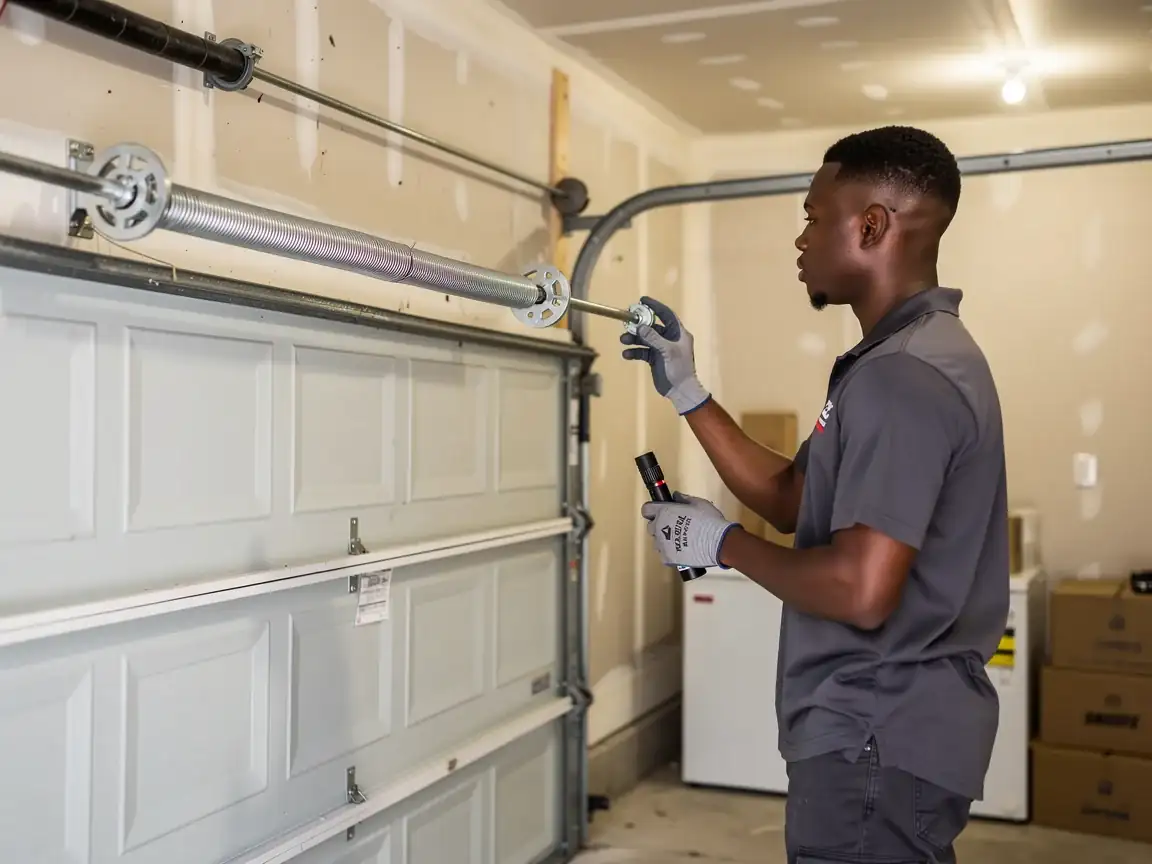
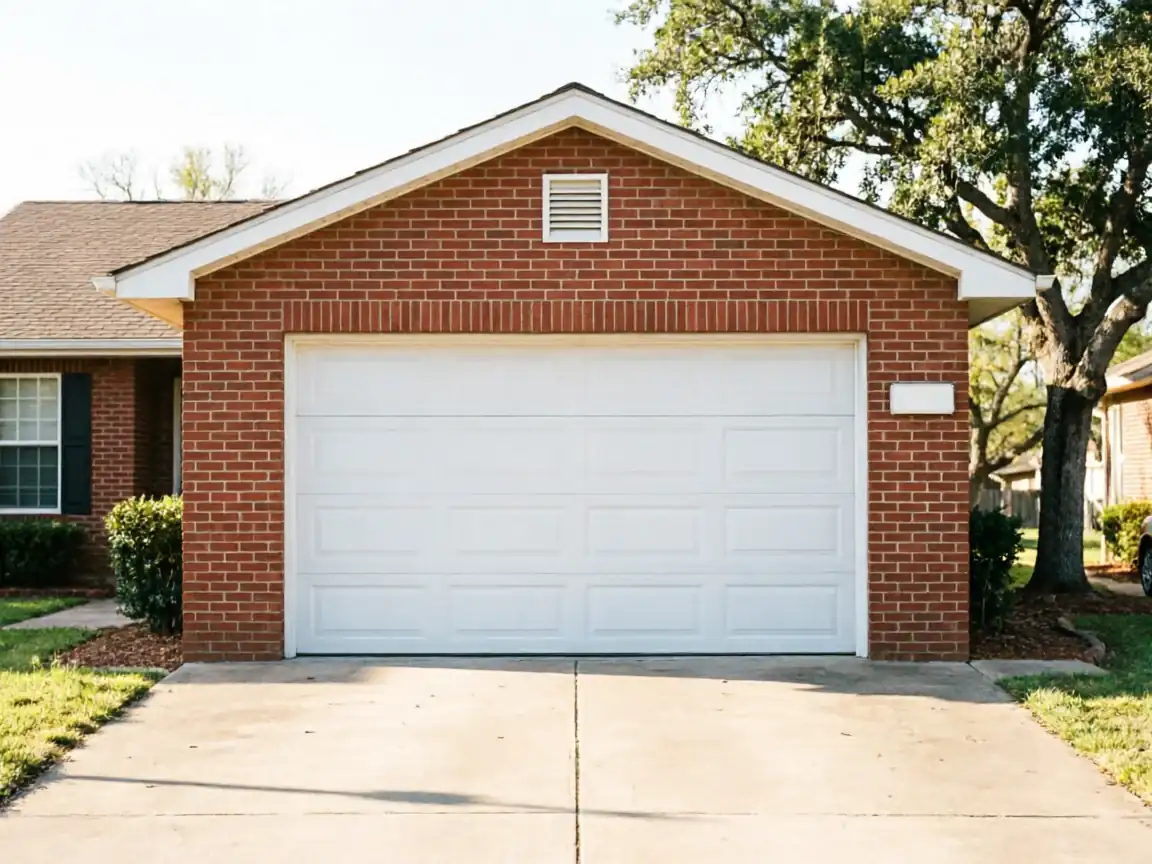
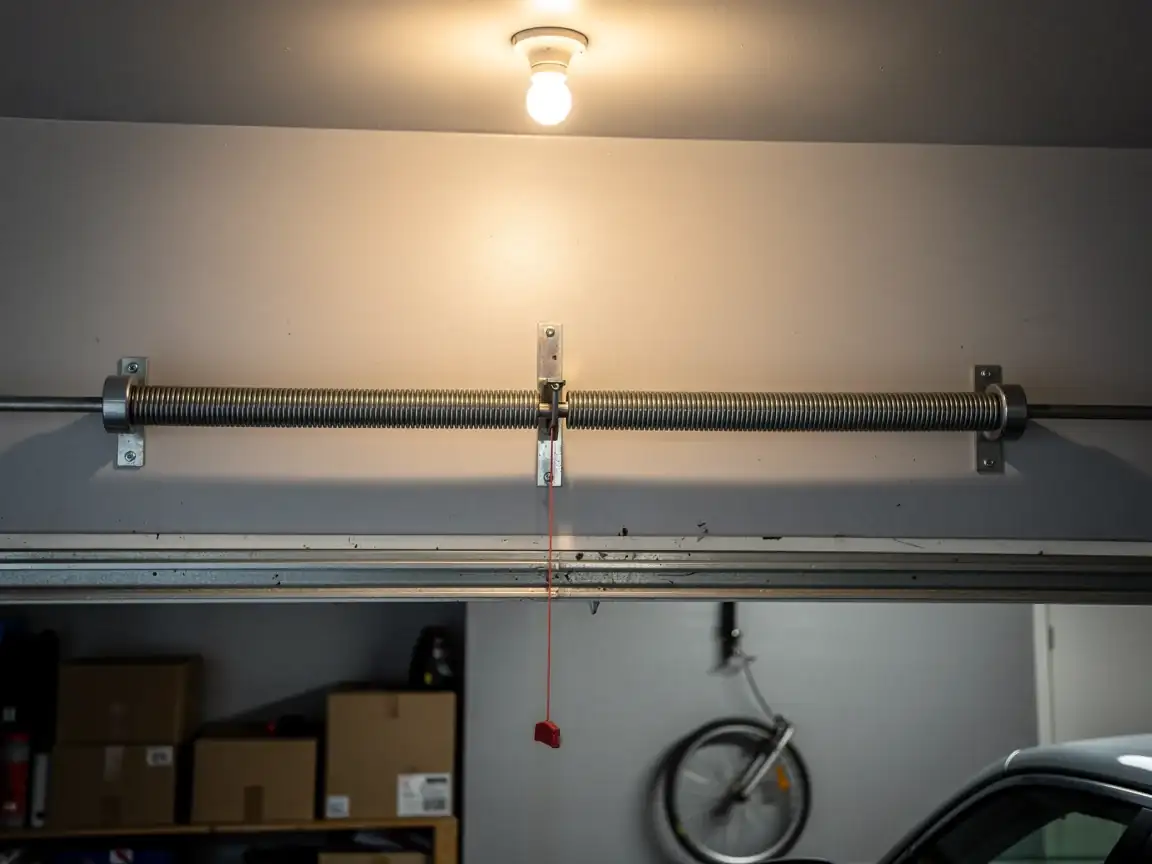
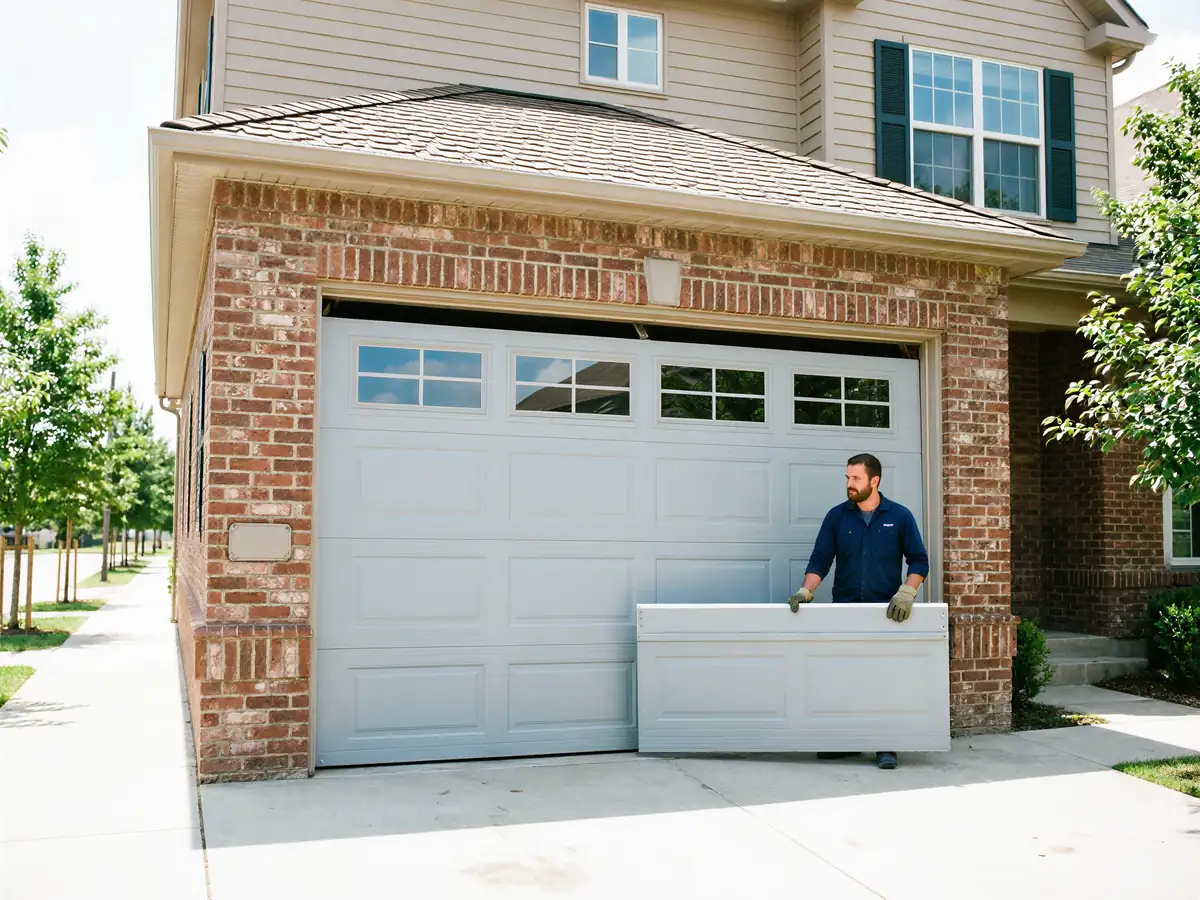
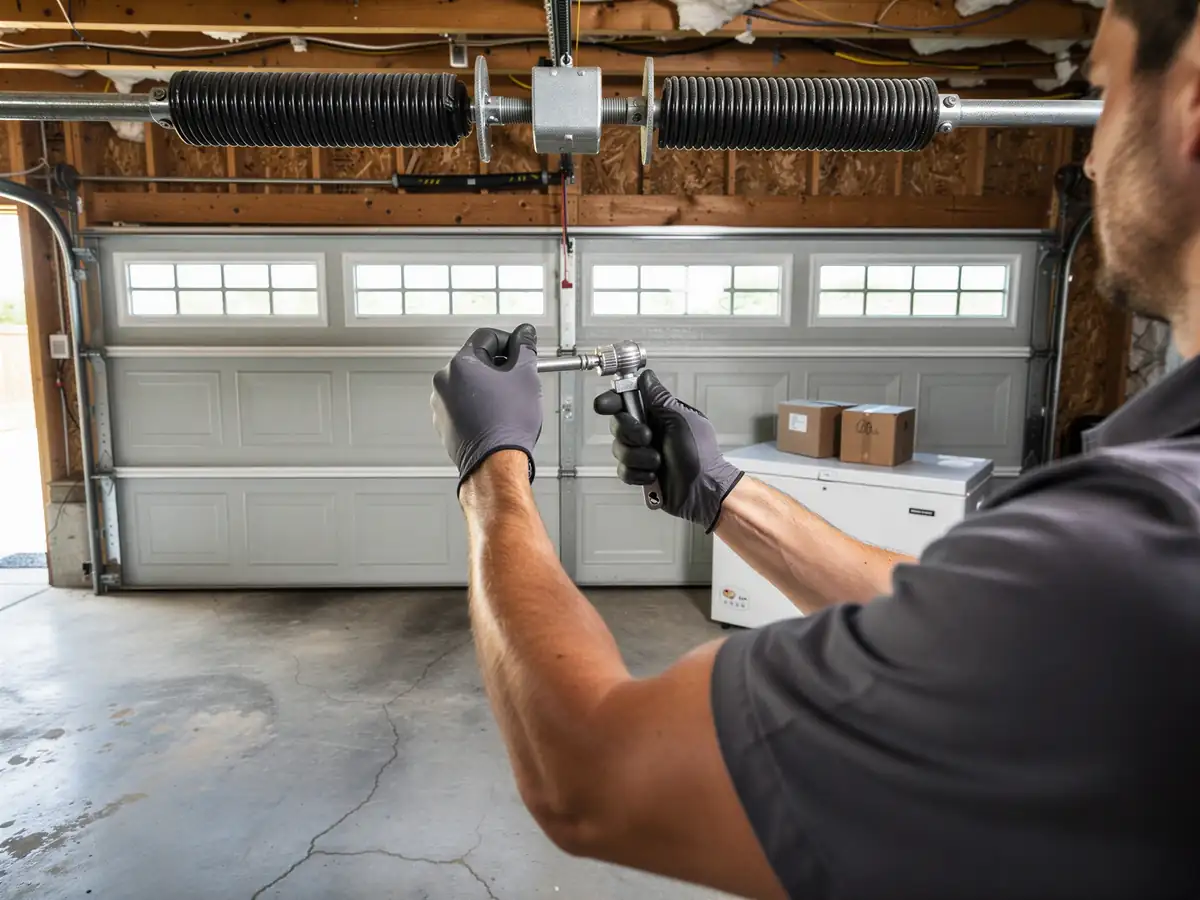
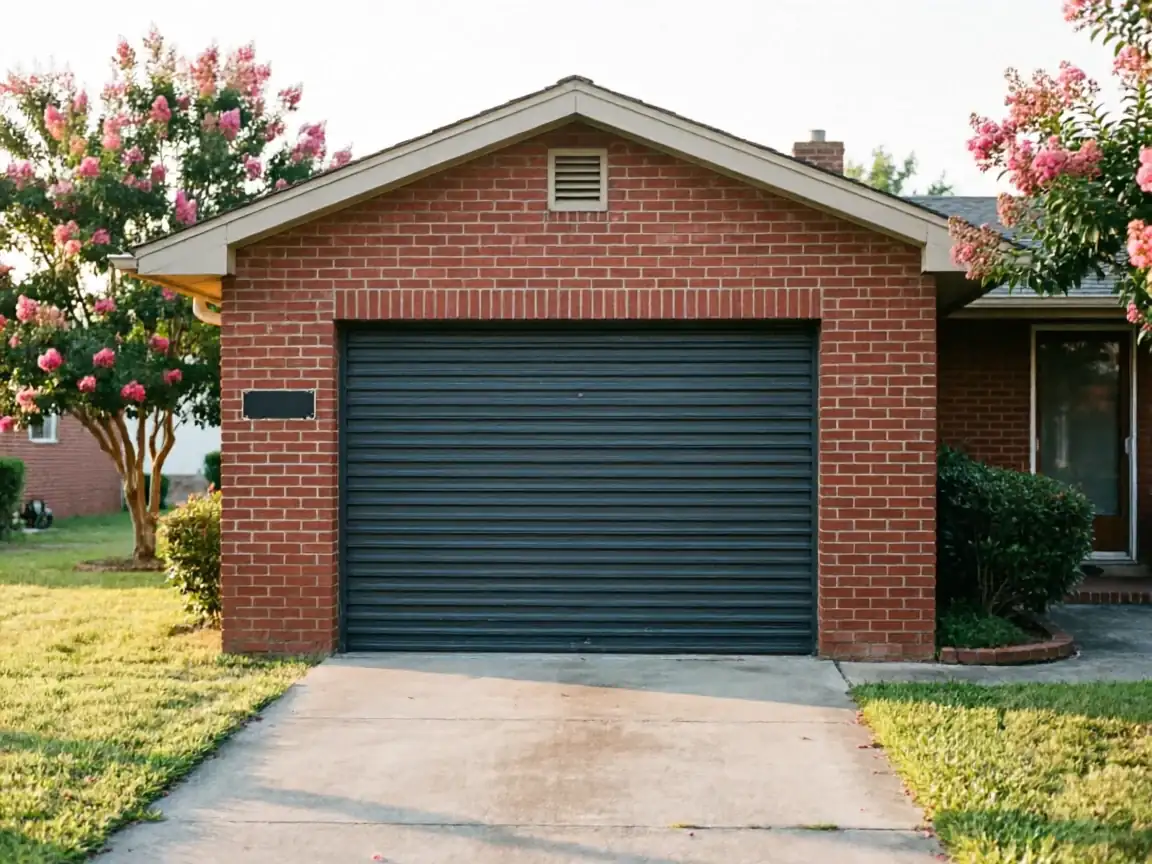
Most of the houses we get called to in Caddo Mills were built around 1985, which puts them a good 15 years ahead of the 2000s median that covers most of the wider service area. That gap matters. A door and opener installed in the mid-80s has likely been through two or three motor replacements by now, but the track, the hinges, and sometimes the springs are original - nobody tears those out unless they fail outright. We see torsion springs that have simply worn past their rated cycle count, hinges worn oval from thirty-plus years of travel, and rollers that were steel to begin with and have been grinding in a track that's never been re-aligned. On a door this age, a single stuck panel or a cable that's frayed through isn't a one-off. It's usually the first visible sign that the rest of the hardware is close behind.
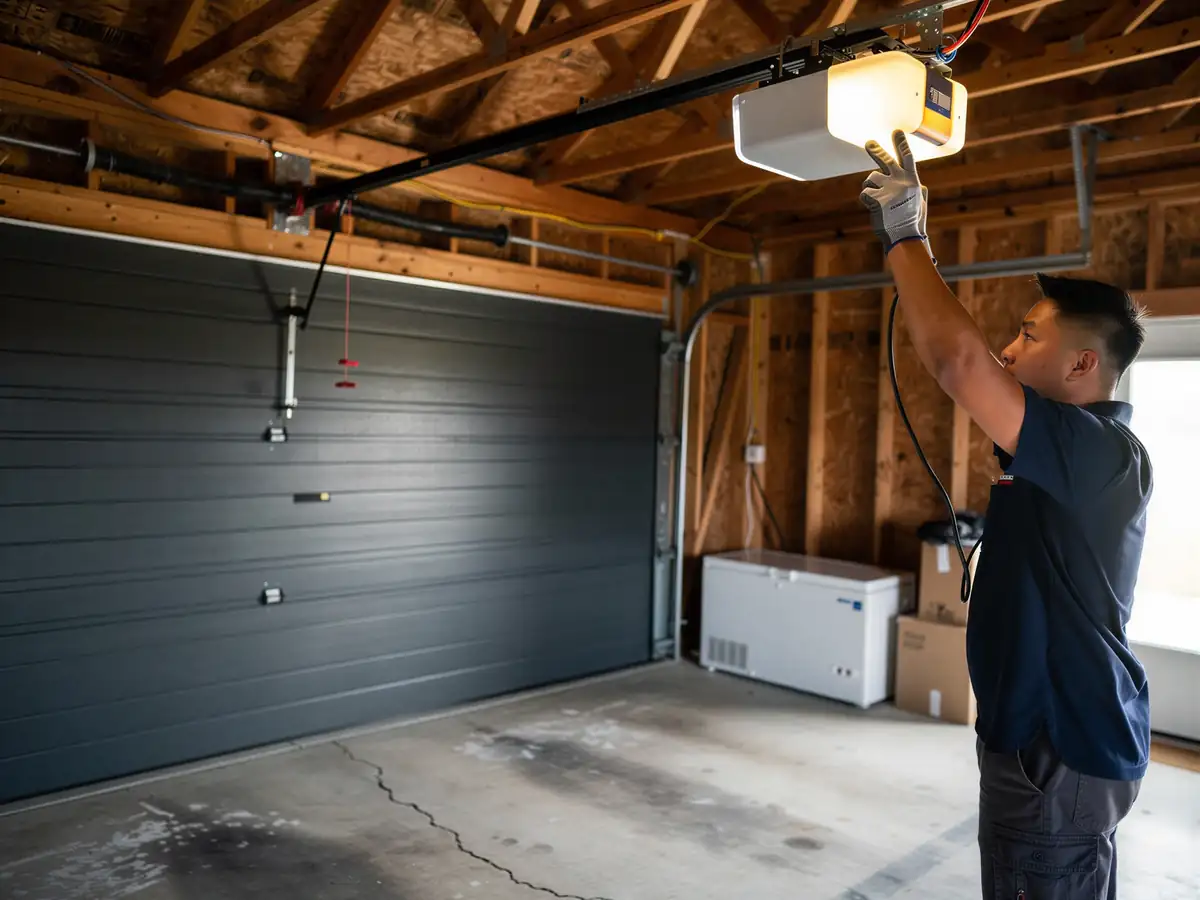
Openers from that era, if they've survived, are chain-drive units with none of the safety reversal sensors required on anything sold today. If yours is still running on original hardware, that's worth flagging before it becomes a bigger job.
What the Fix Involves
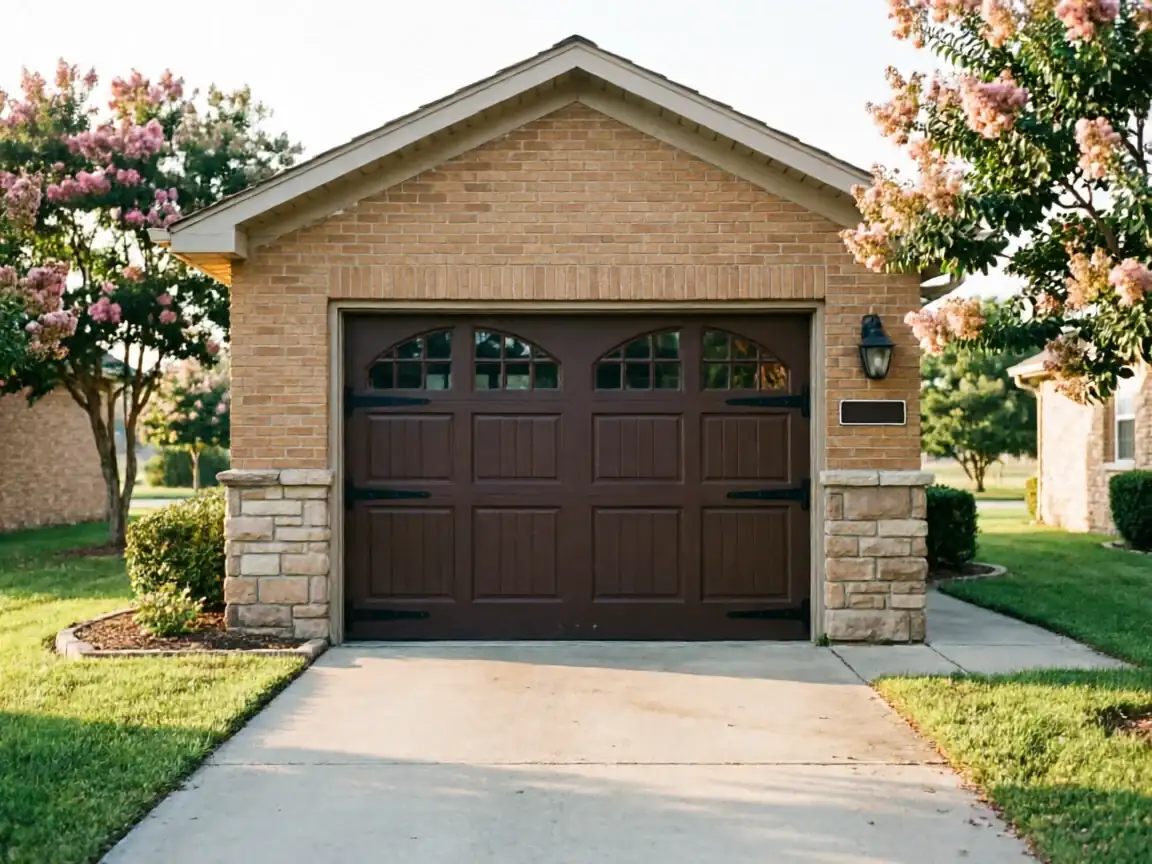
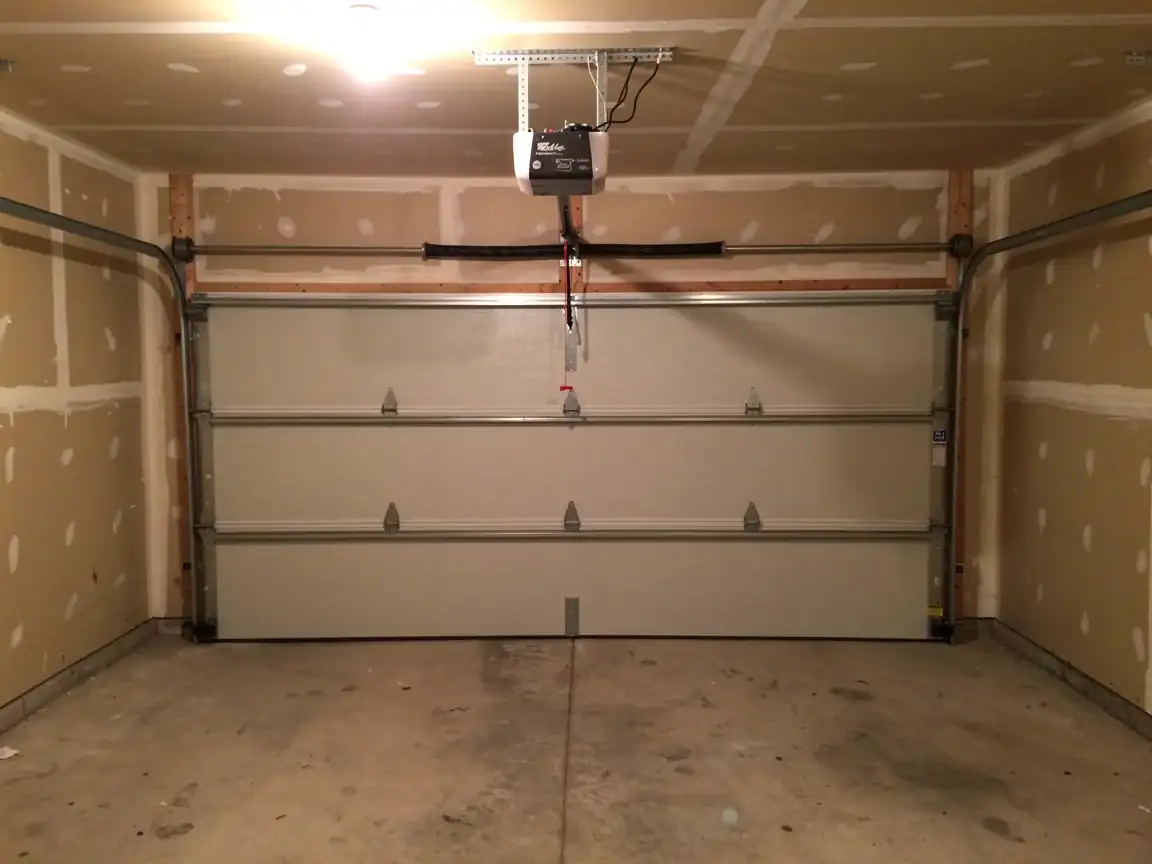
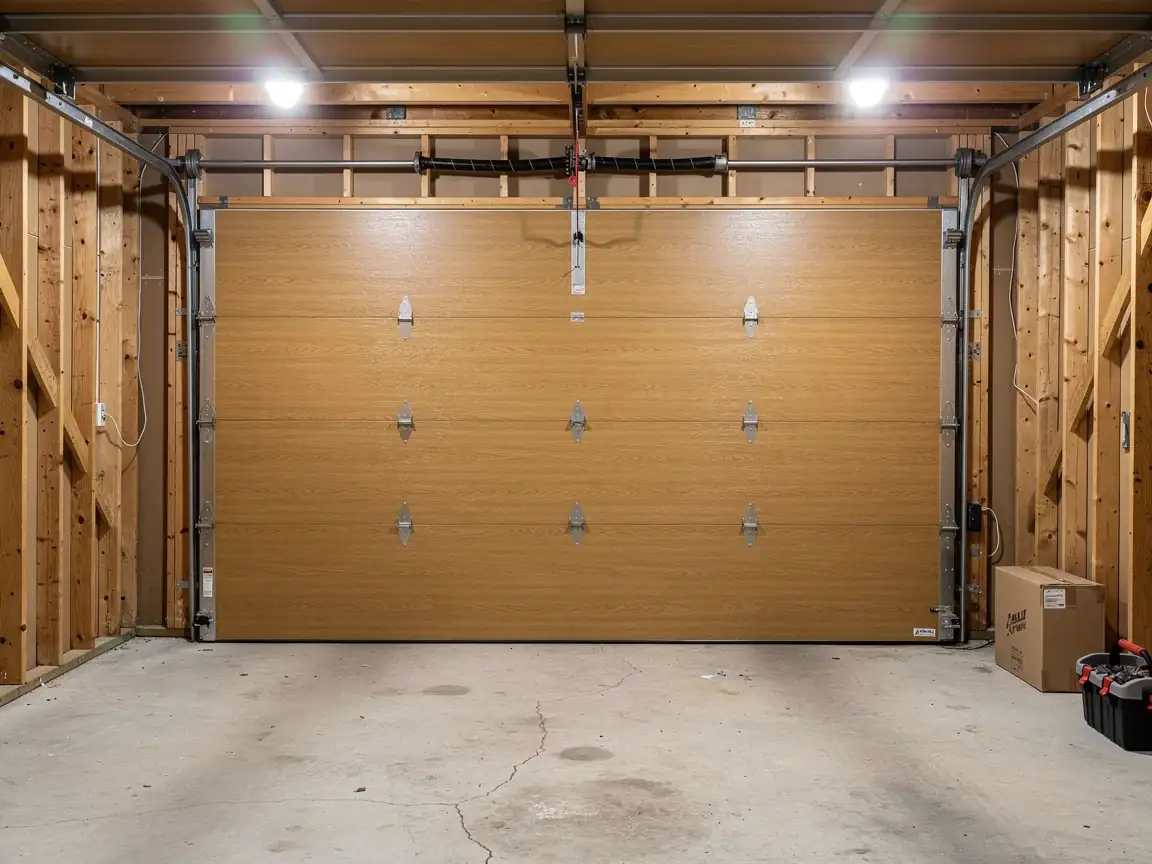
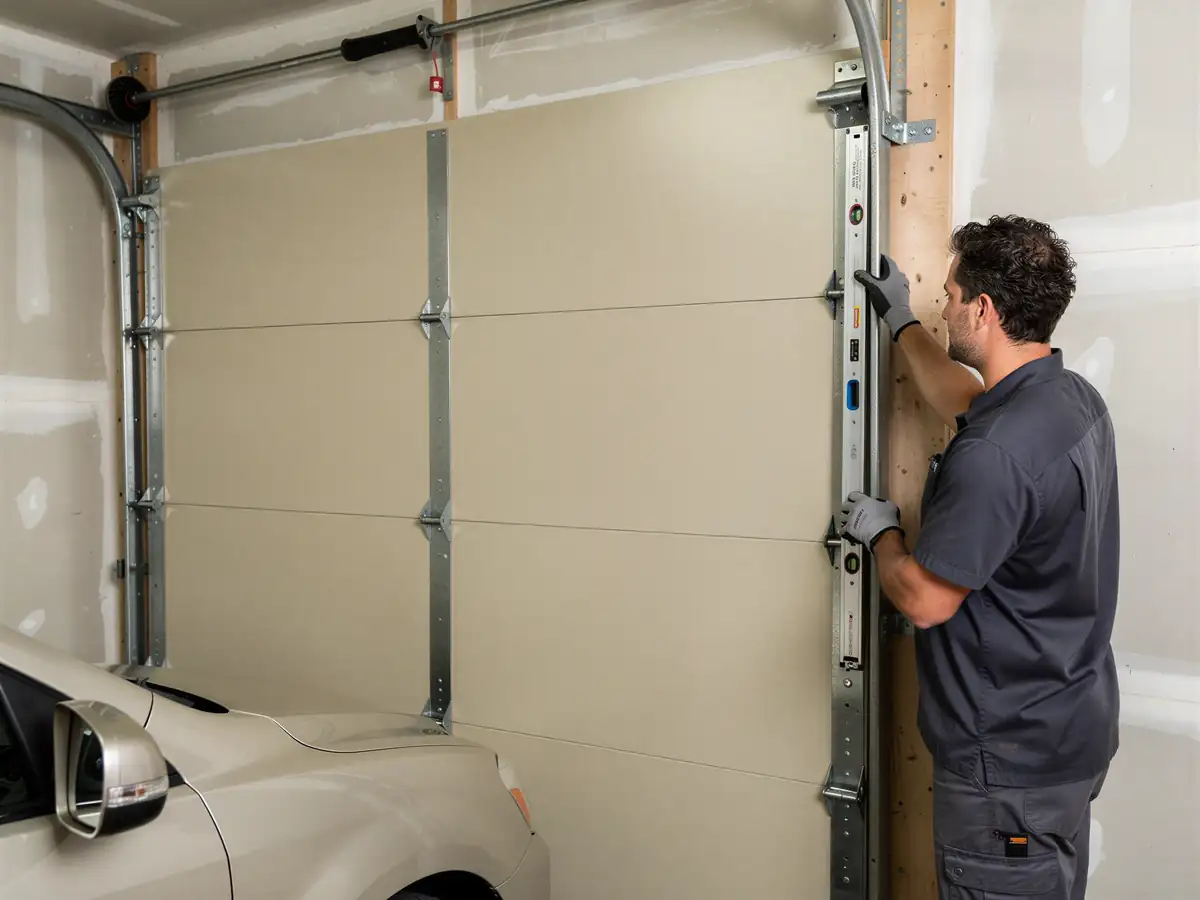
On a door this age we start by checking what's original and what's been swapped, because the fix depends on it. If the springs are original 1985-era torsion springs, we're not patching them - we replace the pair and the cables with it, since mismatched spring age is how a second spring failure happens six months later. If the opener is a later replacement but the track and hinges are original, the repair is usually hardware-focused: new rollers, re-set hinges, a track re-alignment so the door doesn't bind. We carry standard spring sizes and roller stock on the truck for the common setups in this area; anything non-standard (a wider door, an odd spring wind) sometimes means a short parts wait, which we'll tell you about before we start, not after.
How to Book
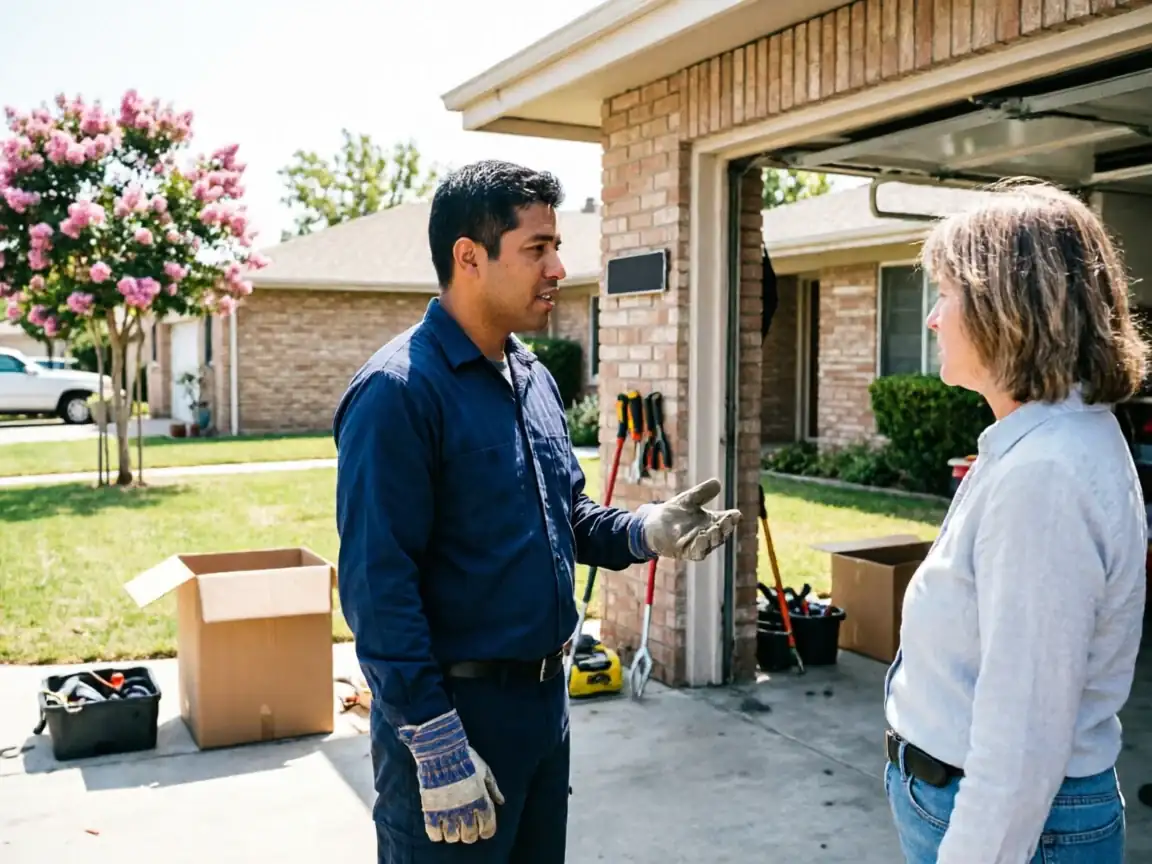
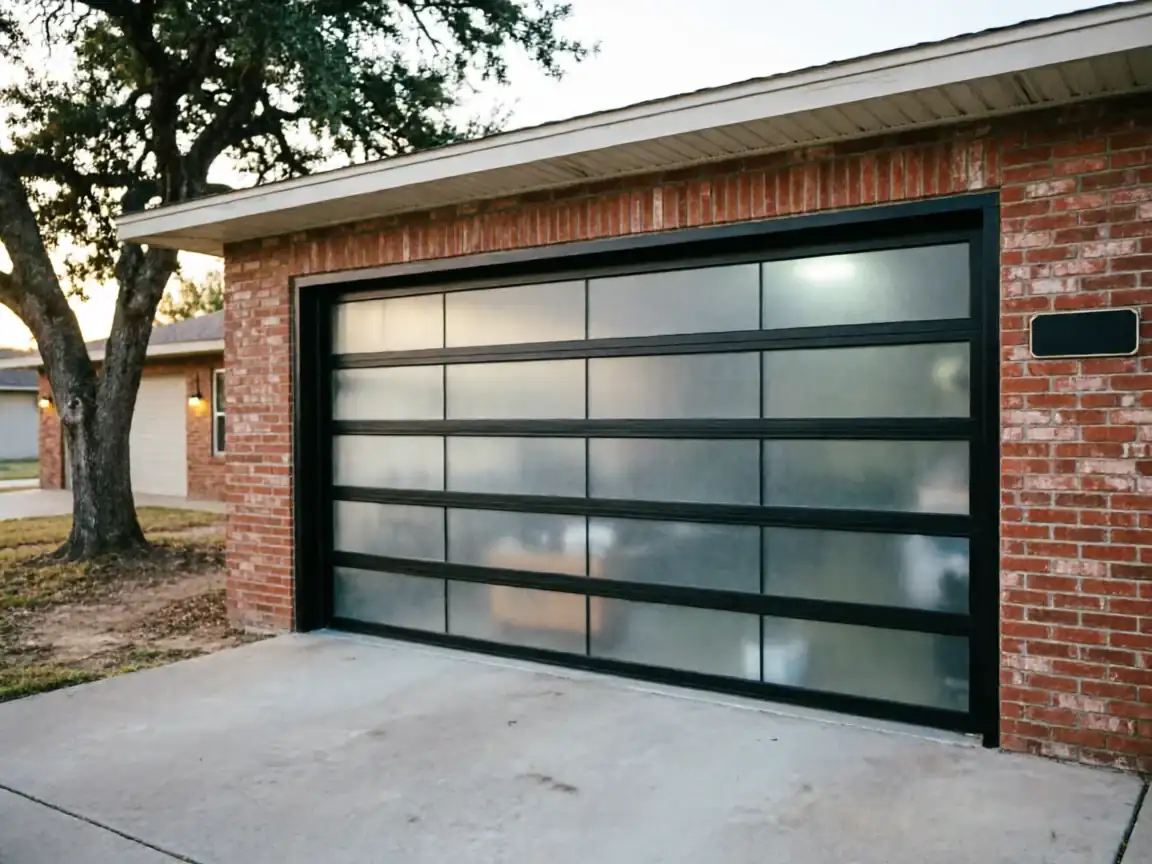
We run out of Royse City, about 8 miles from Caddo Mills, so a call here gets scheduled the same way as any job on our board - we're not a drop-in operation with a storefront in town. Tell us the age of the house if you know it and what the door's doing (won't open, makes noise, opener clicks but nothing moves) and we can usually tell you over the phone whether it's a spring, a sensor, or something in the opener. That saves a truck roll for something simple, and it means we show up with the right spring size or roller stock already on board instead of guessing.
What You Are Seeing
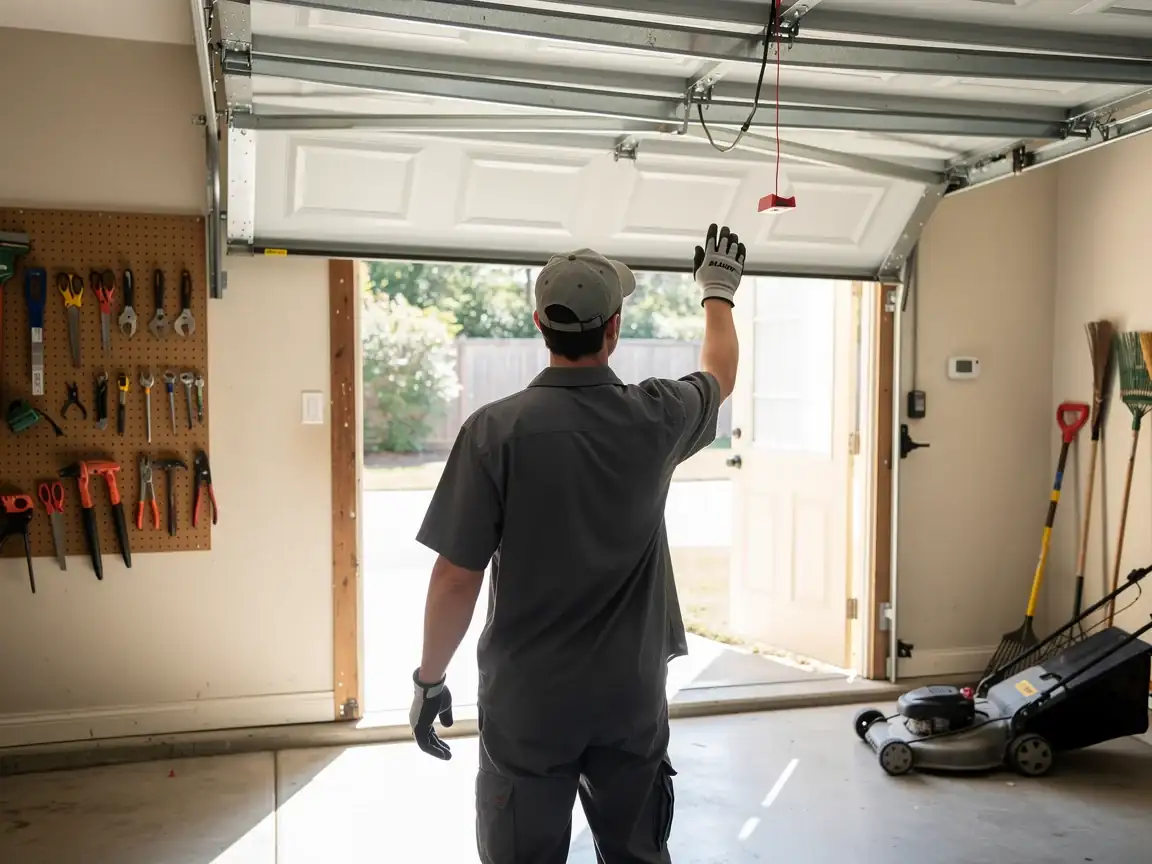
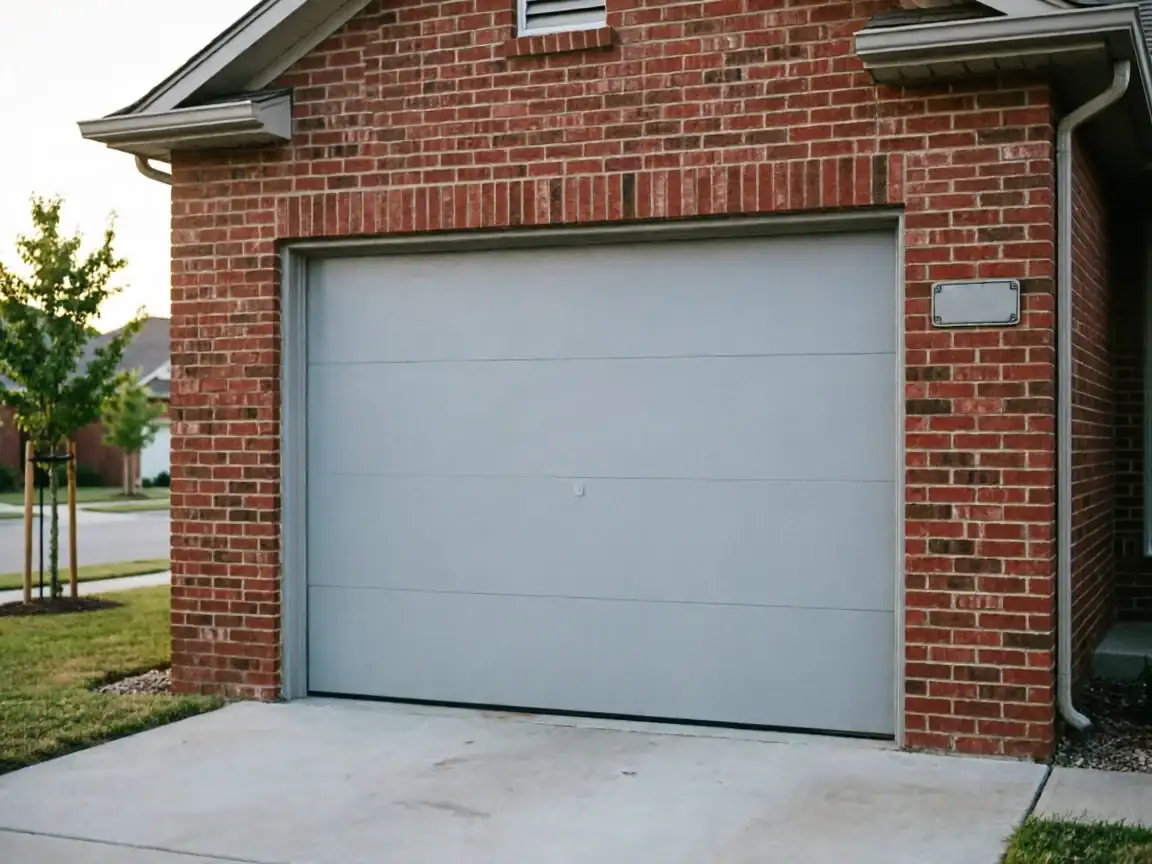
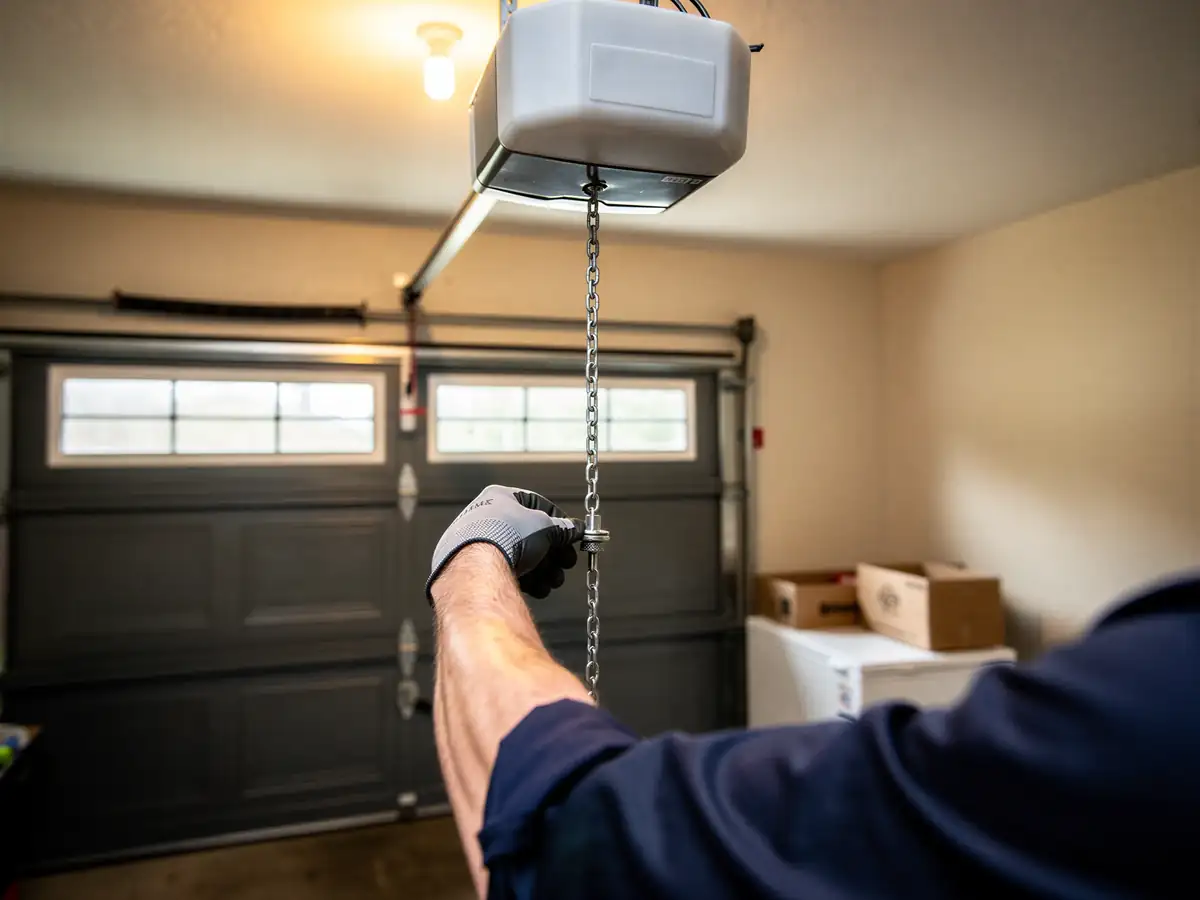
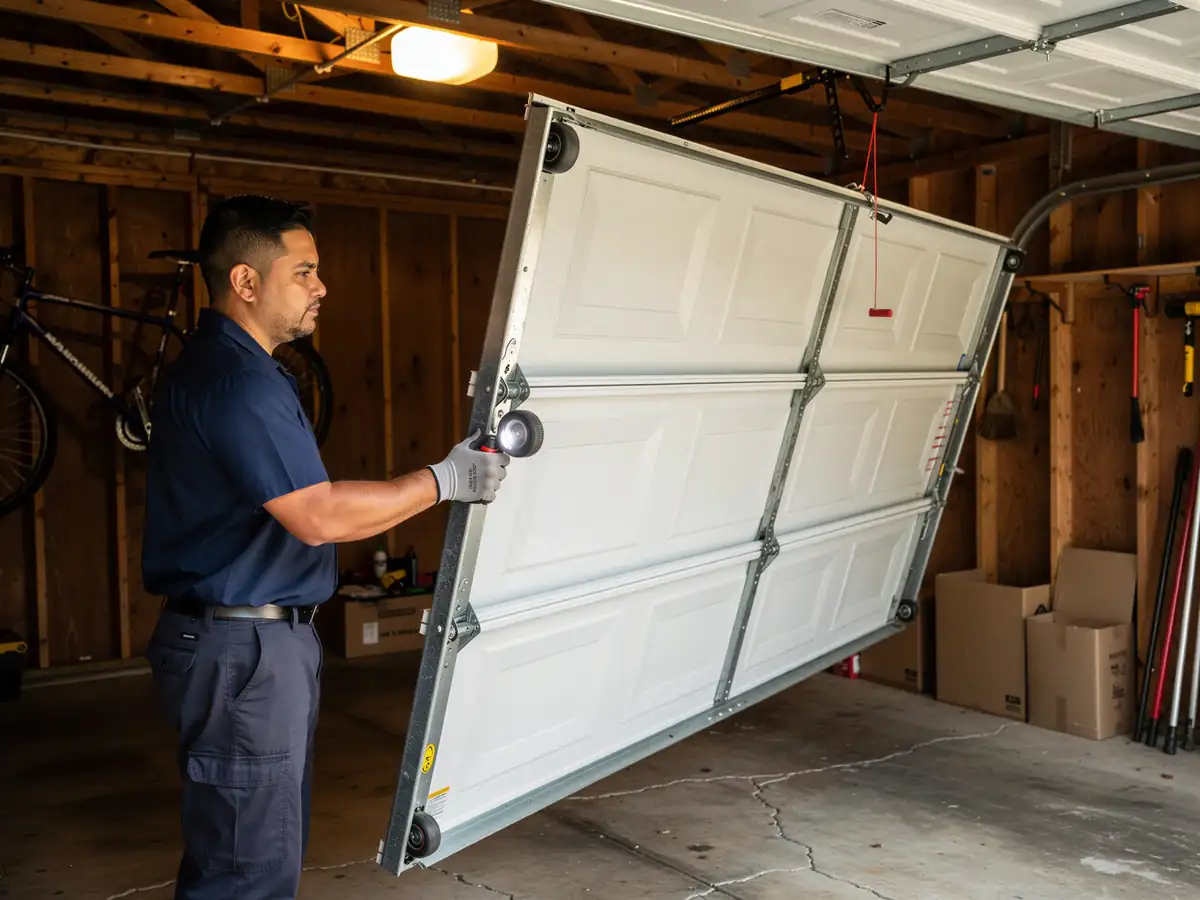
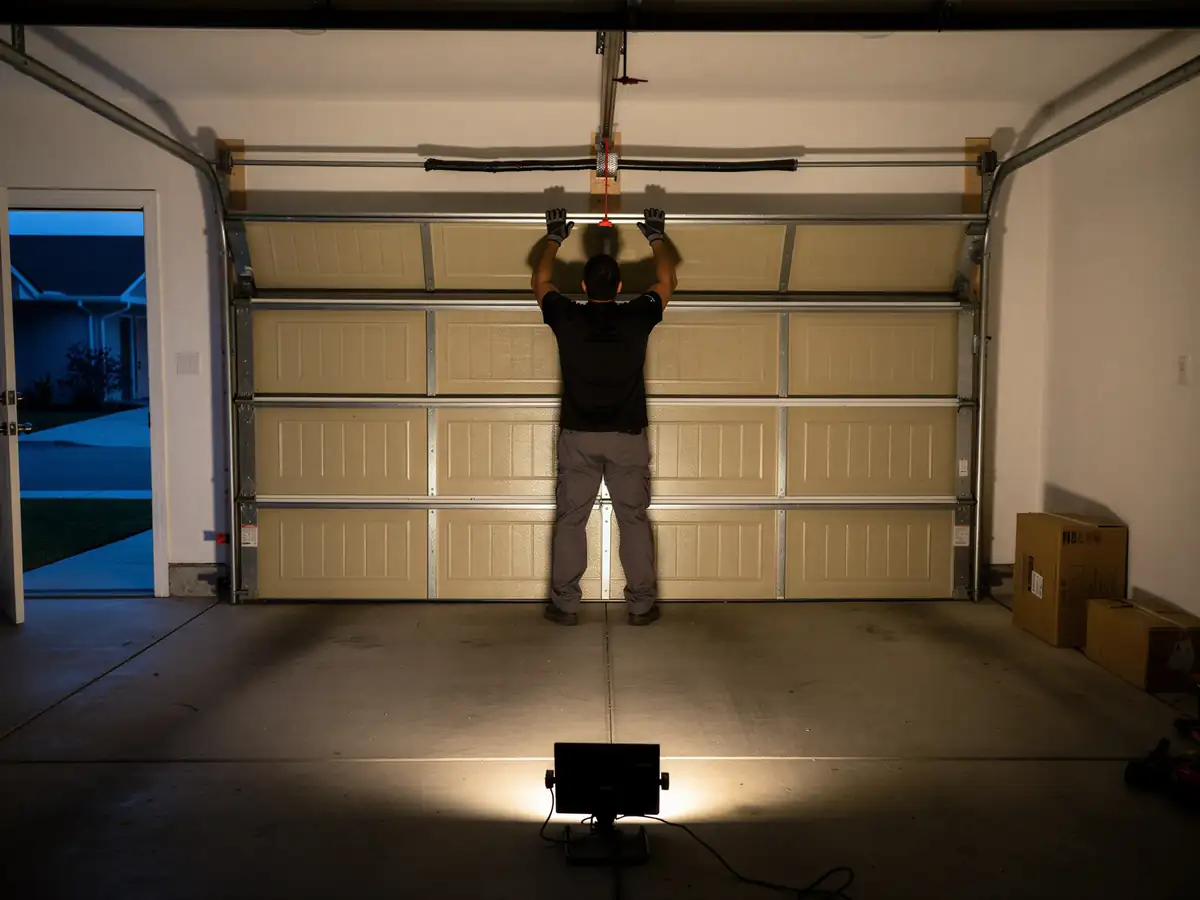
If your door is dragging on one side, that's almost always a bent track or a roller that's worn down unevenly, not the opener fighting a bad motor. If the opener runs but the door doesn't move, check whether the belt or chain is still engaged - on an older chain-drive unit, the sprocket can strip teeth over time and slip without snapping anything you'd notice by looking. A door that reverses partway down on its own, without anything under it, usually means the close-force sensor is misadjusted or the travel limits have drifted, which is common once an opener's been in service for years. None of these are emergencies that need a same-hour call, but a door that won't fully close is a security gap worth closing out soon, not a weekend project to get to eventually.