What Can Go Wrong
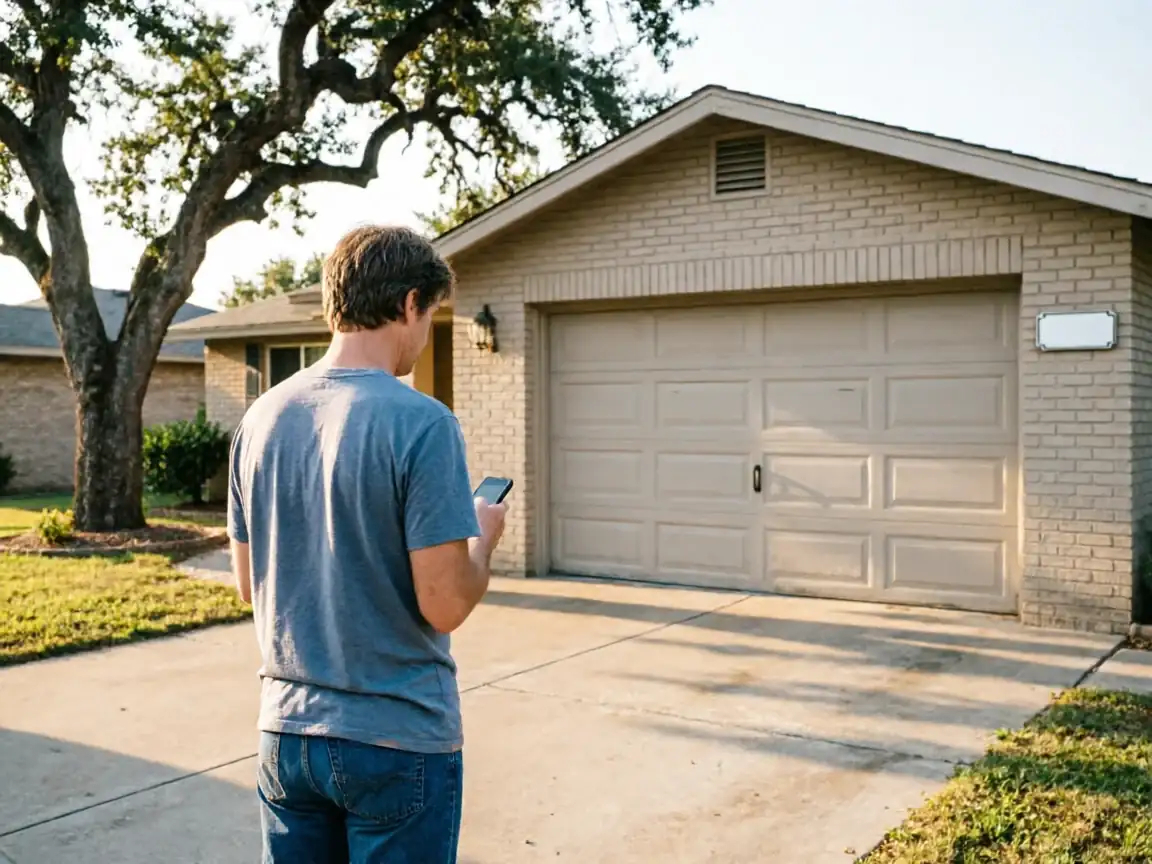
Most of the garage door calls we get out of Caddo Mills start the same way: a door that worked fine for years suddenly won't open, or opens halfway and stops. Houses here mostly went up around 1985, which puts a lot of original garage hardware at the 35-40 year mark - past where springs and cables are rated to perform no matter how light the use has been.
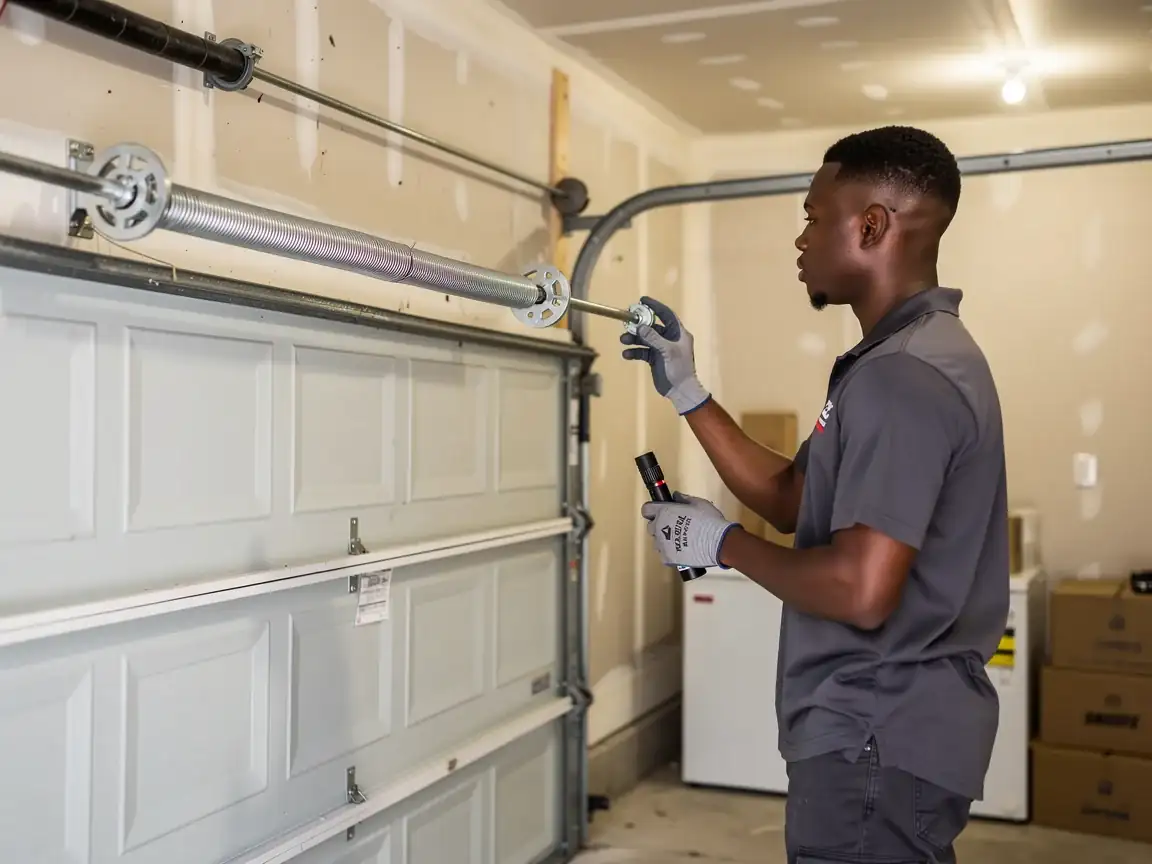
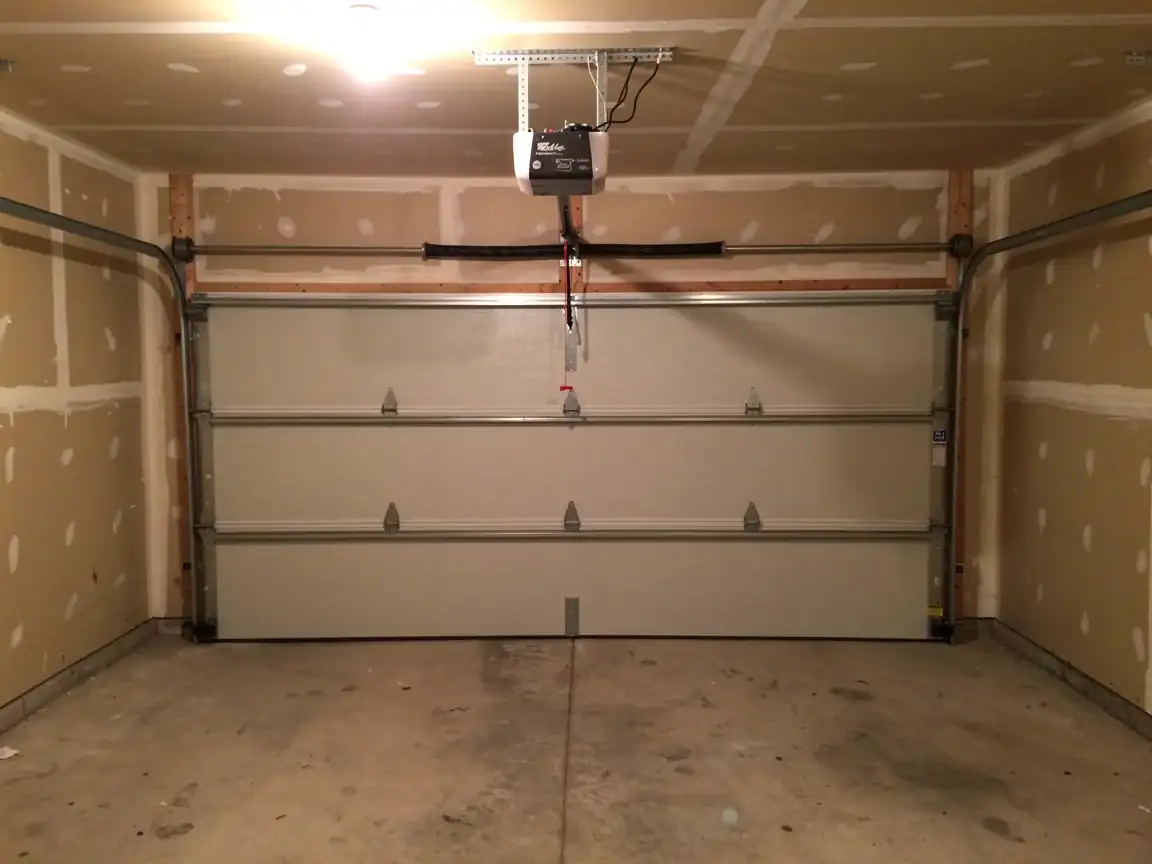
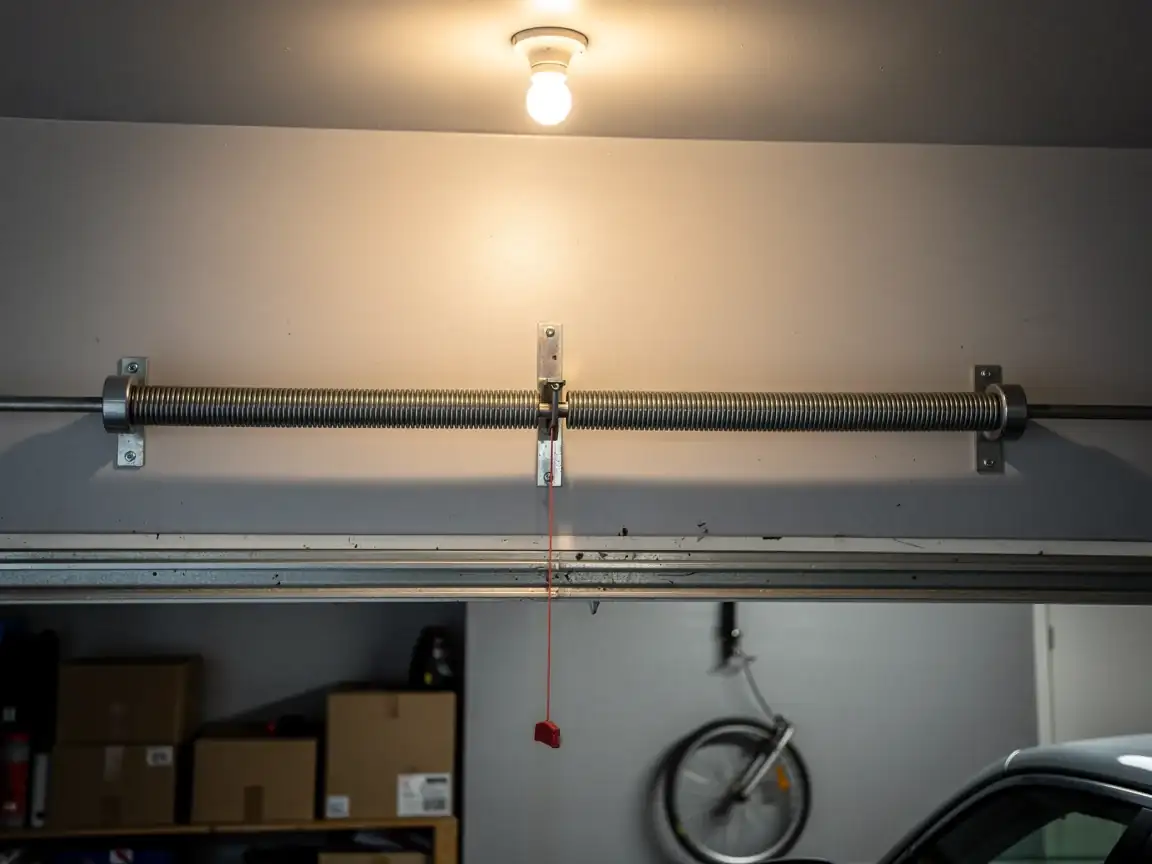
That build era also means a fair number of doors on extension springs mounted along the horizontal tracks rather than torsion springs over the header, which is more common in newer construction. Extension springs fail differently than torsion springs do, and they need separate safety cables that a lot of 1980s installs never had added later. We also see steel panels from that period with surface rust at the bottom section, where moisture sits against the weatherstrip over the decades.
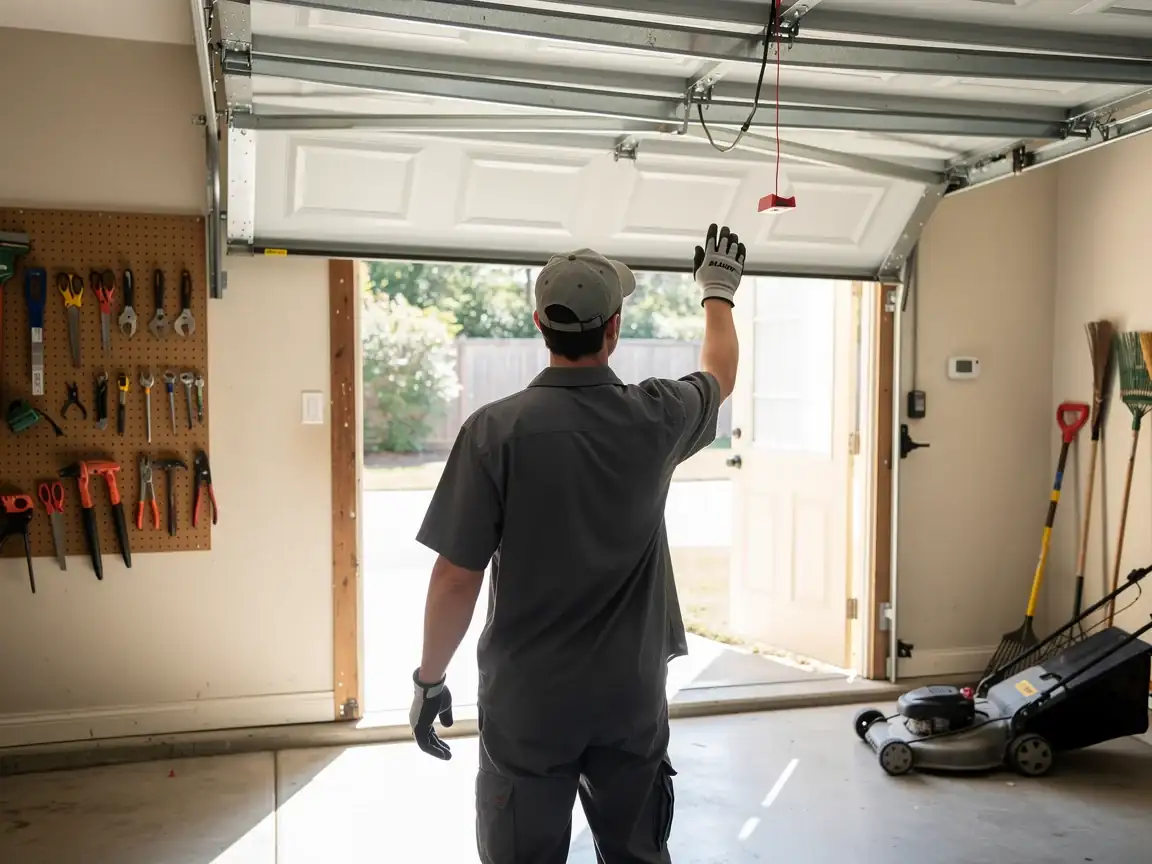
Openers from that generation, or early replacements of them, often run on chain drives with worn sprockets, and some still lack the photo-eye sensors required on anything installed or serviced today. None of this is unusual for a house this age - it's just what the hardware looks like after three and a half decades of use.
What the Fix Involves
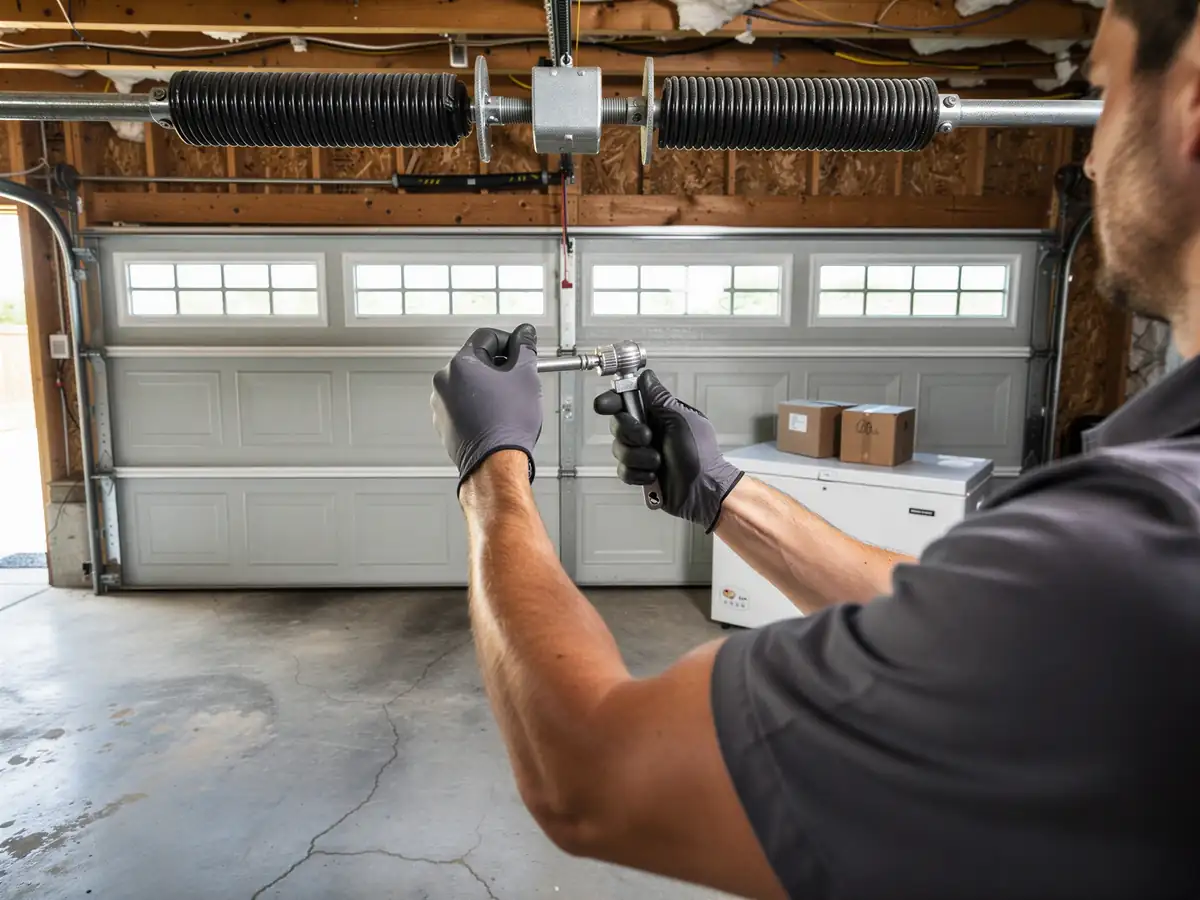
For a broken spring, the job is matching the wire gauge, coil diameter, and length to the door's actual weight and size, not just swapping in whatever's closest. On extension-spring setups common to Caddo Mills' housing stock, that includes checking for and adding safety cables if the original install skipped them - a cheap fix that matters more than almost anything else on the door.
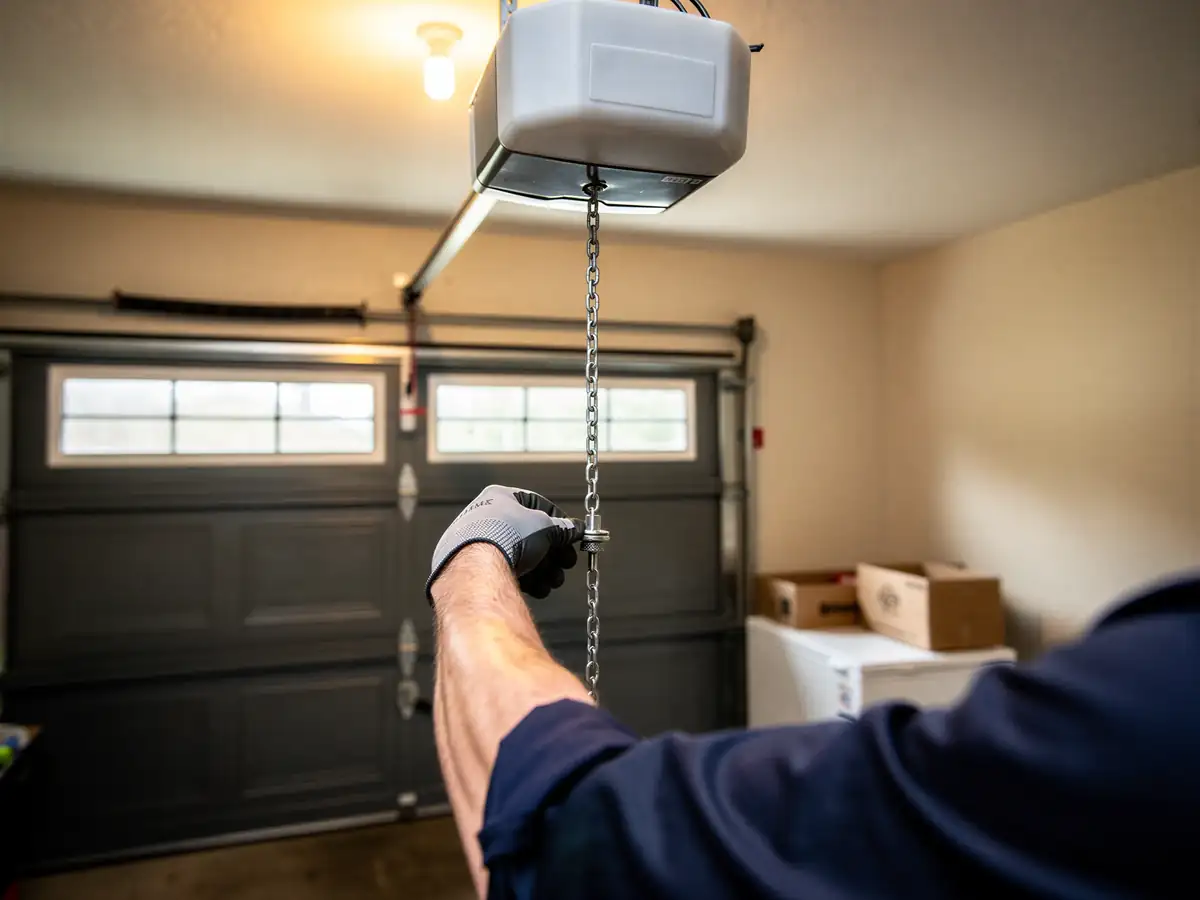
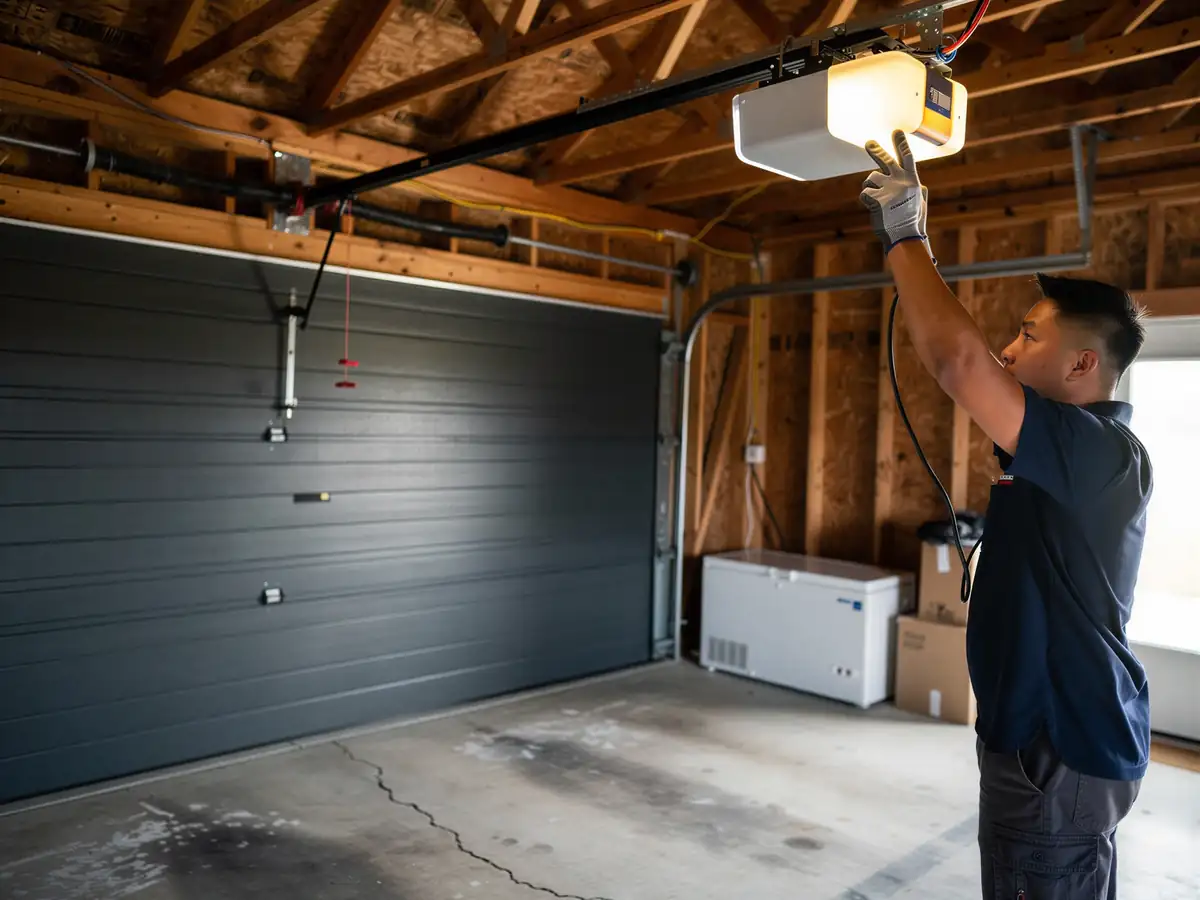
For openers, if the motor and gearing are original to a mid-1980s install, repair usually means replacing worn gears or the drive chain rather than hunting down parts for a unit that's been discontinued for years. If the opener predates photo-eye sensors, we won't reinstall it without adding them - that's a safety line we don't cross regardless of what the homeowner originally had.
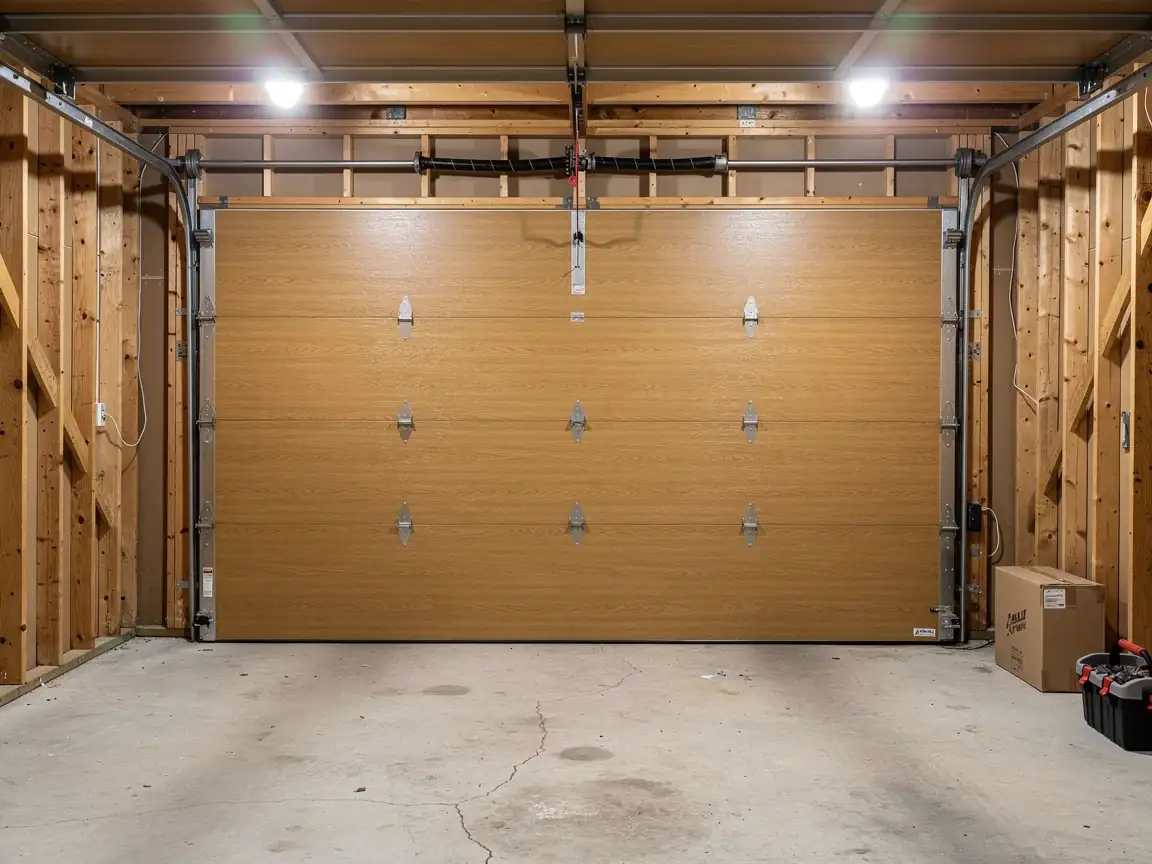
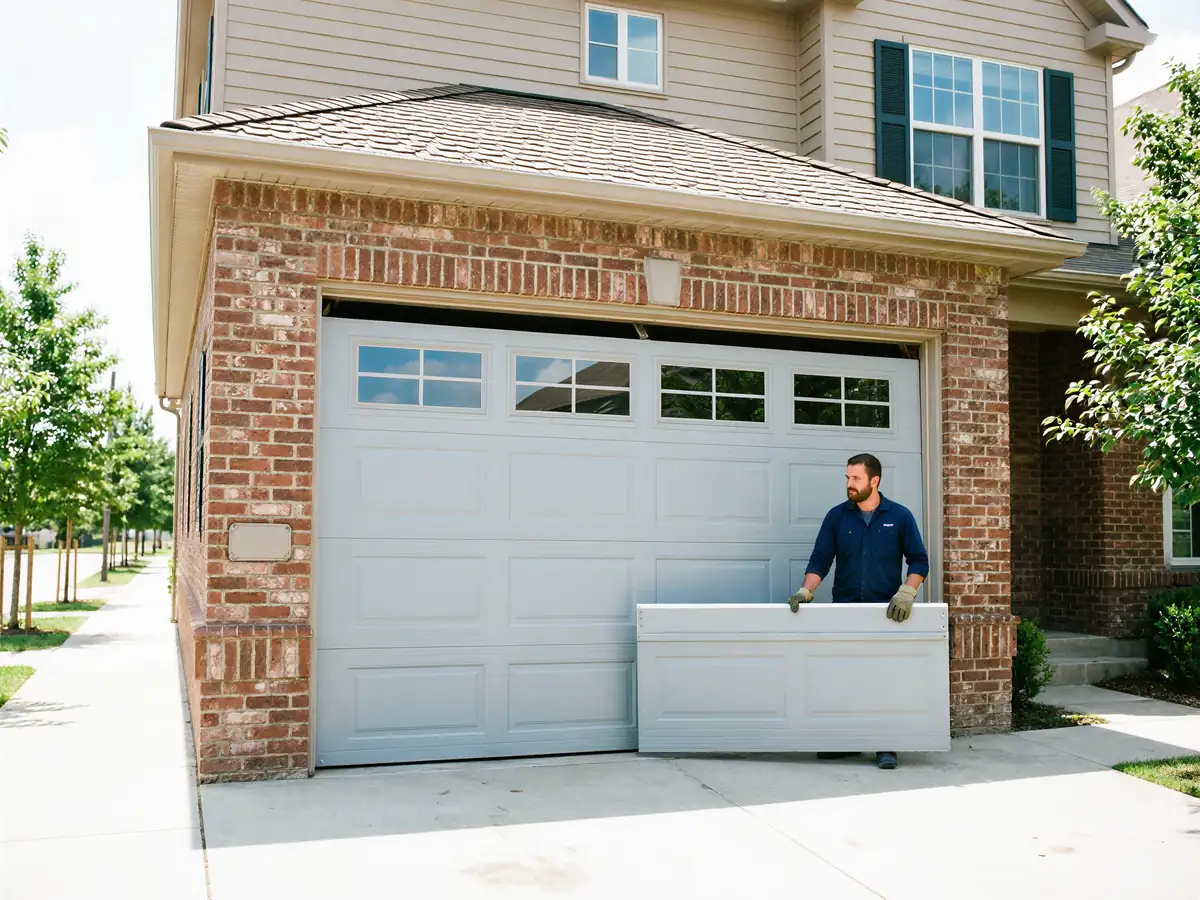
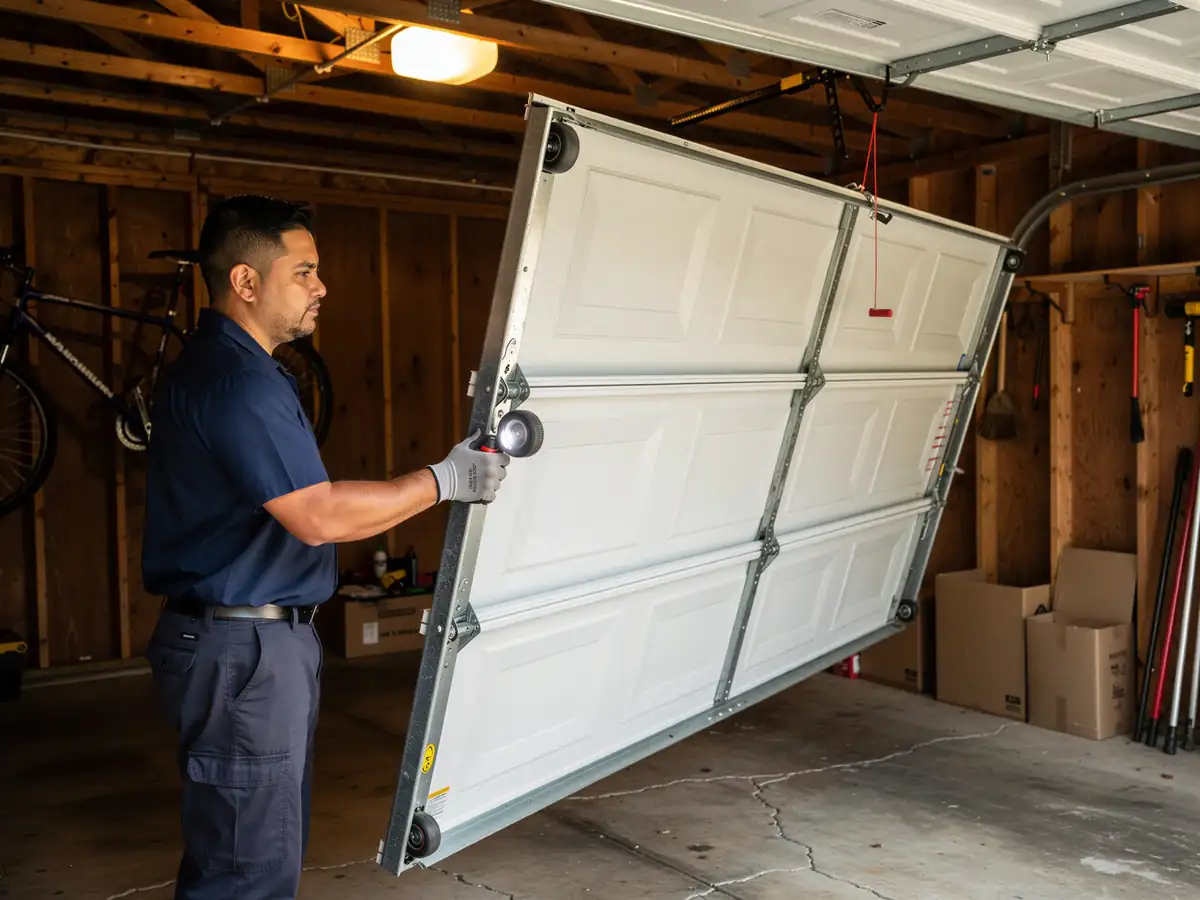
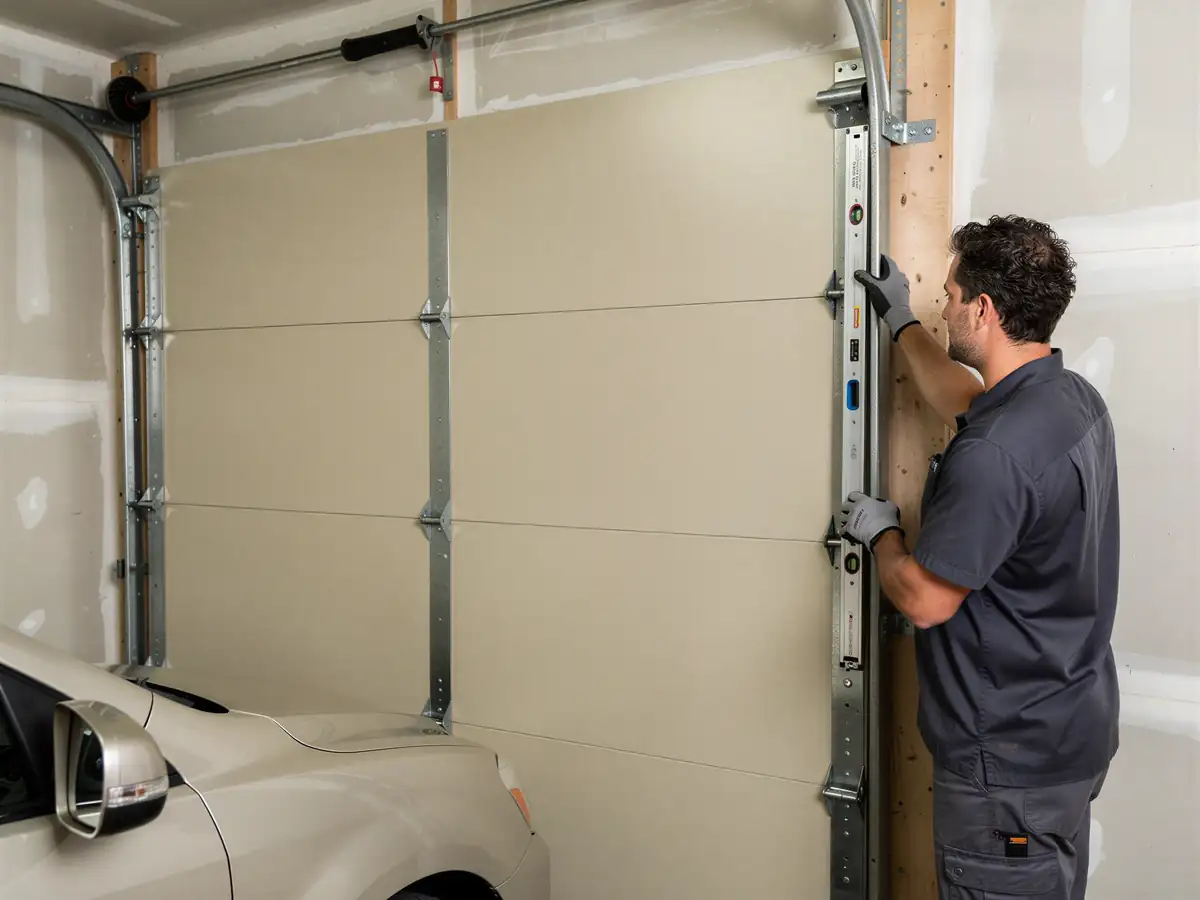
Track and roller work is straightforward on these doors: realigning bent track, swapping worn rollers, and checking cable drums for fraying where the original cable has stretched over the years. Panel sections with rust at the bottom are either patched or replaced individually - a full door swap isn't always necessary just because one panel has given out.
The DIY Question
Rollers, weatherstrip, and tightening loose hardware are reasonable for a homeowner to handle
Springs are not - torsion or extension, a spring under tension that lets go while you're working on it can break bones or worse, and that's true whether the door is five years old or forty.
On a door from the 1980s, there's an added wrinkle
The spring and cable sizing from that era doesn't always match what's sold off the shelf today, and getting it wrong means a door that slams down instead of lowering smooth, or one that strains the opener until that fails too. If you're not sure what you're looking at, that uncertainty is the answer - call it in rather than guess.
How to Book
We cover Caddo Mills from Royse City, about eight miles out, along with the other communities in this part of the county. Call or book through the Caddo Mills service area page, tell us what the door is doing - won't open, stuck halfway, loud grinding, whatever it is - and we'll get a truck scheduled.
If you're looking at our full range of repair work rather than what's specific to Caddo Mills, the Royse City garage door repair page covers that in more depth.
What You Are Seeing
With roughly 976 households in Caddo Mills, most built around the same mid-1980s window, you tend to see the same handful of failures repeat across the area: extension springs without safety cables, chain-drive openers with worn sprockets, and steel panels rusting at the base. It's a narrower range of problems than you'd find in a town with a wider spread of build years, which actually makes diagnosis faster once we're looking at the door.
Median household income here runs around $75,385, noticeably below the broader Royse City service area's $117,428, and that shows up in what gets fixed versus replaced - more patch-and-repair work on doors that still have useful life left, rather than full replacements at the first sign of trouble. That's not a knock on the town; it's just a more practical way to spend money on a door that's otherwise sound.
Time on the Job
A spring replacement on a Caddo Mills door, once we've confirmed the sizing
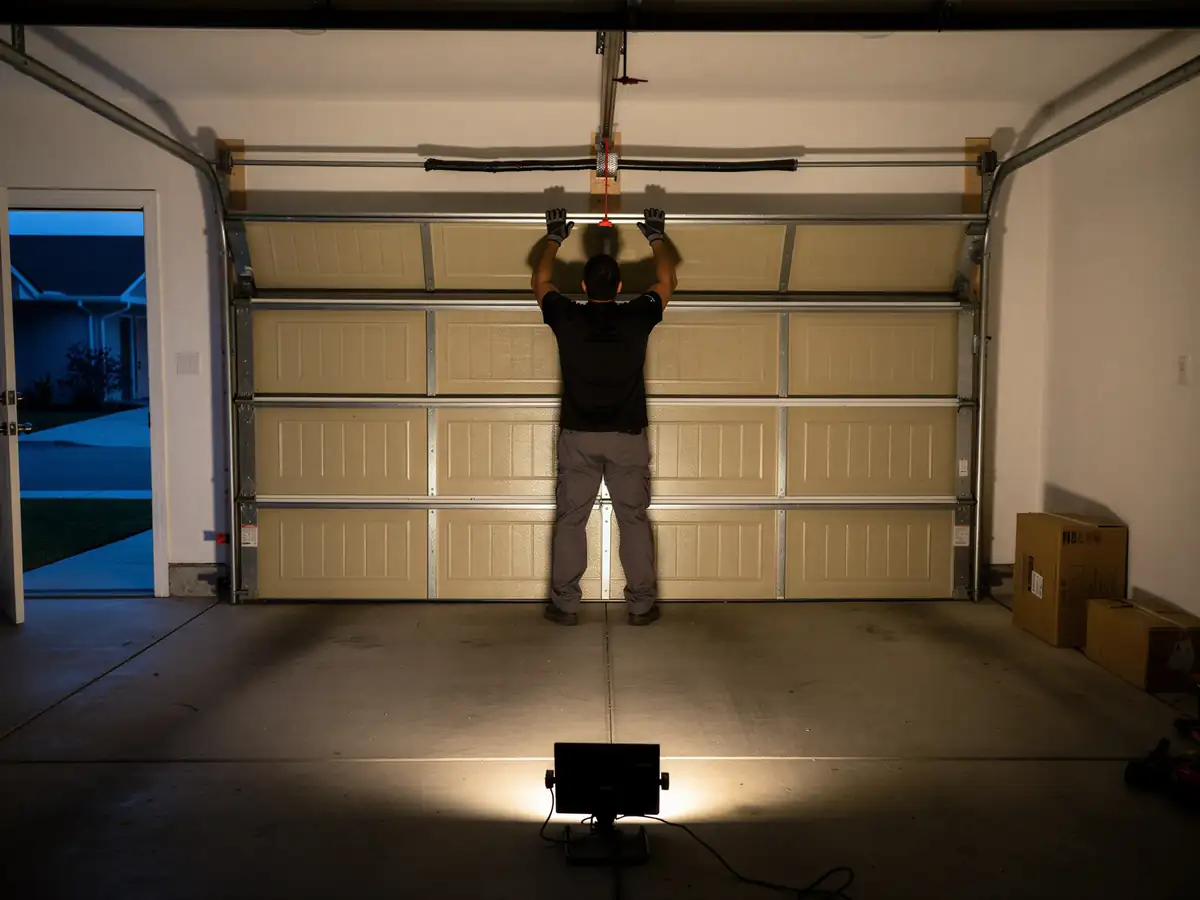
Usually runs under an hour. Adding safety cables to an extension-spring setup that never had them takes a bit longer, since it means checking the whole track assembly while we're in there.
Opener repairs vary more
Swapping a drive chain and gear set is a short job, but if we're adding photo-eye sensors to a unit that never had them, that's extra wiring and alignment work. Panel replacement depends on whether we're patching one section or ordering a match for an older door, and matching an exact steel profile from a 1980s install isn't always fast - sometimes that's the one part of the job we can't speed up, and we'll tell you that upfront rather than guess at a timeline.